
What Is Catathrenia? A Guide to Nocturnal Groaning Sleep Disorder
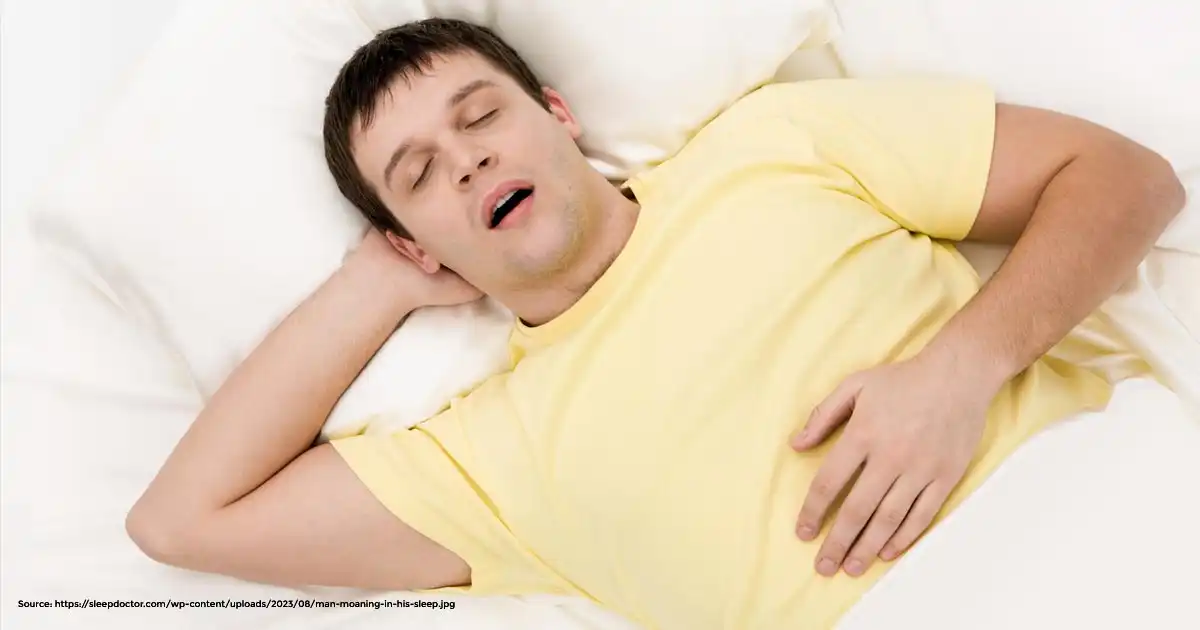
Ever woken up to the sound of someone groaning in their sleep?
It’s not quite snoring. It’s not talking. It indicates you or someone close to you might be dealing with a rare condition called Catathrenia. Catathrenia is often referred to as a nocturnal groaning sleep disorder.
It usually happens during exhalation and can sound like someone is in distress. While it doesn’t interfere with oxygen levels like sleep apnea, it can seriously disrupt sleep.
Today we are going to discuss what exactly catathrenia is, how to spot the signs, and what might be causing it. From sleep hygiene tips to therapeutic options, we’ve got everything you need to know to sleep a little easier.
Let’s dive in!
What Is Catathrenia?
Catathrenia is a rare and unusual sleep-related respiratory disorder. A person with catathrenia groans during exhalation, typically while in REM or deep non-REM sleep. Unlike snoring or sleep apnea, catathrenia doesn’t interrupt oxygen flow or cause dangerous health consequences.
Still, its effects can be disruptive, both for the individual and their sleeping partner.
The prolonged, low-pitched, and monotonic groaning sounds resemble a moan or even a distress call. They usually occur in clusters. It can last from a few seconds to up to a minute.
Symptoms of Nocturnal Groaning Sleep
Recognizing the symptoms of nocturnal groaning sleep disorder is important.
It includes:
- Monotonous Groaning Sounds: Typically, during exhalation, not inhalation
- No Oxygen Desaturation: Unlike sleep apnea, oxygen levels remain stable
- No Awareness by the Sleeper: Most individuals are unaware they are groaning
- Clusters of Episodes: Often occur during REM sleep and in repetitive cycles
- Sleep Fragmentation: Though not always waking the sleeper, it can disturb the sleep cycle
- Partner Sleep Disruption: More often reported by sleep partners than the individual
Causes Of Sleep Groaning Disorder
The exact cause of catathrenia remains unclear. However, various contributing factors and hypotheses have been proposed:
- Neurological Dysfunction: Dysfunction in the brain’s respiratory control centers.
- Upper Airway Muscle Tone Issues: Similar to other sleep disorders, improper coordination of upper airway muscles may be involved.
- Anatomical Abnormalities: Issues like enlarged tonsils or adenoids might play a role.
- Stress and Anxiety: Heightened stress or emotional tension before bedtime can exacerbate groaning episodes.
- Sleep Posture: Certain positions may encourage groaning, particularly back-sleeping.
Nocturnal Groaning Sleep Treatments
Managing catathrenia can improve both the sufferers and their partner’s quality of sleep. A Polysomnographic Sleep Study (PSG) is typically used to diagnose the disorder.
1. Continuous Positive Airway Pressure (CPAP) Therapy
- CPAP machines are commonly used for sleep apnea.
- It has shown promise in some catathrenia cases.
- The device delivers consistent air pressure to keep the airway open, which may help reduce groaning episodes.
2. Oral Appliances
- Specially fitted dental devices can help reposition the jaw and tongue during sleep.
- It potentially reduces the frequency or intensity of groaning.
3. Tonsillectomy and Adenotonsillectomy
- Enlarged tonsils or adenoids are identified as contributing factors.
- Surgical removal (especially in children) may significantly reduce or eliminate symptoms.
4. Positional Therapy
- Groaning often occurs in certain positions (typically lying on the back).
- Training yourself to sleep on your side using body pillows or wedges may help.
5. Relaxation Techniques
- Stress and tension can make symptoms worse.
- Incorporating practices like deep breathing, meditation, or guided imagery can help relax the body and mind before bed.
Best Sleep Aids to Treat Catathrenia
Living with catathrenia, a nocturnal groaning sleep disorder, may not be physically harmful. However, its disruptive impact on rest is real.
The good part is that various sleep aids and lifestyle modifications can help reduce the frequency and severity of this sleep groaning disorder.
Here are the most effective sleep aids and routines to manage and improve your sleep quality with catathrenia.
1. Establish a Consistent Sleep Routine
Routine is crucial for those with catathrenia. An irregular sleep schedule can destabilize sleep. It increases the chances of groaning episodes during deep sleep or REM stages.
- Go to bed and wake up at the same time each day, even on weekends.
- Follow a structured wind-down routine. It includes gentle stretching, reading, meditation, or taking a warm bath, which can signal the body that it’s time to sleep.
- Avoid naps late in the day which can disrupt nighttime sleep patterns.
A consistent rhythm stabilizes the sleep cycle. It minimizes the likelihood of triggering the symptoms of nocturnal groaning sleep.
2. Optimize Sleep Hygiene
Sleep hygiene refers to behaviors and environmental factors. It supports quality rest. Poor sleep hygiene can worsen the symptoms of catathrenia.
- Avoid caffeine, alcohol, and heavy meals before bedtime.
- These substances can disrupt deep sleep stages where groaning often occurs.
- Reduce screen time an hour before bed. Blue light from devices suppresses melatonin, delaying sleep onset.
- Keep a calming pre-sleep environment. Dim the lights, maintain a quiet atmosphere, and limit stimulating activities.
Enhancing sleep hygiene helps promote deeper and more restorative sleep. It can reduce the frequency of sleep groaning episodes.
3. Positional Therapy
Catathrenia episodes are often position-dependent. People who sleep on their backs may experience more groaning sounds compared to those who sleep on their side.
- Use body pillows or specially designed sleep positioners to encourage side-sleeping.
- A wedge pillow can elevate the upper body slightly. It reduces throat and airway tension.
- Some individuals benefit from wearing positional devices. It discourages rolling onto the back during sleep.
Simple changes in sleeping posture can significantly reduce groaning intensity. Sleeping posture helps manage the condition more naturally.
4. Improve Sleep Environment
Your sleep setting has a direct influence on how deeply and comfortably you rest. For those with a nocturnal groaning sleep disorder, this becomes even more important.
- Keep the bedroom cool to promote deeper sleep.
- Use blackout curtains to block light and reduce nighttime awakenings.
- Invest in a white noise machine or soothing sleep sounds app. It helps to mask groaning sounds and help your partner sleep better.
Creating a peaceful and supportive sleep space not only promotes uninterrupted sleep but also helps in reducing the social discomfort often associated with sleep groaning disorder.
5. Use Supportive Mattresses and Bedding
The right mattress plays a crucial role in reducing tension in the airway. It supports healthy posture throughout the night.
- Choose a medium-firm mattress that supports spinal alignment.
- It prevents the body from collapsing into poor positions that exacerbate groaning.
- Memory foam or hybrid mattresses are ideal for those with catathrenia.
- Consider adjustable bases that allow for elevated head positions. It helps to reduce pressure on the airway.
Recommended Mattresses:
- You can use Saatva Classic Mattress as its zoned support and pressure-relieving comfort promote side sleeping and reduce body tension. Ready for a sleep upgrade? Check the best deals now!
- Tempur-Pedic TEMPUR-ProAdapt is another mattress good for catathrenia. It is designed for responsive contouring and reduced motion transfer. This mattress helps keep the airway in a stable position while minimizing disruptions to sleep partners.
For more detailed information, visit our mattress review page!
These mattresses are specifically suited for individuals dealing with sleep groaning disorders. They help prevent positional triggers that may aggravate symptoms.
6. Incorporate Relaxation Techniques
Managing emotional stress is important for those with catathrenia. Anxiety and emotional strain can lead to increased nighttime arousal. It may trigger groaning episodes.
- Try deep breathing exercises, such as 4-7-8 breathing, to calm the nervous system before bed.
- Use guided sleep meditations available on apps like Calm or Headspace.
- Progressive muscle relaxation can help release built-up tension in the body and prevent sleep fragmentation.
When practiced regularly, these techniques foster a calm mental state that enhances sleep quality and reduces the impact of nocturnal groaning sleep symptoms.
7. Track Sleep Patterns
Use a sleep diary or tracking app to record groaning frequency, sleep duration, and quality. This can help identify patterns and triggers over time.
Share this information with a sleep specialist for tailored recommendations. It can also help determine whether lifestyle changes are reducing groaning episodes effectively.
8. Avoid Sleep Disruptors
- Avoid late-night heavy exercise which elevates cortisol levels.
- Eliminate high-sugar foods in the evening that spike energy levels.
- Say no to multitasking in bed—reserve the bedroom for sleep and intimacy only.
Smart Take
Understanding and managing catathrenia or nocturnal groaning sleep disorder starts with awareness. Choosing the right sleep solutions can make all the difference.
From optimizing sleep hygiene to selecting the best mattress for your needs, small changes can significantly improve your sleep. If you’re ready to upgrade your sleep setup, visit SmartMattressBuy to discover reviews, best deals, and exclusive discounts.
Disclaimer
This blog is intended for informational and educational purposes only. It is not a substitute for professional medical advice, diagnosis, or treatment. If you believe you or someone you know may be suffering from a sleep disorder, please consult a qualified healthcare provider or sleep specialist.