
Teen Tech Trap: How Midnight Scrolling & Phone Addiction Is Stealing Sleep—and Psyche!
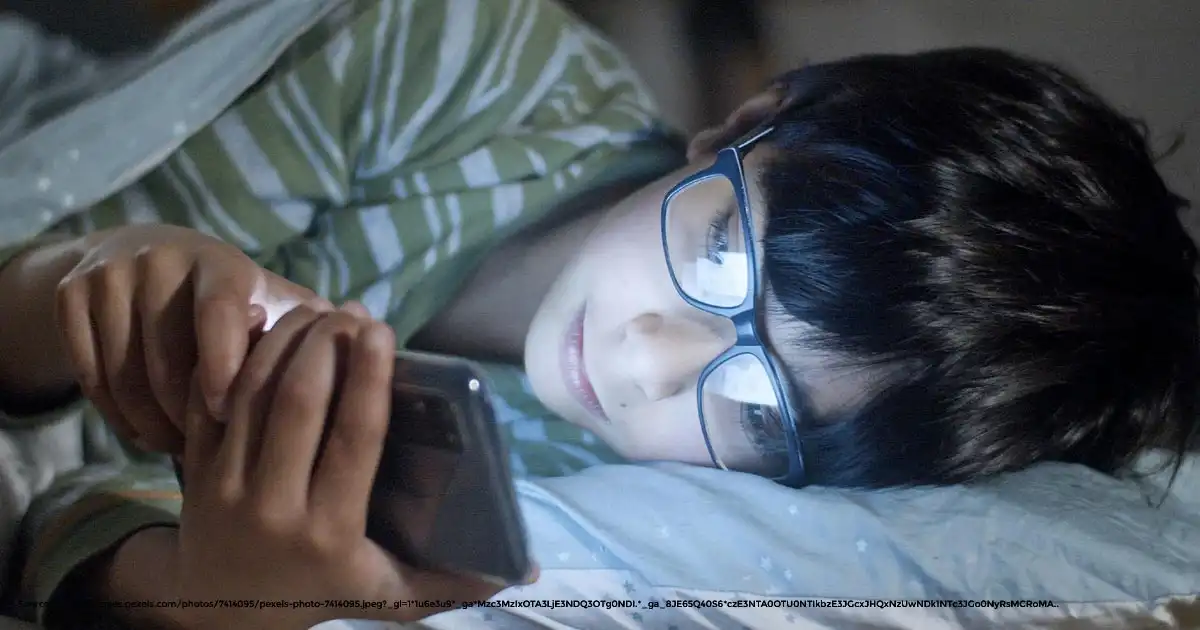
Welcome to the tech-obsessed teen zone—where midnight scrolling feels more important than sleep, and where “one more video” spirals into a 3 a.m. rabbit hole.
Let me guess—you’ve tiptoed into your teen’s room past midnight, expecting to find them asleep, only to be blinded by the glow of their phone under the blanket. If this scene feels way too familiar, you’re not alone. We’re smack in the middle of a teen tech crisis.
Welcome to the age of the Teen Tech Trap—a twisted mix of midnight scrolling, social media FOMO, and phone addiction that’s not only keeping teens awake but stealing their peace, productivity, and mental well-being. The screen time seduction has taken over the night, and the cost is higher than you think. Mental health, physical well-being, and academic success.
Let’s uncover how deep the trap goes—and what you can do to help your teen break free.
Key Summary
|
|---|
Teen Sleep Blueprint: Understanding the Natural Clock
Before diving into the tech trap, let’s understand how natural sleep works for teens.
- Teenagers operate on a delayed sleep phase due to hormonal shifts in melatonin and cortisol.
- Melatonin, the sleep hormone, starts to rise later in the evening post-puberty.
- Cortisol, which keeps us alert, begins to fall only after melatonin kicks in.
- Teens naturally feel sleepy around midnight and require about 9 hours of sleep to function.
- However, most teens clock in just 6 to 7 hours on school nights. Cue weekend crash naps and mood swings!
This mismatch is biological, not behavioral. But phones are adding fuel to the fire.
Midnight Scrolling: The Triple Threat of Tech Trouble
- Blue Light Blues
The screens teens love emit blue light that suppresses melatonin. It tricks the brain into thinking it’s still daylight.
Even with Night Shift or Night Light modes, only 4% of teens actually use them. Result? The body’s internal clock is thrown off, disrupting the sleep cycle.
- Brain on High Alert
Scrolling TikTok, replying to texts, or reacting to Instagram stories at night triggers the arousal mechanisms in the brain.
- Heart rate increases.
- Blood pressure rises.
- Sleep latency (how long it takes to fall asleep) extends by at least 30 minutes.
Even keeping the phone nearby without touching it can negatively impact sleep quality. The anticipation is enough to keep the brain awake.
- Addictive Content Loops
Social media content is engineered to be addictive. Teens log in for 15 minutes and find themselves scrolling for 90.
- Apps trigger dopamine release—the reward chemical.
- This makes it difficult to “just log off.”
- 20% of teens spend 5+ hours daily on social apps, and many log over 7 hours of total screen time.
Teen Sleep Deprivation: When the Lights Go Out, the Screens Stay On
Teens’ and technology sleep issues are now more evident than ever. Late-night screen time disrupts the body’s natural melatonin production and messes with internal sleep clocks. The result? Teenagers get less sleep, and what little they get is of lower quality.
They lose up to 90 minutes of sleep when using devices before bed.
Most teens need around 8–10 hours of sleep, yet many are getting only 6–7 hours a night. That shortfall stacks up quickly, turning into chronic fatigue, sluggish mornings, and major mood swings.
Teen Sleep Mental Health Link: It’s Deeper Than Just Feeling Tired
The impact of teen phone addiction isn’t just about droopy eyes and morning grumpiness.
- Increased anxiety and depression linked directly to nighttime scrolling.
- Teens who stay on their phones late are more likely to experience nightmares.
- There is a growing link between sleep deprivation and risky behaviors in teens, such as impulsive decision-making, substance abuse, and reckless driving.
Your teen’s screen habits may be eroding their mental resilience. And you may not even notice it until it snowballs.
Mental Mayhem: The Emotional Cost of Lost Sleep
Let’s get honest—when your teen is scrolling until 2 a.m., it’s not just sleep they’re losing.
When sleep takes a hit, so does mental health. That’s the hard truth. Teen sleep mental health issues start quietly but build fast. You may notice subtle mood changes at first: irritability, zoning out, or being snappy. Then it escalates.
Midnight scrolling doesn’t just delay rest—it disturbs the brain’s natural ability to reset and heal. And without quality sleep, teens are more likely to experience:
- Anxiety
- Suicidal thoughts
- Low self-worth
- Sudden emotional withdrawal
- Angry outbursts
These aren’t just teenage mood swings. They’re real signs of mental exhaustion, fueled by sleep deprivation and constant digital stimulation.
Pair that with phantom vibration syndrome (where they think their phone is buzzing), compulsive checking, and the fear of missing out (FOMO), and you’ve got a dangerous mix.
Even nightmares become more frequent when screens dominate the night. If your teen is cranky, disconnected, or emotionally off, don’t just blame hormones—start by checking how they’re sleeping.
Anatomy of Phone Addiction: Why Teens Can’t Just Stop
Let’s call it what it is—tech addiction.
- Social media apps are dopamine mines, constantly feeding the brain small rewards.
- Notifications, endless feeds, autoplay videos—all designed to keep your teen glued.
- FOMO (Fear of Missing Out) keeps them checking every ping.
These apps are not neutral tools. They are engineered for engagement. And for teens whose impulse control is still developing, it’s the perfect storm.
Risky Ripple Effects: What Sleep Deprivation Really Does
Let’s not sugarcoat it—sleep deprivation risky behaviors teens face are life-altering:
- 1 in 4 teens checks their phone while driving.
- Cellphone distractions are involved in 21% of fatal teen driving accidents.
- Lack of sleep leads to impaired judgment, slower reaction time, and risky decision-making.
When teens are underslept and overstimulated, their ability to process emotion, focus on schoolwork, or build healthy relationships takes a major hit.
Warning Signs: Is Your Teen Caught in the Trap?
Watch out for these red flags:
- Frequent mood swings or irritability
- Falling asleep in class
- Headaches and eye strain
- Avoiding family meals or outdoor time
- Secretive phone use late at night
- Loss of interest in hobbies
- Phantom vibration syndrome (feeling phone notifications that never came)
Proven Parent Hacks: How to Help Teens Break the Tech-Sleep Spiral
- Start Early with Expectations
Set digital boundaries when you first give your child a phone. Define what ‘screen time’ means, including:
- No phones after 9 p.m.
- No social media during homework hours.
- Set app limits using parental controls.
- Make Bedrooms Screen-Free Zones
- Phones should sleep elsewhere—period. Keep them out of reach at least an hour before bed.
- Ditch the Alarm Clock Excuse
Buy a basic alarm clock. If they must use a phone, place it across the room, not under the pillow. Distance discourages midnight temptation.
- Be a Role Model
Practice what you preach. No phones at the dinner table or in your own bedroom.
- Kids follow actions more than advice.
- Create a family-wide tech curfew.
- Create a Sleep-First Culture
Celebrate rest. Talk about how sleep is a superpower.
- Teens are more likely to follow rules if they understand the ‘why.’
- Share stories or videos about celebrities and athletes who prioritize sleep.
- Team Up with Other Parents
Build a digital alliance. Set common boundaries among your teen’s friend group to avoid peer pressure.
If everyone powers down at 10 p.m., no one feels left out.
- Open the Conversation
Don’t preach—talk. Ask how screens affect their emotions, friendships, or schoolwork.
- Reward Real-Life Engagement
Support sports, music, clubs, and face-to-face time. A tired teen from play sleeps better.
How Much Sleep Do Teens Need?
Let’s get one thing clear: Teens need 8 to 10 hours of sleep per night.
- Anything below 7 hours is clinically linked to poor academic performance, mood disorders, and even long-term health issues.
- The sweet spot? 9 hours a night. Consistently.
What to Look For When Buying a Mattress to Rescue Teen Sleep
When it comes to rescuing teen sleep, every mattress feature counts. Teen sleep deprivation and teen insomnia causes are on the rise, often driven by the impact of teens and technology sleep disruptions. Addressing teen sleep mental health starts with the right sleep surface.
Here’s what to look for:
- Pressure Relief: Teens often experience growing pains. A mattress that cushions pressure points can help alleviate discomfort and promote deeper sleep cycles.
- Spinal Alignment: Proper support is essential during developmental years. Mattresses that promote spinal alignment reduce long-term back issues and improve posture-related sleep disruptions.
- Firmness Level: The right firmness depends on sleep style—side sleepers need plush comfort, while back or stomach sleepers benefit from medium-firm support. A balanced firmness keeps the spine aligned and muscles relaxed.
- Motion Isolation: Especially important for light-sleeping teens. Mattresses with motion isolation reduce disruptions caused by pets or sibling movement, fostering uninterrupted sleep and aiding teen sleep mental health.
- Temperature Regulation: Teen bodies run hot—especially after screen time. A cooling mattress helps regulate body temperature and offsets tech-induced heat.
- Durability: Teens grow fast. A mattress with high-quality materials ensures support for years and minimizes sagging, crucial for avoiding pain-triggered insomnia.
- Edge Support: Strong edges mean better structure and full-surface usability. Helpful for teens who tend to roll or sleep close to the edge.
Why Do These Criteria Matter? These features don’t just enhance comfort—they directly address teen insomnia causes and improve mental health. Teens battling screen overuse, emotional stress, or hormonal shifts need restorative sleep to stabilize mood, memory, and decision-making. Better mattresses reduce sleep deprivation risky behaviors teens are prone to, like impulsivity and irritability.
Recommended Mattresses to Rescue Teen Sleep At SmartMattressBuy.com, we evaluated materials, construction, cooling features, and support systems to find mattresses that directly improve teen sleep mental health and tackle the teen tech trap.
| Mattress Name | Type | Price for Queen | Firmness | Key Features for Teen Sleep Rescue | Warranty/Trial | Ideal For |
|---|---|---|---|---|---|---|
| Layla Memory Foam Mattress | Flippable Memory Foam | Approx. $1100 | Soft (~4)/Firm (~7–8) | Copper-infused foam for cooling & hygiene, flippable firmness, motion isolation | Lifetime Warranty / 120 Nights | Teens needing cooling tech, motion isolation, and firmness choice |
| Molecule Hybrid Mattress | Hybrid | Approx. $1600 | Medium-Firm | Zoned coils for active support, breathable foams, great for recovery | 10-Year Warranty / 100 Nights | Active teens, athletes, combo sleepers |
| Serta Classic Firm Mattress | Hybrid | Approx. $1200 | Firm | 3-Zone support, breathable layers, promotes spinal alignment | 10-Year Warranty / 120 Nights | Back/stomach teen sleepers, posture support |
| Leesa Studio Mattress | All-Foam | Approx. $799 | Medium-Firm | Budget-friendly, strong motion isolation, eco-certified | 10-Year Warranty / 100 Nights | Side/back teen sleepers, budget-conscious families |
| Molecule Core Mattress | Foam | Approx. $950 | Medium | Air-engineered foam for pressure relief and cooling | 10-Year Warranty / 100 Nights | Teen athletes, warm sleepers, side sleepers |
| Novosbed Firm Mattress | High-Density Memory Foam | Approx. $1399 | Soft/Medium/Firm | Customizable firmness, excellent edge support, durable | 15-Year Warranty / 120 Nights | Growing teens needing firmness variety |
| Latex For Less Mattress | Organic Latex | Approx. $1400 | Medium-Firm / Firm | Chemical-free, breathable, flippable latex sides | 20-Year Warranty / 120 Nights | Eco-conscious teens, allergy-prone |
| Dreamfoam Doze | Foam (7″, 9″, 11″) | Starts ~$399 | Medium | Affordable entry-level mattress with balanced comfort | 10-Year Warranty / 120 Nights | Teens transitioning to solo beds, guest beds |
| Saatva Latex Hybrid Mattress | Hybrid | Approx. $2499 | Medium-Firm – Firm | Pocketed coils for bounce & airflow, great edge support | 10-Year Warranty / 100 Nights | Teens who want luxury hybrid fee |
| Tuft & Needle Adaptive Foam | Adaptive Foam | Approx. $995 | Medium-Firm | Open-cell design, cool and responsive, no memory foam “sink” | 10-Year Warranty / 100 Nights | Teens who study/gaming in bed, multitaskers |
Top 10 Smart Mattresses to Rescue Teen Sleep
Here’s how these smart mattresses work to make life easier for teens trapped in the tech-toss-turn cycle:
- Layla Memory Foam Mattress
- Custom Comfort for Teen Sleepers:
The flippable design gives teens the choice between soft and firm, depending on their comfort needs. Great for changing bodies and sleep preferences.
- Copper-Infused Cooling Tech:
Copper-infused memory foam not only keeps the surface cool but also resists bacteria—great for active or acne-prone teens.
- Motion Isolation:
Ideal for light teen sleepers or those with pets—it absorbs movement and limits disturbances.
- Antimicrobial & Hypoallergenic:
Clean sleep is key for wellness. This one stays fresher for longer.
- Molecule Hybrid Mattress
- Zoned Recovery for Active Teens:
Designed with RecoveryFlo™ technology, the layers support areas like shoulders, hips, and knees—perfect for student-athletes.
- Max Cooling Airflow:
Breathable foam and pocketed coils provide enhanced airflow, reducing night sweats or discomfort from late-night screen exposure.
- Edge-to-Edge Support:
Teens can sprawl, study, or game on the edge without sagging.
- Serta Classic Firm Mattress
- Firm, Consistent Support:
Great for growing teens who need spinal alignment. Ideal for back and stomach sleepers.
- Triple-Zone Coil System:
Offers targeted comfort for hips, shoulders, and back.
- Breathable & Cool:
Promotes airflow to prevent overheating—even during tech-heavy nights.
- Leesa Studio Mattress
- Budget-Friendly Performance:
A great entry-level mattress for teens with high-quality CertiPUR-US® certified foam.
- Motion Isolation & Support:
Absorbs movement and keeps the body aligned during tossing and turning.
- Eco-Conscious Comfort:
Built for both affordability and sustainability—perfect for green-minded teens and families.
- Molecule Core Mattress
- Balanced Support for Every Sleep Position:
Responsive foam adapts to changes in sleep habits—ideal for teens who move from side to back sleeping.
- Breathable Recovery Foam:
Open-cell structure promotes air circulation, keeping the bed cool and fresh all night.
- Durable Design:
Built to last through the high school and college years.
- Novosbed Firm Mattress
- Customizable Firmness:
Comes with a comfort kit that lets teens change the firmness as their needs evolve.
- Deep Pressure Relief:
High-density memory foam targets hips, shoulders, and knees for comfortable rest and recovery.
- Edge-to-Edge Stability:
Great for spreading out during studying or late-night phone time.
- Latex For Less Organic Latex Mattress
- Natural, Chemical-Free Sleep:
Ideal for teens with allergies or those avoiding synthetic materials.
- Dual-Sided Firmness:
One side is medium, the other firm—easy to flip as their preferences change.
- Naturally Breathable & Responsive:
Keeps teens cool and supported throughout long nights of homework (or binge-watching).
- Dreamfoam Doze Mattress (7″, 9″, 11″)
- Budget Starter Mattress:
A great choice for younger teens, dorm rooms, or secondary bedrooms.
- Compact Yet Comfortable:
Basic foam offers enough pressure relief for healthy spinal alignment.
- Variety of Heights:
Choose the right height for your teen’s body type or platform bed.
- Saatva Latex Hybrid Mattress
- Affordable Hybrid Comfort:
Blends memory foam and coils for a balanced feel with some bounce.
- Firm Yet Plush:
Medium-firm feel supports the spine while still feeling cozy.
- Cool to Sleep On:
Incorporates an additional layer of GOTS-certified organic New Zealand wool beneath its cover help prevent overheating and drives moisture away during tech-fueled nights.
- Tuft & Needle Adaptive Foam Mattress
- No-Memory-Foam-Sink Feel:
Provides the responsiveness teens love—great for active movements or using the bed as a hangout spot.
- Cooling Graphite & Gel Layers:
Wicks away heat for deep, refreshing sleep even after long hours of screen time.
- Perfect for Studying-in-Bed Types:
Firm enough to sit upright and work, soft enough to sleep well afterward.
Smart Take: Power Off, Sleep On!
We’re living in a world where teens and technology sleep problems are as real as any other health issue. Midnight scrolling isn’t just a bad habit—it’s a thief, stealing your teen’s mental health, sleep, and safety.
But there’s hope. Start by understanding how natural teen sleep works. Limit nighttime tech. Build healthier routines. And invest in tools like smart mattresses to support deep, restful sleep.
Because when teens sleep better, they live better.
Explore our curated collection of top-rated smart mattresses designed to fight the teen tech trap at Smartmattressbuy.com!
Your teen’s future starts with a good night’s sleep. Let’s make that happen—tonight.
FAQs
- How does using a smartphone affect teenagers mentally and emotionally?
Constant pings, likes, and updates can overwhelm the teen brain. The pressure to stay connected 24/7 often sparks anxiety, stress, and a relentless fear of missing out (FOMO). Over time, this digital overload chips away at focus, emotional balance, and most importantly—sleep.
- What causes sleep deprivation in teens?
Teens today juggle homework, sports, part-time jobs, and buzzing social lives. Add in late-night scrolling or gaming, and sleep often takes a back seat. The result? Overstimulated minds that struggle to wind down and get enough rest.
- How bad is smartphone addiction?
It’s more than just being “glued to the screen.” Smartphone overuse can mimic behavioral addictions like gambling, affecting brain chemistry, impulse control, and mood. Long-term effects include sleep deprivation, reduced concentration, and emotional burnout.
- How do phones affect teens sleep?
The culprit? Blue light. Screens emit this high-energy light that suppresses melatonin, the hormone that signals bedtime. For teens—who are naturally wired to sleep later—this exposure delays sleep even more, leading to restless nights and foggy mornings.
- How does smartphone addiction affect sleep?
Yes—especially when used right before bed. Heavy screen time at night delays the body’s natural sleep-wake cycle (circadian rhythm), reduces total sleep time, and lowers sleep quality. The more teens scroll before bed, the less restorative their sleep becomes.