Why Do Girls Sleep Upside Down?

Why Do Girls Sleep Upside Down?

Key Takeaways!

  1. Upside Down Sleeping Refers to Stomach Sleeping
  2. Health Concerns: Sleeping on the stomach can lead to issues like neck and back strain, difficulty breathing, and even an increase in facial wrinkles due to prolonged pressure on the face.
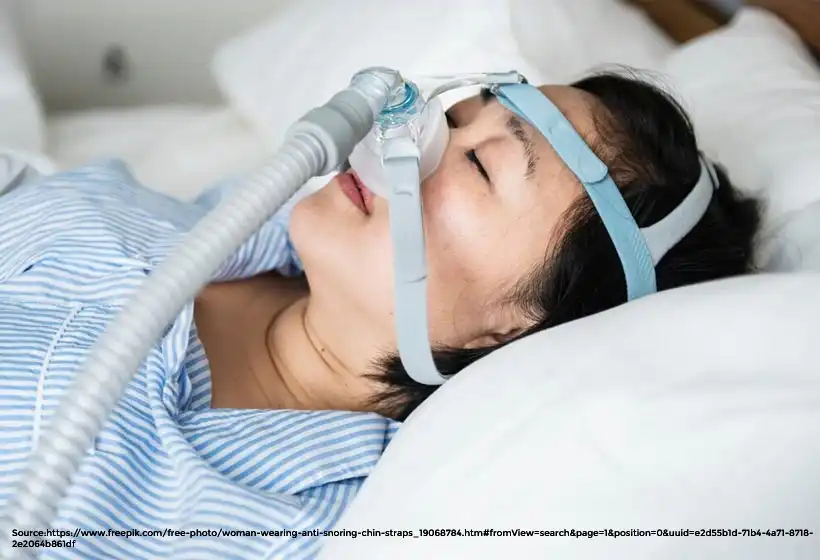
  3. Relief for Snoring and Sleep Apnea: For some, stomach sleeping helps reduce snoring and mild sleep apnea, though it’s not a recommended solution for long-term respiratory issues.
  4. Belly Fat Myths: There’s no evidence that sleeping face down reduces belly fat or leads to a flatter stomach. Fat loss is determined by diet and exercise, not sleep position.
  5. Best Sleeping Positions
  6. Recommended Mattresses for Stomach Sleepers
  7. Ideal Pillows for Stomach Sleepers
  8. Tips for Stomach Sleepers

Do Girls Really Sleep Upside Down to Flatten Their Belly? Let’s Find Out Together!

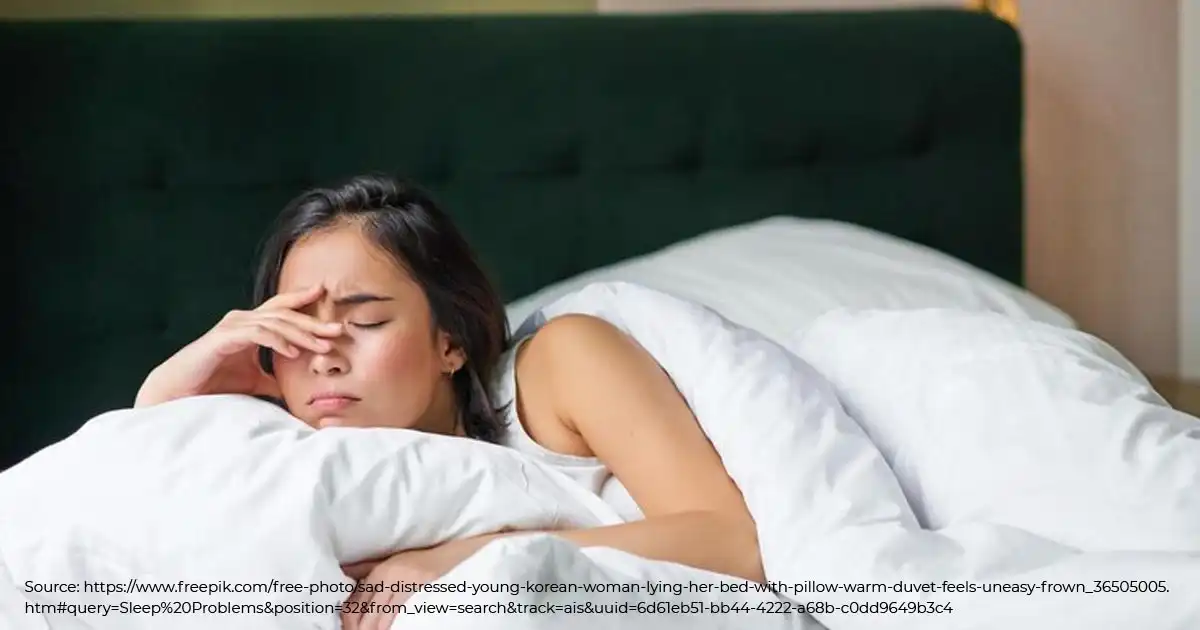
Have you ever wondered why some girls seem to sleep upside down or prefer sleeping face down on their stomachs? Does it have a secret benefit we don’t know about, or is it just a quirky habit? Let’s dive into the world of sleep positions, specifically why girls might sleep upside down, and whether it’s good or bad for them.

Girls Sleeping Upside Down: A Sleep Mystery?

So, why do some girls sleep upside down in their beds? It’s not uncommon to hear stories of people swearing they sleep better upside down or face down. The truth is, it’s not about doing a headstand in bed! What we’re talking about is the tendency to sleep on the stomach, face-down, or in an “upside down” position where the head is at the foot of the bed.

While sleeping face down may sound odd to some, others find it super comfortable. But does it actually make a difference to sleep this way? Does it affect our health, posture, or even belly fat (as some myths claim)?

The Sleeping Habits of Girls (And Why Some Choose to Sleep Face Down)

Now, let’s focus on the sleep habits of girls. Studies show that sleep preferences vary across genders. Many women report feeling more comfortable in certain positions. While about 7-16% of adults sleep on their stomachs, there’s no definitive data that says more girls or women sleep this way than men. However, many girls do tend to sleep face down or “upside down” for reasons of comfort or habit.

Reasons Why Girls Sleep Face Down:

  1. Comfort and Pressure Relief: Some women feel less anxiety and more secure sleeping face down. The pressure on the body, especially the chest and stomach, can create a comforting sensation. It’s like a gentle, all-over hug!
  2. Habit from Childhood: Sleeping face down can be a habit formed from childhood, where some girls feel cozier in this position.
  3. Relief for Certain Conditions: For those with breathing issues like sleep apnea, some find that sleeping face down helps with respiratory relief. However, it’s not recommended as a permanent solution.

Is Sleeping Upside Down Good or Bad?

Okay, so now we know why some girls sleep face down, but the big question remains: Is sleeping upside down good or bad?

The short answer is, it depends! There are both pros and cons to this sleeping position.

Pros of Sleeping Upside Down:

  1. Reduced Snoring and Sleep Apnea Symptoms: For some, sleeping face down can relieve snoring and reduce sleep apnea symptoms. This happens because the tongue and throat tissues are less likely to block the airway.
  2. Comfort for Stomach Sleepers: If you’re naturally inclined to sleep on your stomach, it might just feel right for you. Some girls even claim they sleep better upside down in their beds.

Cons of Sleeping Upside Down:

  1. Neck and Spine Strain: Unfortunately, sleeping on your stomach can put serious strain on your neck and spine. Since most of your body weight is concentrated in the middle, maintaining a neutral spine becomes difficult. Over time, this can cause chronic neck and back pain.
  2. Increased Wrinkles: Constant pressure on your face while sleeping upside down can contribute to the development of facial wrinkles. No one wants to wake up with an early preview of crow’s feet!
  3. Difficulty Breathing: Some people may find it harder to breathe deeply when lying face down. This happens especially if they use a thick pillow that forces their neck into an awkward angle.

Sleeping Face Down Benefits: Myth or Reality?

There’s also a common myth that sleeping upside down (or on the stomach) can reduce belly fat or create a flat belly. But I hate to burst the bubble—there’s no scientific proof that sleep position can influence fat loss. Belly fat is influenced by a balanced diet, exercise, and genetics, not the way we position ourselves in bed. So, while sleeping face down might feel comfortable, it won’t give you that six-pack!

Sleeping Positions and Fat Loss

Fat distribution in the body is determined by genetics, hormones, and overall body fat percentage, not by sleeping position. The only way to lose fat is through:

  • Caloric deficit (eating fewer calories than you burn)
  • Exercise (especially cardiovascular and strength training)

Sleeping upside down or on the stomach does not target belly fat specifically. Additionally, no credible studies suggest that women (or men) sleep in a particular way to influence body shape.

Side Effects of Sleeping Upside Down

For all the comfort it might offer, sleeping upside down isn’t without its challenges. Here are some potential side effects:

  1. Chronic Neck Pain: Twisting your neck to one side for hours at a time can cause long-term issues, like herniated discs.
  2. Back and Joint Discomfort: Since it’s hard to keep your spine aligned in this position, it can lead to discomfort in your lower back and joints.
  3. Difficulty Breathing: If you’re using a thick pillow, it might strain your airways and make it hard to breathe comfortably.

So, is sleeping upside down good or bad? I’d say, if it works for you, great! But be aware of the potential health concerns and make adjustments if needed.

Healthiest Sleeping Position: What’s Best for You?

Experts generally recommend sleeping on your back or side for optimal spinal health. These positions support a neutral spine, reducing the risk of pain and discomfort. If you’re someone who naturally sleeps face down but experiences pain, it might be time to switch things up!

However, if you can’t kick the habit, there are ways to make it healthier. Using the right pillow and mattress is key to reducing the strain on your body.

Best Mattress and Pillow Brands for Women Who Sleep Upside Down

If you’re a stomach sleeper, you’ll want to invest in a mattress and pillow that provide proper support while accommodating your sleeping style. Let’s talk about three mattress and pillow brands that are Ideal for girls who sleep upside down.

Top 3 Mattress Brands for Stomach Sleepers

  1. Saatva Classic Mattress
  • Why It’s Great: The Saatva Classic offers a medium-firm feel, which is ideal for stomach sleepers. It provides excellent support to keep your spine aligned while preventing that sinking feeling.
  • Ideal for: Girls who need a supportive yet plush mattress to ease pressure points without straining their neck or back.
  1. Helix Dawn
  • Why It’s Great: The Helix Dawn mattress is specially designed for stomach sleepers. It’s a firm mattress that prevents your hips from sinking too deep, keeping your spine in a neutral position.
  • Ideal for: Women who suffer from back pain due to stomach sleeping. It balances comfort and firmness for a better night’s sleep.
  1. Tempur-Pedic TEMPUR-ProAdapt Firm
  • Why It’s Great: This mattress provides the right amount of firmness without feeling like a rock. It’s ideal for stomach sleepers who need firm support but still want some cushioning to avoid pressure on the hips and shoulders.
  • Ideal for: Stomach sleepers who need extra pressure relief without sacrificing spine support.

Top 3 Pillow Brands for Stomach Sleepers

  1. Thin Serta Memory Foam Pillow
  • Why It’s Great: This pillow is thin but still supportive, which helps to reduce the angle of your neck when sleeping face down. It’s perfect for stomach sleepers who want to avoid straining their neck.
  • Ideal for: Girls who want a breathable, low-profile pillow to keep their neck and spine aligned.
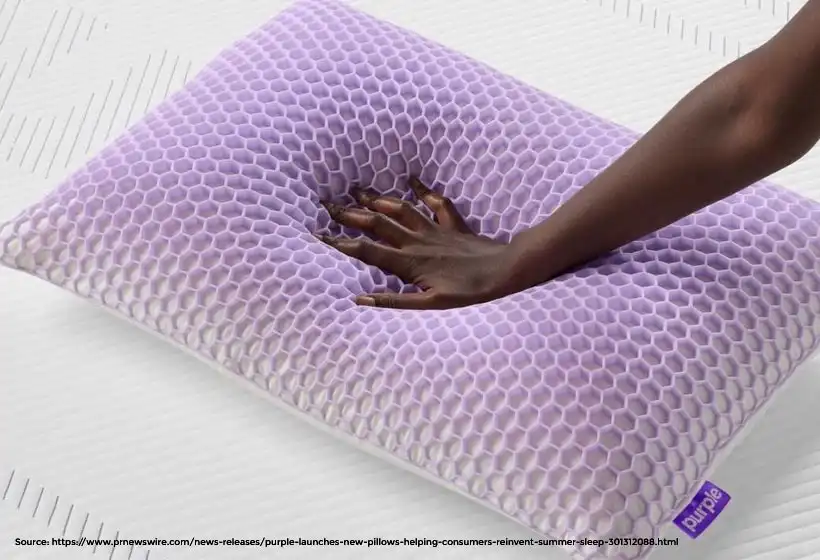
  1. The Purple Pillow
  • Why It’s Great: This pillow is made from hyper-elastic polymer, which adjusts to your head and neck without adding too much height. It keeps you cool and supported throughout the night.
  • Ideal for: Women who tend to overheat during sleep or suffer from neck pain when using traditional pillows.
  1. Brooklinen Down Pillow
  • Why It’s Great: A down pillow that’s soft and fluffy, but with enough firmness to provide gentle support. It’s great for stomach sleepers who prefer a softer touch.
  • Ideal for: Girls who love the luxurious feel of down but still need a pillow that helps keep their neck in the right position.

Tips for Sleeping on Your Stomach Safely

If you’re one of those girls who sleep better upside down and can’t imagine switching to another position, here are a few tips to make it more comfortable:

  1. Use a Thin Pillow: A flatter pillow can help reduce the angle of your neck, preventing strain.
  2. Put a Pillow Under Your Pelvis: This helps keep your spine in a more neutral position, reducing back pain.
  3. Stretch Daily: A little stretching in the morning can help relieve any tension from sleeping in this position.

Smart Take! So, Why Do I Sleep Better Upside Down?

You might find you sleep better upside down simply because it’s the position your body is used to. While it’s not the healthiest position in the long run, if it works for you, just be mindful of potential risks and make adjustments to stay comfortable.

Sleeping upside down might not be as beneficial for your health as you think, but with the right pillow, mattress, and tweaks to your sleep routine, you can still enjoy a great night’s rest.

So, whether you’re a girl who sleeps face down or you’re trying to find out more about your own sleep habits, Smartmattressbuy.com is here to help clear up your sleep questions!

FAQs on Sleeping Upside Down!

  1. What position should girls sleep in?

Girls should aim to sleep on their side or back rather than on their stomach. These positions provide better support for the spine, reducing pressure and allowing muscles to relax and recover throughout the night.

  1. Why shouldn’t men sleep upside down?

Men, like women, are advised against sleeping on their stomachs (upside down) due to the potential for back and neck pain. This position makes it challenging to maintain a neutral spine, which can lead to discomfort and long-term issues.

  1. Why do females sleep with one leg bent?

The “one-leg-bent” position, often called the “Freefall” position, is a combination of side and stomach sleeping. This position can offer stability and help regulate body temperature, making it a common choice for comfort.

  1. Do sleeping positions mean anything?

While there may be some connections between sleep positions and health, they don’t reveal much about personality. However, if you’re not getting restful sleep, trying out a different position might improve your sleep quality.

  1. What is the most unhealthy sleep position?

The fetal position, where the body is curled with the head bowed forward and knees bent, can be harmful. This position puts strain on multiple parts of the body, potentially leading to discomfort over time.

  1. Does your sleeping position age you?

Yes, sleeping on your stomach can contribute to wrinkles. The pressure and compression on your face when pressed into the pillow can cause lines and wrinkles to form over time.

  1. What is the best beauty sleep position?

Sleeping on your back is often considered the best position for maintaining healthy skin. It minimizes facial compression, reducing the risk of wrinkles. Experiment with different positions and pillows to find what works best for you.

  1. Does laying upside down help with anxiety?

Inversion postures, such as lying upside down, can improve blood flow to the brain and may help reduce anxiety, headaches, and even depression. These postures can also aid in balancing hormones by stimulating the pineal and pituitary glands.

  1. What is the best sleeping position for a woman?

The best sleeping position for women is typically on their side with the back mostly straight. This helps with sleep apnea and reduces neck and back pain by keeping the spine aligned. Adding a soft pillow between the knees can also reduce hip pressure.

  1. Is it better to sleep without a pillow?

Sleeping without a pillow can be beneficial for stomach sleepers as it reduces neck strain. However, if you sleep on your back or side, using a pillow helps maintain proper alignment and can improve overall sleep quality.

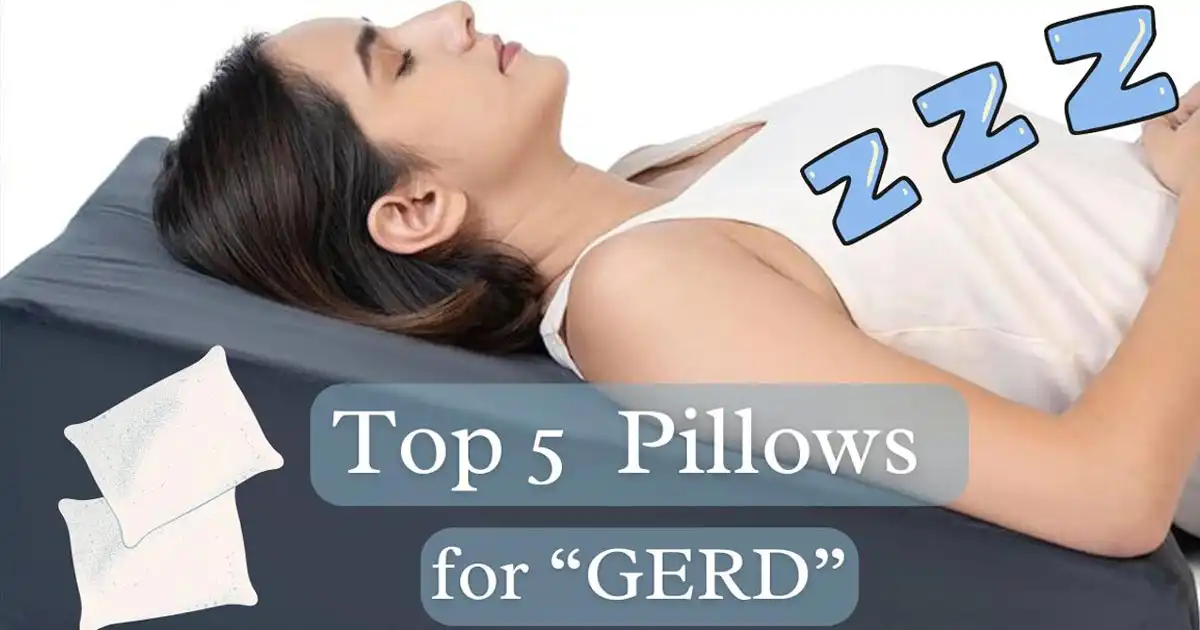
5 Best Pillows for GERD

5 Best Pillows for GERD

Do you experience the discomfort of acid reflux? I know how challenging it can be!

After trying different treatments, I found that the right pillow could help me manage GERD. Elevating your upper body allows you to wake up feeling more rested.

Today, I’ll share my top 5 pillow suggestions for GERD.

This will help you find the solution for a healthier tomorrow. Keep reading!

5 Best Pillows for GERD/Acid Reflux

  • Brentwood Zuma Foam Wedge Pillow– Best for Acid Reflux
  • InteVision Foam Bed Wedge Pillow– Best Overall
  • Helix Wedge Pillow– Best for Snoring & Acid Reflux
  • Sleep Number Adjustable Wedge Pillow– Best Adjustable Wedge Pillow
  • Avocado Organic Latex Wedge Pillow– Best for Acid Reflux & Heartburn

Shopping Guide: 5 Best Pillows for GERD/Acid Reflux

1. Brentwood Zuma Foam Wedge Pillow

Brentwood Zuma Foam Wedge Pillow

Features

Material: Foam

Incline: 7/10/12 inch

Washable Cover: Yes

Description

Zuma Foam Wedge Pillow is a therapeutic way to make your sleep comfortable. Its slope helps alleviate respiratory issues. The pillow helps with neck and shoulder pain. It alleviates conditions like acid reflux, snoring, and poor circulation. The pillow’s supportive foam base can be used for sleeping, watching TV, or reading in bed.

It promotes digestion and better circulation.

Pros

  • The elevated position can help prevent acid reflux.
  • It can be beneficial for those with respiratory issues.
  • The pillow helps prevent snoring.
  • The foam material offers a comfortable and supportive surface.

Cons

  • The firmness of the foam may not be suitable for everyone’s preference.
  • The wedge shape can take up more space in bed.
  • It may not be suitable for individuals with severe back pain or mobility issues.

2. InteVision Foam Bed Wedge Pillow

Features

Material: Foam

Incline: 12 inches

Washable Cover: Yes

Description

InteVision Foam Bed Wedge Pillow offers a two-layer design. Its 2-inch cooling gel memory foam layer rests on a firm base foam. The pillow includes an adjustable cooling gel memory foam. The mattress offers customizable neck and head support. This pillow is suitable for individuals dealing with acid reflux, snoring, allergies, or breathing issues.

Pros

  • The wedge pillow can help prevent acid reflux.
  • By elevating the head and neck, the pillow can help prevent snoring.
  • The pillow can help align the spine and reduce pressure on the lower back.
  • Memory foam top provides a soft and supportive surface.

Cons

  • The firmness of the pillow may be too hard for some people.
  • The elevated position can make it difficult to get in and out of bed.
  • Wedge pillows may not be as comfortable for stomach sleepers.
  • The pillow can be more expensive than traditional pillows.

3. Helix Wedge Pillow

Features

Material: Foam

Incline: 10 inches

Washable Cover: Yes

Description

Helix Wedge Pillow is designed for versatile support. It features a layer of cooling Gel Memory Foam. Whether you need elevation for your back, legs, or neck, this pillow adapts to your personal preferences. The cooling gel ensures a refreshing feel throughout the night. Helix Wedge Pillow prioritizes your needs. It offers adaptable relief and alignment to suit your body’s contours.

Pros

  • The elevated position helps keep airways open and prevents acid reflux.
  • It can help alleviate pain associated with these areas like the spine and neck.
  • The pillow is made with high-quality materials, including gel memory foam and breathable fabric.

Cons

  • The wedge shape may not be ideal for stomach sleepers.
  • Some users may need time to adjust to the wedge shape.
  • Helix Wedge Pillow may be more expensive than traditional pillows.

4. Sleep Number Adjustable Wedge Pillow

Features

Material: Foam

Incline: 2/4/6/8 inches

Washable Cover: Yes

Description

Sleep Number Adjustable Wedge Pillow offers customizable comfort. It features 3 removable foam inserts. The pillow allows you to adjust the height and support to your preference. Two firm foam inserts provide sturdy support. The pillow is designed to elevate your upper body, helping to relieve snoring and congestion.

It’s also hypoallergenic, suitable for allergy-sensitive sleepers.

Pros

  • The pillow’s height can be adjusted to suit individual preferences and needs.
  • The memory foam inserts allow for customization of firmness.
  • An adjustable pillow elevating the upper body can help alleviate acid reflux symptoms.
  • Sleeping on a wedge pillow can promote better circulation.

Cons

  • Sleep Number Adjustable Wedge Pillow may be more expensive.
  • The pillow’s adjustable features can make it bulkier and less portable.

5. Avocado Organic Latex Wedge Pillow

Avocado Organic Latex Wedge Pillow

Features

Material: Latex

Incline: 7/10 inches

Washable Cover: Yes

Description

Avocado Organic Latex Wedge Pillow offers good support and comfort. It has a gentle slope, suitable for easing acid reflux, snoring, back pain, and respiratory issues. The pillow provides soft, breathable, pressure-relieving support for your head, neck, and legs. The GOTS-certified organic cotton cover adds durability and a plush feel.

The wedge pillow is a healthier, sustainable alternative to pillows made from synthetic materials.

Pros

  • Made with organic latex and other natural materials, the pillow is environmentally friendly.
  • The wedge shape provides good support for the head, neck, and shoulders.
  • It is for those with acid reflux, snoring, or respiratory issues.
  • Latex is a naturally breathable material, that helps to regulate body temperature.
  • Suitable for those with allergies.

Cons

  • Avocado Organic Latex Wedge Pillow is a premium product, and its price may be higher.
  • Due to the latex material, it can be heavier than traditional pillows.

Hence, when it comes to GERD, choose the right pillow. The above top 5 picks provide unique features and reduce GERD symptoms. Now, let us explore, how you can choose the right pillow! Keep reading!

How To Choose an Acid Reflux Pillow for You?

Acid Reflux Treatment

  • Acid reflux pillows can help reduce nocturnal acid reflux. However, they are not a standalone solution.
  • Treatment also includes lifestyle and dietary changes. Medications, and sometimes surgical interventions are needed.
  • Consulting a primary care physician or gastroenterologist is recommended

Incline:

  • Consider the height/incline when purchasing an acid reflux pillow.
  • Most range from 6 to 8 inches tall.

Adjustable:

  • Some acid reflux pillows offer adjustable heights
  • It can be used to support different parts of the body for added versatility.

But do acid reflux pillows work? Let us discuss it!

Do Acid Reflux Pillows Work?

Elevating the head of your bed disrupts acid’s path. This makes it more difficult to flow from the stomach into the esophagus. A wedge pillow is a good option. You can achieve similar results with extra regular pillows or by tilting your bed.

For those with a true incline-adjustable mattress, it’s an even better solution. If you have mild sleep apnea, an acid reflux pillow can offer dual benefits.

Who Should Use an Acid Reflux Pillow?

Do you experience the discomfort of nighttime acid reflux? An acid reflux pillow could be your go-to solution.

Elevating the head of your bed can provide significant relief. To further reduce reflux symptoms, eat a smaller dinner. Wait at least two hours before going to bed.

Acid reflux pillows aren’t just for GERD sufferers. They can benefit anyone at risk of developing GERD. Individuals who are overweight, over 60, smokers, or those with asthma, anxiety, or depression.

Buy the right pillow. It can help manage GERD and acid reflux. Whether you’re dealing with mild symptoms or looking for added comfort, invest in a quality pillow.

So, why wait? Rest easy and wake up refreshed!

Want to buy mattresses that help in preventing acid reflux? Read on!

FAQs on Pillows for GERD

  1. What type of pillow is most effective for GERD?

Wedge pillows are particularly beneficial for those suffering from GERD. Anyone who experiences heartburn or acid reflux may notice an improvement in their symptoms.

  1. Do GERD pillows make a difference?

Yes, wedge pillows can reduce the symptoms of acid reflux and GERD. By elevating your head, shoulders, and torso while you sleep, these pillows help keep stomach acid from rising into the esophagus.

  1. What is the ideal height for a wedge pillow to alleviate GERD symptoms?

Generally, a higher elevation is more effective. Most individuals find that a wedge pillow height of 6 to 8 inches strikes a suitable balance. This height helps maintain your position throughout the night. It prevents you from sliding down.

  1. How many pillows are recommended for sleeping with GERD?

Using multiple pillows may elevate only your head and neck. It can increase pressure on the stomach and potentially worsen acid reflux. It’s best to use a single. It is a designed pillow that elevates both your head and torso.

  1. How can I sleep better with severe GERD?

Since many GERD symptoms are exacerbated at night, your sleeping position and adjustments to your mattress can be beneficial. Research indicates that sleeping on your left side is the most effective position for reducing reflux. It helps to minimize discomfort and improve overall sleep quality.

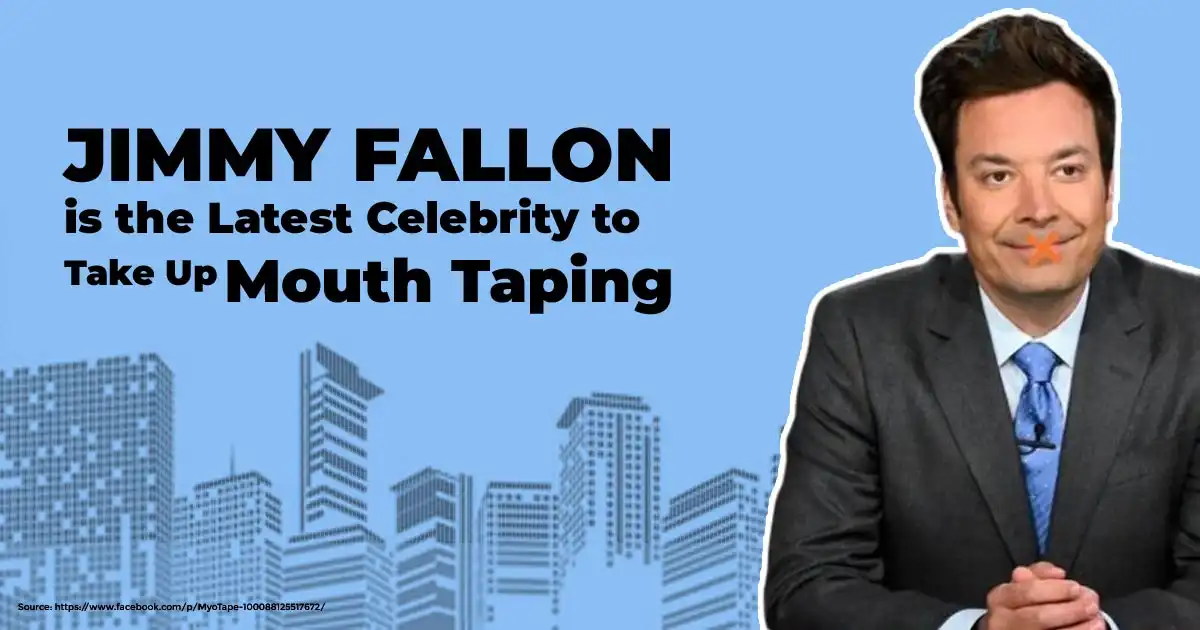
Is Jimmy Fallon’s Mouth Taping Craze a Wellness Hack or Risky Fad?

Is Jimmy Fallon’s Mouth Taping Craze a Wellness Hack or Risky Fad

Ever wonder if something as simple as taping your mouth shut could change your life? Could it help you sleep better, breathe better, and maybe even snore less?

That’s exactly what comedian and TV host, Jimmy Fallon has been experimenting with. But before you grab the nearest roll of tape, let’s talk about why this trending hack called “mouth taping” is making waves – and whether it’s a genius health move or a risky gamble.

In recent years, social media influencers, athletes, and even celebrities like Gwyneth Paltrow and Ashley Graham have been hopping on the mouth taping bandwagon. But when Jimmy Fallon, the beloved host of The Tonight Show, jumped in, it got everyone talking. Despite warnings from experts, Fallon swears by it for its alleged health benefits. But what is mouth taping really about, and is it safe?

Let’s dive into why Jimmy Fallon is taping his mouth shut at night, the buzz around its benefits, and whether it’s something you should consider.

What Is Mouth Taping and Why Are People Doing It?

Mouth taping is exactly what it sounds like—placing a strip of porous tape over your lips to keep your mouth closed while you sleep. The goal? To force yourself to breathe through your nose throughout the night. People believe this practice can help with a range of issues, from snoring to bad breath to improving sleep quality.

Here’s the thinking behind it:

  • Breathing through your nose is said to filter out allergens, add resistance for improved lung capacity, and warm the air before it enters your lungs. It’s seen as a “cleaner” way to breathe compared to mouth breathing.
  • Mouth breathing, on the other hand, can lead to issues like dry mouth, bad breath, and even dental problems.

Proponents of mouth taping claim that by encouraging nasal breathing, you can experience several mouth taping benefits like reduced snoring, better concentration, and improved sleep quality.

But is it all anecdotal, or is there real science to back it up?

Why Jimmy Fallon is the Latest Celebrity to Take Up Mouth Taping, Despite Experts’ Warnings?

In a recent interview with Parents magazine, Fallon revealed that he’s been diving into the science of nose breathing and how it might contribute to longevity and reduced stress. “I’m reading about how to tape my mouth shut when I go to sleep to force myself to breathe through my nose for better sleep,” Fallon joked. He even went as far as saying he might need a security guard by his bed to monitor his experiment.

He believes that breathing through his nose could have benefits like lowering stress levels and heart rate, leading to better sleep and overall health. Fallon even mentioned his interest in the science of breathing during a Tonight Show segment with neuroscientist Andrew Huberman, saying, “If I could invest in anything, I would invest in breathing.”

But is Jimmy Fallon onto something, or is he just following a risky trend?

The Alleged Benefits of Mouth Taping

The mouth taping movement has gained traction for a few reasons, with many people claiming noticeable benefits. While there’s limited scientific backing, here’s what people claim:

  1. Reduced Snoring

Many people who try mouth taping say it significantly reduces their snoring. By encouraging nose breathing, the mouth stays shut, which reduces the chances of snoring caused by a relaxed jaw or tongue falling backward during sleep.

  1. Better Sleep Quality

Some mouth tapers swear by a more restful night’s sleep. When breathing through the nose, airflow is said to be more consistent, which may improve oxygenation and lead to fewer sleep interruptions.

  1. Improved Oral Health

By keeping the mouth closed, mouth tapers claim they wake up with less dry mouth and bad breath. Saliva, a key player in oral health, stays in the mouth, helping to fight off bacteria and prevent gum disease.

  1. Less Daytime Fatigue

Nose breathing during sleep supposedly increases oxygen absorption and regulates the autonomic nervous system. As a result, people report feeling more refreshed in the morning and less groggy throughout the day.

While these benefits might sound tempting, the reality is that most of the evidence supporting mouth taping is anecdotal.

Is Mouth Taping Dangerous?

While the benefits sound great, it’s important to know that mouth taping comes with risks, especially if done improperly.

Many sleep experts are skeptical. There’s not enough evidence to suggest that mouth taping has any real benefits when it comes to sleep. Here are a few risks associated with mouth taping:

  1. Sleep Apnea Risks: Mouth taping could be particularly dangerous for individuals with sleep apnea. Blocking off mouth breathing can make it more difficult to breathe and further lower oxygen levels during sleep, leading to more severe health problems like heart disease, type 2 diabetes, and dementia in older adults.
  2. Difficulty Breathing: Not everyone can breathe easily through their nose. People with nasal congestion, allergies, or other nasal issues might find mouth taping not only uncomfortable but also harmful.
  3. Skin Irritation: Taping your mouth every night could lead to skin irritation or soreness, especially if the tape isn’t designed for skin use.
  4. Anxiety: For some people, the idea of taping their mouth shut can trigger anxiety or a feeling of claustrophobia, making sleep even more difficult.

In short, while the idea of mouth taping might sound like a quick fix for sleep problems, the risks might outweigh the benefits for some people.

Jimmy Fallon’s Mouth Taping Journey: Before and After

As Fallon continues to experiment with mouth taping, it’ll be interesting to see how his “before and after” journey unfolds. Will Fallon become a mouth taping enthusiast, or will he eventually abandon the practice?

Many people who try mouth taping for sleep benefits report mixed results:

  • Before mouth taping: People often struggle with snoring, dry mouth, or disrupted sleep.
  • After mouth taping: Some people claim they experience quieter sleep and wake up feeling more refreshed, while others report discomfort or anxiety.

While Fallon’s experiment is still in progress, his experience could highlight the difference between celebrity trends and scientifically backed sleep practices.

The Benefits of Nose Breathing

At its core, mouth taping forces you to breathe through your nose, and nasal breathing offers some significant advantages over mouth breathing:

  • It controls the temperature of the air you inhale, making it easier on your lungs.
  • It filters allergens, debris, and toxins from the air.
  • Nose breathing also keeps the air you breathe humid, helping prevent dryness in your mouth and throat.

These benefits explain why some are flocking to try this trend, but is mouth taping dangerous? That’s a question experts are urging people to consider.

Problems with Mouth Breathing

The idea behind mouth taping is to avoid the many negative side effects of mouth breathing:

  • Bad breath
  • Daytime fatigue
  • Dry mouth
  • Poor oral health, such as cavities and gum disease
  • Difficulty concentrating or remembering things
  • Sleep-disordered breathing like sleep apnea

Mouth breathing in children can even lead to slowed growth or a narrowed face shape, sometimes referred to as “mouth breathing face.” Still, despite these concerns, more research is needed to determine whether mouth taping benefits outweigh the potential risks.

Mouth Taping for Asthma Control

Nose breathing has been shown to filter and humidify the air, which helps some people with asthma breathe easier. In one small study, participants taped their mouths for 26 to 28 nights, but the results showed no significant impact on asthma control. While it seems promising in theory, mouth taping before and after comparisons don’t yet prove it can manage conditions like asthma effectively.

Who Should Not Use Mouth Taping?

Certain groups should avoid mouth taping. For instance, if you have a cold, nasal issues like polyps, or consume alcohol or sedatives, mouth taping could cause more harm than good. Those with severe heart or lung problems or a BMI over 35 should also steer clear.

The Best Mouth Tape for Sleeping: What to Use?

If you’re curious about trying mouth taping despite the warnings, you might be wondering about the best mouth tape for sleeping. You don’t want to use just any tape (hint: skip the duct tape!).

Here are some of the best options:

  1. SomniFix Mouth Strips

Specifically designed for mouth taping, SomniFix is hypoallergenic, easy to apply, and claims to improve sleep quality by encouraging nose breathing.

  1. 3M Micropore Surgical Tape

This tape is gentle on the skin and breathable, making it a good option for those looking to try mouth taping without committing to a more expensive product.

  1. Hypoallergenic Athletic Tape

Athletic tape is another option, often used by athletes for its gentle adhesive properties.

Before you slap on a piece of tape, though, it’s important to talk to your doctor and test the tape during the day to ensure you can still breathe comfortably through your nose.

How to Use Mouth Taping Safely

If you’re still curious about giving mouth taping a try, follow these safety steps:

  • Use only medical-grade tape or specially designed mouth strips.
  • Avoid common adhesive tapes that can irritate the skin.
  • Talk to your doctor before trying mouth taping to ensure it’s safe for your health.

It’s always wise to do a test run before committing to taping your mouth overnight. If you have trouble breathing through your nose, it’s best to consult a healthcare professional.

How to Sleep With Your Mouth Closed Without Tape

If the idea of mouth taping gives you pause, don’t worry—there are alternative ways to encourage nose breathing and improve your sleep quality. Here’s how to sleep with your mouth closed without tape:

  1. Side Sleeping: Sleeping on your side reduces the likelihood of snoring and encourages nasal breathing.
  2. Use Nasal Strips: These adhesive strips help open up your nasal passages, making it easier to breathe through your nose.
  3. Treat Allergies: If allergies are causing nasal congestion, addressing them with medication or other treatments can make nose breathing easier.
  4. Practice Good Oral Hygiene: Brushing, flossing, and using mouthwash can help reduce bad breath, one of the reasons people mouth tape in the first place.
  5. Improve Sleep Hygiene: Developing a nighttime routine that includes winding down, avoiding screens, and creating a sleep-friendly environment can also improve your overall sleep quality.

Alternatives to Mouth Taping

Not ready to dive into the world of mouth taping? Here are a few alternatives that might help you breathe through your nose without the risk:

  • Nasal strips or over-the-nose dilators to open nasal passages.
  • Sleeping on your side to reduce snoring and improve airflow.
  • Treating underlying issues like allergies, asthma, or nasal obstructions.

For those with sleep apnea, proven treatments like CPAP therapy, oral appliances, and lifestyle changes are far more effective than mouth taping.

The Verdict: Should You Try Mouth Taping?

Mouth taping might work for some people, but it’s not without its risks. Before trying it, consider why you’re interested in the practice and whether you have any underlying conditions that could make it dangerous. If you suffer from sleep apnea, nasal congestion, or anxiety about not being able to breathe, mouth taping may not be a safe option.

It’s always best to consult with a healthcare professional before following a new health trend. If you’re looking to improve your sleep, there are many safer alternatives, like practicing good sleep hygiene, using nasal strips, and adjusting your sleeping position.

Final Thoughts on Mouth Taping

While Jimmy Fallon may be the latest celebrity to take up mouth taping, it’s essential to weigh the pros and cons before trying it for yourself. The benefits of mouth taping are largely anecdotal, and the potential risks – like breathing difficulties, skin irritation, and anxiety – shouldn’t be ignored.

If you’re curious about trying mouth taping, start by talking to your doctor, especially if you have any existing sleep or respiratory conditions. And if taping your mouth shut feels a bit too extreme, remember that there are plenty of other ways to encourage nasal breathing and improve your sleep quality. Log on to Smartmattressbuy.com and find more sleep health solutions!

FAQs on Mouth Taping

  1. Do dentists recommend mouth taping?

The American Dental Association does not recognize mouth taping as a standard dental care or sleep apnea treatment. They have provided one small suggestion that combining mouth taping with a mandibular advancement device may improve sleep apnea symptoms more than the device alone.

  1. Does mouth taping improve the jawline?

No, there is no scientific evidence to support claims that mouth taping enhances jawline or facial features. Social media claims regarding these effects are not based on valid research.

  1. How long does it take to see the benefits of mouth taping?

The potential benefits of mouth taping may accumulate over time as people adjust to nasal breathing. Some may notice improvements in sleep quality and breathing within a few days to weeks of consistent practice.

  1. Can mouth breathing face be reversed in adults?

Yes. For adults with recessed jawlines due to mouth breathing. Corrective procedures like orthognathic surgery can help improve both appearance and function.

  1. Can you train yourself to sleep with your mouth closed?

It may depend on your sleep position. Sleeping on your side may make it easier to keep your mouth closed. As gravity can make it harder to do so if you sleep on your back or stomach.

  1. Does mouth taping increase deep sleep?

There isn’t sufficient scientific evidence to suggest that mouth taping improves deep sleep. Mouth breathing serves as a natural backup if nasal breathing is obstructed. So taping can potentially interfere with your ability to get enough oxygen.

  1. Is mouth taping better than CPAP?

Mouth taping is not a medically approved treatment for sleep apnea, which requires interventions like CPAP therapy. While it may help reduce snoring in some cases, it should not replace clinically recommended treatments for sleep apnea.

  1. Can I stop snoring by taping my mouth?

Mouth taping may help reduce snoring by encouraging nasal breathing. People with mild obstructive sleep apnea found that wearing a porous mouth patch prompted nasal breathing. This potentially reduces snoring by altering the position of the tongue and palate.

  1. Can mouth tape help with sleep apnea?

A few suggestions say that mouth taping might help with snoring and mild sleep apnea, but it’s not without risks. Taping the mouth can restrict movement, limit breathing, and cause skin irritation or allergic reactions.

  1. Is it safe to tape your mouth before sleeping?

There is limited research on the safety and effectiveness of mouth taping. Most doctors and dentists do not recommend it due to insufficient evidence. There are concerns about its potential risks, including impaired breathing.

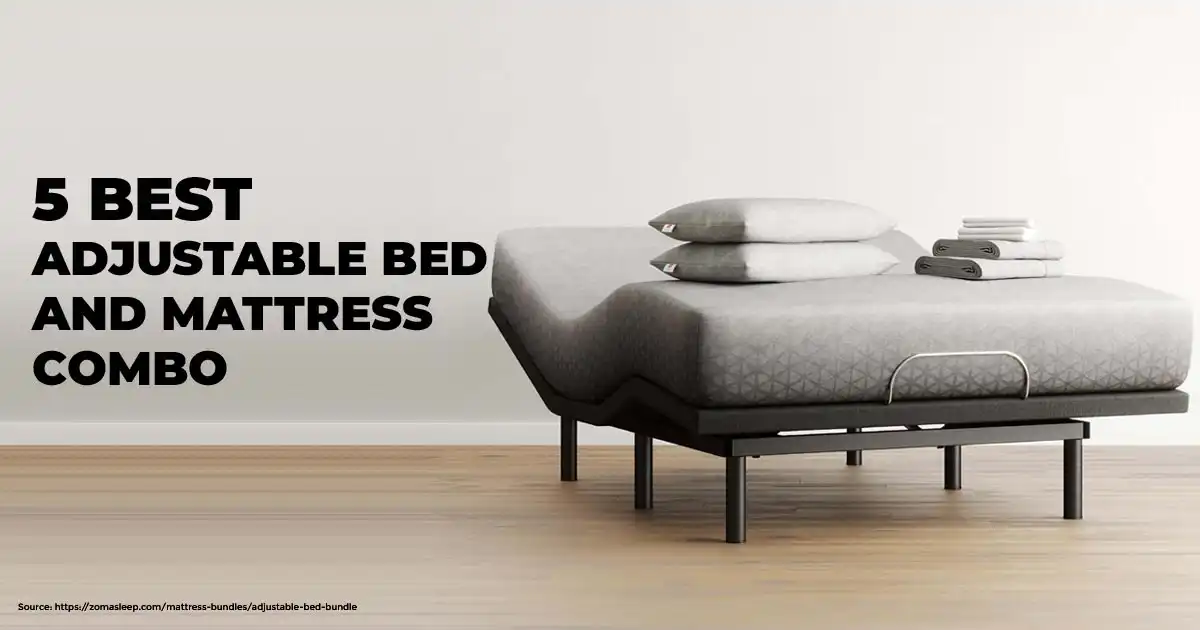
5 Best Adjustable Bed and Mattress Combo

Can Lack of Protein Affect Sleep? Know the Truth!

Transform your sleep experience today! The right adjustable bed and mattress combo can help you with this.

A setup that adjusts to your needs is important. Whether you’re reading, watching TV, or just having a night’s sleep, an adjustable base with a proper mattress provides ultimate comfort.

Today, I’ll share with you my top picks for the best adjustable bed and mattress combos. Let’s dive into how these combinations enhance your sleep. Improve your overall well-being!

Read on!

What are Adjustable Beds?

I used to think adjustable beds were only for the elderly. People with mobility issues tend to use these beds. However, I was wrong. Anyone looking to enhance their sleep and relaxation can have this.

What I love about adjustable beds is how customizable they are. I may need my head elevated for better breathing or prefer my legs slightly raised, adjustable bed is as simple as pressing a button.

So, if you want your bed to adapt to your needs, buy an adjustable bed with a mattress now!

Below are some of the top picks you must consider:

5 Best Adjustable Bed and Mattress Combo: Top Picks

5 Best Adjustable Bed and Mattress Combo: In-Depth Reviews

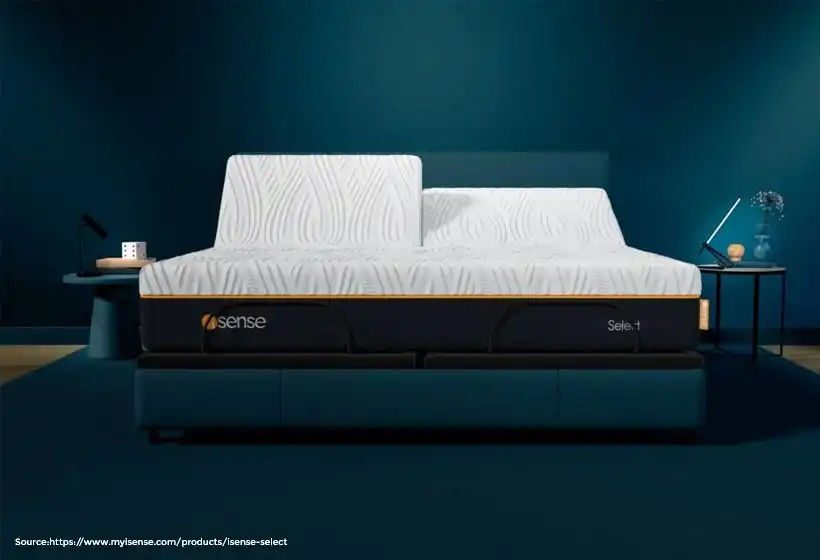
1. iSense Hybrid Premier Mattress & Elite Adjustable Base

Low-Carb Diet and Sleep Problems

iSense Hybrid Premier Mattress

iSense Hybrid Premier is a customizable mattress. It is designed for optimal pressure relief. It features adjustable air chambers on each side of the bed. The mattress allows sleepers to choose from 20 different comfort settings.

The Hybrid Premier model has a pocketed coil core. It includes a built-in sensor. The mattress features adjustable air chambers. It is ideal for couples with different sleep preferences.

Key Features

Mattress Type: Foam

Firmness: Adjustable

Mattress Height: 13.5-inch

Warranty Period: 10-year

Trial Period: 180 Nights

Shipping: Free

Pros

  • The mattress is good for hot sleepers.
  • The hybrid design enhances airflow and prevents excessive heat retention, unlike all-foam mattresses.
  • The hybrid Premier model features a built-in sensor that tracks your sleep quality.
  • It offers valuable insights to help you refine your sleep habits.

Cons

  • The mattress isn’t available in standard twin or full sizes.

Elite Adjustable Base

iSense Elite Adjustable Bed Base is an adjustable bed frame. It combines sleek elegance with a design. It complements iSense mattress. Enjoy the added luxury of built-in Sonic massage therapy. The adjustable bed features customizable accessories and USB ports on both sides.

Plus, it fully integrates with the iSense Comfort Control™ Technology app for an unparalleled sleep experience.

For more information on iSense Hybrid Mattress, head on to our mattress review page!

2. Saatva Latex Hybrid Mattress & Saatva Adjustable Base Plus

Saatva Latex Hybrid Mattress

The mattress provides good back pain relief with its full-size design. It features a blend of organic natural latex foam and individually-pocketed coils. The mattress delivers targeted pressure relief through its 3-inch latex layer. It has five ergonomic zones. The mattress includes GOTS-certified organic New Zealand wool.

Key Features

Mattress Type: Latex

Firmness: Medium-Firm

Mattress Height: 12-inch

Warranty Period: Lifetime

Trial Period: 365 Nights

Shipping: Free

Pros

  • The combination of latex and coils provides good support for various body types and sleeping positions.
  • The latex layer contours to the body, alleviating pressure points and promoting better sleep.
  • Latex is naturally breathable, helping to keep you cool throughout the night.
  • The mattress is made with organic latex and natural materials.
  • The coils provide strong edge support, preventing you from rolling off the side of the bed.

Cons

  • Saatva Latex Hybrid is a premium mattress, and it comes with a premium price tag.
  • Some sleepers may find the firmness to be too hard, especially for side sleepers.

Saatva Adjustable Base Plus

Saatva Adjustable Base Plus elevates both the head and feet. It features an easy-to-use wireless remote control. The Leggett & Platt Adjustable Bed Control app for iPhone and iPad makes adjusting your position effortless.

A quiet, discreet motor ensures a peaceful, clutter-free environment. The zero-gravity preset provides a weightless feel. The anti-snore preset gently elevates your head to improve airflow and reduce snoring. The zero-clearance design allows for use on platform bases without legs. USB-A & USB-C ports on each side offer handy bedside charging.

For more information, read our detailed Saatva Latex Hybrid Mattress Review!

3. Tempur-Cloud Mattress & TEMPUR-Ergo® Power Bases

Tempur-Cloud Mattress

The mattress features a 10-inch medium-firm profile. It is crafted with Tempur memory foam in the comfort layers. Available in both all-foam and hybrid versions, it ensures a consistent medium-firm feel.

The mattress delivers key pressure relief thanks to its slow-moving memory foam. Side sleepers, couples, and those seeking relief from lower back pain will also find it highly beneficial.

Key Features

Mattress Type: Foam

Firmness: Medium-Firm

Mattress Height: 10-inch

Warranty Period: 10-Year

Trial Period: 90 Nights

Shipping: Free

Pros

  • The Tempur-Cloud mattress is a good choice for those seeking relief from back pain.
  • This mattress caters to the needs of both back and side sleepers.
  • Good for those who prioritize motion isolation.
  • The memory foam construction minimizes disturbances from your partner’s movements.

Cons

  • Tempur-Cloud mattresses may not provide adequate support for stomach sleepers due to their softness.
  • The foam version of this mattress might not be the best option for those who sleep hot.
  • The mattress tends to retain heat.

TEMPUR-Ergo® Power Bases

Tempur-Pedic mattress with an Ergo Power Base or Smart Base Powered is by Sleeptracker-AI®. The wireless remote control offers easy operation. Zero Gravity preset helps achieve a weightless, balanced feel. The anti-snore feature gently elevates the head. It helps to open airways and reduce snoring.

Additionally, the TEMPUR-Ergo® Power Bases include under-bed LED lighting. USB ports on each side of the base ensure easy charging of your devices.

Read our detailed Tempur-Cloud Mattress Review!

4. Stearns and Foster Estate Collection Mattress & Ease® Power Base

Low-Carb Diet and Sleep Problems

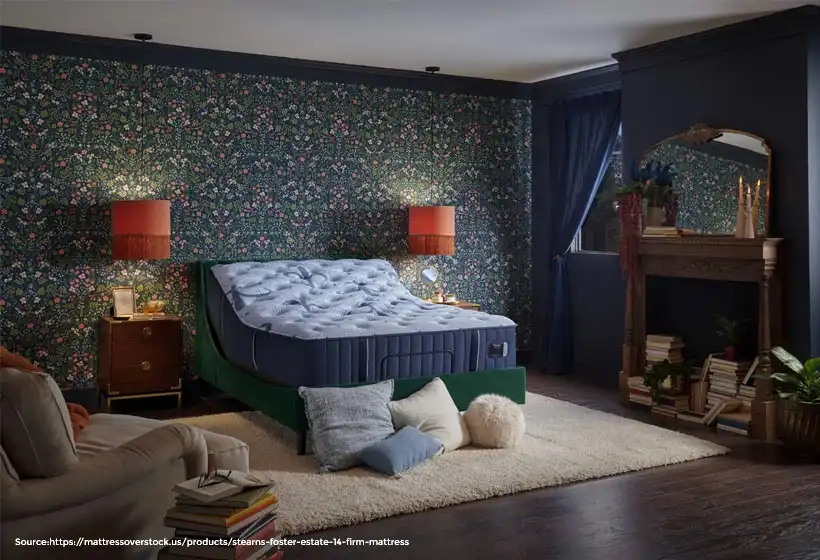
Stearns and Foster Estate Collection Mattress

Stearns & Foster Estate collection is designed for back sleepers. It provides comfort and support to new heights. The mattress features a cool-to-the-touch cover. TEMPUR-Indulge Memory Foam strikes the balance between plush comfort and firm support.

Key Features

Mattress Type: Hybrid

Firmness: Multiple Firmness

Mattress Height: 14.5-inch

Warranty Period: 10-Year

Trial Period: 90 Nights

Shipping: Free

Pros

  • Provide undisturbed sleep with good motion isolation and minimal transfer.
  • The mattress is crafted from non-toxic, certified materials that enhance breathability.
  • The mattress features IntelliCoil innerspring technology for a soft yet durable conforming experience.
  • The mattress delivers edge-to-edge support, maximizing the usable surface of the mattress.

Cons

  • Not suitable for those who prefer a plush contouring feel.

Ease® Power Base

Ease® Power Base offers ultimate control over your comfort. With a limitless range of head and foot positions, you can find the setup for any activity. Adjust everything effortlessly with the sleek, wireless remote. It includes a Zero-Gravity preset to elevate your head and feet for a weightless feel.

Curious to know more? Read out our detailed mattress review!

5. Brooklyn Aurora Luxe Cooling Mattress & Ascension® Ultra Adjustable Power Base

Brooklyn Aurora Luxe Cooling Mattress

The Brooklyn Aurora Luxe Cooling Mattress is a hybrid mattress. It is known for its cooling properties and comfortable design. It’s a popular choice among those who tend to sleep hot. Copperflex™ layer draws excess heat away from your body. It ensures you stay comfortable and refreshed.

Key Features

Mattress Type: Hybrid

Firmness: Multiple Firmness

Mattress Height: 13.25-inch

Warranty Period: 10-Year

Trial Period: 120 Nights

Shipping: Free

Pros

  • The mattress features a breathable cover, cooling gel infusions, and Phase Change Technology.
  • The medium firmness provides adequate support for back sleepers.
  • The mattress is responsive and bouncy.
  • The mattress offers good edge support. It prevents you from rolling off the edge.

Cons

  • The mattress is on the pricier side compared to some other options.
  • While the medium firmness is suitable for many, those who prefer a softer mattress might find it too firm.

Ascension® Ultra Adjustable Power Base

Ascension® Ultra Adjustable Power Base by Brooklyn Bedding offers ergonomic comfort. It reduces snoring and back pain. It features a soothing massage function. This helps to improve circulation and promote relaxation. Enjoy preset positions for zero gravity, TV viewing, and more.

With under-bed LED lighting, USB charging ports, and easy five-minute assembly, this base is compatible with Brooklyn Bedding mattresses.

For more information head on to our mattress review page!

Hence, try an adjustable bed and mattress combo from above and improve your sleep quality. Each option above offers unique features. Invest in the right combo and transform your nights and your daily well-being.

Rest easy, your dream sleep setup is just a click away!

FAQs on Best Adjustable Bed and Mattress Combo

  1. What type of mattress is best for an adjustable bed?

Hybrid mattresses are a good choice for adjustable bed frames. This is due to their combination of adaptable foam layers and flexible pocketed coils. This design ensures that the mattress easily adjusts to different angles. With a hybrid mattress, you get a suitable balance of soft comfort and responsive support.

  1. What are the drawbacks of an adjustable bed?

While adjustable beds offer great comfort, there are a few downsides. They tend to be more expensive than traditional beds. The motors can sometimes be noisy, and the beds are quite heavy. Additionally, their unique size often requires custom sheets. Cleaning can be more challenging compared to standard beds.

  1. Will using an adjustable bed cause my mattress to wear out faster?

Most foam mattresses are compatible with adjustable bed bases. The frequent bending and movement may lead to quicker wear compared to a traditional flat base. Standard spring mattresses are less ideal. The internal springs may restrict the flexibility needed for an adjustable frame. This potentially shortens their lifespan.

  1. What is the ideal mattress thickness for an adjustable bed?

A mattress between 8 to 12 inches thick is good for an adjustable bed. This thickness ensures the mattress is flexible. It bends at the head and foot, while still providing ample support.

Can Lack of Protein Affect Sleep? Know the Truth!

Can Lack of Protein Affect Sleep? Know the Truth!

How do our daily habits impact sleep? This question always comes to my mind.

Sleep has become an important topic in recent years. As per the data of 2022, about 36.8 percent of United States adults reported not getting enough sleep. Many of us struggle with sleep issues. However, we often overlook our diet. Protein intake plays a role in this.

I’ve noticed that most people focus on stress or screen time. Have you ever thought of protein as the hidden culprit?

Let’s explore the truth and find out!

Below you will find what happens to your sleep when your body is low in protein:

What Happens When Your Body Is Low in Protein?

  • Low protein levels can affect serotonin production. It acts as a neurotransmitter essential for regulating sleep.
  • Without enough serotonin, you may struggle to fall asleep easily.
  • Protein deficiencies can cause imbalances in blood sugar levels.
  • It leads to frequent awakenings during the night as your body struggles to regulate energy.
  • Without adequate protein, your body might not produce enough amino acids.
  • It includes tryptophan, which is essential for restful and deep sleep.
  • Low protein intake can lead to muscle weakness and fatigue.
  • It can affect your energy levels throughout the day. This makes you feel more tired despite a full night’s sleep.
  • Protein helps maintain hormonal balance. It includes melatonin production, which regulates your circadian rhythm.
  • A lack of protein can throw off this balance, leading to disrupted sleep patterns.
  • Inadequate protein can lead to muscle cramps or discomfort during sleep.
  • It results in restlessness and an inability to stay comfortable throughout the night.

Hence, by ensuring sufficient protein in your diet, you can improve your sleep quality and enjoy more restful nights.

I’ve always been interested in how diet impacts sleep. If you want to know how a low-carb diet affects your sleep, read on!

Let’s break down some key points.

Low-Carb Diet and Sleep Problems

Low-Carb Diet and Sleep Problems

Blood Sugar Spikes After Poor Sleep:

  • After a bad sleep, your blood sugar can spike after eating.
  • This may leave you feeling sluggish throughout the day.
  • It makes it harder to regulate energy levels.

Sleep Deprivation and Increased Calorie Intake:

  • When people are sleep-deprived, they tend to consume more calories.
  • The body craves quick energy sources like carbs, especially when running on limited sleep.
  • This can result in overeating and making poor dietary choices.

Links Between Sleep and Carbs:

  • Food intake does influence sleep.
  • Whether it’s reaching for snacks due to sleep deprivation or carbs directly affecting sleep quality.
  • The connection is undeniable.

Not All Carbs Are the Same:

  • Carbohydrates come in various forms, ranging from healthy fiber to refined sugars.
  • Complex carbs, found in whole grains and vegetables, are beneficial for digestion and energy. Refined carbs, like those in sodas and processed foods, can cause blood sugar spikes and lead to sleep disruptions.

Carbs and Disrupted Sleep:

  • A diet high in saturated fat and low in fiber caused participants to experience lighter sleep.
  • Higher sugar intake led to more frequent awakenings throughout the night.
  • It indicates that carbs, especially the wrong kind can disrupt sleep.

Low-Carb Diets and REM Sleep:

  • Low-carb diets can reduce the amount of REM (dream) sleep, while increasing deep, slow-wave sleep.
  • Low-carb diets like keto may alter sleep patterns, but the long-term effects on health remain unclear.

Carbs and Insomnia:

  • Diets high in refined carbs were associated with a greater likelihood of insomnia.
  • In contrast, diets rich in fiber, fruits, and vegetables were linked to reduced insomnia symptoms.

Can Carbs Make You Sleepy?

Certain carbs can promote sleepiness. A large carbohydrate dose before bed reduced night-time awakenings. It increases REM sleep.

Knowing how your body responds to carbs is important. It could be key to improving your sleep quality.

Did you know sleep and nutrition are correlated?

Sleep Nutrition Facts

Studies have found that when we eat late at night, there is a change in our gut microbiome.

  • This is something researchers have noticed in shift workers. They eat most of their calories during nighttime hours.
  • These changes are often linked to a disruption in the body’s natural clock. In return, it led to poor sleep.
  • Not getting enough sleep, less than 7 hours a night? It’s common to make poor food choices.
  • According to research, people who sleep less tend to eat more calories.
  • They often have lower protein and fiber intake. It’s a way sleep and nutrition are closely connected!

Another research has found that there is a connection between the carbs we eat and how well we sleep.

  • It turns out that food rich in tryptophan, melatonin, and serotonin can significantly improve sleep quality.
  • For adults, eating these kinds of foods has been shown to lead to longer downtime.
  • This leads to better performance during the day and an overall increase in total sleep time.
  • What’s more, vitamins and minerals—like B vitamins and zinc—play a key role.
  • It shows how well we sleep. When people who were deficient in these nutrients started getting enough, their sleep quality improved noticeably.
  • This shows how much our diet can impact our rest.

Sleep-related issues are a complex topic. There’s still a lot we don’t fully understand. When it comes to the connection between sleep and diet, the research is ongoing. It can vary from person to person.

Let us look at some of the foods to eat before bed. It can help you to struggle with anxiety and insomnia.

Diet For Insomnia and Anxiety Before Bed

Diet For Insomnia and Anxiety Before Bed

1. Almonds

  • Almonds are packed with nutrients.
  • It is known to help reduce the risk of diseases like type 2 diabetes and heart disease.
  • Almond improves sleep quality because they contain vitamin B and magnesium.
  • It helps regulate your sleep-wake cycle.
  • Almond extract can help with longer, deeper sleep.

2. Chamomile Tea

  • Chamomile tea is a well-known herbal tea.
  • It provides several health benefits. The tea improves sleep quality.
  • It’s rich in antioxidants. This includes flavones, which help reduce inflammation.
  • It may lower the risk of chronic diseases. It can be cancer or heart disease.
  • Chamomile tea also contains apigenin. It is an antioxidant. Chamomile tea binds to receptors in the brain to promote sleepiness. It reduces insomnia.

3. Kiwi

  • Kiwis are not only nutritious but also low in calories. It makes them a great bedtime snack.
  • They can benefit digestive health, and reduce inflammation.
  • Kiwis are also rich in serotonin, a brain chemical that regulates sleep.
  • Their anti-inflammatory antioxidants, like vitamin C, may contribute to better sleep.

4. Tart Cherry Juice

  • Tart cherry juice is a nutrient-rich drink.
  • It contains magnesium, phosphorus, and potassium.
  • It’s also loaded with antioxidants and melatonin, which is known to promote sleepiness.
  • Hence, drinking tart cherry juice before bed can improve sleep quality and may even help with insomnia.

What is the link between sleep and anxiety? Read on!

Now, you can understand why proper nutrition is necessary for your sleep. When your body is low in protein, you may experience fatigue. This can disrupt your sleep cycle. A low-carb diet can further complicate sleep.

It’s time to put your health first. Sweet dreams start with smart choices!

FAQs on Nutrition and Sleep

  1. What happens if you don’t eat enough protein?

If your body doesn’t get enough protein, you might notice signs like swelling (edema), hair loss, increased hunger, and a higher risk of infections. Protein is crucial as it supports the building and repair of muscles. It is one of the key nutrients for overall body function.

  1. Can low protein intake lead to sleep problems?

Yes, low protein intake can affect sleep quality. Diets low in protein are linked to a reduction in slow-wave sleep. However, total sleep time remains largely unaffected, Nonetheless, ensuring balanced protein levels in your diet may help improve the quality of your sleep.

  1. Which nutrients are best for improving sleep?

Fiber-rich foods like beans and oatmeal can improve sleep. Protein sources high in tryptophan, such as poultry, are linked to better sleep quality. Key nutrients that promote good sleep include magnesium and vitamin D. It also includes iron, omega-3 fatty acids, and manganese.

  1. What high-protein foods promote better sleep?

Lean proteins like low-fat cheese, chicken, turkey, and fish are good options. They are rich in tryptophan, an amino acid that boosts serotonin levels and aids sleep. You can also find tryptophan in foods like egg whites, soybeans, and pumpkin seeds. Adding these to your diet can help promote restful sleep.

  1. What type of protein is best for promoting sleep?

Casein protein is found in protein powders and low-fat dairy products. It is a good choice for a late-night snack. Studies suggest that consuming casein before bed is more beneficial. It’s digested and absorbed more slowly, providing a steady release of nutrients throughout the night.

Tonsillitis Causes Sleep Apnea!

Tonsillitis Causes Sleep Apnea

Key Takeaways:

  1. Enlarged tonsils can obstruct airflow
  2. Tonsillitis can cause sleep apnea
  3. The Good Doctor web series addresses tonsillitis and sleep apnea
  4. Tonsillectomy can help treat sleep apnea
  5. Tonsillectomy in adults: While tonsillectomy is a common treatment for children with sleep apnea, it can also be effective for adults with enlarged tonsils.
  6. Mattresses for sleep apnea sufferers
  7. Sleeping position affects sleep apnea, with side sleeping being the best for keeping airways open.
  8. Adenoids can also cause sleep apnea, and their removal may provide relief, especially in children.
  9. Other treatments, like CPAP therapy, may still be necessary if tonsillectomy doesn’t fully resolve sleep apnea.
  10. Importance of seeking treatment
  11. Tonsil and adenoid removal can be effective: Removing both tonsils and adenoids in adults and children can often resolve or significantly improve sleep apnea symptoms.
  12. Post-tonsillectomy recovery

Is Your Sleep Quality Being Affected by Your Tonsils?

If you’ve ever wondered why you or a loved one snores or struggles to get a good night’s sleep, the answer might be lurking in your throat—specifically in your tonsils.

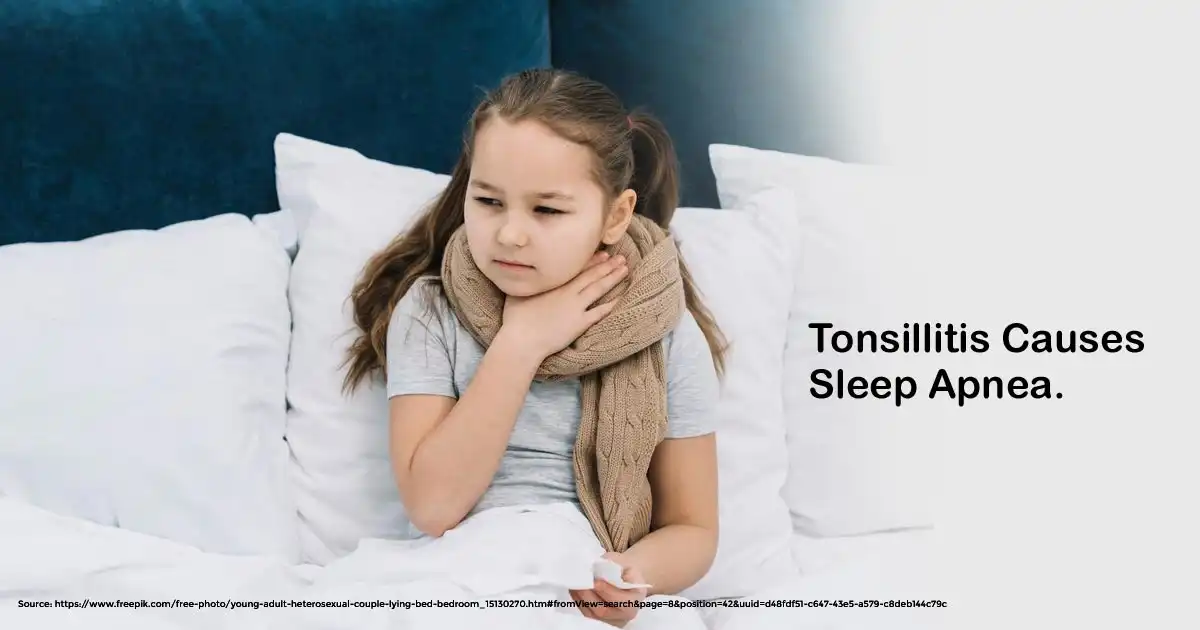
Have you ever noticed how difficult it can be to breathe when your tonsils are swollen? Could enlarged tonsils be the reason for your disrupted sleep or even sleep apnea? In fact, tonsillitis can cause sleep apnea in both adults and children. But how exactly does this work, and what can be done to help?

You may have seen Good Doctor Season 6, where Dr. Shaun Murphy, played by Freddie Highmore, delves into a case involving tonsillectomy and sleep apnea. It’s a common and significant issue. But don’t worry—I’ll walk you through everything, like we’re having a casual chat over coffee.

The Good Doctor Addresses Tonsillitis and Sleep Apnea

In The Good Doctor Season 6, Dr. Shaun Murphy, played by Freddie Highmore, addresses the connection between tonsillitis and sleep apnea. Tonsillitis, which causes inflammation and enlargement of the tonsils, can obstruct the airway, leading to sleep apnea—a condition where breathing repeatedly stops and starts during sleep. Shaun Murphy’s character emphasizes the medical accuracy behind such conditions, highlighting how removing the tonsils can improve breathing and overall sleep quality.

This storyline touches on the complex decisions that doctors face, weighing the benefits of surgery against potential risks, and underlines The Good Doctor’s commitment to portraying real-world medical dilemmas.

What Are Tonsils, and How Can They Affect Sleep?

So, how are tonsils connected to sleep apnea? Your tonsils are two small, fleshy masses located at the back of your throat. When your tonsils become enlarged—whether due to an infection like tonsillitis or other reasons—they can obstruct your airway. This leads to obstructive sleep apnea (OSA), a serious condition where breathing stops and starts repeatedly during sleep.

Imagine trying to sleep with a pillow over your face. That’s what having enlarged tonsils can feel like for your throat. It’s especially common in children, but adults can experience it too, particularly those with enlarged tonsils and adenoids.

How Does Tonsillitis Cause Sleep Apnea?

If you’ve had tonsillitis, you know how uncomfortable it can be. But did you know that tonsillitis can cause sleep apnea? Tonsillitis, or inflammation of the tonsils, can cause them to swell and obstruct airflow. Enlarged tonsils block the airway, forcing the body to work harder to breathe, especially during sleep. This obstruction can lead to sleep apnea, where the airway becomes partially or fully blocked, causing breathing to stop temporarily.

Children are more prone to experiencing sleep apnea due to enlarged tonsils, which is why tonsillectomies are commonly performed to treat sleep apnea in kids. In fact, tonsillitis causes sleep apnea in many children, and removing the tonsils can often resolve the issue

In adults, sleep apnea caused by enlarged tonsils might not be as common, but it’s definitely possible. The larger the tonsils, the higher the chance of snoring, restless sleep, or even choking during the night. It’s not just a snoring problem; it’s a sleep quality issue.

Can Enlarged Adenoids Cause Sleep Apnea in Adults?

Absolutely! While adenoids are more commonly a problem for kids, enlarged adenoids can cause sleep apnea in adults too. Like tonsils, swollen adenoids can block your airway, leading to sleep disturbances.

The good news is that both tonsil removal and adenoidectomy (removal of the adenoids) can significantly improve your sleep. For children, it’s often a game-changer, and for adults, it can also provide relief, especially when combined with other treatments.

Signs You Might Have Sleep Apnea from Enlarged Tonsils

How do you know if your tonsils or adenoids are the culprits behind your sleep troubles? Here are some signs that your tonsils and snoring might be more than just a nuisance:

  • Loud, persistent snoring (especially in children)
  • Choking or gasping for air while sleeping
  • Restless sleep or waking up tired, even after a full night’s rest
  • Mouth breathing and dry throat upon waking
  • Daytime sleepiness or trouble focusing

In children, enlarged tonsils and snoring can also lead to behavioral issues, mood swings, and trouble concentrating at school.

Tonsillectomy: A Cure for Sleep Apnea?

If your doctor has recommended a tonsillectomy for sleep apnea, you might be wondering how effective it is. But is it the right choice for you?

  • Tonsil removal for sleep apnea in adults can be an option for those with large tonsils that block the airway.
  • In children, the surgery is a common treatment for OSA, with about 79% of kids experiencing a resolution of symptoms after tonsillectomy.
  • However, you might wonder, Will removing tonsils and adenoids help sleep apnea in adults? The answer varies. For some, removing enlarged tonsils and adenoids brings significant relief. For others, additional treatments like CPAP therapy might still be needed.

A key question often asked is, How long after tonsillectomy will sleep apnea go away? Recovery and improvement times vary, but many people notice immediate relief, while others may see full benefits within a few weeks.

Can You Have Sleep Apnea Without Tonsils and Adenoids?

Yes, you can! Tonsils and adenoids aren’t the only culprits behind sleep apnea. Factors like obesity, a narrow airway, or even your sleeping position can contribute to the condition. Even if you’ve had a tonsillectomy and adenoidectomy, it’s possible to still have sleep apnea, but the chances of improvement are significantly higher if enlarged tonsils or adenoids were the main issue.

How Mattress Choice Can Help Sleep Apnea

Now, let’s talk about something you might not have considered—your mattress! Believe it or not, your bed plays a significant role in managing sleep apnea, especially after tonsil or adenoid surgery. Certain mattress types are more conducive to healthy sleep for apnea sufferers.

  1. Memory Foam Mattresses: These mattresses provide excellent support, especially for side sleepers, which is often the best sleeping position for tonsillitis or sleep apnea. Memory foam adapts to your body, helping to keep your airway open.
  2. Adjustable Beds: These are game-changers for sleep apnea sufferers. An adjustable bed lets you elevate your head, which can prevent your tongue and tonsils from collapsing into your throat, reducing snoring and apnea episodes.
  3. Latex Mattresses: For those who like a firmer bed, latex mattresses can offer solid support and help keep your body aligned during sleep. Proper alignment can reduce the pressure on your airway.

Best Mattresses for People with Sleep Apnea

Sleep apnea doesn’t just depend on medical conditions—your sleeping environment matters too. Choosing the right mattress can make a world of difference in managing symptoms.

Here are five mattress brands that can improve sleep quality for people suffering from sleep apnea:

  1. Tempur-Pedic: Known for its pressure-relieving memory foam, Tempur-Pedic mattresses conform to your body and help with proper spinal alignment. The cushioning supports your airways, reducing the risk of obstruction during sleep.
  2. Purple: With a unique grid system that provides both support and softness, Purple mattresses help keep your airways open. The mattress’s breathable material can also help reduce heat retention, which can make sleep apnea symptoms worse.
  3. Sleep Number: Sleep Number’s adjustable firmness levels let you find the perfect sleeping position. If tonsillitis sleeping position concerns you, this brand can allow you to adjust the incline of the mattress to improve breathing while you sleep.
  4. Saatva: A luxury option that combines firmness and plush comfort, Saatva’s mattresses are designed to promote good posture during sleep. For people with sleep apnea, the mattress’s support can ease breathing issues caused by poor alignment.
  5. Nectar: This affordable memory foam mattress contours to your body, offering support where you need it most. If you suffer from sleep apnea, this brand helps keep your body in an ideal sleeping position to minimize airway obstruction.

The Role of Sleeping Position

Did you know your sleeping position can significantly impact your sleep apnea symptoms? For those suffering from sleep apnea caused by enlarged tonsils in adults or children, finding the right position can make breathing easier.

The best position for sleep apnea is on your side. Sleeping on your back can worsen symptoms, as the tongue and soft tissues in the throat may fall back, blocking the airway. Side sleeping helps keep the airways more open, which is particularly beneficial for people with enlarged tonsils or adenoids.

For children, a tonsillitis sleeping position that reduces airway obstruction can improve their sleep quality until medical intervention is available. In adults, using an adjustable bed or special pillows to keep the head elevated can also reduce sleep apnea episodes.

Tips for Better Sleep with Sleep Apnea

If you’re dealing with tonsillitis, enlarged tonsils, or adenoids and sleep apnea, here are some practical tips to improve your sleep:

  • Sleep on Your Side: Back sleeping can worsen sleep apnea because it causes your airway to collapse more easily. Side sleeping helps keep your throat open.
  • Elevate Your Head: Using a wedge pillow or an adjustable bed can make a huge difference in reducing snoring and apnea episodes.
  • Keep a Humidifier: Dry air can irritate your throat and make symptoms worse. A humidifier can help keep your airways moist and open.
  • Stay Hydrated: Drink plenty of water throughout the day to prevent dry throat and reduce inflammation.

Read more about sleep apnea here!

Why a Tonsillectomy May Not Be Enough

For some people, a tonsillectomy may not fully cure sleep apnea, especially in adults. As mentioned, tonsillectomy sleep apnea treatments may bring relief, but other factors like weight, sinus issues, or muscle relaxation during sleep can still cause OSA.

If your sleep apnea doesn’t improve after a tonsillectomy, consult with a healthcare provider about alternative treatments such as CPAP therapy, lifestyle changes, or further surgery.

Adenoids and Sleep Apnea in Adults

It’s not just your tonsils that can cause sleep apnea. Enlarged adenoids can also obstruct your airway. If you’ve ever asked, Can enlarged adenoids cause sleep apnea in adults? The answer is yes. In some cases, removing the adenoids through an adenoidectomy may help alleviate symptoms. However, this surgery is more common in children than adults.

Sleep Apnea in Children: After a Tonsillectomy

Children who suffer from OSA often undergo tonsillectomies to remove the blockage. But what about child sleep apnea after tonsillectomy? While most children see significant improvement, some may continue to experience mild symptoms. This is often due to other factors like obesity or nasal blockages.

The good news is that the majority of children recover fully after tonsil removal and can finally enjoy restful sleep.

Final Thoughts: Will Removing Tonsils and Adenoids Help Sleep Apnea in Adults?

In many cases, yes! For both children and adults, removing the tonsils and adenoids can be an effective treatment for sleep apnea, especially when these tissues are enlarged. However, it’s important to note that surgery isn’t the only solution, and other treatments like CPAP or lifestyle changes may also be necessary.

So, whether you’re struggling with tonsillitis or suspect your tonsils might be affecting your sleep, it’s worth talking to a healthcare professional. Your tonsils could be causing more than just a sore throat—they could be robbing you of a good night’s sleep.

Sleep apnea tonsils child cases are particularly common, and surgery often provides life-changing relief. For adults, while surgery might be less common, it’s still a viable option if your tonsils are causing sleep disturbances. The key is getting an accurate diagnosis and finding the right treatment that fits your needs.

Remember, improving your sleep is a journey. Whether it’s with surgery or a new mattress, there are many paths to better, healthier rest! Know more about sleep and health at Smartmattressbuy.com

FAQs on Tonsillitis and Sleep Apnea

  1. Will removing tonsils help with sleep apnea?

Yes, removing tonsils can significantly improve sleep apnea. This is particularly true for adults and children with sleep apnea caused by enlarged tonsils. A tonsillectomy for sleep apnea helps by physically removing the enlarged tonsils, opening up the airway, and improving breathing during sleep. Many individuals experience immediate relief from snoring and sleep apnea after surgery.

  1. Can your tonsils affect your breathing?

Yes, enlarged tonsils or adenoids can obstruct the airway and make breathing more difficult. Infections or chronic enlargement of the tonsils and adenoids can lead to blocked airways, contributing to snoring and sleep apnea. This can cause issues such as breathing through the mouth or difficulty breathing through the nose, which is often seen in tonsillitis cases.

  1. What part of the throat causes sleep apnea?

Obstructive sleep apnea is caused when the muscles supporting the soft tissues of your throat, such as the tonsils, soft palate, and tongue, temporarily relax. When these tissues collapse, the airway becomes blocked, leading to sleep apnea. Enlarged tonsils and snoring in adults are often closely connected due to this airway obstruction.

  1. Will I sleep better after a tonsillectomy?

Yes, many individuals, especially children, experience improved sleep after a tonsillectomy. Studies have shown that those who undergo a tonsillectomy for sleep apnea show better outcomes, with reduced snoring and fewer episodes of airway obstruction. For children with sleep apnea tonsils, this surgery can be life-changing, significantly enhancing sleep quality and overall well-being.

  1. Can tonsillitis cause sleep apnea?

Yes, tonsillitis causes sleep apnea in many cases due to the enlarged tonsils obstructing the airway. These episodes of paused breathing, or obstructive sleep apnea, can last for several seconds and reduce oxygen levels in the blood. Both children and adults with tonsillitis often experience snoring and difficulty breathing during sleep.

  1. How can you naturally shrink tonsils?

Here are some ways to relieve symptoms associated with swollen tonsils:

  • Drink warm liquids like broth or tea.
  • Eat cold foods like ice cream.
  • Avoid hard, crunchy foods.
  • Gargle with warm salt water.
  • Use a humidifier to keep the air moist.
  • Rest and avoid straining your voice.
  • Take over-the-counter pain relievers as needed. Although these methods may help alleviate discomfort, they won’t resolve sleep apnea caused by enlarged tonsils.
  1. What problems can tonsils cause?

Swollen or inflamed tonsils from chronic tonsillitis can lead to several complications, including:

  • Obstructive sleep apnea, where breathing is disrupted during sleep due to enlarged tonsils blocking the airway.
  • Tonsillar cellulitis, an infection spreading to surrounding tissues.

These issues highlight how tonsils and sleep apnea are connected, especially when dealing with enlarged tonsils.

  1. Can sleep apnea go away on its own?

While treatments like CPAP machines or lifestyle changes can manage sleep apnea, it is generally a chronic condition that does not go away entirely. In cases where tonsillitis causes sleep apnea, surgical removal of the tonsils (and sometimes adenoids) can provide lasting relief. However, if you still experience symptoms after surgery, it’s important to consult a doctor.

  1. Will removing my tonsils stop snoring?

Yes, removing enlarged tonsils can help reduce or eliminate snoring, especially when snoring is linked to tonsils and sleep apnea in adults. For many adults, a tonsillectomy or tonsil removal for sleep apnea leads to significant improvements in snoring and breathing quality. This outpatient procedure can make a noticeable difference in sleep patterns.

  1. What’s the best sleeping position for sleep apnea?

One of the best positions for those suffering from sleep apnea is side-sleeping. This tonsillitis sleeping position helps keep the airway open, reduces snoring, and minimizes the symptoms of sleep apnea caused by enlarged tonsils. By maintaining proper spine alignment and avoiding back-sleeping (which can make apnea worse), side-sleeping helps with overall breathing during the night.

Labor Day Mattress Sales: Top Deals This 2024

Labor Day 2024

Key Takeaways:

  1. Labor Day 2024: A significant holiday for Labor Day mattress sales, offering major discounts on top brands.
  2. Sealy Mattress in ‘Labor Day’ Movie: The movie subtly features Sealy, emphasizing its popularity in the 1980s.
  3. Hollywood Actors’ Sleep Preferences: The blog highlights the mattress preferences and sleep practices of actors like Kate Winslet, Josh Brolin, and others.
  4. Labor Day Sales Expectations: Anticipate large discounts and deals on various mattress brands during Labor Day 2024.
  5. Top 10 Mattress Sales 2024: Detailed breakdown of the 10 best Labor Day mattress sales, including:
  • Helix: Offers customizable firmness and hybrid design.
  • Avocado: Known for organic, eco-friendly materials.
  • Purple: Features unique grid technology for pressure relief.
  • Casper: Balances support and comfort, suitable for most sleepers.
  • Stearns & Foster: Luxury feel with excellent support.
  • Tuft & Needle: Affordable with adaptive foam for pressure relief.
  • Tempur-Pedic: Memory foam that provides pressure relief and durability.
  • Leesa: Medium-firm, eco-friendly, and good for side sleepers.
  • Layla: Flippable design with dual firmness options.
  • iSense: Adjustable firmness, ideal for couples with different preferences.
  1. Pros and Cons Analysis: Each mattress brand is analyzed with 5 pros and 3 cons to help buyers make informed decisions.

Introduction: Labor Day Tradition

Labor Day has always been a special time for me. It’s a moment to unwind, enjoy the last days of summer, and yes, hunt for the best deals on Labor Day mattress sales. But this year, as Labor Day 2024 approaches, I’ve been reflecting on something deeper. What does Labor Day really mean to us? Is it just a long weekend, or is there something more? How can we make the most of this special weekend while honoring the true meaning of Labor Day?

This questions lingered as I sat down to watch the movie Labor Day by Jason Reitman. As I got lost in the story, something caught my eye—a Sealy mattress box subtly placed in the background. This small detail got me thinking about the connection between comfort, sleep, and how we celebrate Labor Day. So, I decided to dive into the world of mattresses, exploring the brands, preferences of Hollywood stars, and what to expect from this year’s Labor Day Mattress sales.

A Closer Look at the Film and The Subtle Presence of Sealy in Labor Day

In Labor Day, the movie adaptation of Joyce Maynard’s novel, the story is set in the 1980s. The film follows the lives of Adele, played by Kate Winslet, and her son Henry, portrayed by Gattlin Griffith. Their quiet lives are disrupted when Frank, played by Josh Brolin, enters the picture. While the storyline is intense and emotionally charged, there’s a small detail that caught my attention—a Sealy mattress box.

You might wonder, why does this matter? The inclusion of the Cocoon by Sealy brand in Labor Day serves more than just an aesthetic purpose. It reflects the era’s preference for quality sleep products and highlights Sealy’s longstanding reputation in the mattress industry. This brief appearance is a nod to Sealy’s prominence during the late 20th century, a time when it was a household name in America.

The Mattress Preferences of the Labor Day Star Cast

Let’s delve into the mattress preferences and sleep practices of the film’s stars. After all, good sleep is vital, whether you’re an actor in Hollywood or just someone trying to get through a long week.

  1. Kate Winslet (Adele): Kate Winslet, known for her powerful performances, reportedly prefers a Tempur-Pedic mattress. The memory foam contours to her body, providing support and comfort. Kate is known for her commitment to health and wellness, reportedly prefers a firm mattress. She believes in maintaining proper spinal alignment during sleep, which is crucial for her active lifestyle. Her sleep practice includes maintaining a consistent bedtime routine, which helps her stay refreshed for her demanding roles.
  2. Josh Brolin (Frank): Josh Brolin, with his physically demanding roles, values a mattress that offers both support and comfort. He is a fan of memory foam mattresses that contour to the body, relieving pressure points and allowing for a more restful sleep. Though his specific preference isn’t widely known, it’s likely that he opts for something supportive to match his active lifestyle. His sleep practice involves unwinding with a good book, ensuring a peaceful night’s rest.
  3. Gattlin Griffith (Young Henry Wheeler): As a young actor, Gattlin likely doesn’t have a fixed mattress preference. However, a supportive and comfortable mattress is essential for his growth and development, ensuring he stays energized for his roles.
  4. Tobey Maguire (Adult Henry Wheeler): Tobey Maguire, known for his calm demeanor, prefers a Casper mattress. Casper is known for its balance of softness and support. His sleep routine includes meditation before bed, helping him maintain his composure on and off the screen.
  5. J. K. Simmons (Mr. Jervis): J. K. Simmons, a seasoned actor with a busy schedule, requires a mattress that ensures deep sleep. He prefers a hybrid mattress that combines the benefits of innerspring coils and memory foam, offering both support and comfort. While his specific brand choice isn’t public, he emphasizes the importance of good sleep hygiene, including a dark and quiet room for optimal rest.
  6. James Van Der Beek (Officer Treadwell): James Van Der Beek appreciates the classic comfort of a pillow-top mattress. This type of mattress provides a plush surface, making it perfect for someone who enjoys a soft and luxurious sleeping experience. His sleep practice includes turning off electronics an hour before bed, which helps him relax.
  7. Clark Gregg (Gerald): Clark Gregg, known for his versatile roles, likely prefers a mattress that promotes recovery. He favors mattresses with cooling technology, which helps regulate body temperature throughout the night. His sleep routine includes stretching before bed to relieve tension, ensuring a restful sleep.
  8. Tom Lipinski (Young Frank): Tom Lipinski, who plays the younger version of Frank, prefers a mattress that supports his back and joints. A medium-firm mattress, like Cocoon by Sealy, is ideal for providing the right amount of support without sacrificing comfort.

What to Expect from Labor Day Mattress Sales 2024?

As Labor Day 2024 approaches, it’s the perfect time to upgrade your mattress. Mattress brands are known to offer some of their best deals during this period. But what can we expect from this year’s Labor Day mattress sales?

  1. Early Bird Deals: Many brands start their sales early, sometimes even a week before the official Labor Day weekend. If you’re looking to beat the rush, keep an eye out for these early offers.
  2. Bundle Offers: Some brands offer bundles that include not just mattresses but pillows, sheets, and other sleep accessories. These deals are great if you’re looking to overhaul your entire sleep setup.
  3. Financing Options: If a new mattress is a big investment for you, don’t worry. Many companies provide 0% financing options, allowing you to pay over time without extra costs.
  4. Extended Warranties: Some brands sweeten the deal with extended warranties, giving you peace of mind for years to come.
  5. Freebies: Who doesn’t love freebies? Look out for offers that include free pillows or mattress protectors with your purchase.
  6. Price Matching: To ensure you’re getting the best deal, some brands offer price matching. If you find a better deal elsewhere, they’ll match it.
  7. Exclusive Online Offers: Sometimes the best deals are found online. Brands often offer exclusive discounts on their websites, so make sure to browse before heading to the store.
  8. Trial Periods: Many companies offer generous trial periods, allowing you to test out your new mattress risk-free. If it doesn’t work for you, returning it is usually hassle-free.
  9. Eco-Friendly Options: With growing environmental consciousness, look for deals on eco-friendly mattresses made from organic or sustainable materials.
  10. Luxury Mattresses: If you’ve been eyeing a luxury mattress, Labor Day is the time to splurge. High-end brands often offer significant discounts during this period.

Top 10 Best Labor Day Mattress Sales 2024

Here’s a list of the top 10 best Labor Day mattress sales you should keep an eye on this Labor Day weekend 2024, with a quick look at the pros and cons of each brand:

1.  Helix

Now,  Helix offers customizable firmness for personalized comfort. It combines foam and coils for balanced support. Cooling technology keeps you comfortable all night. It’s great for couples, reducing motion transfer. The 100-night trial ensures you’re happy with your choice.

Pros:

  1. Customizable firmness: Helix offers a wide range of firmness options tailored to your sleep preferences.
  2. Hybrid design: Combines the best of foam and coil support for a balanced sleep experience.
  3. Cooling technology: Designed to keep you cool throughout the night.
  4. Great for couples: Helix’s motion isolation reduces disturbances from your partner’s movements.
  5. 100-night trial: You can test the mattress for over three months to ensure it’s the right fit.

Cons:

  1. Higher price point: It can be more expensive compared to other brands.
  2. May be too firm for side sleepers: Some users find it too firm, particularly for those who prefer softer mattresses.
  3. Longer shipping times: Delivery can take longer than expected, depending on your location.

Shop Now

2.  Avocado

This mattresss is known for its organic, eco-friendly materials. It provides firm support, perfect for back and stomach sleepers. The mattress is handcrafted with quality in mind. It’s non-toxic, making it ideal for sensitive individuals. However, it’s on the pricier side.

Pros:

  1. Organic materials: Made with certified organic cotton, latex, and wool, making it eco-friendly.
  2. Excellent support: Ideal for back and stomach sleepers due to its firm support.
  3. Eco-friendly: Focused on sustainability with a low carbon footprint.
  4. Handcrafted quality: Each mattress is made by hand, ensuring high-quality craftsmanship.
  5. Non-toxic: Free from harmful chemicals, great for sensitive sleepers.

Cons:

  1. Expensive: Higher price range may not fit all budgets.
  2. Too firm for some: The firmness might not be ideal for side sleepers or those who prefer a plush feel.
  3. Heavy: The mattress is quite heavy, making it difficult to move or rotate.

Shop Now

3. Purple

This luxuary mattress uses unique grid technology for good pressure relief. It promotes airflow, keeping you cool. The mattress is durable, built to last. It suits all sleep positions, making it versatile. However, the feel of the grid may take time to adjust to.

Pros:

  1. Unique grid technology: Provides excellent pressure relief and support.
  2. Temperature regulation: The grid design promotes airflow, keeping you cool.
  3. Durable: Long-lasting materials ensure the mattress will hold up over time.
  4. Good for all sleep positions: Versatile design works well for back, side, and stomach sleepers.
  5. Hypoallergenic: Resistant to dust mites and allergens, perfect for sensitive sleepers.

Cons:

  1. Expensive: Comes with a higher price tag.
  2. Unusual feel: The grid technology may take some time to get used to.
  3. Heavy: Difficult to move or rotate due to its weight.

Shop Now

4. Casper

It balances comfort and support with its breathable foam. It’s great for reducing partner disturbance. The mattress has reinforced edges for stability. It comes with a 100-night trial for peace of mind. However, it only offers medium firmness, which may not suit everyone.

Pros:

  1. Balanced support: Provides a combination of comfort and support, making it suitable for most sleepers.
  2. Breathable foam: Designed to promote airflow and keep you cool.
  3. Good motion isolation: Minimizes disturbances from partner movements.
  4. Edge support: Reinforced edges provide stability and prevent sagging.
  5. 100-night trial: Try it out for over three months with a hassle-free return policy.

Cons:

  1. Limited firmness options: Only available in medium firmness, which may not suit everyone.
  2. Price: Higher than some budget-friendly options.
  3. May lack durability: Some users report sagging over time.

Shop Now

5. Stearns & Foster

Experience a luxurious feel with high-quality materials. It’s perfect for back and stomach sleepers with its firm support. The mattress is built to last and includes cooling features. Edge support is excellent, preventing sagging. But, it comes with a high price tag.

Pros:

  1. Luxury feel: High-quality materials give it a plush, luxurious feel.
  2. Excellent support: Great for back and stomach sleepers due to its firm support.
  3. Durable: Built to last with premium materials.
  4. Cooling technology: Keeps you cool with moisture-wicking materials.
  5. Great edge support: Reinforced edges prevent sagging and provide stability.

Cons:

  1. Expensive: Higher price point may not fit all budgets.
  2. Too plush for some: The luxury feel might be too soft for those who prefer a firmer mattress.
  3. Heavy: Difficult to move or rotate due to its weight.

Shop Now

6. Tuft & Needle

The mattress offers great value with its affordable pricing. The adaptive foam provides comfort and pressure relief. The cooling gel keeps you cool during sleep. The design is simple and minimalist. However, it may not have the luxury feel some desire.

Pros:

  1. Affordable: Offers great value for its price.
  2. Adaptive foam: Provides pressure relief and support for various sleep positions.
  3. Cooling gel: Infused with gel to keep you cool throughout the night.
  4. Minimalist design: Simple, clean aesthetic fits well in any bedroom.
  5. Good motion isolation: Minimizes partner disturbance.

Cons:

  1. Lacks luxury feel: May not have the plush, luxurious feel some sleepers desire.
  2. May not be durable for heavier sleepers: Some users report quicker wear and tear.
  3. Limited edge support: The edges might not be as supportive as other brands.

Shop Now

7. Tempur-Pedic

Tempur-Pedic is renowned for its pressure-relieving memory foam. It’s durable and built to last. The mattress isolates motion well, ideal for couples. There are multiple firmness options available. However, it’s one of the more expensive options.

Pros:

  1. Pressure relief: Memory foam contours to your body, alleviating pressure points.
  2. Durable: High-quality materials ensure long-lasting comfort.
  3. Good motion isolation: Perfect for couples, as it reduces movement transfer.
  4. Variety of options: Available in different firmness levels to suit your preference.
  5. Cooling technology: Keeps you cool with advanced cooling materials.

Cons:

  1. Expensive: Premium pricing may not fit every budget.
  2. Heavy: Difficult to move or rotate due to its weight.
  3. May sleep hot: Despite the cooling technology, some users find it retains heat.

Shop Now

8. Leesa

This provides a medium-firm feel that suits most sleepers. The mattress features a breathable cover to keep you cool. Its foam layers offer good pressure relief. Leesa also uses recycled materials, making it eco-friendly. However, edge support might be lacking.

Pros:

  1. Medium-firm feel: Ideal for most sleep positions, especially side sleepers.
  2. Breathable cover: Promotes airflow to keep you cool.
  3. Pressure relief: Memory foam layers provide excellent pressure relief.
  4. Eco-friendly: Uses recycled materials in its construction.
  5. Good motion isolation: Minimizes disturbances from partner movements.

Cons:

  1. Limited firmness options: Only available in medium-firm, which may not suit everyone.
  2. May lack edge support: The edges might not be as firm as desired.
  3. Price: Higher than some budget-friendly options.

Shop Now

9. Layla

It features a flippable design with two firmness options. Copper infusion helps keep the mattress cool and antimicrobial. It offers excellent pressure relief, especially for side sleepers. Layla also minimizes motion transfer. However, flipping it can be challenging due to its weight.

Pros:

  1. Flippable design: Offers two firmness levels in one mattress (soft and firm).
  2. Copper-infused for cooling: Keeps you cool and has antimicrobial properties.
  3. Good pressure relief: Ideal for side sleepers with its plush side.
  4. Versatile: Suitable for different sleep positions due to its dual-sided design.
  5. Great motion isolation: Minimizes partner disturbance.

Cons:

  1. Heavy: Difficult to flip due to its weight.
  2. Too soft for some: The plush side might be too soft for some sleepers.
  3. Price: Higher than some single-firmness mattresses.

Shop Now

10. iSense

iSense allows you to adjust firmness for personalized comfort. Each side can be customized, making it perfect for couples. Cooling technology ensures a comfortable sleep temperature. The mattress is durable and built to last. However, the adjustable features might require some initial setup.

Pros:

  1. Adjustable firmness: Allows you to customize the firmness to your liking.
  2. Great for couples: Each side can be adjusted individually, perfect for couples with different preferences.
  3. Cooling technology: Designed to keep you cool throughout the night.
  4. Durable: Built to last with high-quality materials.
  5. Good motion isolation: Minimizes partner disturbance.

Cons:

  1. Expensive: Higher price point may not fit all budgets.
  2. Complicated setup: The adjustable features may be confusing to set up initially.
  3. May require maintenance: The adjustable features may need occasional maintenance or adjustments.

Shop Now
Get more updates on Labor Day Mattress Sales 2024 here.

Labor Day Movies: A Perfect Way to Spend the Weekend

Labor Day Movies

What better way to enjoy Labor Day weekend than by watching some classic Labor Day movies? Besides Labor Day (2013), there are other films that capture the essence of the holiday. These movies often highlight themes of hard work, relaxation, and the importance of taking a break. So, if you’re wondering when’s Labor Day weekend and how to spend it, consider a movie marathon!

Final Takeaway: Making the Most of Labor Day 2024

Labor Day 2024 is more than just a day off; it’s a chance to reflect on the hard work we put in every day and to reward ourselves with some well-deserved rest. Whether you’re shopping for a new mattress, watching Labor Day movies, or simply enjoying the long weekend, make sure you take the time to appreciate the significance of the day.

As I prepare to say Happy Labor Day to you all, I hope you find the perfect balance between rest and reflection this holiday. Don’t forget to check out the fantastic Labor Day mattress sales at Smartmattressbuy.com to ensure your rest is as comfortable as possible.

FAQs on Labor Day 2024

  1. When is Labor Day 2024?

This year Labor Day 2024 falls on Monday, September 2nd.

  1. Which days are Labor Day weekend?

Labor Day weekend includes the Saturday, Sunday, and Monday leading up to Labor Day, from August 31st to September 2nd, 2024.

  1. Name are some popular Labor Day movies?

The Film Labor Day (2013), directed by Jason Reitman, is a popular choice. Other movies include Weekend at Bernie’s (1989) and The Big Chill (1983).

  1. What is the significance of Labor Day?

Labor Day honors the contributions of workers and the labor movement in the United States.

  1. What are the best mattress sales during Labor Day 2024?

Some top picks include Helix, Avocado, Purple, and Stearns & Foster, all offering significant discounts.

  1. Are Labor Day mattress sales worth it?

Yes, Labor Day mattress sales offer significant discounts, making it an ideal time to buy a new mattress.

Celebrity-Inspired Bedroom Makeovers for Labor Day 2024!

Celebrity-Inspired Bedroom Makeovers for Labor Day 2024

Key Takeaways

  1. Celebrity Bedrooms as Inspiration
  2. Celebrity Preferences and Style Choices:
  • Michael Bay: A macho-minimalist bedroom with a bespoke walnut platform bed and integrated headboard.
  • Elton John and David Furnish: A bedroom featuring a sleek B&B Italia bed, vintage chairs, and a reflective ceiling.
  • Julianna Margulies: A bedroom illuminated with unique lighting fixtures and a serene ambiance.
  • George Clooney: A bedroom in Los Cabos with a woven leather headboard and architect-designed furniture.
  1. Popular Celebrities and Their Unique Bedroom Styles:
  • Ariana Grande: Tudor-style décor with old-fashioned charm.
  • J Lo and Ben Affleck: A luxurious bedroom with a four-poster bed and city views.
  • Kylie Jenner and Travis Scott: A modern black and white palette with canyon views.
  • Taylor Swift: A classic American-style bedroom with exposed beams and a four-poster bed.
  1. Diverse Design Elements:
  • Pharrell Williams: Hi-tech features in a glass house with a fireplace and green marble bathroom.
  • Kourtney Kardashian: A minimalist approach with a clean and serene design.
  • Lewis Hamilton: A masculine, monochrome bedroom with spa-like features.
  1. Incorporating Celebrity-Inspired Designs for Labor Day
  2. Celebrity Mattress Preferences and Labor Day Sales:
  • Mention of celebrities’ mattress choices and how these can inspire selections during Labor Day mattress sales.
  1. Celebrity Labor Day Plans:
  • Insight into what some celebrities might be doing for Labor Day, including relaxing in their luxurious bedrooms or making the most of their personalized spaces.
  1. Trends in Celebrity Bedrooms for 2024
  2. Labor Day Bedroom Makeover Tips

Introduction: Celebrity Bedroom Makeover 2024

Ever dreamed of transforming your bedroom into a celebrity-inspired sanctuary? With Labor Day just around the corner, now’s the perfect time to revamp your sleeping space with a touch of Hollywood glamour.

Imagine waking up in a room that looks straight out of a celebrity’s Instagram feed, complete with plush bedding, designer furniture, and awe-inspiring decor. From Kardashian bedrooms to those of music icons and actors, the private spaces of these stars exude a level of style and sophistication that can inspire your Labor Day bedroom ideas. Let’s dive into the world of celebrity bedrooms 2024 and not forget the Labor Day mattress sales—perfect for upgrading to a celebrity-approved sleep experience.

1. Channel Your Inner Pop Star: Taylor Swift’s New York Townhouse

Taylor Swift’s New York townhouse bedroom is the epitome of classic American style. Exposed beams, a handsome four-poster bed, and rich, rustic decor make it a cozy yet chic retreat. Swift’s choice of a Tempur-Pedic mattress ensures comfort that matches her room’s elegance. For a Labor Day makeover inspired by Swift, think timeless furniture, vintage accents, and a top-notch mattress. This is your chance to invest in a luxurious, celebrity bedroom-worthy mattress during the Labor Day mattress sales.

2. Modern Glamour: Kylie Jenner and Travis Scott’s Beverly Hills Bedroom

Kylie Jenner and Travis Scott’s master suite in Beverly Hills is the height of modern glamour. With a black and white palette and pops of color through modern art and furnishings, this room is sleek yet inviting. Their choice of a Sleep Number mattress is perfect for those who want customizable comfort. For a Labor Day bedroom makeover inspired by Kylie, go for clean lines, bold colors, and high-tech comfort. Keep an eye out for deals on adjustable mattresses that allow you to create your perfect sleep environment.

3. Rustic Charm: Reese Witherspoon’s Malibu Hobby Farm

Reese Witherspoon’s Malibu hobby farm bedroom exudes rustic charm with its beamed ceilings, brick fireplaces, and timber-clad walls. A Serta mattress adds to the cozy vibe, making it a perfect retreat after a long day. To bring some of Reese’s farmhouse charm to your own space, focus on natural materials, vintage lighting, and a comfy mattress. Check out the Labor Day sales for deals on mattresses that offer both comfort and a touch of old-world charm.

4. Minimalist Cool: Kourtney Kardashian’s Calabasas Boudoir

Kourtney Kardashian’s bedroom is a lesson in minimalist cool. With a simple color palette and sleek furniture, her space is all about calm and serenity. Kourtney prefers an organic Avocado Green mattress, which fits perfectly with her minimalist, eco-friendly style. To get Kourtney’s look for Labor Day, strip back your decor to the essentials, choose sustainable furniture, and snag a natural mattress on sale.

5. Eclectic Elegance: Elton John and David Furnish’s Beverly Hills Suite

Elton John and David Furnish’s bedroom in Beverly Hills is a feast for the eyes with its colorful decor and eclectic mix of furniture. A vintage Vladimir Kagan chair and a sleek B&B Italia bed upholstered in Edelman ostrich leather make it a unique space. Their choice of a high-end Hastens mattress ensures that their bedroom isn’t just stylish but also incredibly comfortable. For a Labor Day makeover inspired by Elton John, think bold, statement pieces, a mix of vintage and modern elements, and luxurious bedding. Keep an eye out for deals on designer furniture and high-quality mattresses that will add a touch of celebrity bedroom design to your space.

6. Chic and Cozy: Jennifer Lawrence’s Manhattan Penthouse

Jennifer Lawrence’s Manhattan bedroom combines chic style with a cozy vibe, thanks to floor-to-ceiling windows that offer breathtaking city views. Her choice of a Casper mattress provides both comfort and support, perfect for a modern city apartment. To get Jennifer’s look, opt for neutral colors, lots of natural light, and comfortable yet stylish bedding. Use Labor Day sales to find great deals on mattresses that provide the perfect balance of style and comfort.

7. Opulent Comfort: Michael Jordan’s Mountain Masterpiece

Michael Jordan’s master bedroom in his Utah mansion is the definition of opulent comfort. With bamboo flooring, streamlined black furnishings, and a feature fireplace, it’s a luxurious space designed for relaxation. Jordan’s choice of a Beautyrest Black mattress offers a blend of luxury and support that’s perfect for his space. For a Labor Day bedroom makeover inspired by Michael Jordan, go for plush bedding, rich textures, and a high-quality mattress. Look for deals on luxury mattresses that offer advanced support and comfort.

8. High-Tech Haven: Pharrell’s Beverly Hills Glass House

Pharrell’s bedroom in his Beverly Hills glass house is a high-tech haven, complete with a hi-tech screen and an ensuite bathroom decked in opulent green marble. His choice of a Purple mattress fits perfectly with the modern and tech-forward design of his home. For a Labor Day makeover inspired by Pharrell, focus on sleek, modern furniture, tech gadgets, and a mattress that offers innovative support. Use Labor Day sales to score deals on tech-integrated mattresses that bring your bedroom into the future.

9. Boho Chic: Zooey Deschanel’s Rustic Retreat

Zooey Deschanel’s Manhattan Beach bedroom is all about boho chic, with white-painted timber detailing and rustic charm. A plush Leesa mattress ensures comfort without sacrificing style. To recreate Zooey’s look, opt for natural materials, a mix of vintage and boho furniture, and soft, cozy bedding. This Labor Day, find deals on mattresses that offer both comfort and an organic feel, perfect for a bohemian-inspired space.

10. Glamorous Minimalism: Ariana Grande’s Tudor-Style Bedroom

Ariana Grande’s Tudor-style bedroom in Montecito blends old-fashioned charm with modern touches. Exposed wooden beams and classic decor create a unique and cozy space. Ariana’s choice of a Helix mattress brings customizable comfort to her whimsical retreat. To channel Ariana’s style for your Labor Day makeover, mix vintage elements with modern comforts, and take advantage of mattress sales to find a customizable option that suits your sleep needs.

Bringing Celebrity Style to Your Home

Celebrity bedrooms offer a wealth of inspiration for anyone looking to elevate their home decor. From minimalist and modern to opulent and eclectic, there’s a style for everyone. This Labor Day, use the time off to plan your dream bedroom makeover, drawing inspiration from the most popular Hollywood celebrities and their bedrooms. With the right furniture, decor, and a high-quality mattress, you can create a space that’s not just beautiful but also tailored to your unique style.

Make the most of the Labor Day sales by shopping smart and choosing pieces that add both style and comfort to your space. Whether you’re going for the rustic charm of Reese Witherspoon, the minimalist cool of Kourtney Kardashian, or the eclectic elegance of Elton John, there’s no better time than now to start planning your celebrity-inspired bedroom makeover.

Labor Day Bedroom Ideas Inspired by Hollywood Celebrities

Labor Day Bedroom Ideas Inspired by Hollywood Celebrities

Labor Day is the perfect time to implement these celebrity bedroom ideas and create a space that feels luxurious and comfortable. Here are some tips to help you get started:

  1. Upgrade Your Mattress
  • With the numerous Labor Day mattress sales, now is the ideal time to invest in a high-quality mattress. Whether you’re inspired by Kourtney Kardashian’s minimalist style or Taylor Swift’s rustic retreat, the right mattress can make all the difference. Look for brands that celebrities trust, like Casper, Tempur-Pedic, or Saatva.
  1. Incorporate Luxurious Textiles
  • Take a cue from Jennifer Lopez and Ben Affleck’s romantic retreat by incorporating luxurious textiles into your bedroom. Think silk sheets, velvet pillows, and plush throws. These elements add warmth and comfort, making your bedroom a true sanctuary.
  1. Embrace Minimalism
  • If you’re inspired by Kourtney Kardashian’s minimalist bedroom, consider decluttering your space and focusing on quality over quantity. Choose furniture and decor that serve a purpose and bring

Women Popular Hollywood Celebrities and Their Bedroom Makeover Tips

  1. Kourtney Kardashian’s Bedroom Design Tip: Embrace minimalism by decluttering your space. Opt for neutral tones and focus on high-quality bedding to create a serene atmosphere. If you’re looking to invest in a new mattress, brands like Casper or Tempur-Pedic, which are popular among celebrities, could be the perfect addition.
  2. Taylor Swift’s Bedroom Design Tip: Incorporate rustic elements such as wooden beams, antique furniture, and cozy textiles. Pair these with modern comforts like a memory foam mattress to create a space that’s both nostalgic and comfortable.
  3. Ariana Grande’s Bedroom Design Tip: To achieve a similar look, focus on incorporating traditional elements like wooden beams, classic furniture, and rich fabrics. Consider a hybrid mattress that combines the support of springs with the comfort of foam for an ideal sleeping experience.

Men Popular Hollywood Celebrities and Their Bedroom Makeover Tips

  1. George Clooney’s Bedroom Design Tip: Incorporate natural materials like leather, wood, and stone into your bedroom design. A natural latex mattress could complement this rustic yet sophisticated style, offering both comfort and sustainability.
  2. Michael Jordan’s Bedroom Design Tip: If you’re inspired by Jordan’s modern aesthetic, opt for clean lines, neutral colors, and minimalist furnishings. A high-quality memory foam mattress can add to the sleek, contemporary feel of the room.
  3. Lewis Hamilton’s Bedroom Design Tip: To recreate his bedroom look, stick to a monochrome palette and focus on high-end materials like silk, velvet, and leather. Investing in a luxury mattress brand like Saatva can elevate the comfort and style of your bedroom.

Most Popular Hollywood Celebrities and Their Bedrooms

  1. Jennifer Lawrence’s Bedroom Design Tip: For a city-chic look, incorporate statement pieces like a tufted headboard or a velvet bench at the foot of the bed. A plush, pillow-top mattress can add to the luxurious feel of the room.
  2. Pharrell Williams’ Bedroom Design Tip: To achieve a high-tech, modern look, focus on incorporating smart home technology and minimalist design. A smart mattress that tracks your sleep patterns could be a perfect addition to this type of bedroom.
  3. J Lo and Ben Affleck’s Bedroom Design Tip: For a romantic bedroom, focus on soft lighting, luxurious textiles, and a statement bed. A memory foam mattress with a plush top layer can add to the comfort and coziness of the room.

Celebrity Bedrooms 2024: What’s Trending?

As we move into 2024, certain trends are emerging in celebrity bedroom design. From sustainable materials to smart technology, the most popular Hollywood celebrities and their bedrooms are setting the stage for the next big design trends.

  1. Sustainable Luxury

Sustainability is becoming a major focus in celebrity bedroom design. Stars like Jessica Alba and Leonardo DiCaprio are known for their commitment to eco-friendly living, and this is reflected in their bedroom choices. Sustainable materials like bamboo, organic cotton, and natural latex are becoming increasingly popular, offering a luxurious feel without harming the environment.

  • Celebrity Bedroom Design Tip: Consider incorporating sustainable materials into your bedroom design. A natural latex mattress is not only eco-friendly but also provides excellent support and comfort.
  1. Smart Bedrooms

With the rise of smart home technology, many celebrities are incorporating these innovations into their bedrooms. From smart mattresses like Eight Sleep or Sleep Number that adjust to your body’s needs to lighting systems that can be controlled via smartphone, the future of bedroom design is all about convenience and customization.

  • Design Tip by Celebrity: Upgrade your bedroom with smart technology. A smart mattress that tracks your sleep patterns and adjusts its firmness could be a game-changer for your sleep quality.
  1. Personalized Spaces

More than ever, celebrities are designing their bedrooms to reflect their personal style and interests. Whether it’s a gallery wall of personal photos, a custom-designed headboard, or a collection of favorite books, personalization is key.

  • Tip to consider: Make your bedroom uniquely yours by incorporating personal touches. Whether it’s a custom-made bed or a selection of your favorite artwork, these elements can make your space feel more like home.

Celebrity Labor Day Plans: How They Celebrate

Just like us, celebrities have their own ways of celebrating Labor Day. Many enjoy low-key getaways or host intimate gatherings with family and friends. For example, Taylor Swift loves spending Labor Day at her Rhode Island home, hosting fun-filled parties with close friends. The Kardashian clan often celebrates with elaborate backyard barbecues at their Calabasas estates. Meanwhile, Reese Witherspoon enjoys spending the long weekend with her family at her Malibu farm, often sharing pictures of her festive gatherings on social media.

These celebrity Labor Day plans can serve as inspiration for your own celebrations. Whether you’re hosting a backyard barbecue or a cozy gathering indoors, you can bring a bit of Hollywood glam to your festivities. And if a bedroom makeover is on your to-do list, the Labor Day mattress sales are a perfect opportunity to invest in a new mattress that promises a sleep experience fit for a star.

Smart Take: Labor Day and Your Chance to Create a Celebrity-Inspired Bedroom

As we prepare for Labor Day, it’s the perfect time to reflect on how we can bring a little bit of Hollywood into our homes. With a mix of style, luxury, and practicality, you can create a bedroom that feels like a personal sanctuary. Remember to check out the Labor Day mattress sales to find the best deals on celebrity-approved mattresses that promise a good night’s sleep.

Transform your bedroom into a celebrity-worthy space and start living your most glamorous life. Whether it’s a sleek, modern design or a cozy, rustic retreat, there’s a celebrity bedroom out there to inspire your own makeover. This Labor Day, let’s take a cue from our favorite stars and create a space where we can rest, recharge, and feel like A-listers every day. Know more about celebrity endorsed mattresses at Smartmattressbuy.com.

Finding the Best Mattress for a Torn Rotator Cuff

Finding the Best Mattress for a Torn Rotator Cuff

Key Takeaways

  • Torn Rotator Cuff Impact: Rotator cuff injuries severely affect sleep quality, leading to persistent pain and discomfort that can exacerbate without proper management.
  • Best Sleeping Positions: Sleeping on your back, the unaffected side, or in a reclined position can significantly reduce pain and enhance sleep quality.
  • Mattress Importance: The right mattress can play a pivotal role in managing rotator cuff pain by offering necessary support and pressure relief.
  • Pillow Selection: Proper pillows are essential for maintaining alignment and reducing shoulder strain, contributing to better sleep and recovery.
  • Natural Healing: Adequate sleep and a conducive sleeping environment are vital for the natural healing process of a torn rotator cuff.

Introduction to Best Mattress Managing Torn Rotator Cuff Pain

Have you ever tossed and turned at night, struggling to find a comfortable position because of shoulder pain? If you’re dealing with a torn rotator cuff, you’re not alone.

This common injury can disrupt your sleep and make restful nights a distant memory. But did you know that choosing the right mattress can be a game-changer for your sleep quality and recovery?

Here, we’ll explore the best mattresses for torn rotator cuffs and how they can alleviate pain and promote healing. We’ll also discuss optimal sleeping positions, pillow choices, and tips for naturally healing a torn rotator cuff. So, let’s dive into how you can achieve better sleep and manage your rotator cuff symptoms effectively.

The Importance of Sleep in Managing Pain

Quality sleep is crucial for managing pain and promoting healing. When you sleep, your body undergoes repair processes that are essential for recovery. Poor sleep can exacerbate pain, increase inflammation, and slow down healing. For those with a torn rotator cuff, finding a comfortable sleep setup can make a significant difference in pain levels and overall well-being.

Understanding Torn Rotator Cuff Injuries

What is a Rotator Cuff Injury?

The rotator cuff is a group of four muscles and tendons that stabilize the shoulder joint and facilitate movement. A torn rotator cuff occurs when one or more of these tendons are damaged, leading to pain, weakness, and limited mobility. This injury is prevalent among athletes, laborers, and older adults due to the wear and tear of the shoulder joint.

Symptoms and Causes

Torn Rotator Cuff Symptoms

  • Persistent Shoulder Pain: Pain is often dull and aching, located deep within the shoulder. It can intensify with certain activities, such as lifting or reaching.
  • Cracking or Popping Sensations: Movement may produce a crackling or popping sound, known as crepitus.
  • Muscle Weakness: Difficulty lifting or rotating the arm due to weakness in the shoulder muscles.
  • Limited Range of Motion: Restricted ability to move the shoulder, particularly when lifting the arm overhead.
  • Difficulty Sleeping: Pain may be more pronounced at night, making it difficult to find a comfortable sleeping position.

Causes of Rotator Cuff Tears

  • Acute Injury: Sudden trauma, such as falling on an outstretched hand or lifting a heavy object, can cause a tear.
  • Chronic Wear and Tear: Repetitive overhead activities or degenerative changes in the tendons over time.
  • Age-related Degeneration: Tendons naturally weaken and lose elasticity with age, increasing susceptibility to tears.
  • Bone Spurs: Bony projections that develop along the edges of bones can irritate and wear down tendons.

Does a Torn Rotator Cuff Hurt All the Time?

The pain from a torn rotator cuff can be persistent, especially during activities that engage the shoulder. While some individuals experience constant discomfort, others may feel pain only during specific movements. Pain typically worsens at night due to the lack of movement and the weight of the shoulder resting on a mattress.

Rotator Cuff Strain vs. Tear

  • Strain: Involves the overstretching or partial tearing of the muscle fibers or tendons, often resulting from overuse or minor injuries.
  • Tear: A more severe injury where the tendon is either partially or completely detached from the bone. Tears can be partial (incomplete) or full-thickness (complete).

Understanding the severity of your injury is crucial for determining the best treatment and sleep strategies.

Sleeping with a Torn Rotator Cuff

Best Sleeping Positions for Shoulder Pain

Finding the right sleeping position can significantly impact your comfort and pain levels. Here are some positions to consider:

  1. Sleeping on Your Back
  • Benefits: Sleeping on your back minimizes pressure on the shoulders and helps maintain proper spine alignment. This position is ideal for distributing body weight evenly and reducing shoulder strain.
  • Tips: Use a supportive pillow under your neck to keep your head aligned with your spine. Place another pillow under the affected shoulder or elbow to slightly elevate it, reducing pressure on the joint.
  1. Sleeping on the Unaffected Side
  • Benefits: Lying on the side opposite the injured shoulder alleviates pressure and allows the injured shoulder to rest.
  • Tips: Place a firm pillow between your knees to align your hips and reduce lower back strain. Use a thick pillow between your arm and the mattress to support the injured shoulder and prevent it from rolling forward.
  1. Sleeping in a Reclined Position
  • Benefits: Elevating the upper body can reduce pressure on the shoulder and decrease pain. This position is often recommended for those with severe shoulder pain.
  • Tips: Use an adjustable bed or recliner to achieve a comfortable angle. Alternatively, prop yourself up with several pillows to create a reclined position in bed.

Sleeping Positions to Avoid

  • On the Injured Side: Sleeping on the injured shoulder can increase pain and discomfort by compressing the joint and tendons.
  • Stomach Sleeping: Lying on your stomach places strain on the shoulder and neck, potentially worsening pain and misalignment.

How to Minimize Shoulder Pain While Sleeping

  • Ice or Heat Therapy: Applying ice or heat before bed can reduce pain and inflammation. Use ice packs for acute pain and heat pads for chronic discomfort.
  • Gentle Stretching: Perform light stretching exercises before bed to relieve tension and improve flexibility in the shoulder.
  • Pain Relief Medication: Consider over-the-counter pain relievers, such as ibuprofen or acetaminophen, to manage pain before sleeping.

Choosing the Best Mattress for a Torn Rotator Cuff

What to Look for in a Mattress?

Selecting the right mattress is essential for managing shoulder pain. Consider the following factors:

  1. Mattress Firmness
  • Recommendation: Medium-firm mattresses provide the best support and pressure relief for shoulder pain. They strike a balance between support and cushioning, preventing excessive sinking or firmness that can exacerbate pain.
  1. Functional Support
  • Importance: A mattress that allows easy movement and supports changing positions is crucial for comfort. This feature is essential for preventing shoulder strain and ensuring restful sleep.
  1. Good Pressure Relief
  • Need: A mattress that distributes weight evenly reduces strain on the shoulder. Look for materials that contour to your body, like memory foam or latex, which offer targeted support and relieve pressure points.

Top Mattresses for Torn Rotator Cuff in 2024

Here are some of the best mattresses to consider if you have a torn rotator cuff:

  1. Saatva Classic
  • Features: Hybrid design with individually wrapped coils and a plush Euro pillow top.
  • Benefits: Provides excellent pressure relief and support with its zoned lumbar support, ideal for those needing a balance of comfort and firmness.
  1. Helix Midnight Luxe
  • Features: Soft, luxurious feel with zoned support for shoulders and hips.
  • Benefits: Great for side sleepers needing pressure relief, with a breathable cover for temperature regulation.
  1. WinkBed
  • Features: Combines foam and innerspring technology for support and durability.
  • Benefits: Alleviates neck and shoulder pain effectively, with extra edge support for stability.
  1. Nolah Signature 12″
  • Features: All-foam design with AirFoam technology for cooling and pressure relief.
  • Benefits: Reduces shoulder pain for side sleepers with its soft yet supportive surface.
  1. Bear Elite Hybrid
  • Features: Combines foam and coils for excellent pressure relief and support.
  • Benefits: Ideal for athletes or active individuals with its Celliant-infused cover promoting recovery.
  1. Brooklyn Bedding Aurora Luxe
  • Features: Hybrid design with cooling technology and multiple firmness options.
  • Benefits: Great for hot sleepers with shoulder pain, offering personalized comfort.
  1. Tempur-Pedic Adapt Mattress
  • Features: Advanced TEMPUR material with a multi-layer construction that adapts to your body’s shape and weight. Available in soft, medium, and firm feels, with options for a hybrid or all-foam design.
  • Benefits: Delivers personalized comfort and pressure relief by conforming closely to your body, ideal for those seeking tailored support and motion isolation. The TEMPUR material minimizes pressure points and helps with spinal alignment, making it perfect for side and back sleepers.
  1. Stearns & Foster Lux Hybrid Mattress
  • Features: Combines memory foam with a coil system for a responsive and supportive feel. Features a premium, hand-crafted design with cooling technology and a plush pillow top.
  • Benefits: Offers a luxurious sleeping experience with the right blend of comfort and support, making it ideal for those who appreciate both the contouring benefits of memory foam and the responsive support of coils. The cooling technology ensures a comfortable sleep temperature throughout the night.

Firm or Soft Mattress for Shoulder Pain?

While some people find relief on a firm mattress, others may prefer a softer surface. A medium-firm mattress is generally recommended as it offers a good balance of support and comfort. Experimenting with firmness levels can help you find the best fit for your needs.

Memory Foam Mattress Causing Shoulder Pain

While memory foam mattresses are known for their contouring properties, they can sometimes cause shoulder pain if too soft. A mattress that is too soft may not provide adequate support, leading to misalignment and increased pressure on the shoulder. If you’re experiencing pain with a memory foam mattress, consider switching to a medium-firm option or adding a supportive topper.

Can a Mattress Cause Rotator Cuff Pain?

A mattress that lacks proper support or is too firm or soft can contribute to shoulder pain and discomfort. Over time, poor support may exacerbate shoulder strain and lead to increased pain. Choosing a mattress that aligns with your body and sleep needs is crucial for preventing and managing rotator cuff pain.

Recommended Pillows for Torn Rotator Cuff

The right pillow can make a significant difference in managing shoulder pain. Here are three recommended pillows:

  1. Tempur-Pedic Neck Pillow
  • Features: Contoured design supports neck and shoulders.
  • Benefits: Reduces strain and improves alignment.
  1. Coop Home Goods Adjustable Pillow
  • Features: Adjustable fill for personalized comfort.
  • Benefits: Allows customization to fit your needs.
  1. EPABO Contour Memory Foam Pillow
  • Features: Ergonomic design with breathable fabric.
  • Benefits: Supports neck and shoulders, reducing pain.

Choosing the right pillow is crucial for maintaining alignment and reducing pressure on the injured shoulder.

How to Position Your Pillow for Shoulder Pain

  • Neck Alignment: Ensure your pillow supports the natural curve of your neck and keeps your head aligned with your spine.
  • Side Sleeping: Use a pillow between your knees and a thick pillow to support your arm and shoulder.
  • Back Sleeping: Place a pillow under your neck and a small pillow under your shoulder or elbow for added support.

How to Heal a Torn Rotator Cuff Naturally

Natural healing methods can complement medical treatments and support recovery. Here are some tips:

  1. Rest and Physical Therapy
  • Importance: Avoid activities that aggravate the shoulder and allow it to rest to promote healing.
  • Use of Slings: A sling may be recommended to immobilize the shoulder and prevent further injury.
  1. Ice and Heat Therapy
  • Ice: Apply ice packs to reduce swelling and numb the area.
  • Heat: Use heat pads to relax muscles and improve blood flow once inflammation has decreased.
  1. Gentle Exercises and Stretching
  • Range of Motion Exercises: Perform gentle stretches and movements to maintain flexibility and prevent stiffness.
  • Strengthening Exercises: Focus on exercises that strengthen the muscles surrounding the shoulder without straining the injured area.
  1. Diet and Nutrition
  • Recommendation: A balanced diet rich in anti-inflammatory foods can support healing and reduce pain.
  1. Mind-Body Techniques
  • Methods: Practices like meditation and yoga can help manage pain and promote relaxation.
  1. Sleep Hygiene
  • Tips: Establishing a consistent sleep schedule and creating a relaxing bedtime routine can improve sleep quality and support recovery.

Torn Rotator Cuff Treatment Options

  1. Non-Surgical Treatments
  • Physical Therapy: Exercises to strengthen the shoulder and improve flexibility.
  • Medications: Over-the-counter pain relievers or anti-inflammatory drugs.
  • Injections: Corticosteroid injections to reduce pain and inflammation.
  1. Rotator Cuff Surgery

In some cases, surgery may be necessary to repair a torn rotator cuff. Surgery options include:

  • Arthroscopic Repair: Minimally invasive procedure using small incisions.
  • Open Repair: Traditional surgery with a larger incision.
  • Tendon Transfer: Moving tendons from other areas to replace damaged ones.

Recovery from rotator cuff tear surgery involves physical therapy and gradual return to activities.

How Long Does a Torn Rotator Cuff Take to Heal Without Surgery?

The healing time for a torn rotator cuff varies depending on the severity of the tear. Partial tears may heal within weeks to months with conservative treatment, while full-thickness tears may take longer. In some cases, surgery may be necessary if the tear does not improve with non-surgical methods.

Smart Take!  

Managing sleep with a torn rotator cuff involves finding the right combination of mattress, pillows, and sleeping positions to alleviate pain and support healing. By understanding the best sleep strategies and mattress options, you can improve your sleep quality and enhance your recovery journey.

Choosing the best mattress for a torn rotator cuff is a personal decision that depends on your individual needs and preferences. Take the time to explore different options at Smartmattressbuy.com and find what suits you best. With the right approach, you can enjoy better sleep and wake up refreshed and ready to tackle the day.

FAQs on Best Mattress for a Torn Rotator Cuff

  1. Can a bad mattress cause rotator cuff pain?

Yes, a mattress that doesn’t provide adequate pressure relief can contribute to rotator cuff pain. If your mattress is too soft, it may not offer enough support, leading to improper alignment and increased strain on sensitive areas like the shoulder. Conversely, a mattress that is too firm can also cause discomfort by placing excessive pressure on the rotator cuff, depending on your specific symptoms.

  1. How should you sleep with a torn rotator cuff?

To minimize discomfort with a torn rotator cuff:

  1. Sleep on your back with your arms positioned by your sides.
  2. Consider sleeping in an inclined position, such as on a reclining bed.
  3. Avoid sleeping on the injured shoulder to prevent worsening the condition.
  4. Is Tempur-Pedic good for shoulder pain?

Yes, Tempur-Pedic TEMPUR Adapt Mattress is highly recommended for shoulder pain. Reviewers often describe the experience as “sleeping on a cloud,” with many noting significant relief from hip, back, and shoulder pain. The mattress is available in three firmness levels, with the medium option offered in both all-foam and hybrid models, allowing you to select the right firmness for your needs.

  1. How do you sleep in bed after rotator cuff repair?

Sleep at an incline for the best comfort after rotator cuff surgery. Lying flat on your back may be uncomfortable, so consider using a recliner or stacking pillows to maintain an elevated position, which can help reduce pressure on the shoulder.

  1. What is the best type of mattress for side sleepers with shoulder pain?

For side sleepers with shoulder pain, innerspring or hybrid mattresses are typically the best options. These types of mattresses provide the necessary support and alignment to relieve pressure on the shoulders.

  1. Why does rotator cuff surgery hurt at night?

Rotator cuff surgery pain can worsen at night due to common sleep positions. Bending your arm under a pillow, sleeping on your side, or curling into the fetal position can all place undue pressure on your shoulder, leading to increased discomfort.

Best Pillow for Side Sleepers with Back Pain

Best Pillow for Side Sleepers with Back Pain

I am a side sleeper with back pain. I was in confusion when selecting a good pillow!

Thicker pillows are necessary for side sleepers. It helps to fill the area beneath their head and neck. A thin cushion may cause you to wake up in pain. On the other hand, an excessively thick pillow may result in additional pressure points.

Following in-depth product research, I have selected the one that fits me the best. Today, I will help you with a list of the top pillows for side sleepers.

If you are a side sleeper with back pain, I can’t wait to share the list of pillows with you! Select the right one for a pain-free sleep. Keep reading!

Best Pillow for Side Sleepers with Back Pain

5 Best Pillows for Side Sleepers with Back Pain

  1. Purple Harmony™ Pillow

Purple Harmony™ Pillow

Pillow Size: Standard/King

Warranty: 1 Year

Trial: 100 Night

Shipping: Free

Features

  • Combines Honeycomb GelFlex® Grid and Talalay Latex provide a balanced feel.
  • Temperature-balancing GelFlex® Grid, aerated Talalay Latex, and moisture-wicking mesh cover for breathability.
  • Ultra-durable and long-lasting materials maintain shape and responsiveness.
  • Honeycomb GelFlex® Grid provides cooling airflow and pressure relief.
  • Hypoallergenic ventilated latex core offers support and breathability.

Shop Now

  1. Avocado Green Pillow

Pillow Size: Standard/Queen/King

Warranty: 1 Year

Trial: 100 Night

Shipping: Free

Features

  • This pillow for side sleeper is made with GOLS-certified organic latex and GOTS-certified organic kapok fiber for an eco-friendly and hypoallergenic sleep experience.
  • Allows you to customize the pillow’s height by adding or removing fill to find your perfect comfort level.
  • The combination of latex and kapok promotes airflow, helping to regulate temperature and prevent overheating.
  • Offers good support for your head, neck, and shoulders, thanks to the combination of latex and kapok.
  • The GOTS-certified organic cotton cover is removable and machine-washable for easy care.

Shop Now

  1. Brooklyn Bedding Talalay Latex Pillow

Pillow Size: Queen/King

Warranty: 10 Year

Trial: 120 Night

Shipping: Free

Features

  • Made with 100% natural latex for a cool and healthy sleep.
  • Seven times more breathable than other latex foams, promoting airflow and cooling.
  • Naturally resistant to allergens, dust mites, and mold.
  • Offers good support and cradles the head and neck.
  • Made with sustainable and biodegradable TENCEL™ Lyocell fibers.

Shop Now

  1. Saatva Latex Pillow

Pillow Size: Queen/King

Warranty: 1 Year

Trial: 45 Days

Shipping: Free

Features

  • Provides responsive head and neck support, pressure relief, and breathability.
  • Made with organic cotton and filled with down-like microdenier fibers.
  • Standard (5″) for back and stomach sleepers, and high (6-7″) for side and combination sleepers.
  • Machine washable for easy care.
  • Suitable for allergy sufferers.

Shop Now

  1. Helix Shredded Memory Foam Pillow

Pillow Size: Standard/King

Warranty: 1 Year

Trial: 100 Night

Shipping: Free

Features

  • Offers customizable support and comfort by allowing you to adjust the pillow’s loft.
  • This pillow for a side sleeper helps regulate temperature for a cooler sleep.
  • Easy to keep clean and fresh.
  • Suitable for allergy sufferers.
  • A combination of Memory Foam and Gel Polyester Foam ensures optimal comfort and durability.
  • TENCEL™ Fiber Cover offers breathability, moisture-wicking, and a soft feel.
  • Adjustable Loft allows you to customize the pillow’s height for your preferred sleep position.

Shop Now

When I choose the best pillow for side sleepers, there are several factors to consider. Based on my experience, here’s a rundown of what you should keep in mind:

Factors To Choose The Best Pillow For Side Sleepers

Factors To Choose The Best Pillow For Side Sleepers

1. Loft and Thickness

  • For side sleepers, a pillow with a medium to high loft is suitable.
  • This helps keep your neck and spine aligned properly.
  • If the pillow is too flat, it can cause your head to tilt downward. This may lead to neck pain.
  • Conversely, if it’s too thick, it might push your head up too high, causing strain.

2. Firmness Level

  • The firmness of the pillow should complement the loft.
  • A medium-firm pillow is often recommended for side sleepers as it provides enough support without being overly rigid.
  • The right firmness helps maintain proper spinal alignment and reduces pressure on the shoulders and neck.

3. Material and Fill

  • The material of the pillow affects both comfort and support.
  • Memory foam, latex, and hybrid pillows are popular choices.
  • Memory foam conforms to the shape of your head and neck, providing personalized support.
  • Latex pillows are firmer and offer good support with a bit of bounce.
  • Hybrid options combine different materials to balance support and comfort.

4. Adjustability

  • Some pillows offer adjustable lofts and firmness levels.
  • This can be particularly useful if you’re not sure what works best for you.
  • With adjustable pillows, you can customize the height and firmness to match your personal preferences and sleeping style.

5. Cooling Features

  • If you tend to get hot while you sleep, consider a pillow with cooling features.
  • Many pillows for side sleepers come with cooling gel or breathable materials.
  • This helps regulate temperature and keep you comfortable throughout the night.

6. Shape and Contour

  • Contoured pillows are designed to fit the natural curve of your neck and head, offering additional support.
  • These can be beneficial for side sleepers as they help maintain proper alignment.
  • Alternatively, a standard pillow with sufficient loft can also be effective if it suits your preference.

7. Allergies and Sensitivities

  • If you have allergies or sensitivities, choose hypoallergenic materials.
  • Many pillows are made with materials that resist allergens, dust mites, and mold.
  • This can be particularly helpful if you have sensitivities.

8. Durability and Maintenance

  • Consider how easy the pillow is to clean and its overall durability.
  • Some pillows come with removable, washable covers, which can be a big plus.
  • Durability is also important as you want a pillow that will maintain its shape and support over time.

In my experience, finding the right pillow often involves a bit of trial and error. Explore more options to enhance your comfort and support. You might have come across orthopedic pillows!

If you are a side sleeper, get relief from chronic pain! Let us discuss why orthopedic pillows are good for side sleepers!

Are Orthopedic Pillows for Side Sleepers Good?

Orthopedic pillows are specially designed to support the body’s natural alignment. They often feature contoured shapes for orthopedic needs.

These pillows provide support for the neck, shoulders, and spine. It potentially reduces discomfort. It enhances sleep quality.

Orthopedic pillows for side sleepers help maintain proper spinal alignment. It fills the gap between your head and the mattress. This alignment can prevent the neck from bending.

Orthopedic pillows can distribute pressure more evenly. This reduces pressure points on the shoulders and neck. It is particularly beneficial for side sleepers who might experience discomfort in these areas.

Many orthopedic pillows have a contoured shape that fits the natural curve of your neck. This design helps ensure that your head and neck are properly supported. Some orthopedic pillows come with adjustable lofts. It allows you to customize the height and firmness to suit your specific needs.

Common materials include memory foam, latex, and gel-infused options. Memory foam conforms to your body’s shape. Latex provides firmer support and durability. Gel-infused pillows offer cooling properties.

Orthopedic pillows may require an adjustment period. Your body adapts to the new support. During this time, you might experience some discomfort.

Smart Take!

To provide good comfort, best pillow for side sleepers with back pain requires taking into account. A well-chosen pillow can ease pain. It lessens pressure points, and correct your spine. As we’ve seen, the best pillows have right amount of loft and firmness.

Remember that the objective is to improve your entire sleep environment. If you are having trouble making a decision, take a look at the five best pillows for side sleepers with back pain.

Looking for a suitable mattress for side sleepers with back pain? Visit us!

FAQs on Best Pillow for Side Sleepers with Back Pain

  1. What pillows do chiropractors suggest for side sleepers?

Chiropractors often recommend that side sleepers with neck pain. It uses a firm pillow with enough height to keep the head aligned with the spine. If you prefer the softness of traditional pillows, you may need to stack them to achieve the proper height.

  1. What type of pillow is ideal for relieving lower back pain?

Memory foam pillows and specially designed lower body pillows are excellent for reducing muscle strain by alleviating pressure on your body. This leads to a more comfortable sleep and a pain-free start to your day.

  1. What’s the best pillow firmness for side sleepers?

Side sleepers should opt for a medium to soft pillow. This level of firmness allows the head, neck, and shoulders to gently sink into the pillow while maintaining proper alignment of the head and spine. Ideal fill materials for this balance include memory foam, down, and down alternatives.

  1. What’s the Best Pillow Position for Side Sleeping?

To ensure proper alignment when sleeping on your side, position the pillow so it supports your head and neck, keeping your spine in a straight, natural horizontal line. Side sleepers typically need a thicker pillow than back sleepers for this alignment. Additionally, bending your knees and placing a pillow between them helps maintain a neutral spine position throughout the night.

  1. Is the Purple Pillow Good for Side Sleepers?

The grid design of the Purple Harmony Pillow effectively distributes weight, ensuring that it doesn’t retain heat like traditional foam pillows. This feature keeps it exceptionally cool and comfortable throughout the night. Thanks to its unique construction and ideal loft, the Purple Harmony Pillow is highly recommended for side sleepers.

  1. How to position pillows for side sleepers?

When lying on your side, a pillow should support your head and neck to keep your spine aligned in a straight, natural, horizontal line. A thicker pillow is necessary for side sleeping compared to back sleeping. Bending your knees and placing a pillow between them helps maintain the spine’s neutral position.

Sleep Problems of Popular but Tired Celebrities!

Sleep Problems

Key Takeaways

  • Sleep Problems of Celebrities: Famous faces like Lady Gaga, George Clooney, and Rihanna face significant sleep struggles.
  • Celebrities Who Sleep 4 Hours: High-achievers such as The Rock and CEOs often thrive on minimal sleep.
  • Celebrities Who Sleep a Lot: Some celebrities understand the value of ample rest for their success.
  • Famous Athletes with Insomnia: Notable athletes like Lindsey Vonn and Tiger Woods struggle with insomnia.
  • Celebrities with Sleep Apnea: Sleep apnea affects famous figures such as Shaquille O’Neal and Randy Jackson.
  • Celebrities with Nightmare Disorder: Tom Holland contends with sleep paralysis, a related condition.
  • Top Mattresses for Celebrities with Sleep Problems: Brands like Tempur-Pedic and Purple offer solutions tailored for those struggling with sleep issues.

The Hidden Sleep Struggles of Celebrities

Ever wondered if the dazzling lives of celebrities are as restful as they seem?

While you’re tossing and turning, some of your favorite stars might be experiencing the same sleepless nights. The glamorous world of fame often hides a darker reality of sleep problems.

Why do famous athletes with insomnia, like those gold medalists we admire, struggle to get a good night’s rest? Or what about Lady Gaga’s notorious insomnia and other celebrities with sleep apnea or nightmare disorders?

As you lie awake, curious about how celebrities who sleep only 4 hours manage their days, you’re not alone. Dive into the intriguing world of famous insomniacs and explore how these issues impact their mental health and performance. Let’s unravel the mystery behind the sleep struggles of some of the most celebrated faces in Hollywood and beyond.

  1. George Clooney: A Restless Oscar Winner

Even Hollywood heartthrobs aren’t immune to sleep struggles. George Clooney, the Oscar-winning charmer and crowned Sexiest Man Alive, admits to having trouble drifting off without the comforting glow of the TV. But did you know that this seemingly harmless habit could actually disrupt the signals our bodies need for a good night’s rest? The light emitted by screens like TVs can interfere with our sleep cycles, leaving us feeling more restless than rested. #GeorgeClooneySleepProblems

  1. Rihanna: Caught in the Web of Sleepless Nights

Rihanna

The pop sensation Rihanna, known for her chart-topping hits and electrifying performances, confesses her difficulties with sleep through social media, ironically adding to the problem. With a whopping 90% of us glued to our screens before bedtime, it’s no wonder that sleep can elude even the brightest stars. The constant buzz of technology can disrupt our internal clocks, making it harder to slip into slumber. #RihannaSleepProblems

  1. Lady Gaga: Battling Sleepless Nights in the Name of Music

Lady Gaga

Lady Gaga, the iconic pop star and cultural phenomenon, isn’t just burning the midnight oil; she’s skipping sleep altogether. Known for her tireless work ethic and passion for music, Gaga reveals that her mind rarely finds respite, often leading to days without rest. But the consequences of such sleep deprivation are more than just fatigue; studies show that prolonged wakefulness can impair judgment and cognitive abilities, akin to being legally intoxicated. #LadyGagaInsomnia

  1. Sandra Bullock: Tired Eyes of a New Mother

Even the glitz and glamour of Hollywood couldn’t shield Sandra Bullock from the exhaustion of new motherhood. When she welcomed her son Louis into her life, she also embraced the all-too-familiar sleepless nights that accompany parenthood. Accumulating a significant sleep deficit isn’t just taxing on the body; it can impair judgment and decision-making, posing risks not just to oneself but to those around us. #SandraBullockSleepProblems

  1. Jimmy Kimmel: The Comedian’s Narcoleptic Nights

Late-night talk show host Jimmy Kimmel isn’t just pulling all-nighters for laughs; he’s grappling with a sleep disorder called narcolepsy. For those living with this condition, the line between wakefulness and slumber blurs, making everyday tasks like driving or conversing a potential hazard. Despite the challenges, Kimmel continues to entertain, proving that even sleepless nights can’t dim his comedic spark. #JimmyKimmelSleepProblems

  1. The Rock: Sacrificing Sleep for Sweat

Dwayne “The Rock” Johnson’s dedication to fitness is legendary, but it comes at a cost: precious sleep. Revealing that he clocks in just three to five hours a night, The Rock prioritizes early morning workouts over ample rest. While his discipline is admirable, experts caution that the average person needs more shut-eye to function optimally, highlighting the importance of finding a balance between fitness and sleep. #TheRockSleepProblems

  1. David Ortiz: Striking Out Sleep Troubles

Even baseball legends like David Ortiz aren’t immune to sleep issues. The stress of a significant slump in 2009 left Big Papi tossing and turning, highlighting the close relationship between stress and insomnia. When our minds are racing with worries and anxieties, getting a good night’s sleep can feel like an impossible feat. #BigPapiSleepTroubles

  1. Renee Zellweger: Time Zone Troubles

With a hectic schedule that often takes her across time zones, Renee Zellweger knows all too well the struggle of trying to sync up with her body’s natural rhythm. But as she’s learned, establishing a consistent bedtime routine can help combat the disorienting effects of jet lag and keep sleep troubles at bay, even when the world feels upside down. #ReneeSleepJetLag

  1. Thomas Edison: Shedding Light on Sleep

Even the brilliant mind behind the light bulb, Thomas Edison, knew the value of a good night’s sleep. Despite his reputation for burning the midnight oil, Edison understood the importance of rest, even if it meant sneaking in a few catnaps throughout the day. But as experts advise, skipping naps and prioritizing quality sleep can help preserve our cognitive function and keep us operating at our best. #EdisonCatnaps

  1. Jennifer Aniston: Crafting a Sleep Sanctuary

From her award-winning performances to her A.M. rituals, Jennifer Aniston knows the importance of self-care, especially when it comes to getting a good night’s sleep. By incorporating meditation and yoga into her bedtime routine, Aniston has found ways to unwind and quiet her mind, setting the stage for restful slumber. As research suggests, practices like yoga and mindfulness meditation can help reduce anxiety and improve sleep quality, offering a blueprint for sweet dreams. #AnistonSleepSanctuary

  1. Chrissy Teigen: Cravings in the Dead of Night

For Chrissy Teigen, satisfying late-night cravings is a nightly ritual. But as she’s discovered, indulging in a bedtime snack can help stave off hunger and promote better sleep. By opting for a snack rich in carbs and protein, Teigen has found a delicious way to ward off hangry sleep, ensuring she wakes up feeling refreshed and ready to take on the day. #TeigenMidnightCravings

  1. Rob Lowe: Navigating Mismatched Sleep Habits

Even Hollywood heartthrobs like Rob Lowe aren’t immune to the challenges of sharing a bed with a partner. With his wife’s late-night iPad sessions keeping him awake, Lowe has learned the value of compromise, even if it means seeking solace in separate sleeping arrangements. As experts suggest, creating separate sleep environments can lead to better rest for both partners, highlighting the importance of finding what works best for our individual sleep needs. #LoweSleepCompromise

  1. Kelly Ripa and Mark Consuelos: Snoring in Sync

Even the happiest of couples can find themselves at odds when it comes to sleep. For Kelly Ripa and Mark Consuelos, Consuelos’s snoring has become a nighttime nuisance, highlighting the impact that sleep disturbances can have on relationships. But as they’ve discovered, seeking solutions like separate sleeping arrangements can lead to better rest for both partners, proving that a good night’s sleep is worth its weight in gold. #RipaConsuelosSnoring

  1. Justin Bieber: Battling Lyme disease and Beyond

Justin Bieber

Justin Bieber’s journey to better health hasn’t been easy. From battling Lyme disease to coping with depression, the pop sensation has faced numerous challenges that have affected his sleep and overall well-being. But as he’s learned, seeking treatment and finding support can make all the difference, reminding us that it’s okay to ask for help when we need it most. #BieberSleepStruggles

  1. Mindy Kaling: Embracing the Chaos of Parenthood

As a busy TV producer and mom, Mindy Kaling knows the chaos of parenthood all too well. From late-night feedings to early morning wake-up calls, Kaling has learned to navigate the ups and downs of motherhood with humor and grace, even if it means sacrificing precious hours of sleep. But as she’s discovered, finding moments of joy and connection amidst the exhaustion can make it all worthwhile, reminding us that love truly knows no bedtime. #KalingParenthoodNights

  1. Demi Lovato: Finding Strength in Vulnerability

Demi Lovato’s journey to self-discovery hasn’t been easy. From battling addiction to overcoming eating disorders, the songstress has faced numerous obstacles on her path to healing. But as she’s learned, embracing vulnerability and seeking support can lead to profound growth and transformation, reminding us that it’s okay to ask for help when we need it most. #LovatoVulnerability

  1. Carrie Underwood: Laughing Through the Night

Pregnancy insomnia is no joke, just ask Carrie Underwood. From late-night cravings to restless nights, the country star knows the struggles of trying to catch some Z’s with a baby on the way. But as she’s discovered, finding humor in the chaos can make it all a little bit easier, reminding us that laughter truly is the best medicine, even when we’re running on empty. #UnderwoodPregnancyInsomnia

  1. Kevin Jonas: Snoring in Harmony

Kevin Jonas

For Kevin Jonas and his wife Danielle, sharing a bed has its challenges, especially when one partner is a notorious snorer. But as they’ve learned, finding solutions like separate sleeping arrangements can lead to better rest for both partners, proving that a good night’s sleep is worth its weight in gold. #JonasSnoringSolutions

Stay tuned for more revelations from the star-studded world of sleepless nights. From CEOs burning the midnight oil to athletes wrestling with insomnia, the realm of restless slumber knows no bounds. Join us as we delve deeper into the sleepless stars and uncover the secrets behind their nocturnal struggles.

The Sleepless Titans: How These CEOs Thrive on Just Four Hours of Sleep

Ever wonder what it takes to run a billion-dollar empire?

While most of us are hitting the snooze button for the umpteenth time, these CEOs are already conquering the world—all on just four hours of sleep a night. From tech moguls to retail giants, let’s dive into the fascinating lives of the sleepless titans who defy the odds and redefine the meaning of hustle.

Celebrities Who Sleep 4 Hours

  1. Marissa Mayer – CEO of Yahoo

Meet Marissa Mayer, the powerhouse behind Yahoo. Renowned for her tireless work ethic, Mayer is rumored to clock in just four to six hours of sleep each night. But don’t let her sleep schedule fool you—this CEO knows how to recharge. With week-long vacations every four months, Mayer ensures she stays sharp and focused, even while juggling the demands of one of the world’s biggest tech companies.

  1. Jack Dorsey – Twitter founder and Square CEO

In a world where time is money, Jack Dorsey is making every minute count. With dual roles at Twitter and Square, Dorsey’s schedule is jam-packed, leaving little room for sleep. Yet, this visionary still manages to rise before the crack of dawn, kicking off his day with a refreshing jog at 5:30 a.m. Who needs eight hours of sleep when you’re busy changing the world, one tweet at a time?

  1. Tim Cook – CEO of Apple

When it comes to dedication, Tim Cook is in a league of his own. As the mastermind behind Apple’s continued success, Cook is known for his relentless work ethic and unwavering commitment to excellence. Whether it’s sending emails at 4:30 in the morning or being the first to arrive and last to leave the office, Cook’s tireless devotion to his craft knows no bounds.

  1. Martha Stewart, Chair of Martha Stewart Omnimedia

From TV shows to product lines, Martha Stewart does it all—and she does it on barely four hours of sleep a night. With a schedule that would make most people’s heads spin, Stewart’s boundless energy and entrepreneurial spirit are truly unmatched. Who needs sleep when you’re busy running an empire?

  1. Helena Morrissey, CEO of Newton Investment Management

With nine children and a thriving career, Helena Morrissey is the epitome of a modern-day superwoman. Rising before the crack of dawn to tackle her inbox, Morrissey’s relentless drive and dedication are nothing short of awe-inspiring. Who says you can’t have it all? With a little grit and determination, Morrissey proves that anything is possible—even on just four hours of sleep a night.

  1. Sergio Marchionne – Fiat CEO

Fueled by coffee and cigarettes, Sergio Marchionne is a force to be reckoned with. Known for his turnaround of Fiat and Chrysler, Marchionne’s relentless work ethic and unwavering dedication to his craft have earned him a rightful place among the automotive industry’s elite. With just four hours of sleep a night, Marchionne proves that success waits for no one.

  1. Howard Schultz – CEO of Starbucks

As the mastermind behind Starbucks, Howard Schultz knows a thing or two about hustle. Rising before the sun, Schultz’s relentless pursuit of excellence has transformed the coffee giant into a global powerhouse. Who needs sleep when you’re busy building an empire? With a net worth of $2.2 billion, Schultz’s dedication to his craft knows no bounds.

  1. Jack Dorsey, Twitter founder and Square CEO

With two tech startups under his belt, Jack Dorsey is no stranger to burning the midnight oil. Juggling the demands of Square and Twitter, Dorsey’s schedule is as hectic as it gets. Yet, this visionary knows that success waits for no one. With just four to six hours of sleep a night, Dorsey proves that passion and perseverance are the keys to conquering the world.

So the next time you find yourself hitting the snooze button, remember these CEOs who are busy changing the world—all on just four hours of sleep a night. From tech moguls to retail giants, these sleepless titans prove that with passion, dedication, and a little bit of caffeine, anything is possible.

So dream big, work hard, and who knows?

You might just join the ranks of the sleepless elite. Or on a contradiction you might end up being like those Celebrities who sleep a lot and cracked the success.

The Sleeping Celebrities: Resting Their Way to Success

In this fast-paced world of celebrities and CEOs, where every minute seems accounted for, there’s a select group who have cracked the code to success: they sleep—a lot.

While many of us believe that burning the midnight oil is the key to achievement. These luminaries prove that quality shut-eye is the real secret sauce.

Let’s delve into the lives of these slumbering superstars and uncover how they use sleep as a tool for success.

Celebrities Who Sleep a Lot

  1. Arianna Huffington: From Hustle to Hibernate

Arianna Huffington, the founder of Huffington Post turned Thrive Global, knows a thing or two about the power of sleep. After leaving her digital news outlet to focus on health, Huffington became an advocate for healthy sleep habits, emphasizing the importance of unplugging from technology before bed. And she practices what she preaches, prioritizing seven to eight hours of sleep each night. It seems that for Huffington, success begins with a good night’s rest.

  1. Jeff Bezos: Snoozing to Success

As the CEO of Amazon, Jeff Bezos is no stranger to the demands of a busy schedule. Yet, Bezos credits much of his success to one simple habit: sleep. In interviews, Bezos has emphasized the importance of getting a full eight hours of rest, noting that he feels significantly better and more productive when well-rested. Perhaps there’s a lesson here for all aspiring entrepreneurs: sometimes, the path to success begins between the sheets.

  1. Jennifer Lopez: Dancing Through Dreams

For Jennifer Lopez, the key to staying at the top of her game isn’t just her talent—it’s her commitment to getting a solid eight hours of sleep each night. The singer, actress, and dancer considers ample rest her secret weapon, allowing her to tackle each day with energy and enthusiasm. From dazzling performances to business ventures, Lopez proves that a well-rested mind is a powerhouse of creativity and success.

  1. The Dalai Lama: Enlightened Slumber

Even spiritual leaders understand the importance of a good night’s sleep. The Dalai Lama, renowned for his wisdom and compassion, ensures he gets a solid seven hours of rest each night. By turning in at 8:30 p.m. and rising at 3:30 a.m., the Dalai Lama replenishes his energy and rejuvenates his spirit, ready to face each day with clarity and purpose. It seems that even enlightenment requires a healthy dose of shut-eye.

  1. Matthew McConaughey: Dreaming of Success

Matthew McConaughey, the Oscar-winning actor known for his charisma and talent, prioritizes sleep as a crucial component of his daily routine- told People Magazine. With a commitment to getting eight and a half hours of rest each night, McConaughey ensures he’s operating at peak performance, both on and off the screen. As he notes, a good night’s sleep is the secret to feeling his best and giving his all too every endeavor.

In a world that glorifies hustle and grind, these celebrities offer a refreshing reminder that success doesn’t always come from burning the candle at both ends. Instead, it’s often found in the quiet moments of rest and rejuvenation. From Arianna Huffington’s advocacy for unplugging before bed to Jeff Bezos’s commitment to eight hours of shut-eye, these sleeping celebrities prove that sometimes, the best way to get ahead is to simply tuck in and dream big.

Sleepless in Stardom: Insomniac Celebrities

In the glittering world of fame and fortune, where red carpets stretch for miles and spotlights never dim, there’s a shadowy secret that lurks behind the scenes: insomnia. While the world sees the glamour and glitz of celebrity life, few realize the sleepless nights and restless minds that plague some of the biggest names in Hollywood.

Now let’s uncover the confessions of these sleep-deprived stars and delve into the world of insomnia in the spotlight.

Celebrities with Insomnia

  1. Jennifer Lawrence: Burning the Midnight Oil

Even Oscar-winning actresses like Jennifer Lawrence aren’t immune to the grip of insomnia. According to reports, Lawrence has struggled with sleepless nights, often finding herself wide awake in the early hours of the morning. From blockbuster film sets to glamorous award ceremonies, Lawrence’s insomnia follows her wherever she goes, a constant reminder that even fame can’t guarantee a good night’s sleep.

  1. Kanye West: Wrestling with Restlessness

As one of the most influential figures in the music industry, Kanye West is no stranger to the pressures of stardom. But behind the bravado and larger-than-life persona lies a man plagued by insomnia. Reports suggest that West has battled sleepless nights for years, with his restless mind often keeping him up until the wee hours of the morning. For West, the pursuit of perfection is a double-edged sword, fueling both his creativity and his insomnia.

  1. Scarlett Johansson: Sleepless in Stardom

Even Hollywood’s most beloved leading ladies aren’t immune to the curse of insomnia. Scarlett Johansson, known for her captivating performances and timeless beauty, has confessed to struggling with sleepless nights. Whether it’s the pressures of fame or the demands of motherhood, Johansson’s insomnia serves as a poignant reminder that even the brightest stars have their dark nights.

  1. Tom Cruise: Mission Insomnia

As one of the highest-grossing actors of all time, Tom Cruise is no stranger to the spotlight. But behind the dazzling smile and action-packed stunts lies a man haunted by insomnia. Reports suggest that Cruise has battled sleepless nights for years, often finding himself tossing and turning in bed as the world sleeps soundly around him. From filming grueling stunts to promoting blockbuster films, Cruise’s insomnia is a constant companion, a reminder that even the most glamorous lives have their shadows.

  1. Katy Perry: Wide Awake in Wonderland

With chart-topping hits and sold-out concerts, Katy Perry is the epitome of pop stardom. But behind the glittering façade lies a woman plagued by insomnia. Perry has openly discussed her struggles with sleepless nights, admitting that her restless mind often keeps her up until the early hours of the morning. From grueling tour schedules to the pressures of fame, Perry’s insomnia is a reminder that even the brightest stars have their dark nights.

Read More on Celebrities with Insomnia

Battling the Night: Athletes’ Struggle with Insomnia

Athletes are often portrayed as invincible titans, conquering challenges with ease. But behind the scenes, a silent adversary lurks in the shadows: insomnia. From skiing legends to golf professionals, the struggle with sleeplessness knows no boundaries.

Let’s explore the stories of famous athletes who have battled the night and emerged stronger than ever.

Famous Athletes with Insomnia

  1. Lindsey Vonn: Carving Through Insomnia

Lindsey Vonn, the retired skiing sensation, may have conquered countless slopes, but her toughest challenge came off the mountain: insomnia. Revealing her struggle on the TODAY show, “Rise — My Story,”, Vonn spoke candidly about the sleep disorder that plagued her, tracing its origins back to a knee surgery. In 2019, Vonn made the decision to retire from ski racing after sustaining injuries from a crash in the women’s Super-G event. Additionally, she received the prestigious honor of being inducted into the U.S. Olympic Hall of Fame.

Despite her accolades and triumphs, Vonn found herself lying awake in pain, trapped in a cycle of anxiety and sleeplessness. Yet, like a true champion, she refused to surrender to the darkness. Through perseverance and determination, Vonn found a treatment that worked for her, emerging healthier, happier, and well-rested.

  1. Tiger Woods: Driving Through the Dark

Even golfing legend Tiger Woods, with his record-breaking achievements and unwavering focus, has grappled with the specter of insomnia. Amidst a public battle with back pain and anxiety, Woods found himself struggling to find restorative sleep. As per a statement provided in the Washington Post, Woods said, “I’m currently receiving professional help to manage my medications and the ways that I deal with back pain and a sleep disorder.”

His arrest for driving under the influence shed light on his ongoing struggle with a sleep disorder, compounded by the pressures of fame and the scrutiny of the public eye. Yet, Woods remains determined to confront his demons head-on, seeking professional help to manage his medications and find solace in the night.

In the competitive world of professional sports, where victory is measured in inches and defeat lurks around every corner, the battle with insomnia is a formidable opponent. From Lindsey Vonn’s courageous journey to Tiger Woods’s ongoing struggle, these athletes remind us that even the strongest among us are not immune to the ravages of sleeplessness. Yet, in their stories, we find inspiration and hope—that with resilience, perseverance, and the right support, we can conquer even the darkest nights.

Unveiling the Nightmares: Celebrities with REM Sleep Disorder

With REM sleep behavior disorder, instead of experiencing the typical temporary paralysis of your arms and legs (known as atonia) during REM sleep, you physically act out your dreams. The onset of this disorder can occur gradually or suddenly, and episodes may happen occasionally or multiple times throughout the night. Over time, the disorder often worsens.

Symptoms of REM sleep behavior disorder may include:

  • Movement, such as kicking, punching, arm flailing, or jumping from bed, in response to action-filled or violent dreams, such as being chased or defending yourself from an attack
  • Noises, such as talking, laughing, shouting, emotional outcries, or even cursing
  • Being able to recall the dream if you awaken during the episode

Tom Holland: Battling Sleep Paralysis

Tom Holland, the charismatic actor known for his portrayal of Spider-Man in the Marvel Cinematic Universe, has faced his own nocturnal demons in the form of sleep paralysis. This unsettling phenomenon occurs when one awakens during the REM cycle, finding themselves temporarily paralyzed and often accompanied by hallucinations.

For Holland, the experience may have felt like a scene straight out of a superhero movie, with his body immobilized as his mind grappled with imagined terrors. Despite his fame and success, Holland’s encounter with sleep paralysis serves as a reminder that even the most extraordinary individuals are not immune to the mysteries of the night. #TomHollandSleepParalysis

Obstructive Sleep Apnea

In the mysterious realm of sleep, where dreams intertwine with reality, lies a shadowy foe known as obstructive sleep apnea. This common yet often undiagnosed condition disrupts the tranquility of slumber, causing intermittent pauses in breathing throughout the night, ranging from a few seconds to minutes. Let’s uncover the stories of famous faces who have grappled with this silent intruder.

  1. Rosie O’Donnell: The View from Sleeplessness

In 2007, the beloved TV personality Rosie O’Donnell shared a startling revelation with the world: she had been diagnosed with obstructive sleep apnea. As a co-host on The View, O’Donnell fearlessly discussed her struggles, shedding light on the severity of the condition. Her polysomnogram revealed a staggering truth—she experienced over 200 micro-awakenings a night, with one terrifying moment where her breath ceased for a daunting 40 seconds. Through her openness, O’Donnell became a beacon of awareness, inspiring others to confront their own sleep demons.

  1. Reggie White: Tackling Sleep Apnea and Beyond

Reggie White, the revered NFL legend known as the “Minister of Defense,” faced a battle off the field that ultimately cost him his life. In 2004, White tragically succumbed to a fatal cardiac arrhythmia compounded by complications of sleep apnea. His untimely passing at the age of 43 shook the sports world to its core. Highlighting the grave consequences of untreated sleep disorders. Despite his departure, White’s legacy endures through The Reggie White Foundation, dedicated to advancing sleep disorder research and education. This ensures that his memory lives on in the fight against sleep apnea.

Restless Leg Syndrome

In the realm of sleep disorders, where restlessness reigns supreme, restless leg syndrome emerges as a formidable adversary. This neurological condition, characterized by an uncontrollable urge to move one’s legs, plagues both the famous and the ordinary. Let’s delve into the stories of notable personalities who have battled the relentless tug of restless legs.

  1. Jon Stewart: Insomnia and the “Jimmy Legs”

Beyond the glitz and glamour of late-night television, comedian Jon Stewart grapples with his own nocturnal demons. Not only does Stewart suffer from insomnia. He also faces the relentless onslaught of restless leg syndrome. This he humorously refers to as “the Jimmy Legs.” Through his candid revelations, Stewart sheds light on the challenges of navigating the sleepless nights of a comedian’s mind.

  1. Keith Olbermann: Wrestling with Restlessness

Keith Olbermann

In the tumultuous world of news broadcasting, Keith Olbermann found himself grappling not only with the headlines but also with restless leg syndrome. Reflecting on a sleepless night after a grueling day of election coverage, Olbermann revealed his diagnosis of Wittmaack-Ekbom’s syndrome. A neurological disorder that disrupts sleep with prickling sensations in the legs. His candid admission serves as a reminder that even the most seasoned journalists are not immune to the restless whispers of the night.

Narcolepsy

In the intricate tapestry of sleep disorders, narcolepsy emerges as a silent choreographer, orchestrating unpredictable bouts of daytime drowsiness and sudden urges to slumber. Let’s explore the lives of notable figures who have danced with narcolepsy’s enigmatic rhythms.

  1. Winston Churchill: Mastering the Art of the Nap

Among history’s towering figures, Winston Churchill stands as an emblem of resilience—and, surprisingly, narcolepsy. The legendary statesman famously quipped, “You must sleep sometime between lunch and dinner… Take off your clothes and get into bed… You get two days in one. Well, at least one-and-a-half.” Churchill’s candid acknowledgment of his narcoleptic tendencies sheds light on the profound impact of sleep disorders even among the world’s most influential leaders.

  1. Jimmy Kimmel: Laughing Through the Sleepiness

In the realm of late-night comedy, Jimmy Kimmel reigns supreme, captivating audiences with his wit and charm. Yet, behind the laughter lies a lesser-known truth. Kimmel grapples with narcolepsy. In a candid column for Esquire magazine, Kimmel revealed, “I have a pretty mild case with no other symptoms. Some narcoleptics experience cataplexy, which is a limpness in the arms and legs. I don’t have that. I’d like to, though. It sounds great.” Through his humor and honesty, Kimmel shines a spotlight on the daily struggles of living with narcolepsy, inspiring empathy and understanding.

Parasomnias

Within the realm of sleep disorders, parasomnias lurk like shadows in the night, manifesting as abnormal behaviors that disrupt the tranquility of slumber. Let’s delve into the intriguing experiences of celebrities who navigate the tangled web of parasomnias.

  1. Florence Welch: Singing Through the Nightmares

As the ethereal voice behind Florence and the Machine, Florence Welch enchants audiences with her haunting melodies. Yet, beneath the surface lies a tumultuous world of sleep terrors. In an interview with the Irish Independent, Welch candidly shared, “I have it when I’m tired or stressed, or over-tired. My body just keeps me on overdrive. I’m just dreaming loads. I can’t quite sleep in a dark room by myself. This is because I’m always imagining something creeping in the dark corner, or looking through the window.” Welch’s raw honesty illuminates the haunting reality of sleep disorders. She reminds us that even the brightest stars endure shadows in the night.

  1. Jennifer Aniston: Walking Through the Dreams

In the glitzy world of Hollywood, Jennifer Aniston’s luminous smile belies a hidden truth—she is a sleepwalker. Recounting a surreal encounter with her then-husband Brad Pitt, Aniston revealed, “I sleepwalk. I set off our alarm once, went outside and was out by the pool equipment in the back. But I don’t know what I was doing.” “I heard this yelling because he’s terrified. He hears the alarm and I’m not there!” Aniston’s humorous anecdote offers a glimpse into the whimsical world of sleepwalking. Where her dreams blur with reality in the dead of night.

Through the candid stories of these celebrities, we gain insight into the profound impact of sleep disorders on their lives—and by extension, on our own.

What is Sleep Apnea? Unraveling the Mystery

Imagine drifting into the realm of dreams, only to be abruptly jolted awake by the sensation of suffocation. This is the reality for millions affected by sleep apnea. A disorder that disrupts the delicate dance of breathing during sleep. Let’s embark on a journey to understand this enigmatic condition.

Types of Sleep Apnea: The Silent Nighttime Struggles

Sleep apnea manifests in two distinct forms, each presenting its own set of challenges:

  1. Obstructive Sleep Apnea (OSA):

Picture a serene night’s rest shattered by the sudden gasp for air as throat muscles collapse, obstructing the airway. This is the hallmark of obstructive sleep apnea, where physical barriers impede the flow of oxygen.

  1. Central Sleep Apnea (CSA):

In a curious twist of fate, the brain becomes a reluctant conductor, failing to orchestrate the rhythm of breathing during sleep. Central sleep apnea, a disorder of the nervous system. This leaves individuals gasping for air as the brain neglects its duty to send vital signals to the body.

Yet, regardless of the type, the consequences remain stark. Fragmented sleep, relentless fatigue, and a relentless battle for breath in the dead of night.

Celebrities Who Suffer from Sleep Apnea

Sleep apnea, a silent disruptor of rest, extends its grasp even into the lives of the rich and famous. Here’s a glimpse into the lives of notable personalities who have grappled with this common yet often undiagnosed sleep disorder.

  1. Shaquille O’Neal: The Legendary Athlete

Renowned as one of basketball’s towering figures, Shaquille O’Neal faced a formidable opponent off the court: severe sleep apnea. Following a Harvard sleep study, Shaq discovered the startling truth—he ceased breathing a staggering 72 times per hour. His candid admission sheds light on the challenges athletes may encounter beyond the arena.

  1. Amy Poehler: From Comedy to Courage

Amy Poehler

Saturday Night Live alum Amy Poehler brought laughter to millions, but behind the scenes, she battled sleep apnea for years. Poehler’s decision to undergo a sleep study at 40 underscores the importance of proactive health management.  Inspiring others to prioritize their well-being.

  1. Shonda Rhimes: Juggling Success and Sleep

As a prolific Hollywood writer and producer, Shonda Rhimes navigates a whirlwind of responsibilities. Amidst her bustling career, Rhimes confronts sleep apnea head-on, highlighting the significance of sleep in maintaining overall wellness.

  1. William Shatner: Trekking Through Sleep Challenges

Famed for his iconic role in Star Trek. William Shatner grapples with sleep apnea, managing his condition with a CPAP machine. His openness about using this treatment option encourages others to explore effective strategies for managing sleep disorders.

  1. Regis Philbin: A Voice Silenced by Sleep Apnea

The late Regis Philbin, beloved talk show host, relied on a CPAP machine to navigate his sleep apnea journey. His passing underscores the importance of raising awareness about sleep disorders and their potential implications on overall health.

  1. Rick Perry: From Politics to Personal Health

Former Texas governor Rick Perry confronted sleep apnea. While running for president, he shed light on the prevalence of this condition across diverse demographics.

  1. John Candy: Remembering a Comedy Legend

Actor and comedian John Candy’s untimely demise drew attention to the dangers of untreated sleep apnea. His story serves as a reminder of the importance of early detection and intervention.

  1. Jerry Garcia: Music’s Silent Struggle

Grateful Dead singer Jerry Garcia’s battle with sleep apnea underscores the potential consequences of untreated sleep disorders on overall health.

  1. Carrie Fisher: A Princess’s Silent Struggle

Actress Carrie Fisher’s passing at age 60 brought attention to the intersection of severe sleep apnea and heart disease. Her legacy prompts reflection on the importance of holistic health management.

  1. President Joe Biden: Leading with Awareness

The revelation of President Joe Biden. He uses a CPAP machine for obstructive sleep apnea underscores the prevalence of sleep disorders across diverse demographics.

Famous Athletes with Sleep Apnea

From the court to the field, athletes grapple with sleep apnea’s relentless grip. Let’s delve into the stories of those who face off against this formidable opponent:

  1. Shaquille O’Neal: Dunking Dreams and Breathless Nights

In a surprising twist, Shaquille O’Neal steps off the court and into the sleep apnea spotlight once again. Through his involvement in educational initiatives, Shaq empowers others to confront their sleep struggles head-on.

Singers with Sleep Apnea

Sleep apnea, a stealthy disruptor of rest, extends its reach even into the harmonious realm of music. Let’s delve into the experiences of renowned singers who have confronted this nocturnal foe.

  1. Randy Jackson: Confronting the Dual Diagnosis

Renowned musician, music manager, and TV personality, Randy Jackson, found himself facing a formidable adversary on two fronts: sleep apnea and type 2 diabetes. Jackson’s candid revelation sheds light on the intricate relationship between sleep disorders and other health conditions.

In the melodic tapestry of his career, Jackson’s journey took an unexpected turn. When he received a double diagnosis of sleep apnea and type 2 diabetes simultaneously. His openness about this health challenge not only raises awareness but also underscores the importance of proactive healthcare management.

Despite the complexities of his dual diagnosis, Jackson’s resilience shines through as he continues to share his experiences. He inspires others to prioritize their well-being. Through his advocacy and authenticity, Jackson amplifies the voices of those navigating the intersecting pathways of sleep apnea and diabetes. Trying to foster a community of support and empowerment.

Female celebrities who snore

Not all celebrities who snore neglect their sleep issues. Here’s a peek into the lives of female celebrities who have grappled with snoring. They have also taken proactive steps to reclaim their sleep health.

  1. Amy Poehler: Turning Laughter into Wellness

Comedic genius Amy Poehler knows how to light up a room with her humor. But behind the scenes, she faced the challenge of sleep apnea and snoring. Poehler didn’t shy away from seeking help. Opting for a sleep study, she embarked on a journey to uncover the root of her sleep issues. While the specifics of her study remain private, Poehler’s commitment to addressing her sleep health speaks volumes.

By confronting her sleep apnea head-on, Poehler paved the way for rejuvenating nights and vibrant days. She ensured her energy reserves are replenished for her next comedic masterpiece.

  1. Shonda Rhimes: Scripting a Healthier Future

Television powerhouse Shonda Rhimes knows how to weave captivating narratives. But her battle with sleep apnea added an unexpected twist to her story. Determined to take control of her sleep quality, Rhimes embraced a holistic approach to wellness. Embarking on a weight loss journey, she adopted healthier eating habits and incorporated exercise into her daily routine.

Through her dedication to shedding pounds, Rhimes transformed her physique. She also bid farewell to the disruptive symptoms of sleep apnea. Now, armed with restorative sleep, she wakes up each day with renewed vigor, ready to craft more groundbreaking television magic.

Sleep Tips

Struggling with insomnia is a battle that many face, including actress Christina Applegate, who has candidly shared her own nighttime struggles. For years, Applegate has grappled with a lack of sleep, averaging only about three hours per night. She emphasizes the profound impact insomnia can have on one’s overall well-being. Affecting not only the physical body but also the emotional and spiritual self.

Christina Applegate

Applegate’s journey with insomnia began around 20 years ago. But it took on a new dimension when she became a mother to her daughter, Sadie Grace, in 2011. The demands of motherhood added another layer to her sleep challenges. As she navigated frequent awakenings to tend to her baby’s needs.

To combat her sleep issues and promote better rest, Applegate has developed some personal strategies that have proven helpful:

  • Keep it Cold: Maintaining a cool room temperature. Ideally between 60 to 68 degrees Fahrenheit, is crucial for a good night’s sleep. Applegate emphasizes the importance of not allowing the room to get too warm. It suggests wearing socks if needed for extra warmth.
  • Blue Light Off: Applegate advises against exposure to blue light from smartphones and televisions before bedtime. This light can interfere with the body’s natural sleep-wake cycle, making it harder to fall asleep. She recommends avoiding screens at least an hour before bedtime to promote relaxation.
  • Use a Straw: Applegate highlights the importance of minimizing disruptive noises during sleep, such as slurping sounds from drinking water. Using a straw can help reduce noise disturbances. Particularly if sharing a bed with a partner who may need to hydrate during the night.
  • Sleep Timer: For those who enjoy falling asleep to television, setting a sleep timer is essential. Applegate suggests avoiding exposure to late-night news broadcasts, as the content can be stimulating and disrupt restful sleep.
  • No Pets Allowed: Pets may provide comfort and companionship. But Applegate acknowledges the potential for pets to disrupt sleep with their movements and noises. Establishing a no-pets policy in the bedroom can help create a more conducive sleep environment.

By implementing these sleep hygiene practices, Applegate has taken proactive steps to improve her sleep quality and overall well-being, offering valuable insights for others struggling with insomnia.

Top Mattresses for Celebrities with Sleep Problems! #BestMattressesForSleepProblems

If you’re struggling with sleep like some of these celebrities, consider investing in a mattress designed to address common sleep issues. Here are five top brands that cater to those with sleep problems:

  1. Tempur-Pedic: Known for its adaptive memory foam that contours to your body, providing personalized support.
  2. Purple: Features a hyper-elastic polymer grid that supports pressure points and keeps you cool.
  3. Saatva: Offers luxurious options with strong support and comfort features.
  4. Sleep Number: Allows customization of firmness to suit individual sleep needs.
  5. Helix: Provides options tailored to various sleep styles and needs.

Smart Take

In the glamorous world of celebrities, where fame and fortune often shine brightest, it’s easy to overlook the hidden struggles. The revelation of sleep disorders among the rich and famous sheds light on the universal importance of quality sleep for overall health and well-being. Whether it’s insomnia, sleep apnea, or restless leg syndrome, the sleep challenges faced by celebrities serve as a reminder that sleep problems do not discriminate based on status or success.

As we marvel at the glitz and glamor of celebrity lifestyles, it’s crucial to recognize that the consequences of inadequate sleep can be far-reaching and potentially life-threatening. National Institute of Health (NIH) has linked sleep deprivation to serious health conditions like obesity, diabetes, cardiovascular disease, and certain cancers. These risks extend beyond the confines of celebrity circles to affect individuals from all walks of life.

So, let the stories of celebrities grappling with sleep problems serve as a wake-up call for us all. In the pursuit of our dreams, let’s not forget to prioritize the one thing that fuels our ability to chase them- a good night’s sleep. Take SmartMattressBuy.com as your companion on the journey through sleepless nights. #SleepWell #CelebritySleepProblems

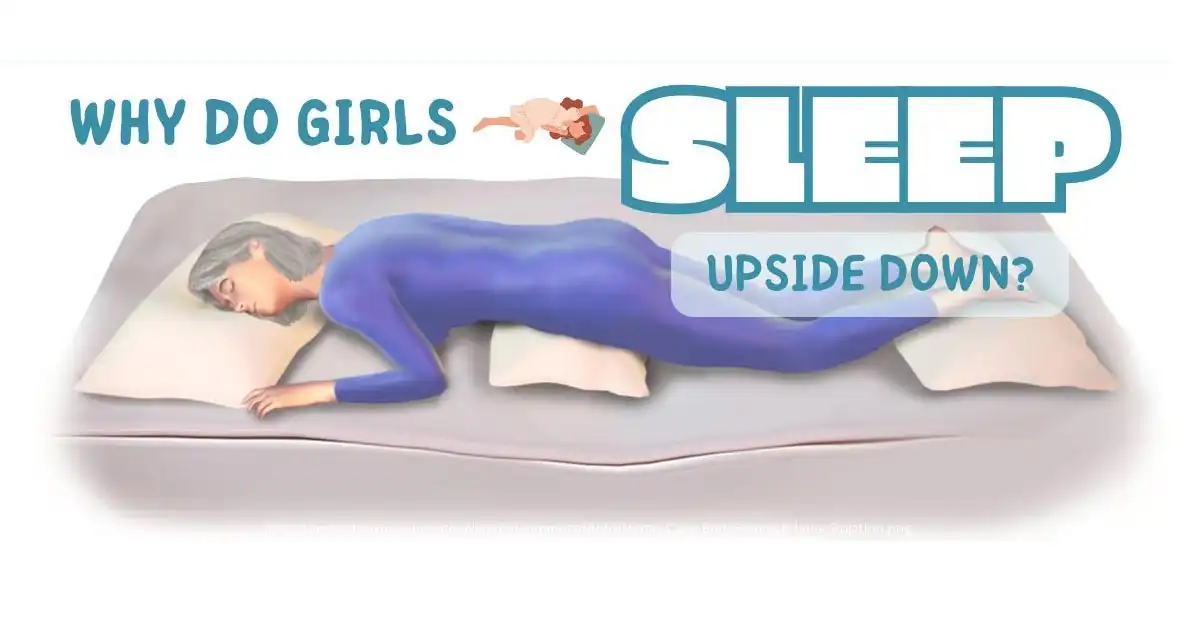
What Are The 5 Types Of Sleep Disorders?

Types of Sleep Disorders

Do you find yourself tossing and turning at night? You may be suffering from a rare sleep disorder. Many of us suffer from sleep disorders. It interferes with our ability to receive enough sleep.

Here, I aim to provide an overview of 5 sleep disorders. Knowing these, you can take action to enhance your sleep quality. It’s important to properly manage sleep disorders. They can impact physical and mental well-being and are not only a nocturnal issue.

We will discuss the treatments. I will give you certain tips to improve your sleep quality. Let’s explore.

Keep reading!

Sleep Disorders List

  1. Sleep apnea
  2. Insomnia
  3. Narcolepsy
  4. Restless Leg Syndrome (RLS)
  5. REM Sleep Behavior Disorder (RBD)

Now, let us explore each in detail!

5 Types of Sleep Disorder

Let me first throw some light on the 5 sleep disorders. Give it a read to enhance your knowledge on them.

1. Sleep Apnea

Sleep apnea

Sleep apnea is a common problem when you sleep. It makes you stop breathing for short periods while you’re asleep. This happens because your throat muscles relax. It blocks your airway, or because your brain doesn’t send the right signals.

Around 30 million Americans have obstructive sleep apnea, but many don’t know they have it. It can make you feel tired during the day, give you headaches in the morning, and leave your mouth dry.

There are two main types:

  1. Obstructive sleep apnea: This is when your throat muscles relax too much. It blocks your airway.
  2. Central sleep apnea: This is when your brain doesn’t send the right signals.

Sleep apnea can cause heavy snoring, and you might wake up suddenly because you’re choking or gasping for air.

There are treatments available, like using a Continuous Positive Airway Pressure (CPAP) machine. It helps keep your airway open while you sleep. Some people also use special mouthpieces or even have surgery to fix the problem.

Does Human Body Weight Affect Sleep Apnea?

When a person carries extra weight, especially around their neck and abdomen, it can increase the chances of having sleep apnea. Here’s why:

  1. Pharyngeal Fat: Extra weight can create fat deposits in the neck. It is known as pharyngeal fat. During sleep, the muscles in the throat rests. This can block the upper airway, making it harder to breathe properly.
    This can result in snoring, a common symptom of a sleep disorder, because air is trying to squeeze through the narrowed airway, causing vibrations that make noise.
  2. Abdominal Weight: Excess fat around the abdomen can put pressure on the chest wall, reducing the space available for the lungs to expand. This decreases the amount of air that can flow in and out of the lungs, making the upper airway to collapse during sleep, leading to episodes of sleep apnea.
  3. Body Mass Index (BMI): The risk of Obstructive Sleep Apnea (OSA) increases as the body mass index (BMI) rises. BMI measure body fat based on a person’s height and weight. Even a small increase in weight, like gaining just 10%, can significantly raise the risk of developing sleep apnea.

While excess weight is the primary factor contributing to sleep apnea in many cases, there are other less common causes as well. These include enlarged tonsils, anatomical features like a large neck or narrow throat, certain medical conditions like diabetes and thyroid disorders, acid reflux, lung diseases, and heart problems.

However, it’s important to note that a large proportion of adults with sleep apnea are overweight or obese.

So if you carry excess weight, especially around the neck and abdomen, your risk of developing sleep apnea can increase. This is by causing blockages in the upper airway and reducing lung capacity. This underscores the importance of having a healthy weight. It helps to minimize sleep apnea and its associated health problems.

Wait, does sleeping style have an effect in treating sleep apnea? Read more about it.

You can also learn about mattresses that help to relieve sleep apnea symptoms and ensure uninterrupted sleep.

2. Insomnia

Insomnia is when you have issue falling asleep or staying asleep. It is even when you really want to sleep and have plenty of time for it. It is an advanced stage sleep disorder. People with insomnia feel tired during the day. They may have trouble concentrating or doing things they need to do when they’re awake.

When these sleep problems happen at least three times a week for at least three months, it’s called chronic insomnia.

Luckily, there are ways to help with insomnia.

  • Therapy, sleep medications, and other methods can be used to lessen or even stop insomnia symptoms, so you can get the restful sleep you need to feel good during the day.

3. Narcolepsy

Narcolepsy is a sleep disorder. It makes people feel extremely tired during the day, even if they’ve slept enough at night. It can cause them to suddenly fall asleep without warning, which is called a “sleep attack.” These sleep attacks usually only last for a few minutes.

  • In the United States, Narcolepsy affects about 1 in 2,000 people. Because of the sudden sleep attacks, people with Narcolepsy are at a higher risk of getting hurt in accidents.
  • Narcolepsy happens because the brain has trouble controlling the sleep-wake cycle properly. Sometimes, people with Narcolepsy also experience something called cataplexy, where their muscles suddenly go weak, making them slump over or collapse.

But there are ways to manage Narcolepsy.

  • Doctors can prescribe medications to help control the symptoms, and making changes to your daily routine and lifestyle can also make a big difference. With the right sleep disorder treatment, people with Narcolepsy can lead normal, active lives.

Do you have Narcolepsy? Read about important facts here.

4. Restless Leg Syndrome (RLS)

Restless Legs Syndrome, or RLS, is a sleep disorder. It causes uncomfortable sensations in the legs, like tingling or crawling feelings. These sensations create a strong urge to move the legs. It occurs especially when sitting or lying down, which can make it hard to fall asleep or stay asleep.

  • Some common causes of RLS include pregnancy, Parkinson’s disease, and low levels of iron in the body, but often, the exact reason why someone develops RLS is unknown.
  • RLS symptoms can also be made worse by things like drinking caffeine or taking certain medications, not just by resting.

Thankfully, there are ways to manage RLS.

  • Making healthy changes to your sleep habits, diet, and exercise routine can help. Some people find relief from using special medical devices or taking medications prescribed by their doctor. By finding the right treatment, people with RLS can get better sleep and feel more comfortable during the day.

5. REM Sleep Behavior Disorder (RBD)

REM Sleep Behavior Disorder (RBD) is a sleep disorder where a person physically or vocally acts out their dreams. It happends during the rapid eye movement (REM) stage of sleep. They’re unaware of these actions while asleep.

  • RBD can be isolated or secondary, meaning it’s either spontaneous or linked to other conditions like Parkinson’s disease or Narcolepsy.
  • Symptoms include talking, shouting, kicking, or falling out of bed while asleep. RBD can lead to injury, so treatment is important.

What Causes Sleep Disorders?

What is sleep disorder? It can be caused by various factors that disturbs the natural cycle of sleep and wakefulness in the body. Here are some common causes:

  1. Medical Conditions: Underlying medical conditions such as heart disease, asthma, chronic pain, or nerve disorders can disrupt sleep patterns. It contribute to the development of sleep disorders.
  2. Mental Health Conditions: Mental health disorders like depression, anxiety, or stress can affect sleep quality and lead to sleep disorders. Similarly, conditions such as bipolar disorder or Post-Traumatic Stress Disorder (PTSD) can also disrupt sleep.
  3. Genetic Factors: Some sleep disorders may have a genetic component. This means they can run in families. Genetic mutations or variations may predispose individuals to certain sleep disorders.
  4. Medication Side Effects: Certain medications can interfere with normal sleep patterns. It contribute to the development of sleep disorders. This includes medications for conditions like hypertension, asthma, depression, or allergies.
  5. Shift Work: Working irregular or overnight shifts can disrupt the body’s natural sleep-wake cycle, leading to sleep disorders. It is called as shift work sleep disorder.
  6. Substance Use: Consumption of substances like caffeine or alcohol close to bedtime can interfere. It hampers the ability to fall asleep or maintain sleep throughout the night, contributing to sleep disorders.
  7. Imbalance of Brain Chemicals: Low levels of certain neurotransmitters or minerals in the brain, such as serotonin or magnesium, can affect sleep regulation and contribute to sleep disorders.
  8. Unknown Causes: In some cases, the exact cause of a sleep disorder may not be known. Research is ongoing. It will help to understand the underlying mechanisms and factors contributing to various sleep disorders.

Overall, the answer to what causes sleep disorders can be complex and multifaceted. It involvs a combination of biological, psychological, environmental, and lifestyle factors. Identifying as well as addressing the underlying causes is crucial for effectively managing and treating sleep disorders.

Other Causes include:

  • Injury In Humans And Sleep Disorder

Traumatic Brain Injury (TBI) is causes sleep disorders, with many patients experiencing long-term sleep dysfunction following the injury. Research suggests that alterations in the hormone melatonin, which regulates sleep and circadian rhythms, may be linked to these sleep disturbances in individuals with TBI.

  • Role of Melatonin in Sleep

Melatonin plays a important role in regulating the sleep-wake cycle and has been recognized as a neuro-protective anti-inflammatory agent. However, the exact mechanisms underlying its involvement in sleep disorders after TBI are still being explored.

There is an interesting role in melatonin’s biochemical properties and its potential therapeutic benefits in managing sleep disorders associated with TBI. Melatonin has been investigated for its role in promoting sleep, protecting the brain from further damage, and modulating circadian rhythms disrupted by TBI.

Despite increasing interest in using melatonin to treat insomnia following TBI, there is a lack of standardization and rigor in research, resulting in non-generalized data and unclear treatment recommendations.

Moving forward, there is a need for more rigorous and standardized research to fully understand the therapeutic potential of melatonin in managing sleep disorders in individuals with TBI. This includes exploring its neuroprotective properties, its ability to promote sleep and its role in regulating circadian rhythms.

By better understanding the biochemical properties of melatonin and its effects on sleep and brain function, clinicians may develop more effective strategies for managing sleep disorders in individuals with TBI.

Are you curious about Melatonin and Its Effect On Sleep/Wake Cycles? Read on.

Risk Factors of Rare Sleep Disorders

Risk Factors of Sleep Disorders

Several factors can enhance the risk of developing sleep disorders. These risk factors include:

  1. Underlying Health Conditions: There are certain medical conditions such as heart disease, asthma, chronic pain, or mental health disorders. It is like depression or anxiety which can increase the risk of experiencing sleep disorders.
  2. Stress: High levels of stress can disrupt sleep patterns. It contributes to the development of rare sleep disorders.
  3. Family History: Having a family history of sleep disorders can predispose individuals to experiencing similar sleep problems themselves. Genetic factors may play a role in certain sleep disorders.
  4. Gender: Research suggests that women are more likely to experience sleep disorders compared to men and people assigned male at birth. Hormonal changes during menstruation, pregnancy, and menopause can affect sleep patterns in women.
  5. Age: Sleep disorders are more common among older adults, with about half of all adults over the age of 65 experiencing some type of sleep disorder. Changes in sleep architecture and medical conditions with age can contribute to sleep disturbances in older adults.

Considering these risk factors can help individuals and healthcare professionals. It will identify those who may be at higher risk of developing sleep disorders and take proactive steps to address sleep-related issues.

By addressing underlying health conditions, managing stress, and adopting healthy sleep habits, individuals can reduce their risk of experiencing sleep disorders and improve overall sleep quality and well-being.

What Causes Sleep Disorders in Adults?

1. Shift Work Disorder

Shift Work Disorder

Shift work disorder affects some individuals who work late at night or early in the morning, disrupting their natural sleep-wake cycle. It causes advanced phase sleep disorder.

Because they must sleep during the day and work at night, their body’s internal clock, known as circadian rhythms, becomes misaligned with their work schedule.

  • This misalignment can cause people with shift work disorder to feel excessively tired while at work and struggle to get enough sleep during their daytime rest period. Essentially, their bodies don’t know when to feel alert or sleepy because of the irregularity in their schedule.
  • Statistics show that at least one-third of shift workers have shift work disorder. On average, individuals with shift work disorder get 90 minutes less sleep compared to those who work day shifts.
  • Treatment for shift work disorder focuses on implementing strategies to promote alertness while at work and encourage quality sleep during the limited daytime hours available for rest. This may include techniques such as optimizing sleep environments, practicing good sleep hygiene, and potentially using medications or supplements to aid sleep.

By addressing these factors, individuals with shift work disorder can better manage their symptoms.

2. Non-24-Hour Sleep Wake Disorder

Non-24-hour sleep-wake Disorder is a condition where an individual’s internal body clock, known as circadian rhythms, doesn’t reset every 24 hours as it does for most adults. Instead, their circadian rhythms are either shorter or longer than 24 hours. It causes rare sleep disorder symptoms.

This means affected individuals progressively shift their sleep and wake times earlier or later each day, typically by one to two hours.

  • This disorder affects people who are blind and unable to perceive light, which is a crucial cue for resetting circadian rhythms in most people. Without this cue, their internal body clocks drift out of sync. This is with the 24-hour day-night cycle.
  • People with non-24-hour sleep-wake disorder often experience cycles where they sleep during the day for days or weeks, followed by periods of sleeping at night. This irregular sleep pattern can lead to significant disruptions in daily life and functioning.

Non-24-hour sleep-wake disorder is classified as one of the six circadian sleep-wake rhythm disorders, which involve disruptions in sleep timings relative to the 24-hour day-night cycle.

  • Management of this disorder typically involves strategies to help regulate sleep patterns, such as exposure to bright light at specific times of day and the use of medications to promote sleep and wakefulness at appropriate times.

Rare Sleep Disorders

Now that we have learnt about the most common sleep disorders and the ones most prevalent in adults, let’s read about some rare types.

1. Bipolar Disorder

Bipolar disorder is a mental health condition. It is characterized by extreme mood swings. It include emotional highs (mania or hypomania) and lows (depression). Sleep disturbance is a symptom of bipolar disorder, and it plays a significant role in both manic and depressive episodes.

  • Individuals with bipolar disorder may experience a reduced need for sleep. They may feel energized, restless, and hyperactive, making it difficult for them to fall asleep or stay asleep.
    Despite the lack of sleep, they may not feel tired and may engage in activities for extended periods without feeling the need to rest.
  • Conversely, during depressive episodes, insomnia or hypersomnia can occur nearly every day. Insomnia is difficulty in falling asleep or staying asleep. Hypersomnia involves excessive daytime sleepiness and long periods of sleep, yet still feeling tired during the day.
  • The interrelation between bipolar disorder and sleeplessness is complex and multifaceted. Sleep disturbances can exacerbate mood swings and increase the severity of bipolar symptoms.

Conversely, manic or depressive episodes can disrupt sleep patterns, leading to further sleep disturbances and worsening of bipolar symptoms.

Medications & Treatment

Fluoxetine medication is commonly used to treat depression, including depressive episodes associated with bipolar disorder. It is called selective serotonin reuptake inhibitor (SSRI) antidepressant. It works by enhancing the levels of serotonin in the brain. This can elevate mood and alleviate symptoms of depression.

However, fluoxetine and other antidepressants may also affect sleep patterns, potentially causing insomnia or other sleep disturbances as side effects.

It’s essential for individuals with bipolar disorder. It work closely with their healthcare providers. It helps to manage their symptoms effectively. You may go to a sleep disorder therapist.

Treatment may consists of a combination of medication, therapy, lifestyle modifications, and strategies to promote healthy sleep habits. By addressing sleep disturbances and managing bipolar symptoms, individuals can improve their overall quality of life and well-being.

2. Somatic Symptom Disorder

Somatic Symptom Disorder (SSD) is a condition where individuals experience distressing physical symptoms that cannot be fully explained by medical conditions. These symptoms often include localized or generalized pain, fatigue, and sleep disturbances.

The relationship between somatic symptom disorder and sleep disorders is complex and bidirectional.

  • Patients diagnosed with somatic symptom disorders frequently report sleep disturbances which include insomnia and Obstructive Sleep Apnea (OSA). Research suggests that chronic pain, such as that experienced in somatic symptom disorders, can be associated with sleep disturbances.
  • For instance, localized pain in areas like the oro-facial region or limbs has been reported in patients with OSA and Restless Leg Syndrome, respectively. Similarly, generalized pain is often reported by individuals with insomnia and circadian rhythm disorders.
  • While there is a coexistence of somatic symptoms, pain, and sleep disorders, establishing the direction of causality is challenging due to limited research. However, specific patterns in sleep disturbances have been identified among patients with chronic pain syndromes like Fibromyalgia and Chronic Fatigue Syndrome. Polysomnography, a sleep study, has revealed distinct signatures in sleep parameters and micro-architecture among these patients.

Addressing sleep disturbances in these patients may not only improve sleep quality but also alleviate pain and overall distress associated with somatic symptom disorder.

Thus, the relationship between somatic symptom disorder and sleep disorders involves a complex interplay of symptoms and underlying mechanisms. Recognizing and addressing sleep disturbances as part of the management of somatic symptom disorder can lead to better outcomes and a good quality of life for affected individuals.

3. Cataplexy

Cataplexy is a loss of voluntary muscle tone triggered by intense emotions such as laughter, excitement, anger, or fear. It is strongly associated with Narcolepsy, an advanced phase sleep disorder characterized by excessive daytime sleepiness and sleep paralysis.

  • Approximately two-thirds of individuals with Narcolepsy also experience cataplexy, making it a defining feature of the condition.
  • Laughter is the most common trigger of cataplexy, although other strong emotions can also induce episodes. Cataplexy typically occurs during waking hours, distinguishing it from other symptoms of Narcolepsy, which occur during sleep.
  • During a mild episode of cataplexy, there may be subtle signs of muscle weakness, such as drooping eyelids. In more severe cases, a person may experience a complete loss of muscle control, leading to a total body collapse.
  • It’s important to note that while cataplexy shares some similarities with seizure disorders, it is a distinct condition and can sometimes be misdiagnosed as such.
  • While there is no cure for cataplexy, it can be managed with medications along with lifestyle modifications aimed at reducing potential triggers. Medications such as antidepressants and sodium oxybate are commonly used to help control cataplexy episodes and enhance the quality of life for individuals with Narcolepsy.

Cataplexy is a unique and potentially debilitating symptom of Narcolepsy, characterized by sudden muscle weakness triggered by strong emotions. With proper management and treatment, individuals with cataplexy can better control their symptoms and lead fulfilling lives.

Sleep Deprivation & Related Health Problems

Not getting enough sleep can have consequences beyond just feeling tired during the daytime. Here are some of the effects of sleep deprivation on health and well-being:

  1. Cognitive Impairment: Sleep deprivation can impair cognitive function, making it difficult to learn, remember information, or make decisions. This can impact academic or work performance and overall productivity.
  2. Mood Changes: Lack of sleep can lead to irritability, mood swings, and changes in personality. It can also enhance symptoms of anxiety and depression, making it harder to cope with stressors in daily life.
  3. Impaired Motor Skills: Sleep deprivation can decrease reaction times and coordination, increasing the risk of accidents and injuries. This occurs especially while driving or operating machinery.
  4. Health Conditions: Chronic sleep deprivation causes increased risk of various health conditions which includes obesity, type 2 diabetes, heart disease, and hypertension. Sleep plays a crucial role in regulating hormones. It control appetite and metabolism, and disruptions in sleep patterns can cause weight gain and metabolic dysfunction.
  5. Mental Health Disorders: Lack of sleep is linked to an increased risk of developing depression and anxiety disorders. Sleep disturbances can disrupt the balance of neurotransmitters in the brain, contributing to mood disorders.
  6. Cognitive Decline: Chronic sleep deprivation has been associated with an increased risk of dementia and cognitive decline in older adults. Adequate sleep is essential for memory consolidation and brain health.

While rare, severe sleep disorders can pose life-threatening risks. Conditions such as sleep apnea cause pauses in breathing during sleep. It can lead to serious complications if left untreated, including cardiovascular problems and even death.

You need to prioritize quality sleep, which is essential for maintaining physical and mental well-being. Establishing healthy sleep habits and seeking treatment for sleep disorders can help prevent the negative consequences of sleep deprivation and promote overall health and vitality.

Sleep Disorders Symptoms

Symptoms of sleep disorders can vary depending on the type of disorder, but commonly reported signs include:

  1. Wakefulness or Difficulty Falling Asleep: It may take more than 30 minutes to fall asleep regularly, or you may struggle to initiate sleep despite feeling tired.
  2. Trouble Staying Asleep: You may experience frequent awakenings during the night, finding it challenging to maintain uninterrupted sleep throughout the night. Waking up often in the middle of the night and having difficulty falling back asleep is also common.
  3. Snoring, Gasping, or Choking: These symptoms may occur during sleep, particularly in conditions such as obstructive sleep apnea, where breathing may be temporarily interrupted during sleep.
  4. Restless Legs Syndrome (RLS): You may feel a strong urge to move your legs when you relax, and this sensation is relieved by movement.
  5. Sleep Paralysis: Some individuals may experience a temporary inability to move or speak when waking up or falling asleep.

During the daytime, additional symptoms may manifest due to inadequate sleep, including:

  1. Excessive Daytime Sleepiness: Feeling excessively tired during the day, leading to frequent daytime naps or unintentionally falling asleep during routine activities.
  2. Difficulty Concentrating or Paying Attention: Sleep disturbances can impair cognitive function, making it challenging to focus, retain information, or perform tasks effectively.
  3. Mood Changes: Sleep deprivation can contribute to irritability, mood swings, and difficulty managing emotions.
  4. Impaired Performance: Difficulties meeting deadlines or performance expectations at work, school, or daily tasks may occur due to sleep-related impairments in cognitive function and alertness.
  5. Increased Risk of Accidents: Sleepiness and impaired cognitive function can increase the risk of accidents, falls, or errors in judgment.

If you experience persistent symptoms of sleep disturbances that interfere with your daily activities and quality of life, it’s essential to seek evaluation and guidance from a healthcare provider. They can help diagnose any underlying sleep disorders and recommend appropriate treatment strategies to improve your sleep quality and overall well-being.

Diagnosis of Sleep Disorders

Diagnosing sleep disorders typically involves a comprehensive evaluation by a healthcare provider and may include various tests and assessments.

Here’s an overview of how sleep disorders are diagnosed:

1. Physical Examination and Review of Symptoms

Your healthcare provider will conduct a physical exam and review your medical history, including any symptoms related to sleep disturbances. They will inquire about your sleep patterns, daytime symptoms, and any underlying health conditions that may contribute to sleep problems.

2. Sleep Diary

Keeping a sleep diary can provide valuable insights into your sleep habits and patterns. You’ll record information such as bedtime, time to fall asleep, awakenings during the night, duration of sleep, and daytime naps. Additionally, you’ll note any factors that may affect sleep, such as caffeine or alcohol consumption, stress levels, or medication use.

3. Actigraphy

Some individuals may be asked to wear a device called an actigraph, typically worn on the wrist, which records movement and activity patterns. This device helps track sleep-wake cycles over an extended period, providing objective data on sleep duration and quality.

4. Sleep Study (Polysomnogram)

If necessary, your primary care provider may refer you to a sleep specialist for a sleep study, also known as a polysomnogram. During a sleep study, you’ll spend a night in a sleep laboratory or specialized sleep center, where various body functions are monitored while you sleep.

This includes measurements such as brain activity, eye movements, muscle activity, heart rate, and breathing patterns. The data collected during the sleep study helps healthcare providers evaluate sleep architecture and identify any abnormalities or sleep disorders.

5. Blood Tests or Imaging Tests

In some cases, blood tests or imaging tests may be ordered to assess for underlying medical conditions that could contribute to sleep disturbances, such as thyroid disorders or sleep-related breathing disorders.

After gathering all relevant information and test results, your healthcare provider will analyze the data to make a diagnosis and develop a personalized treatment plan tailored to your specific sleep disorder and individual needs. Working closely with your healthcare team, you can address sleep-related issues effectively and improve your overall sleep quality and well-being.

Sleep Disorders Treatment

Treatment for sleep disorders varies depending on the specific type of disorder and individual needs.

Here’s an overview of common treatment options:

  1. Lifestyle and Behavioral Changes: Your healthcare provider may recommend changes to your sleep routine and habits to promote better sleep hygiene. This includes maintaining a regular sleep schedule, creating a comfortable sleep environment, and practicing relaxation techniques before bedtime.
  2. Cognitive Behavioral Therapy (CBT): CBT for insomnia is a structured therapy that aims to address the underlying factors contributing to sleep difficulties. It involves techniques such as cognitive restructuring, stimulus control, and sleep restriction to improve sleep quality and duration.
  3. Medications: Depending on the type of sleep disorder, medications may be prescribed to alleviate symptoms and improve sleep. Common medications include:
  • Insomnia: Sleep aids such as melatonin, zolpidem, zaleplon, eszopiclone, ramelteon, suvorexant, lamborexant, or doxepin.
  • Restless Legs Syndrome: Medications like gabapentin, gabapentin enacarbil, or pregabalin.
  • Narcolepsy: Stimulants or wake-promoting medications such as modafinil, armodafinil, pitolisant, mixed salt or sodium oxybate, and solriamfetol.
  1. Continuous Positive Airway Pressure (CPAP) Therapy: CPAP therapy is a common treatment for obstructive sleep apnea. It involves wearing a mask connected to a machine that delivers a continuous flow of air to keep the airway open during sleep.
  2. Light Therapy: Light therapy may be recommended for sleep disorders related to circadian rhythm disturbances, such as delayed sleep phase syndrome or seasonal affective disorder. Exposure to bright light, particularly in the morning, can help regulate the sleep-wake cycle.
  3. Surgical Interventions: In some cases of sleep apnea, surgical procedures may be considered to address anatomical abnormalities that contribute to airway obstruction during sleep.

It’s essential to work closely with your healthcare provider to determine the most appropriate treatment for your sleep disorder. They will consider factors such as the type and severity of your symptoms, medical history, and individual preferences when developing a personalized treatment plan.

Additionally, your doctor will monitor your progress and make adjustments to your treatment as needed to optimize sleep quality and overall well-being.

Sleeping Problems Solutions: Top Tips

Top Tips to Enhance Sleep Quality

Improving sleep quality involves adopting healthy sleep hygiene habits and creating an optimal sleeping environment. Here are some tips to enhance your sleep quality:

  1. Tip 1: Create a Comfortable Sleep Environment: Ensure your bedroom is conducive to sleep by keeping it cool, quiet, and dark. Consider using earplugs or white noise machines to mask disruptive sounds, and use blackout curtains or a sleep mask to block out light.
  2. Tip 2: Minimize Stress: Practice stress-reduction techniques before bedtime, such as journaling, meditation, or deep breathing exercises. Avoid engaging in stressful activities or worrying thoughts close to bedtime.
  3. Tip 3: Reserve Your Bed for Sleep and Intimacy: Avoid using your bed for activities other than sleep and intimacy. Refrain from watching TV, working, or eating in bed, as these activities can disrupt your sleep environment.
  4. Tip 4: Establish a Regular Bedtime Routine: Develop a relaxing bedtime routine to signal to your body that it’s time to wind down. This may include activities like taking a warm bath, listening to calming music, or reading a book. Consistency is key, so aim to go to bed and wake up at the same time each day, even on weekends.
  5. Tip 5: Limit Screen Time Before Bed: Avoid using electronic devices such as smartphones, tablets, or computers in the hour leading up to bedtime, as the blue light emitted can interfere with your body’s natural sleep-wake cycle.
  6. Tip 6: Avoid Watching the Clock: Obsessively checking the time can increase anxiety about sleep, making it harder to fall asleep. Turn your clock away from view or place your phone screen-side down to minimize clock watching.
  7. Tip 7: Engage in Regular Exercise: Regular physical activity can promote better sleep, but avoid vigorous exercise close to bedtime as it may stimulate your body and make it harder to fall asleep.
  8. Tip 8: Invest in Quality Bedding and Mattress: Your bedding and mattress play a significant role in determining your comfort and support while you sleep. Choose a mattress and pillows that are comfortable and supportive, providing proper alignment for your spine and reducing pressure points.

Opt for high-quality bedding materials that promote breathability and temperature regulation.

Cashback

I suggest you incorporate these tips. It will help improve sleep quality and promote overall well-being. If sleep problems persist, consult with a healthcare provider.

FAQs on Sleep Disorders

Q1. What are the five major sleep disorders?

  • Five primary sleep disorders include Restless Legs Syndrome (RLS), characterized by leg movement due to discomfort; Insomnia, difficulty falling or staying asleep; REM Sleep Behavior Disorder (RBD); Sleep Apnea, interrupted breathing during sleep; and Narcolepsy, sudden daytime sleepiness.

Q2. Is a sleep disorder a mental illness?

  • Sleep disorders like insomnia often signal underlying health issues rather than standalone mental illnesses. They can stem from lifestyle factors or other medical conditions, necessitating investigation and treatment by medical professionals.

Q3. Do sleep disorders go away?

  • Sleep disorders typically dissipate with treatment addressing their root causes. Effective management often combines medical interventions with lifestyle adjustments. Identifying and addressing underlying issues is key to resolving sleep disturbances.

Q4. How do I fix my sleep disorder?

  • Improving sleep habits involves optimizing your sleep environment, maintaining a proper sleep schedule, avoiding stimulants, and engaging in regular daytime physical activity, among other strategies.

Q5. What is sleep anxiety?

  • Sleep anxiety entails apprehension or stress surrounding sleep onset or maintenance, often intertwined with broader mental health issues. Addressing anxiety and sleep problems is important, as they can exacerbate each other but are treatable conditions.


Q6. Is bipolar disorder a sleep disorder?

  • Bipolar disorder often involves significant sleep disturbances, including reduced need for sleep during manic episodes and insomnia or hypersomnia during depressive phases.

Q7. What does lack of sleep do to the brain?

  • Sleep deprivation diminishes protective factors for neurons, impairing cognitive function. Prolonged sleep loss raises the risk of neurological diseases like Alzheimer’s, emphasizing the critical importance of adequate sleep for brain health.

Q8. Why am I so tired but can’t sleep?

  • Insomnia, characterized by difficulty sleeping despite exhaustion, can result from various factors such as chronic pain, medication side effects, or lifestyle choices like irregular sleep schedules.

Q9. Why do I struggle to wake up?

  • Struggles with waking up can stem from parasomnias like sleepwalking, sleep apnea with interrupted breathing, or overall sleep deficiency, including poor sleep quality or insufficient sleep duration.

Q10. Why is my mind racing at night?

  • Night-time racing thoughts may arise from stressors, anxiety disorders, or stimulants like caffeine. Managing nighttime anxiety involves addressing underlying stressors and adopting relaxation techniques to promote restful sleep.

Disclaimer

The information here provides general guidance. It is not a substitute for professional advice. It supplements knowledge but doesn’t diagnose sleep or health issues. Before adjusting your sleep habits, seek personalized care from a healthcare provider.