Hormone Sleep Connection: Your Path to Wellness

Hormone Sleep Connection: Your Path to Wellness

Getting good sleep is more than turning off the lights and closing your eyes. For women, sleep can be deeply influenced by hormonal activity in the body. From puberty to menopause, hormones play a vital role in how well and how long you sleep.

Understanding the hormone sleep connection can be your stepping stone to rest and overall wellness.

Today, we’ll break down how hormones affect sleep. We’ll walk you through how to realign your body clock and boost your energy levels naturally.

Before diving into how hormones affect sleep, let us explore different types of sleep hormones.

Different Types of Sleep Hormones and Their Roles

To better understand hormone sleep dynamics, let’s break down the key hormones involved:

  • Melatonin: Controls your sleep-wake cycle; disrupted by blue light and stress.
  • Cortisol: Wakes you up in the morning; should decrease at night.
  • Estrogen: Supports sleep efficiency and REM cycles.
  • Progesterone: Has a calming effect and helps initiate sleep.
  • Luteinizing Hormone: Supports reproductive health and affects estrogen balance, which in turn impacts sleep.
  • Leptin: Signals satiety and indirectly influences sleep via metabolic regulation.
  • Oxytocin: Promotes relaxation and lowers stress, enhancing sleep quality.

Struggling with sleep? Learn how melatonin can help you rest better.

It’s essential to recognize the signs of hormonal imbalance in women. Let’s discuss.

Hormone Sleep Disruption | Signs of Hormonal Imbalance in Women

The signs of hormonal imbalance include:

Irregular Menstrual Cycle

  • Your menstrual cycle is one of the indicators of hormonal health.
  • An irregular cycle often signals imbalances in estrogen, progesterone, or luteinizing hormone.
  • These same hormones are deeply connected to your circadian rhythm and hormone sleep pattern.
  • Disruptions in your cycle often translate to poor sleep, increased fatigue, and mood changes.

Mood Swings or Depression

  • Hormones like estrogen and progesterone influence serotonin and dopamine levels.
  • When these hormones fluctuate, women may experience irritability, anxiety, or even depressive symptoms.

Low Libido

  • Hormones help regulate mood and stress response.
  • Low libido often comes with increased stress and decreased sleep quality.
  • Imbalances in estrogen, testosterone, or oxytocin can create sleep disruption.
  • It can create a cycle of hormonal and emotional imbalance.

Hot Flashes and Night Sweats

  • Hot flashes and night sweats are hallmarks of menopause and perimenopause.
  • They’re often caused by declining estrogen levels. These sudden surges in body temperature disrupt the hormone sleep connection.
  • Women often wake up multiple times during the night, drenched in sweat, making it harder to achieve deep sleep.

Discover the 10 best cooling mattresses for menopause and hot flashes.

Abdominal Obesity

  • When estrogen levels drop and cortisol (the stress hormone) stays elevated, the body tends to store more fat around the abdomen.
  • This type of abdominal obesity is not only a sign of hormone imbalance but also contributes to sleep apnea, inflammation, and disrupted sleep cycles.
  • Leptin, the hormone that controls hunger and satiety, is also affected. It makes it harder to manage weight and easier to feel sluggish.

Unexplained Fatigue

  • Chronic fatigue that doesn’t improve with rest is a red flag.
  • It may indicate imbalances in cortisol, thyroid hormones, or adrenal function.
  • When your adrenal cortex is overworked (often due to stress), it pumps out cortisol excessively.
  • This interferes with melatonin and luteinizing hormone production. This hormone sleep connection may leave you exhausted.

Infertility or Trouble Conceiving

  • If you’re facing infertility, it could be linked to hormone sleep issues.
  • Poor sleep can impair the production of luteinizing hormone and reduce oxytocin (which supports reproductive health).
  • It disturbs the menstrual cycle, which impacts fertility.

Brain Fog or Difficulty Concentrating

  • Cognitive clarity is deeply tied to hormonal balance.
  • Estrogen and progesterone influence brain function and memory, while cortisol and insulin impact focus and alertness.
  • When your hormones are off, you might experience “brain fog”. This creates difficulty in remembering things, staying focused, or thinking clearly.
  • Sleep loss intensifies this, and without quality sleep, your brain never fully resets or repairs.

Each symptom can disturb your sleep, and poor sleep continues to destabilize hormone production. This creates a vicious cycle. Let us explore!

Hormones Sleep Vicious Cycle

Your hormone sleep link becomes more fragile with every restless night. It may indicate your hormonal system, especially the adrenal cortex, thyroid, and reproductive glands, isn’t functioning optimally.

Hormones regulate nearly every system in the body, including sleep. The hormone sleep connection is controlled largely by your body clock, also known as the circadian rhythm. When your hormone levels fluctuate, so does your sleep quality.

Explore Circadian Rhythm and Sleep!

Now, let us discuss how hormones affect sleep.

Hormone Sleep Link | How Hormones Affect Sleep?

  • Melatonin – Known as the sleep hormone, it regulates your circadian rhythm and signals when it’s time to sleep.
  • Cortisol – This stress hormone should decrease at night to allow restful sleep. Chronic stress causes high nighttime cortisol, leading to insomnia.
  • Estrogen & Progesterone – These sex hormones help regulate sleep patterns. Their fluctuation during the menstrual cycle or menopause can lead to insomnia or night sweats.
  • Luteinizing Hormone – Critical for ovulation and fertility, this sleep hormone also impacts sleep cycles through its interaction with estrogen.
  • Leptin – It is a hormone that controls appetite and energy expenditure. Leptin levels also impact how rested you feel.
  • Oxytocin – Oxytocin hormone supports calmness and sleep by reducing cortisol levels.

Reasons for Hormonal Imbalance | Hormone Sleep Disruption

Understanding the root causes of hormonal imbalance is key to solving sleep issues:

  • Chronic stress: Elevated cortisol from prolonged stress can interfere with the production of other hormones.
  • Poor diet: Lack of essential nutrients can impair hormone synthesis.
  • Lack of exercise or overtraining: Both extremes can affect estrogen and leptin levels.
  • Menopause and perimenopause: The body’s natural reduction in estrogen and progesterone disrupts sleep.
  • Thyroid dysfunction: An underactive or overactive thyroid can throw off your entire hormonal balance.
  • Environmental toxins: Certain chemicals act as endocrine disruptors, affecting the hormonal system.

Take control of your health today. Understand hormones and embrace your personal power.

Hormone Sleep Solutions | Effective Hormonal Treatment Options

Many women fear that addressing hormonal imbalances means hormone replacement therapy (HRT). While HRT is an option for some, there are also effective non-hormonal menopause treatments and non-hormonal hot flash treatments that can improve sleep quality.

1. Non-Hormonal Menopause Treatment

  • Cognitive Behavioral Therapy (CBT): Proven to reduce insomnia symptoms.
  • Plant-Based Supplements: Black cohosh, red clover, and flaxseed may help regulate estrogen levels.
  • Acupuncture: May balance hormones and improve sleep.
  • Dietary Changes: A diet rich in phytoestrogens (like soy) can naturally support hormonal health.

2. Non-Hormonal Hot Flash Treatment

  • Cooling techniques: Wearing light clothing, using fans, or keeping a cool bedroom.
  • Mindfulness and Meditation: Reduce stress and cortisol levels.
  • Regular Exercise: Helps balance hormone levels and improve sleep.
  • Prescription Medications: SSRIs and SNRIs have shown promise in managing hot flashes and improving sleep.

Hormone Sleep Tips

Hormone balance and sleep have a two-way relationship. Here are practical sleep hygiene and lifestyle changes that can support both:

  • Stick to a Routine: Maintain a consistent sleep and wake schedule to support your circadian rhythm.
  • Optimize Sleep Environment: Keep your room cool, dark, and free of electronic distractions.
  • Limit Caffeine and Alcohol: Especially close to bedtime, as these substances can disrupt melatonin and cortisol levels.
  • Manage Stress: Incorporate breathing exercises, journaling, or yoga into your day.
  • Eat Hormone-Friendly Foods: Include flaxseeds, leafy greens, fatty fish, and whole grains.
  • Stay Active: Moderate daily activity helps regulate insulin and leptin levels.
  • Sleep Supplements: Magnesium, melatonin, and valerian root can aid in better sleep.

Smart Take

If you’re struggling with hormone sleep issues, one of the changes you can make is upgrading your mattress. The right mattress can help regulate your body temperature. It supports your spine, reduces cortisol levels, and improves overall sleep quality.

Not sure where to start?

SmartMattressBuy is your go-to platform for trusted reviews and the best deals and discounts on top-rated mattresses. Whether you’re dealing with hot flashes or disrupted sleep, SmartMattressBuy will help you find the mattress tailored to your needs.

Better sleep isn’t just a dream; it’s your path to better hormone sleep and wellness.

Athletes Like Klay Thompson’s Cold Ice Bath and Sleep Hacks

Athletes Like Klay Thompson’s Cold Ice Bath and Sleep Hacks

Ever Wonder Why top athletes like Klay Thompson Takes a Cold Ice Bath Before Sleep?

Let me take you behind the scenes.

You’re Golden State Warriors superstar Klay Thompson. You’ve just wrapped up an intense game, slipping into a freezing cold ice bath. No, he’s not torturing himself. He’s biohacking his way to better sleep, sharper recovery, and peak mental clarity.

But is it just a trend? Or is there science behind this icy ritual?

Welcome to the world of cold ice bath and sleep — where athletes like Klay Thompson, Cristiano Ronaldo, and David Beckham use frigid water to soothe their muscles, reduce delayed onset muscle soreness (DOMS), and unlock deeper, more restorative sleep.

Let’s take the plunge (pun intended!) into how a cold bath before sleep and the right mattress can totally reboot the body and mind of modern athletes.

The Science Behind Cold Ice Bath and Sleep

  1. What is a Cold Ice Bath?

A cold ice bath (also known as cold water immersion) involves sitting in water between 50°F to 59°F (10°C to 15°C) for about 10-15 minutes. It’s a post-workout ritual that helps reduce inflammation, boost circulation, and activate the parasympathetic nervous system.

Athletes like Klay Thompson embrace cold baths not just for physical relief but for its powerful impact on sleep quality.

  1. Cold Ice Bath and Sleep: How It Works

Cold exposure causes vasoconstriction (narrowing of blood vessels), reducing inflammation. When you get out, vasodilation occurs, improving circulation and oxygen flow. This dynamic shift relaxes your muscles and triggers a natural sleep response.

It also:

  • Lowers core body temperature
  • Increases melatonin production
  • Decreases cortisol (stress hormone)
  • Triggers the body’s sleep drive
  • Sharpens the Mind

In fact, a cold ice bath before bed is like telling your body, “It’s time to shut down and recover.”

Klay Thompson’s Cold Ice Bath and Sleep Recovery Routine

Basketball beast Klay Thompson is no stranger to injury. His post-game ritual includes cold water immersion to accelerate muscle recovery, calm the nervous system, and prime the body for sleep.

“It’s more than recovery. It’s mental therapy,” Klay reportedly said in an interview.

Klay uses cold ice baths to handle DOMS, ease joint pain, and reduce tension before heading to bed. This cold ritual helps him sleep like a champ, ensuring he wakes up ready to drain 3-pointers again.

Klay recovery rituals include:

  • Cold plunge post-practice
  • Sauna-cold bath alternations
  • Mindful sleep prep using body temp control

And yes—cold ice bath and sleep go hand in hand for athletes like him.

When Should Athletes Take a Cold Ice Bath for Sleep?

Timing is everything:

  • Best to take your cold ice bath before sleep, ideally 1–2 hours before bedtime. This gives time for stress hormones to settle and melatonin to kick in
  • Ice bath at night versus in the morning? For sleep, evening or late afternoon works best. A morning plunge can energize too much and interfere with winding down.
  • Keep exposure short: 5 to 10 minutes is enough to trigger benefits without overtaxing your system.

Why Athletes Are Hooked on Cold Ice Bath?

From the football pitch to the Olympic pool, elite performers have adopted cold bath before sleep as a must-do routine.

  1. David Beckham

From football legend to cold therapy aficionado, Beckham enjoys cold plunges in his garden, often after sauna sessions. He credits this combo for enhanced sleep and mental clarity.

  1. Cristiano Ronaldo

Ronaldo’s cryotherapy and cold ice baths have been essential in his injury recovery and nightly sleep routines. Cold exposure boosts his mental resilience and immune strength.

  1. LeBron James

The King doesn’t just dominate courts. Like Klay Thompson, LeBron uses cold ice baths post-game and follows up with deep sleep to regenerate energy. Ice baths help LeBron reduce DOMS and reset his body clock post games.

  1. Paula Radcliffe

This marathon queen uses cold baths as part of her training regime to beat DOMS. It flushes lactic acid, reduces muscle fatigue, and supports optimal sleep like a rock before race day.

  1. Michael Phelps

The swimmer’s secret weapon? Cold immersion. It helps balance his nerves, lower his heart rate, and prepare him for quality sleep.

Cold Ice Bath and Sleep Benefits for Athletes

Here’s what a cold ice bath can do before bed:

  • Reduces DOMS
  • Improves melatonin levels
  • Boosts deep and REM sleep
  • Relieves joint and muscle tension
  • Increases parasympathetic activity
  • Reduces inflammation and pain
  • Improves mental clarity next day

Want to know when to do it?

Cold Ice Bath at Night or Morning?

Night is ideal – especially for cold bath before sleep. Post-evening workouts or training sessions demand serious recovery.

Let’s settle this.

If your goal is better sleep and muscle recovery, follow these:

  • Evening ice baths (30-60 minutes before bed) to cool the core temperature and relax muscles.
  • Morning cold baths are best for mental alertness and mood boosting—not sleep.

Cold Ice bath taken at night promote better sleep cycles.

Hot vs Cold Ice Bath Before Sleep Benefits

While a warm bath relaxes muscles, a cold ice bath is better suited for athletes dealing with inflammation, micro-tears, and soreness.

Both improve sleep – but:

  • Hot bath: Best for relaxing the nervous system
  • Cold bath: Best for reducing inflammation, improving recovery, and deepening sleep

Pairing a sauna session followed by a cold plunge – a technique used by David Beckham – can amplify both benefits.

Want to really sleep like a pro? Stack your routine like this:

  1. Sauna (15 mins)
  2. Cold ice bath (10 mins)
  3. Herbal tea
  4. Recovery mattress
  5. Phone-free wind down

Best Practices for Cold Ice Bath Beginners

  • Start Slow

Beginners should begin with cold showers (~20 °C) then work to full cold bath at 10–15 °C, working up to 5–10 minutes gradually.

  • Breathwork During Immersion

Use slow, deep breathing (like Wim Hof technique) to manage the shock and shift into parasympathetic relaxation.

  • Combine Sauna and Ice Bath (Contrast Therapy)

A session of sauna, then cold ice bath, repeated once or twice, can supercharge circulation and recovery. Ideal for Athletes balancing intensity with rest.

  • Avoid Ice Bath Immediately After Strength Training If Hypertrophy Is Goal

Some studies show cold immersion right after resistance sessions may blunt muscle growth—so athletes primarily seeking size should separate their cold bath from strength workouts

Sleep Tips for Athletes Taking Cold Ice Baths

  1. Take Ice Bath 1 Hour Before Bed: Gives your body time to regulate temperature.
  2. Pair with Sauna: Alternate hot-cold therapy deepens sleep impact.
  3. Sleep in a Cool Room: Mimic the body’s natural cooling mechanism.
  4. Invest in a Recovery Mattress: Choose mattresses designed for performance sleepers.
  5. Stretch After Cold Bath: Light movement eases tension.
  6. Practice Breathing Exercises: Calms nervous system post-bath.
  7. Stay Consistent: Ritual builds better sleep patterns.

Cold Ice Bath and Sleep: The Final Plunge

Athletes like Klay Thompson aren’t just taking cold baths to follow a trend. They’re sleeping smarter. They’re recovering faster. They’re performing longer.

Whether you’re dunking basketballs, running marathons, or just trying to wake up pain-free — cold ice bath and sleep may be your ultimate power combo.

And when paired with the right mattress?

That’s where smartmattressbuy.com  makes a difference.

Mattresses for Athletes Like Klay Thompson to Maximize Sleep

After a cold ice bath a supportive mattress ensures your body continues recovering during sleep. Here are the top picks:

Cold Ice Bath, Sleep Recovery and Mattresses

Mattress Name Type Price (Queen) Firmness Key Features Warranty/Trial Ideal For
Purple Plus Mattress Hybrid (GelFlex® Grid + Coils) $1,149–2,999 Medium (5–6/10) 2″ GelFlex® Grid for dynamic pressure relief and cooling; breathable SoftFlex cover; zoned support for spine alignment—all maintain core temp post cold ice bath and sleep 100‑Night Trial / 10‑Year Warranty Athletes seeking cooling, pressure relief, and quick heat dissipation after their cold plunge and before bedtime
Saatva Latex Hybrid Mattress Latex Hybrid Approx. $2,499 Medium‑Firm (6–7/10) Natural 5‑zone latex for targeted support; breathable organic cotton + wool cover; pocketed coils ensure airflow; keeps you cool post cold ice bath and sleep Lifetime Warranty / 365‑Night Trial Perfect for athletes needing responsive bounce, spinal support, and natural cooling for recovery from ice baths
Layla Hybrid Mattress Flippable Hybrid Approx. $1,099 Dual‑Sided: Soft (4) & Firm (7–8) Copper‑infused memory foam for temperature control; Max Airflow foam and zoned coils; easy to flip; excels in cooling and pressure relief to counter cold ice bath and sleep 120‑Night Trial / Lifetime Warranty Athletes needing flexibility in firmness post-cold plunge and looking to match comfort with recovery needs

These mattresses are tailored for those who train hard and need their cold ice bath and sleep combo to pay off!

Smart Take: Cold Ice Bath and Sleep = Peak Recovery!

For high-performance Athletes like Klay Thompson, recovery isn’t just physical—it’s a combo of cold ice bath, strategic timing, and sleep that restores the mind and body. A high-performance mattress complements your cold ice bath and sleep routine.

So if you’re serious about next-level rest and recovery, explore:

  • Purple Plus for zoned support spine alignment
  • Saatva Latex Hybrid for airflow and cooling comfort
  • Layla Hybrid for pressure relief and athletic muscle healing

Don’t just sleep. Recover like a pro.

Ready to level up your sleep game? Head over to smartmattressbuy.com and discover your perfect post–cold bath sleep setup!

Zodiac Moon & Sleep: July Lunar Phases in Minnesota!

Zodiac Moon & Sleep: July Lunar Phases in Minnesota!
Why Can’t I Sleep When the Moon is Full?

Ever found yourself tossing and turning at night and wondered if the moon had something to do with it? If you’re in Minnesota this July 2025, chances are you’ve already felt the pull of the Zodiac moon, even if you didn’t realize it. From sleepless full moon nights to deep meditative moments under the new moon July 2025, the celestial ballet above has more to do with your sleep cycle than you might think. Buckle up for a cosmic journey as we explore the influence of July lunar phases in Minnesota, particularly the Buck Moon (July) and how the Zodiac moon affects your sleep, healing, and spiritual recovery.

Zodiac Moon in Minnesota

Why the Moon Affects Us?

Our moon – that glowing natural satellite of Earth – is no stranger to influencing nature. Tides rise and fall, wolves howl, and yes, your sleep can be turned upside down. Especially during a full moon July 2025, many report poor sleep, racing thoughts, and even vivid dreams.

The reason? The Zodiac moon phase you’re under, combined with your zodiac sign, can throw your melatonin levels out of sync. Plus, for the deeply intuitive, like the Scorpio personality, the lunar phase isn’t just astronomical—it’s emotional and spiritual too.

So, what’s happening in Minnesota this July under these enchanting skies?

The Zodiac Moon & Sleep Connection

  1. Full Buck Moon: July 10, 2025 – Buck Moon (July) in Minnesota

This full moon July, known as the Buck Moon, peaks July 10 and is steeped in spirituality. As the moon is the Earth’s natural satellite, this Zodiac moon phase is believed to disrupt sleep, delaying sleep onset, reducing REM and deep recovery time. Research indicates people may lose up to 90 minutes of sleep around a full moon

  1. First & Third Quarters – July 2 & 17

The lunar phase shifts energy: during First Quarter, creative zodiac energy meets action mode; Third Quarter signals release and reflection. Both can subtly influence sleep quality and emotional rhythms.

  1. New Moon – July 24, 2025 – new moon July 2025

In contrast, the new moon July 2025 brings darkness—ideal for deeper sleep and spiritual resets. This lunar phase fosters meditation, internal reflection, and healing.

Your Personalized Zodiac Moon & Sleep Calendar

Let’s break down the lunar phases in Minnesota July 2025 and their spiritual and sleep-related effects:

Date Lunar Phase Sleep Focus Zodiac Support
June 25 Waxing Crescent Start planning, good sleep energy Gemini & Cancer
July 2 First Quarter Action phase, calm your mind Aries, Leo, Sagittarius
July 10 Full Buck Moon Restless sleep, vivid dreams Cancer, Leo, July 10 zodiac
July 17 Third Quarter Emotional declutter, deep sleep Scorpio, Aquarius, Capricorn
July 24 New Moon Intention setting, low energy Virgo, Pisces, Taurus

Each lunar phase isn’t just symbolic; it triggers biological and emotional shifts in our sleep cycle, mood, and even hormone balance. And here’s how it connects with each Zodiac moon and historical moon name.

Zodiac Moon & Sleep Every Month

  1. January: Wolf Moon – Capricorn & Aquarius

During this Zodiac moon, the harsh Minnesota winter can disrupt your sleep. Pair it with the intense energy of the Wolf Moon, and you’re in for deep introspection.

  • Sleep tip: Keep your bedroom warm and grounded. Try calming moon music like the song by Felt Piano to encourage relaxation.
  1. February: Snow Moon – Aquarius & Pisces

This lunar phase brings spiritual insight but also some emotional fog.

  • Sleep tip: Engage in bedtime meditation and surround yourself with soft white lighting to mimic moonlight.
  1. March: Worm Moon – Pisces & Aries

Time for emergence and rebirth. Emotions run high, which can affect your sleep.

  • Sleep tip: Use cooling mattresses and limit caffeine. Try journaling under this Zodiac moon to unwind.
  1. April: Pink Moon – Aries & Taurus

Rebirth and growth make April’s moon a time of new beginnings. Taurus brings grounding.

  • Sleep tip: Add florals to your space and use a calming oil diffuser.
  1. May: Flower Moon – Taurus & Gemini

A dreamy Zodiac moon, perfect for lucid dreams and insight.

  • Sleep tip: A plush mattress and light silk bedding will enhance restorative sleep.
  1. June: Strawberry Moon – Gemini & Cancer

Heightened spirituality and social energy. Light sleepers may find it harder to relax.

  • Sleep tip: Disconnect from devices and enjoy moon-watching. Or journal under this lunar phase.
  1. July: Buck Moon – Cancer & Leo

This is the moon of the season in Minnesota! The Full Buck Moon (July) triggers ambition, strength, and heightened dreams. It’s also the most spiritually charged full moon of the summer.

  • Sleep tip: Embrace rituals like meditation and spiritual cleansing. Burn sage, drink calming tea, and find a mattress that supports deep healing sleep.

Zodiac Moon & Upcoming August Lunar Energy

August: Sturgeon Moon – Leo & Virgo

Get ready for emotional clarity and harvest energy! The Sturgeon Moon brings a sharp sense of purpose, especially for detail-oriented Virgo energy.

  • Themes: Passion meets planning
  • Sleep tip: Practice breathwork and dream journaling. Reflect on goals and choose a mattress that promotes clarity and muscle recovery.

Stay tuned for our next deep dive into Zodiac Moon & Sleep as we explore how August’s lunar phases stir up dreams, desires, and deep sleep vibes!

Let your next sleep journey begin with the stars—and the right mattress beneath them.

Zodiac Moon, Sleep & A Cosmic Combo

Still wondering if the moon truly affects your dreams?

Quick checklist:

  • Trouble sleeping? Check if it’s around July 10 or July 24.
  • Are you waking at 3 AM during the full buck moon?
  • Feeling weepy near the third quarter?
  • Having wild dreams when the zodiac moon shifts?

That’s the moon nudging your soul.

Healing practices to try:

  • Salt baths on full moons
  • Lunar journaling during new moon July 2025
  • Moon salutation yoga
  • Breathwork under the stars

Integrating Zodiac Moon, Sleep, & Spirituality

  1. Lunar journaling: Note dreams, moods, and sleep quality on July 10 vs. 24.
  2. Meditation Sundays: Sync a full or new moon meditation to center your mind.
  3. Moon water ritual: Set a jar of water by your window during each Zodiac moon to energetically charge intentions.
  4. Sound therapy: For the new moon July 2025, try gentle binaural beats or felt-piano-inspired melodies to deepen sleep and healing.

Tracks by Felt Piano Vibes: Music for Zodiac Moon Meditation

If you’ve never heard a song by Felt Piano during the new or full moon, now’s the time.

  • Felt piano’s gentle, cushiony tones enhance recovery and sleep.
  • Add a track to your night routine during the lunar phase shifts.

Top Instrumental Compositions:

  1. “Moonlight Whispers”
  2. “Starlit Calm”
  3. “Scorpio Personality”

Practical Sleep Tips for the Zodiac Moon & July Lunar Phases

  1. Use blackout blinds or eye masks around the Buck Moon to block moonlight
  2. No screens before bed—digital blue light amplifies lunar sleep disruption
  3. Practice moon breathing to calm your nervous system and helps sleep
  4. Lavender, chamomile, warm showers—classic tools to rest during intense Zodiac moon evenings
  5. Bedtime rituals by sign:
    • Scorpios: aromatherapy and journaling
    • Leos & Virgos: gentler stretching or guided meditation
  1. Keep a consistent bedtime, especially during the Buck Moon
  2. Meditation or lunar journaling during the New Moon to reset & support healing
  3. Upgrade your mattress for lunar alignment – A supportive yet pressure-relieving mattress (like memory foam or hybrid) can help stabilize your body’s circadian rhythm during powerful July lunar shifts, especially around the Zodiac moon and Buck Moon in Minnesota. Look for cooling materials if full moons tend to overheat your sleep.

Best Mattresses for Sleep During the Zodiac Moon Phases

As the Zodiac moon works its magic, your sleep deserves all the support it can get. Here are 2 amazing mattresses you can grab from smartmattressbuy.com that enhance sleep, support recovery, and align beautifully with the lunar phase energy.

Mattress Name Type Price (Queen) Firmness Key Features Warranty/Trial Ideal For
TEMPUR ProAdapt Medium Hybrid Memory Foam Hybrid Approx. $2,999 Medium Patented TEMPUR® material adapts to body, ensures spinal alignment & deep pressure relief during prolonged sleep 10 Year Warranty / 90 Nights Ideal for moon-sensitive sleepers needing superior pressure relief and spiritual healing during full moon July nights.
Casper Dream Hybrid Mattress Hybrid Approx. $1,495 Medium-Firm Zoned memory foam + springs for back alignment, airflow and pressure relief 10 Year Warranty / 100 Nights Perfect for Zodiac moon lovers needing spinal alignment and cooling sleep through lunar phase changes.

Sleep Tips & Healing Power of the Zodiac Moon

  • Track the Moon: Use a lunar calendar or astrology app to monitor the moon July 2025 timeline and prep for upcoming sleep changes.
  • Honor Your Zodiac: Each sign reacts differently. If you’re a Scorpio personality, for instance, you may feel more restless during a full moon July than others.
  • Practice Moon Meditation: Use calming playlists (like a song by Felt Piano) and lunar visualization.
  • Upgrade Your Sleep Setup: Temperature-regulating mattresses, blackout curtains, and cooling sheets can dramatically enhance your sleep cycle during lunar transitions.

Smart Take: Sleep Well, Zodiac Moon Child!

The Zodiac moon doesn’t just illuminate the sky—it awakens the body, mind, and spirit. And whether you’re meditating under the new moon July 2025, or manifesting dreams during the full buck moon, aligning your sleep cycle with the lunar phase is a cosmic act of self-care.

Want to harness the power of the moon – natural satellite and turn every night into a rejuvenating escape? Explore top-rated mattresses that sync with your zodiac moon vibes only at smartmattressbuy.com.

Magnesium and Sleep Meet Apigenin

Magnesium and Sleep Meet Apigenin


There was a time when falling asleep felt like a routine battle.

I’d turn off the lights, put my phone down, and close my eyes—only to find my mind racing, my body tense, and rest a fading hope. That’s when I began exploring natural remedies—and stumbled into something fascinating.

The connection between magnesium and sleep, and its unlikely partner, Apigenin. What I discovered not only changed my nights, but added life to my days.

In this lifestyle and sleep health blog, we’ll explore the science, synergy, and best practices around Apigenin and magnesium for sleep, so you can make informed, natural choices for enhanced rest.

Role of Magnesium in Sleep Health

Let’s first cover the basics.

Magnesium is an essential mineral that supports over 300 enzymatic reactions in the body. Among its many roles, it has a direct influence on the nervous system and brain chemistry—especially in promoting calm and relaxation.

Science Behind Magnesium and Sleep

Magnesium plays a critical role in:

  • Regulating melatonin (the sleep hormone)
  • Activating GABA* receptors, which calm the brain and help reduce neural excitability
  • Supporting muscle relaxation, reducing cramps or restlessness that can interrupt sleep

According to NIH studies, magnesium may help improve sleep quality, especially in older adults and people with low magnesium levels.

A clinical trial even showed that magnesium supplementation improved total sleep time, sleep efficiency, and reduced early morning awakenings.

So if you’ve ever wondered, “Why does magnesium help you sleep?” it’s largely due to this complex yet calming neurochemical interaction.

*Gamma Amino Butyric Acid

Apigenin: Chamomile’s Natural Sleep Elixir

What Is Apigenin?

Apigenin is a flavonoid found in many plants—most famously in chamomile tea.

It’s not just a calming bedtime beverage; Apigenin has mild sedative effects because it binds to the same GABA receptors that magnesium targets.

This overlapping mechanism makes Apigenin an ideal complement to magnesium and sleep health.

Together, they:

  • Promote a calm, relaxed state
  • Reduce anxiety and rumination
  • Help transition the brain into rapid eye movement (REM) and deep sleep stages more smoothly

Magnesium and Apigenin: Natural Sleep Stack

Supplements like Momentous Nightly Sleep Stack and ELMNT Health’s Triple Sleep Magnesium have embraced this combination to improve sleep health.

These blends are formulated based on emerging clinical evidence supporting the synergy between magnesium and sleep-promoting compounds like Apigenin.

According to MD Anderson Cancer Center, magnesium-infused ‘sleep mocktails’ are growing in popularity for a reason—they’re seen as a non-habit-forming alternative to melatonin or over-the-counter drugs.

Research-Backed Sleep Benefits of Magnesium and Apigenin

A 2022 review of 17 randomized controlled trials found that magnesium supplementation improved insomnia symptoms, especially sleep onset and continuity.

Another study on magnesium and sleep, noted that magnesium influences sleep through neurotransmitter modulation, while Apigenin mimics benzodiazepine-like effects without the side effects of pharmaceuticals.

Together, they appear to:

  • Shorten time to fall asleep
  • Increase sleep efficiency (less time awake in bed)
  • Improve Rapid Eye Movement (REM) sleep duration
  • Reduce cortisol and anxiety-related arousals

Magnesium Types: Which Magnesium Is Good for Sleep?

Not all magnesium supplements are created equal.

Here’s a breakdown of the most effective types for magnesium and sleep support.

Type Benefits Best For
Magnesium Glycinate Combines magnesium with glycine, a calming amino acid Ideal for anxiety, insomnia, and muscle tension
Magnesium Citrate High bioavailability, effective at increasing magnesium levels Can support sleep but may cause digestive upset in higher doses
Magnesium Oxide Common but poorly absorbed Less effective for sleep, more for constipation
Magnesium L-Threonate Crosses the blood-brain barrier Good for cognitive function and sleep regulation

If you’re wondering, “Does magnesium citrate help you sleep?” the answer is yes.

But proceed with caution if you’re prone to acid reflux or sensitivity, as it may mildly stimulate the digestive tract.

My personal go-to is magnesium glycinate. Why?

It’s gentle, calming, and doesn’t upset my stomach. When combined with Apigenin-rich chamomile, it helps me ease into sleep without grogginess. Works like a charm, everytime.

What About Acid Reflux and Sleep Supplements?

If you’re sensitive to acidic supplements, opt for glycinate over citrate. Although effective, magnesium citrate may mildly increase gastric acid in some users.

It’s important to test small doses first and adjust accordingly.

Always take it with food or a calming herbal drink like chamomile to reduce GI side effects.

Your Sleep Surface Still Matters

Even with the best supplements like Apigenin, and magnesium your sleep can still suffer if your mattress isn’t up to the task. A supportive mattress that promotes spinal alignment and pressure relief plays a vital role in reducing tossing, turning, and night time awakenings.

Look for mattresses with:

  • Medium firmness for balanced support
  • Pressure-relieving foam or latex for joint comfort
  • Cooling materials to avoid overheating, which disrupts REM sleep

A healthy sleep foundation begins with both internal support (like magnesium) and external comfort (your mattress).

Stearns & Foster

Building the Ideal Sleep Routine: Best Practices

You don’t need a complicated regimen—just consistency and mindfulness.

Here’s what’s worked for me and thousands of others when it comes to magnesium and sleep:

 When Magnesium Meets Apigenin: Nightly Ritual

  • Magnesium Glycinate (300 mg) — taken 45 minutes before bed.
  • Chamomile tea (1 cup) — rich in Apigenin, brewed fresh.
  • Screens off by 9:30 pm — to allow melatonin production.
  • A warm bath with Epsom salt (optional) — for extra magnesium absorption via the skin.
  • Gratitude journaling or light reading — to wind down the mind.

This routine helped reduce nighttime awakenings, enhanced my Rapid Eye Movement (REM) sleep, and even made me feel more refreshed upon waking.

FAQs on Magnesium and Sleep

1. Does Magnesium Really Help You Sleep?

Yes, magnesium supports neurotransmitters and hormone regulation involved in sleep. It helps your brain switch from “fight or flight” mode to “rest and digest.”

2. Which Magnesium Is Good for Sleep?

Magnesium glycinate is often considered the best for sleep. Citrate works too but may be better suited for people without sensitive stomachs.

3. What’s the Ideal Dose?

Most studies support a dose between 250–400 mg per day for sleep support. It’s best to start at the lower end and increase gradually under medical advice.

4. Can Apigenin Alone Improve Sleep?

Yes. As a mild sedative flavonoid, Apigenin (especially in chamomile) can help calm anxiety and promote sleep on its own. But the combo with magnesium is more potent.

Smart Take

Sleep Synergy That Works!

Improving sleep doesn’t always require prescription pills or drastic changes. Sometimes, it just takes a better understanding of your body’s natural rhythms and a little nutritional support.

For me, the consistent combination of magnesium and sleep support via Apigenin has made a world of difference. I fall asleep faster, stay asleep longer, and wake up more refreshed—without fog or fatigue.

If you’re struggling with restless nights or want to move away from melatonin dependency, consider starting your journey with magnesium and Apigenin. It’s a small step toward more peaceful nights—and brighter mornings.

Will Chamomile Tea Help You Sleep?

Will Chamomile Tea Help You Sleep?


Do you often find it hard to fall asleep? You’re not alone.

In today’s fast-paced world, sleep problems have become increasingly common. As people seek natural ways to improve their rest, one remedy has gained widespread attention: Chamomile tea.

Does chamomile tea truly work as a sleep tea? Let’s find it today. We will explore the tradition behind the chamomile flower and how it compares to other herbs.

Find out whether chamomile tea truly deserves a place in your bedtime cup.

What is Chamomile Tea?

Chamomile tea is a herbal tea made from the dried chamomile flower. This golden-hued infusion is known for its delicate floral flavor and gentle, calming aroma. For centuries, chamomile tea has been celebrated for its ability to relax the body and soothe the mind.

The primary appeal of chamomile lies in its calming effects. It is a favorite among those looking to reduce anxiety or promote sleep.

Read about the link between sleep, anxiety, and depression.

Often referred to as a sleep tea, chamomile tea is typically consumed before bedtime. It is a part of a soothing nighttime ritual. Unlike traditional teas, chamomile is caffeine-free and is a good choice for late-evening sipping.

Whether enjoyed on its own or with other herbs, chamomile tea continues to be a staple in households.

Let’s look at how this tea helps with sleep!

How Chamomile Tea May Help With Sleep?

Chamomile tea contains several bioactive compounds. One of the most notable is apigenin, a powerful antioxidant. Apigenin binds to specific receptors in your brain, including GABA-A receptors. It is responsible for reducing neural activity. This action promotes drowsiness, reduces anxiety, and can help you fall asleep more easily.

Let’s look at how chamomile tea contributes to better sleep:

  • Contains Apigenin: which is an antioxidant that acts on the brain’s receptors to produce a mild sedative effect.
  • Reduces Anxiety: Chamomile has been shown to reduce symptoms of generalized anxiety disorder in some clinical trials.
  • Promotes Relaxation: Sipping a warm cup of sleep tea can be part of a mindful nighttime routine, calming both the mind and body.
  • Helps in Calming Rituals: Drinking chamomile before bed helps you to prepare for rest. This routine, paired with other healthy habits, supports a balanced sleep cycle.

By incorporating chamomile flowers into your bedtime routine, you can create a calming environment that supports natural, restful sleep.

Struggling to become a morning person? Discover simple bedtime routines.

Different Herbs and Flowers for Better Sleep

Chamomile may be one of the sleep-inducing herbs, however, it is not the only option. Nature provides many herbs and flowers known to calm the nervous system and enhance sleep. Here are some notable alternatives:

Herb/Flower Main Benefit Best Form Additional Effects
Kava Deep relaxation, anxiety reduction Tea, capsules Muscle relaxation, mood-lifting
Passion Flower Helps with insomnia and anxiety Tea, tincture Eases racing thoughts, supports GABA function
Clove Warming, mild sedative Tea, oil, and spice Anti-inflammatory, digestive aid
Linden Tea Calms the mind and body Tea Helps lower blood pressure, anxiety relief
Shroom Tea Varies by mushroom; relaxation or energy Tea Immune boosting, cognitive support
Valerian Sleep-inducing, reduces sleep latency Valerian tea, capsules May cause vivid dreams, very effective sedative
Hibiscus Flower Promotes relaxation, regulates BP Tea High in antioxidants, heart-healthy
Blue Pea Mildly calming, improves mood Tea, extract Enhances memory, antioxidant-rich

Each of these herbs has unique compounds that impact the nervous system. For instance, valerian tea has sleep-promoting effects and is often paired with passion flower for synergistic results. Meanwhile, shroom tea (mushrooms) can help support deep rest.

Curious about natural ways to sleep better? Explore an in-depth review of herbal and natural supplements.

Let’s now discuss how sleep tea regulates the sleep cycle!

How Does Tea Regulate the Sleep Cycle?

How Does Tea Regulate the Sleep Cycle?

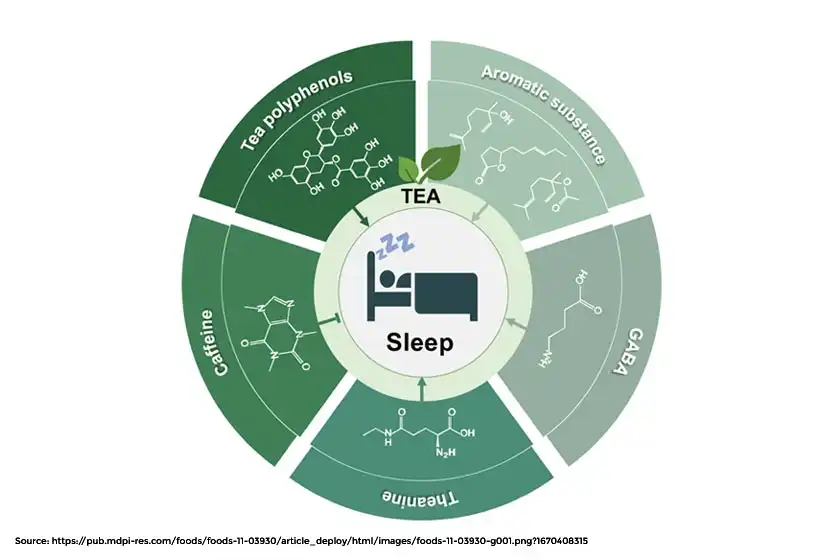
The sleep cycle is a complex rhythm regulated by neurotransmitters and hormones. Certain compounds found in herbs and teas can positively influence these natural rhythms. Let’s break down how it works:

Tea Polyphenols

  • These powerful antioxidants help reduce inflammation and oxidative stress.
  • They may also influence the gut microbiome.
  • It plays a role in sleep regulation.

Aromatic Substances

  • Many herbs and teas contain volatile oils that have calming aromatic effects.
  • These oils, such as those found in chamomile flowers and clove, can lower stress levels when inhaled or consumed.

GABA (Gamma-Aminobutyric Acid)

  • This neurotransmitter inhibits overactive brain signals.
  • Some sleep teas, like valerian and passion flower, may help the body increase GABA levels, promoting relaxation.

Theanine

  • While commonly found in green tea, this amino acid promotes relaxation without drowsiness.
  • It works synergistically with caffeine to reduce stress.

Caffeine

  • While most herbs and herbal teas are naturally caffeine-free, it’s essential to double-check labels.
  • Even trace amounts of caffeine in your nighttime sleep tea can delay the sleep cycle.
  • That’s why caffeine-free chamomile tea is a top pick.

Together, these compounds help support the body’s natural circadian rhythms. A cup of herbal tea may not only help you fall asleep but may also support sleep maintenance and quality.

How Chamomile Tea Can Enhance the Sleep Cycle?

Chamomile tea is effective in enhancing the sleep cycle. It is due to its unique combination of flavonoids, volatile oils, and apigenin. By interacting with GABA receptors, it promotes a quicker transition from wakefulness to the early stages of sleep.

Additionally, chamomile tea:

  • Encourages melatonin production by relaxing the body.
  • Supports REM sleep, allowing for more restorative rest.
  • Reduces nighttime awakenings by easing the nervous system.

To truly maximize the effects of chamomile tea, it’s essential to pair it with other sleep-friendly habits. One of the most impactful aspects of good sleep is your mattress. An uncomfortable or unsupportive mattress can sabotage even the best herbs.

A quality mattress complements your sleep tea ritual. To invest in a quality mattress, explore our mattress review page for the best options.

Smart Take

So, will chamomile tea help you sleep? The answer is yes for many people. With its naturally calming properties and rich antioxidant profile, chamomile flower offers an effective solution to modern sleep troubles.

However, don’t forget, great sleep isn’t just brewed in a teacup or having more herbs. It also starts with the right environment, and that includes your mattress. If your current mattress is leaving you tossing and turning, it might be time to upgrade.

Visit SmartMattressBuy to explore mattress reviews, sleep guides, price tracking tools, and hand-picked recommendations designed to help you sleep better.

Your best sleep starts with the perfect combination of a cup of chamomile and the right mattress.

Rhythmic Movement Disorder Sleep: Head Banging Explained

Rhythmic Movement Disorder Sleep: Head Banging Explained
Ever noticed your child repeatedly banging their head during sleep? Or maybe you’ve experienced it yourself. It might seem strange or even concerning, however, there is a name for it: Rhythmic Movement Disorder (RMD).

Though it often begins in infancy and childhood, it can persist into adulthood. If you’re wondering what this means for you or your loved ones, you’re not alone.

Today, we’ll dive deep into Rhythmic Movement Disorder sleep. We will explore its different types, and understand the symptoms, causes, and risk factors. Let’s explore!

What is Rhythmic Movement Disorder Sleep?

Rhythmic Movement Disorder (RMD) is a sleep-related neurological condition. It is characterized by repetitive, rhythmic movements involving large muscle groups. These movements typically occur right before sleep or during light sleep. It is most often seen in infants and young children.

The most commonly observed behaviors include:

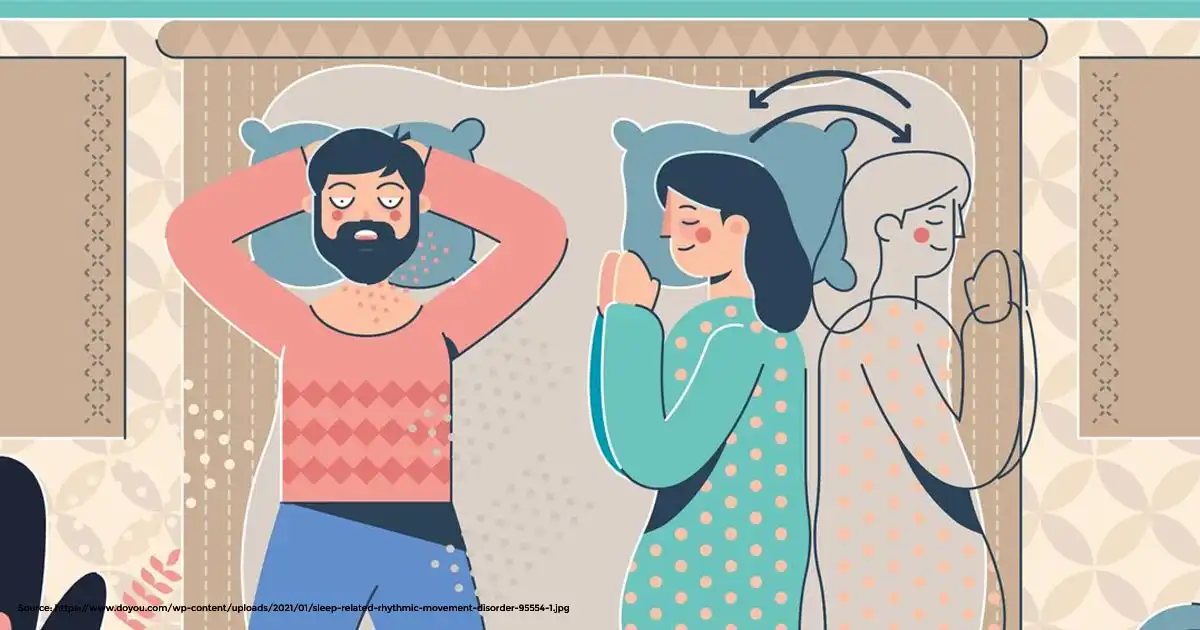
  • Head banging (also known as sleep head banging)
  • Body rocking
  • Head rolling

These movements can last from a few seconds to several minutes. While RMD sleep disorder is generally harmless, in severe cases, it can lead to sleep disruption, injury, or a sign of a neurological condition.

Struggling with unpredictable sleep patterns? Learn about Irregular Sleep-Wake Rhythm Disorder (ISWRD)!

Types of Rhythmic Movements in RMD Sleep Disorder

There are several types of rhythmic movements disorder sleep. Each has distinct features and can vary in intensity.

Sleep Head Banging (Jactatio Capitis Nocturna)

  • Involves forcefully hitting the head against a pillow, headboard, or mattress.
  • Usually occurs while the person is lying face down or on their side.
  • May be loud and alarming to caregivers.

Body Rocking

  • Characterized by repetitive forward and backward movement of the upper body.
  • Often seen when sitting up or lying down.
  • May include whole-body swaying.

Head Rolling

  • Involves rolling the head from side to side.
  • Typically occurs when lying on the back.

Leg Banging or Rolling

  • Less common but may occur in conjunction with other movements.

Symptoms of Rhythmic Movement Disorder Sleep

The symptoms of RMD sleep disorder can be subtle or very noticeable. It depends on the intensity and duration. Common signs include:

  • Repetitive, rhythmic motions involving the head or body during sleep or as the person falls asleep.
  • Occurrence mostly in the first stages of sleep or during drowsiness.
  • Episodes typically last less than 15 minutes.
  • Loud noises due to sleep head banging or body movements.
  • Restless sleep or difficulty staying asleep.
  • Morning fatigue or daytime sleepiness in more severe cases.
  • Rarely, self-inflicted injury (especially in older children or adults).

While many children grow out of RMD naturally by the age of 5, some continue to experience symptoms well into adulthood. It affects sleep quality and overall well-being.

Causes of Rhythmic Movement Disorder Sleep

The exact cause of Rhythmic Movement Disorder sleep is still under research. However, several studies suggest a combination of neurological, developmental, and behavioral factors.

Here are some possible causes:

  1. Neurological Immaturity

RMD sleep disorder is most common in infants and toddlers. It supports the theory that it results from immature central nervous system development.

  1. Self-Soothing Mechanism

Rhythmic movements disorder sleeps serve as a self-soothing technique to help induce sleep.

  1. Genetic Predisposition

A family history of sleep disorders may increase the likelihood of developing RMD.

  1. Co-occurring Conditions

Children with developmental disorders such as autism spectrum disorder (ASD) or intellectual disabilities are at higher risk.

  1. Sleep Deprivation or Stress

Fatigue, stress, or poor sleep hygiene can trigger or worsen RMD episodes.

  1. Environmental Factors

Changes in sleep environment or routines can affect the severity and frequency of episodes.

Risk Factors of Rhythmic Movement Disorder Sleep

Certain individuals are more likely to experience RMD sleep disorder. Hence, understanding these risk factors can help in early identification and management:

  • Age: Most prevalent in children under 3 years.
  • Gender: Some studies suggest a slight male predominance.
  • Family History: Children with a family history of parasomnias (like sleepwalking or night terrors) may be more prone.
  • Neurodevelopmental Disorders: Higher risk in individuals with autism, Down syndrome, or other developmental delays.
  • Mental Health Conditions: Anxiety, depression, or emotional stress can increase the likelihood.
  • Poor Sleep Hygiene: Irregular sleep schedules, lack of a bedtime routine, and overstimulation before sleep can all contribute.

Diagnosing Rhythmic Movement Disorder Sleep

Diagnosis of RMD sleep disorder typically begins with a detailed history from the individual. In many cases, a clinical diagnosis can be made based on descriptions of the movements.

Doctors may recommend certain diagnoses. It may include:

  1. Polysomnography (Sleep Study): To rule out other sleep disorders and record movement patterns.
  2. Video Monitoring: Home video recordings or in-lab observations help confirm the rhythmic nature of the behavior.
  3. Neurological Evaluation: To exclude seizures or other neurological conditions if symptoms are severe.

Treatment Options for Rhythmic Movement Disorder Sleep

In most cases, treatment isn’t necessary. It may be required unless the condition disrupts sleep or leads to injury. That said, several management strategies can be helpful:

  • Improved Sleep Hygiene
  • Consistent bedtime routines
  • Reduced screen time before sleep
  • Quiet and dim sleeping environment
  • Plush mattress to reduce the impact of movements. Want to explore plush mattresses? Visit our mattress page for the best deals!
  • Behavioral Therapy to manage triggers and reduce anxiety.
  • Melatonin or clonazepam may be considered in extreme cases.

When to seek medical help? Consult a doctor. Early intervention can ensure peace of mind and better sleep for everyone involved.

Smart Take!

So, what’s the takeaway? Rhythmic Movement Disorder sleep might look alarming, especially when accompanied by sleep head banging or intense body rocking. However, in most cases, it’s manageable and improves over time.

The key is understanding, early identification, and optimizing your sleep environment.

At SmartMattressBuy, we understand that quality sleep starts with the right mattress. Whether you’re shopping for a child who needs a safer, softer sleep surface or an adult looking to enhance sleep hygiene, we’ve got you covered.

Explore our curated collections and price trackers for the best deals, reviews, and savings. Don’t miss out on limited-time offers and seasonal sales!

Sleep smarter, live better—only at SmartMattressBuy.

Disclaimer

The information provided in this blog is intended for general information. It is not a substitute for professional medical advice. Always seek the guidance of a qualified healthcare provider or sleep specialist.

SmartMattressBuy.com does not claim to cure or treat any sleep disorder through its products or services. If you or your child is experiencing severe or persistent symptoms of RMD sleep disorder, consult a healthcare professional promptly.

Can My Dog Sleep With Me?

Can My Dog Sleep With Me?

Have you ever wondered why curling up with your dog at night feels like the ultimate comfort? Get ready to dive deep into the sleep cycle, the science of bonding through oxytocin, and the surprising perks of letting your dog sleep with you—plus expert tips, celeb stories, and even mattress picks that help both of you snooze better.

Stars, Snuggles, and Science

Picture this: Hollywood A-listers like Jennifer Aniston, Oprah Winfrey, or Chris Hemsworth—icons of wellness and style—drift into dreamland with their dogs snoozing beside them. These stars aren’t just indulging a cute habit; they’re highlighting a wellness ritual rooted in science.

Research published on PubMed confirms that oxytocin significantly increased indexes of parasympathetic activity, enhancing heart rate variability, total sleep time, and self-reported sleep satisfaction. In other words? That cuddle with your canine might just be a mini-nighttime prescription for rest and renewal.

But why stop there? Let’s explore the science behind this magic cuddle—covering everything from howling instincts to crate training, daytime naps, and curing sleep troubles.

Why Should My Dog Sleep With Me?

A. Bonding Through Oxytocin & Meaningful Comfort

  • When your dog snuggles into bed with you, oxytocin flows—often dubbed the “love hormone.” The PubMed study shows it significantly increased parasympathetic activity, boosting restful sleep patterns and heart-rate ease .
  • This mutual oxytocin exchange deepens trust in your dog sleep routine and enhances connection and sleep quality over time.

B. Emotional Regulation—for Both of You

  • Dogs, like humans, have sleep cycles: REM, non-REM, deep sleep. Having you nearby reduces their anxiety, minimizes nighttime howling, and gently anchors their sleep patterns.
  • Your presence creates a secure den ethos: cue in happy dreams (for you both!).

C. Mental and Physical Health Benefits

  • Studies show Dogs who sleep with their owners live longer, exhibiting calmer heart-rates, lower cortisol, and greater emotional balance.
  • For owners, sleeping near pets can cure loneliness, reduce insomnia, and soften nighttime worries—and yes, boost sleep satisfaction.

What About Resistance? Why Some Experts Say “Why Your Dog Shouldn’t Sleep With You”

  • Arguments often center on dominance and hygiene: “dog sleeping in bed dominance” spreads concern that pups may see themselves as pack bosses.
  • Yet, current research disputes this—saying shared sleep frequency or location doesn’t trigger aggression or leadership conflicts.
  • Practical hygiene tips—like bathing, brushing, and using pet-safe bedding—usually address real concerns and let you enjoy co-sleeping safely.

Common Questions Answered

Q1: Why Does My Dog Sleep With Me (Instead of Alone)?

Dogs naturally seek the alpha and feel safe—your snug presence is cozy-proof for stress and chills.

Q2: Why Does My Dog Sleep at My Feet Instead of Next to Me?

Sleeping at your feet is ancestral pack behavior—dogs scout exits, stay alert, and protect from a distance.

Smart Tricks to Help Your Dog Sleep Better (and Cure Sleep Woes)

  1. Calibrate the Dog Crate
  • Use crate training to create a co-sleeping routine: naps by night (short intervals), then you gradually shift them into your bed once they feel anchored.
  • This trains healthy sleep cycle habits and keeps daytime nap confusion at bay.
  1. Nap Training = Night Training
  • Teach your dog to relax in downtime with low-stimuli environments—consistent naps cultivate calm habits for longer, happier night sleep.
  1. Incorporate Light Howling Management
  • If howling disrupts nights, try calming cues—white noise, gentle praise, or slowly reinforcing silence.
  • Consistent routines—like a post-walk treat and dimmed lights—cut howling and stress at bedtime.
  1. Embrace Oxytocin Boosts
  • Leverage mutual breathing and rubbing sessions before bed to boost oxytocin—lower anxiety spikes and improve total sleep time.
  • Massage, snuggle time, or slow-toned talking helps both of you unwind gently.
  1. Use Comfortable, Shared Bedding
  • Ensure beds are large and cozy enough for you and your dog—they support better sleep, fewer cramped nights.
  1. Regular Training Reinforces Calm
  • Obedience training—sit, stay, down—during the day establishes deference and calm behavior around bedtime.
  • Reinforce soothing behaviors: “jump on bed,” “settle,” “down” commands all help nightly routines settle peacefully.

Celebrity Stories That Show the Magic of Shared Sleep

  • Ellen DeGeneres & Augie: Ellen’s repeated shoutouts suggest shared sleep strengthens their emotional bond: “He’s more than a pet—he’s family.”
  • Miley Cyrus & Mary Jane: Miley embraces her beagle for nightly cuddles. She’s open about how it lowers her cortisol, calms her mind, and improves sleep satisfaction.
  • Ryan Reynolds & Baxter: Reynold’s bond with Baxter delays stress and supports about 20 extra minutes of total sleep time every night!

These celeb narratives aren’t fluff—they align with the PubMed findings on oxytocin, parasympathetic increase, and nighttime benefits .

Four Mattresses That Help You Both Sleep Peacefully

Upgrading your mattress can bridge comfort needs for both you and your dog—supercharging dog help sleep quality. Consider these best-in-category picks to alleviate joint stress, temperature extremes, and restless shifting.

Mattress Name Type Price (Queen) Firmness Key Features for Dog Sleep Support Warranty/Trial Ideal For
Casper One Foam Mattress Foam Approx. $895 Medium Zoned support for spinal alignment, great pressure relief for both human and joint-sensitive dogs. Foam absorbs motion, easy-to-clean cover repels pet hair. 10-Year Warranty / 100 Nights Dog owners seeking motion isolation, joint comfort, and low-maintenance sleep surface
Casper Dream Hybrid Mattress Hybrid Approx. $1,495 Medium-Firm Zoned coils and plush foam provide support, airflow, and pressure relief. Durable materials withstand daily pet activity. 10-Year Warranty / 100 Nights Pet parents needing balanced comfort, cooling, and a durable bed for active dogs
Casper Snow Max Hybrid Mattress Hybrid Approx. $3,145 Medium-Plush Advanced cooling: HeatDelete™ bands, phase-change materials, cool-touch cover. Perfect for warm sleepers and dogs with thick coats. 10-Year Warranty / 100 Nights Warm sleepers and dog breeds prone to overheating while snuggling
Helix Dusk Mattress Hybrid (Pillow-Top) Approx. $1,436 Medium Zoned lumbar support with pillow-top comfort. Breathable, motion-isolating coils ideal for dog movement and temperature regulation. 10-Year Warranty / 100 Nights Those needing ergonomic support and breathable structure for varied body and dog weights

Why These Mattresses Shine for Co Sleeping with Your Dog

  • Motion isolation: Foam and coil combos absorb movement—no waking up every time your dog moves.
  • Joint support: Zoned foam/coils cushion hips and shoulders—for both human bodies and aging pooch joints.
  • Cooling features: Advanced breathable layers keep shared body heat in check.
  • Easy care & durability: Removable or wipeable surfaces make pet-related cleaning and maintenance a breeze.
  • Health-first materials: Premium builds ensure minimal off gassing—safer for you and your furry friend.

Care Tips to Keep Your Shared Bed Happy and Healthy

  1. Water-resistant protector – Adds a layer between pet paws and mattress, and is easy to remove and wash.
  2. Brush your dog before bed – Reduces shed fur and loose hair on the bed.
  3. Cover Wash Routine – Rotate cleaning cover or protector weekly to ensure freshness.
  4. Trim nails regularly – Helps keep mattress and furniture safe from scratches.
  5. Rotate mattress every 3–6 months – Maintains shape and support over time.

A Customizable Shared Sleep Routine

  1. Daytime: crate + nap time
    • Establish nap associations—crates signal rest and cut nighttime anxiety.
  1. Pre-bed: wind-down ritual
    • Short walk + massage or brushing + before-bed obedience cue = hormonal readiness for sleep.
  1. Co-sleeping starts
    • Invite them with a mat or blanket at first; once comfortable, transition to bed.
  1. Midnight training
    • If the dog fidgeted or howls, guide them into down routine—not banish. Settle them gently.
  1. Morning: calm rise
    • Calm wakeup, breakfast, praise and stretch sessions—smooth outro to the restful marathon.

Setbacks and Fixes (Troubleshooting Nighttime Drama)

  • Howling or whining: Re-check crate training, layer calming aids (white noise, pheromone diffusers, gentle voice).
  • Dominance worries? Keep treats zero, reinforce calm commands; shared sleep doesn’t equal pack betrayal.
  • Restlessness or pacing before bed? Add another evening walk, or interactive chew toys to lower pent-up energy.
  • Mattress digging/clawing? Provide softer side pads and dog-specific blankets so claws don’t tear mattress fabric.

A Healthier, Happier Bond—Science Says Yes

You might wonder: Is letting your dog sleep with me more beneficial than risky?

Here’s the science answer:

  • Oxytocin booster = calmer bodies + happier rest
  • Parasympathetic dominance (rest-digest response) = lower heart rate, fewer cortisol spikes
  • Longer total sleep time, better sleep satisfaction, improved moods day-to-day

Choose World-Class Sleep Together

  • Letting your dog sleep with you can be a balm—for sleep cycle stabilization, oxytocin surges, and emotional harmony.
  • Say goodbye to howling, crate confusion, or dominance myths—embrace routine, gentle training, and comfortable bedding.
  • Consider splurging on one of the five carefully curated mattresses above—they’re tested for both human nap needs and dog-friendly durability.

Smart Take!

When your dog drifts to sleep with you, you’re not just sharing a bed—you’re sharing wellness. From oxytocin-fueled serenity to clinically improved sleep cycle endurance, science shows the bond is powerful. And with the right supportive mattress, delightful routines, and healthy boundaries, your evening ritual becomes a nightly ritual of rejuvenation.

Ready to elevate your shared sleep experience? Browse smartmattressbuy.com for those featured mattresses—and transform your rest together, tonight and always.

  • Better sleep through motion absorption and zoned support
  • Cooler nights via cooling technologies
  • A hygienic, easy-to-care-for environment

Ready to create nights that rejuvenate you both? Visit smartmattressbuy.com today and explore these featured mattresses!

Sweet dreams (and tail wags) await you and your best friend.

Sleeping Beauty Reawakens: Battling Kleine–Levin Syndrome!

Sleeping Beauty Reawakens: Battling Kleine–Levin Syndrome!

From Fairy Tale to Medical Reality!

Once upon a time, Sleeping Beauty fell into a mystical slumber that lasted a century—awakening only with a prince’s kiss. But for people with Kleine Levin syndrome (KLS)—also known as Sleeping Beauty syndrome—this isn’t fairy tale fiction; it’s reality. Imagine being trapped in recurrent hypersomnia episodes, sleeping up to 20 hours a day, waking groggy, confused, ravenous—and often unable to recognize your own reflection.

Minnesota Sleep Story!

Our story begins with Nicole Delien, the real-life “Sleeping Beauty.” Diagnosed with KLS at age 6, she once slept 64 days straight, averaging 18–19 hours daily These extended slumbers bring unique challenges—not just medical, but physical and emotional. From bizarre behaviors and extreme hunger to cognitive fog, managing this rare condition requires more than neuroscience—it takes comfort.

Here’s how modern science, caring communities, and yes—smart mattresses—can make a difference.

What Is Kleine–Levin Syndrome (Sleeping Beauty Kleine Levin Syndrome)?

Kleine–Levin syndrome, often dubbed sleeping beauty kleine levin syndrome, is a rare neurologic disorder marked by episodes of recurrent hypersomnia—sleeping 16–20 hours per day for days or weeks at a time.

  • On average, people experience about 19 such episodes over roughly 8–13 years
  • These episodes are programmed intrusions: periods of excessive sleep interspersed with normal wakefulness.
  • Frequently begins in adolescence, though Kleine–Levin syndrome in females does occur, albeit less commonly

Kleine–Levin syndrome symptoms: More Than Just Sleep

While hypersomnia is the hallmark, it’s far from the only sign during episodes:

  1. Excessive sleepiness (16–21 hours/day).
  2. Hyperphagia (compulsive eating).
  3. Hypersexuality (especially in males).
  4. Cognitive disturbances: confusion, derealization, irritability, depression.
  5. Memory loss: often unable to recall event details.
  6. Less frequent but serious: hallucinations, headaches, disinhibited behaviors

What Causes KLS?

There’s no simple answer. But research points to a few leading theories:

  • Brain regulation issues: Thalamus and hypothalamus dysfunction affecting sleep, appetite, sexual behavior
  • Autoimmune reaction: sometimes following infections (up to 72% of cases begin this way) .
  • Genetic predisposition—familial cases account for about 1%.

Who’s Affected?

  • Most commonly teenage boys (~70–80% of cases), though Kleine–Levin syndrome in females and older adults is documented Onset usually between ages 10–30; rare after 30 .
  • Lifespan unaffected—kleine levin syndrome life expectancy remains normal.

Diagnosing KLS: Tests & Challenges

  • Diagnosis of Exclusion

Doctors rule out epilepsy, narcolepsy, depression, menstrually related hypersomnia via MRI, EEG, toxicology, sleep studies

  • Specific KLS Test

There’s no blood test—but confirming recurrent hypersomnia plus classic symptoms supports diagnosis

  • Female-Specific Considerations

In women, episodes may align with menstrual cycles, complicating diagnosis.

Kleine–Levin syndrome causes: Triggering episodes

Often begins after viral infections (72 %)—possibly due to hypothalamic-thalamic dysfunction and neurotransmitter imbalances No single cause; imaging shows thalamic hypoperfusion.

Commonly, episodes are preceded by:

  • Viral infections (like a cold or flu).
  • Physical or emotional stress.
  • Alcohol, marijuana use, vaccination, menstrual cycles, or head injuries

Such triggers may provoke the disorder in those already predisposed.

Symptoms & Personal Stories

  • Affect on Daily Life

Episodes can derail school, work, social life—like Michael, a teen who missed prom and was watched 24/7.

  • Children Behaving Childishly

Episodes often bring childlike speech, confusion, and cognitive lag .

  • Memory Loss

Many can’t remember episodes—Lindsay from Minnesota “slept through the majority” of five years

How Did Sleeping Beauty Fall Asleep?

Like fairytale magic—only grounded in neurology:

An episode begins suddenly—like falling asleep mid story. The brain’s sleep regulation “switch” (likely thalamus/hypothalamus) flicks off, plunging the person into deep, prolonged recurrent hypersomnia—only to regain normal function spontaneously weeks later.

What Helps–Kleine Levin syndrome treatment

No cure exists, but symptom management helps:

  • Stimulants (e.g., modafinil) reduce sleepiness during episodes—but don’t shorten them
  • Lithium: in some studies, reduced frequency and duration in 25–60% of patients —but requires regular monitoring.
  • Antipsychotics and benzodiazepines may ease specific symptoms like mood or anxiety.
  • Supportive care: sleep hygiene, reassurance, safety monitoring (no driving, supervision)

Kleine Levin Syndrome Longest sleep

Some episodes can extend to several weeks or months.

Nicole Delien’s record was a mind boggling 64 days —but typical episodes run 1–3 weeks, averaging ~10 days.

Life With KLS: Real Challenges

  • Episodes disable functional life—work, school, social, and personal relationships suffer.
  • Appetite and eating patterns are disrupted—how do they eat? Often snacking between naps; hyperphagia can mean eating excessively when awake.
  • Return to normal between episodes, but anxiety about next time shadows daily life.

Prognosis & Kleine Levin syndrome life expectancy

  • Generally good—episodes typically resolve by age 30.
  • A median 8–13 years disease duration.
  • Life expectancy unaffected; cognitive and physical development largely preserved, despite episodic disruptions.

Can Your Mattress Help?

Absolutely! Sleep is central to KLS episodes—and smart, comfortable mattresses can ease extremes of long sleep:

Why Mattress Matters in Recurrent Hypersomnia?

  • Prolonged sleep can strain joints and spine. Proper support reduces pain and improves sleep quality during non-episode recoveries
  • Temperature regulation helps maintain restful sleep and reduces night awakenings.
  • Adaptive support can cushion body changes during long slumber.

Top 4 mattresses recommended:

Mattress Name Type Price (Queen) Firmness Key Features for KLS Sleep Rescue Warranty/Trial Ideal For
TEMPUR ProAdapt Medium Hybrid Memory Foam Hybrid Approx. $2,999 Medium Patented TEMPUR® material adapts to body, excellent for spinal alignment & deep pressure relief during prolonged sleep 10-Year Warranty / 90 Nights KLS sufferers needing superior pressure relief & long-term sleep support
Casper Dream Hybrid Mattress Hybrid Approx. $1,495 Medium-Firm Zoned support memory foam for back alignment, foam + spring combo improves airflow and relieves pressure 10-Year Warranty / 100 Nights KLS patients needing spinal alignment and temperature regulation
Serta Perfect Sleeper Hybrid Hybrid Approx. $1,374 Medium to Plush Targeted support zones, great for motion isolation and long-term use during hypersomnia episodes 10-Year Warranty / 120 Nights Patients needing extended bed rest and strong support during sleep
DreamCloud 14″ Premier Hybrid Mattress Hybrid Approx. $1,499 Medium-Firm 6-layer design with memory foam & cooling cover, ensures plush comfort and edge support Lifetime Warranty / 365 Nights Sleeping Beauty KLS patients wanting luxurious comfort and durable support

Why SmartMattressBuy.com?

At SmartMattressBuy, we understand that KLS sleep disorder means extended periods of rest—and your mattress should work for that, not against it. We bring you scientifically backed options that provide:

  • Ergonomic support
  • Temperature control
  • Durable construction
  • Risk-free trials and warranties

Living with KLS: Hope & Community

Stories from people like Nicole Delien show resilience and strength. Many find purpose in advocacy, research, or peer support. With robust treatment, proper mattress support, and community, KLS can evolve into a chapter, not the whole story.

Lifestyle & Treatment Tips

  • Medical Supervision

Stay connected with neurologists/sleep specialists, understand medications (like lithium or modafinil), and track symptoms.

  • Routine & Environment

Maintain calming, consistent routines outside episodes to support sleep–wake cycles.

  • Sleep Hygiene

Keep the bedroom cool, dark, and screen-free before bed. Use one of the above mattresses with breathable sheets.

  • Nutrition During Episodes

Monitor hyperphagia or anorexia; keep healthy snacks available. Consult dietitians for support.

  • Mental Health

Counseling, journaling, or peer support can mitigate depression and anxiety, especially in kleine-levin syndrome in females.

  • Tracking Episodes

Log sleep hours, symptoms, mood—helps providers optimize treatment and medication response.

Smart Take!

Kleine–Levin syndrome (KLS) may sound incredible—sleeping teens, real-life Sleeping Beauties. But behind every story is a person striving for normalcy. While medical treatment addresses episodes, a thoughtfully chosen mattress—like the slumber-engineered options above—can ease the physical toll of excessive sleep.

To sleep smarter, support your body’s needs, and fight fatigue with comfort: visit smartmattressbuy.com and discover your ideal sleep companion. Whether you’re a frequent Sleeper or long-term hypersomnia warrior, the right mattress can be your secret ally.

Ready to transform your extended sleep?

Head to smartmattressbuy.com now—choose your mattress, take control of comfort, and sleep better—even in a world where Sleeping Beauty syndrome is real.

Sleep Feels Like a Lie With Paradoxical Insomnia

Sleep Feels Like a Lie With Paradoxical Insomnia

Ever felt like you didn’t sleep a wink, but your sleep tracker says otherwise?

You may be dealing with Sleep State Misperception, also known as Paradoxical Insomnia. It’s a condition where you feel awake all night, despite actually sleeping.

This mismatch between perception and reality often causes confusion, stress, and poor sleep satisfaction. While it doesn’t always lead to daytime exhaustion, it can deeply affect your well-being.

In this blog, I’ll talk about what causes paradoxical insomnia, how it’s diagnosed, and how the right mindset—and mattress—can make a difference.

How Is Paradoxical Insomnia Different From Insomnia?

Sleep State Misperception, also known as Paradoxical Insomnia, is a type of insomnia where there’s a disconnect between how much sleep you think you’re getting and how much you’re actually getting.

Individuals often report little to no sleep, even though objective sleep studies (like polysomnography) show they’re getting adequate rest.

Unlike traditional insomnia, the issue here lies in perception, not sleep duration.

Table: Differences – Insomnia vs. Parasomnia vs. Paradoxical Insomnia

Feature Insomnia Parasomnia Paradoxical Insomnia (Sleep State Misperception)
Definition Difficulty falling or staying asleep, or waking too early Unusual behaviors during sleep (e.g., sleepwalking, night terrors) Belief of not sleeping despite normal sleep shown in studies
Sleep Perception Matches objective data (less sleep than normal) Sleep may seem disrupted, but person often unaware of behaviors Mismatch between subjective sleep experience and actual sleep
Sleep Study Findings Confirms reduced sleep duration and/or quality Detects abnormal movements or arousals during sleep phases Shows normal or near-normal sleep despite person feeling sleepless
Daytime Impairment Significant fatigue, irritability, concentration issues Often linked to injury risk, confusion, or emotional distress May feel tired, but daytime functioning is usually preserved
Causes Stress, poor sleep hygiene, medical/psychiatric conditions Neurological, genetic, medication-related, or stress-induced Hyperarousal, anxiety, time distortion, or mental health issues
Treatment Approaches CBT-I, relaxation therapy, sleep hygiene, sometimes medications Safety measures, behavioral therapy, possibly medications CBT-I, psychoeducation, behavioral experiments, sleep tracking
Type of Sleep Disorder Dyssomnia (difficulty initiating/maintaining sleep) Parasomnia (abnormal behavior during sleep) A subtype of insomnia, specifically perceptual

Sleep State Misperception can lead to anxiety, frustration, and ongoing sleep dissatisfaction—even in the absence of true sleep deprivation.

People may feel alert throughout in Paradoxical Insomnia, yet data shows consistent sleep cycles.

What Does It Feel Like?

Imagine lying in bed, eyes closed, mind racing, heart pounding.

Hours pass—or so it seems. Morning arrives, and you’re certain you haven’t slept at all. But then you look at your sleep tracker, 6.5 hours. Somehow, your brain slept, but your mind stayed awake.

That’s exactly how Paradoxical Insomnia feels.

People often say things like,

  • “I feel like I’m pretending to sleep.”
  • “My body was asleep, but I was fully aware the whole time.”
  • “I wake up feeling like I ran a marathon… but apparently, I got decent sleep?”

These aren’t exaggerations—they’re common accounts from those living with sleep state misperception.

The emotional toll is real. Night after night of perceived sleeplessness leads to anxiety, self-doubt, and sometimes even panic.

It creates a cycle: You fear not sleeping, so you don’t sleep—or think you don’t.

Cognitively, it can feel like walking through fog. You’re questioning your memory, your focus, even your sanity.

And because sleep studies might say everything’s ‘fine,’ many people feel invalidated or dismissed—like it’s all in their head. But it’s not.

The disconnect between perception and physiology is real—and you’re not alone.

Science Behind Sleep State Misperception

At first glance, Sleep State Misperception seems like a paradox—how can someone feel awake but physiologically be asleep?

Science is beginning to uncover why this happens.

  • Brain Activity During Sleep

Brain imaging studies have shown that in people with Paradoxical Insomnia, parts of the brain associated with consciousness, alertness, and self-awareness—like the default mode network—stay more active during sleep than in typical sleepers.

It’s as if the brain never fully “logs out,” even while going through sleep stages.

  • NREM and REM Sleep in Studies

Polysomnography (a gold standard in sleep studies) often reveals that people with paradoxical insomnia successfully enter both NREM (Non-Rapid Eye Movement) and REM (Rapid Eye Movement) stages. Sleep spindles, slow-wave activity, and REM markers appear normal.

However, the subjective feeling of sleep is missing—this is the key disconnect that defines the disorder.

  • Hyperarousal Hypothesis

One widely accepted theory is the hyperarousal hypothesis.

In this model, the brain is in a constant state of heightened alertness—even during sleep. This state may involve:

  • Elevated cortisol (stress hormone) levels
  • Increased autonomic nervous system activity
  • Persistent mental vigilance

This heightened internal activity may prevent the sleeper from experiencing—or remembering—sleep, leading them to believe they were awake all night.

In short, the body rests, but the brain doesn’t quite shut off.

What Causes Paradoxical Insomnia?

Unlike traditional insomnia, Paradoxical Insomnia isn’t always rooted in how long you sleep—but in how your brain perceives sleep. So, what causes this curious disconnect between sleep reality and sleep perception?

Here are the leading contributors:

1. Hyperarousal of the Brain

One of the most widely accepted theories is the hyperarousal hypothesis. Even during sleep, parts of the brain stay unusually alert—especially regions linked to self-awareness and sensory monitoring. This heightened mental activity can trick your brain into believing it stayed awake all night.

2. Distorted Time Perception

People with paradoxical insomnia often overestimate how long they were awake or underestimate total sleep time. This internal miscalculation might stem from light, fragmented sleep or moments of semi-conscious awareness, making the night feel longer than it actually was.

3. Anxiety and Overthinking

Sleep-related anxiety—especially fear of not sleeping—can spiral into constant sleep monitoring. This hypervigilance makes it harder to transition into deeper sleep and feeds the illusion of wakefulness, even when sleep is occurring in lighter phases.

4. Underlying Mental Health Conditions

Conditions such as generalized anxiety disorder, depression, or health-related obsessive thoughts can heighten awareness and lead to sleep misperception. These disorders may also reduce the quality of sleep, further confusing your sense of restfulness.

5. Sensory Misprocessing or Sleep Fragmentation

In some cases, subtle disruptions in sleep architecture—like frequent micro-awakenings or light-stage dominance—can cause your sleep to feel unrefreshing or incomplete, even when duration is adequate. This sensory misprocessing may make it harder to feel like you slept.

6. Physiological Factors

Emerging research suggests that oxygen level fluctuations, subtle metabolic changes, or even neurological traits may contribute to how your body processes and records the sleep experience, though these findings are still under study.

Understanding these causes helps demystify Paradoxical Insomnia and opens the door to more targeted treatment—both behavioral and environmental.

How Is Sleep State Misperception Diagnosed?

Diagnosing Sleep State Misperception (Paradoxical Insomnia) is not as straightforward as asking, “How did you sleep?”

That’s because the condition is defined by a disconnect between ‘subjective perception’ and ‘objective sleep data’.

I. Polysomnography (PSG)

Polysomnography is the gold standard sleep test. It measures brain waves, oxygen levels, heart rate, breathing, and eye and leg movements during sleep.

In paradoxical insomnia, PSG results usually show normal sleep architecture—including sufficient time in NREM and REM stages. This is often the first clue: the person feels sleep-deprived, but their sleep data says otherwise.

II. Actigraphy

Actigraphy involves wearing a wristwatch-like device that tracks movement patterns over several nights. While less precise than PSG, it provides long-term insights into sleep-wake cycles, and can help confirm inconsistencies between sleep logs and actual movement data.

When both PSG and Actigraphy show adequate sleep, but the individual continues to report chronic sleeplessness, Sleep State Misperception becomes a likely diagnosis—especially when other medical causes are ruled out.

Why It’s Often Misunderstood or Dismissed

Sleep State Misperception, or Paradoxical Insomnia, often goes unrecognized—not because it’s rare, but because it hides in plain sight.

  • “It’s All in Your Head” Stigma

Many people with paradoxical insomnia hear this dismissive phrase after sharing their experience:

“Your sleep test looks fine—maybe you’re just imagining it.”

This fuels frustration. Despite feeling utterly sleepless, objective tests say otherwise. That gap creates a stigma: the false assumption that if data doesn’t support it, the struggle isn’t real. But it is real—just harder to detect.

  • Invisible Struggle

Unlike loud snoring or night terrors, sleep state misperception leaves no visible trace. You don’t toss, turn, or scream—you lie still, hyperaware, quietly wrestling with racing thoughts, anxiety, or a deep-rooted fear of not sleeping.

Because there are no outward signs and no major daytime dysfunction in some cases, friends, partners—even doctors—may overlook or minimize the condition.

This invisibility is exactly why raising awareness matters. With the right diagnosis, compassion, and tools, even this silent sleep battle can be managed.

Treatment Options & Lifestyle Changes

The good news? While Sleep State Misperception may feel frustrating and mysterious, it is treatable. The goal isn’t just to sleep more—but to help your brain recognize the sleep you’re already getting.

I. Cognitive Behavioral Therapy for Insomnia (CBT-I)

CBT-I is the gold standard treatment. It helps challenge distorted sleep beliefs, improve sleep-related behaviors, and reduce anxiety around bedtime. For paradoxical insomnia, it often includes:

  • Psychoeducation about the mismatch between perception and reality
  • Behavioral experiments like sleep journaling vs. actigraphy comparisons
  • Sleep restriction therapy to increase sleep efficiency and confidence

II. Mindfulness & Sleep Hygiene

Practicing mindfulness meditation and relaxation techniques before bed helps calm the hyper-aroused brain. When paired with strong sleep hygiene—like a consistent schedule, cool/dark room, and limiting stimulants—it builds a more peaceful pre-sleep routine.

III. Reducing Screen Time & Stress

Blue light from phones and overstimulating evening content can worsen sleep misperception. Experts recommend powering down screens at least an hour before bed and engaging in calming activities like reading, stretching, or journaling. Also, addressing underlying stress or anxiety through therapy or lifestyle changes plays a major role in recovery.

Role of the Right Mattress in Reducing Anxiety-Driven Sleep Misperception

When it comes to Sleep State Misperception, the battle is often psychological—your brain doesn’t recognize rest, even when your body is getting it. That’s why creating a physically and emotionally reassuring sleep environment is so important.

And this is exactly where the right mattress makes a real difference.

A mattress that delivers comfort, support, and a sense of security can act like a subtle cue to your brain:

“You’re safe. You’re resting. You’re allowed to let go.”

Whether it’s pressure-relieving memory foam that hugs your body or a hybrid mattress that offers both bounce and contour, your sleep surface plays a key role in calming nighttime anxiety.

At Smart Mattress Buy, we help you discover beds that aren’t just well-reviewed—they’re thoughtfully matched to your unique sleep profile. We focus on:

  • Mattresses designed for anxiety-prone or light sleepers
  • Beds that minimize motion transfer, for uninterrupted sleep
  • Cooling materials to help reduce physical discomfort at night
  • Trusted brands reviewed with clarity and transparency

What to Look for When Buying a Mattress for Paradoxical Insomnia?

When you’re living with Sleep State Misperception, comfort isn’t just a luxury—it’s a necessity. The right mattress won’t just support your body—it can help signal your brain that it’s safe to relax, rest, and trust the sleep process. Here’s what matters most:

  1. Pressure Relief & Deep Comfort

When your mind resists falling into sleep, physical comfort becomes a grounding force. A mattress with plush, contouring foams can reduce tossing, turning, and the hyperawareness that fuels paradoxical insomnia.

  1. Supportive Spinal Alignment

A stable, supportive mattress helps reduce physical discomfort, promoting a deeper sense of safety while you rest. This encourages your nervous system to downshift from alertness to calm.

  1. Firmness Options That Match Your Anxiety Profile

Some people with sleep state misperception find comfort in soft, cradling surfaces, while others feel more secure on a firmer base. The ideal firmness is personal—but must offer both support and reassurance.

  1. Motion Isolation for Sensitive Sleepers

Light sleepers are often disturbed by the smallest movement. A mattress that absorbs motion can help prevent awakenings and reduce the anxiety spiral that follows.

  1. Cooling Properties

Overheating is a common trigger for nighttime discomfort and restlessness. Breathable materials or cooling foam can help maintain a consistent temperature, promoting relaxation.

  1. Edge Support for Security

A mattress that feels stable from edge to edge helps create a feeling of physical safety—important for those whose anxiety heightens when nearing the perimeter of the bed.

  1. Durability & Consistency

A mattress that holds its shape night after night builds trust. For paradoxical insomnia sufferers, consistency = confidence in your sleep surface.

Recommended Mattresses for Paradoxical Insomnia Relief

At Smart Mattress Buy, we know that sleep health is both physical and psychological. Based on expert analysis of mattress build, firmness, and anxiety-calming features, here are 5 top picks for individuals struggling with Paradoxical Insomnia.

  1. Saatva Classic – Best Mattress for Spinal Alignment
  2. Helix Midnight Luxe – Best Mattress for Side Sleepers
  3. Leesa Sapira Hybrid – Breathable Mattress for Combination Sleepers
  4. DreamCloud Hybrid – Best for Stomach Sleepers
  5. Nolah Evolution 15 – Best for Hot Sleepers

Table: Top 5 Mattresses for Paradoxical Insomnia (Sleep State Misperception)

Mattress Name Type Price for Queen Firmness Key Features for Sleep Misperception Relief Warranty/Trial Ideal For
Saatva Classic

(4.08/5.00)

Hybrid Innerspring Approx. $2,000 Multiple options (Plush Soft, Luxury Firm, Firm) Zoned support for spinal alignment, Euro pillow top for comfort and grounding feel Lifetime Warranty / 365 Nights All sleep styles, especially those needing strong back support & luxury comfort
Helix Midnight Luxe

(4.08/5.00)

Hybrid Approx. $1,300 Medium Memory foam comfort layers contour to reduce nighttime restlessness and hyperawareness 15-Year Warranty / 100 Nights Back and side sleepers, couples, light or anxious sleepers
Leesa Sapira Hybrid

(4.08/5.00)

Hybrid Approx. $2,000 Medium-Firm Breathable foam + coils provide a balanced, responsive feel for those who overthink during sleep 10-Year Warranty / 100 Nights Combo sleepers and those who want subtle bounce and cradling support
DreamCloud Hybrid

(4.08/5.00)

Hybrid Approx. $1300 Medium-Firm Plush quilted top, deep contouring foam + coils for a balanced blend of comfort and deep support Lifetime Warranty / 365 Nights Back and stomach sleepers, value-seekers who need stable comfort
Nolah Evolution 15

(4.08/5.00)

Hybrid Approx. $2,500 Multiple options (Plush, Luxury Firm, Firm) Advanced cooling foams, deep pressure relief, and a calming feel to reduce anxiety-triggered sleep misperception Lifetime Warranty / 120 Nights Hot sleepers, anxiety-prone individuals, and side/back sleepers

Top 5 Mattresses for Paradoxical Insomnia

When your mattress supports your sleep—and your peace of mind—your brain is more likely to trust that rest is truly happening. And that’s a crucial step toward overcoming paradoxical insomnia.

1. Saatva Classic – Best Mattress for Spinal Alignment

Saatva Classic
  • Zoned Spinal Support

Saatva’s dual-coil design includes Lumbar Zone® technology that enhances lower back support while maintaining spinal alignment—a grounding feature for those with nighttime restlessness.

  • Luxury Comfort Layers

The plush Euro pillow top adds softness without sacrificing structure, creating a cozy yet supportive surface that helps reduce hyperawareness and tension.

  • Eco-Friendly Materials

Organic cotton, CertiPUR-US® foams, and recycled steel coils combine to provide peace of mind—literally and figuratively—for sensitive sleepers.

  • Custom Firmness Options

Available in Plush Soft, Luxury Firm, and Firm to match your preferred sleeping feel and anxiety comfort levels.

Read Review

2. Helix Midnight Luxe – Best Mattress for Side Sleepers

Helix Midnight
  • Eases Pressure Points

This hybrid combines memory foam and individually wrapped coils to cradle pressure-prone areas like shoulders and hips—perfect for side sleepers needing balanced support.

  • Keeps You Cool

Features a breathable Tencel™ cover and optional GlacioTex™ Cooling Pillow Top that draws heat away, helping your body stay calm and regulated throughout the night.

  • Zoned Lumbar Support

A reinforced lumbar zone enhances mid-body alignment, which may help reduce nighttime discomfort and improve perceived sleep quality.

  • Great for Couples

With motion isolation, this mattress ensures partner movements won’t disturb sensitive or anxious sleepers.

Read Review

3. Leesa Sapira Hybrid – Breathable Mattress for Combination Sleepers

Leesa Sapira Hybrid
  • Responsive Feel

This hybrid combines foam comfort layers with pocketed coils to offer a bouncy, balanced feel—great for those who shift positions throughout the night.

  • Breathability Boost

Ventilated foams and a soft knit cover encourage airflow, reducing heat buildup and calming nighttime restlessness linked to sleep misperception.

  • Edge-to-Edge Stability

Reinforced edges give you a sense of security—important for people with anxiety-driven sleep concerns or light-sleep triggers.

  • Medium-Firm Comfort

Strikes a sweet spot between soft and firm, offering just enough contour without the “sinking” feeling.

Read Review

4. DreamCloud Hybrid – Best for Stomach Sleepers

Dreamcloud Hybrid
  • Balanced Firmness

The quilted foam Euro top adds softness, while the innerspring core provides pushback support ideal for stomach sleepers who need to avoid deep sinkage.

  • Motion Isolation + Support

Individually wrapped coils help limit motion transfer while maintaining spinal alignment—beneficial for reducing physical triggers of sleep misperception.

  • Cooling Gel Memory Foam

This layer keeps heat at bay while offering light contouring—helping you feel secure and soothed throughout the night.

  • Affordable Luxury:

Despite premium materials, DreamCloud is competitively priced and backed by a 365-night trial, making it an accessible choice for anxious or first-time mattress buyers.

Read Review

5. Nolah Evolution 15 – Best for Hot Sleepers

Nolah Evolution 15
  • Tri-Zone™ Support Coils

Provides targeted support for pressure zones like the lower back, hips, and shoulders—reducing physical tension that can fuel sleep misperception.

  • AirFoamICE™ Technology

Offers advanced pressure relief and cooling in one—ideal for hot sleepers who also need gentle support without over-compression.

  • Cooling Comfort System

ArcticTex™ fibers, a breathable Euro-top, and a heat-dissipating graphite-infused foam keep you cool and calm throughout the night.

  • Luxury Height + Edge Support

At 15 inches tall with durable perimeter support, it provides a “nesting” feel that can help reduce bedtime anxiety and promote sleep confidence.

Read Review

Smart Take!

If you’ve ever spent the night feeling wide awake—only to be told you were sleeping—you’re not imagining it.

Sleep State Misperception is real, and your experience matters.

You deserve more than just data on a chart—you deserve to feel truly rested, heard, and understood. Healing begins when your sleep environment aligns with both your body’s needs and your mind’s comfort.

Let that space begin with your mattress.

Ready to Sleep in Sync with Your Mind and Body?

Want a sleep environment that finally feels as restful as it should be?

Explore expert-reviewed mattresses handpicked for anxiety-prone, sensitive sleepers—designed to reduce restlessness, support calm, and help you rediscover the feeling of true rest.

Only at Smart Mattress Buy.

What Is Catathrenia? A Guide to Nocturnal Groaning Sleep Disorder

What Is Catathrenia? A Guide to Nocturnal Groaning Sleep Disorder
Ever woken up to the sound of someone groaning in their sleep?

It’s not quite snoring. It’s not talking. It indicates you or someone close to you might be dealing with a rare condition called Catathrenia. Catathrenia is often referred to as a nocturnal groaning sleep disorder.

It usually happens during exhalation and can sound like someone is in distress. While it doesn’t interfere with oxygen levels like sleep apnea, it can seriously disrupt sleep.

Today we are going to discuss what exactly catathrenia is, how to spot the signs, and what might be causing it. From sleep hygiene tips to therapeutic options, we’ve got everything you need to know to sleep a little easier.

Let’s dive in!

What Is Catathrenia?

Catathrenia is a rare and unusual sleep-related respiratory disorder. A person with catathrenia groans during exhalation, typically while in REM or deep non-REM sleep. Unlike snoring or sleep apnea, catathrenia doesn’t interrupt oxygen flow or cause dangerous health consequences.

Still, its effects can be disruptive, both for the individual and their sleeping partner.

The prolonged, low-pitched, and monotonic groaning sounds resemble a moan or even a distress call. They usually occur in clusters. It can last from a few seconds to up to a minute.

Symptoms of Nocturnal Groaning Sleep

Recognizing the symptoms of nocturnal groaning sleep disorder is important.

It includes:

  • Monotonous Groaning Sounds: Typically, during exhalation, not inhalation
  • No Oxygen Desaturation: Unlike sleep apnea, oxygen levels remain stable
  • No Awareness by the Sleeper: Most individuals are unaware they are groaning
  • Clusters of Episodes: Often occur during REM sleep and in repetitive cycles
  • Sleep Fragmentation: Though not always waking the sleeper, it can disturb the sleep cycle
  • Partner Sleep Disruption: More often reported by sleep partners than the individual

Causes Of Sleep Groaning Disorder

The exact cause of catathrenia remains unclear. However, various contributing factors and hypotheses have been proposed:

  • Neurological Dysfunction: Dysfunction in the brain’s respiratory control centers.
  • Upper Airway Muscle Tone Issues: Similar to other sleep disorders, improper coordination of upper airway muscles may be involved.
  • Anatomical Abnormalities: Issues like enlarged tonsils or adenoids might play a role.
  • Stress and Anxiety: Heightened stress or emotional tension before bedtime can exacerbate groaning episodes.
  • Sleep Posture: Certain positions may encourage groaning, particularly back-sleeping.

Nocturnal Groaning Sleep Treatments

Managing catathrenia can improve both the sufferers and their partner’s quality of sleep. A Polysomnographic Sleep Study (PSG) is typically used to diagnose the disorder.

1. Continuous Positive Airway Pressure (CPAP) Therapy

  • CPAP machines are commonly used for sleep apnea.
  • It has shown promise in some catathrenia cases.
  • The device delivers consistent air pressure to keep the airway open, which may help reduce groaning episodes.

2. Oral Appliances

  • Specially fitted dental devices can help reposition the jaw and tongue during sleep.
  • It potentially reduces the frequency or intensity of groaning.

3. Tonsillectomy and Adenotonsillectomy

  • Enlarged tonsils or adenoids are identified as contributing factors.
  • Surgical removal (especially in children) may significantly reduce or eliminate symptoms.

4. Positional Therapy

  • Groaning often occurs in certain positions (typically lying on the back).
  • Training yourself to sleep on your side using body pillows or wedges may help.

5. Relaxation Techniques

  • Stress and tension can make symptoms worse.
  • Incorporating practices like deep breathing, meditation, or guided imagery can help relax the body and mind before bed.

Best Sleep Aids to Treat Catathrenia

Living with catathrenia, a nocturnal groaning sleep disorder, may not be physically harmful. However, its disruptive impact on rest is real.

The good part is that various sleep aids and lifestyle modifications can help reduce the frequency and severity of this sleep groaning disorder.

Here are the most effective sleep aids and routines to manage and improve your sleep quality with catathrenia.

1. Establish a Consistent Sleep Routine

Routine is crucial for those with catathrenia. An irregular sleep schedule can destabilize sleep. It increases the chances of groaning episodes during deep sleep or REM stages.

  • Go to bed and wake up at the same time each day, even on weekends.
  • Follow a structured wind-down routine. It includes gentle stretching, reading, meditation, or taking a warm bath, which can signal the body that it’s time to sleep.
  • Avoid naps late in the day which can disrupt nighttime sleep patterns.

A consistent rhythm stabilizes the sleep cycle. It minimizes the likelihood of triggering the symptoms of nocturnal groaning sleep.

2. Optimize Sleep Hygiene

Sleep hygiene refers to behaviors and environmental factors. It supports quality rest. Poor sleep hygiene can worsen the symptoms of catathrenia.

  • Avoid caffeine, alcohol, and heavy meals before bedtime.
  • These substances can disrupt deep sleep stages where groaning often occurs.
  • Reduce screen time an hour before bed. Blue light from devices suppresses melatonin, delaying sleep onset.
  • Keep a calming pre-sleep environment. Dim the lights, maintain a quiet atmosphere, and limit stimulating activities.

Enhancing sleep hygiene helps promote deeper and more restorative sleep. It can reduce the frequency of sleep groaning episodes.

3. Positional Therapy

Catathrenia episodes are often position-dependent. People who sleep on their backs may experience more groaning sounds compared to those who sleep on their side.

  • Use body pillows or specially designed sleep positioners to encourage side-sleeping.
  • A wedge pillow can elevate the upper body slightly. It reduces throat and airway tension.
  • Some individuals benefit from wearing positional devices. It discourages rolling onto the back during sleep.

Simple changes in sleeping posture can significantly reduce groaning intensity. Sleeping posture helps manage the condition more naturally.

4. Improve Sleep Environment

Your sleep setting has a direct influence on how deeply and comfortably you rest. For those with a nocturnal groaning sleep disorder, this becomes even more important.

  • Keep the bedroom cool to promote deeper sleep.
  • Use blackout curtains to block light and reduce nighttime awakenings.
  • Invest in a white noise machine or soothing sleep sounds app. It helps to mask groaning sounds and help your partner sleep better.

Creating a peaceful and supportive sleep space not only promotes uninterrupted sleep but also helps in reducing the social discomfort often associated with sleep groaning disorder.

5. Use Supportive Mattresses and Bedding

The right mattress plays a crucial role in reducing tension in the airway. It supports healthy posture throughout the night.

  • Choose a medium-firm mattress that supports spinal alignment.
  • It prevents the body from collapsing into poor positions that exacerbate groaning.
  • Memory foam or hybrid mattresses are ideal for those with catathrenia.
  • Consider adjustable bases that allow for elevated head positions. It helps to reduce pressure on the airway.

Recommended Mattresses:

  • You can use Saatva Classic Mattress as its zoned support and pressure-relieving comfort promote side sleeping and reduce body tension. Ready for a sleep upgrade? Check the best deals now!
  • Tempur-Pedic TEMPUR-ProAdapt is another mattress good for catathrenia. It is designed for responsive contouring and reduced motion transfer. This mattress helps keep the airway in a stable position while minimizing disruptions to sleep partners.

For more detailed information, visit our mattress review page!

These mattresses are specifically suited for individuals dealing with sleep groaning disorders. They help prevent positional triggers that may aggravate symptoms.

6. Incorporate Relaxation Techniques

Managing emotional stress is important for those with catathrenia. Anxiety and emotional strain can lead to increased nighttime arousal. It may trigger groaning episodes.

  • Try deep breathing exercises, such as 4-7-8 breathing, to calm the nervous system before bed.
  • Use guided sleep meditations available on apps like Calm or Headspace.
  • Progressive muscle relaxation can help release built-up tension in the body and prevent sleep fragmentation.

When practiced regularly, these techniques foster a calm mental state that enhances sleep quality and reduces the impact of nocturnal groaning sleep symptoms.

7. Track Sleep Patterns

Use a sleep diary or tracking app to record groaning frequency, sleep duration, and quality. This can help identify patterns and triggers over time.

Share this information with a sleep specialist for tailored recommendations. It can also help determine whether lifestyle changes are reducing groaning episodes effectively.

8. Avoid Sleep Disruptors

  • Avoid late-night heavy exercise which elevates cortisol levels.
  • Eliminate high-sugar foods in the evening that spike energy levels.
  • Say no to multitasking in bed—reserve the bedroom for sleep and intimacy only.

Smart Take

Understanding and managing catathrenia or nocturnal groaning sleep disorder starts with awareness. Choosing the right sleep solutions can make all the difference.

From optimizing sleep hygiene to selecting the best mattress for your needs, small changes can significantly improve your sleep. If you’re ready to upgrade your sleep setup, visit SmartMattressBuy to discover reviews, best deals, and exclusive discounts.

Disclaimer

This blog is intended for informational and educational purposes only. It is not a substitute for professional medical advice, diagnosis, or treatment. If you believe you or someone you know may be suffering from a sleep disorder, please consult a qualified healthcare provider or sleep specialist.

Teen Tech Trap: How Midnight Scrolling & Phone Addiction Is Stealing Sleep—and Psyche!

Teen Tech Trap: How Midnight Scrolling & Phone Addiction Is Stealing Sleep—and Psyche!
Welcome to the tech-obsessed teen zone—where midnight scrolling feels more important than sleep, and where “one more video” spirals into a 3 a.m. rabbit hole.

Let me guess—you’ve tiptoed into your teen’s room past midnight, expecting to find them asleep, only to be blinded by the glow of their phone under the blanket. If this scene feels way too familiar, you’re not alone. We’re smack in the middle of a teen tech crisis.

Welcome to the age of the Teen Tech Trap—a twisted mix of midnight scrolling, social media FOMO, and phone addiction that’s not only keeping teens awake but stealing their peace, productivity, and mental well-being. The screen time seduction has taken over the night, and the cost is higher than you think. Mental health, physical well-being, and academic success.

Let’s uncover how deep the trap goes—and what you can do to help your teen break free.

Key Summary

  • Explore the dangerous cycle of teen sleep deprivation
  • Why teens and technology sleep issues are more common than ever
  • How teen insomnia causes are evolving with screen culture
  • What teen sleep tips parents can actually use

Teen Sleep Blueprint: Understanding the Natural Clock

Before diving into the tech trap, let’s understand how natural sleep works for teens.

  • Teenagers operate on a delayed sleep phase due to hormonal shifts in melatonin and cortisol.
  • Melatonin, the sleep hormone, starts to rise later in the evening post-puberty.
  • Cortisol, which keeps us alert, begins to fall only after melatonin kicks in.
  • Teens naturally feel sleepy around midnight and require about 9 hours of sleep to function.
  • However, most teens clock in just 6 to 7 hours on school nights. Cue weekend crash naps and mood swings!

This mismatch is biological, not behavioral. But phones are adding fuel to the fire.

Midnight Scrolling: The Triple Threat of Tech Trouble

  1. Blue Light Blues

The screens teens love emit blue light that suppresses melatonin. It tricks the brain into thinking it’s still daylight.

Even with Night Shift or Night Light modes, only 4% of teens actually use them. Result? The body’s internal clock is thrown off, disrupting the sleep cycle.

  1. Brain on High Alert

Scrolling TikTok, replying to texts, or reacting to Instagram stories at night triggers the arousal mechanisms in the brain.

  • Heart rate increases.
  • Blood pressure rises.
  • Sleep latency (how long it takes to fall asleep) extends by at least 30 minutes.

Even keeping the phone nearby without touching it can negatively impact sleep quality. The anticipation is enough to keep the brain awake.

  1. Addictive Content Loops

Social media content is engineered to be addictive. Teens log in for 15 minutes and find themselves scrolling for 90.

  • Apps trigger dopamine release—the reward chemical.
  • This makes it difficult to “just log off.”
  • 20% of teens spend 5+ hours daily on social apps, and many log over 7 hours of total screen time.

Teen Sleep Deprivation: When the Lights Go Out, the Screens Stay On

Teens’ and technology sleep issues are now more evident than ever. Late-night screen time disrupts the body’s natural melatonin production and messes with internal sleep clocks. The result? Teenagers get less sleep, and what little they get is of lower quality.

They lose up to 90 minutes of sleep when using devices before bed.

Most teens need around 8–10 hours of sleep, yet many are getting only 6–7 hours a night. That shortfall stacks up quickly, turning into chronic fatigue, sluggish mornings, and major mood swings.

Teen Sleep Mental Health Link: It’s Deeper Than Just Feeling Tired

The impact of teen phone addiction isn’t just about droopy eyes and morning grumpiness.

  • Increased anxiety and depression linked directly to nighttime scrolling.
  • Teens who stay on their phones late are more likely to experience nightmares.
  • There is a growing link between sleep deprivation and risky behaviors in teens, such as impulsive decision-making, substance abuse, and reckless driving.

Your teen’s screen habits may be eroding their mental resilience. And you may not even notice it until it snowballs.

Mental Mayhem: The Emotional Cost of Lost Sleep

Let’s get honest—when your teen is scrolling until 2 a.m., it’s not just sleep they’re losing.

When sleep takes a hit, so does mental health. That’s the hard truth. Teen sleep mental health issues start quietly but build fast. You may notice subtle mood changes at first: irritability, zoning out, or being snappy. Then it escalates.

Midnight scrolling doesn’t just delay rest—it disturbs the brain’s natural ability to reset and heal. And without quality sleep, teens are more likely to experience:

  • Anxiety
  • Suicidal thoughts
  • Low self-worth
  • Sudden emotional withdrawal
  • Angry outbursts

These aren’t just teenage mood swings. They’re real signs of mental exhaustion, fueled by sleep deprivation and constant digital stimulation.

Pair that with phantom vibration syndrome (where they think their phone is buzzing), compulsive checking, and the fear of missing out (FOMO), and you’ve got a dangerous mix.

Even nightmares become more frequent when screens dominate the night. If your teen is cranky, disconnected, or emotionally off, don’t just blame hormones—start by checking how they’re sleeping.

Anatomy of Phone Addiction: Why Teens Can’t Just Stop

Let’s call it what it is—tech addiction.

  • Social media apps are dopamine mines, constantly feeding the brain small rewards.
  • Notifications, endless feeds, autoplay videos—all designed to keep your teen glued.
  • FOMO (Fear of Missing Out) keeps them checking every ping.

These apps are not neutral tools. They are engineered for engagement. And for teens whose impulse control is still developing, it’s the perfect storm.

Risky Ripple Effects: What Sleep Deprivation Really Does

Let’s not sugarcoat it—sleep deprivation risky behaviors teens face are life-altering:

  • 1 in 4 teens checks their phone while driving.
  • Cellphone distractions are involved in 21% of fatal teen driving accidents.
  • Lack of sleep leads to impaired judgment, slower reaction time, and risky decision-making.

When teens are underslept and overstimulated, their ability to process emotion, focus on schoolwork, or build healthy relationships takes a major hit.

Warning Signs: Is Your Teen Caught in the Trap?

Watch out for these red flags:

  • Frequent mood swings or irritability
  • Falling asleep in class
  • Headaches and eye strain
  • Avoiding family meals or outdoor time
  • Secretive phone use late at night
  • Loss of interest in hobbies
  • Phantom vibration syndrome (feeling phone notifications that never came)

Proven Parent Hacks: How to Help Teens Break the Tech-Sleep Spiral

  1. Start Early with Expectations

Set digital boundaries when you first give your child a phone. Define what ‘screen time’ means, including:

  • No phones after 9 p.m.
  • No social media during homework hours.
  • Set app limits using parental controls.
  1. Make Bedrooms Screen-Free Zones
  • Phones should sleep elsewhere—period. Keep them out of reach at least an hour before bed.
  1. Ditch the Alarm Clock Excuse

Buy a basic alarm clock. If they must use a phone, place it across the room, not under the pillow. Distance discourages midnight temptation.

  1. Be a Role Model

Practice what you preach. No phones at the dinner table or in your own bedroom.

  • Kids follow actions more than advice.
  • Create a family-wide tech curfew.
  1. Create a Sleep-First Culture

Celebrate rest. Talk about how sleep is a superpower.

  • Teens are more likely to follow rules if they understand the ‘why.’
  • Share stories or videos about celebrities and athletes who prioritize sleep.
  1. Team Up with Other Parents

Build a digital alliance. Set common boundaries among your teen’s friend group to avoid peer pressure.

If everyone powers down at 10 p.m., no one feels left out.

  1. Open the Conversation

Don’t preach—talk. Ask how screens affect their emotions, friendships, or schoolwork.

  1. Reward Real-Life Engagement

Support sports, music, clubs, and face-to-face time. A tired teen from play sleeps better.

How Much Sleep Do Teens Need?

Let’s get one thing clear: Teens need 8 to 10 hours of sleep per night.

  • Anything below 7 hours is clinically linked to poor academic performance, mood disorders, and even long-term health issues.
  • The sweet spot? 9 hours a night. Consistently.

What to Look For When Buying a Mattress to Rescue Teen Sleep

When it comes to rescuing teen sleep, every mattress feature counts. Teen sleep deprivation and teen insomnia causes are on the rise, often driven by the impact of teens and technology sleep disruptions. Addressing teen sleep mental health starts with the right sleep surface.

Here’s what to look for:

  1. Pressure Relief: Teens often experience growing pains. A mattress that cushions pressure points can help alleviate discomfort and promote deeper sleep cycles.
  2. Spinal Alignment: Proper support is essential during developmental years. Mattresses that promote spinal alignment reduce long-term back issues and improve posture-related sleep disruptions.
  3. Firmness Level: The right firmness depends on sleep style—side sleepers need plush comfort, while back or stomach sleepers benefit from medium-firm support. A balanced firmness keeps the spine aligned and muscles relaxed.
  4. Motion Isolation: Especially important for light-sleeping teens. Mattresses with motion isolation reduce disruptions caused by pets or sibling movement, fostering uninterrupted sleep and aiding teen sleep mental health.
  5. Temperature Regulation: Teen bodies run hot—especially after screen time. A cooling mattress helps regulate body temperature and offsets tech-induced heat.
  6. Durability: Teens grow fast. A mattress with high-quality materials ensures support for years and minimizes sagging, crucial for avoiding pain-triggered insomnia.
  7. Edge Support: Strong edges mean better structure and full-surface usability. Helpful for teens who tend to roll or sleep close to the edge.

Why Do These Criteria Matter? These features don’t just enhance comfort—they directly address teen insomnia causes and improve mental health. Teens battling screen overuse, emotional stress, or hormonal shifts need restorative sleep to stabilize mood, memory, and decision-making. Better mattresses reduce sleep deprivation risky behaviors teens are prone to, like impulsivity and irritability.

Recommended Mattresses to Rescue Teen Sleep At SmartMattressBuy.com, we evaluated materials, construction, cooling features, and support systems to find mattresses that directly improve teen sleep mental health and tackle the teen tech trap.

Mattress Name Type Price for Queen Firmness Key Features for Teen Sleep Rescue Warranty/Trial Ideal For
Layla Memory Foam Mattress Flippable Memory Foam Approx. $1100 Soft (~4)/Firm (~7–8) Copper-infused foam for cooling & hygiene, flippable firmness, motion isolation Lifetime Warranty / 120 Nights Teens needing cooling tech, motion isolation, and firmness choice
Molecule Hybrid Mattress Hybrid Approx. $1600 Medium-Firm Zoned coils for active support, breathable foams, great for recovery 10-Year Warranty / 100 Nights Active teens, athletes, combo sleepers
Serta Classic Firm Mattress Hybrid Approx. $1200 Firm 3-Zone support, breathable layers, promotes spinal alignment 10-Year Warranty / 120 Nights Back/stomach teen sleepers, posture support
Leesa Studio Mattress All-Foam Approx. $799 Medium-Firm Budget-friendly, strong motion isolation, eco-certified 10-Year Warranty / 100 Nights Side/back teen sleepers, budget-conscious families
Molecule Core Mattress Foam Approx. $950 Medium Air-engineered foam for pressure relief and cooling 10-Year Warranty / 100 Nights Teen athletes, warm sleepers, side sleepers
Novosbed Firm Mattress High-Density Memory Foam Approx. $1399 Soft/Medium/Firm Customizable firmness, excellent edge support, durable 15-Year Warranty / 120 Nights Growing teens needing firmness variety
Latex For Less Mattress Organic Latex Approx. $1400 Medium-Firm / Firm Chemical-free, breathable, flippable latex sides 20-Year Warranty / 120 Nights Eco-conscious teens, allergy-prone
Dreamfoam Doze Foam (7″, 9″, 11″) Starts ~$399 Medium Affordable entry-level mattress with balanced comfort 10-Year Warranty / 120 Nights Teens transitioning to solo beds, guest beds
Saatva Latex Hybrid Mattress Hybrid Approx. $2499 Medium-Firm – Firm Pocketed coils for bounce & airflow, great edge support 10-Year Warranty / 100 Nights Teens who want luxury hybrid fee
Tuft & Needle Adaptive Foam Adaptive Foam Approx. $995 Medium-Firm Open-cell design, cool and responsive, no memory foam “sink” 10-Year Warranty / 100 Nights Teens who study/gaming in bed, multitaskers

Top 10 Smart Mattresses to Rescue Teen Sleep

Here’s how these smart mattresses work to make life easier for teens trapped in the tech-toss-turn cycle:

  1. Layla Memory Foam Mattress

Read Review

  • Custom Comfort for Teen Sleepers:

The flippable design gives teens the choice between soft and firm, depending on their comfort needs. Great for changing bodies and sleep preferences.

  • Copper-Infused Cooling Tech:

Copper-infused memory foam not only keeps the surface cool but also resists bacteria—great for active or acne-prone teens.

  • Motion Isolation:

Ideal for light teen sleepers or those with pets—it absorbs movement and limits disturbances.

  • Antimicrobial & Hypoallergenic:

Clean sleep is key for wellness. This one stays fresher for longer.

  1. Molecule Hybrid Mattress

Read Review

  • Zoned Recovery for Active Teens:

Designed with RecoveryFlo™ technology, the layers support areas like shoulders, hips, and knees—perfect for student-athletes.

  • Max Cooling Airflow:

Breathable foam and pocketed coils provide enhanced airflow, reducing night sweats or discomfort from late-night screen exposure.

  • Edge-to-Edge Support:

Teens can sprawl, study, or game on the edge without sagging.

  1. Serta Classic Firm Mattress

Read Review

  • Firm, Consistent Support:

Great for growing teens who need spinal alignment. Ideal for back and stomach sleepers.

  • Triple-Zone Coil System:

Offers targeted comfort for hips, shoulders, and back.

  • Breathable & Cool:

Promotes airflow to prevent overheating—even during tech-heavy nights.

  1. Leesa Studio Mattress

Read Review

  • Budget-Friendly Performance:

A great entry-level mattress for teens with high-quality CertiPUR-US® certified foam.

  • Motion Isolation & Support:

Absorbs movement and keeps the body aligned during tossing and turning.

  • Eco-Conscious Comfort:

Built for both affordability and sustainability—perfect for green-minded teens and families.

  1. Molecule Core Mattress

Read Review

  • Balanced Support for Every Sleep Position:

Responsive foam adapts to changes in sleep habits—ideal for teens who move from side to back sleeping.

  • Breathable Recovery Foam:

Open-cell structure promotes air circulation, keeping the bed cool and fresh all night.

  • Durable Design:

Built to last through the high school and college years.

  1. Novosbed Firm Mattress

Read Review

  • Customizable Firmness:

Comes with a comfort kit that lets teens change the firmness as their needs evolve.

  • Deep Pressure Relief:

High-density memory foam targets hips, shoulders, and knees for comfortable rest and recovery.

  • Edge-to-Edge Stability:

Great for spreading out during studying or late-night phone time.

  1. Latex For Less Organic Latex Mattress

Read Review

  • Natural, Chemical-Free Sleep:

Ideal for teens with allergies or those avoiding synthetic materials.

  • Dual-Sided Firmness:

One side is medium, the other firm—easy to flip as their preferences change.

  • Naturally Breathable & Responsive:

Keeps teens cool and supported throughout long nights of homework (or binge-watching).

  1. Dreamfoam Doze Mattress (7″, 9″, 11″)

Read Review

  • Budget Starter Mattress:

A great choice for younger teens, dorm rooms, or secondary bedrooms.

  • Compact Yet Comfortable:

Basic foam offers enough pressure relief for healthy spinal alignment.

  • Variety of Heights:

Choose the right height for your teen’s body type or platform bed.

  1. Saatva Latex Hybrid Mattress

Read Review

  • Affordable Hybrid Comfort:

Blends memory foam and coils for a balanced feel with some bounce.

  • Firm Yet Plush:

Medium-firm feel supports the spine while still feeling cozy.

  • Cool to Sleep On:

Incorporates an additional layer of GOTS-certified organic New Zealand wool beneath its cover help prevent overheating and drives moisture away during tech-fueled nights.

  1. Tuft & Needle Adaptive Foam Mattress

Read Review

  • No-Memory-Foam-Sink Feel:

Provides the responsiveness teens love—great for active movements or using the bed as a hangout spot.

  • Cooling Graphite & Gel Layers:

Wicks away heat for deep, refreshing sleep even after long hours of screen time.

  • Perfect for Studying-in-Bed Types:

Firm enough to sit upright and work, soft enough to sleep well afterward.

Smart Take: Power Off, Sleep On!

We’re living in a world where teens and technology sleep problems are as real as any other health issue. Midnight scrolling isn’t just a bad habit—it’s a thief, stealing your teen’s mental health, sleep, and safety.

But there’s hope. Start by understanding how natural teen sleep works. Limit nighttime tech. Build healthier routines. And invest in tools like smart mattresses to support deep, restful sleep.

Because when teens sleep better, they live better.

Explore our curated collection of top-rated smart mattresses designed to fight the teen tech trap at Smartmattressbuy.com!

Your teen’s future starts with a good night’s sleep. Let’s make that happen—tonight.

FAQs

  1. How does using a smartphone affect teenagers mentally and emotionally?

Constant pings, likes, and updates can overwhelm the teen brain. The pressure to stay connected 24/7 often sparks anxiety, stress, and a relentless fear of missing out (FOMO). Over time, this digital overload chips away at focus, emotional balance, and most importantly—sleep.

  1. What causes sleep deprivation in teens?

Teens today juggle homework, sports, part-time jobs, and buzzing social lives. Add in late-night scrolling or gaming, and sleep often takes a back seat. The result? Overstimulated minds that struggle to wind down and get enough rest.

  1. How bad is smartphone addiction?

It’s more than just being “glued to the screen.” Smartphone overuse can mimic behavioral addictions like gambling, affecting brain chemistry, impulse control, and mood. Long-term effects include sleep deprivation, reduced concentration, and emotional burnout.

  1. How do phones affect teens sleep?

The culprit? Blue light. Screens emit this high-energy light that suppresses melatonin, the hormone that signals bedtime. For teens—who are naturally wired to sleep later—this exposure delays sleep even more, leading to restless nights and foggy mornings.

  1. How does smartphone addiction affect sleep?

Yes—especially when used right before bed. Heavy screen time at night delays the body’s natural sleep-wake cycle (circadian rhythm), reduces total sleep time, and lowers sleep quality. The more teens scroll before bed, the less restorative their sleep becomes.

How Caitlin Clark’s Quad Injury Highlights the Best Mattress for Back & Injured Athletes

Caitlin Clark Injury Recovery | Mattress for Quad Strain
Caitlin Clark—Indiana Fever’s dynamic guard and the iconic player from Iowa—has rapidly become the face of the WNBA (Women’s National Basketball Association). However, earlier this season, her momentum hit a sudden pause.

For the first time in her pro career, Clark was sidelined by a quad injury—sending shockwaves through fans and headlines alike.

In today’s feature, we’ll break down what happened, how she bounced back, and why recovery—especially quality sleep—is key for athletes.

We’ll spotlight the best mattresses for athletes with injury, helping them rest, recover, and rise stronger.

Let’s dive in!

The Injury Timeline: What Happened?

May 24, 2025 — The Incident

During a May 24 contest against the New York Liberty, Clark began to feel discomfort in her left quadriceps. According to ESPN, adrenaline kept her playing through the final buzzer. She finished the game but immediately reported the pain post-game.

May 26, 2025 — Diagnosis and Initial Response

Indiana Fever officials announced that Clark had a left quad strain. It is verified via MRI. She would be sidelined for at least two weeks, the team said. Coach Stephanie White called the decision a “long‑game approach”. It is designed to prevent re‑injury

Early June — Ongoing Recovery

By June 5, Clark’s status was “day‑to‑day,” with another evaluation expected after Indiana’s game in Chicago. Her absence impacted the Fever’s performance. They went 1–2 in her first three missed games. As per the latest news, Coach White emphasized the need to “work her back in…very intentionally

June 10–13 — Final Clearance

After missing five consecutive games, Clark was officially cleared to return on Saturday, June 14, versus the Liberty.

June 14 — Return to Glory

As per the reports, Clark poured in 32 points, with nine assists and eight rebounds—draining seven 3‑pointers, including three in just 38 seconds during the first quarter. Indiana secured a 102–88 win over the previously undefeated Liberty.

How The Injury Happened?

Clark described not pinpointing the exact moment of injury. It was likely masked by adrenaline during intense play.

Fever clarified this strain was separate from earlier preseason tightness.

Severity and Treatment

  • Quadriceps strain: Unlike a tear, a strain involves overstretching or minor tearing of muscle fibers. Management includes rest, physical therapy, and a gradual return to shooting, the court, and contact.
  • Rehab protocol: The Fever took a phased approach—shooting and drills, then full practice, followed by game readiness. Coach White emphasized moving deliberately to avoid setbacks.

When recovering from athletic injuries—particularly strains like Clark’s—supportive sleep is vital.

How Sleep Aids Recovery from Athletic Injuries?

For athletes, injury recovery isn’t just about physical therapy or medication, sleep is one of the most powerful tools in an athlete’s healing arsenal. It’s when the body rebuilds, repairs, and restores.

Let’s explore some quad injury recovery sleep tips and how sleep helps injured athletes.

1. Sleep Triggers Growth Hormone Release

During deep sleep, the body releases human growth hormone (HGH) from the pituitary gland. This hormone plays a critical role in:

  • Muscle repair and regeneration
  • Tissue growth
  • Bone remodeling
  • Protein synthesis

For injured athletes, this process is vital.

2. Reduces Inflammation and Supports Immune Response

Sleep helps regulate the inflammatory response in the body.

During quality sleep:

  • The body produces cytokines, proteins that reduce inflammation and promote healing.
  • Immune cells get the signal to remove dead or damaged tissue, creating room for new tissue growth.

Injuries like quad strains, ligament sprains, and tendonitis are marked by inflammation. A consistent, deep sleep cycle ensures your body doesn’t stay in a prolonged inflammatory state.

3. Restores Mental Focus and Reaction Time

Injury recovery isn’t just physical—it’s also mental. An injured athlete needs to stay sharp during:

  • Rehab sessions
  • Mobility training
  • Mental visualization and game planning

Well-rested athletes perform better mentally, make smarter decisions during recovery, and feel more emotionally resilient.

4. Sleep Affects Pain Perception

  • Poor sleep can amplify the perception of pain. This is especially important for athletes with:
  • Chronic injuries (e.g., back injury, plantar fasciitis)
  • Post-surgical soreness
  • Stress fractures

On the flip side, quality sleep acts like a natural analgesic, reducing the need for pain medication and allowing athletes to recover more comfortably and naturally.

For athletes and active individuals, a mattress needs to offer spinal alignment, pressure relief, and firmness in the right areas.

Here are 3 mattresses good for post-injury recovery.

Recommended Mattresses for Athletes with Injury

Mattress Name Type Price for Queen Mattresses Firmness Key Features Warranty/Trial Ideal For
Helix Midnight Luxe Hybrid Approx $1799 Medium
  • Zoned lumbar support.
  • Premium memory foam.
  • Breathable Tencel cover.
  • GlacioTex™ cooling upgrade available.
10 Years/100 Night Side & back sleepers, athletes with lower back pain
Avocado Green Mattress (Standard) Latex Hybrid Approx $1899 Firm GOLS-certified latex, GOTS-certified organic cotton/wool, durable coils, eco-conscious and hypoallergenic design 25 Years/1 Year Eco-conscious athletes, hot sleepers, back sleepers
Brooklyn Bedding Aurora Luxe Hybrid Approx $1,698.75 Soft/Medium/Firm TitanCool™ technology for temperature control, over 1,000 individually wrapped coils, high responsiveness, pressure relief foam layers 10 Year/120 Night Trial Hot sleepers, active recovery, all sleeping styles

Let us discuss it in detail!

Mattresses for Back & Injured Athletes

1. Helix Midnight Luxe

Mattress Type: Hybrid

Firmness: Medium-firm hybrid with responsive coils.

Mattress Height: 13.5 inch

Trial Period: 100 Nights

Shipping: Free

Why it’s Recommended?

  • Best mattress for back injury. Features zoned lumbar coils and memory foam pillow top for spinal alignment & pressure relief.
  • GlacioTex™ cooling cover— pulls heat away 22% better
  • CertiPUR-US® foams, GREENGUARD Gold certified
  • Good edge support with a full perimeter coil system
  • Zoned lumbar support with memory foam comfort layers.
  • GEL memory foam and breathable TENCEL™ 

For more information head on to our mattress review page!

2. Avocado Green Mattress (Standard)

Mattress Type: Latex

Firmness: Firm

Mattress Height: 11 inches

Trial Period: 1 Year

Shipping: Free

Why it’s Recommended?

  • Best mattress for quad strain recovery. Individually wrapped coils positioned across 7 ergonomic support zones provide support.
  • GOLS/GOTS certified—organic and sustainable.
  • Naturally breathable and antimicrobial—good for allergy-prone athletes.
  • Delivers enhanced comfort with gentle bounce and a naturally soft, responsive feel.
  • Organic wool and latex boost airflow and wick away moisture without trapping heat.
  • Ergonomic coils further enhance breathability for a cooler sleep.

Want to explore more? Check out our full mattress review page!

3. Brooklyn Bedding Aurora Luxe

Mattress Type: Hybrid

Firmness: Soft/Medium/Firm

Mattress Height: 13.25 inches

Trial Period: 120 Night

Shipping: Free

Why it’s Recommended?

  • Best mattress for back pain athletes.
  • Copper-infused foam with phase-change cooling helps in temperature control.
  • GlacioTex™ Cooling Cover removes excess heat.
  • Enhanced coils offer stability and motion isolation.
  • The zoned coil system relieves hips and shoulders.
  • VariFlex™ transition foam provides a gentle cushioned sleep feel.

Dive into our comprehensive mattress review section!

Why do mattresses matter for injuries? Sleep Tips

  • Spinal alignment ensures injured muscles aren’t strained
  • Pressure relief prevents tissue compression and pain
  • Durability & support uphold consistent healing postures
  • Thermoregulation reduces inflammation and improves sleep depth

Here are some sleep tips for injured athletes like Caitlin Clark:

1. Prioritize Sleep Duration

Injured athletes need more rest than usual. Aim for 8–10 hours of quality sleep each night to promote muscle repair and reduce inflammation.

2. Choose a Supportive Mattress

A mattress with zoned support (like Helix Midnight Luxe or Brooklyn Aurora Luxe) helps maintain spinal alignment and relieves pressure points. It is crucial for quad, back injury, or joint injuries.

3. Elevate the Injured Area

If the injury is in the leg like Caitlin Clark’s quad, elevate it using pillows while sleeping. It helps to reduce swelling and improve blood circulation.

4. Keep It Cool

Inflammation can worsen in warm environments. Maintain a cool room temperature (60–67°F) and choose breathable bedding to stay comfortable.

5. Establish a Sleep Routine

Go to bed and wake up at the same time every day. A regular schedule helps the body get into a rhythm that promotes faster recovery.

6. Limit Blue Light Exposure

Avoid screens 1 hour before bed. Use apps or glasses that reduce blue light if needed—this improves melatonin production and sleep quality.

7. Use Relaxation Techniques

Try deep breathing, meditation, or progressive muscle relaxation before bed. This calms the nervous system and reduces tension.

8. Hydrate—but Time It Right

Stay hydrated for tissue repair, but limit fluids an hour before bed to avoid waking up for bathroom breaks.

9. Avoid Heavy Meals and Caffeine Late

Heavy meals and stimulants can disrupt sleep. Finish eating at least 2–3 hours before bed, and skip caffeine after mid-afternoon.

10. Create a Sleep-Safe Recovery Space

Ensure your sleep setup is quiet, dark, and distraction-free. Use white noise machines or blackout curtains if needed.

Ready to take your sleep to the next level? Start with these sleep tips for better sleep!

Smart Take!

Caitlin Clark’s quad strain served as a reminder: quality sleep and proper rest are crucial for healing and long-term performance. Helix Midnight Luxe, Avocado Green, and Brooklyn Bedding Aurora Luxe stand out for their support, pressure relief, and recovery-friendly features.

For back injury, sleep isn’t optional—it’s foundational.

Looking for more mattress deals and athlete‑approved picks? Head over to SmartMattressBuy for exclusive offers, comparisons, and in-depth guides.

Your best rest is just a click away!