
Guide – 10 Best Mattresses For Your Back Pain

Guide - 10 Best Mattresses For Your Back Pain

Waking Up in Pain? Let Me Fix That.

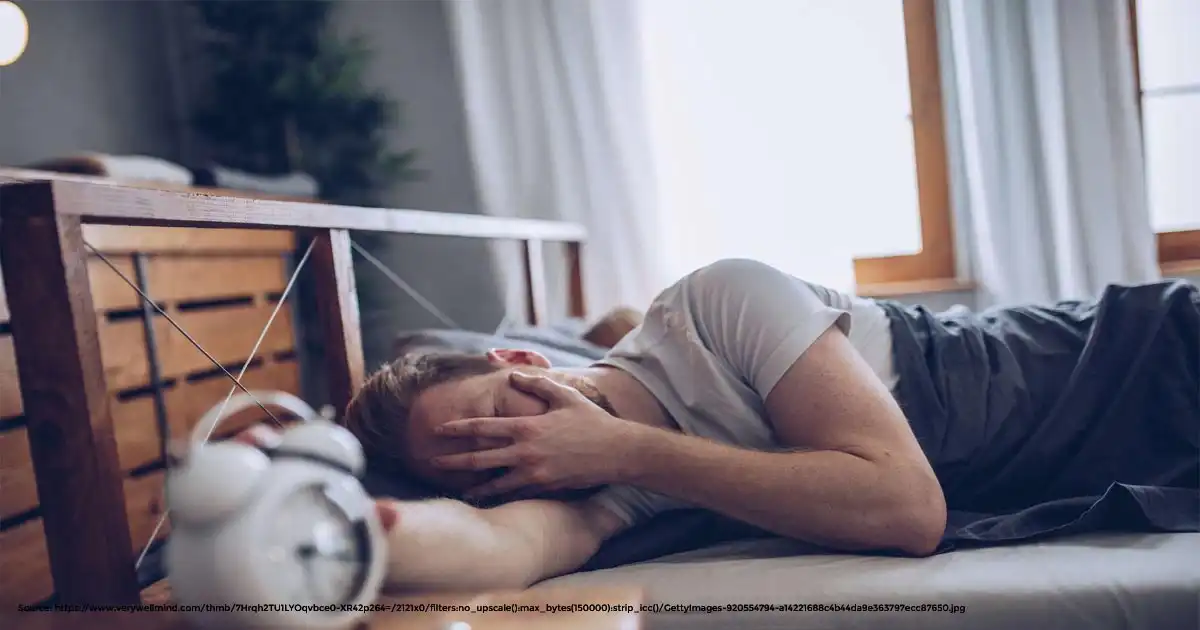
You know that feeling—you wake up, stretch a little, and — your back reminds you that something’s off. A dull ache in your lower back, a sharp pain (sciatica) down your legs, or a familiar stiffness in your neck that makes even turning your head to the side an effort.

Sounds much like your morning routine? Millions of us deal with back pain every day, and the worst part? It messes with your sleep, your mood, and even your day routine. But we usually get busy with our everyday chores and turn a blind eye to it, which gradually worsens the pain.

But here’s good news – Simply correcting your mattress and getting the right one can provide pain relief. The right materials, design engineering, and support zones can make the difference in how your body rests and recovers. And the relief you feel in the morning is worth it.

In this guide, I’ll take you through 10 best mattresses that aren’t just great to sleep on—but built to ease your back pain, support your spine, and help you wake up refreshed.

Let’s find the one that works for you.

Key Summary

    • Common Back Pain Issues
    • Mattress Designs and Features to Support Back Pain
    • The Best Mattresses for Back Pain – Table
    • Highlights and Short Mattress Reviews

Sleep Disruptions and Back Pain

Back pain is sneaky—it shows up when you least expect it and lingers longer than you’d like. Whether you struggle with lower back pain, sciatica pain, or neck pain, your mattress plays a crucial role in either alleviating or aggravating the issue. Poor support and incorrect spinal alignment can worsen discomfort, leading to restless nights and groggy mornings.

Common Sleep-Related Back Pain Issues

  • Lower Back Pain – Often caused by a sagging or unsupportive mattress.
  • Sciatica Pain – A too-firm mattress can create pressure points; a too-soft one may not offer enough support.
  • Neck Pain – Incorrect pillow height and poor mattress firmness can throw off alignment.
  • Sleep Apnea – Poor sleeping posture, especially on an unsupportive bed, can worsen symptoms.

So, how do you choose the right mattress? Let me break it down.

Key Features of a Mattress That Supports Pain Relief

1. Optimal Firmness for Spinal Alignment

  • Soft (Side Sleepers) – Great for shoulder and hip pressure relief but may lack lower back support.
  • Medium-Firm (Back Sleepers) – Ideal balance between comfort and support.
  • Firm (Stomach Sleepers) – Helps keep the spine neutral but may be too rigid for some.

2. Pressure-Relieving Materials

  • Memory Foam – Contours to your body and evenly distributes weight, reducing pressure points.
  • Latex Mattress – Offers a responsive, bouncy feel with excellent durability and cooling properties.
  • Hybrid (Foam + Coils) – Combines support and cushioning, making it a great all-around choice.

3. Zoned Support Technology

  • Some mattresses have extra lumbar support, helping alleviate lower back pain while keeping other areas comfortably cushioned.

4. Cooling Features for Deep Sleep

  • If you overheat at night, look for breathable covers, gel-infused memory foam, or innerspring mattresses that promote airflow.

Top Mattresses for Back Pain Relief

Pain can take a serious toll on your sleep, and not all mattresses are created equal when it comes to relief. Whether you’re dealing with lower back pain, sciatica, neck pain, or even sleep apnea, the right mattress can make all the difference.

I’ve handpicked 10 of the best mattresses that are specifically designed to help alleviate pain and provide optimal spinal support. Let’s dive into the details and find the one that fits your needs.

Table – 10 Best Mattresses for Pain Relief in 2025

Mattress Name Type Price for Queen (Approx.) Firmness Key Features for Pain Relief Warranty/Trial Ideal For
Saatva Classic

(4.17/5.00)

Hybrid $1,795 Plush, Medium, Firm Zoned lumbar support, eco-friendly 15 Years / 180 Nights Lower back pain, all sleep positions
TEMPUR-ProAdapt

(4.38/5.00)

Memory Foam $2,899 Soft, Medium, Firm Advanced pressure relief, motion isolation 10 Years / 90 Nights Sciatica, side sleepers
Purple Restore Hybrid

(4.50/5.00)

Hybrid $2,399 Medium Adaptive grid technology, cooling 10 Years / 100 Nights Neck pain, hot sleepers
iSense Hybrid Premier

(4.38/5.00)

Hybrid $3,199 Adjustable Customizable firmness, hybrid support 10 Years / 180 Nights Sleep apnea, all positions
Brooklyn Essential

(3.83/5.00)

Hybrid $899 Medium-Firm Affordable, great support 10 Years / 120 Nights Budget-conscious buyers
Helix Midnight

(4.08/5.00)

Hybrid $1,099 Medium Contours to shoulders & hips 10 Years / 100 Nights Side sleepers, arthritis pain
Tempur-Pedic Cloud

(4.04/5.00)

Memory Foam $1,999 Medium All-foam comfort with pressure relief 10 Years / 90 Nights Luxury seekers, body contouring
Nolah Natural

(3.75/5.00)

Latex Hybrid $1,899 Medium-Firm Natural latex for pain relief Lifetime / 120 Nights Eco-conscious buyers, back sleepers
Brooklyn Bedding Spartan

(3.83/5.00)

Hybrid $2,398 Medium, Firm Cooling, pressure relief 10 Years / 120 Nights Athletes, active sleepers
Layla Hybrid

(4.21/5.00)

Flippable Hybrid $1,699 Soft and Firm Reversible firmness, copper-infused memory foam 10 Years / 120 Nights People needing customizable support

Shopping Guide | 10 Best Mattresses for Pain Management

1. Best for Lower Back Pain | Saatva Classic

Why it’s Recommended – If you struggle with lower back pain, you need a mattress with solid lumbar support. The Saatva Classic features zoned support technology, meaning it’s firmer in the center to support your spine while keeping the rest of your body comfortable.

Highlights

  • Zoned lumbar support for optimal spine alignment
  • Eco-friendly materials & a breathable organic cotton cover
  • Multiple firmness options to suit different sleepers

Short Mattress Review

Saatva’s handcrafted premium mattress offers adjustable firmness, with the luxury firm option being ideal for back and neck pain relief. Endorsed by the American Chiropractic Association, it’s a top pick among chiropractors.

The dual-coil system ensures spinal alignment, while a memory foam layer relieves pressure on the shoulders and lower back. The Euro pillow top adds plush comfort, and the plush soft option is perfect for side sleepers seeking extra cushioning.

Made in the USA with eco-friendly materials like organic cotton, recycled steel coils, and a natural flame retardant, it’s free from harmful chemicals. Plus, Saatva offers free delivery for a hassle-free experience.

Pros

  • For individuals preferring specific types of firmness and bounce
  • In any sleeping position
  • For individuals seeking pressure relief
  • Sleepers who sleep hot

Cons

  • Sleepers who tend to awaken upon motion may consider. Saatva offers firmness, causing motion transfer.
  • This is not a soft plush mattress like memory foam. Instead, Saatva offers back support to the lumbar region.

Read Review

2. For Sciatica Pain | Tempur-Pedic TEMPUR-ProAdapt

Recommendation – Sciatica pain can make sleep unbearable. The TEMPUR-ProAdapt is designed with advanced memory foam that contours to your body, reducing pressure on your lower back and legs.

Specifics

  • Exceptional pressure relief for nerve pain
  • Motion isolation (works well if you share your bed)
  • Cooling tech to prevent overheating

Short Mattress Review

TEMPUR-ProAdapt is designed to deliver exceptional pressure relief, making it an ideal choice for those suffering from sciatica pain. Its TEMPUR material contours precisely to the body, reducing stress on the lower back and promoting spinal alignment.

With multiple firmness options (soft, medium, medium hybrid, and firm), it caters to different sleep preferences. The high-density foam layers absorb motion, ensuring undisturbed sleep. The SmartClimate Dual Cover System provides a cool-to-touch feel, preventing overheating.

It is durable, hypoallergenic, and resistant to dust mites—ideal for long-term support and comfort.

Pros

  • Ideal for side and back sleepers needing deep pressure relief
  • Contours to the body for proper spinal alignment
  • Excellent motion isolation for couples
  • Cooling cover prevents overheating

Cons

  • Premium pricing may not suit all budgets
  • Slightly slower response time, which may not be ideal for combination sleepers

Read Review

3. Best for Neck Pain | Purple Restore Hybrid

Why it’s Recommended – Neck pain often comes from a misaligned spine. The Purple Grid technology in this mattress cradles your head, neck, and shoulders while keeping your spine in neutral alignment.

Highlights

  • Unique grid design adapts to your shape
  • Breathable for a cool night’s sleep
  • Soft yet supportive feel

Short Mattress Review

Purple Restore Hybrid blends pressure-relieving comfort with responsive support, making it a top pick for neck pain sufferers. Its GelFlex® Grid adapts instantly to your movements, cradling the neck and shoulders while keeping the spine aligned.

The hybrid design includes individually wrapped coils, ensuring a balance of softness and support. The breathable grid structure enhances airflow, keeping you cool all night.

Manufactured with non-toxic, hypoallergenic materials, this mattress is CertiPUR-US® certified, ensuring safety and durability.

Pros

  • GelFlex® Grid relieves neck tension
  • Highly breathable for cool sleep
  • Adaptive support for different sleep positions
  • Motion isolation minimizes partner disturbance

Cons

  • May feel too bouncy for some sleepers
  • The unique grid feel may require an adjustment period

Read Review

4. Sleep Apnea Relief | iSense Hybrid Premier

Recommendation – Sleep apnea often requires better sleep positioning. The adjustable firmness of the iSense Hybrid Premier lets you customize the feel for better airway alignment.

Specifics

  • Customizable firmness settings (soft to firm)
  • Hybrid design for breathability and support
  • Ideal for combination sleepers

Short Mattress Review

iSense Hybrid Premier’s adjustable-firmness and SmartAdjust™ technology enables personalized support, while hybrid construction (foam and coils) provides pressure relief and spinal alignment. The cooling fabric cover and breathable layers enhance airflow, preventing overheating.

With dual firmness options, it’s perfect for couples with different comfort needs.

Pros

  • Customizable firmness for optimal sleep positioning
  • Hybrid design supports spinal alignment
  • Cooling technology prevents overheating
  • Made for couples needing different firmness levels

Cons

  • Tech-based adjustments may not appeal to all sleepers
  • Premium pricing compared to standard hybrid mattresses

Read Review

5. Best Budget Option | Brooklyn Essential Mattress

Why it’s Recommended – Pain relief doesn’t have to break the bank. The Brooklyn Essential Mattress is an affordable, medium-firm option with great support and pressure relief.

Highlights

  • Budget-friendly without compromising quality
  • Hybrid construction with targeted support
  • Great for back and side sleepers

Short Mattress Review

Brooklyn Essential Mattress offers affordable comfort and solid support, making it a great budget-friendly choice for back pain relief. With a medium-firm feel, it provides spinal alignment without being too rigid or too soft.

The high-density foam layers reduce pressure points, while the breathable knit cover keeps sleepers cool. It’s a great option for those seeking value without compromising on quality.

Pros

  • Affordable yet supportive for back pain relief
  • Medium-firm feel suits most sleepers
  • Good motion isolation for undisturbed sleep
  • Cooling cover prevents overheating

Cons

  • Less contouring compared to premium memory foam options
  • Limited edge support

Read Review

6. Side Sleepers with Pain | Helix Midnight

Recommendation – If you sleep on your side, you need a mattress that relieves pressure on your hips and shoulders. The Helix Midnight balances plush comfort with firm support, perfect for side sleepers with joint pain.

Specifics

  • Zoned pressure relief to cradle your body
  • Hybrid design for breathability
  • Great motion isolation

Short Mattress Review

Helix Midnight is engineered for side sleepers, providing targeted pressure relief for shoulders and hips. Its memory foam comfort layers cushion pain-prone areas, while the zoned coil system maintains proper spinal alignment.

The breathable cover and gel-infused foam regulate temperature, making it a cool-sleeping option. Designed with hybrid construction, it balances soft comfort and firm support.

Pros

  • Pressure relief for side sleepers
  • Zoned support system for spinal alignment
  • Cooling gel-infused foam
  • Good motion isolation

Cons

  • Not firm enough for stomach sleepers
  • Edge support could be better

Read Review

7. Luxury Comfort | Tempur-Pedic Cloud

Why it’s Recommended – A plush yet supportive memory foam option that delivers a luxury hotel-like sleep experience.

Highlights

  • Deep contouring for full-body support
  • Premium foam layers for pressure relief
  • Made for sleepers who love a deep contouring feel

Short Mattress Review

It is a luxury memory foam mattress that adapts to your body’s contours, offering deep pressure relief and plush comfort. It’s perfect for sleepers with back pain who want a soft yet supportive surface.

Its TEMPUR material absorbs motion, ensuring undisturbed sleep, while the premium cooling cover prevents overheating.

Pros

  • Reliable pressure relief
  • Plush yet supportive feel
  • Great motion isolation
  • Cooling technology for a sweat-free night

Cons

  • May feel too soft for stomach sleepers
  • Premium pricing

Read Review

8. Best for Eco-Friendly Pain Relief | Nolah Natural

Recommended – If you want an organic mattress that offers amazing pain relief, this is it. The natural latex provides spinal support while keeping it breathable.

Specifics

  • Made with sustainable, organic materials
  • Responsive and pressure-relieving
  • Durable and long-lasting

Short Mattress Review

Nolah Natural mattress is a sustainable, latex hybrid option designed for pain relief. Its responsive latex foam provides gentle contouring without sinkage, ideal for those with joint pain or arthritis.

The organic wool and cotton cover enhances breathability, while the zoned coil system ensures proper spinal alignment.

Pros

  • Eco-friendly, made with organic materials
  • Responsive latex foam for pain relief
  • Breathable and cooling
  • Durable and long-lasting

Cons

  • Higher price point than synthetic foam mattresses
  • Less contouring compared to memory foam

Read Review

9. For Active Lifestyles | Brooklyn Bedding Spartan

Why it’s Recommended – Designed for athletes and active sleepers, this mattress features performance fabric and responsive foam to promote muscle recovery.

Highlights

  • Great cooling technology for hot sleepers
  • Firm support for better alignment
  • Good for combo sleepers and athletes

Short Mattress Review

The mattress is designed for athletes and active individuals, featuring far-infrared (FIR) technology that enhances muscle recovery. Its hybrid construction provides support, pressure relief, and cooling—perfect for post-workout recovery.

The zoned coils and high-density foam layers ensure proper spinal alignment, making it a great option for those with back pain.

Pros

  • Far-infrared technology aids muscle recovery
  • Great pressure relief for active individuals
  • Hybrid design for balanced comfort and support
  • Cooling and breathable

Cons

  • May feel too firm for some sleepers
  • Premium pricing

Read Review

10. Flippable Mattress | Layla Hybrid

Recommendation – Some nights, you want a firmer feel, and other nights, you need plush comfort. The Layla Hybrid is a two-in-one flippable mattress that lets you choose between a soft and firm side.

Specifics

  • Copper-infused memory foam for cooling
  • Dual firmness in one mattress
  • Great for back and side sleepers

Short Mattress Review

Layla Hybrid is a two-sided mattress, allowing sleepers to choose between a soft and firm feel—ideal for those experimenting with different firmness levels for pain relief.

Its copper-infused memory foam provides antimicrobial benefits and cooling, while the individually wrapped coils enhance support and durability.

Pros

  • Flippable design (Soft & Firm sides)
  • Copper-infused foam for cooling & hygiene
  • Great for all sleep positions
  • Robust motion isolation

Cons

  • Heavier than standard mattresses
  • Edge support could be stronger

Read Review

Symptoms of Back Pain – Early Intervention

It can be a dull ache in the muscles or a shooting, stinging, and stabbing pain in the lower back region.

The Centers for Disease Control and Prevention (CDC) states that as high as 36.5% of adults in the United States suffer from low back pain while 39% suffered from back pain. To add to that, discomfort may travel down your leg and intensify when you bend, twist, raise, stand, or walk.

Back pain may occur in a specific region or may spread over the back. At times the pain may extend to other regions of the body like legs, glutes, and abdomen.

Some common symptoms of back pain that will help you identify the condition are discussed below.

Back Pain Symptoms

  • Pain sensation while standing, sitting, or even at rest
  • Ache in lower back that may occur at times and fade away at other times
  • Numb sensation in feet or legs
  • Increase in pain while lifting things or bending
  • Stiffness in the back region as you wake up in the morning
  • Pain that lessens with activity
  • The region of pain area extends to buttocks, glutes, or legs
  • Injury or a fall causing stabbing pain in the back

When to Consult a Physician for Back Pain?

With self-care and home therapy, most back pain improves over time, generally within a few weeks. However, if your back discomfort persists, consult a doctor. The symptoms are:

  • Pain has been continuing for a few weeks
  • The pain is intense and does not subside even after a rest
  • It spreads down one or both legs; particularly, discomfort is felt below the knee
  • Legs can experience weakness, numbness, or tingling
  • Fever and weight loss following pain sensation
  • Chronic pain which does not dissipate even after medication

Symptoms of Neck Pain That Should be Monitored

A few common symptoms of neck pain have been discussed below for your reference.

  • Stiffness in the neck joint
  • Pain felt in the back of neck radiating to shoulders
  • Shooting pain in the nape spreading up the head or down your arm
  • Headache followed by dizziness, nausea, and light sensitivity
  • A loss in bowel or bladder control
  • Painful jabs remain as you move or even after rest
  • Fever and weight loss
  • Paralysis in fingers or arms and tingling sensation in the pain region
  • Difficulties in movement of fingers coupled with a pin-and-needle sensation in the neck

Do You Need to Consult a Physician?

Majority of neck discomfort improves over time with home therapy.

Consult your physician if this is not the case. If you have significant neck discomfort as a consequence of an injury, such as a car accident, diving accident, or fall, get medical help right once. If your neck discomfort persists, consult a doctor immediately.

The symptoms are

  • The pain remains and is severe
  • It spreads down your arms or fingers, followed by “falling asleep” of fingers and hands
  • Trouble faced while you walk and in keeping balance
  • Difficulty experienced in moving fingers, arms, or legs
  • There is headache, numbness, weakness, or tingling along with pain

When Do You Need a Change in Mattress or Bedding?

Back and neck discomfort can be caused or worsened by sleeping on an improper mattress. Lack of mattress support fosters – poor sleeping position, pain in the muscles, and fails to maintain spinal alignment, all of which lead to back and neck pain.

If a sleeping mattress does not meet your specific customer needs sleep quality suffers drastically. Inadequate sleep at night causes morning fatigue and intensifies body pain as you do not get enough sleep time to heal and rejuvenate. Poor sleeping habits from chronic pain can often lead to insomnia, sleep apnea, and sleep disorders.

A mattress ideal for your body can enhance comfort and back/neck support to alleviate pain. This is by enabling the spine’s components to relax and regenerate during the night. Hence, choosing an appropriate mattress will provide relief from back pain as you wake up from undisturbed sleep in the morning!

But, choosing the right mattress may be tough as we have a wide range of available options today. I’ve listed down some important factors to make a wise investment.

5 Tips to Select the Right Mattress | Back Pain

The following tips can assist individuals with back and neck discomfort in selecting the ideal mattress for both support and sleep comfort.

1. Tip 1 – Identify Your Sleep Preferences

There’s no universal solution—your perfect mattress is the one that relieves your lower back pain while ensuring a comfortable, restful sleep. Choose a mattress that meets your support and comfort needs to wake up pain-free.

2. Tip 2 – Understand Mattress Construction

Mattresses vary in coil count, inner springs, cushioning, and depth (typically 7 to 18 inches). Pay attention to these details—coil placement, padding thickness, and material type all impact support and comfort.

3. Tip 3 – Prioritize Spinal Alignment & Support

A good mattress should maintain your spine’s natural curvature and reduce morning stiffness. Generally, firm mattresses offer better relief for back pain compared to softer options.

4. Tip 4 – Find the Right Balance of Comfort & Support

While support is essential, comfort matters too! Overly firm mattresses can create pressure points, leading to discomfort. A medium-firm mattress with adequate cushioning allows your hips and shoulders to sink slightly, preventing strain.

5. Tip 5 – Know When It’s Time for a New Mattress

If your mattress sags in the center or no longer feels comfortable, it’s time for an upgrade. Temporary fixes like adding support boards won’t solve the issue—a new mattress is the best long-term solution.

Key Questions to Ask Before Buying a Mattress

Before investing in a new mattress, consider these essential questions to ensure you make the right choice.

  1. Is the brand transparent about its product details?

Look for clear specifications on materials, firmness, and sleep benefits.

  1. What materials are used in the mattress?

Check if it includes memory foam, latex, hybrid coils, or eco-friendly materials for durability and comfort.

  1. What features and customization options does the brand offer?

Does the mattress cater to back pain, neck pain, cooling, or motion isolation needs?

  1. How reputable is the brand?

Research the brand’s credibility, customer trust, and industry standing before purchasing.

  1. Which mattress type suits your specific sleep needs?

Do you need firm support for back pain or pressure relief for neck pain? Choose accordingly.

  1. What is the return policy, warranty, and trial period?

A good mattress should come with a risk-free trial and hassle-free returns in case it doesn’t work for you.

  1. What do customer reviews say?

Check real user experiences for insights into comfort, durability, and performance before making a decision.

Smart Take!

The right mattress can soothe back, neck, and joint pain, helping you get the restful sleep you deserve.

In this guide, I’ve covered top picks for pain relief, from zoned lumbar support to pressure-relieving memory foam. The Purple Restore Hybrid adapts to your body, while the iSense Hybrid Premier allows you to customize firmness suiting your needs.

For a detailed mattress shopping guide, explore SmartMattressBuy—your centralized solution for sleep health tips, buying guides, and expert reviews.

Invest in better sleep today to wake up refreshed and pain-free tomorrow.

Be the Early Bird – Explore Circadian Rhythm and Sleep

Be the Early Bird - Explore Circadian Rhythm and Sleep

Two months ago, my mornings looked nothing like they do today.

I used to wake up feeling groggy, sluggish, and already behind on my day. Some mornings, I wouldn’t even get out of bed before 9 am or 11 am.

My energy? Low. My focus? Scattered. My motivation? Pretty much nonexistent.

And the worst part? I knew something was off.

I write about sleep health often, so I understood the importance of a proper sleep cycle. I knew about circadian rhythms, early rising, and the magic of morning energy. But knowing something and living it? Two completely different things.

So, I decided to commit. For two months, I worked on resetting my circadian rhythm—going to bed early, eating lighter at night, and waking up consistently at the same time (even on weekends). At first, it was hard. My body resisted. But slowly, things started to shift.

And now? I wake up between 6:00 and 6:30 am naturally. I feel energized. My focus is sharper. My work, relationships, and even my communication have improved. It’s like I unlocked a whole new level of life—and trust me, the gain far outweighs the struggle.

So, what changed? And how can you do the same? Let’s talk about it.

Key Summary

    • What Circadian Rhythm Is
    • Why Chronotype Matters
    • Exact Steps I Followed
    • The Results I’ve Seen

Science on Circadian Rhythm

Circadian rhythm is our body’s natural 24-hour internal clock that regulates sleep, wakefulness, metabolism, and overall bodily functions. It’s influenced by external factors like light, temperature, and lifestyle choices.

For months, I struggled with my sleep cycle—waking up late, feeling sluggish throughout the day, and battling brain fog that affected my work, relationships, and overall energy levels. I knew something had to change, but the transition was difficult.

But two months of consistent effort, I can finally say—the transformation is real.

Disrupting the circadian rhythm—by sleeping late, consuming heavy meals at night, or excessive screen exposure before bed—throws our body off balance, leading to fatigue, poor focus, and even long-term health issues.

Why It Matters to Stay Synced?

On the flip side, aligning with your natural circadian rhythm brings a world of benefits.

  • Consistent energy levels throughout the day
  • Sharper focus and improved productivity
  • Better mood and emotional stability
  • Stronger immune system
  • Enhanced physical recovery and fitness

Factors That Make the Rhythm Work

Our body and external environmental factors play a role in affecting sleep and circadian rhythm.

Here’s how.

Body Factors How They Affect Circadian Rhythm and Sleep
1. Brain’s Involvement Brain cells respond to light and darkness, signaling other brain areas to regulate sleepiness and alertness.
2. Hormonal Influence Hormones like melatonin (promotes sleep) and cortisol (boosts alertness) fluctuate based on the circadian cycle. Other hormones like vasopressin, acetylcholine, insulin, and leptin also impact alertness and metabolism.
3. Temperature & Metabolism Body temperature drops during sleep and rises when awake. Metabolism also follows a natural rhythm, operating at different rates throughout the day.
4. Biological Clocks The body has internal biological clocks in almost every tissue and organ, regulated by proteins. The master clock (SCN – Suprachiasmatic Nucleus) in the brain syncs with light signals from the eyes to align with the 24-hour cycle.
5. Role of Light Light is the primary regulator of circadian rhythm. The SCN adjusts brain chemicals based on light exposure, influencing hunger, body temperature, mood, and wakefulness.
6. Disruption & Influencing Factors Irregular work schedules, stress, lifestyle choices, and inconsistent sleep patterns can disrupt the circadian rhythm, leading to sleep disorders and fatigue.
7. Additional Factors External factors like work hours, physical activity, anxiety, and diet can impact circadian rhythm. Age also plays a role, as circadian rhythms differ in infants, teens, and adults. Other bodily processes regulated by circadian rhythm include hormonal activity, digestion, immune function, and body temperature regulation.

Power of Circadian Rhythm Calculator

A Circadian Rhythm Calculator is a smart tool that helps you understand and optimize your biological clock. By analyzing your sleep-wake cycle, hormone fluctuations, and body temperature variations, it guides you in aligning your daily activities with your natural rhythm.

How Does It Work?

This calculator works by analyzing key aspects of your body’s internal clock.

  • Sleep-Wake Cycle – Determines your ideal bedtime and wake-up time.
  • Hormonal Fluctuations – Tracks melatonin (sleep hormone) and cortisol (alertness hormone) levels.
  • Body Temperature Changes – Maps out how metabolism and energy levels shift throughout the day.

Should You Use It?

Using a Circadian Rhythm Calculator can help you,

  • Identify Peak Alertness and Sleepiness – Know when you’re naturally most productive.
  • Personalize Your Schedule – Set the best times for work, exercise, and meals.
  • Improve Sleep Quality – Wake up refreshed instead of groggy.
  • Boost Energy & Focus – Reduce fatigue and increase productivity.
  • Enhance Overall Health – Aligning with your natural rhythm supports metabolism, digestion, and mental clarity.

Who Benefits?

  • Office Workers – Maximize productivity by working during peak alertness hours.
  • Students – Plan study sessions when the brain is most active.
  • Athletes – Optimize training and recovery based on energy fluctuations.
  • Shift Workers – Adjust sleep schedules for better rest and performance.

Circadian Rhythm Disruptors | What Throws Your Body Clock Off Track?

Your circadian rhythm is finely tuned to maintain your sleep-wake cycle, energy levels, and overall well-being. However, several factors can throw this delicate balance off course.

Here’s what you need to watch out for.

1. Light Disruption

Why it Matters?

Your circadian clock is highly sensitive to light, especially two hours before bedtime. Exposure to bright artificial lights—especially blue light from screens—can delay sleep onset and push your natural bedtime later.

How It Disrupts Your Rhythm?

  • Late-Night Screen Use – Phones, laptops, and TVs emit blue light that suppresses melatonin, your sleep hormone.
  • Bright Indoor Lighting at Night – Overhead lights and LEDs can confuse your internal clock.
  • Early Morning Bright Light – Exposure too early can cause you to wake up before your body is ready.

2. The Color of Light| Not All Light Affects You the Same Way

Blue vs. Warm Light

  • Blue & White Light (from screens, LED bulbs) – Leads to sleep disruption
  • Warm & Red Light (from candles, dim lamps) – Less disruptive, promotes relaxation

Tip – Use warm, dim lighting in the evening and switch screens to “night mode” to reduce blue light exposure.

3. Poor Sleep Habits

Erratic Schedules

  • Going to bed and waking up at different times every day confuses your body clock.
  • Late-night activities like binge-watching TV or working on deadlines delay sleep.
  • Caffeine and heavy meals before bed stimulate the body when it should be winding down.

Fix It – Stick to a consistent sleep schedule and establish a relaxing nighttime routine.

4. Shift Work | Why It’s Tough?

Your body naturally aligns with daylight and darkness, so working night shifts or rotating shifts confuses your internal clock.

Consequences – Increased risk of insomnia, fatigue, mood disorders, and long-term health issues like metabolic imbalances.

What Can Help?

  • Use bright light therapy during night shifts and block out sunlight in the morning.
  • Stick to a regular sleep schedule, even on days off.

5. Underlying Sleep Disorders & Health Conditions

  • Delayed Sleep Phase Syndrome (DSPS) – Sleep is naturally delayed by 2+ hours.
  • Advanced Sleep Phase Syndrome (ASPS) – Sleep occurs much earlier than usual.
  • Irregular Sleep-Wake Disorder – No fixed sleep pattern, common in shift workers.
  • Non-24-Hour Sleep-Wake Disorder – The sleep cycle shifts later each day, common in blind individuals.

How to Fix It – If you suspect a sleep disorder, consult a specialist for light therapy, melatonin treatment, or behavioral adjustments.

6. Travel & Jet Lag

Why Does Jet Lag Happen?

Your circadian rhythm is tuned to your home time zone. When you fly across multiple time zones, your body clock lags behind, causing fatigue, insomnia, and brain fog.

How Long Does It Take to Adjust?

  • Your body adjusts at a rate of about 1 hour per time zone crossed.
  • Flying east is harder (shorter days), while flying west is easier (longer days).

How to Reset Your Clock Faster?

  • Get sunlight in the morning to help shift your rhythm to the new time zone.
  • Avoid naps that are too long—short 20-minute naps can help combat fatigue.
  • Stay hydrated and eat light to ease digestion issues caused by time shifts.

7. Daylight Saving Time

Even shifting the clock by one hour (springing forward or falling back) can throw off your rhythm. It may take a few days to adjust fully.

Sleep Advice – Circadian rhythm disruptions are common, but small lifestyle changes—like managing light exposure, keeping a consistent schedule, and prioritizing good sleep hygiene—can help you stay in sync and feel your best.

Circadian Rhythm | Different Age Groups

Your Body Clock Evolves

Your circadian rhythm changes throughout life, influencing sleep patterns, energy levels, and overall health.

Here’s how it varies across different age groups.

Table – How Circadian Rhythms Evolve Across Different Age Groups

Age Group Circadian Rhythm Characteristics Key Changes and Challenges Sleep Needs and Tips
Newborns & Infants (0-3 months) No developed circadian rhythm, leading to irregular sleep cycles
  • Sleep patterns influenced by feeding schedules & light exposure
  • Melatonin starts developing at 3 months
  • Cortisol (alertness hormone) forms between 2-9 months
  • Sleep occurs in short bursts (day & night)
  • Exposure to natural daylight helps regulate their rhythm over time
Children (Toddlers to Pre-teens) More stable sleep-wake cycles as the circadian system matures
  • Need 9-10 hours of sleep for proper growth
  • Consistent bedtime enhances cognitive and emotional well-being
  • Regular routines & limited screen time before bed help maintain good sleep
  • Avoid stimulating activities before bedtime
Teenagers (13-19 years) Delayed sleep phase: natural tendency to stay up late & wake up late
  • Melatonin production starts later (10-11 PM)
  • Peak drowsiness shifts to 3-7 AM, making early school schedules difficult
  • Teens still need 8-10 hours of sleep
  • Morning sunlight exposure can help adjust their rhythm
Adults (20-60 years) Stable circadian rhythm if sleep habits are maintained
  • Peak tiredness occurs between 2-4 AM & 1-3 PM (afternoon slump)
  • Disruptions from stress, shift work, screen time can disturb the rhythm
  • Aim for 7-9 hours of sleep
  • Maintain a consistent schedule and limit blue light exposure at night
Older Adults (60+ years) Early-to-bed, early-to-rise pattern due to natural changes in circadian rhythm
  • Lower melatonin levels lead to lighter, fragmented sleep
  • More prone to waking up early and feeling sleepy in the evening
  • Bright morning light exposure helps regulate sleep
  • Avoid long naps during the day

Are You an ‘Early Bird’ or a ‘Night Owl’

Find Your Sleep Chronotype!

Your chronotype is your body’s natural rhythm that determines when you feel most awake and when you struggle to stay alert. While some people thrive in the morning, others find their energy peaks at night.

Understanding your chronotype can help you optimize your productivity, sleep, and daily routines.

Why Understanding Your Chronotype Matters

Aligning your daily tasks with your natural energy peaks can improve.

  • Productivity
  • Sleep quality
  • Mental well-being
  • Overall health

So, are you an early riser, a night owl, or somewhere in between?

Table – Find Your Match From the Three Main Chronotypes

Chronotype Characteristics Sleep-Wake Pattern Best Productivity Time
Early Bird Wakes up easily in the morning, feels most energetic early in the day, prefers early bedtimes Sleeps 9 pm – 5 am (varies slightly) Morning (6 am – Noon)
Night Owl Struggles with early mornings, gets a surge of energy late at night, prefers late bedtimes Sleeps Midnight – 8 am (or later) Evening & Night (6 pm – Midnight)
Intermediate (Most People) Adaptable, functions well in both morning and evening, moderate sleep preferences Sleeps 10 pm – 6 am Late morning & early evening

Circadian Rhythm and Sleep Disorders

Our circadian rhythm acts as an internal clock, regulating sleep-wake cycles.

However, disruptions due to genetics, lifestyle, or external factors can lead to sleep disorders, affecting overall health and daily functioning.

1. Insomnia Disorders

a) Chronic Insomnia

Difficulty falling asleep, staying asleep, or waking up too early and not being able to return to sleep.

  • Causes – Stress, anxiety, depression, poor sleep habits, medications, or medical conditions.
  • Symptoms – Fatigue, irritability, difficulty concentrating, poor memory, mood disturbances.
  • Treatment – Cognitive Behavioral Therapy for Insomnia (CBT-I), sleep hygiene improvements, medication if necessary.

b) Short Term (Acute) Insomnia

Temporary sleep difficulty lasting a few days or weeks.

  • Causes – Stressful life events, illness, jet lag, or shift work.
  • Treatment – Relaxation techniques, melatonin supplements, improved sleep habits.

2. Circadian Rhythm Sleep Disorders

a) Delayed Sleep Phase Syndrome (DSPS)

A person’s sleep schedule is shifted later than normal, making it difficult to wake up early.

  • Who It Affects – Teens and young adults.
  • Symptoms – Difficulty falling asleep before 2-3 AM, trouble waking up for school/work, excessive daytime sleepiness.
  • Treatment – Bright light therapy in the morning, gradual schedule adjustments, melatonin at night.

b) Advanced Sleep Phase Syndrome (ASPS)

An early shift in sleep patterns—people feel sleepy very early in the evening and wake up too early in the morning.

  • Who It Affects – Older adults.
  • Symptoms – Sleepiness around 6-8 PM, waking up at 3-5 AM.
  • Treatment – Bright light exposure in the evening, behavioral adjustments.

c) Shift Work Sleep Disorder (SWSD)

Sleep disruption caused by working night shifts or rotating shifts.

  • Symptoms – Insomnia, daytime sleepiness, difficulty concentrating, mood swings.
  • Treatment – Dark sleep environment, scheduled naps, bright light therapy, and adjusting sleep cycles gradually.

d) Jet Lag Disorder

Temporary sleep disturbance due to rapid travel across multiple time zones.

  • Symptoms – Fatigue, difficulty sleeping, digestive problems, irritability.
  • Treatment – Gradual sleep adjustment before travel, bright light exposure, melatonin supplements.

e) Irregular Sleep-Wake Rhythm Disorder

A disorganized sleep pattern with no consistent bedtime or wake-up time.

  • Who It Affects – Elderly individuals, people with neurodegenerative diseases like Alzheimer’s.
  • Symptoms – Sleeping at unpredictable times throughout the day and night, difficulty maintaining a routine.
  • Treatment – Scheduled sleeping times, light exposure therapy, behavioral therapy.

3. Sleep-Related Breathing Disorders

a) Obstructive Sleep Apnea (OSA)

The airway repeatedly collapses or becomes blocked during sleep, leading to brief pauses in breathing.

  • Symptoms – Loud snoring, choking/gasping during sleep, excessive daytime sleepiness.
  • Risk Factors – Obesity, family history, smoking, large neck circumference.
  • Treatment – CPAP (Continuous Positive Airway Pressure) therapy, weight management, surgery (in severe cases).

b) Central Sleep Apnea (CSA)

The brain fails to send proper signals to control breathing during sleep.

  • Causes – Neurological conditions, heart failure, stroke.
  • Symptoms – Frequent awakenings, difficulty staying asleep, shortness of breath.
  • Treatment – CPAP therapy, medication, treating underlying conditions.

4. Hypersomnia (Excessive Sleepiness Disorders)

a) Narcolepsy

A neurological disorder characterized by excessive daytime sleepiness and sudden sleep attacks.

Symptoms

  1. Excessive Daytime Sleepiness (EDS) – Feeling uncontrollably sleepy during the day.
  2. Cataplexy – Sudden muscle weakness triggered by emotions.
  3. Hallucinations – Vivid, dream-like images when falling asleep or waking up.
  4. Sleep Paralysis – Temporary inability to move or speak when waking up.

Treatment – Stimulant medications, lifestyle adjustments, scheduled naps.

b) Idiopathic Hypersomnia

Chronic excessive sleepiness without an identifiable cause.

  • Symptoms – Prolonged nighttime sleep (10+ hours), difficulty waking up, extreme drowsiness.
  • Treatment – Stimulant medications, sleep hygiene improvements.

5. Parasomnias (Abnormal Sleep Behaviors)

a) Sleepwalking (Somnambulism)

Engaging in activities like walking, talking, or even eating while still asleep.

  • Who It Affects – Children more than adults.
  • Triggers – Stress, sleep deprivation, certain medications.
  • Treatment – Ensuring a safe sleep environment, stress management, improving sleep habits.

b) Night Terrors

Sudden episodes of intense fear, screaming, or flailing during deep sleep.

  • Who It Affects – Common in children
  • Symptoms – Rapid heartbeat, confusion upon waking, difficulty recalling the episode.
  • Treatment – Stress reduction, consistent bedtime routines, therapy if severe.

c) Sleep Talking (Somniloquy)

Talking during sleep without being aware of it.

  • Who It Affects – Anyone, but more common in children.
  • Triggers – Stress, sleep deprivation, fever.
  • Treatment – Typically doesn’t require treatment unless disruptive.

d) Sleep Bruxism (Teeth Grinding)

Grinding or clenching teeth during sleep, which can lead to jaw pain and dental issues.

  • Causes – Stress, anxiety, misaligned teeth, genetics.
  • Treatment – Mouthguards, stress management, cognitive behavioral therapy (CBT).

e) REM Sleep Behavior Disorder (RBD)

Acting out dreams physically during REM sleep due to the failure of muscle paralysis.

  • Who It Affects – More common in older adults, often linked to neurodegenerative diseases.
  • Symptoms – Kicking, punching, yelling, or other movements during dreams.
  • Treatment – Medications like clonazepam, creating a safe sleep environment.

6. Restless Legs Syndrome (RLS) & Periodic Limb Movement Disorder (PLMD)

a) Restless Legs Syndrome (RLS)

A strong urge to move the legs, often due to uncomfortable sensations.

  • Symptoms – Worsens at night, improves with movement, disrupts sleep.
  • Causes – Iron deficiency, pregnancy, kidney disease, genetics.
  • Treatment – Iron supplements (if deficient), medications, lifestyle changes.

b) Periodic Limb Movement Disorder (PLMD)

Involuntary leg movements during sleep, causing sleep disruption.

  • Symptoms – Jerky leg movements every 20-40 seconds, daytime fatigue.
  • Treatment – Medication, improving sleep hygiene, addressing underlying health conditions.

How Can Circadian Rhythm Affect Your Health?

Maintaining a healthy circadian rhythm is essential for overall well-being. When this internal clock is disrupted, it can lead to both long-term and short-term health consequences, affecting various bodily functions.

I. Long-term Health Implications

  • Organ Function

A disrupted circadian rhythm can negatively impact vital organ functions, increasing the risk of chronic health conditions.

  • Cardiovascular System

Studies suggest that irregular sleep patterns may contribute to high blood pressure, increased heart rate variability, and a higher risk of cardiovascular diseases such as heart attacks and strokes.

  • Metabolism

Circadian rhythm plays a crucial role in regulating metabolism. Disruptions can lead to weight gain, obesity, and a higher likelihood of developing type 2 diabetes due to insulin resistance.

  • Gastrointestinal System

Poor sleep-wake cycles can interfere with digestion, causing acid reflux, bloating, or irregular bowel movements. Over time, this can lead to more severe digestive disorders.

  • Skin Health

Your body’s natural repair and rejuvenation processes occur during sleep. Disruptions to your circadian rhythm may slow down skin regeneration, leading to premature aging, increased acne, and other skin conditions.

  • Susceptibility to Diseases

People with chronic circadian rhythm misalignment are more vulnerable to conditions such as obesity, diabetes, depression, and anxiety, highlighting the broader impact on long-term health.

II. Short-term Health Consequences

  • Unconsciousness and Fatigue

Poor sleep quality due to circadian rhythm disturbances leads to persistent exhaustion, difficulty staying alert, and an overall lack of energy throughout the day.

  • Delayed Wound Healing

The body’s ability to heal is tied to the circadian cycle. Sleep deprivation can slow down recovery from injuries, surgeries, or even minor wounds.

  • Hormonal Cycle Impact

Circadian misalignment can affect hormone production, leading to imbalances that may impact reproductive health, mood stability, and metabolism.

  • Digestive and Bowel Issues

Short-term disruptions can result in irregular digestion, bloating, constipation, or diarrhea, affecting overall gut health.

  • Body Temperature Shifts

A disrupted circadian rhythm can cause fluctuations in body temperature, leading to discomfort, night sweats, or chills at unexpected times.

  • Memory Issues

Short-term circadian disruptions can affect brain function, leading to problems with memory retention, focus, and cognitive performance.

Mood Swings and Sleep Cycle

The intricate dance of the circadian rhythm not only regulates sleep-wake cycles but also significantly influences mood. Disruptions to this internal clock can lead to various mood disorders, including depression, anxiety, bipolar disorder, and Seasonal Affective Disorder (SAD).

Here’s an exploration of the interplay between circadian rhythm and mood:

1. Depression and Circadian Rhythm

  • Night-Shift Workers – Studies on shift workers, whose sleep periods are out of sync with their circadian rhythm, reveal an increased prevalence of depression. A meta-analysis showed that night-shift workers are 40% more likely to develop depression than their daytime counterparts.
  • Depression Symptoms – Individuals with depression often experience changes in sleep patterns, hormone rhythms, and body temperature rhythms. The severity of depression symptoms may have a circadian rhythm, with some people experiencing more severe symptoms in the morning.
  • Treatment Implications – Successful treatments for depression, such as bright light therapy, wake therapy, and interpersonal and social rhythm therapy, directly impact circadian rhythms. The alignment of circadian and sleep cycles correlates with the effectiveness of depression treatments.

2. Anxiety

  • Shift Work Disorder – Misalignment of the circadian rhythm in shift workers can provoke anxiety. Nurses with shift work disorder often exhibit increased anxiety scores on questionnaires.
  • Jet Lag – Travel-induced circadian misalignment in jet lag can lead to elevated anxiety and depression scores. Changes in the external environment’s time disrupt sleep, resulting in distress and impaired daily functioning.

3. Seasonal Affective Disorder (SAD)

  • Winter Depression – SAD, characterized by depressive symptoms during winter months, is linked to changes in circadian rhythms due to seasonal variations in daylight length.
  • Light Therapy – People with SAD find relief using artificial morning light to realign their circadian rhythm with the sleep-wake cycle, emphasizing the role of light in managing seasonal mood changes.

The intricate relationship between circadian rhythm and mood underscores the profound impact of sleep-wake cycles on mental well-being. Recognizing the connections between circadian disruptions and mood disorders opens avenues for targeted interventions, incorporating treatments that directly influence the internal clock.

Addressing circadian rhythm disturbances becomes not only essential for sleep health but also crucial for promoting optimal mood and mental wellness.

When to Consult Your Doctor?

Circadian rhythm variations are a natural part of life, but when sleep disturbances persist over an extended period, they may signal an underlying issue that requires medical attention. If you experience any of the following problems consistently, it is advisable to consult a healthcare professional.

Signs That Indicate a Need for Medical Consultation

  • Inadequate Sleep

If you struggle to get enough sleep every night and experience chronic sleep deprivation, it could indicate an underlying circadian rhythm disruption.

  • Difficulty Falling Asleep

So, you’re facing difficulty in falling asleep, despite maintaining a consistent bedtime routine, your sleep cycle may be misaligned.

  • Fragmented Sleep Patterns

Frequently waking up multiple times during the night can lead to poor sleep quality and daytime exhaustion.

  • Trouble Waking Up

If you struggle to wake up, even after seemingly adequate sleep, and feel persistently groggy or exhausted, your body’s internal clock may be out of sync.

  • Excessive Daytime Fatigue

Feeling tired and sluggish throughout the day, despite getting sufficient hours of sleep, may suggest an imbalance in your sleep-wake cycle.

When to Seek Professional Guidance?

If these sleep issues persist for weeks or months, significantly affecting your daily life, it is essential to seek professional advice. A doctor or sleep specialist can,

  • Evaluate potential underlying causes (such as insomnia, circadian rhythm sleep disorders, or other medical conditions).
  • Recommend behavioral, lifestyle, or medical interventions to improve sleep patterns.
  • Suggest sleep studies or other diagnostic tools to identify disruptions in your circadian rhythm.

Why Is Consultation Essential?

Early intervention can prevent long-term health issues such as cardiovascular problems, metabolic disorders, and mental health concerns. Consulting a doctor ensures a personalized treatment plan tailored to your sleep health, helping you achieve better sleep quality and overall well-being.

Remember, your doctor is a valuable resource in addressing persistent sleep disturbances, guiding you toward a healthier and more restful sleep-wake cycle.

My Personal Journey | Small Steps, Big Wins

Fixing my sleep schedule didn’t happen overnight. It took time, patience, and micro-adjustments to my daily routine. But as I stayed consistent, the changes started to feel effortless, and the rewards? Absolutely worth it.

Here’s what worked for me.

1. Sleeping and Waking Up at the Same Time Daily

I set a strict bedtime between 9:00 pm and 10:00 pm, with a wake-up goal of 5:00 am to 6:00 am—no excuses. Even on weekends.

At first, my body resisted. I’d feel restless at night and tempted to sleep in. But after a few weeks of pushing through, my body started adjusting.

I no longer needed an alarm—I just woke up naturally, refreshed and ready to go. That’s the power of a well-trained circadian rhythm.

2. Eating Lighter Meals at Night

I used to love those late-night, heavy dinners—spicy food, carbs, even an occasional dessert binge. But I soon realized that heavy meals close to bedtime wrecked my sleep. I’d wake up feeling sluggish, bloated, and out of sync.

So, I made a switch: lighter, protein-rich dinners with a focus on digestion-friendly foods. Instead of feeling weighed down in the morning, I now wake up feeling light, refreshed, and ready to take on the day.

3. Avoiding Late-Day Caffeine

I love my cutting chai, but I had to get mindful about my caffeine intake. I used to sip on tea or coffee well into the evening, thinking it didn’t affect me. Turns out, even a small caffeine boost in the afternoon was delaying my sleep onset. Now, I make it a rule to avoid caffeine after 2 pm, opting for herbal teas like chamomile or lavender instead. They help me wind down, relax, and actually feel ready for sleep.

4. Strategic Napping

Naps can be a double-edged sword. Done right, they refresh you; done wrong, they totally mess up your sleep cycle. I used to nap late in the evening, which made it harder to fall asleep at night. Now, I stick to short power naps (20-30 minutes) in the early afternoon—never after 3 PM. This way, I get a boost of energy without disrupting my nighttime sleep.

5. Morning Sunlight Exposure

One of the most underrated sleep hacks? Morning sunlight.

Within 30 minutes of waking up, I step outside—whether it’s for a short walk, sipping my chai/coffee on the balcony, or just standing in the sunlight for a few minutes. This simple act helps reset my internal clock and signals to my body,

Hey, it’s morning! Time to be awake and alert!

And the best part? It actually works. I noticed a significant boost in my energy and mood—even before my first sip of coffee.

6. Engaging in Calming Activities Before Bed

Unwinding before bed is so important. I used to scroll through my phone till I dozed off, but now I have a bedtime ritual.

  • Deep breathing (10 minutes) – Helps activate circulation to the brain and stimulates nerve relaxation.
  • A warm bath or shower – Releases tension and preps my body for rest.
  • Reading a book I enjoy – No screens, no stress—just a good story.
  • Herbal tea—Chamomile or lavender tea makes for a perfect nighttime sip.

These small habits create a sense of calmness that gently nudges me into a restful state.

7. Limiting Screen Time Before Bed

This was a tough one. I was so used to scrolling through my phone at night, checking emails, or watching one more episode on Netflix (which, let’s be honest, turned into three). But I learned that blue light from screens suppresses melatonin, making it harder to fall asleep.

So, I set a rule,

  • No screens at least an hour before bed.

Instead, I replaced the habit with reading a book, meditating, or journaling—all of which helped me wind down and actually fall asleep faster.

8. Investing in a Sleep Mattress That Supports My Body

I never realized how much my mattress was affecting my sleep until I switched to a cozy yet firm mattress—one that cradles my pressure points and alleviates aches.

Waking up without stiffness or body pain has been a positive change for my mornings.

Recommendation – If there’s one investment that pays off every single night, it’s a quality sleep mattress!

Smart Take

Why do some people wake up with the sun while others hit their stride at midnight?

That’s our circadian rhythm at work—your body’s internal clock that controls when you feel awake, tired, and everything in between. When this rhythm gets off (thanks to late-night scrolling, shift work, or travel), it can lead to sleep disorders, energy crashes, and even long-term health risks like heart disease and obesity.

The good news? Your chronotype isn’t set in stone and can be altered!

With simple tweaks—like adjusting your sleep schedule or investing in quality mattresses and bedding —you can align your rhythm for better sleep and energy.

But if you’re constantly feeling burnt out/fatigued or struggling to fall asleep, it might be best to check in with a healthcare professional.

Sleep well, live fully—energize your days, enrich your life!

Disclaimer

The information provided in this content is for general awareness and educational purposes only. It is not intended to diagnose, treat, or cure any sleep disorders or health conditions and is not a substitute for professional medical advice, diagnosis, or treatment.

While the recommendations aim to promote better sleep health, individual circumstances vary, requiring personalized adjustments under the guidance of a healthcare professional.

Dementia and Sleepless Nights – Silent Warning?

Dementia and Sleepless Nights - Silent Warning?

I’ll be honest—lately, sleep and I aren’t getting along well. Although I get to bed by 10 p.m., I hardly fall asleep till 2 a.m., and keep wondering why my brain won’t shut down. And the sleepless nights aren’t just frustrating—they have started to take a toll on my health.

And the more I read about it in all the sleep journals and social media, the more I realize how deeply sleep is connected to cognitive decline, especially dementia.

The National Geographic team suggests that dementia rates are set to double in recent years. I can’t help but think now, “Are restless nights just a phase, or could they be an early sign of something bigger?”

The link between my sleepless night vigils and dementia is unsettling, though fascinating, and something that even you need to understand better.

So, I’ll be breaking down this aspect of sleep deprivation today. What’s really happening when our minds refuse to rest? And more importantly—how can we arrest it on time?

Early Signs Go Deeper Than You Think  

– Feeling Tired & Sleepless

I used to think that a bad night’s sleep was just that—one bad night. But when sleeplessness starts creeping into your routine, refusing to leave, it may be signaling something deeper.

NIH research shows that chronic sleep disturbances can be one of the earliest signs of cognitive decline. But here’s the tricky part—these signs are subtle, easy to ignore, and often brushed off as stress or aging.

It starts small.

  • Struggling to fall asleep – Your brain won’t switch off, thoughts race, and the night feels endless.
  • Frequent wake-ups – You drift off but wake up multiple times, unable to stay asleep.
  • Daytime drowsiness – Even after a full night in bed, you feel sluggish and unfocused.
  • Changes in dream patterns – Vivid, intense dreams or acting out dreams in sleep (a potential early marker for neurodegenerative diseases).

But why does sleeplessness matter? Because sleep isn’t just rest—it’s a reset for the brain.

During deep sleep, the brain clears out toxic proteins, strengthens neural connections, and processes memories. When we lose sleep, we lose this essential maintenance. And when it happens repeatedly, the brain starts struggling to keep up, increasing the risk of conditions like dementia.

Dementia and Sleep | The ‘U-Shaped’ Cycle

Sleep problems and dementia feed into each other.

Lack of quality sleep accelerates cognitive decline, and as dementia progresses, sleep cycles get even more disrupted.

– Short Sleep (less than 7 hours)

Even a single night of serious sleep deprivation can raise levels of beta-amyloid and tau—proteins linked to Alzheimer’s disease. Chronic insomnia also disrupts slow-wave sleep, which is essential for learning and memory retention.

– Long Sleep (more than 8 hours)

While the connection isn’t as clear, research suggests that excessive sleep may be a sign of an underlying condition like sleep apnea or depression—both of which are linked to cognitive decline.

On the Contrary, Are You Sleeping a Lot?

We often talk about sleeplessness and dementia, but what about the other extreme—excessive sleep? If you or a loved one with dementia is sleeping a lot during the day, it could be a sign of disease progression.

This isn’t just about feeling tired. Dementia damages the brain and neural pathways, making even simple tasks—like eating, recognizing familiar faces, or following a conversation—mentally exhausting. Over time, this leads to more frequent daytime sleep, often disrupting the normal sleep-wake cycle.

But here’s something crucial – long sleep (more than 8 hours) is also linked to cognitive decline. While it’s not always clear why, one possible explanation is that the brain, already struggling with dementia, requires longer recovery periods.

Vascular Dementia and Excessive Sleeping

You might have heard the term vascular dementia, but what exactly is it? Let me break it down in a simple manner.

Vascular dementia occurs when reduced blood flow to the brain leads to cognitive decline. What’s fascinating is how deeply sleep and blood circulation are interlinked.

If the brain isn’t getting the oxygen and nutrients it needs, it can disrupt circadian rhythms (your internal body clock) and lead to excessive daytime sleepiness.

Here’s how it typically plays out,

  • Daytime Sleepiness – One of the early red flags of vascular dementia is excessively feeling sleep. This in contrary to sleepless nights causes frequent daytime drowsiness—even before memory issues become apparent. Think of it as a subtle preview of what’s to come.
  • Circadian Rhythm Disruptions – Imagine a clock whose gears are slightly out of sync. That’s what happens when poor blood flow messes with sleep cycles. The result? Irregular sleep patterns that leave a person feeling disoriented and exhausted, regardless of how much they sleep.

That said, unless excessive sleep is paired with other concerning symptoms (like confusion upon waking or behavioral changes), it may not be an immediate medical emergency. But vigilance is key.

What Should You Consider as a Caregiver?

Caring for someone with vascular dementia requires patience, keen observation, and adaptability. The goal isn’t just to ensure sleep but to enhance quality of life, balancing rest and activity.

  • Physical Health Risks – Long hours in bed can lead to muscle weakness, pressure sores, or reduced mobility. Encouraging light activity, even if it’s just assisted walking, can help.
  • Mental Well-being – Excessive sleep may worsen confusion or disorientation upon waking, making daily care more challenging. A structured routine can help anchor reality for the patient.

This means that aiming for that sweet spot—7 to 8 hours of quality sleep—could be a simple yet powerful way to protect your brain. And if you’re struggling with sleep? It might be time to take it seriously before the effects become irreversible.

This vicious cycle raises a critical question –

Can We Reduce Dementia Risks By Improving Our Sleep? Science Says Yes.

We often think of sleep as just a way to recharge, but what if I told you it could also be a key to protecting your brain from dementia?

Science now suggests that deep sleep isn’t just rest—it’s brain maintenance. According to Alzheimer’s Research Association, improving deep sleep may help stave off dementia.

Here’s why,

Table – Impact of Sleep to Reduce Dementia

Key Aspect How It Helps Reduce Dementia Risk
Brain Detox Mode Deep sleep activates the glymphatic system, which clears harmful waste like beta-amyloid and tau proteins—both linked to Alzheimer’s. Poor sleep disrupts this process, increasing dementia risk.
Memory Protection Slow-wave sleep (deep sleep) is essential for memory consolidation. A lack of deep sleep can lead to cognitive decline, poor recall, and weakened decision-making over time.
Regulating Brain Health Quality sleep improves blood flow, reduces inflammation, and aids neuron repair, all of which support long-term brain health and cognitive function.

Now, let’s talk about the connection between dementia and sleep disorders, exploring how underlying conditions could be affecting sleep quality.

Dementia and Sleep Disorders 

People with dementia frequently experience a variety of sleep disorders. While sleep disturbances are common among older adults, they occur at even higher rates in individuals with dementia. These sleep issues can worsen cognitive decline, affect mood, and reduce overall quality of life.

Here are some of the most prevalent sleep disorders linked to dementia.

1. Obstructive Sleep Apnea (OSA) and Dementia

OSA is a condition where the airway collapses during sleep, causing pauses in breathing and reduced oxygen flow to the brain (hypoxia). This can lead to frequent awakenings, daytime fatigue, and difficulty concentrating.

NIH research shows that 40% of individuals with Alzheimer’s disease suffer from sleep apnea.

Why Is This Concerning?

Having OSA significantly increases the risk of developing dementia, likely due to repeated oxygen deprivation, which can accelerate brain damage.

Symptoms

Individuals with OSA and dementia may experience,

  • Trouble focusing and making decisions
  • Slower motor responses (e.g., difficulty picking up objects, writing)
  • Increased risk of early-onset dementia
  • Higher chances of stroke, diabetes, and high blood pressure

Managing Sleep Apnea

  • Proper Bedding – A well-supported, adjustable mattress can help maintain an open airway.
  • Medical Consultation – CPAP therapy or oral devices may improve breathing and sleep quality.
  • Sleep Positioning – Sleeping on one’s side rather than the back can reduce airway obstruction.

2. Restless Legs Syndrome (RLS) & Periodic Limb Movement Disorder (PLMD)

Individuals with Lewy body dementia often experience RLS and PLMD, which cause uncontrollable leg movements at night. These conditions make it difficult to fall and stay asleep, leading to insomnia and daytime drowsiness.

Signs of RLS & PLMD in Dementia Patients

  • Tingling or crawling sensations in the legs at night
  • Uncontrollable urge to move legs, disrupting sleep
  • Increased confusion and agitation due to sleep loss

Tips to Manage RLS & PLMD

  • Encourage gentle stretching before bedtime.
  • Ensure iron and magnesium levels are balanced, as deficiencies can worsen symptoms.
  • Consult a doctor for medications or other treatment options.

3. REM Sleep Behavior Disorder & Dementia

This disorder causes individuals to act out their dreams, sometimes aggressively. It is commonly associated with Lewy body dementia and may be an early sign of cognitive decline.

Why It’s Important

  • Can lead to self-injury or harm to caregivers.
  • Linked to hallucinations and agitation.
  • May progress into full-blown dementia symptoms over time.

How to Create a Sleep Environment That’s Safe?

  • Remove sharp objects and obstacles from the bedroom.
  • Use bed rails or safety padding to prevent injury.
  • Consult a doctor about melatonin therapy, which has shown effectiveness in managing symptoms.

4. Sleep Talking (Somniloquy) & Dementia

Sleep talking is common in dementia patients, often occurring alongside vivid dreams, confusion, or agitation upon waking. This may be linked to altered brain activity and disrupted sleep cycles.

Symptoms of Sleep Talking in Dementia

  • Speaking nonsense or responding to imaginary conversations
  • Recalling hallucinations or past memories
  • Increased night time agitation and restlessness

Managing Sleep Talking

  • Maintain a calm sleep environment with soft lighting.
  • Avoid caffeine and stimulants before bed.
  • Address underlying sleep disturbances like sleep apnea or depression.

5. Depression & Dementia-Related Insomnia

Depression is common in dementia patients and is closely linked to poor sleep. Insomnia, fragmented sleep, and early morning awakenings can worsen mood disorders and accelerate cognitive decline.

Improving Sleep for Dementia Patients with Depression

  • Establish a relaxing bedtime routine.
  • Encourage daytime sunlight exposure to regulate circadian rhythms.
  • Consider light therapy or mild sedatives if prescribed by a doctor.

Sleep Patterns and Dementia

1. Circadian Rhythm Disruption

  • Dementia leads to irregularities in the circadian rhythm, affecting normal sleep-wake cycles.
  • Supra-Chiasmatic Nucleus (SCN), a key brain region that controls the body’s internal clock, is damaged in individuals with Alzheimer’s disease, leading to unpredictable sleep patterns.

2. Sleep Structure Alterations

  • Dementia patients experience reduced deep sleep (slow-wave sleep) and REM sleep (dream sleep)—both crucial for memory consolidation and brain function.
  • Instead, they spend more time in lighter sleep stages, making them more prone to frequent awakenings and restlessness.
  • As dementia progresses, these sleep disturbances worsen, affecting both the patient and their caregivers.

3. Comparison with Normal Aging

  • Sleep disturbances in dementia are far more severe than the typical age-related changes seen in healthy older adults.
  • While normal aging may involve earlier bedtimes, increased sleep fragmentation, and a slight reduction in deep and REM sleep, these changes are mild compared to the disruptions seen in dementia.

Dementia | Symptoms & Causes

Sleep disturbances often exacerbate cognitive decline and dementia.

To fully understand this connection, let me detail the symptoms of dementia and their underlying causes.

Symptoms of Dementia

Dementia is a broad term encompassing various cognitive impairments severe enough to disrupt daily life. Here are the primary symptoms:

  1. Memory Loss | One of the earliest and most common signs, often affecting recent memories. Individuals may repeatedly ask the same questions or forget important events.
  2. Difficulty in Communication | Struggling to find words, follow conversations, or understand language can be a key indicator.
  3. Confusion and Disorientation | Getting lost in familiar places and failing to recognize people can be distressing signs.
  4. Difficulty with Complex Tasks | Everyday activities like managing finances or following a recipe may become increasingly challenging.
  5. Mood and Behavioral Changes | Increased anxiety, depression, paranoia, agitation, or even aggression can manifest.
  6. Impaired Judgment and Problem Solving | Decision-making abilities decline, leading to poor judgment and risky behaviors.
  7. Loss of Initiative | A noticeable withdrawal from work, hobbies, or social activities due to reduced motivation.
  8. Motor Function Difficulties | Some forms of dementia affect movement, resulting in unsteady walking, balance issues, and trouble with fine motor skills.
  9. Visual and Spatial Difficulties | Problems with perception, depth judgment, and color recognition, making activities like driving hazardous.

Since sleep disturbances can intensify these symptoms, identifying their causes is crucial for early intervention.

Causes

Dementia stems from damage to brain cells, affecting their ability to communicate. This damage can result from various conditions, including

  1. Alzheimer’s Disease | The most common form of dementia, caused by the accumulation of amyloid plaques and tau tangles, leading to brain cell death.
  2. Vascular Dementia | Occurs due to reduced blood flow to the brain, often after strokes, depriving brain cells of oxygen and nutrients.
  3. Lewy Body Dementia | Caused by abnormal protein deposits (Lewy bodies) in the brain, leading to cognitive and motor issues.
  4. Fronto-Temporal Dementia (FTD) | Results from nerve cell degeneration in the frontal and temporal lobes, affecting personality, behavior, and language.
  5. Mixed Dementia | A combination of two or more types, such as Alzheimer’s and vascular dementia.
  6. Parkinson’s Disease Dementia | In later stages of Parkinson’s, cognitive decline occurs as Lewy bodies spread throughout the brain.
  7. Huntington’s Disease | A genetic disorder leading to progressive nerve cell degeneration, causing both cognitive and motor impairments.
  8. Creutzfeldt-Jakob Disease | A rare degenerative brain disorder caused by prion proteins, leading to rapid cognitive decline.
  9. Other Conditions | Dementia can also be triggered by traumatic brain injuries, chronic alcoholism, infections (e.g., HIV), and vitamin deficiencies (e.g., B12).

How Sleepless Nights Worsen Dementia

Poor sleep quality is both a symptom and a contributing factor in dementia. Sleep deprivation can accelerate brain cell damage, impair memory consolidation, and increase the buildup of toxic proteins associated with neurodegenerative diseases. Research suggests that irregular sleep patterns, especially in older adults, significantly raise the risk of cognitive decline and dementia.

Latest Findings – Sleep and Dementia

1. Harvard Medical School Study

A groundbreaking study by Harvard Medical School examined over 2,800 individuals aged 65 and older, uncovering a strong link between sleep duration and dementia risk.

Key findings include,

  • Individuals who slept less than five hours per night were twice as likely to develop dementia.
  • These individuals also faced twice the risk of mortality compared to those with healthier sleep patterns.
  • To ensure accuracy, researchers accounted for factors such as – age, marital status, race, education, existing health conditions, and body weight.

2. Innovative Sleep Technology Research

Researchers from the University of Surrey and the Dementia Research Institute Center for Care Research & Technology explored a novel method to improve sleep quality and potentially reduce dementia risk.

They utilized Alpha Closed-Loop Auditory Stimulation (aCLAS)—a technique designed to influence alpha brain rhythms, aiming to enhance restorative sleep.

3. American Academy of Neurology Study

A recent study published by the American Academy of Neurology (featured in Science Daily) found that highly irregular sleep patterns may significantly increase the likelihood of developing dementia.

This adds to the growing evidence that maintaining a consistent sleep schedule is crucial for brain health.

Tips to Improve Sleep & Lower Dementia Risk

If sleep is one of the best defenses against cognitive decline, optimizing it should be a top priority. Here are some evidence-backed strategies.

  1. Tip 1 | Stick to a Sleep Routine

Go to bed and wake up at the same time every day to strengthen your circadian rhythm.

  1. Tip 2 | Create a Sleep-Friendly Environment

Keep your bedroom dark, quiet, and cool to promote deep sleep.

  1. Tip 3 | Limit Stimulants Before Bed

Cut down on caffeine, alcohol, and screen time at least an hour before sleeping.

  1. Tip 4 | Stay Active During the Day

Regular physical activity improves sleep quality and enhances slow-wave sleep.

  1. Tip 5 | Practice Relaxation Techniques

Meditation, deep breathing, or reading a book can help transition your brain into sleep mode.

  1. Tip 6 | Invest in a Supportive Mattress

A comfortable mattress can make a difference in achieving deeper, uninterrupted sleep.

Purple Mattress

Natural Sleep Remedy for Dementia Patients

Natural sleep aids provide a gentle and non-invasive approach to improving sleep quality in dementia patients. These methods help regulate the sleep-wake cycle, reduce night time agitation, and promote overall well-being.

Below is a list of effective natural sleep aids and their benefits.

Table – Best Natural Sleep Tips for Dementia Patients

Sleep Remedies How It Helps Implementation Tips
Regular Exercise Regulates the circadian rhythm and promotes better night time sleep. Encourage light activities like walking, stretching, or gentle yoga in the morning or early afternoon.
Consistent Sleep Routine Signals the body to prepare for rest, reducing sleep disturbances. Establish a predictable bedtime routine with activities like a warm bath, reading, or listening to soothing music.
Limiting Stimulants Prevents sleep disruption caused by caffeine and nicotine. Avoid caffeinated drinks and nicotine in the late afternoon and evening. Opt for herbal tea instead.
Comfortable Sleep Environment Enhances relaxation and minimizes disturbances during the night. Maintain a cool, dark, and quiet bedroom with comfortable bedding. Consider using white noise machines if needed.
Relaxation Techniques Reduces anxiety and promotes relaxation before sleep. Try deep breathing exercises, progressive muscle relaxation, or guided imagery before bedtime.
Herbal Supplements Provides mild sedative effects to aid sleep. Herbal teas like chamomile or supplements like valerian root may help, but always consult a doctor first to avoid interactions.
Light Exposure Helps regulate the body’s internal clock and improve sleep patterns. Increase daytime exposure to natural light through outdoor walks or sitting near windows. Reduce artificial light before bedtime.
Mindfulness & Meditation Lowers stress levels and improves sleep quality. Practice mindfulness, meditation, or guided relaxation techniques to create a sense of calmness before bedtime.

Smart Take

It’s never too early—or too late—to prioritize good sleep.

The more we understand the connection between sleep and dementia, the more we realize that improving sleep isn’t just about feeling rested; it’s about preserving cognitive health for our future.

So tonight, when you tuck yourself in, think of it as a gift to your brain.

Better sleep today means a sharper, healthier mind for years to come.

Disclaimer

The information provided here is for educational and informational purposes only and should not be considered medical advice. Sleep disturbances in dementia patients can have varied underlying causes, and what works for one person may not work for another.

Before making any significant changes to a sleep routine or trying herbal supplements, it’s always best to consult a healthcare professional.

Mattress Shopping Guide – Your Best Sleep Match

Mattress Shopping Guide - Your Best Sleep Match

Getting home a new mattress is a long-term investment, and making the right decision matters as you navigate a range of options. What should you opt for —Memory foam, hybrid, Purple mattress, Helix Sleep, Puffy mattress—so many choices. And then there’s the big question: What size? What firmness? Will it help my lower back pain or sciatica?

No worries, we have you covered. In this mattress shopping guide, let’s walk you through everything you need to know before buying a mattress.

Plus, we suggest tracking tools to help you get the best deals (including when’s the best time to buy) so that you don’t exceed the budget, not this time.

First off, your bedroom size and a mattress that aligns with it.

1. Choosing the Right Mattress Size

Your mattress size matters more than you think. Whether you’re looking for a twin mattress for a compact space or a California king for luxury, size impacts sleep quality and comfort.  Here’s a quick comparison.

Let’s break down size and bed size dimensions in a user-friendly table.

Table – Pick the mattress size for your space

Mattress Size Dimensions (inches) Best For Best Bedroom Size (foot)
Twin 38 x 75 Kids, single sleepers, small rooms At least 7 x 10
Full 54 x 75 Solo sleepers needing more space Aligning to 9 x 10
Queen 60x 80 Couples, guest rooms At least 10 x 10
King 76 x 80 Couples, master bedrooms For a 12x 12 bedroom
California King 72 x 84 Taller sleepers, luxury setups Suits a 12 x 12 room

(Note: Use this table to find the perfect fit based on room size!)

Need help deciding? check out our Find Your Mattress page and comparison tool to compare sizes and models effortlessly.

Moving on to the right mattress type for you.

2. Mattress Types – One to Fit Your Needs

Finding the right mattress isn’t just about soft vs. firm—it’s about what works best for your sleep style, comfort needs, and budget.

Whether you’re looking for pressure relief, eco-friendliness, or a balance of support and comfort, there’s a mattress type for you. Discuss with your partner to consider their sleep needs and choose a mattress that is high on durability as well.

Use this quick comparison table to see how different mattress types stack up in terms of price, firmness, key features, and life span.

Table – Mattress types based on price, firmness, features, and durability

Mattress Type Best For Price for Queen Mattress Firmness Range Key Features Lifespan Warranty/Trial Popular Brands
Memory Foam Pressure relief, motion isolation Approx. $800 – $2,500 Soft to Medium-Firm Contours to body, absorbs motion, good for side sleepers 7-10 years 10-25 years / 100-365 nights Puffy Mattress, Helix Sleep
Innerspring Bounce, airflow Approx. $600 – $2,000 Medium to Firm Responsive feel, strong edge support, cooler than foam 6-8 years 10-15 years / 90-180 nights Saatva
Hybrid Balanced support & comfort Approx. $1,000 – $3,000 Medium to Firm Combines foam & coils, reduces motion, good for back pain 8-12 years 10-25 years / 100-365 nights Purple Mattress
Latex Eco-friendly, durable Approx. $1,500 – $3,500 Medium to Firm Natural materials, breathable, hypoallergenic 10-15 years 15-25 years / 100-365 nights Avocado, PlushBeds

3. Mattress Firmness – What’s the Ideal Firmness For You?

Choosing the right firmness is key to comfort and spinal support.

The newly bought mattress should align with your body type, sleep position, pain areas and pressure relief needs—without feeling too soft or too firm.

  • Side Sleepers – Soft to medium firmness (great pressure relief)
  • Back Sleepers – Medium to firm (good spinal alignment)
  • Stomach Sleepers – Firm (prevents sinking)
  • Best Mattress for Lower Back Pain – Medium-firm for optimal support

Understanding 1-10 Firmness Scale

Mattress brands rate the manufactured mattresses on a 1 to 10 scale, where 1 is ultra-soft, and 10 is rock-hard.

As far as our knowledge goes, most sleepers prefer a mattress between 3 and 8, but the right firmness depends on your sleeping position, and comfort preference.

Choose a mattress that’s ideal for you through this mattress firmness scale.

  • 1-2 (Extra Soft): Deep sink-in feel, best for very lightweight side sleepers.
  • 3-4 (Soft): Plush and contouring, great for side sleepers needing pressure relief.
  • 5-6 (Medium): The most popular range, balancing comfort and support for combo sleepers.
  • 7-8 (Firm): Less sink-in, great for back and stomach sleepers, and those with back pain.
  • 9-10 (Extra Firm): Very rigid, ideal for heavy sleepers needing max support.

Here’s a quick tabular guide for mattress shopping.

Table – Firmness level, sleeping position and reliable mattress brands

Firmness Level Best For Sleeping Position Body Type Pressure Relief Motion Isolation Example Mattress
Soft (3-4/10) Side sleepers, lightweight sleepers Side Under 130 lbs Excellent High Puffy Mattress
Medium (5-6/10) Combo sleepers, couples Side & Back 130-230 lbs Good High Helix Sleep
Firm (7-8/10) Back & stomach sleepers, back pain relief Back & Stomach 230+ lbs Moderate Medium Purple Mattress

4. Sleeping Position Matters

Your sleeping style needs to be considered before buying a new mattress.

The right mattress choice ensures proper – spinal alignment, pressure relief, and overall comfort. So, whether you’re a side sleeper, back sleeper, stomach sleeper, or a combination of all three, your mattress should align with your everyday sleep needs and sleeping position.

Table – Best mattresses for your sleeping position

Sleep Position Ideal Mattress Type Recommended Firmness Best For Suggested Brands
Side Sleepers Memory Foam, Hybrid Soft to Medium (4-6) Pressure relief for shoulders & hips Puffy Mattress, Helix Sleep, Casper
Back Sleepers Hybrid, Latex Medium to Firm (5-7) Spinal alignment, lower back support Saatva, Purple Mattress, Tempur-Pedic
Stomach Sleepers Innerspring, Hybrid Firm (7-9) Prevents sinking, supports hips Beautyrest, Stearns & Foster, Helix Sleep
Combination Sleepers Hybrid, Responsive Foam Medium (5-7) Balanced support & adaptability Purple Mattress, Helix Sleep, iSense

Pro Tip | If you’re unsure which firmness level suits you, consider an adjustable or customizable mattress like iSense for personalized comfort.

5. Listen to Your Body’s ‘Unique’ Needs

Best Mattress for Sciatica & Back Pain

Sciatica and back pain demand a mattress that provides optimal spinal alignment, pressure relief, and support. A mattress that’s too-soft can worsen pain by allowing the spine to sink, while a too-firm bed can lead to pressure points.

Top Chiropractor Recommended Mattresses for Back Pain Relief

If you suffer from sciatica or lower back pain, choosing a mattress approved by chiropractors and medical practitioners is crucial.

We’d recommend you look for these features while mattress shopping.

  • Medium-Firm Support (prevents spinal misalignment)
  • Pressure-Relieving Layers (memory foam or latex)
  • Zoned Support (firmer in lumbar region for better alignment)

Table – Mattress firmness, type, and brand for lower back pain

Sleep Position Recommended Firmness Best Mattress Type Why It Helps Top Mattress Brands
Side Sleepers Soft to Medium (3-6/10) Memory Foam, Hybrid Cushions pressure points, keeps spine aligned Puffy Mattress, Helix Sleep
Back Sleepers Medium to Firm (5-7/10) Hybrid, Latex Balances support & contouring for lower back Purple Mattress, Saatva
Stomach Sleepers Firm (7-9/10) Innerspring, Hybrid Prevents spine from over-arching Avocado
Heavy Sleepers (230> lbs) Firm (7-9/10) Hybrid, Latex Strong support, prevents sagging PlushBeds, WinkBeds

Smart Mattress Buy’s Pro Tip – Look for zoned support or targeted lumbar reinforcement to ease sciatica pain.

6. Mattress Toxicity & Safety Considerations

Safety first! Many shoppers are now concerned about mattress toxicity and materials. Here’s what to check:

If you have allergies or sensitivities, look for hypoallergenic options like natural latex or organic cotton covers.

7. Best Time to Buy a Mattress – Save Big!

Timing matters when you are mattress shopping. And, you need to ace the deals.

We recommend you check our Best Time to Buy a Mattress page for price predictions and upcoming sales.

Whether you’re looking for top brands like iSense, Purple, or Beautyrest Mattress, catching a sale at the right moment can help you save.

When Are the Best Mattress Deals Available?

Keep a look out for major discounts during,

  • Holiday Sales – Presidents’ Day, Memorial Day, Labor Day, Black Friday & Cyber Monday
  • New Model Rollouts – Older stock gets marked down when new versions launch
  • End-of-Year Clearance – Perfect time to grab deals before inventory refreshes

Get real-time price tracking and predictions on your next mattress purchase.

8. Top Brands to Consider

Here’s a quick comparison of top mattress brands, their standout features, and why they might be the best fit for you.

Mattress Name Key Features Best For Firmness Options
Purple Mattress

(4.63/5.00)

Innovative gel grid, great airflow Hot sleepers, pressure relief Medium-Firm (6-7)
Helix Sleep

(4.08/5.00)

Customizable firmness options All sleep positions Soft to Firm (3-8)
Puffy Mattress

(4.42/5.00)

Cloud-like feel, excellent pressure relief Side sleepers, lightweight sleepers Soft to Medium (4-6)
Saatva

(4.50/5.00)

Luxury hybrid with zoned support Back pain sufferers, eco-conscious buyers Medium-Firm to Firm (6-8)
Casper

(4.63/5.00)

Balanced foam layers, good motion isolation Couples, combo sleepers Medium (5-6)
iSense

(4.58/5.00)

Adjustable firmness technology Customizable comfort Soft to Firm (3-9)
Tempur-Pedic

(4.75/5.00)

High-density memory foam, body contouring Pressure relief, motion isolation Medium to Firm (5-8)
Stearns & Foster

(4.75/5.00)

Premium hybrid mattresses with pillow-top options Luxury seekers, support & comfort Medium-Soft to Firm (4-8)
Beautyrest

(4.42/5.00)

Pocketed coil system for great support Back support, durable build Medium to Firm (5-8)

Not sure which brand is right for you? Read about all the mattress offerings of reputed brands on our Mattress Review page.

Final Tips for Mattress Shopping

Buying a mattress is a long-term investment in your sleep health, and getting it right can mean years of restful nights.

But with so many options out there, how do you make the best choice?

Read our expert-backed tips to ensure you get the best mattress for yourself and your family.

1. Test It Out First

Risk-Free Trials are a Must

The first thing you should do is keep the Trial Period and return policy in mind; test out your mattress. Most top brands like Purple, Puffy, and Helix Sleep offer risk-free trials of 100 nights.

It gives you plenty of time to sleep on the mattress and decide if it’s the right fit. If it’s not? Opt for hassle-free returns to make it easy to swap for another option.

2. Check Warranty & Return Policies

Protect Your Purchase

A good mattress should last 7-10 years, and a solid warranty (10 years or so) ensures you’re covered in case of defects.

We recommend you look for mattress brands that offer:

  • Long term warranties – seek 10 years or more of lifetime warranty for your mattress
  • Easy return policies – especially for online brands
  • Full vs. prorated warranties – Full replacements are always better than partial refunds

3. Compare Prices & Reviews

Look for Ongoing Sales

Price alone doesn’t tell the full story when you’re out mattress shopping—customer reviews, durability, and sleep quality matter just as much.

Before buying, use our Find Your Mattress tool to,

  • Compare features of leading brands like Saatva, Tempur-Pedic, and Beautyrest
  • Read real user reviews for insights into comfort & durability
  • Find the best deals and discounts to maximize savings

4. Shop Smart

Plan Ahead to Get the Best Deal

Mattress prices fluctuate throughout the year, and knowing when to buy can help you cut down on your budget. As specified earlier on, our Best Time to Buy a Mattress page is adept to

  • Track price drops and future discounts
  • Plan purchases around major sales events (Black Friday, Labor Day, etc.)
  •  See mattress price trends to avoid overpaying

Best Time to Buy a Mattress

Smart Take!

Ready to Find Your Dream Mattress?

Now that you’re armed with insider mattress shopping tips, you’re ready to make a wholesome choice.

Whether you’re eyeing a Purple mattress, Puffy, or a Helix Sleep model be sure to take your time, figure out a budget, test, compare, and shop smart.

A little planning goes a long way when it comes to mattress shopping! Research together, compare options, and prioritize your sleep needs. Once you find the perfect fit, don’t hesitate—make the smart choice and invest in better sleep today.

Is Factitious Disorder Imposed on Another (FDIA) a Sleep Disorder?

Is Factitious Disorder Imposed on Another (FDIA) a Sleep Disorder?

I remember the first time I stumbled upon the chilling case of Dee Dee and Gypsy Rose Blanchard. Their story, which inspired the American biographical crime drama The Act, left me shaken.

The layers of deception, psychological manipulation, and fabricated illnesses made me wonder—how deep does Factitious Disorder Imposed on Another (FDIA) go?

More importantly, could it be linked to real case studies and sleep disorders in ways we have yet to fully understand?

Darker Side of Sleep

FDIA—previously known as Munchausen syndrome by proxy—is a psychiatric disorder where a caregiver fabricates or induces illness in another person, often a child, for attention or personal gain.

While its psychological implications are well-documented, I’m about to explore an aspect that’s hardly talked about: What happens when sleep itself becomes the victim?

Manipulation & Disturbed Reality in ‘The Act’

When I first watched The Act, the American biographical crime drama about Gypsy Rose Blanchard and her mother, Dee Dee, I was horrified. Dee Dee convinced the world that her daughter had multiple illnesses—forcing her into a wheelchair, feeding her unnecessary medications, and even making her undergo medical procedures she didn’t need.

One detail stood out to me: Gypsy was often drugged, making her drowsy and confused. Her sleep cycles were entirely dictated by her mother, who controlled when and how she rested.

This got me thinking—could sleep manipulation be an overlooked sign of factitious disorder imposed on another?

According to the DSM-5 (American Psychiatric Association), FDIA is characterized by persistent deception regarding a victim’s health, including inducing symptoms that require medical intervention. In many reported cases, sleep deprivation or medically-induced drowsiness is a common element.

Is FDIA Related to Sleep Disorders?

  • According to a study published in PubMed (Factitious Cyclic Hypersomnia: A New Variant of Factitious Disorder), some individuals with factitious disorder deliberately simulate recurrent episodes of excessive sleep.

In FDIA cases, caregivers may exaggerate or fabricate a dependent’s sleep disorder, leading to unnecessary medical treatments, medication misuse, and prolonged sleep disturbances.

These fabricated conditions can create long-term sleep dysfunction, even after the victim is removed from the abusive environment.

  • Further, research in Sleep Disorders Medicine (Oxford Academic) highlights how Münchausen Syndrome by Proxy and Sleep Disorders are interlinked. Some caregivers intentionally manipulate a child’s sleep, either by inducing insomnia through stimulant use or enforcing hypersomnia through sedatives.

This chronic disruption can lead to circadian rhythm disorders, dependence on sleep aids, and psychological distress related to bedtime.

Addressing FDIA requires a multidisciplinary approach – involving psychiatric intervention, sleep therapy, and in severe cases, sleep rehabilitation programs to reset sleep cycles and health of the victims.

My Perspective | Sleep Crisis

Factitious Disorder Imposed on Another (FDIA) is a disturbing and insidious form of abuse—but what often goes unnoticed is its impact on sleep health. While medical harm and psychological trauma are widely discussed, the long term effects on sleep remain an overlooked consequence.

As someone who has explored the deep ties between mental health and sleep, I find it alarming that FDIA victims often suffer chronic sleep disturbances without proper diagnosis or intervention.

Many FDIA victims, especially children, are forced into unnecessary medical treatments, hospital stays, and sedative use—all of which disrupt natural sleep patterns.

Hidden Impact | Factitious Disorder Imposed on Another

Sleep is fundamental to both physical healing and emotional well-being, and when disrupted, it can lead to lifelong sleep disorders, PTSD-related insomnia, and even chronic fatigue syndromes. What’s worse, the trauma of being manipulated by a trusted caregiver fosters a constant state of hypervigilance.

FDAI can contribute to serious sleep disorders, many of which persist even after the victim is removed from the abusive environment.

Sleep Disorders

Here I’ve listed out some of the most common sleep disturbances FDIA victims experience.

1. Insomnia

  • Forced medical procedures create pain, anxiety, and long-term sleep disturbances.
  • Psychological trauma from betrayal leads to wakefulness, preventing deep sleep.
  • Constant fear and stress result in trouble falling or staying asleep.

2. Nightmares & Sleep Anxiety (Parasomnia Disorders)

  • The trauma of medical abuse leads to recurring nightmares.
  • Victims associate sleep with danger, fearing what might happen while they are unconscious.

3. Sleep-Wake Cycle Disruptions (Circadian Rhythm Disorders)

  • Hospital stays and medical interventions disrupt the body’s natural sleep cycle.
  • Frequent sedation or forced wakefulness interferes with melatonin production.
  • Victims struggle to maintain a normal bedtime routine, even after recovery.

4. Hypersomnia (Excessive Daytime Sleepiness)

  • Many victims are subjected to unnecessary sedatives, creating dependence on medications that induce sleep.
  • Once removed from the abusive environment, the body struggles to regulate wakefulness.

5. PTSD Related Sleep Disorders

  • Many FDIA victims develop Post Traumatic Stress Disorder (PTSD), which is known to cause severe sleep disturbances.
  • Flashbacks, anxiety, and wakefulness prevent deep, restorative sleep.

I’ve provided a clear representation of the cycle that plays between sleeplessness and Factitious Disorder Imposed on Another in tabular form.

Table:  Vicious Cycle – Factitious Disorder and Sleeplessness

Sleep Disorder How FDIA Leads to It Long-Term Consequences
Parasomnia or Insomnia Psychological stress, hypervigilance, disrupted bedtime routines Chronic sleep deprivation, nightmares, sleep walking, mental exhaustion
Nightmares & Sleep Anxiety PTSD from medical abuse and betrayal Fear of sleep, sleep avoidance, panic attacks
Disoriented Circadian Rhythm Unnatural sleep-wake cycles in hospitals or at home Difficulty maintaining a normal sleep schedule
Hypersomnia (Excessive Sleepiness) Overuse of sedatives and medical manipulation Daytime fatigue, reliance on stimulants
PTSD or Post Traumatic Stress Disorder Emotional trauma Frequent awakenings, restless sleep

Real-Life Horror Story – Mothers Deadly Deception

1. Case Study 1

In a chilling factitious disorder imposed on another example from CBS News (January, 2025) stated that in North Texas, a 56-year-old woman named Lisa Campbell-Goins was arrested. She was charged with exploitation of a child, injury, and unlawful restraint.

Authorities allege that Campbell-Goins had an unnecessary gastric feeding tube placed into her granddaughter and solicited monetary donations for her care, including through a GoFundMe account. The Tarrant County Sheriff’s Office is seeking individuals who made financial donations to Campbell-Goins, as part of their investigation into this case of medical child abuse.

2. Case Study 2

Similarly, in another news report a mother, Denise A. Zamora, from Tarrant County (December, 2024, North Texas) was arrested for allegedly submitting false medical histories of her 15-year-old daughter. This led to unnecessary and potentially harmful medical procedures over a six-year period. Authorities reported that she is held accountable for administering unnecessary medications like an anesthetic Ketamine, to make her victim dependent on her.

Cases like this highlight the factitious disorder imposed on another signs—a caregiver who appears too eager for medical intervention, unexplained symptoms that worsen at home but improve in medical settings, and an unusual dependence on medications.

How to Deal with a Family Member with Factitious Disorder?

If you suspect a loved one is suffering due to Factitious Disorder Imposed on Another (FDIA), taking action is crucial. The condition is complex, requiring both medical and psychological intervention.

Here’s how you can address the situation,

1. Recognize the Signs and Symptoms

  • Look for factitious disorder imposed on another signs, such as unnecessary medical procedures, inconsistent medical histories, or the caregiver seeking constant medical attention for the victim.
  • The perpetrator may appear overly involved in the victim’s health, refusing second opinions or changing doctors frequently.
  • Victims often experience unexplained sleep disturbances due to medication misuse or imposed irregular sleep cycles.

2. Gather Evidence and Seek Professional Guidance

  • Document suspicious medical treatments and track changes in the victim’s health.
  • Consult a medical professional or psychologist to assess the situation.
  • In some cases, medical record reviews may reveal unnecessary hospitalizations or conflicting diagnoses, confirming factitious disorder imposed on another symptoms.

3. Ensure Immediate Protection for the Victim

  • If the victim is a child or a dependent adult, contact child protective services or law enforcement to ensure their safety.
  • Victims may require hospitalization not for their ‘illness’ but to protect them from further harm.
  • Removing them from the caregiver’s influence is necessary to prevent further medical exploitation.

4. Seek Psychiatric Treatment for the Perpetrator

  • Factitious disorder imposed on another treatment primarily focuses on psychiatric therapy for the caregiver.
  • Therapy aims to address underlying psychological issues, often rooted in trauma, personality disorders, or a need for attention.
  • If the perpetrator refuses treatment, legal intervention may be necessary.

5. Support the Victim’s Trauma Recovery

  • Victims often suffer from post-traumatic stress disorder (PTSD), anxiety, and sleep disorders due to prolonged manipulation.
  • Therapy should focus on rebuilding trust, restoring autonomy, and healing psychological wounds.
  • Re-establishing normal sleep patterns is essential, especially if the victim was subjected to sleep deprivation or unnecessary sedatives.

6. Educate Family Members and Caregivers

  • Awareness is key to preventing future cases of FDIA.
  • Educate close relatives about the factitious disorder imposed on another definition and how to identify early warning signs.
  • Encourage open discussions about medical history, second opinions, and mental health support.

7. Follow Disease Prevention Guidelines

  • Medical professionals and caregivers must adopt FDIA prevention strategies such as thorough case reviews and limiting unnecessary treatments.
  • Hospitals and clinics should implement guidelines for monitoring caregivers who frequently seek medical intervention for dependents.
  • Strengthening mental health resources for caregivers may help reduce FDIA cases.

Factitious Disorder Imposed on Another | Symptoms

As discussed in the earlier sections, FDIA—or Munchausen Syndrome by Proxy—is a severe psychiatric disorder in which a caregiver fabricates, exaggerates, or induces illness b (typically a child, elderly adult, or dependent individual).

Why so? The goal is to gain attention, sympathy, or a sense of control.

Key Symptoms of FDIA

  1. Unexplained or Persistent Medical Issues in the Victim
    • The victim undergoes frequent hospitalizations with no clear diagnosis.
    • Symptoms improve when separated from the caregiver but return when reunited.
  1. Conflicting Medical History (Inconsistency Noted)
    • The caregiver provides detailed yet inconsistent medical accounts.
    • Multiple doctors and hospitals are involved, often with no clear resolution.
  1. Suspicious Behavior on part of the Caregiver
    • Overly eager for medical procedures, pushing for unnecessary treatments.
    • Reluctant to leave the victim alone with medical professionals.
    • Becomes defensive or aggressive when questioned about symptoms.
  1. Induced Sleep Disturbances
    • Victims may be subjected to excessive sedatives, leading to daytime drowsiness.
    • Forced hospital stays disrupt normal sleep patterns.
    • Sleep anxiety and nightmares arise due to ongoing trauma.
  1. Caregiver’s Emotional Reward from Medical Attention
    • Appears calm or even pleased despite the victim’s suffering.
    • Actively seeks support groups, social media attention, or donations.

Early detection is crucial, as FDIA can lead to serious medical harm, long-term trauma, and even death if left unaddressed.

Treatment Interventions

Treating FDIA is complex, as it involves both the perpetrator and the victim. A multi-disciplinary approach is required, combining psychiatric intervention, legal action, and trauma recovery for the victim.

1. Protecting the Victim

  • Immediate separation from the caregiver may be necessary to prevent further harm.
  • Medical professionals and social services assess the victim’s physical and psychological condition.
  • Re-establishing normal sleep patterns is critical if the victim has suffered medication misuse or sleep deprivation.

2. Cognitive Therapy and Rehabilitation – Malefactor

  • FDIA stems from deep-seated psychological issues, often involving trauma, personality disorders, or a compulsive need for validation.
  • Cognitive Behavioral Therapy (CBT) and Dialectical Behavioral Therapy (DBT) are commonly used to address impulse control and emotional regulation.
  • If the caregiver denies wrongdoing, court-ordered psychiatric evaluation and treatment may be required.

3. Recovery and Sleep – Victim

  • Victims often develop Post Traumatic Stress Disorder (PTSD), depression, anxiety, and trust issues.
  • Therapy and counseling help rebuild self-confidence and a sense of independence.
  • Addressing sleep disorders is a crucial step in restoring the victim’s physical and mental health.

4. Legal and Social Intervention

  • FDIA is a form of child abuse and, in some cases, a criminal offense.
  • Law enforcement, child protective services, and medical professionals work together to prevent further harm.
  • Educating families, doctors, and caregivers on factitious disorder imposed on another signs can help prevent future cases.

Factitious Disorder vs. Malingering

A common misconception is that factitious disorder vs. malingering are the same. They’re not.

I’ve enlisted the key differences in the table below.

Aspect Factitious Disorder Malingering
Motivation Psychological need for attention External rewards (financial gain, avoiding responsibility)
Conscious Intent Symptoms are fabricated or induced, but without clear external gain Symptoms are faked deliberately for personal benefit
Victim Involvement Perpetrator imposes illness on another person Self-directed—no external victim
Medical Interventions Seeks unnecessary medical procedures or treatments Avoids actual treatment once goal is achieved
Sleep-Related Effects Manipulated sleep patterns, excessive sedation, forced hospital stays Sleep complaints are often exaggerated for sympathy or benefits
Treatment Approach Requires psychiatric intervention and trauma recovery for victims Addressing underlying motivations (legal consequences, social reintegration)

The Overlooked Impact on Sleep Health

When it comes to factitious disorder imposed on another symptoms, sleep disturbances often go unnoticed. Victims may experience,

  • Excessive daytime sleepiness due to sedatives or medications
  • Chronic insomnia from forced medical interventions and hospital stays
  • Nightmares or sleep anxiety caused by ongoing trauma and manipulation
  • Unexplained lethargy despite no underlying condition, often due to caregiver-induced dependency on medications

Can Medically Recommended Mattresses Help?

Victims of FDIA often suffer long-term sleep disorders due to years of manipulated rest cycles. Chiropractor approved mattresses play a key role in sleep rehabilitation. Specialized mattresses for sleep disorders can help regulate disrupted sleep patterns.

From pressure-relief foam to adjustable firmness, these mattresses cater to individuals recovering from factitious disorder imposed on other prognosis issues related to – sleep deprivation, PTSD, and chronic fatigue.

Smart Take!

Sleep is one of the most vital yet fragile aspects of health.

FDIA shatters a victim’s ability to experience restful, restorative sleep. Even after escaping the abuse, many victims continue to suffer from sleep disorders for years.

This is why treatment should not only focus on psychological healing but also sleep rehabilitation—including Cognitive Behavioral Therapy for insomnia (CBT-I), trauma-informed sleep strategies, and lifestyle interventions.

Raising awareness about FDIA’s hidden impact on sleep is crucial in ensuring victims get the help they need—not just to survive, but to truly heal.

Disclaimer

The information provided in this article is for educational and awareness purposes only and should not be used as a substitute for professional medical, psychological, or legal advice.

Factitious Disorder Imposed on Another (FDIA) is not just a psychiatric condition—it is a form of abuse that can have lifelong physical and psychological consequences for the victim. Addressing it requires vigilance, professional intervention, and long-term support for survivors.

If you suspect FDIA in a loved one’s life, taking early action can be life-saving. If you or someone you know may be affected, seek immediate assistance from qualified healthcare professionals, mental health specialists, or legal authorities.

Sleep Deprivation in Schizophrenia – Early Signs

Sleep Deprivation in Schizophrenia – Early Signs
Hallucinations, paranoia, and disorganized thoughts are enough to make us feel disoriented. For those living with schizophrenia, this isn’t just a bad fit — it’s a reality.

And with sleep deprivation things get even worse.

Schizophrenia is a complex mental disorder that affects how a person thinks, feels, and behaves.

Research has shown how people with schizophrenia often face irregular sleep patterns, insomnia, or even complete disruptions in their circadian rhythm. And the cycle is vicious – while schizophrenia messes with sleep, lack of sleep intensifies symptoms of schizophrenia.

Today, I’ll explore one of the most overlooked yet significant aspects of schizophrenia. Sleep—or rather, the lack of it.

Sleep-Struggle in Schizophrenia – Vicious Cycle

So, how exactly are these two connected? And more importantly, can improving sleep help ease the severity of schizophrenia symptoms?

Let me share my research findings on what science—and experts—have to say.

Schizophrenia and sleep deprivation are deeply intertwined. An NIH study states that up to 80% of schizophrenia patients suffer from sleep disturbances, which include:

  • Insomnia (difficulty falling or staying asleep)
  • Fragmented sleep (waking up multiple times at night)
  • Irregular sleep-wake cycles
  • Increased REM sleep disturbances

Acute Schizophrenia

Further, a study from 2020 found that many people with acute schizophrenia have trouble sleeping. This can include problems like,

Symptoms of Schizophrenia

  • Trouble falling asleep
  • Unable to wake up
  • Cannot stay asleep
  • Not getting good quality sleep
  • Spending more time in bed than usual

Many people with schizophrenia have trouble sleeping even before they start experiencing symptoms like psychosis and sleep deprivation. Having trouble sleeping is one of the most common signs during the early phase before the illness fully develops.

Early Signs

If you’ve ever pulled an all-nighter, you probably know how groggy, irritable, and unfocused you feel the next day. Now, imagine if that sleep deprivation stretched on for days, weeks, or even years. That’s what many people with schizophrenia experience—chronic sleep disruption that worsens their symptoms.

Insomnia, fragmented sleep, and irregular sleep-wake cycles are common struggles.

But why does this happen? The answer lies in how schizophrenia affects the brain’s ability to regulate sleep.

Here’s a quick breakdown,

Table – Cycle of Schizophrenia and Sleep Deprivation

Factor Short Term Impact Long Term Impact
Disrupted Circadian Rhythm Alters the body’s internal clock, leading to irregular sleep patterns Can cause confusion, worsening delusions, and mood instability.
Increased Dopamine Activity Excess dopamine can make it harder to fall and stay asleep. Heightens paranoia and hallucinations.
Overactive Brain Activity The brain struggles to ‘shut down’ at night. Leads to racing thoughts and worsens psychosis.
Medication Side Effects Some antipsychotic drugs can cause drowsiness, while others lead to insomnia. Sleep disruptions can make medication management tricky.

These sleep issues don’t just accompany schizophrenia—they often worsen its symptoms. Lack of sleep can trigger heightened paranoia, hallucinations, and cognitive impairment, making daily life even more challenging.

Did you know there’s a system called a Schizophrenia Stimulator that can help raise awareness about the symptoms of schizophrenia?

Schizophrenia Stimulator

This is a unique tool designed to simulate the experiences of individuals living with schizophrenia, giving others a better understanding of what it’s like to cope with this condition.

The process includes auditory and visual hallucinations, disorganized thoughts, and other symptoms. It aims to give you a real feel for what it’s like to experience schizophrenia. You’ll encounter all the symptoms, like feeling anxious and paranoid, having nightmares, believing things that aren’t true, forgetting things, and hearing or seeing things that aren’t there.

What Do Experts Say?

Dr. Thomas Wehr, a leading sleep researcher, explains,

“Sleep disruptions don’t just co-exist with schizophrenia; they actively contribute to its severity. Addressing sleep health should be a core part of treatment plans.”

He suggests that treating sleep issues can significantly improve overall well-being for those with schizophrenia.

  • Recent research from Harvard Medical School also highlights that targeted sleep interventions—such as cognitive behavioral therapy for insomnia (CBT-I)—can help reduce psychotic symptoms in schizophrenia patients.
  • Other scientific research increasingly supports the idea that sleep is crucial for mental stability. According to a 2023 study published in Nature Mental Health, individuals with schizophrenia show abnormal circadian rhythms—the internal body clock that regulates sleep-wake cycles. This misalignment not only leads to sleep deprivation but also intensifies schizophrenia symptoms.

Can Poor Sleep Worsen Schizophrenia?

Absolutely. Sleep deprivation doesn’t just make you feel tired—it directly affects cognitive function, emotional regulation, and even how the brain processes reality.

Here’s what happens when someone with schizophrenia doesn’t get enough sleep.

  • Increased Hallucinations & Delusions – Sleep loss can make existing hallucinations more vivid and paranoia more intense.
  • Heightened Emotional Sensitivity – Lack of rest makes it harder to manage emotions, leading to mood swings, anxiety, and depression.
  • Cognitive Impairment – Thinking, memory, and focus take a hit, making everyday tasks more challenging.
  • Lowered Medication Effectiveness – Poor sleep can interfere with how well antipsychotic medications work, making symptom control harder.

Not getting enough sleep can disrupt the chemicals in your brain, like dopamine, which is linked to schizophrenia. Plus, not sleeping well can make it harder for your body to handle stress and control your feelings, which might make psychotic symptoms worse.

Cluster analysis study from 2022, show these symptoms in patients.

  • Feeling sad and tired
  • Feeling nervous and worried
  • Feeling restless
  • Having trouble finding motivation
  • Finding it hard to focus and do things
  • Forgetting things easily
  • Feeling in a bad mood
  • Struggling to get out of bed
  • Feeling easily annoyed
  • Not caring much about things
  • Thinking too much about things

Additionally, sleep disorders can affect your body too. To add to that, sleeplessness can aggravate problems like,

  • Gaining weight
  • Having high blood pressure
  • Weakening your immune system
  • Increasing your chance of getting diabetes

Hence, getting enough sleep is important for your body and mind.

What Science Says

Connection Between Sleep and Mental Health

Some research found that problems with certain brain receptors, called dopamine D2 receptors, might affect both the symptoms of schizophrenia and sleeping issues.

When certain parts of the brain become too active, it can cause symptoms of schizophrenia. The part of the brain called the striatum can lead to these symptoms when its D2 receptors are too active. It might also make you feel more awake, making sleeping hard at night.

Many people with mental health issues, like schizophrenia, often have trouble with Circadian rhythm problems. In a study involving 20 people with schizophrenia, researchers discovered that half of them experienced significant problems with severe circadian misalignment. These individuals took more time to fall asleep and slept for longer periods.

Can Schizophrenia Cause Other Sleeping Disorders?

Many individuals with schizophrenia experience sleep disturbances that either stem from the condition itself or are worsened by it.

These further intensify schizophrenia symptoms, creating a cycle that affects overall well-being.

Here’s a closer look at the most common sleep disorders that are triggered or worsened by schizophrenia,

1. Insomnia

Insomnia is one of the most common sleep disorders among people with schizophrenia. It involves difficulty falling asleep, staying asleep, or waking up too early and struggling to fall back asleep.

How Insomnia and Schizophrenia Are Connected

  • Schizophrenia is linked to excessive dopamine activity in the brain. Dopamine plays a crucial role in regulating sleep, and its imbalance can make it difficult to fall and stay asleep.
  • Antipsychotic medications, commonly prescribed for schizophrenia, can sometimes interfere with sleep patterns.
  • Anxiety, paranoia, and hallucinations may make it hard to relax and feel safe enough to sleep.

Effects of Insomnia in Schizophrenia

  • Increased psychotic symptoms, including delusions and hallucinations
  • Worsened cognitive functioning and difficulty concentrating
  • Mood disturbances, including irritability and depression

2. Obstructive Sleep Apnea (OSA)

Obstructive Sleep Apnea (OSA) is a condition where breathing repeatedly stops and starts during sleep due to a blocked airway. It often leads to snoring, daytime sleepiness, and poor sleep quality.

Interrelation between OSA and Schizophrenia

  • People with schizophrenia are at higher risk of obesity due to medication side effects and lifestyle factors, increasing the likelihood of OSA.
  • Studies show that untreated OSA can lead to a reduction in white matter in the brain, which is already affected in schizophrenia.
  • OSA is linked to cognitive impairment, memory problems, and difficulty focusing—symptoms that schizophrenia can also worsen.

3. Restless Leg Syndrome (RLS) and Periodic Limb Movement Disorder (PLMD)

Restless Leg Syndrome (RLS) is an uncontrollable urge to move the legs, especially at night. Periodic Limb Movement Disorder (PLMD) involves repetitive jerking or cramping of the legs during sleep.

How RLS/PLMD and Schizophrenia Are Connected

  • Antipsychotic medications can block dopamine receptors, which may trigger RLS and PLMD.
  • These conditions can lead to frequent awakenings at night, worsening sleep quality for people with schizophrenia.

Effects of RLS and PLMD in Schizophrenia

  • Increased agitation and irritability
  • Fatigue and worsening of cognitive symptoms
  • More difficulty managing schizophrenia symptoms due to sleep deprivation

4. Circadian Rhythm Disorders

Circadian rhythm disorders occur when a person’s internal clock is out of sync with a regular sleep-wake cycle.

How Circadian Rhythm Disorders and Schizophrenia Are Connected

  • Around 80% of people with schizophrenia experience disruptions in their sleep-wake cycle.
  • Some research suggests that disrupted circadian rhythms may contribute to the development of schizophrenia.
  • Traveling across time zones or irregular sleep schedules can increase the risk of relapse.

Effects of Circadian Rhythm Disruptions in Schizophrenia

  • Increased risk of psychotic episodes
  • Mood instability and depression
  • Worsened cognitive function and daytime sleepiness

5. Narcolepsy

Narcolepsy is a neurological disorder that causes excessive daytime sleepiness and sudden sleep attacks.

How Narcolepsy and Schizophrenia Are Connected

  • Narcolepsy is associated with hallucinations and sleep paralysis, which can be mistaken for schizophrenia symptoms.
  • People with schizophrenia who take certain medications for wakefulness may experience psychosis and sleep deprivation.
  • Both schizophrenia and narcolepsy may involve disruptions in the brain’s neurotransmitter systems, particularly dopamine.

Effects of Narcolepsy in Schizophrenia

  • Increased confusion between hallucinations from schizophrenia and sleep-related hallucinations
  • Risk of sudden sleep episodes in unsafe situations
  • Daytime fatigue, making it harder to manage schizophrenia symptoms

6. Night Eating Syndrome (NES)

Night Eating Syndrome (NES) involves excessive eating at night, leading to disrupted sleep patterns.

How NES and Schizophrenia Are Connected

  • Schizophrenia and its medications can alter appetite regulation, leading to nighttime cravings.
  • Sleep disturbances from schizophrenia may lead to irregular eating habits.
  • NES is associated with weight gain, which can further increase the risk of conditions like OSA.

Effects of NES in Schizophrenia

  • Poor metabolic health and increased risk of obesity
  • Disrupted sleep, worsening schizophrenia symptoms
  • Increased risk of diabetes and cardiovascular issues

7. Parasomnia

Parasomnia includes unusual behaviors during sleep, such as sleepwalking, sleep talking, and night terrors.

How Parasomnia and Schizophrenia Are Connected

  • Sleep disturbances in schizophrenia can lead to increased parasomnia episodes.
  • Some medications used for schizophrenia can cause vivid dreams and abnormal sleep behaviors.

Effects of Parasomnia in Schizophrenia

  • Increased confusion upon waking
  • Daytime fatigue and mood instability
  • Increased stress and anxiety due to sleep disruptions

8. Depression and Sleep Anxiety

Many individuals with schizophrenia experience co-occurring depression and anxiety, both of which can negatively impact sleep.

Connection Between Depression/Sleep Anxiety and Schizophrenia

  • Sleep disturbances, including insomnia, can worsen depressive symptoms.
  • Anxiety about sleep (sleep anxiety or somniphobia) may prevent a person from relaxing and falling asleep.

Effects of Depression and Sleep Anxiety in Schizophrenia

  • Increased risk of suicidal thoughts
  • Greater difficulty in managing daily tasks and responsibilities
  • Heightened stress levels and worsening of schizophrenia symptoms

9. Bipolar Disorder and Sleep Disruptions

Bipolar disorder, which includes extreme mood swings, is sometimes seen in individuals with schizophrenia (schizoaffective disorder). Sleep disturbances are a core feature of bipolar disorder.

How Bipolar Disorder and Schizophrenia Are Connected

  • People with schizoaffective disorder often experience both psychotic symptoms and mood-related sleep disturbances.
  • During manic episodes, individuals may feel energetic with little sleep, while depressive episodes may cause excessive sleepiness.

Effects of Bipolar Disorder in Schizophrenia

  • Increased instability in mood and behavior
  • Greater difficulty in maintaining a consistent sleep schedule
  • Heightened risk of psychotic episodes during manic phases

10. Idiopathic Hypersomnia

Idiopathic hypersomnia causes excessive sleepiness despite getting enough sleep.

How Idiopathic Hypersomnia and Schizophrenia Are Connected

  • It can be confused with schizophrenia’s negative symptoms, such as low motivation and withdrawal.
  • People with schizophrenia who experience hypersomnia may struggle to maintain daily activities.

Effects of Idiopathic Hypersomnia in Schizophrenia

  • Reduced engagement in social and professional life
  • Increased medication side effects, especially from sedative antipsychotics
  • Greater risk of worsening cognitive impairment

How Sleep Medications Affect Sleep?

Patients with schizophrenia who are given either older or newer types of antipsychotic medication sleep better. Antipsychotics are medicines doctors prescribe to help with serious mental health issues like schizophrenia. They can help with symptoms that include that includes psychotic experiences.

The positive impact on sleep includes:

  • Calming Effect: Antipsychotics can help calm down the brain’s activity, which can make it easier for some people to fall asleep.
  • Reducing Anxiety: These medications can also lessen feelings of anxiety, which may help someone relax and sleep better.
  • Balancing Chemicals: They work by adjusting certain chemicals in the brain. Most antipsychotic medicines work by blocking certain parts of your brain that send messages using a chemical called dopamine. By doing this, they can help lessen your psychotic symptoms by slowing down these messages.
  • Regulating Sleep Patterns: Antipsychotics can help regulate sleep-wake cycles, making it more likely for someone to sleep through the night without disturbances.
  • Managing Symptoms: For people with conditions like schizophrenia, where sleep disturbances are common, antipsychotics can help manage symptoms that might interfere with sleep, such as hallucinations or racing thoughts.

Antipsychotic eases symptoms by affecting different chemicals in the brain that control sleep, like acetylcholine, dopamine, histamine, nor-epinephrine, and serotonin.

Hence, if you’re having a sleeping disorder and you think you might have schizophrenia, it’s really important to speak with a doctor as soon as possible. They can help you figure out what’s going on and find the right treatment for you.

Let’s have a look at some of the diagnoses your doctor might prescribe.

Diagnosis of Schizophrenia

If you suspect a sleep disorder related to schizophrenia, healthcare professionals may use the following methods for diagnosis.

1. Sleep Questionnaire

  • Helps assess sleep patterns, duration, and disturbances
  • Identifies mental health impacts of poor sleep

2. Sleep Diary

  • Patients record daily sleep habits and disruptions
  • Helps in tracking patterns for better treatment planning

3. Overnight Sleep Study (Polysomnography)

  • Monitors brain waves, breathing, and body movements
  • Helps detect sleep apnea, RLS, or narcolepsy

4. Wrist-Mounted Activity Tracker

  • Tracks sleep cycles, movements, and disturbances
  • Provides objective sleep data to doctors

Best Treatments for Schizophrenia

The treatment approach depends on the specific sleep disorder.

Some common methods include,

1. Cognitive Behavioral Therapy (CBT)

  • Helps change negative thoughts and behaviors related to sleep
  • Effective for insomnia and sleep anxiety

2. Antipsychotic Medications

  • Reduce dopamine overactivity, helping with hallucinations and paranoia
  • Some medications may negatively impact sleep, so adjustments might be needed

3. Non-Stimulant Sleeping Medications

  • Used for insomnia or sleep disruptions
  • Must be prescribed carefully to avoid interference with schizophrenia treatment

4. Sleep Hygiene Practices

  • Regular sleep schedule
  • Avoiding caffeine or screens before bed
  • Creating a comfortable sleep environment

Tips to Overcome Sleep Deprivation and Schizophrenia

Sleep disturbances can worsen schizophrenia symptoms, making it essential to prioritize sleep hygiene and relaxation techniques.

Here are some powerful tips to help you get better rest and improve your mental well-being.

1. Maintain a Consistent Sleep Schedule

Schizophrenia can disrupt your circadian rhythm, making it difficult to maintain regular sleep patterns. Sticking to a strict sleep schedule can help reset your body clock.

Tip

  • Go to bed and wake up at the same time every day (even on weekends)
  • Avoid naps longer than 30 minutes during the day
  • Use alarms or bedtime reminders to stay on track

2. Limit Screen Time Before Bed

The blue light from phones, TVs, and tablets can suppress melatonin, making it harder to fall asleep.

Pro Tip

  • Turn off screens at least 1 hour before bedtime
  • Use blue light filter apps if you must use devices
  • Read a physical book instead of scrolling through social media

3. Try Relaxation Techniques & Meditation

Calming your mind is key to falling asleep faster, especially if schizophrenia causes racing thoughts.

Tip

  • Deep breathing exercises – Try the 4-7-8 technique (inhale 4 sec, hold 7 sec, exhale 8 sec)
  • Progressive muscle relaxation – Tense and relax each muscle group
  • Guided sleep meditation – Listen to calming audio before bed

4. Optimize Your Bedroom for Sleep

Your sleep environment should be dark, quiet, and comfortable to promote deep sleep.

Pro Tip

  • Use blackout curtains to block outside light
  • Set room temperature between 60-67°F (15-20°C)
  • Try white noise machines or calming nature sounds

5. Avoid Caffeine & Stimulants in the Evening

Caffeine, nicotine, and other stimulants can increase brain activity and delay sleep.

Tip

  • Stop drinking coffee or tea after 2 PM
  • Avoid energy drinks or sodas in the evening
  • Opt for herbal teas like chamomile instead

6. Get Sunlight Exposure During the Day

Natural sunlight helps regulate your circadian rhythm and improves melatonin production.

Pro Tip

  • Spend at least 30 minutes outdoors every morning
  • Open your curtains to let natural light in
  • Engage in light exercise like walking in the sunlight

7. Stay Active with Daily Exercise

Regular physical activity helps reduce stress, balance dopamine levels, and improve sleep quality.

Tip

  • Aim for at least 30 minutes of exercise daily
  • Try yoga, walking, or light stretching before bed
  • Avoid intense workouts right before bedtime

8. Practice Cognitive Behavioral Therapy for Insomnia (CBT-I)

CBT-I helps retrain your brain to develop healthier sleep patterns and manage sleep-related anxiety.

Pro Tip

  • Keep a sleep diary to track patterns
  • Work with a therapist specializing in CBT-I
  • Challenge negative thoughts about sleep with positive affirmations

9. Consult a Doctor for Medication Adjustments

Some antipsychotic medications can cause drowsiness, while others may lead to insomnia. If sleep issues persist, talk to your doctor about adjusting your medication.

Tip

  • Discuss non-stimulant sleep aids with your doctor
  • Ask about antipsychotics with sedative effects if insomnia is severe
  • Never adjust medications without professional guidance

10. Invest in a High-Quality Mattress

Your sleep environment plays a crucial role in managing schizophrenia-related sleep disturbances. A comfortable, supportive mattress can significantly improve sleep quality, reduce body pain, and minimize tossing and turning at night.

Pro Tip – Look for a mattress that offers

  • Pressure relief – Helps ease body tension
  • Motion isolation – Reduces disturbances from movements
  • Temperature regulation – Keeps you cool for a restful night

Need help choosing the right mattress? Explore expert-recommended options for sleep.

Smart Take!

Schizophrenia and sleep deprivation create a vicious cycle—but breaking it is possible. By addressing sleep issues, people with schizophrenia can experience better symptom management, improved mood, and a higher quality of life.

If you or a loved one is struggling with sleep and schizophrenia, don’t ignore it—seek help. A good night’s sleep might just be the missing piece in managing this complex condition.

Frequently Asked Questions

Q1. Do schizophrenics remember their episodes?

Those with schizophrenia struggle to recall past events and envision the future. While alterations in event representation are documented, understanding how personal events are chronologically organized remains largely undiagnosed still.

Q2. Do schizophrenics get tired easily?

Excessive Daytime Sleepiness (EDS) and sleep problems are prevalent in schizophrenia. This can be attributed to neurobiological changes, sleep disorders, medication, or as a symptom of the condition itself.

Q3. Does schizophrenia get worse with age?

The relationship between schizophrenia and aging is intricate. While some symptoms may improve with recurring treatment, certain other symptoms and cognitive decline can persist or worsen over time.

Q4. Is it common for schizophrenics to talk to themselves?

Some individuals with schizophrenia appear to talk to themselves as they respond to hallucinatory voices, believing them to be real. Disordered thoughts may lead to jumbled or blocked thinking.

Q5. Is it safe for someone with schizophrenia to live alone?

People with schizophrenia can live independently, pursue education, and maintain demanding jobs, showcasing their ability to manage the condition and lead fulfilling lives.

Disclaimer

The information provided in this article is for educational and informational purposes only and should not be considered medical advice. Schizophrenia and sleep disorders are complex conditions that require professional diagnosis and treatment. Always consult a licensed mental health professional before making any changes to your medication, therapy, or lifestyle.

Top 12 Types Of Mattresses – Explained!

Top 12 Types Of Mattresses - Explained!

Finding the right mattress can overwhelm you with brand advertisements, multiple choices, and competition in the US market.

Here’s where choosing a bed that meets all your requirements gets tricky.

Should you go for memory foam, hybrid, or latex? What if your partner has different sleep needs? And how do you balance comfort with budget?

Pro tip: The right mattress depends on your sleep position, room size, and personal preferences—but timing your purchase matters too! Prices fluctuate throughout the year, and knowing when to buy can save you hundreds.

Easy solution:  Smart Mattress Buy features a Best Time to Buy a Mattress page for,

  • Future price predictions – See if prices will rise or drop
  • Seasonal sale insights – Find the best months for deals
  • Price tracking graphs – Track historical trends

In this mattress guide, I’ll break down 12 different types of mattresses to help you zero in on the one that suits you!

Different Types of Mattresses

1. Memory Foam Mattresses – Contour and Pressure Relief

Want a mattress that contours your body and cradles all the pressure zones? That’s what memory foam does! These mattresses are great for pressure relief and motion isolation, making them a top pick for couples and side sleepers.

Best for: Side sleepers, people with joint pain, couples

Cons: Can retain heat, may feel too soft for stomach sleepers

Popular Brands: Tempur-Pedic, Saatva, Casper

2. Gel Foam Mattresses – Keeps You Cool While You Sleep

Memory foam can trap heat, but gel foam mattresses fix that! Infused with cooling gel, these mattresses absorb excess body heat, keeping you cool and comfy all night.

Recommended for: Hot sleepers, memory foam lovers who want a cooler feel

Cons: Made with synthetic materials, can be pricey

Reliable Brands: Puffy Cloud, Tempur Pedic Cloud

3. Hybrid Mattresses – Best of Both Worlds

If you love the bounce of innerspring but crave the comfort of memory foam, hybrid mattresses are your sweet spot. They combine foam layers with pocketed coils to deliver both support and cushioning.

Ideal for: Back and side sleepers, hot sleepers, combination sleepers

Not recommended: Can be pricier than other options

Popular Brands: Saatva, Helix, Purple

4. Innerspring Mattresses – Classic and Responsive

If you love a traditional, bouncy feel, innerspring mattresses are for you. They use a system of coils for support, with a thin comfort layer on top.

Best for: Stomach sleepers, back sleepers, budget shoppers

Cons: Can be noisy, may lack pressure relief

Popular Brands: Sealy, Serta, Beautyrest

5. Latex Mattresses – Naturally Supportive and Durable

Made from natural or synthetic latex, these mattresses offer a responsive, bouncy feel while being hypoallergenic and eco-friendly.

Recommended: Eco-conscious shoppers, people with allergies, hot sleepers

Cons: Can be heavy and expensive

Reputed Brands: Avocado, PlushBeds, Latex For Less

6. Waterbeds – Minimal Pressure Buildup and Bedsore

Originally designed for medical use, waterbeds provide unique body contouring and adjustable firmness by controlling the water level.

Best for: People with pressure buildup, patients with bedsores, those who want adjustable firmness

Cons: Risk of leaks, lacks firm support

Popular Brands: Boyd Specialty Sleep, Strobel Organic

7. Pillow Top Mattresses – Extra Plush Comfort

Pillow top mattresses have an extra padded layer sewn onto the top, making them softer and more cushioned.

Ideal for: Side sleepers, those who love a plush feel

Watch out for: Can sag over time, requires maintenance

Popular Brands: Helix Midnight Luxe, Stearns & Foster

8. Polyfoam Mattresses – Budget-Friendly and Lightweight

Made from synthetic materials, polyfoam mattresses are affordable and provide decent comfort for short-term use.

Best for: Budget shoppers, guest rooms, lightweight sleepers

Cons: Not very durable, may sag quickly

Popular Brands: Zinus, Lucid

9. Adjustable Beds – Customized Comfort at Fingertips

Adjustable beds allow you to modify your sleep position, which is great for people with back pain, snoring, or circulation issues.

Recommended: People with chronic pain, seniors, TV watchers in bed

Cons: Requires a compatible mattress, can be pricey

Top-rated Brands: iSense, Tempur Pedic Cloud Base

10. Airbeds – Adjustable Firmness Anytime

Airbeds come with built-in air pumps, allowing you to control the mattress’s firmness level.

Best for: Couples with different firmness preferences, frequent movers, or people with from bedsores

Cons: Potential for leaks, can be expensive

Popular Brands: Sleep Number, AeroBed

11. Organic Mattresses – Eco-Friendly and Non-Toxic

Made with natural materials like latex, wool, and organic cotton, these mattresses are free from harmful chemicals.

Recommended: Eco-conscious buyers, allergy sufferers

Cons: Limited options, higher price tag

Popular Brands: Avocado Green, PlushBeds

12. Futon Mattresses – Space-Saving and Versatile

Futon mattresses can double as a sofa, making them ideal for small spaces or guest rooms.

Best for: Small apartments, budget-conscious buyers

Cons: Less cushioning, not as thick as traditional mattresses

Popular Brands: DHP, Mozaic

Mattress Comparison Table – Different Types of Mattresses

Here’s a comparison table to make it even easier to choose the right mattress.

Table of Comparison – Types of Mattresses

Mattress Name Firmness Level Pros Cons Best For Popular Brands Price of Queen Mattress

(Approx.)

Memory Foam Soft to Medium Pressure relief, motion isolation, body-contouring Can trap heat, may feel too soft for stomach sleepers Side sleepers, couples, joint pain relief Tempur-Pedic, Nectar, Casper $600 – $2,500
Gel Foam Soft to Medium Cooling effect, responsive feel, good pressure relief Made from synthetic materials Hot sleepers, side sleepers Loom & Leaf, Tempur-Pedic $800 – $3,000
Hybrid Medium to Firm Balanced support & comfort, good airflow, durable Can be pricey Back & side sleepers, hot sleepers, combination sleepers Saatva, Helix, Purple $1,000 – $3,500
Innerspring Medium to Firm Good support & airflow, bouncy feel Can be noisy, less contouring Stomach sleepers, budget-conscious buyers Sealy, Beautyrest, Saatva $500 – $2,000
Latex Medium to Firm Naturally cooling, responsive, long-lasting Expensive, firmer than memory foam Eco-conscious buyers, hot sleepers, durability seekers Avocado, PlushBeds, Birch $1,200 – $4,500
Adjustable Air Customizable Adjustable firmness, great support Expensive, requires an electric pump Couples with different firmness needs, back pain relief, patients with bedsores Sleep Number, ReST, Air-Pedic $1,500 – $4,000
Waterbed Soft to Medium Contours to body, adjustable firmness, heating options Risk of leaks, lacks support Pressure relief, people with chronic pain Boyd Specialty Sleep, Strobel Organic $700 – $2,500
Pillow Top Soft to Medium Extra cushioning, good pressure relief, motion isolation Can sag over time, requires maintenance Side sleepers, back sleepers Helix Midnight Luxe, Saatva $1,000 – $3,500
Polyfoam Soft to Medium Lightweight, inexpensive, easy to move Less durable than other mattress types Budget-conscious buyers, guest rooms Zinus, Lucid, Ashley Chime $200 – $800
 Adjustable Bed Customizable Adjustable positions, pain relief Expensive, requires a compatible mattress Seniors, people with medical conditions iSense Hybrid Premier, Tempur-Pedic Ergo $1,500 – $5,000 (frame + mattress)
Airbed Customizable Adjustable firmness, no sagging Potential for leaks or punctures Couples, travelers, guest rooms Sleep Number, Intex, AeroBed $1,500 – $4,000
Organic Mattress Medium to Firm Made from natural materials, regulates temperature, chemical-free Limited availability, higher price Eco-conscious buyers, allergy sufferers Avocado Green, PlushBeds $1,500 – $5,000
Futon Firm Space-saving, affordable, can be used as a sofa Thinner than regular mattresse Small spaces, multipurpose use DHP, Serta, Kodiak $150 – $600

Short Reviews – Types of Mattresses

This is the section where I’ve detailed each type of mattress —from spring, foam, and hybrids to gel, waterbeds, and futon. Give a glance through.

1. Innerspring Mattress

Innerspring mattresses are a traditional type of mattress. They use different types of coils to make sure you feel comfortable and supported all over. On top of the coils, there are thick layers of latex, polyfoam, or memory foam to make the mattress cozy.

Innerspring mattresses have 4 types of coils: Continuous, Bonnell, Offset, and Encased. Let’s have a closer look at each of them and see what they’re about!

Types of Mattress Coils

  • Continuous Coils

Continuous coils are like a single wire that shapes the whole support system of the bed. Instead of separate coils, they’re crafted into an S-shape. Since they are made up of a single interlinked wire, you get a sturdy setup at a competitive price range.

  • Bonnell Coils

These coils are shaped like an hourglass. They were the first type of mattress coils made for mattresses and are still really popular today.

  • Offset Coils

If you’re bothered by noisy springs, you might want to check out offset coils. They’re similar to Bonnell coils but have flat edges at the top and bottom, creating a bend that fits your body better. They’re strong, long-lasting, provide good support, and aren’t noisy at all.

  • Encased Coils

These coils are different from others because they’re not connected, and they work independently of each other. The coils are of thin-gauge barrel-shaped design. They provide extra support and help in motion isolation. You’ll usually find these in hybrid mattresses, which is a variation of innerspring mattresses.

Pros

  1. Affordable Price: Innerspring mattresses don’t have as many layers as other types of mattresses. That’s why they’re cheaper, which means you can buy them at a competitive price range.
  2. Traditional feel: Innerspring mattresses are bouncy and give off that familiar, classic feel that a lot of people like.
  • Breathability: In an innerspring mattress, the coiled section helps to keep things cool by letting air flow through. Thus, the top layer doesn’t get too hot.

Cons

  • Weight: Innerspring mattresses are pretty heavy because of steel coils inside. This might make it tough to move the mattress on your own from your doorstep.
  • Motion Transfer: Innerspring mattresses aren’t good at motion isolation. Unless you choose ones with individually encased coils, you might feel a lot of motion from one side to the other.

Recommendation

Innerspring mattresses are pretty versatile and work well for different sleeping habits. They’re good for combination sleepers because they’re bouncy and easy to move around on.

Saatva Classic Mattress is all about those innersprings! It’s got a tough innerspring base topped with another layer of responsive, individually pocketed coils. It contours to your body to relieve pressure points.

Read Review

2. Memory Foam Mattress

Back in 1900’s, NASA created memory foam to make airplanes safer. Now, it’s used all across the mattress industry, in mattresses, pillows, blankets, and more. A memory foam mattress is made of a special type of polyurethane foam. This foam creates a feeling of being cradled.

When you lie down, it takes the shape of your body and bounces back slowly when you get up. It’s good for comfort and right for individuals who are side sleepers. Or even those who need extra softness due to pain or discomfort in their neck and back.

Pros

  • Pressure Relief: Memory foam is good at easing pain in sensitive pressure points. These mattresses help to cushion your body and reduce pressure on areas like shoulders, hips, and knees.
  • Hypoallergenic: Memory foam mattresses usually make use of materials that are hypoallergenic and keep dust mites away. They’re a good choice, especially if you deal with allergies or breathing issues.
  • Motion Isolation: A memory foam mattress works well for couples because it’s really good at motion isolation.

Cons

  • Overheating: Memory foam mattresses often get too warm since the foam can trap heat. Some mattresses feature cool gel memory foam layers or other cooling materials to avoid overheating, but not all memory foam beds come with these cooling features.

Recommendation

  • Memory foam mattresses are a good fit if you have issues like pressure sores and painful joints. They prevent pressure builds up, especially if you’re a side sleeper.
  • I recommend this mattress for those who share a bed and want maximum motion isolation.

Casper is one of those memory foam mattresses that features a responsive layer of foam that soothes you with a bit of bounce. It also comes with cooling technology and breathability. Want to learn more?

Read Review

3. Gel Foam Mattress

Memory foam can sometimes make you feel all hot as it traps heat. That’s where Gel Foam comes in! It acts as a cooling layer for memory foam mattresses. The gel infused into foam absorbs up that extra heat from your body, while you sleep.

Pros

  • Cooling: Gel mattresses are made to keep you cool while you sleep. They use gel to take away body heat, so even if you tend to get hot at night, you can stay comfortable and cool.
  • Responsive Feel: Gel beds are like memory foam but a bit more flexible. That means they can adjust quicker when you switch positions while you sleep.

Cons

  • Synthetic Materials: Gel foams are created by heating and mixing specific plastics and then cooling them into shape. While they offer advantages, some folks might hesitate because they involve combining chemicals in their mattresses.

Recommendation

  • For those who sleep hot but still crave memory foam comfort, a gel foam mattress is the way to go! The gel lets you enjoy all perks of memory foam without turning up the heat.

Puffy Cloud is a memory foam mattress with Climate Comfort Foam. It has gel-infused memory foam with micro-perforations to make it even more breathable. If you want more details, check out this comprehensive mattress review – it’s all there.

Read Review

4. Latex Mattress

Latex comes from rubber tree sap. It’s a natural variant of bedding and suitable if you wish for something natural for your mattress. Think of it as a cooler alternative to synthetic mattresses. It’s a bit like memory foam when it comes to pressure relief comfort.

Additionally, latex mattresses keep you cooler than memory foam ones, so you can sleep without feeling too warm.

There are basically two types of latex mattresses: Dunlop and Talalay.

  • Dunlop Latex

In the production of Dunlop latex, latex is poured into a mold all at once. What happens is the top of the mattress ends up feeling softer while the bottom gets denser. It’s why those mattresses feel different in different spots!

  • Talalay Latex

Talalay is a more intricate way to make latex mattresses. They pour latex into a mold and use a vacuum to remove all the air. After that, they freeze it to make the mattress structure strong. This process creates foams that feel more consistent compared to the Dunlop method.

Pros

  • Natural Materials: When you go for a natural latex mattress, you can relax, knowing there aren’t any metals or chemicals in the material. Lots of organic mattresses use latex for their construction.
  • Pain Relief: If you’re dealing with back or joint pain, latex mattresses can be a great pick. They give your body support and help your spine stay aligned naturally.
  • Breathability: Latex has this natural open-cell design that lets air flow through easily. That means the mattress stays cooler and lets your skin breathe better.
  • Bounce: Latex is bouncy and can make it simpler for individuals who switch positions a lot or those who have trouble moving around on the bed.

Cons

  • Cost: Latex mattresses can be costlier because they use natural materials that are harder to produce.

Recommendation

  • Latex mattresses suit allergy-prone individuals for their hypoallergenic nature and resistance to dust mites. Their breathability suits hot sleepers, while the buoyancy aids mobility for combination sleepers.

Nolah Natural 11-inch mattress is a luxury latex hybrid mattress. It’s got a top layer of natural Talalay latex foam that hugs your body just right, giving you relief from any pressure points.

Read Review

5. Hybrid Mattress

Hybrid mattresses are like the combination of different elements of mattresses to give you a comfortable sleep. These mattresses have a coil support system. The spring layer is topped by dense layers of latex, memory foam, or gel foam to offer comfort, pressure point relief, and motion isolation.

Pros

  • Versatility: Hybrid mattresses have both foam layers and steel coils. It’s like getting the best of both worlds, making hybrids a fantastic option for all kinds of sleepers.
  • Advanced Support: Hybrid mattresses provide good support by the combination of coils with foam layers. Those coils are the main support, while the foam layers step in to make sure your spine stays aligned while you sleep.

Cons

  • Weight: Hybrid mattresses, with their mix of coils and multiple foam layers, tend to be on the heavier side among mattresses. You might want to have some extra help around when it comes to moving the mattress.

Recommendation

  • Hybrid mattresses are versatile and suitable for all sleepers, no matter how they sleep. They’re a combination of innerspring and foam materials. If you’re a back or stomach sleeper craving extra support and pain relief, hybrids are our go-to recommendation.

Brooklyn Signature Hybrid Mattress is made with foams like gel-infused TitanFlex polyfoam and has a support core of individually encased coils. That combination is what makes it comfortable and supportive.

Read Review

6. Waterbed

The first waterbed was made by Dr. Neill Arnott to help patients suffering from bedsores. Named earlier as a ‘hydrostatic bed’, the beds had a compartment filled with water that makes you feel like you’re floating! Plus, you can adjust how the water supports your body weight while you sleep.

Pros

  • Comfort: Waterbeds feel comfortable because the water inside molds to your body. They don’t push back and givegood pressure relief no matter how you sleep.
  • Adjustable Firmness: You can make the bed softer or firmer by adding or taking out water because it’s filled with liquid.
  • Heating: A waterbed solves the cold bed problem in winter! Lots of them come with adjustable heating, so you can find that just-right temperature for better sleep, relaxing your muscles, and soothing any aches.

Cons

  • Potential Leaks: Waterbeds aren’t resilient and may leak. They’re covered in durable vinyl outside, but there’s always a chance that water could spill in your bedroom.
  • Lack of Support: These mattresses feel comfortable and bouncy, yet they might not give your body the support it needs.

Recommendation

A lot of sleepers find the waterbed experience really good. I’d recommend it for individuals dealing with pressure build-up. That’s because a waterbed molds to your body, stopping that pressure from building up on your shoulders, hips, and knees.

7. Pillow Top Mattress

Pillow Top mattresses, also called Euro Top Mattresses, have an extra padded layer fixed firmly on top for extra comfort. This layer can lift the bed a few inches. Pillow Tops add more cushioning, letting your shoulders and hips sink in for a cozier sleep.

They’re made of latex, cotton, foam, or wool layers, making them a bit pricier than regular mattresses.

Pros

  • Added Comfort: Pillowtop makes your mattress comfier by adding extra cushioning. It’s great at relieving pressure, no matter how you sleep.
  • Motion Isolation: Foam pillow top is a good investment because it stops motion transfer.
  • Price: You can actually find pillowtops in all sorts of mattresses, even the ones that are budget-friendly.

Cons

  • Maintenance: Pillowtop mattresses might sag over time, which means they need flipping regularly.

Recommendation

  • If you prefer an extracushion on your bed, a pillowtop mattress could be your favorite one! They’re made to level up the coziness of a regular mattress, fitting all kinds of sleepers. It’s like an upgrade for added comfort!

Helix Midnight Luxe is a memory foam mattress with a soft pillow top that adds a plush feel. This premium quilted top makes it even more comfortable!

Read Review

8. Polyfoam Mattress

Polyfoam is made synthetically for mattresses and bedding stuff. It is synthetic and petroleum-based. It uses chemicals, but don’t worry; they go through some processes to make sure those chemicals don’t cause any harm.

Polyfoam mattresses are certified by CertiPUR-US®, which ensures that the mattress is totally safe. Additionally, these mattresses are budget-friendly and give you good comfort and support for your sleep.

Pros

  • Inexpensive: Polyfoam mattresses are budget-friendly because the materials they use are inexpensive to make. So, if you’re someone who keeps an eye on your wallet while shopping, these beds might be a smart pick for you!
  • Lightweight: Polyfoam mattresses are light, so you can easily carry them from your doorstep to your bedroom.

Cons

  • Durability: Polyfoam mattresses are not as durable as other types of mattresses like innerspring, hybrid, latex, or memory foam mattresses.

Recommendation

If you want a short-term solution, polyfoam mattresses could be your thing. Don’t expect them to last long, as they’re not durable mattresses. They’re suitable if you’re watching your wallet and prefer something different from the traditional innerspring mattresses.

9. Adjustable Bed

An adjustable bed is made with adjustable motors that let you change your sleeping position as per your comfort. Plus, they can even tilt back, fitting exactly how you want them to.

They’re suitable for individuals dealing with sinus troubles or back pain. You can adjust these beds to match exactly what you need, making them way cozier.

However, they do come with a higher price tag and some extra costs for keeping those electric motors running smoothly. So, if you’re after a more budget-friendly option, that’s something to keep in mind.

Pros

  • Comfort: These beds are all about making you comfortable. You can adjust how you sleep, finding a suitable position that’s just right for you.
  • Pain Relief: An adjustable bed works well in easing pain. You can change the angle to focus on those sore spots, helping them feel better and giving your body a chance to heal up.

Cons

  • Incompatibility with Mattresses: If you’re getting an adjustable base, you’ll need a mattress that fits it. Most mattresses work with these bases, but it might narrow down your choices a bit.

Recommendation

  • We often suggest adjustable beds for individuals dealing with conditions like sciatica or arthritis. They’re a great fit for older people and anyone who might have trouble moving around easily. These beds can boost mobility and ease pain, making life a bit smoother.

iSense Hybrid Premier Mattress features dual-sided adjustability. That means you can pick how firm or soft you want each side of your bed to be. Plus, there’s an iSense App that lets you take charge of your bed and the adjustable base.

Read Review

10. Airbed

Airbeds have motors that pump air into the mattress so you can adjust how firm or soft it feels. They’re kind of regular beds but with foam layers that give you a change from the usual mattress vibe.

These mattresses often have motors you can adjust. That means you and your partner can customize just the way you like it. Airbeds tend to stay in good shape longer, so no worries about that sagging you might get with regular mattresses!

Pros

  • Adjustable Firmness: Changing the firmness of an airbed is easy since it’s filled with air. This flexibility lets you discover the perfect comfort level without needing to switch mattresses all the time.
  • No Sagging: The air inside the mattress molds to your body, responds to movement, and bounces back when you get up.

Cons

  • Potential Leaks Punctures: Airbeds use tough vinyl to make sure they’re strong and last long. But they can easily leak, and that’s impossible to fix.

Recommendation

If you prefer a mattress that’s easy to move around and lets you adjust how firm or soft it feels, an airbed might be just what you need.

11. Organic Mattress

Organic mattress is all about using natural products like latex, wool, cotton and even recycled steel for coils. The mattress is eco-friendly and toxin-free. Plus, they’re made with renewable materials and fewer chemicals, so they’re totally safe for you to sleep.

Pros

  • Healthier: Organic mattresses have way more natural and organic products than synthetic materials, making them a healthier choice for people.
  • Temperature Regulation: Organic mattresses use natural materials that keep you warm in winter, cool in summer and breathable all year long. It’s like having a built-in temperature control for your sleep.
  • Eco-friendly: Since the mattress doesn’t have any chemicals or harmful products, these beds are not damaging to the environment.

Cons:

  • Fewer Options: You won’t find as many organic mattresses as the regular ones made with non-organic products.

Recommendation

  • For individuals who care about the environment, organic mattresses are a top pick. They’re made from wool, cotton, and latex that mostly come from sustainable sources.

Avocado Green Mattress is totally organic and has the GOTS certification. The Standard and Pillowtop versions use GOLS-certified organic Dunlop latex, and every model includes GOTS-certified organic wool and cotton.

Read Review

12. Futon Mattress

Futon Mattresses are like a two-in-one deal—you can switch them from a bed to a sofa. Suitable for your living room, especially if you’re all about saving space. They’re firm and foldable, adding to their ease of use.

Pros

  • Space saving: Futons are great for smaller spaces like apartments because you can fold them up into a couch when you don’t need the bed.
  • Less expensive: Futons usually cost less than regular beds or sofas.

Cons

  • Not thick mattress: Futons can fold up easily, which means they’re not as thick as regular mattresses.

Recommendation

If your apartment is limited in space, place a futon in the living room! It’s suitable as a sofa duringthe day and a bed at night.

Smart Take!

Tempur-pedic Mattress

At first glance, a mattress might seem like a simple bedding investment, and many assume they’re all pretty much alike. However, the truth is far more intricate. Under the cover, mattresses feature numerous different designs and materials.

This article offers a comprehensive guide to 12 varied types of mattresses, their diverse aspects, highlighting pros and cons, and recommendations.

From memory foam to hybrids, latex, and even adjustable beds, every mattress type has its own perks. Whether you’re eyeing a Tempur Pedic for plush comfort, a Saatva for lumbar support, or an Avocado Green for organic sleep, the right choice depends on your sleep position, body support needs, and budget.

Before buying, consider factors like – firmness, motion isolation, cooling, and durability.

For a detailed breakdown on how to choose the perfect mattress, check out our Mattress Buying Guide.

Want to sleep better? Choose smarter

Frequently Asked Questions

  1. What type of mattress is the most durable?

Latex mattresses last for more than 10 years, longer than memory foam or polyfoam mattresses. If you’re heavy, spend a lot of time in bed, or don’t want to get a new mattress soon, latex could be a good pick for you.

  1. Which is the best type of mattress for back pain?

Medium-firm foam or hybrid mattresses are comfortable and can help with back pain. They also make your sleep better and are durable. Mattress companies rate how soft or firm their mattresses are on an industrial mattress firmness scale ranging from 1 to 10 (1 being on the softer side and 10 being on the firmer side).

  1. What types of mattresses are popular in sleep retreats or hotels?

Stearns & Foster, a luxury mattress brand favored by upscale hotels, is renowned for its premium materials, comfort, and durability. The mattresses are selected by hotels to offer guests a lavish sleeping experience. Read more about sleep retreats and their preferred types of mattresses.

Sleep Deprivation – Effects on Brain, Body & Psyche

Sleep Deprivation - Effects on Brain, Body & Psyche

Hey, you. Yes, you—the one running on caffeine and willpower.

Let’s talk about something serious – sleep deprivation and its effects on the brain. I know you’ve been cutting out on sleep lately, to put in some extra efforts at work, attend meetings on time, manage your toddler or hit the gym. But here’s the truth – skimping on sleep won’t help you burn extra calories or keep you energized for long. It’s the opposite.

Maybe you tell yourself, “It’s just one night. I’ll catch up later.

But the damage is deeper than you realize.

Let me break it down.

Hidden Cost of Sleep Deprivation

How It Messes With Your Brain (and Life)

I’ll be a little honest with facts today – your brain doesn’t just ‘bounce back.’

Sleep deprivation rewires your mind in ways you don’t even notice—until it’s too late. I know what you’re thinking: I function fine on little sleep.

But, your body starts to gradually shift away from homeostasis, as it begins to resist sleeplessness. Deprived sleep doesn’t just make you groggy, it ends up messing your brain big time.

This is a subject that’s hardly talked about, so I will take you through it one aspect at a time.

Does Your Brain Function on Sleep Deprivation?

Imagine your brain as a high-speed computer. It needs downtime to process, repair, and recharge. Now, imagine you cutting its power supply by half.

That’s what sleep deprivation does. When you’re pulling all-nighters consecutively, and working tirelessly – your body starts to get exhausted, and your brain fights back.

1. Memory Gets Messy (Cognitive Slump)

Are you walking into rooms and completely forgetting why? Is it a recent thing?

That’s your brain struggling with memory recall and focus. Sleep deprivation disrupts your hippocampus—the part of your brain that helps store memories.

2. Decision-Making? More Like Decision-Fumbling

It leads to mood swings and psychological trauma.

You’re well known with the cranky, irritable version of yourself – after a bad night’s sleep?

Why do we become cranky? It’s because a lack of sleep makes it harder for your brain to regulate emotions. Over time, chronic sleep deprivation can even lead to psychological trauma, worsening anxiety, and depression.

This is why you’re beginning to make impulsive choices —whether it’s doomscrolling at 3 am or grabbing that extra donut. It’s sleep deprivation.

3. Brain Fog Is Real

I find it better to call it decision fatigue. It’s a sluggish, ‘unable to focus’ feeling.

Your brain is running on low battery and it slows down neural communication. With a sleep deprived brain you don’t get to make smarter choices.

Whether it’s work blunders or emotional outbursts, the prefrontal cortex—the part responsible for decision-making—starts slowing down, leaving you impulsive and distracted.

And it doesn’t stop there.

My Personal Take on Sleep Deprivation

I’ve been struggling with sleep deprivation lately, and it’s starting to take a toll. It’s not just about staying up late watching one more episode of a show or mindlessly scrolling through my phone. It’s deeper than that.

Like so many of us, I’m caught in a cycle of never-ending responsibilitieswork pressure piling up, family health concerns that keep my mind restless, household chores that never seem to end, and the constant effort to be present for my child and pets. And then, there’s the stress from work—nagging thoughts at night, making it impossible to switch off.

The worst part? Even when I do get the chance to sleep, my mind just won’t shut down. The overthinking, the worry, the endless to-do lists playing on repeat—it all keeps me up.

I started questioning myself, “How much sleep is ‘enough’ anyway?”

Most adults need 7 to 9 hours of quality sleep per night, but being honest — it’s not just about the hours. It’s about how well you sleep. And when stress, responsibilities, and life’s unpredictability get in the way. Sleep deprivation starts affecting everything from mood to memory to overall health.

I’ve realized that sleep deprivation comes in two main forms:

1. Acute Sleep Deprivation

When my sleep schedule is briefly thrown off—like when I pull a late night working on a project, comforting a sick family member, or even just binge-watching a show I swore I’d stop after one episode.

It’s short-term, but I feel the effects the next day. Brain fog, exhaustion, and craving for an extra shot of coffee just to function.

2. Chronic Sleep Deprivation

The real danger — the one that rewires your brain over weeks, months, even years when sleep deprivation becomes a way of life. I’ve felt it before—exhaustion that lingers, mood swings, difficulty focusing, and even minor health issues that suddenly seem to appear out of nowhere.

Here’s what’s scary. Chronic sleep deprivation doesn’t just exhaust us—it rewires the brain, weakens immune system, and chips away our well-being in ways we don’t apprehend until it’s too late.

So, if you’re feeling like this too— sleep deprivation is not something to lightly brush off.

Look out for symptoms, and take mindful steps to recover starting now.

For more on the real health consequences of sleep loss, I highly recommend checking out the NIH study on sleep deprivation. It’s eye-opening—literally.

Symptoms of Sleep Deprivation

As I said before, like everyone else, I’ve experienced sleepless nights.

Sleep deprivation often creeps into our lives unnoticed, with symptoms that many of us dismiss as trivial. However, these signs can escalate, leading to chronic issues that profoundly impact our health and daily functioning.

I’ll provide a clear understanding of each symptom.

Acute Sleep Deprivation – Symptoms

  1. Irritability – Lack of sleep can make you more prone to mood swings and heightened emotional responses, leading to increased frustration over minor issues.
  2. Fatigue – Insufficient rest results in persistent tiredness, reducing your energy levels and motivation to engage in daily activities.
  3. Impaired ConcentrationSleep loss hampers your ability to focus, making tasks that require attention more challenging and increasing the likelihood of errors.
  4. Memory Lapses – During sleep, the brain consolidates memories. Missing out on sleep disrupts this process, leading to forgetfulness and difficulty retaining new information.
  5. Decreased Coordination – Sleep deprivation affects your brain’s motor skills, resulting in clumsiness and a higher risk of accidents.

Chronic Sleep Deprivation – Symptoms

  1. Depression – Prolonged sleep loss is linked to mood disorders, including depression, characterized by persistent sadness and loss of interest in activities.
  2. Weakened Immune System – Continuous lack of sleep impairs immune function, making you more susceptible to infections and illnesses.
  3. Weight Gain – Sleep influences hormones that regulate hunger. Chronic deprivation can lead to increased appetite and potential weight gain.
  4. High Blood Pressure – Ongoing sleep deficiency can elevate blood pressure, increasing the risk of cardiovascular
  5. Insulin Resistance – Long-term sleep loss affects the body’s ability to use insulin effectively, raising the risk of Type 2 diabetes.

Recognizing these symptoms early is crucial.

I need you to address sleep issues promptly to prevent transition from acute to chronic sleep deprivation. Taking consideration of your overall health and well-being.

How Does Poor Sleep Affect the Brain?

Overstimulated Amygdala (Emotional Center of Brain)

Allow me to share a study with you. This demonstrates just how much sleep loss may affect our feelings.

Case Study

A brain imaging study from University of California (UC), Berkeley investigates the brain connections with sleep and psychiatric disorder. What they did was divide the 26 healthy individuals into two groups.

  • Methodology and Groups

While one group slept soundly, the other was forced to endure a strenuous 35 hours of nonstop wakefulness.

During the second day of the trial, an MRI scanner was used. It scanned both groups to present a sequence of 100 images.

  • Results

Following the trial, the researchers examined the brain activity of those in the sleep-deprived group and those who had a full night’s sleep. The outcomes were remarkable.

The amygdala, the area of the brain responsible for processing emotions, was overactive in the sleep-deprived subjects.

When compared to individuals who had enough sleep, their emotional centers were more than 60% more active.

  • My Take on the Study

This study made me realize just how much of an impact sleep deprivation can have on our emotions.

Amygdala is responsible for processing emotions such as fear and anger.

When sleep deprived, the amygdala becomes overactive, leading to heightened emotional responses. This overactivity is associated with increased negative emotions and a reduced ability to cope with stress.

Moreover, sleep deprivation weakens the connection between the amygdala and the prefrontal cortex. This area of our brain is responsible for decision-making and impulse control.

The disconnection impairs our ability to regulate emotions, leading to increased irritability and impulsivity.

Influence on Rational Thinking

You see, our brain’s fear center, the amygdala, activates to keep us safe. In a recent study, we found that insufficient sleep causes sleep debt, pushing our amygdala to go into overdrive. This effectively shuts off our prefrontal cortex.

The prefrontal cortex is essential for decision-making, reasoning, and impulse control. It is a rational part of our brain – to facilitate clear thinking.

Lack of sleep causes the prefrontal brain to become overactive. This severely impairs our capacity for reasoned thought and situational analysis.

Put More Simply…

…when we don’t get enough sleep, we become less capable of rational reasoning. Our emotions can go out of control, and our judgment gets affected.

This demonstrates just how crucial it is to obtain the suggested 7-9 hours of sleep each night. It’s important to maintain optimal brain function, not merely feel rested.

Now, let us discuss the cognitive impact of sleep deprivation. Have a look below.

Short Term & Long Term Cognitive Impacts of Sleeplessness

I’ve listed below some important cognitive effects of sleep deprivation. Here’s a table summarizing it all.

Table – Short and long term effects of sleep deprivation

Effects of Sleep Deprivation Short Term Impact Long Term Impact
Poor Attention Span Reduced ability to focus, slower learning, and difficulty following directions. Chronic lack of focus, affecting productivity and problem-solving skills.
Decreased Adaptability Struggles with adjusting to new circumstances or changes in routine. Difficulty adapting to long-term life changes, leading to increased stress.
Diminished Emotional Capacity Harder to process emotions and make decisions in a logical context. Emotional instability, higher risk of mood disorders like depression and anxiety.
Impaired Judgment Increased impulsive decision-making and difficulty learning from emotional experiences. Higher risk of making poor long-term choices, leading to financial or personal setbacks.
Impaired Memory Temporary forgetfulness and difficulty retaining new information. Disrupted memory consolidation, leading to long-term cognitive decline.
Alzheimer’s Disease N/A Accumulation of beta-amyloid plaques, increasing the risk of Alzheimer’s and dementia.

Hence, the only way to gain control back on health is to catch up on sleep and improve your sleep schedule. Here are some suggestions to help with sleep quality.

‘Hidden Damage’

– How Sleeplessness Wrecks the Circulatory System

You might think sleep deprivation only messes with your mind, but it has a direct impact on your body—starting with your circulatory system.

  • Blood Pressure Spikes – Poor sleep stresses your heart, pushing up blood pressure levels. Over time, this can lead to heart disease.
  • Toxic Waste Buildup – Your brain clears out harmful toxins during deep sleep. Skip it, and those toxins linger—worsening inflammation and even increasing your risk of neurodegenerative diseases.
  • Oxygen Deprivation – Sleep deprivation affects how well oxygen flows in your bloodstream, making you feel fatigued even when you’re ‘resting.’

Psychological Trauma & Sleep

– It’s a Vicious Cycle

Let’s talk about the mental toll. Sleep deprivation and psychological trauma go hand in hand. Lack of sleep increases stress hormones like cortisol, pushing your brain into fight-or-flight mode. What does that mean for you?

  • Increased Anxiety & Depression – Poor sleep can worsen existing mental health conditions—or even trigger them.
  • Emotional Numbness – Your amygdala (the emotional processing center) becomes hyperactive, making you more sensitive to negativity and stress.
  • PTSD & Sleep LossStudies show that sleep deprivation intensifies trauma responses, making it harder for people to heal from past emotional wounds.

Simply put: If your mental health feels off, your sleep could be the missing piece.

Shroom Effects on Brain

Can It Reverse the Damage?

Here’s where things get interesting. Some recent studies suggest that Psilocybin (a compound in magic mushrooms) might help reset sleep-deprived brains.

  • Neuroplasticity Boost – Psilocybin helps create new neural pathways, which might repair some of the cognitive damage caused by sleep loss.
  • Mood & Sleep Regulation – It influences serotonin levels, which play a key role in both mood stabilization and sleep cycles.
  • Potential PTSD & Insomnia Treatment – Some researchers are exploring psilocybin as a way to heal trauma-related sleep disorders.

But before you consider self-experimentation, research is still in the early stages. The best cure? Prioritizing your sleep before you need a ‘fix.’

Tips to Improve Sleep

– Fixing the Damage

If this all sounds strange, don’t panic. Your brain is incredibly resilient—but only if you start making changes now.

Here’s how.

1. Maintain a Sleep Schedule

Even on weekends, try to go to bed and wake up at the same time every day. Maintaining consistency helps your body’s sleep-wake cycle.

2. Follow a Bedtime Ritual

Read a book, take a warm bath, or do relaxation techniques like deep breathing or meditation before going to bed.

3. Minimize Screen Exposure

Reduce late night screen time. At least an hour before going to bed, cut back on the amount of time you spend using smartphones, PCs, and TVs. Blue light tricks your brain into thinking it’s still daytime. And, your body produces sleep hormone melatonin less effectively when exposed to blue light from screens.

4. Keep an Eye on What You Eat and Drink

Try to eat a light dinner and avoid heavy meals, caffeine, or alcohol right before bedtime. They may interfere with sleep or make it more difficult to fall asleep.

5. Avoid Caffeine After 3 pm

Caffeine stays in your system longer than you think. Be mindful of caffeinated beverages that you consume throughout the day.

Reminder – As per the FDA, the daily dose of caffeine for a healthy adult amounts to close ~400 mg per day.

6. Engage in Regular Exercise

Exercising on a regular basis can help you sleep deeper and more quickly. But stay away from strenuous exertion right before bed.

7. Create a Wind Down Sleep Routine

You can relax, and get better sleep by using stress reduction strategies like journaling, mindfulness, or talking to a friend.

8. Limit Naps

Taking prolonged naps during the day can disrupt your sleep at night. If you must snooze, try avoid napping too late in the day. Limit catnaps to 20 to 30 minutes per day.

9. Consider Sleep Supplements (Wisely)

Melatonin can help, but consult a doctor first.

10. Invest in Cozy Bedding

A high-quality mattress, mattress topper, and breathable sheets can help improve sleep comfort, making it easier to fall asleep faster and wake up refreshed.

Purple Mattress

There you have it, then. Sleep is about more than just resting; it’s also about revitalizing your brain, body and mental health. Making healthy sleep a priority not only helps you function better every day but also adds to your long term vitality.

Smart Take!

Ready to Take Back Control?

Sleep deprivation isn’t just about being tired—it’s a heist on your brain, heart, and mental health.

The worst? Most of us don’t even realize it’s happening. Frankly, I missed it till it was quite late.

But here’s the good news – you’re in control. The small choices you make today—going to bed earlier, putting your phone down, prioritizing rest—all add up and can change everything.

Your brain is signaling a reset. The question is – Are you listening?

Feeling Down Lately? How to Get Out of Sadness with Better Sleep

Feeling Down Lately? How to Get Out of Sadness with Better Sleep

Which of these affects your emotions the most?

a) Stress from work or relationships

b) Lack of social connection

c) Poor sleep quality

d) All of the above

Think you’ve got the right answer?

If you picked d – All of the above, you’re spot on. But here’s something surprising—while stress and loneliness take a toll, poor sleep is often the invisible cause behind pertinent sadness and emotional distress.

Can you relate how everything feels heavier after a bad night’s sleep? Like your mind is foggy, emotions are all over the place, and even small problems seem unbearable? That’s not just in your head—it’s science.

Let me break down how feeling sad and emotionally drained could be linked to your sleep—and more importantly, how to get out of this cycle.

Sleep and Sadness – Invisible Connection

It’s okay to not be okay. Sadness is a very basic human emotion that we all feel time and again.

We’ve all been there—having a hard day at work but unable to sleep at night, only to wake up heavy with the weight of the world on our shoulders. What I didn’t realize at the time was how deeply sleep (or lack of it) was fueling my emotional distress.

Here’s the thing – sleep and your emotions are interwoven. NIH studies show that sleep deprivation affects your brain’s amygdala—the part that processes emotions—making it over reactive.

So, when you don’t sleep well, you’re more likely to feel sad, irritated, and emotionally drained.

Think about it,

  • After a good night’s sleep, your problems feel
  • But after a bad one, even the smallest issue seems daunting and hard to tackle.

And it’s not just about feeling tired. It’s about how sleep deprivation rewires our brain to focus more on negative emotions while shutting down the areas that help regulate stress.

So, if you’ve been feeling emotionally stuck lately, maybe it’s time to look at your sleep routine and habits.

Are You Sleep Deprived? Time to Find Out

Indicators that someone isn’t getting enough sleep may include,

  • Lying awake without sleeping
  • Waking up and struggling to fall back asleep
  • Not feeling refreshed after waking up
  • Difficulty concentrating
  • Drowsiness during the day
  • Mood swings
  • Lack of motivation

Feeling Down and Sad Lately?

Aside from sleep issues, several other factors can contribute to feeling down.

Situational Factors

Life changes, stress, or traumatic events can all contribute.

Hormonal Changes

Hormonal fluctuations, such as those experienced during menstrual cycles, pregnancy, or menopause, can affect mood.

Chronic Illness

Conditions like chronic pain or thyroid disorders can impact mental health.

Stress

Life’s challenges, whether big or small, can lead to stress, affecting your overall mood.

Diet and Exercise

A lack of nutritious food or physical activity can impact your mental state.

Seasonal Affective Disorder (SAD)

Shorter days and lack of sunlight can lead to feelings of depression.

Poor Sleep Habits

Going to bed at irregular hours, consuming caffeine or alcohol before bed, and not having a relaxing bedtime routine can disrupt sleep. Moreover, a lack of exercise, poor diet, and inadequate sleep can all contribute to depression.

Understanding Depression and Its Impact

Depression is more than just feeling down for no reason. It’s a serious mental health condition that affects millions of people worldwide. It can cause persistent feelings of sadness, hopelessness, and a lack of interest in activities you once enjoyed.

Symptoms of Depression

Hormonal fluctuations can result in various symptoms, including

  • Feelings of sadness, being overwhelmed, or anxiety
  • Frequent crying
  • Loss of appetite
  • Difficulty sleeping
  • Mood swings
  • A sense of emptiness or hopelessness
  • Irritability or anger over minor issues

If you recognize these symptoms in yourself or others, it’s crucial to seek professional help. Remember, there’s no shame in asking for support.

Link b/w Sleep and Mental Health

Sleep and mental health are closely connected. Poor sleep can lead to feelings of sadness, anger, and frustration, making it harder to regulate emotions. It can also make decision-making and problem-solving challenging, which might be why you’re feeling down for no reason. On the other hand, depression and anxiety can also lead to sleep problems, creating a vicious cycle.

One important aspect to consider is how your sleep quality affects your mental health. Sleep disorders like insomnia or sleep apnea can increase the risk of developing depression. Even if you don’t have a sleep disorder, simply not getting enough restorative sleep can impact your mood and emotional resilience.

Sleep Smarter, Feel Better

If you’re feeling down, emotionally drained, or just not yourself lately, take a step back and ask, ‘Am I getting enough quality sleep?’

Because sometimes, the best thing you can do for your mental health isn’t another cup of coffee or a self-help book—it’s just better sleep.

And here’s something you may not have considered too. Your mattress plays a role in keeping your spine supported than you think.

When I worked for 8 hours at a stretch at my desk job; the only thing that started to give away was my declining back health. I decided it was time to invest towards better back health and buy a supportive mattress. I’m glad I listened to my body’s needs.

When I started paying attention to my sleep setup, I noticed a huge difference. A supportive, pressure-relieving mattress helped me fall asleep faster, wake up with less stiffness, and feel more emotionally balanced.

The right mattress can help break the cycle of exhaustion and emotional distress.

Mattresses for your Sleep Health

Here, I’ve shortlisted some of the top-rated and reliable mattresses that do the job and help you wake up refreshed.

Table – Best mattresses with their features and firmness

Mattress Key Features Best For Price for Queen Size Trial/Warranty Mattress Firmness
iSense Classic Mattress

(4.38/5.00)

Adjustable firmness, customizable on both sides Couples with different sleep preferences Approx. $2,900 180-night trial / 10-year warranty Adjustable
Stearns & Foster Estate

(4.50/5.00)

Luxurious design, plush comfort, durable support Those seeking a premium sleep experience Approx. $2,400 90-night trial / 10-year warranty Soft, Medium, Firm
Tempur-Pedic TEMPUR-Cloud

(4.04/5.00)

Advanced memory foam, pressure relief, spinal support Individuals with back pain or pressure points Approx. $1,900 90-night trial / 10-year warranty Medium
Saatva Classic

(4.17/5.00)

Euro pillow top, dual-coil system, extra support Individuals needing back pain relief Approx. $1,600 365-night trial / Lifetime warranty Plush Soft, Luxury Firm, Firm
Helix Dawn

(4.08/5.00)

Firm feel, proper spinal alignment Stomach sleepers requiring firm support Approx. $1,099 100-night trial / 10-year warranty Firm

Your mattress isn’t just a bed—it’s an investment in your health. Choosing something that suits you can mean – better sleep, clarity, energized mornings, and a positive mindset.

So, if sleeplessness is making your emotional lows even harder, maybe it’s time to consider where it matters most—with the bed you sleep on every day.

How to Get Out of the Cycle?

Sleep Your Way to Emotional Strength

If sadness and emotional distress have been weighing you down, here are some practical ways to improve your sleep and uplift your mood.

  1. Create a ‘Worry Dump’ Routine

Ever find yourself lying in bed, replaying every mistake you made that day? Your brain needs closure before sleep. Try writing down your thoughts in a journal—it helps release pent-up emotions and clears mental clutter.

What works for me? A simple brain dump where I list out my worries, and simply focus on 3 things I’m grateful for.

It shifts my focus from stress to calm.

  1. Fix Your Sleep Routine (Yes, It Matters!)

A man of practice and principles has a long way to go. Your body loves consistency too.

Sleeping at random hours confuses your Circadian Rhythm, making it harder to fall asleep.

My Quick fix – Try going to bed and waking up at the same time every day (yes, even on weekends; I’d suggest you start the practice on a weekend to implement it later on a weekday). Your mood will get a fresh boost.

  1. Sunlight First, Screens Last

Your brain needs sunlight in the morning to set your biological clock—but blue light from phone/TV screens at night does the opposite, tricking your brain into staying awake.

I had the habit of ending my day with a good movie while having dinner. Yes, it had to go.

So, what did I do? A 10-minute morning walk and zero screens 30 minutes before bed.

  1. Use ‘Sleep Anchors’ to Relax Your Mind

A racing mind is the #1 sleep killer.

Instead of scrolling social media, try sleep anchors—small habits that signal your body ‘it’s bedtime’.

Sleep anchor ideas

Light stretching (10 minutes every night, does it)

Listen to calming music

Drink something that calms you down and detoxifies – like rose tea, hibiscus infused tropical blend, or chamomile tea.

Find what works for you and make it a nightly ritual. Start today.

  1. Upgrade Your Sleep Environment

Your bedroom should feel like a peaceful corner where you come to rest — not an office, a TV room, or a cluttered mess.

What I changed –

  • Shifted to cooler temperature (65-70°F works best for my body).
  • A mattress that’s actually comfortable and supports my body
  • Blackout curtains to keep distractions away; and some essential oil that I spray before bedtime (lavender, bergamot smells wonderful; so does jasmine).

It made a huge difference.

Words of Strength to Lift You in Moments of Sadness

When you’re feeling down, sometimes a few words of wisdom can make all the difference.

Here are some uplifting quotes to fill you with hope.

  1. Victor Hugo – “Even the darkest night will end, and the sun will rise.”
  2. Karen Salmansohn – “It’s okay not to be okay, as long as you’re not giving up.”
  3. A.A. Milne – “You are stronger than you think, and you have more in you than you know.”
  4. Persian Proverb – “This too shall pass.”
  5. Jean de La Bruyère – “Out of difficulties grow miracles.”
  6. C.S. Lewis “You are never too old to set another goal or to dream a new dream.”

These quotes remind us that it’s okay to feel down sometimes, and that challenges can be stepping stones to something better.

Smart Take!

Waking Up With Hope

The hardest part of feeling down is believing it will get better. But every night of good sleep is a step toward healing. It won’t fix everything overnight, but trust me, your mind and body will thank you for giving yourself the rest you deserve.

Quote by Nido Qubein (Keynote Speaker, Consultant, American Businessman)

“Your present circumstances don’t determine where you can go; they merely determine where you start.”

We all have those days (or weeks). The key is to acknowledge your feelings, and take proactive steps to address them.

So tonight, let’s try something different. Let’s treat sleep like the self-care it truly is. Because a well-rested mind is a stronger, more resilient one.

And you? You deserve to wake up feeling a little lighter, a little more hopeful – one night at a time.

What’s your go-to sleep ritual when you’re feeling down?

Frequently Asked Questions

  1. What is Seasonal Affective Disorder (SAD)?

Seasonal Affective Disorder (SAD) is a type of depression that occurs at specific times of the year, typically in winter when daylight hours are shorter. It can cause symptoms like low energy, sadness, and changes in sleep patterns.

  1. How can physical health issues contribute to sadness and/or depression?

Chronic illnesses, pain, or conditions like thyroid disorders can impact mood and energy levels, leading to feelings of sadness or depression.

  1. Is it normal to feel down for no reason?

Yes, feeling down for no reason can be a normal experience. Various subtle factors, such as changes in weather, diet, or subconscious thoughts, can influence mood without an obvious cause. It’s important to recognize and address these feelings.

  1. Am I feeling sad due to depression?

If feelings of sadness persist for more than two weeks and are accompanied by symptoms like loss of interest in activities, changes in appetite or sleep, or thoughts of self-harm, it may be depression.

Why Can’t I Get Enough Sleep?

Why Cant I Get Enough Sleep?

No matter how much I sleep, I still wake up feeling like I could add a few more hours.

It’s frustrating. Every day, it’s the same ritual – I do everything right—get to bed on time, avoid caffeine late at night, even sleep on weekends— yet I wake up exhausted, craving a refreshed morning. It’s been so since the last couple of months.

Why can’t I get enough sleep—no matter how much I sleep?

For the longest time, I thought more sleep meant better sleep, but it turns out it’s not just about hours—it’s about quality.

If you’re nodding and curious why you just can’t get enough sleep, you’re in the right place.

Let me break it down.

Here’s everything that I will cover in this blog.

  • Why am I sleeping too much all of a sudden?
  • Symptoms of sleep deprivation
  • Tired even after 8 hours of sleep?
  • How much sleep is ‘enough’ sleep?
  • Effects of sleep deprivation on my brain
  • Sleep Tips for better health

First, to the cause behind the constant exhaustion.

What’s Going On? Why Am I Waking Up Tired?

“Why do I just want to sleep all the time and do nothing?”

It took me a while to realize that sleep isn’t just about the hours you spend in bed. The quality of sleep matters just as much—if not more—than the quantity.

  • Sleep Cycles Matter More Than Hours – Your body goes through different sleep stages (light, deep, and REM). If you wake up in the wrong stage, you’ll feel groggy even after 8+ hours.
  • Your Brain Cleans Itself While You Sleep – Ever feel mentally foggy after a bad night’s sleep? That’s because your brain flushes out toxins during deep sleep. Skip that, and your brain stays ‘clogged.’
  • Can’t ‘Catch Up’ on Sleep Debt– I used to think sleeping in on weekends would fix my sleep debt. It doesn’t work.
    Sleep Tip: Sleep debt exists. Inconsistent sleep messes with your body’s rhythm and leave you feeling exhausted and groggy.
  • Mattress & Sleep Position Matter – A bad mattress or the wrong sleep position can keep your body from fully relaxing, leading to low-quality sleep and morning aches.

And let’s be honest, modern lifestyle isn’t exactly designed to help us sleep better. Of course, you may have days where you’ve overworked yourself and feel burnt out.

But I’m not talking of those days.

It happens to all of us, sometime or the other; and adequate rest, fresh fruits in your diet, proper hydration and binge-watching your favorite Netflix series usually does the job.

I’m focusing on the recurrent symptoms of a ‘sleep-deprived’ you and lack of quality sleep.

Factors like work stress, anxiety, over-thinking, unsuitable sleep environment, thyroid issue, anemia or sleep disorders can affect your sleep.

Symptoms of Sleep Deprivation

I used to brush off my tiredness, thinking it was just stress or a bad week. But chronic sleep deprivation is a real thing, and it hits harder than you think.

Sleep deprivation is more than just feeling a bit groggy in the morning. It’s a condition that can significantly impact your physical and mental health.

I’ll discuss some common symptoms and how they can have an impact.

1. Mood Swings & Brain Fog

Lack of sleep makes you irritable, anxious, and forgetful. I noticed I was snapping at people for no reason.

2. Slower Metabolism & Weight Gain

Yep, poor sleep messes with your hunger hormones. I kept craving junk food after bad sleep nights.

3. Unusually Tired All the Time

One of the most prominent signs of sleep deprivation is a constant feeling of fatigue. Even after what seems like a full night’s rest, you might wake up feeling exhausted and sluggish, struggling to find the energy to get through the day.

4. Weaker Immune System

I was getting sick more often, and I didn’t even realize my sleep (or lack of it) was to blame.

5. Increased Risk of Heart Disease & Diabetes

Long-term sleep deprivation raises blood pressure and increases insulin resistance. Scary, right?

6. Need for Daytime Naps

When you’re not getting enough quality sleep at night, your body may try to compensate by making you feel the need to nap during the day. While short naps can be refreshing, consistently needing them to function is a red flag for sleep deprivation.

7. Power Naps Doesn’t Help Anymore

If you find yourself feeling drowsy and not refreshed even after a full night of sleep or daytime naps, it could be a sign that the sleep you’re getting isn’t restorative. This can lead to a perpetual cycle of tiredness and sleepiness.

8. Difficulty Thinking and Making Decisions – You Feel ‘Foggy’

Sleep deprivation can cause cognitive impairment, making it hard to think clearly or make decisions. This mental fog can affect your ability to focus, process information, and perform everyday tasks efficiently.

9. Apathy

A lack of sleep can drain your enthusiasm and motivation, leading to a general sense of apathy. You might find it difficult to engage in activities you normally enjoy or feel indifferent about things that used to excite you.

10. Memory Loss or Concentration Issues

Your memory and concentration can take a hit when you’re sleep-deprived. You might struggle to remember things, have difficulty concentrating on tasks, or find it hard to stay organized. This can impact your work, studies, and personal life.

11. Increased Risk of Accidents

It can significantly increase your risk of accidents, particularly motor vehicle accidents. Drowsy driving can be just as dangerous as drunk driving, as your reaction times and decision-making abilities are impaired. Ensuring you get enough sleep is crucial for your safety and the safety of others on the road.

Identify and recognize these symptoms as the first step to addressing sleep deprivation.

If you identify with these signs, consider examining your sleep habits. Start easy by making simple changes to improve your sleep quality.

Simple adjustments like maintaining a consistent sleep routine, creating a relaxing bedtime practice, or optimizing your sleep environment will add on to heal your chakras and enhance sleep health.

Struggling to Get Enough Sleep

I remember nights when I’d crash early, thinking I was doing my body a favor. But would only wake up feeling groggy. At other times, I’d get the so-called ‘perfect’ eight hours but still feel drained. So, what gives?

Here’s what I found out.

  • Not All Sleep is Equal – I was spending too much time in light sleep and not enough in deep sleep. That meant my body wasn’t fully recovering.
  • Sleep Debt is a Thing – If you’ve been skimping on sleep all week, one long night won’t fix it. Your body needs consistency.
  • Stress Messes Everything Up – Even when I was in bed, my mind was racing—work, life, why did I say that awkward thing last time? You name it.

Why am I Still Tired After 8 hours of Sleep?

If you’re sleeping for 8 whole hours but still feel lethargic after you wake up, don’t be too hard on yourself. There must be a genuine reason why you’re feeling sleep deprived.

Addressing Morning Fatigue – 8 Major Causes

Stress and Anxiety

Who doesn’t have it? Stress at your work, family side or from relations.

Ah, stress—the modern-day dragon that breathes fiery thoughts into our minds. When stress and anxiety tag to form a team, they can keep our mental gears spinning even when our bodies crave rest.

Imagine it’s nighttime, and your brain is like a bustling Middle-eastern bazaar at night. Thoughts dart around like merchants haggling over prices. No wonder you wake up feeling like you’ve run a marathon in your dreams!

  • What can you do? Before bedtime, indulge in relaxation techniques. Meditation, deep breathing, or a gentle yoga flow can calm the tempest within. Imagine your worries floating away like paper boats on a pond.
  • Pro-tip: I’d suggest you practice ‘guided breathing’ before bedtime or after every workout. At night, before bedtime enjoy a warm cup of chamomile tea or any relaxing herbal tea. It’ll calm your nerves, boost immunity, increase circulation, and stimulate weight loss as added benefits.

Sleep Disorders

You know, sometimes our bodies play tricks on us. Even if we don’t suffer from full-blown insomnia, sleep disorders can sneak in and disrupt our sleep.

One notorious culprit is sleep apnea. It’s like an uninvited guest crashing your sleep party. Sleep apnea interrupts your sleep cycle, preventing you from diving deep into restorative slumber.

The result? Morning fatigue—also known as sleep inertia—greeting you like a Sunday alarm clock.

  • What can you do? Consult a healthcare professional if you suspect you might be dealing with a sleep disorder. They’ll guide you through the process of diagnosis and treatment. Remember, it’s essential to address these issues to reclaim your sleep.
  • Pro-Tip:  Unwind Into Sleep with Meditative Music

Imagine a soothing melody wrapping around you, gently releasing tension, and easing you into a good night’s rest. You’ll find plenty of meditative sounds in YouTube. And, listen to ‘Nature Sounds’ or ‘Green Noise’. They are all the craze now, and mimic sounds of nature. That is, sounds of a brook, waterfall, cricket’s chirping, forest sounds, rainfall, stormy night or winds in the summer meadows.

Get groovy with our take on white noise and its benefits

Inconsistent Sleep Schedule

I’m sure you overwork yourself at times and have inconsistent sleep routines. Our bodies love predictability.

Imagine your internal clock as a conductor, orchestrating your sleep-wake symphony.

When you throw in irregular sleep schedules, it’s like handing the conductor a chaotic sheet of music. No wonder the performance feels off-key! An inconsistent sleep routine confuses your body, making it harder to wake up refreshed.

  • What can you do? Create a sleep routine—a gentle reminder for your body that yes, it’s about time. Set a consistent bedtime and wake-up time. Your internal conductor will thank you, and you’ll wake up feeling fresh.

Blue Light Invasion

You’re snuggled under the covers, scrolling through your phone. The screen bathes you in a cool blue glow. Usual scene, right?

But wait! Blue light suppresses melatonin—the sleep hormone.

It’s like inviting a caffeinated squirrel to your bed before sleeping. No wonder you wake up feeling tired!

  • What can you do? Dim the screens an hour before bed. Let your eyes savor the warm hues of a sunset. Your sleep quality will boost your health and your body will thank you. You’ll get to see results pretty soon.
  • Pro-tip: Indulge in green noise and white noise settings, like I said before. Green noise mimics natural sounds. Your body needs to feel closer to nature, and you need to cut yourself off from screen time at least 1 hour before sleep.

Thank me later.

Sneaky Caffeine and Nighttime Nibbles

You knew it! You knew caffeine was a cause even before I pointed it.

Caffeine, my dear, is like a double-edged sword. Did You Know? That afternoon latte might be sabotaging your nighttime rendezvous with Mr. Sandman. And those midnight snacks too. They’re like party crashers disrupting your sleep routine.

  • What can you do? Limit caffeine intake, especially in the afternoon. Consume your coffee or Red Bull (yes, it’s caffeinated) or any other caffeinated drink before 11 am in the morning. As for late-night snacks, opt for sleep-friendly choices like a cozy cup of herbal tea.
  • Pro-Tip: If you’re in the habit of sipping on coffee all through the day, try switching over to de-caffeinate or Decaf coffee.

Nutritional Deficiencies

Nutrient deficiencies can make you feel exhausted daily, even if you’re getting more than 7 hours of sleep. Deficiencies in iron, riboflavin (vitamin B2), niacin (vitamin B3), pantothenic acid (vitamin B5), pyridoxine (vitamin B6), folate (vitamin B9), vitamin B12, vitamin D, vitamin C, and magnesium have been linked to fatigue.

  • What can you do? Discuss with your healthcare professional if it is necessary to test for deficiencies. Typically, fatigue related to a deficiency in one or more nutrients improves once your nutrient levels normalize.
  • Pro-tip: To maintain energy and get the nutrients your body needs, consume a balanced diet high in nutrient-dense foods. Avoid diets high in ultra-processed foods and added sugar, which can impair energy levels. You can try blending food and incorporate smoothies to your diet for better absorption of nutrients. Incorporate light exercise in your daily routine to improve blood circulation and reduce tiredness.

Obesity

Maintaining a healthy body weight is essential to overall health.

Obesity is significantly linked to a greater risk of many chronic illnesses like Type 2 diabetes, heart disease, and certain cancers. It also increases your risk of chronic fatigue and Obstructive Sleep Apnea (OSA), a common cause of daytime fatigue. Obesity directly affects the sleep cycle and increases daytime sleepiness.

  • What can you do? First, start easy and follow a 3 day workout plan every week. Practice cardio, strength training and mobility exercises. Maintain a healthy body weight to support good sleep and boost energy levels. Conversely, getting high-quality sleep may help prevent weight gain and reduce fatigue.

Other Medical Conditions

If you’re experiencing unexplained, chronic fatigue, it’s essential to visit your doctor and discuss your symptoms. They may recommend testing to rule out certain health conditions that cause fatigue, such as

  • Hypothyroidism
  • Depression
  • Cancer
  • Anxiety Disorder
  • Kidney Disease
  • Diabetes, And
  • Fibromyalgia

Unsuitable Sleep Environment

Imagine trying to sleep in a room that’s too bright, too noisy, or too hot. Your sleep environment plays a crucial role in how well you rest. A cluttered, uncomfortable, or noisy bedroom can disrupt your sleep cycles and leave you waking up tired.

  • What can you do? Create your own ‘unique’ sleep area. Keep your bedroom cool, dark, and quiet. Consider using blackout curtains, white noise machines, or earplugs if necessary. Also, ensure your bedroom is a peaceful, tidy space dedicated to rest and relaxation.

Quality and Comfortable Bedding

Your bed should be a comfortable, as simple as that. Old, lumpy mattresses or pillows that don’t provide proper support can lead to restless nights and morning aches and pains. Investing in quality bedding can make a world of difference.

  • What can you do? Choose a mattress that supports your preferred sleep position and provides the right level of firmness for your comfort. Opt for pillows that keep your neck aligned with your spine. Consider breathable, soft linens that help regulate your body temperature. Your bed should invite you to sleep, not keep you awake.

Remember, next time you ask, ‘Why do I want to sleep all the time and have no energy?’ you need to look out for these ‘why’s’. This will help you zero down on the major cause behind it.

But there’s one more thing that you must consider before assessing. Whether you have an underlying health issue or if you are sleep deprived for a prolonged time.

For that, you need to know ‘how much sleep a normal adult body needs’. It actually varies depending on age, work plan, daily routine, and other health conditions.

How Much Sleep Do I Actually Need?

One-Size-Fits-All Sleep

Sleep to me is a happy place, and in recent times, it’s become more like a luxury. I can finally put to my mind to rest, and forget the worries as my body starts to rejuvenate.

But here’s a secret – Sleep duration isn’t a universal number. It’s more like a customized fit tailored for you and me, as per our individual chores, work life routine, age, health metrics, and body’s requirements.

I’ll explain.

#1 – Age Matters

You need to align your sleep duration with your current age. This is because your body’s nutritional requirements and sleep needs change as your body starts to age. Let me be more precise.

  • Infants and Children: Imagine yourself as a child. Your body is on the path of growth and you’re developing every day.   Children are little dynamos who need around 10 to 14 hours of sleep each day. Why? To fuel their rapid growth, support brain development, and probably dream about race cars and unicorns.
  • Teenagers: Ah, adolescence—the age of growth spurts, hormonal symphonies, and late-night texting. Teens require 8 to 10 hours of sleep. Their bodies are like construction sites, busy building the adult version of themselves.
  • Adults and Seniors: Welcome to adulthood, where responsibilities pile up like laundry. Most adults thrive on 7 to 9 hours of sleep. As we gracefully age, the sleep duration might decrease a tad, but quality remains paramount. Think of it as fine wine—less in quantity, richer in essence.

#2 – Individual Variation

Within the same age group, sleep needs can vary like flavors at an ice cream parlor. Some folks may feel like a superhero after 7 hours, while others may need a full 9 hours to rise and shine. It’s a personal journey influenced by lifestyle, health, and even the genetic dice roll.

#3 – Prioritize Sleep Quality Over Quantity

Imagine you’re at a buffet. You load your plate with 9 hours of sleep, but if it’s a restless buffet—tossing, turning, and midnight snack raids—the value diminishes. Quality matters! Aim for uninterrupted, blissful sleep. Your body will get all the rest it needs, absorb essential nutrients, gain a hormone balance, and you’ll glow from within.

#4 – Find Your Sleep Number

Ready to plan out your very own sleep routine? Experiment! Keep a sleep diary—your night-time confidante. Jot down your bedtime rituals, moonlit musings, food cravings and dreams. Measure out the pros and cons and draft out a well-balanced sleep routine. Or embrace technology—I’m hinting at sleep-tracking apps. Soon, you’ll discover your personal sleep number—your secret code to live your best mornings.

What Are The Effects Of Sleep Deprivation On My Brain?

Sleep is crucial for maintaining both physical and mental health. When we don’t get enough sleep, it significantly impacts our brain.

Lack of Sleep – Side Effects to Brain

  1. Impaired Cognitive Function
  • Reduced Attention and Concentration: It becomes harder to stay focused and process information.
  • Slower Reaction Times: Lack of sleep slows down your reaction time, which can be dangerous in situations requiring quick decisions.
  • Memory Problems: Sleep deprivation disrupts memory consolidation, making it difficult to form and retain new memories.
  1. Emotional Instability
  • Increased Irritability: Lack of sleep can lead to mood swings and heightened irritability.
  • Anxiety and Depression: Chronic sleep deprivation is linked to a higher risk of anxiety and depression.
  • Poor Stress Management: Inadequate sleep increases cortisol production, leading to heightened stress and anxiety.
  1. Decreased Problem-Solving Skills
  • Impaired Decision-Making: Sleep deprivation affects the prefrontal cortex, leading to poor judgment.
  • Reduced Creativity: Lack of sleep stifles creative thinking and problem-solving abilities.
  1. Memory and Learning Deficits
  • Weakened Short-Term Memory: The brain struggles to process and store information without enough sleep.
  • Hindered Long-Term Memory Formation: Sleep is vital for transferring information from short-term to long-term memory.
  1. Physical Changes in the Brain
  • Brain Shrinkage: Prolonged sleep deprivation can cause the brain to shrink in areas associated with cognitive and emotional processing.
  • Reduced Neuroplasticity: Lack of sleep hampers the brain’s ability to adapt and form new neural connections.

Why Sleep Is ‘So’ Important

You probably know this by now, but let’s state the facts once more. Sleep is more than just a time for your body to rest.

It’s a vital life process that supports your overall health and wellbeing. Understanding the importance of sleep can be the first step toward making better choices for a healthier life.

Here are 3 major reasons why getting enough rest should be a top priority for you.

1. Sleep Supports Physical Health

Sleep plays a critical role in maintaining and repairing the body. During deep sleep, your body goes into a state of repair and regeneration.

This restorative process affects almost every tissue and system in your body, including:

  • Brain: Sleep is essential for brain function, including cognition, concentration, productivity, and performance. It helps solidify memories and clear out toxins that accumulate during the day.
  • Heart and Lungs: Adequate sleep supports cardiovascular health by reducing the risk of heart disease and regulating blood pressure. It also helps maintain healthy lung function.
  • Metabolism: Sleep influences how your body processes glucose and regulates metabolism. Lack of sleep can lead to weight gain and increase the risk of developing type 2 diabetes.
  • Immune Function: A well-rested body is better equipped to fight off infections. Sleep strengthens the immune system, helping you stay healthy and recover faster when you’re sick.

2. Enhances Mental Health and Mood

Quality sleep is needed to balance your emotional and mental wellbeing. When you get enough sleep, you’re better able to manage stress, think clearly, and maintain a positive outlook.

I’ve explained how sleep impacts your mind and mental health.

  • Mood Regulation: Sleep helps regulate the production of mood-related hormones like serotonin and cortisol. Poor sleep can lead to irritability, anxiety, and depression.
  • Stress Management: Sufficient sleep helps you cope with stress more effectively. It lowers cortisol levels, which can help you feel calmer and more in control.
  • Cognitive Function: Sleep improves cognitive functions such as memory, problem-solving skills, and decision-making. It also enhances creativity and the ability to learn new information.

3. Boosts Energy and Performance

Feeling energized and ready to tackle the day is one of the most noticeable benefits of a good night’s sleep.

When you’re well-rested, you’re more likely to perform better in various aspects of life.

  • Physical Performance: Sleep is essential for athletes and anyone involved in physical activities. It improves reaction times, reduces the risk of injuries, and enhances overall physical performance.
  • Productivity and Focus: Adequate sleep helps you stay focused, productive, and motivated throughout the day. It’s easier to concentrate on tasks, make fewer mistakes, and be more efficient.
  • Overall Wellbeing: When you prioritize sleep, you’re more likely to make healthier choices, such as eating nutritious foods, exercising regularly, and maintaining a balanced lifestyle.

Sleep Tips – How to Recover From Lack of Sleep Fast?

Feeling sleepy all the time can be frustrating, especially when it interferes with your daily life.

If you often find yourself wondering, “Why am I still tired after 12 hours of sleep?” you might be experiencing hypersomnia. The good news is that in many cases, lifestyle adjustments and good sleep hygiene can help.

Sleep Better

Let me spill the beans on some effective strategies to keep your energy up throughout the day.

1. Tip 1 | Avoid Cigarettes, Alcohol, and Caffeinated Drinks Near Bedtime

These substances can interfere with your sleep quality. Nicotine and caffeine are stimulants that can keep you awake, while alcohol might make you sleepy initially but can disrupt your sleep cycle later in the night. Aim to cut down on these for several hours before bedtime to ensure a more restful sleep.

2. Tip 2 | Follow a Relaxation Routine to Prevent Night-Time Anxiety

Night-time anxiety can keep your mind racing when you should be drifting off to sleep. Incorporate relaxation techniques such as meditation, deep breathing exercises, or a warm bath into your evening routine. This can help calm your mind and signal to your body that it’s time to wind down.

3. Tip 3 | Exercise Regularly and Maintain a Normal Weight for Your Height

Regular physical activity can improve your sleep quality and help regulate your sleep-wake cycle. Aim for at least 30 minutes of moderate exercise most days of the week. Maintaining a healthy weight is also crucial, as obesity can lead to sleep disorders like sleep apnea, which can leave you feeling exhausted despite getting enough hours of sleep.

4. Tip 4 | Eat a Well-Balanced Diet to Prevent Nutritional Deficiencies

Nutrient deficiencies can make you feel tired, even if you’ve had plenty of sleep. Ensure your diet includes a variety of nutrient-dense foods such as fruits, vegetables, lean proteins, and whole grains. Pay particular attention to iron, vitamin D, and B vitamins, as deficiencies in these nutrients are commonly linked to fatigue.

5. Tip 5 | Change Your Environment to Reduce Disturbances

Create a sleep-friendly environment by minimizing disturbances. Avoid watching television or using electronic devices in the bedroom. Make sure your sleep space is comfortable, dark, quiet, and at a cool temperature. Investing in a good-quality mattress and pillows can also make a significant difference.

6. Tip 6 | Have a Regular Sleeping Routine

Consistency is key when it comes to sleep. Try to go to bed and wake up at the same time every day, even on weekends. This helps regulate your body’s internal clock and can improve the quality of your sleep.

7. Tip 7 | Only Go to Bed When You Feel Sleepy

Going to bed when you’re not sleepy can lead to frustration and insomnia. If you’re not feeling tired, engage in a relaxing activity until you start to feel drowsy.

8. Tip 8 | Take Brief ‘Power’ Naps if Necessary

While daytime napping is generally not recommended as it can reduce your drive to sleep at night, brief naps can be beneficial in some situations. If you find yourself feeling particularly sleepy, a short nap of 10-20 minutes can help refresh you without interfering with your nighttime sleep.

This can be especially useful in occupational settings or during long trips where concentration is crucial. Add these core steps into your daily routine to maintain an energetic vibe throughout the day.

Smart-Take!

If you’re wondering why you cant get enough sleep or why you are always tired; It’s time to check your sleep habits.

What Helped Me Sleep Better?

  • Consistency as Key – I started sleeping and waking up at the same time every day. My body finally stopped feeling like a zombie.
  • Goodbye Phone at Night – I stopped scrolling through social media before bed (okay, mostly stopped).
  • Upgraded My Sleep Setup – A better mattress and pillow changed everything. Who knew comfort mattered this much?

Helix Mattress

Fixing my sleep made me feel more energized, less stressed, and actually excited to wake up in the morning (yeah, I never thought that was possible either).

How’s your sleep been lately?

Frequently Asked Questions

  1. What are three warning signs of fatigue?

Fatigue signs include chronic tiredness, headache, dizziness, sore muscles, muscle weakness, slow reflexes, poor decision-making, and moodiness.

  1. How can I recover from years of sleep deprivation?

Recovering from chronic sleep deprivation takes time. Stick to a consistent sleep schedule, avoid screens before bed, and invest in cozy bedding. Prioritize quality over quantity—focus on deep sleep. Naps help, but don’t overdo. Gradually, your body will reset, restoring energy and mental clarity.

  1. What are the long term effects of deprived sleep?

Chronic sleep deprivation increases the risk of heart disease, diabetes, obesity, and cognitive decline. It weakens immunity, causes mood disorders, and accelerates aging. Poor sleep also impairs focus, memory, and decision-making, affecting daily life and; over time reducing lifespan.

  1. What are some foods that help to remove fatigue?

Eat regularly and healthily. Increase fruits, vegetables, whole grains, low-fat dairy, and lean meats. Reduce high fat, sugar, and salt foods. Avoid overeating to maintain energy.

10 Best Mattresses for Couples with Different Sleep Positions

10 Best Mattresses for Couples with Different Sleep Positions

You know that moment when you’re so tired, you just want to sink into bed and drift off peacefully? Yeah, that’s exactly what James and I dreamt of when we started searching for the best mattress for couples.

But instead, we found ourselves in what felt like a never-ending debate: his needs vs. mine.

James? He sleeps hot, tosses and turns wile asleep, and needs solid support to avoid his recurring back pain. Me? I’m a light sleeper who loves a plush, cloud-like feel but hates feeling like I’m rolling off the sides of my bed. Oh, and we both wanted something durable—because if we’re investing in a mattress, it better last!

I’m Leah, by the way…and here’s my journey on mattress shopping with some of the best mattress picks of 2025.

What We Learned About Finding the Best Mattress for Couples

If you and your partner are on the same page as us, here’s what we figured out along the way.

  1. Motion Isolation is a Must

James moves a lot. If our mattress didn’t absorb motion well, I’d be wide awake every time he turned over. (Spoiler alert – memory foam mattress kept me asleep even after his night time awakenings.)

  1. Firmness Balance

We had to compromise. A medium-firm mattress worked best—it gave James the support he needed to keep his back pain at bay while still feeling soft enough for me.

  1. Temperature Regulation = No More Night Sweats

James swats a lot and his body heats up while he sleeps. A cooling mattress, like the Purple RestorePlus Hybrid, is what we both found comfortable. The gel grid in it is weirdly amazing at keeping airflow going.

  1. Edge Support is Underrated

My partner claims a lot of bed space, and I was tired of feeling like I’d roll off the bed. A mattress with solid edge support, like the Saatva Classic, can help fix that if you’re like me.

  1. Adjustable Beds Are Worth Considering

We also looked into the best adjustable mattresses. A split king mattress (like the iSense Hybrid Premier) would have been great for customizing our sleep setups, but we ultimately stuck to a hybrid option that worked for both of us.

  1. A Trial Period is a Lifesaver

We thought we found the one… until we actually slept on it. Having a 100-night trial was a lifesaver because we could swap out a mattress that wasn’t quite right without regrets.

Recommended Mattresses for Couples

Finding the right mattress tailored to your and your partner’s sleep needs can transform your sleep quality. At SmartMattressBuy.com, we are passionate about helping couples achieve enhanced sleep comfort.

Based on our expert review of materials, construction, height, firmness, and couple-friendly features, we have identified the following 10 best mattresses for couples.

Table – 10 Best Mattresses for Couples

Mattress Name Type Price (Queen Mattresses) Firmness Key Features for Couples Warranty/Trial Ideal For
Helix Midnight
(Our Choice)

(4.08/5.00)

Hybrid Approx. $1,300 Medium Pressure relief, motion isolation, supports side sleepers 10-Year Warranty/

100 Nights

Side sleepers, couples wanting comfort
Casper Snow

(4.25/5.00)

Memory Foam Hybrid Approx. $1,600 Medium Firm Cooling tech, motion isolation, breathable materials 10-Year Warranty / 100 Nights Hot sleepers, couples needing cooling
Avocado Green

(4.38/5.00)

Latex Hybrid Approx. $1,999 Medium Firm Organic materials, eco-friendly, zoned support 25-Year Warranty / 365 Nights Eco-conscious couples, back and stomach sleepers
iSense Hybrid Premier

(4.58/5.00)

Adjustable Hybrid Approx. $3,499 Adjustable Dual firmness adjustment, motion isolation, cooling foam 10-Year Warranty / 180 Nights Couples with different firmness preferences
DreamCloud Premier

(4.08/5.00)

Hybrid Approx. $1,599 Medium Firm Plush Euro top, high durability, great edge support Lifetime Warranty / 365 Nights Couples wanting luxury at great value
Brooklyn Bedding Signature Hybrid

(4.08/5.00)

Hybrid Approx. $1,249 Available in Soft, Medium, or Firm Responsive foam, motion isolation, cooling tech 10-Year Warranty / 120 Nights Combination sleepers, couples with different sleep styles
Purple RestorePlus Hybrid

(4.50/5.00)

Hybrid Approx. $3,295 Medium GelFlex Grid for airflow, motion isolation, and pressure relief 10-Year Warranty / 100 Nights Back sleepers, hot sleepers, couples needing pressure relief
Saatva Classic

(4.17/5.00)

Innerspring Hybrid Approx. $1,795 Plush Soft, Luxury Firm, or Firm Zoned lumbar support, dual coil layers, strong edge support Lifetime Warranty / 365 Nights Back pain sufferers, couples needing sturdy support
Titan Plus Luxe

(4.17/5.00)

Hybrid Approx. $1,274 Firm Extra support for heavier couples, cooling tech 10-Year Warranty / 120 Nights Heavy couples, stomach sleepers
Nolah Evolution Comfort Plus

(4.17/5.00)

Hybrid Approx. $1,624 Medium Plush feel, pressure relief, motion isolation Lifetime Warranty / 120 Nights Side and back sleepers, couples wanting soft support

The 10 Best Mattresses for Couples – Sleeping Positions

1. Helix Midnight Luxe (Our Pick)

Best Mattress for Couple Comfort (Side Sleepers)

  • Mattress Type: Hybrid
  • Firmness: Medium Firm
  • Warranty Period: 15 Years
  • Mattress Size: Twin, Twin XL, King, Full, Queen, California King

Quick Review

Helix Midnight Luxe mattress is perfect for couples or those who sleep together and prefer lying on their sides. It provides good edge support. Once you lie down pressure on the mattress edges remain minimal, no matter your body size. It’s great at reducing movement transfer, which matters for sharing a bed.

This mattress is also durable, relieves pressure, stops motion from spreading, and keeps mattress sleep surface cool and comfortable. Though it is suggested for side sleepers, it suits all sleeping styles—great for couples with different sleeping positions.

Features

Helix Midnight Luxe mattress boasts a hybrid design that combines the best of both worlds for a truly remarkable sleep experience. With a medium-firm feel, it scores a “6 out of 10” on the firmness scale. This makes it suitable to a wide range of preferences and sleeping styles.

You’ll have the luxury of trying it out for a substantial 100 nights during the trial period, ensuring ample time to decide if it’s your perfect match. Plus, convenience comes standard with free shipping, making the process even more enjoyable.

And to top it all off, the mattress is backed by a generous 15-year warranty, providing you with peace of mind and the assurance of its quality craftsmanship.

Feel

This mattress is a great choice for various types of sleepers.

  • Side Sleeper: If you’re a side sleeper, this mattress is designed to provide the right amount of cushioning and support for your preferred position. This is irrespective of whether you have an average weight or are on the heavier side.
  • Back Sleeper: It’s particularly well-suited for both average weight and heavyweight back sleepers, ensuring a comfortable and supportive rest.
  • Stomach Sleeper: Lightweight individuals who prefer sleeping on their stomach will find this mattress to be an excellent match, offering the necessary firmness to promote proper spinal alignment. Thus it is often considered the best mattress: stomach sleeper, back pain, side sleeper, back sleeper & pressure relief.

Pros

  • Versatile for All Sleeping Positions: The mattress is an excellent choice for side, back, stomach and combination sleepers. This is because it accommodates various sleeping positions and ensures a comfortable night’s sleep.
  • Effective Cooling Features: With its cooling properties, the Helix Midnight Luxe helps regulate your body temperature, preventing overheating and promoting a refreshing sleep environment.
  • Pressure Relief for Back Pain: Designed to provide effective pressure relief, this mattress can be especially beneficial for individuals dealing with back pain, ensuring a supportive and comfortable sleep surface.

Cons

  • Not Budget-Friendly: One drawback of the Helix Midnight Luxe is that it might not fit into everyone’s budget, as it falls into a higher price range compared to some other options on the market.

Read Detailed Review

Helix Mattress

2. Casper Snow

Best Cooling Mattress for Couples

  • Mattress Type: Hybrid
  • Firmness: Medium
  • Warranty Period: 10 Years
  • Mattress Size: Twin XL, King, Full, Queen, California King

Short Review

In the genre of plush foam mattresses, it is common to feel concerned about a mattress’s heat retention ability. However, the Casper Snow stands as an exception. It is thoughtfully designed to prioritize cooling. For those who value the comfort of foam but are wary of getting too hot during sleep, this model could offer a well-suited solution.

The Casper Snow takes the form of a hybrid mattress, incorporating a substantial foam comfort system. This plush iteration excels at cradling the body to provide effective pressure relief. What sets this mattress apart is its cooling features. It works diligently to mitigate the accumulation of excess heat, ensuring you a more comfortable sleep experience!

Features

  • The Casper Full mattress size boasts a 12-inch thickness and is built for enhanced comfort. Its top layer features AirScape polyfoam with perforations to encourage better airflow. Underneath, a memory foam layer has a special zoned construction that provides extra support for the lower back while offering added cushioning for the head and sensitive joints.
  • To manage heat, HeatDelete Bands are strategically placed between the foam layers. The mattress cover is made from cooling fabric designed to minimize heat retention.
  • When you order the Casper Snow Mattress, shipping is free for customers in the entire U.S. and provincial Canada. You’ll also have the chance to experience the mattress with a 100-night sleep trial in the comfort of your home. Plus, the mattress is backed by a 10-year warranty, providing peace of mind for your investment.

Feel

  • This mattress uses phase change material and strategically positioned HeatDelete bands within its comfort system. The incorporation of the proprietary AirScape material in the topmost layer further contributes to the bed’s improved ventilation.
  • The Snow further shows good performance in pressure relief. Its plush surface provides substantial cushioning and support to sensitive areas such as your shoulders, hips, and spine.

Pros

  • Effective Pressure Relief: The mattress features thick foam layers that are highly proficient at providing impressive pressure relief, ensuring a comfortable sleep experience.
  • Comprehensive Cooling Features: With several cooling elements integrated, the mattress efficiently manages temperature on the surface, promoting a cooler and more comfortable sleep environment.
  • Minimized Motion Transfer: The dual foam comfort system of the mattress significantly reduces motion transfer, making it an excellent choice for couples or anyone sensitive to partner movements.

Cons

  • Insufficient Support for Heavier Back and Stomach Sleepers: Back and stomach sleepers who weigh over 230 pounds might find the mattress lacks the necessary support, potentially leading to discomfort and inadequate spinal alignment.
  • Limited Edge Support: The mattress’s edge support might be lacking, which could make it less suitable for those who need a stable and supportive edge while getting in and out of bed.

Read Comprehensive Review

3. Avocado Green

Best Organic Mattress for Couples

  • Mattress Type: Hybrid
  • Firmness: Medium
  • Warranty Period:  25 Years
  • Mattress Size: Twin, Twin XL, King, Full, Queen, California King

Quick Review

Crafted from organic cotton, natural latex, and pocketed coils, the Avocado Green Mattress stands as an environmentally conscious bedding choice. Boasting remarkable durability, this mattress offers a lively bounce that particularly suits combination sleepers, accommodating their shifting positions throughout the night with ease.

Features

  • The Avocado Green mattress is designed using organic cotton, natural latex, GOTS-certified wool, and pocketed coils. These materials used in the Avocado mattress topper contribute to its eco-friendly nature, earning it the title of our best organic mattress in this review.
  • The Avocado Green mattress is available in two versions: Avocado Standard and Avocado Pillow Top. The Pillow Top model has an additional two-inch layer of latex, providing extra support to the sleeper and a slightly more bouncy feel to the mattress. This extra layer makes the Pillow Top version 13 inches thick, while the Standard model is 11 inches thick.
  • Both versions have a firmness rating of six. This medium level of firmness is achieved through a combination of foams and latex in the comfort layer of the Avocado Green mattress. Further, this enhances the top comfort while concealing the pocketed coil system beneath.

Feel

  • Couples can benefit from the Avocado Green mattress’s smart design featuring pocketed coils and a robust steel perimeter. This combination provides excellent edge support, ensuring that the entire mattress surface remains usable without worries of sagging or sinking.
  • The mattress’s construction also incorporates an organic wool cover that naturally promotes cooling and moisture-wicking, aiding both couples and those prone to sleeping hot in staying comfortably cool for extended periods.

Pros

  • Bouncy and Responsive: The Avocado Green, being a hybrid mattress, incorporates a coil system in its base, giving it a bouncy and responsive feel. This suits combination sleepers who need to move around and change positions easily during the night.
  • Suitable for Heavier Build: Heavier individuals (over 250 pounds) can find comfort on this mattress due to the blend of latex and coils. This combination offers extra support and durability, ensuring the Avocado Green maintains its quality over time, even with the added weight.
  • Alleviates Sciatica and Back Pain: The Avocado Green’s zoned support system is particularly beneficial for sleepers dealing with back pain or sciatica. The top layer of latex foam provides solid lumbar support, catering to those seeking relief from such issues.

Cons

  • Caution for Strict Side Sleepers: Strict side sleepers should consider other options besides the Avocado Green. They require greater contouring and pressure relief for their hips and shoulders to ensure proper support and comfort.
  • Preference for More Foam: Despite its softer feel, the Avocado Green remains a hybrid mattress. As such, sleepers might find mattresses with more foam to be a better fit for their needs.

Read Detailed Review

4. iSense Hybrid Premier

Best Adjustable Mattress for Couples (Split King Model)

  • Mattress Type: Adjustable Hybrid
  • Firmness: Adjustable (Soft to Firm)
  • Warranty Period: 10 Years
  • Mattress Size: Twin XL, Queen, King, California King, Split King

Short Review

iSense Hybrid Premier stands out as a fully adjustable mattress, offering customizable firmness levels for both partners. Its Split King model allows couples to personalize each side of the bed independently, ensuring that individual comfort preferences are met without compromise. With a hybrid construction of foam and pocketed coils, this mattress provides both support and pressure relief, making it ideal for couples with different sleep styles.

Features

iSense Hybrid Premier is designed with adjustable air chambers beneath layers of foam and coils, allowing users to fine-tune firmness levels from soft to firm with just a touch of a button.

Its Split King version is a perfect solution for couples with different sleep preferences, enabling each partner to customize their side without disturbing the other.

This mattress includes motion isolation technology, significantly reducing movement transfer—ideal for light sleepers who wake up when their partner moves.

A breathable comfort layer helps regulate temperature, preventing heat buildup throughout the night.

Compatible with adjustable bed frames, the Split King model pairs well with bases that allow for independent head and foot adjustments, enhancing both sleep and relaxation experiences.

Feel

  • iSense Hybrid Premier delivers a personalized sleep experience, ensuring that both partners enjoy their ideal firmness level without compromise.
  • The combination of pocketed coils and adjustable air chambers provides excellent lumbar support, making it a great option for couples struggling with back pain.
  • With its motion isolation properties, couples can sleep soundly without being disturbed by each other’s movements.

Pros

  • Customizable Comfort: Adjustable firmness settings make it ideal for couples with different sleep preferences.
  • Split King Option: Each partner can adjust their side independently without affecting the other.
  • Great for Back Pain: The hybrid design offers a mix of support and pressure relief, helping with lumbar pain.
  • Works with Adjustable Beds: The mattress is fully compatible with adjustable bases, allowing for enhanced ergonomic positioning.
  • Motion Isolation: Minimizes movement transfer, ensuring undisturbed sleep for couples.

Cons

  • Higher Price Point: The Split King model comes at a premium cost compared to standard mattresses.
  • Tech-Dependent: Adjustability relies on air chambers and electronic controls, which may not appeal to those preferring simpler designs.
  • Might Feel Different from Traditional Mattresses: If you’re used to memory foam or innerspring mattresses, the air-adjustable feature may take some time to get used to.

Read Detailed Review

5. DreamCloud Premier

Best in Value for Couples

  • Mattress Type: Hybrid
  • Firmness: Medium Firm
  • Warranty Period: Lifetime
  • Mattress Size: Twin XL, Twin, King, Full, Queen, California King

Quick Review

DreamCloud Premier is a high-end hybrid mattress featuring a euro top and a cover made with a blend of cashmere. It is considered by us as the best mattress for a low price. It’s designed to provide excellent pressure relief while keeping your spine aligned properly. The six-layer luxury hybrid mattress is made with a combination of memory foam and coils. Though memory foam is typically known for sleeping hot, the innerspring coils in the DreamCloud enhance airflow.

A luxurious tufted cashmere top gives sleepers a cozy feeling, and a gel memory foam layer further facilitates cooling throughout the night. Finally, a naturally hypoallergenic latex layer gives it an extra level of bounce and two supporting layers of foam enhance the bed’s durability.

Features

  • Not only does the DreamCloud Premier mattress offer top-notch pressure relief and support, but it’s also versatile enough to suit all sleeping positions and body types. The luxurious tufted cashmere top adds a touch of luxury “hotel beds” suiting the comfort of sleep resorts.
  • This mattress is particularly ideal for average and lightweight back sleepers, as it maintains proper spinal alignment for a restful night’s sleep. Heavier sleepers might require more support. The mattress’s responsiveness allows you to move around comfortably throughout the night without the sensation of sinking.

Feel

We recommend the DreamCloud Premier mattress for the following types of sleepers.

  • Hot Sleepers: If you struggle with overheating during sleep, this mattress is designed to help maintain a cooler sleep environment.
  • Back Sleeping: Lightweight and average weight back sleepers are likely to find this mattress ideal for maintaining proper spinal alignment.

However, there are certain types of sleepers who might not find the DreamCloud Premier as suitable:

  • Light-Sleeping Couples: If you and your partner are sensitive to movements, you might feel each other’s motion on this mattress due to its responsiveness.
  • Hot Sleepers: While the hybrid design helps with cooling, there’s no specific targeted cooling technology, so if you tend to wake up feeling sweaty, this is something to consider.

Pros

  • High Responsiveness: The mattress is notably responsive, making movement and changing positions during sleep easy and comfortable.
  • Excellent Edge Support: The DreamCloud Premier provides strong edge support, allowing you to utilize the entire mattress surface without feeling unsupported near the edges.
  • Best Mattress For Lowest Price: This is a budget friendly mattress in terms of value and competitive range of features provided.

Cons

  • Inadequate Temperature Regulation: One downside is its limited temperature regulation capabilities, which could lead to discomfort for those prone to sleeping hot.

Read Detailed Review

6. Brooklyn Bedding Signature Hybrid

Best Mattress for Couples (Combination Sleepers)

  • Mattress Type: Hybrid
  • Firmness: Soft, Medium or Firm
  • Warranty Period: 10 Years
  • Mattress Size: Twin, Twin XL, Full, Queen, King, California King, Split King

Quick Review

Brooklyn Bedding Signature Hybrid is a versatile mattress designed for couples who have different sleeping styles. Available in three firmness options—Soft, Medium, and Firm—it accommodates a wide range of sleep preferences. Its hybrid construction, featuring a combination of responsive foam and pocketed coils, delivers a balance of comfort, support, and bounce, making it a great choice for combination sleepers who switch positions throughout the night.

Features

  • The TitanFlex™ foam comfort layer provides responsive cushioning, adapting to body movement while offering pressure relief.
  • Pocketed coils enhance motion isolation, minimizing disturbances when one partner moves.
  • Breathable cotton cover and gel-infused foam work together to regulate temperature, making it a reliable option for couples who tend to sleep hot.
  • Three firmness options (Soft, Medium, and Firm) allow couples to choose the perfect balance of contouring and support based on their sleep styles.
  • Edge support reinforcements ensure a larger usable sleep surface, preventing sagging and making it easier to sit or lay near the edges without feeling like you’re falling off.

Feel

  • Brooklyn Bedding Signature Hybrid offers a responsive, slightly bouncy feel, making it ideal for combination sleepers who frequently change positions.
  • Couples benefit from the motion-isolating pocketed coils, allowing undisturbed sleep even if one partner is restless.
  • The medium-firm option is the most popular choice, offering the right balance of soft comfort and firm support for most couples.

Pros

  • Three Firmness Levels: Available in Soft, Medium, and Firm, catering to different sleep preferences.
  • Combination Sleepers: Responsive foams make moving around easy, so you won’t feel stuck.
  • Strong Edge Support: Reinforced edges maximize usable sleep space for couples.
  • Motion Isolation: Pocketed coils help reduce partner disturbance.
  • Good Cooling Features: Gel-infused foam and a breathable cover help prevent overheating.

Cons

  • Might Be Too Bouncy for Some: The hybrid construction offers more bounce than memory foam mattresses, which might not be ideal for couples who prefer a deeply hugging feel.
  • Not a True Memory Foam Feel: While it provides pressure relief, it doesn’t have the slow, sink-in feel of an all-foam mattress.

Read Detailed Review

7. Purple RestorePlus Hybrid

Best Mattress for Couples (Back Sleepers)

  • Mattress Type: Hybrid
  • Firmness: Medium Soft, Medium Firm
  • Warranty Period: 10 Years
  • Mattress Size: Twin XL, Full, Queen, King, California King, Split King

Quick Review

Purple RestorePlus Hybrid is an innovative mattress designed to deliver adaptive support and pressure relief, making it an excellent choice for back sleepers. Featuring Purple’s GelFlex® Grid, this mattress provides a unique floating feel, cradling your body while keeping your spine aligned. The hybrid construction, combining responsive coils and Purple’s signature grid, ensures durability, cooling, and motion isolation—perfect for couples looking for both comfort and support.

Features

  • GelFlex® Grid adapts instantly to your body’s shape and movements, offering both cushioning and responsiveness.
  • Individually wrapped coils provide targeted support while reducing motion transfer, ensuring undisturbed sleep for couples.
  • Highly breathable materials and an open-grid design promote airflow, keeping the mattress cool throughout the night.
  • Available in two firmness levels—Medium Soft and Medium Firm—to suit different sleep preferences.
  • Reinforced edge support makes the mattress stable and durable, preventing sagging and maximizing the usable sleep surface.

Feel

  • Purple RestorePlus Hybrid delivers a weightless, floating sensation, offering optimal support for back sleepers while cushioning pressure points.
  • Couples benefit from motion-isolating coils, ensuring that one partner’s movement doesn’t disturb the other.
  • The medium-firm option provides a balance of support and contouring, making it an ideal choice for back sleepers who need proper spinal alignment.

Pros

  • Reliable option for Back Sleepers: The GelFlex® Grid and hybrid coil system provide a great balance of support and comfort.
  • Superior Cooling: Open-grid design and breathable materials prevent heat buildup, keeping hot sleepers cool.
  • Motion Isolation for Couples: The combination of foam and pocketed coils minimizes partner disturbances.
  • Strong Edge Support: Couples can fully utilize the entire mattress surface without feeling like they’ll roll off.
  • Durable: Hybrid construction ensures long-term durability while maintaining a buoyant, pressure-relieving feel.

Cons

  • Unique Feel May Not Suit Everyone: The GelFlex® Grid has a distinct feel that may take some time to get used to.
  • Limited Firmness Options: Available only in Medium Soft and Medium Firm, which may not work for those who need extra firmness.
  • Higher Price Point: The mattress is on the pricier side compared to traditional memory foam mattresses.

Read Detailed Review

8. Saatva Classic

Best Mattress for Backpain

  • Mattress Type: Hybrid / Innerspring
  • Firmness: Firm
  • Warranty Period: Lifetime
  • Mattress Size: Twin XL, King, Full, Twin, Queen, California King

Short Review

Saatva Classic Mattress boasts exceptional cooling properties, making it a perfect solution for individuals dealing with night sweats or discomfort arising from heat retention during sleep. Additionally, Saatva offers the convenience of complimentary white glove delivery, ensuring a seamless setup process, and includes the added benefit of old mattress removal.

Beyond these perks, the Saatva Classic excels in promoting proper spine alignment and delivering effective pain relief, making it an appealing choice for those who prioritize comfort and support throughout their sleep experience.

Features

Saatva Classic, a top-tier hybrid mattress, stands out with its coil-on-coil construction that delivers responsive support. This support extends all the way to the mattress edges making it ideal for couples. With ample surface area and excellent edge support, couples can relax comfortably without any worries of slipping off the mattress.

Additionally, the mattress is available in multiple firmness levels, allowing you to personalize the sleeping experience to match both you and your partner’s comfort preferences. Thus it is the best mattress for lower backs pain and is a chiropractor recommended sleep mattress.

Feel

  • Sharing a mattress with your partner can sometimes lead to discomfort due to increased body heat. Saatva Classic, boasting an impressive cooling feature provides a solution for overheating issues.
  • Thanks to its hybrid design and two coil layers, this mattress offers enhanced airflow, contributing to a cooler sleep environment.

Pros

  • Exceptional Lumbar Support: The Saatva Classic is a chiropractor-recommended mattress that provides remarkable lumbar support. This ensures natural spine curvature, especially beneficial for back sleepers.
  • Comfortable Plush Top Layer: Featuring a Euro pillow top, the mattress delivers comfort by alleviating pressure points and cradling shoulders and hips for enhanced overall comfort.

Cons

  • Limited Motion Isolation: Saatva Classic features average motion isolation, potentially posing a challenge for couples. Its motion isolation ability, although average, might raise concerns for those sensitive to partner movements, affecting overall sleep quality, particularly for restless sleepers.

Read Detailed Review

Saatva Mattress

9. Titan Plus Luxe

Best Mattress for Heavy Couples

  • Mattress Type: Hybrid
  • Firmness: Medium-Firm
  • Warranty Period: 10 Years
  • Mattress Size: Twin, Twin XL, Full, Queen, King, California King, Split King

Quick Review

Designed specifically for heavier couples, the Titan Plus Luxe by Brooklyn Bedding offers reinforced support and durability without compromising on comfort. With a high-density foam base, durable pocketed coils, and a quilted top layer, this mattress provides excellent spinal alignment, motion isolation, and cooling features. The medium-firm feel ensures ample support for back and stomach sleepers, while the foam layers add just enough cushioning for pressure relief.

Features

TitanCore™ coils and high-density foams create a sturdy, supportive structure designed for couples with higher body weights.

The gel-infused quilted top layer and breathable materials help dissipate heat, making it an excellent choice for hot sleepers.

Enhanced edge support ensures that the mattress doesn’t sag over time, providing consistent comfort across the entire surface.

Motion-isolating coils minimize disturbances when one partner moves, making it ideal for couples with different sleep patterns.

The medium-firm feel balances support and comfort, particularly for back and stomach sleepers who need extra reinforcement.

Feel

  • Titan Plus Luxe delivers a firm, supportive feel with a slight bounce, making movement easy for heavier couples.
  • The gel-infused top layer keeps the mattress cool, preventing overheating during the night.
  • Couples will appreciate the edge support, allowing them to fully utilize the mattress without feeling like they’re sinking.

Pros

  • Ideal for Heavy Couples: Specifically designed with durability and support in mind for sleepers over 230 lbs.
  • Great Edge Support: Reinforced edges maximize the usable sleep surface, preventing sagging.
  • Minimal Motion Transfer: Pocketed coils ensure less partner disturbance, even with movement.
  • Cooling Features: Gel-infused foam and breathable construction keep sleepers cool.
  • Durable Construction: High-density foams and reinforced coils extend mattress lifespan.

Cons

  • Might Be Too Firm for Lightweight Sleepers: Lighter individuals may find it too firm for comfort.
  • Not for Side Sleepers (if you need deep cushioning): Side sleepers who prefer a plush, contouring feel may want a softer option.
  • Slight bounce may not suit everyone

Read Detailed Review

10. Nolah Evolution Comfort

Best Couple Mattress for Side and Back Sleepers

  • Mattress Type: Hybrid
  • Firmness: Plush, Luxury Firm, Firm
  • Warranty Period: Lifetime Warranty
  • Mattress Size: Twin, Twin XL, Full, Queen, King, California King, Split King

Short Review

Nolah Evolution Comfort is a luxury hybrid mattress designed to cater to side and back sleepers, offering a balance of plush comfort and targeted support. Featuring AirFoamICE™ technology, it delivers cooling comfort while relieving pressure points. The zoned coil system enhances support in key areas, making it a great choice for couples looking for both softness and spinal alignment.

Features

AirFoamICE™ and breathable Euro-top cover help keep hot sleepers cool while providing plush cushioning for pressure relief.

Zoned HDMax™ coils provide targeted support, ensuring proper spinal alignment for back and side sleepers.

Available in Plush, Luxury Firm, and Firm, allowing couples to choose the ideal firmness level for their comfort needs.

Reinforced edges create a stable, sag-free surface, preventing the feeling of rolling off the bed.

Minimal motion transfer, making it ideal for couples with different sleep schedules.

Feel

  • The Nolah Evolution Comfort has a soft yet supportive feel, providing pressure relief for side sleepers and spinal support for back sleepers.
  • Responsive foam and coils prevent excessive sinking, ensuring a comfortable and supportive sleep posture.
  • Its cooling features make it a great choice for hot sleepers, preventing night sweats.

Pros

  • Ideal for Side and Back Sleepers: Plush comfort and zoned support cater to both sleep positions.
  • Cooling Features: AirFoamICE™ technology keeps the mattress temperature-neutral.
  • Motion Isolation: Couples won’t feel disturbed by their partner’s movements.
  • Multiple Firmness Options: Available in Plush, Luxury Firm, and Firm to suit different preferences.
  • Lifetime Warranty: One of the most generous warranties in the industry.

Cons

  • Might Be Too Soft for Stomach Sleepers: Those who need extra firmness may find the Plush version too soft.
  • Premium Price Tag: More expensive than traditional memory foam options.
  • Slightly Heavy Mattress: Due to its multiple layers and dense foam, it may be difficult to move.

Read Detailed Review

Buying Guide – Best Mattress for Couples

Navigating the mattress buying journey for couples involves its own set of complexities. With individual sleep needs and preferences, couples seek a mattress that accommodates both partners effectively. Additional aspects like motion isolation, minimizing noise, and facilitating intimacy hold importance.

Here’s a breakdown of 5 essential steps for couples to consider when purchasing a mattress.

1. Step 1: Identify Individual Needs

Each person should outline their “must-haves” and preferences, considering body weight, sleeping position, and desired firmness. Compare lists and discuss priorities to find common ground.

2. Step 2: Key Factors for Couples

Motion isolation, ease of movement/sex, and firmness are vital considerations. Memory foam excels in motion isolation, while latex and hybrid mattresses aid movement. Finding the right firmness may involve compromise.

3. Step 3: Additional Attributes to Consider

Don’t miss out on these crucial aspects before getting yourself a new mattress.

  • Price: Determine a budget and explore discounts and promotions for quality options.
  • Sleeping Position: Match mattress support to individual sleeping positions.
  • Contouring: Optimal contouring balances pressure relief and airflow around the body.
  • Quality Materials: Quality components ensure durability for two sleepers.
  • Edge Support: Hybrid and latex mattresses offer superior edge support.
  • Temperature Neutrality: Materials like latex and innerspring coils help regulate temperature.
  • Noise: Look for quiet mattresses, with latex and all-foam models being less noisy.

4. Step 4: Discuss With Your Partner

Remember, comfort is subjective. Investing in a mattress with a favorable return policy allows a trial period to ensure it suits both partners’ comfort preferences. Further, discuss your needs with your partner. Work together to understand attributes and prioritize on factors to identify an ideal mattress catered to your unique sleep requirements.

5. Step 5: Dig Deeper and Develop Knowledge

Enhance your knowledge on mattresses by reading through Mattress Guides. If your partner and you still remain uncertain about the ideal mattress type for your requirements, you can explore our assortment of mattress guides categorized by sleep preferences.

Our Best Mattress For Couples – Reviews
Based on People Based on Sleeping Position Based on Design
Read More…

Factors to Consider

1. Support and Longevity

For couples who are of various weight ranges, support and durability are crucial. Foam and latex mattresses take on more wear than hybrid mattresses. But inner coils provide additional support in hybrid mattresses. The inner steel coils can also give stiffness and hence support to individuals who require it due to their sleeping posture or chronic back and joint discomfort.

2. Comfort

Bounce, reaction, support, edge support, and comfort all play important roles when partners participate in romantic activities. If the bounce and push-back seem more natural and pleasurable then the faster a mattress can respond. Only innerspring mattresses could give couples a high level of bounce in the past. Many all-foam or hybrid designs may now do this as well.

3. Options

There are a variety of flippable mattresses available on the market. One side will often be softer than the other, which is a fantastic alternative for couples whose firmness preferences fluctuate over time. When this happens, rather of purchasing a new mattress, you may just flip it over. Any couple suffering from back problems should choose the firm side of a flippable mattress.

It provides adequate support to keep the spine neutrally oriented while also providing enough pressure relief to reduce lower back stress.

4. Motion Isolation

If you toss and turn in bed or get out of bed throughout the night, you’re causing motion that might wake up your companion. Many mattresses, especially memory foam and natural latex mattresses are excellent in motion isolation because they limit motion transmission and absorb movement shock. However, a mattress that is adept at absorbing movement may be less responsive, which will obstruct motion during sex. It’ll be up to you to decide which feature is most crucial.

5. Noise Abatement

Noise and motion transmission are inextricably linked. The noise is likely to be absorbed by the mattress if movement happens. Because of its nature, memory foam will naturally generate less noise than a hybrid mattress. Memory foam or latex mattresses are preferable if you are a noisy lover in terms of movement, but their less responsive nature will make essential bounce more difficult.

6. Size & Weight Restrictions

You and your companion would most likely concentrate search on queen and king size mattresses. Both provide adequate area for a typical pair, but the King will, of course, provide you more room to sprawl out or toss and turn. However, the increased room that the King gives comes at a greater cost.

It’s vital to remember that most mattresses have a weight restriction of 600 pounds, with Queen and King-size models having even higher limits. If you and your spouse have a combined weight limit of more than 600 pounds, check sure your mattress can handle it without causing premature deterioration.

7. Cooling

Mattresses are known for absorbing heat. It might be a hot, restless night for sleepers who have a lot of body heat. Due to its open-cell architecture, an innerspring mattress will transmit heat better than a memory foam mattress. Many modern types of foam, on the other hand, have temperature management technology built in to allow for improved heat transfer.

Do You Need a Mattress – Now?

Like many things when sharing a life with a partner, getting a new mattress usually means finding middle ground.

It’s about knowing each other’s priorities, being open to compromise, and making mattress shopping a smoother experience. This approach boosts the chances of discovering a mattress that suits both of you well.

Take a quick look at these 3 determining factors to decide if you need a new mattress now.

  1. Mattress Age: The age of your mattress matters. Over time, mattresses lose their support and comfort. If your mattress is around 7-10 years old, it might be time to consider a replacement.
  2. Body Pain From Current Mattress: If you’re waking up with consistent aches and pains, your mattress might be to blame. An uncomfortable mattress can lead to poor sleep quality and affect your overall well-being.
  3. Material of Your Mattress: The material your mattress is made of plays a role in its longevity. Some materials deteriorate faster than others. If you notice sagging, unevenness, or visible wear and tear, it might be a sign that your mattress needs an upgrade.

Recommendation – Mattress Types for Couples

Couples often find it useful to understand the mattress types available in the market. Knowing the pros and cons of these types can guide them to the best choice.

Here are five mattress types to consider. Keep in mind that mattresses within each category can vary based on design and components.

1. Foam Mattresses

  • Made entirely of foam layers.
  • Great at isolating motion, which means one person’s movements won’t disturb the other.

2. Innerspring Mattresses

  • Feature coil-based support for the body.
  • Affordable but may lack the motion isolation couples need.

3. Hybrid Mattresses

  • Combine innerspring support core with comfort layers made of materials like memory foam, latex, etc.
  • Offer a balanced compromise between bounce, edge support, motion isolation, and pressure relief.

4. Latex Mattresses

  • Made with latex as the central component.
  • Responsive and suitable for easy movement, providing cushioning without retaining excessive heat.

Understanding these mattress types can help couples make an informed decision that suits both their sleep needs.

Different Sleeping Positions?

Different sleeping positions have different mattress needs as discussed below.

  1. Side Sleepers: A mattress with medium-soft to medium-firmness works well. It allows the hips and shoulders to sink in a bit for comfort.
  2. Back Sleepers: If you prefer to sleep on your back then go for a medium to medium-firm mattress. This keeps their spine aligned and prevents sinking, allowing them to rest on the surface.
  3. Stomach Sleepers: Opt for a firm mattress to prevent your midsection from sinking.
  4. Combination Sleepers: Look for a highly responsive mattress with a medium-firm feel. It assists in shifting positions easily while providing support for side, back, or stomach sleeping.

Now, if you and your partner have different sleeping positions and sleep needs then your mattress choice should be unique to your requirements.

Here are 4 tips to help you make the ‘right’ choice!

  1. Tip 1 | Motion Isolation

When choosing a mattress for couples, prioritize motion isolation to ensure both partners can sleep undisturbed, even if there’s movement on the other side of the bed.

Foam mattresses and those with individually wrapped coils are top choices for effective motion isolation.

  1. Tip 2 | Cooling

Highly effective cooling mattresses typically incorporate features like gel-infused foam, enhancing breathability. Additionally, hybrid designs with coil layers promote improved airflow. If you’re seeking to prevent night sweats, consider using cooling mattress toppers and similar accessories for added comfort.

  1. Tip 3 |Responsive Mattresses

Off course, you need a responsive mattress if either one of you is a combination sleeper.

Take the Nectar Premier Copper mattress as an example. It utilizes memory foam with adaptive properties, responding to your body’s contours and movements throughout the night. The Bear Hybrid mattress is yet another one in the list. It utilizes a combination of foam and coils, offering a bouncy and responsive feel that’s great for combination sleepers.

  1. Tip 4 | Mattresses for Intimacy and Comfort

Yes! We are talking about those intimate experiences.

Here are key factors to consider when looking for the best mattress for a satisfying intimate experience:

  1. Responsive Design: Opt for a mattress that responds quickly to movements, allowing you to change positions effortlessly and maintain the energy and rhythm during intimate activities.
  2. Discreet Experience: Look for a mattress with minimal noise and motion transfer. A mattress with noisy springs or excessive movement can be distracting and compromise your privacy.
  3. Strong Edge Support: Ensure the mattress has robust edge support to prevent edge collapse. This way, you can confidently utilize the entire surface without concerns about potential accidents or discomfort.

Missing Out on Anything?

Here’s a breakdown of other important aspects that couples need to consider when searching for the best mattress.

1. Mattress Size

  • Opt for a full, queen, or king size mattress to comfortably accommodate both partners.
  • Choose based on space availability and budget, considering a larger size for more room.

2. Dual Firmness Mattress

  • Dual firmness mattresses offer distinct feels on each side, ideal for couples with different preferences.
  • Consider options like adjustable airbeds or split king mattresses for personalized firmness.

3. Sleep Trial Period

  • Look for a mattress with a sleep trial period of at least 100 nights, allowing you to test the mattress in your own bedroom.
  • Ensure there are no restocking or return shipping fees.

4. Shipping

  • Online mattresses usually come with free ground shipping, delivered in a compressed box.
  • Consider white glove delivery for installation and old mattress removal, available at varying costs.

5. Warranty

  • Review the warranty terms, including length, coverage, prorated or non-prorated, and shipping costs.
  • Opt for a longer, non-prorated warranty for better customer protection.

6. Bedroom Upgrades

Update your bedroom with sheets, pillows, bed frames, and mattress toppers for added comfort and aesthetics.

  • Sheets – Choose sheets that complement your mattress and address temperature regulation. Consider moisture-wicking or thicker sheets for different seasons. Moisture-wicking fabrics are some of the best material for sheets.
  • Pillows – Select pillows based on sleeping position, body size, and mattress firmness. Each partner can choose their preferred pillow for personalized comfort. The Purple harmony pillow is an ideal choice for superior support and alleviating neck pain.
  • Bed Frames – Use a supportive bed frame to ensure mattress stability and longevity. Adjustable bases offer additional functionality and can alleviate pain for certain sleepers.
  • Mattress Topper – Toppers provide an affordable way to upgrade your mattress’s feel. Consider a topper if you’re on a budget or want to test a smaller change before replacing the entire mattress.

Smart-Take!

Choosing the best mattress for couples is about finding the perfect balance of comfort, support, and motion isolation to ensure both you and your partner sleep soundly. Whether you need a cooling mattress, an adjustable split king, or extra support for heavier sleepers, there’s a ‘right match’ out there for you and your partner.

  • If you’re hot sleepers, the Casper Snow or Saatva Solaire will help you stay cool all night.
  • Looking for an adjustable mattress? The iSense Hybrid Premier is a top pick for customized comfort.
  • Side sleepers will love the plush contouring of the Nolah Evolution Comfort, while back sleepers may find Purple RestorePremier Hybrid more suitable.
  • Need extra durability for heavier couples? The Titan Plus Luxe has the reinforced support you need.
  • If organic and eco-friendly materials are a priority, the Avocado Green is a fantastic choice.

No matter your sleep preferences, a high-quality mattress can transform your sleep experience and bring you and your partner closer to restful nights. So choose wisely and sleep better together.

iSense Mattress

Frequently Asked Questions

  1. Does a hybrid mattress work well for couples?

For most couples, a hybrid mattress, though slightly more expensive, provides an optimal blend of comfort, support, and adaptability to cater to varying preferences and needs.

  1. Is a double bed the same as a full?

A double bed is the same as a full-size bed. Both terms are often used interchangeably to refer to a mattress size that typically measures around 54 inches in width and 75 inches in length, providing enough space for one or two people.

  1. What bed size is common for most married couples?

A Queen bed, (dimensions: 5 inches x 7 inches) offers about 30 inches of space per person. Ideal for couples and individuals, it’s the most popular mattress size, accommodating both personal comfort and shared sleep needs.

  1. What’s the recommended mattress thickness for couples?

For optimal support of two adults, it’s recommended that mattresses for couples have a thickness of at least 10 to 12 inches. If you and your partner are heavier, the best mattress for couples should be 12 to 14 inches in thickness.

Mattress Firmness Guide – Find Your Comfort Level

Mattress Firmness Guide – Find Your Comfort Level

Waking up sore? Your mattress firmness plays a salient role.

Has it been often that you’re waking with a sore back, stiff shoulders, or numbness in the lower back? Or maybe you feel like you’re sinking too deep or sleeping on a hard surface?

Truth is—mattress firmness plays a huge role in sleep, and choosing the wrong mattress can lead to restless nights and recurrent pains in the morning. But here’s the thing: Firmness isn’t just about ‘soft’ or ‘firm’—it’s about finding what’s ideally right for you. It’s about the balance between your body type, sleeping style, and pain issues.

In this guide, I’ll break down the mattress firmness scale (with real mattress examples). I’ll also address a few common myths on firmness, and help you match your sleeping position and body type to the right firmness.

Ready? Let me get straight to the facts.

Mattress Firmness Scale – Understanding the 1-10 Firmness Scale

With terms like plush, medium-firm, and extra-firm used by the mattress industry all around you, it gets a bit overwhelming to find the ideal firmness. I understand, and I’ll get to that first.

Mattress firmness is typically rated on a 1-10 scale, where 1 is soft and 10 gets extra firm.

So, to ease the situation for you, I’ve provided a Table below. Here’s what each level means, alongside real-world mattress examples to help you find the right match.

Table – Mattress Firmness Scale and Examples

Firmness Level (Scale) Feel & Description Best Firmness For Mattress Examples
1-2 (Ultra Soft) Deep sinkage, cloud-like plushness Lightweight side sleepers, people who love extreme softness Puffy Cloud Mattress

(3.83/5.00)

3-4 (Soft/Plush) Body-contouring, good pressure relief, slight sink Side sleepers, preferably those with joint pain Helix Sunset Mattress

(4.08/5.00)

5-6 (Medium to Medium Firm) Balanced support & cushioning, slight hug Most sleepers (side, back, and combo), couples Saatva Classic Luxury Firm

(4.17/5.00)

7-8 (Firm) More support, minimal sink, firmer feel Back & stomach sleepers, heavier individuals Brooklyn Bedding Signature Firm

(4.08/5.00)

9-10 (Extra Firm) Very firm, no sink, rigid surface Stomach sleepers, people who need max support Avocado Latex Firm

(4.42/5.00)

It is important to understand that a single firmness level does not suit all sleepers. As your sleep requirements vary from another individual, your ideal level of mattress firmness also varies. The industrial mattress firmness scale usually ranges from 1 to 10 and covers a range of different levels of firmness.

1. Extra-Soft Mattresses

These mattresses are really soft, offering a gentle hug like sensation. As shown in the Table above, they’re rated from 1 to 2 on the softness scale.

2. Soft Mattresses

The mattresses are cozy but slightly firmer than the ones before. They fall in the 3 to 4 range on the firmness scale.

3. Medium to Medium-Firm Mattresses

These are the most versatile mattresses suiting a wider audience.

They’re neither too soft nor too firm. They stand around a 5 or 6 on the scale. If you prefer a mattress which is a bit firmer, you can go for level 6 in firmness scale.

On the contrary if you need a mattress that gently contours your pressure sores then a slightly softer mattress with firmness level 5 may be ideal for you.

4. Firm Mattresses

Firm mattresses provide a solid and sturdy feel when you lie down on them – something very similar to a supportive base.

They’re rated anywhere between 7 and 8 on the firmness scale.

5. Extra Firm Mattresses

These are the firmest mattress models. You’ll find them in the 9 to 10 range.

So, when you choose a mattress, consider how soft or firm you want your mattress to be, and pick the one that aligns your comfort preferences.

How Firmness Affects Comfort & Support?

  • Softer mattresses (1-4) – cradle pressure points but may lack support for heavier sleepers.
  • Medium mattresses (5-6) – provide a balanced feel, great for most sleep positions.
  • Firmer options (7-10) – offer solid support but may feel too stiff for lighter sleepers.

The right firmness depends on your body weight, sleep position, and personal preference—which I’ll cover in detail soon.

Who Should Opt For Extra Soft or Soft Mattresses?

Extra Soft or Soft mattresses help to relieve pressure from painful areas of your body. If you are a side sleeper, these mattresses can help take the pressure off your shoulders and hips. If you’re a light-weight side sleeper, a softer mattress might be a good choice because you won’t sink in too much.

Soft mattresses are usually made of foam, and they absorb motion well, which can be helpful if you share your bed with your partner or a pet. These mattresses are also a good option if you have joint pain or hip pain. They can relieve soreness from pressure points and make your sleep more comfortable.

When to Buy a Medium-Firm Mattress?

If you’re an average-weight sleeper and like to sleep on your back or side, a medium-firm mattress could be just what you need. It provides good support to your hips, shoulders and neck and keeps your spine neutrally aligned.

Medium firm mattresses are suitable for people across all sleep positions: side, back, or stomach sleepers. If you’re a combination sleeper, medium-firm mattresses can work really well for you. They give you just the right amount of support and comfort you need. The firmness level works quite well for individuals who weigh between 130 and 230 pounds.

Should You Opt for Firm or Extra Firm Mattresses?

Firm or Extra Firm Mattresses are suitable for individuals who are back sleepers because they help keep your spine in a good alignment and prevent back pain. If you sleep on your stomach, you might also like a firm mattress because it can keep your stomach from sinking in too much and keep your hips elevated.

If you weigh between 130 to 230 pounds or over 230 pounds, a firm mattress will be a good option to support your body.

Up next, I will expose some common myths about mattress firmness. These misconceptions often play a role in holding you back from choosing the right mattress.

Debunking Mattress Firmness Myths: What You Need to Know

There’s a lot of misinformation out there about mattress firmness. Many people choose the wrong firmness because of myths that sound logical but aren’t entirely true. Let’s set the record straight.

1. Myth 1 – “Firmer is Always Better for Back Pain”

Truth – The right firmness for back pain depends on your body weight and sleeping position.

Many people assume that a rock-hard mattress is the best for back pain. But in reality a mattress that’s

  • Too firm – Can push your spine out of alignment and create pressure points.
  • Bit too soft – May cause excessive sinkage, throwing your spine off balance.

Best mattress choice – A medium to medium-firm (5-7) mattress that supports your spine while cushioning pressure points (especially for side and back sleepers).

For example, Saatva Classic (Luxury Firm) offers robust lumbar support without feeling hard and painful on your pressure zones.

Saatva Classic Mattress

2. Myth 2 – “Soft Mattresses Lack Support”

Reality – Support and firmness are NOT the same thing. A common mistake is thinking support comes from firmness—but in reality,

  • Support means the mattress keeps your spine aligned.
  • Firmness refers to how hard or soft the surface feels.

Some soft mattresses have robust support layers, while some firm ones can lack proper back support.

What matters is how well the mattress distributes your weight and keeps your spine neutral.

An example is the Helix Midnight mattress which provides a medium-soft feel, but has defined spinal support.

3. Myth 3 – “Your Mattress Should Feel ‘Just Right’ Immediately”

Truth – There’s an adjustment period, which mattress brands refer to as ‘trial period’.

Ever tried a new mattress and thought, ‘This doesn’t feel right!’ on the first night?

That’s so because,

  • Your body needs time to adapt (especially if switching firmness levels).
  • New materials take time to break in (memory foam, latex, and hybrid layers soften with use)

That’s why most mattress brands in the US recommend a 30-day break-in period before drawing conclusions.

[Pro Tip – Always use the full sleep trial period (most offer 90-365 nights) before deciding if you want to give it up or if a mattress works for you.]

Sleep Issues – Find the Right Mattress Firmness for Pain Relief

Your mattress firmness isn’t just about comfort—it affects spinal alignment, pressure relief, and overall sleep quality.

So getting a mattress with the wrong firmness can worsen your back pain, shoulder discomfort, or hip pressure, making you wake up even more sore.

Let’s break down how different firmness levels impact key sleep issues and the solution in finding the right balance for relief.

1. Spinal Alignment – Key to Back Health and Posture

A mattress that’s too soft or too firm can misalign your spine, leading to pain over time.

Here’s what happens. I’ll break it down in short.

  • Too Soft (1-4) – Hips and shoulders sink too deep, throwing the spine out of balance.
  • Too Firm (7-10) – Lack of cushioning forces the spine into an unnatural position.

Best Choice? A medium to medium-firm mattress (5-7) that keeps your spine neutral while cradling pressure points.

For Example, the Casper Dream Hybrid is ideal for spinal support without stiffness.

Casper Dream Hybrid Mattress

2. Back Pain – Right Firmness

Back pain sufferers need a mattress that supports the lumbar region (lower back) without creating pressure points.

  • For Lower Back Pain: A medium-firm (5-7) hybrid or memory foam mattress keeps the spine aligned while relieving pressure.
  • Upper Back Pain: A mattress with zoned support (firmer in the center, softer at the shoulders) works best.

Taking the Saatva Classic (Luxury Firm) as an example, as it offers lumbar support & pressure relief (mentioned previously).

3. Shoulder Pain – Avoid Pressure

If you’re waking up with sore shoulders, your mattress might be too firm and pressing into your joints.

  • Side sleepers are most at risk—opt for a softer (3-5) mattress to cushion the shoulders.
  • Back sleepers need a balance of support and contouring (medium-firm, 5-6).

The best mattress for stiff shoulders, as I’ve previously noted is the Helix Midnight. It’s designed with side sleepers having shoulder pain in mind.

4. Hip Pressure & Sinkage – Keep the Hips Elevated & Supported

Hip pain often happens when a mattress is too soft (causing sinkage) or when it’s too firm (causing pressure and pain buildup).

  • Lightweight side sleepers – need a soft to medium (3-5) mattress for cushioning.
  • Heavier sleepers – require medium-firm to firm (6-8) to keep hips aligned.
  • Back sleepers – a medium-firm (5-7) mattress with lumbar support works best.

A classic choice is a latex mattress as they are more responsive.

The Saatva Zenhaven Latex mattress is high in quality with a flippable design. So you can choose either the firmer side or its softer side to sleep on.

Your ideal mattress firmness depends on your body type, sleep position, and pain points. Up next, let’s match sleeping positions with the best mattress firmness levels for different body weights.

Ideal Mattress Firmness by Sleeping Position & Body Type

Not all sleepers need the same firmness! Your ideal mattress firmness depends on two key factors.

  • Your sleeping position (side, back, or stomach)
  • And your body weight (light, average, or heavy)

The right mattress should keep your spine aligned, relieve pressure points, and prevent discomfort. Let’s break it down.

Best Mattress Side Sleepers (Need Pressure Relief, Softer Feel)

Side sleepers put more pressure on their shoulders and hips, so they need a softer mattress that cushions these areas while keeping the spine aligned.

Body Weight Best Firmness Level Why? Mattress Examples
Light (<130 lbs) Soft (3-5) Extra contouring for pressure relief Layla Memory Foam

(3.96/5.00)

Average (130-230 lbs) Medium (5-6) Balance of support & cushioning Helix Midnight Mattress

(4.08/5.00)

Heavy (>230 lbs) Medium Firm (6-7) More support to prevent excess sinkage Nolah Evolution Comfort Plus

(4.17/5.00)

Best Firmness for Back Sleepers (Balanced Support, Medium Firmness)

Back sleepers need a mattress that supports the natural curve of the spine while preventing the hips from sinking too much.

Body Weight Best Firmness Level Why? Mattress Examples
Light (<130 lbs) Medium (5-6) Gentle contouring for lumbar support Saatva Classic Plush

(4.17/5.00)

Average (130-230 lbs) Medium-Firm (6-7) Keeps spine aligned without pressure Avocado Green Mattress

(4.38/5.00)

Heavy (>230 lbs) Firm (7-8) Extra support to prevent sagging Helix Plus

(4.08/5.00)

Best Mattress for Stomach Sleepers (Firm to Prevent Sinking)

Stomach sleepers need a firm mattress to prevent their midsection from sinking, which could strain the lower back.

Body Weight Best Firmness Level Why? Mattress Examples
Light (<130 lbs) Medium-Firm (6-7) Keeps body aligned without being too stiff Helix Dawn

(4.08/5.00)

Average (130-230 lbs) Firm (7-8) Prevents lower back pain from sinkage Brooklyn Bedding Signature Firm

(4.08/5.00)

Heavy (>230 lbs) Extra-Firm (8-10) Provides maximum support & durability Tempur Adapt

(4.38/5.00)

Now that you know your ideal firmness, let me wrap it up with some final tips on choosing the best mattress for you.

Final Tips – Choose the Right Mattress Firmness

Now that you understand mattress firmness levels, sleep positions, and body types, here are my few tips to help you make the best choice.

1. Tip 1 | Consider Your Sleeping Position First

Your sleeping position is the number ‘one’ factor in determining the right firmness. Side sleepers need softness, back sleepers need balance, and stomach sleepers need firmness to prevent sinking.

Pro Tip – If you’re a combination sleeper (switch positions at night), go for a medium (5-6) firmness level—it’s versatile enough for all positions.

2. Don’t Confuse Support with Firmness

A firm mattress isn’t always supportive, and a soft mattress isn’t necessarily unsupportive. Support comes from high-quality materials and construction, not just the firmness level.

Look for,

  • Zoned support (firmer in the middle for the back, softer at the shoulders)
  • Hybrid or latex mattresses for better spinal alignment
  • Memory foam layers that cushion without losing support

3. Test the Mattress (Make Use of the Sleep Trial)

Most online mattress brands offer a risk-free sleep trial (90-365 nights). Your body needs at least 30 days to fully adjust, so don’t rush your decision!

Pro Tip – If your mattress feels too firm at first, try a mattress topper instead of exchanging it immediately.

4. Factor in Your Weight & Body Type

  • Light sleepers (<130 lbs) – Need a softer mattress to experience proper contouring.
  • Average sleepers (130-230 lbs) – Medium to medium-firm works best.
  • Heavy sleepers (>230 lbs) – Need a firmer mattress to prevent deep sinkage.

5. Beware of the ‘Too Firm’ Trap for Back Pain

As previously discussed in the Myths section, a common mistake is to think extra firm mattresses are best for back pain. But they can actually cause more discomfort by not contouring enough. Imagine lying on a hard board or floor with a painful back?

You would wake up sore. Instead, opt for supportive yet contouring mattresses.

Best choice? A medium-firm (5-7) hybrid or memory foam mattress for balanced lumbar support.

6. Read Reviews from Experts

Don’t just rely on marketing claims—check our detailed mattress reviews or connect with people with similar sleep preferences and body types.

Look for features like,

  • Comfort over time (ask yourself, does it sag?)
  • How does it perform for different sleep positions
  • Temperature regulation (especially if you sleep hot)

7. Prioritize Quality Over Hype

The right mattress is an investment in your sleep and health. Instead of falling for trends, look for high-quality materials, proper certifications, and a solid warranty.

Certifications to Check

Smart Take!

Choosing the right mattress firmness isn’t just about comfort—it’s about better sleep, proper support, and waking up pain-free. Whether you’re a side sleeper needing plush comfort, a back sleeper craving support, or a stomach sleeper requiring extra firmness, there’s a perfect match for you.

Remember, firmness is personal—your ideal mattress depends on your sleep position, body type, and comfort preferences. And it isn’t just about preference. It’s about finding a balance between comfort, spinal alignment, and pressure relief.

Take your time, test out your options, and most importantly—listen to your body!

Frequently Asked Questions

  1. How can I tell if my mattress is firm enough?

If your mattress is too soft, you might wake up with lower back stiffness and soreness. It may feel unsupportive, especially if you sleep on your stomach—you could experience pelvic or shoulder pain from sinking too much into the mattress.

  1. What are the signs that my mattress is too firm?

A mattress that’s too firm can cause neck, hip, shoulder, or back pain. You may feel discomfort and stiffness in your joints, particularly around the knees and shoulders. If you wake up feeling sore or achy, your mattress might not be contouring to your body’s needs.

  1. What firmness level is best for combination sleepers?

A medium to medium-firm mattress (5-7) is typically the best choice for combination sleepers, as it provides a balance of comfort and support across different positions.