
Popular Celebs Open Up About Schizophrenia and Sleep Deprivation!

Schizophrenia and Sleep Deprivation

Have you ever wondered what lurks behind the glitz and glamour of the entertainment industry?

The lives of celebrities are often portrayed as flawless, but the reality is far from perfect.

Now, let’s delve into a topic that sheds light on the struggles of some well-known figures – schizophrenia and sleep deprivation.

You may think these issues don’t intersect with fame but think again. Several popular personalities have opened up about their battles with schizophrenia. Defying the stigma and shedding light on a condition often misunderstood. SmartMattressBuy.com is going to explore the stories of 20 Celebrities with schizophrenia.

20 Famous People with Schizophrenia

When we think of famous individuals, we usually associate them with their achievements, talents, and public personas. However, there’s a lesser-known aspect of some celebrities’ lives – their struggles with mental health issues like schizophrenia.

Let’s take a closer look.  Some of these prominent figures have bravely shared their stories to raise awareness and reduce the stigma surrounding mental illness.

Here are the Celebrities with Schizophrenia – Coming Out to Help Others:

  1. Lionel Aldridge

Lionel Aldridge’s journey from Super Bowl champion to mental health advocate is nothing short of inspirational. Despite his success on the football field, Aldridge faced personal battles that few knew about. Diagnosed with schizophrenia in his 30s, he encountered a tumultuous period marked by divorce and homelessness. However, Aldridge didn’t let his diagnosis define him. Instead, he chose to speak openly about his experiences, shedding light on the realities of living with schizophrenia.

Through his speeches and outreach efforts, Aldridge aimed to destigmatize mental illness and offer hope to others facing similar challenges. His message is clear. Recovery is possible, but it requires more than just medication. It takes resilience, determination, and a supportive community. By sharing his story, Aldridge has become a beacon of hope. Showing that even in the darkest moments, there is light at the end of the tunnel.

  1. Syd Barrett

Syd Barrett’s enigmatic life journey is a testament to the highs and lows of genius and the complexities of mental health. As the founder of Pink Floyd, Barrett’s creative brilliance left an indelible mark on the music world. However, his career was marred by struggles with mental illness and substance abuse. Despite his influential role in shaping Pink Floyd’s early sound, Barrett’s tenure with the band was short-lived, ending abruptly amid rumors of schizophrenia and drug addiction.

Following his departure from the music scene, Barrett retreated into seclusion. Thus grappling with the demons of his mind while living a reclusive life. Despite attempts to rejoin society, Barrett ultimately found solace in the quiet confines of his childhood home in Cambridge. Where he battled diabetes and, ultimately, pancreatic cancer.

Barrett’s legacy serves as a poignant reminder of the fragility of creativity and the importance of mental health awareness. His tumultuous journey continues to captivate and inspire, highlighting the need for compassion and understanding towards those facing similar struggles. Though gone, his musical genius and troubled soul remain etched in the annals of rock history.

  1. Charles “Buddy” Bolden

Charles “Buddy” Bolden stands as a pivotal figure in the annals of jazz history, his life a blend of musical brilliance and tragic descent into mental illness. Revered as the “King of Jazz” in his heyday, Bolden’s pioneering contributions to the genre laid the foundation for generations to come. Born in 1877, Bolden’s early years are shrouded in myth and legend, with conflicting accounts of his occupation and pursuits. What remains undisputed, however, is his unparalleled talent and innovation in shaping the distinctive sound of New Orleans ragtime music, later known as jazz.

Bolden’s meteoric rise to fame was abruptly halted by a harrowing episode of “acute alcoholic psychosis” at the tender age of 30. Subsequent diagnosis revealed the devastating reality of schizophrenia, condemning him to a life confined within the walls of the Louisiana State Insane Asylum. Despite his tragic fate, Bolden’s musical legacy endures as a testament to the enduring power of creativity amidst adversity.

His untold story serves as a poignant reminder of the fragility of genius and the urgent need for compassion and understanding towards those grappling with mental illness. Though his voice may have been silenced, his influence resonates eternally within the soul of jazz.

  1. Eduard Einstein

Eduard Einstein, the son of the renowned physicist Albert Einstein, traversed a tumultuous path marked by brilliance and tragedy. Born into the illustrious Einstein family in 1910, Eduard’s early years were imbued with the promise of intellectual greatness. Raised in the shadow of his father’s towering reputation, he demonstrated exceptional intelligence and academic prowess, harboring aspirations of becoming a psychoanalyst.

However, Eduard’s dreams were eclipsed by the onset of schizophrenia, which manifested when he was just 20 years old. Despite his remarkable intellect, he grappled with the relentless grip of mental illness, enduring periods of institutionalization and turmoil. Tragically, Eduard’s life was cut short by his affliction, passing away in an asylum at the age of 55.

His story serves as a poignant reminder of the indiscriminate nature of mental illness, transcending the boundaries of fame and fortune. Eduard’s legacy endures not only as a testament to the complexities of the human mind but also as a catalyst for raising awareness. Also, understanding schizophrenia within society. Through his family’s lineage, his plight continues to shed light on the profound challenges faced by those grappling with mental health disorders.

  1. Zelda Fitzgerald

Zelda Fitzgerald, the vivacious wife of F. Scott Fitzgerald, captivated the world with her magnetic presence and artistic flair. A celebrated figure of the Jazz Age, Zelda epitomized the spirit of the Roaring Twenties as the quintessential American Flapper. Yet, beneath her glamorous facade lay a tumultuous inner world plagued by the shadows of mental illness.

Diagnosed with schizophrenia at the tender age of 30, Zelda’s life became a poignant saga of resilience and despair. Her struggles with paranoia and psychological distress cast a somber hue over her once-gilded existence, leading to periods of institutionalization and emotional turbulence. Despite her affliction, Zelda’s creative spirit remained undimmed, finding expression through her writing and painting endeavors.

Her marriage to F. Scott Fitzgerald, immortalized in literary history, bore witness to both love and strife, with her husband drawing inspiration from her turbulent psyche for his female characters. Zelda’s legacy endures as a poignant reminder of the fragility of the human mind and the enduring power of artistic expression in the face of adversity. Through her story, she continues to inspire generations to confront the complexities of mental health with empathy and compassion.

  1. Peter Green

Peter Green

Peter Green, the visionary guitarist and co-founder of Fleetwood Mac, etched his name in the annals of rock history with his soul-stirring melodies and profound musicality. Born in 1946, Green’s journey to fame began when he stepped into the limelight as the lead guitarist for Peter Bardens’ band before joining John Mayall & the Bluesbreakers. His virtuosity on the guitar, characterized by exquisite string bending and emotive vibrato, earned him accolades and recognition as one of the greatest guitarists of all time.

Green’s creative genius manifested in iconic compositions like “Albatross,” “Black Magic Woman,” and “Oh Well,” which resonated across generations and inspired numerous artists. Despite his meteoric rise to fame, Green’s personal life was fraught with inner turmoil, culminating in a diagnosis of schizophrenia at the age of 31.

Amidst the chaos of mental illness, Green found solace in the simplicity of music, rediscovering his passion for the guitar and embarking on a journey of healing and renewal. His candid discussions about his struggles with schizophrenia serve as a beacon of hope, inspiring others to confront their own challenges with resilience and courage. Through his music and resilience, Peter Green’s legacy endures as a testament to the transformative power of creativity and the human spirit.

  1. Darrell Hammond

Darrell Hammond

Darrell Hammond, the comedic genius behind some of “Saturday Night Live’s” most memorable sketches, has tickled the funny bones of audiences for decades. Born in 1955, Hammond’s journey to stardom was paved with laughter and laced with unexpected twists.

During his illustrious tenure on “SNL,” Hammond carved out a niche for himself as a master impressionist, effortlessly embodying a staggering array of celebrities and politicians with uncanny accuracy. From John McCain to Donald Trump, his portrayals brought joy and laughter to millions.

Yet behind the laughter, Hammond grappled with profound personal challenges. In a candid revelation, he disclosed his struggle with schizophrenia, shedding light on the often misunderstood intersection of comedy and mental health. His courageous openness about his experiences with abuse and psychiatric issues serves as a beacon of hope for others facing similar battles.

Despite the shadows that haunted his past, Hammond emerged as a resilient survivor, using his platform to advocate for mental health awareness and inspire others to seek help. Through laughter and tears, Darrell Hammond’s story reminds us of the transformative power of resilience and the importance of breaking the silence surrounding mental illness.

  1. Tom Harrell

Tom Harrell

Tom Harrell, the renowned composer and jazz virtuoso, has left an indelible mark on the world of music despite grappling with the challenges of paranoid schizophrenia. Born in 1946, Harrell’s journey is a testament to the resilience of the human spirit in the face of adversity.

His talent and dedication have earned him numerous accolades, including prestigious awards like the Trumpeter of the Year from Down Beat magazine and a Grammy nomination for his exceptional work. Harrell’s compositions and performances have captivated audiences worldwide, showcasing his unparalleled skill and creativity.

Offstage, the invisible struggles of schizophrenia loom large, shaping his daily life in profound ways. Despite the obstacles, Harrell’s passion for music remains unwavering. With humility and grace, he continues to share his gift with the world, composing, recording, and touring tirelessly.

Tom Harrell’s story is a testament to the power of music to transcend barriers and illuminate the human experience, inspiring countless individuals to embrace their own unique journey with courage and perseverance.

  1. John Hinckley, Jr.

John Hinckley, Jr.

John Hinckley, Jr.’s name became etched in history as the man who attempted to assassinate U.S. President Ronald Reagan in 1981, a chilling reminder of the potential consequences of untreated mental illness. Born in 1955, Hinckley’s troubled mind led him down a path of obsession and violence, culminating in the fateful day outside the Hilton Hotel in Washington, D.C.

Driven by an unhealthy fixation on actress Jodie Foster, Hinckley’s actions were later attributed to schizophrenia and schizoid personality disorder, shedding light on the complexities of mental health in the legal system. His not guilty by reason of insanity plea sparked nationwide debate and prompted legislative changes in how mental illness is considered in criminal proceedings.

Despite the passage of time and his eventual release from institutional care in 2016, Hinckley’s story serves as a stark reminder of the importance of addressing mental health issues with compassion and urgency, to prevent tragedies and ensure the well-being of individuals and society as a whole.

  1. Jack Kerouac

Jack Kerouac, the enigmatic figure behind the iconic novel “On the Road,” left an indelible mark on American literature and culture. Born in 1922, Kerouac’s journey through life was as tumultuous as the roads he traversed in his writing. His groundbreaking approach to prose, known as spontaneous prose, captured the essence of a generation grappling with spirituality, jazz, and the search for meaning.

At the age of 21, while serving in the military, Kerouac received a diagnosis of schizophrenia, then termed “dementia praecox.” Despite this label, he forged ahead, channeling his experiences into literary masterpieces that would define the Beat Generation. Kerouac’s struggles with mental health, compounded by a lifetime of heavy drinking, ultimately led to his untimely demise in 1969.

Yet, his legacy endures, a testament to the power of art to transcend adversity. Through his words, Kerouac continues to inspire generations to embrace life’s journey with courage, curiosity, and an unyielding spirit of exploration.

  1. Veronica Lake

Veronica Lake, the epitome of glamour and mystery in 1940s film noir, captivated audiences with her magnetic presence and signature “peek-a-boo” hairstyle. Yet, beneath the surface of her silver screen persona lay a tumultuous battle with mental illness that began in childhood with a diagnosis of schizophrenia.

Despite her struggles, Lake soared to stardom with acclaimed performances in Sullivan’s Travels and alongside Alan Ladd in noir classics. However, her career waned in the late 1940s, overshadowed by the weight of her mental health challenges and alcoholism.

Despite sporadic returns to the screen, including a notable role in Footsteps In the Snow, Lake’s career never regained its former glory. Tragically, she passed away at the age of 50, leaving behind a legacy of cinematic brilliance tarnished by the shadows of mental illness. Yet, her enduring impact on the silver screen serves as a reminder of her talent and resilience in the face of adversity.

  1. Mary Todd Lincoln

Mary Todd Lincoln, the esteemed wife of President Abraham Lincoln, was a woman of ambition and intellect. Hailing from a prominent Kentucky family, Mary shared her husband’s drive for success and political acumen. Despite her own aspirations, she dedicated herself to supporting Lincoln’s presidency, standing by him through triumphs and tragedies.

The loss of her son Willie in 1862 plunged Mary into deep despair, leading her to seek solace in unconventional avenues like spiritualism. Her struggles with mental health, including mood swings and public outbursts, have led historians and psychologists to speculate about conditions such as bipolar disorder and schizophrenia.

Despite the challenges she faced, Mary Todd Lincoln left an indelible mark on American history as a steadfast companion to one of its greatest leaders. Her resilience in the face of personal adversity serves as a testament to her strength and enduring legacy as the First Lady of the United States.

  1. Rufus May

Rufus May

Rufus May’s journey from psychiatric patient to renowned clinical psychologist is as inspiring as it is enlightening. Diagnosed with schizophrenia at a tender age, May confronted his condition with courage and resilience, utilizing his own experiences to advocate for alternative recovery approaches. His personal understanding of psychosis as a response to emotional loss and social isolation adds a unique perspective to the field.

May’s decision to break away from traditional psychiatric treatments in favor of holistic methods speaks volumes about his determination to reclaim his well-being. Through exercise, creative pursuits, social connections, and voluntary work, he forged a path to recovery that defied conventional wisdom.

Today, May’s work in an assertive outreach team in Bradford, England, exemplifies his commitment to empowering others on their journey to mental wellness. His involvement in consumer recovery groups underscores his dedication to fostering supportive communities and challenging stigmas surrounding mental health. Rufus May’s story is a testament to the power of resilience, advocacy, and the human spirit.

  1. John Nash

John Nash’s story is one of extraordinary brilliance and resilience in the face of adversity. As an acclaimed American mathematician, his groundbreaking work in differential geometry and game theory revolutionized multiple fields. Despite his remarkable intellect, Nash battled the shadows of paranoid schizophrenia, a struggle immortalized in the Oscar-nominated film “A Beautiful Mind.”

Nash’s journey from academic acclaim to the depths of mental illness and back again highlights the complexity of the human mind. His ability to find beauty and meaning amidst the chaos of his own thoughts speaks volumes about the resilience of the human spirit.

Through his writings and rare interviews, Nash offered profound insights into the nature of mental illness, challenging stereotypes and offering hope to those who similarly grapple with psychological challenges. His legacy extends far beyond the realm of mathematics, inspiring countless individuals to find strength and purpose in the face of adversity.

  1. Ingo Schwichtenberg

Ingo Schwichtenberg’s legacy as a drummer is marked by both brilliance and tragedy. As a founding member of Helloween, his energetic drumming and infectious smile captivated audiences worldwide. His contributions to the power metal genre continue to inspire musicians to this day.

However, Schwichtenberg’s life was plagued by inner demons, including struggles with addiction and schizophrenia. Despite his undeniable talent, his refusal to adhere to medication regimens led to tumultuous episodes that eventually cost him his place in the band he helped create.

Tragically, Schwichtenberg’s battle with schizophrenia reached a devastating conclusion with his untimely death by suicide in 1995. His passing serves as a stark reminder of the importance of mental health awareness and the toll that untreated conditions can take.

While his life may have been cut short, Schwichtenberg’s impact on the world of music endures, serving as a reminder of the fragile balance between creativity and mental well-being.

  1. Skip Spence

Skip Spence’s musical journey, marked by creativity and turmoil, embodies the complexities of artistic expression and mental health struggles. As a founding member of Moby Grape, his guitar riffs and songwriting prowess helped shape the psychedelic rock scene of the 1960s.

However, Spence’s life took a tragic turn when he was diagnosed with schizophrenia at the young age of 23. His descent into delusion, exacerbated by drug use, led to a harrowing episode where he believed himself to be the anti-Christ.

Despite the challenges posed by his mental illness, Spence channeled his inner turmoil into his solo album “Oar.” Critics may have dismissed it as “crazy music,” but perhaps therein lay a deeper narrative—an artist grappling with his reality through music.

In songs like “Little Hands,” Spence’s lyrics hint at a longing for a world free from pain, offering a glimpse into his innermost thoughts and struggles. His legacy serves as a poignant reminder of the fragility of the human mind and the power of artistic expression to transcend adversity.

  1. Gene Tierney

Gene Tierney’s luminous presence graced the silver screen, captivating audiences with her talent and beauty. Rising swiftly to stardom, she earned acclaim for her unforgettable performances in classic films like “Laura” and “Leave Her to Heaven.”

However, behind the glamour, Tierney faced profound personal challenges. Struggling with what was then believed to be manic depression or schizophrenia, she endured periods of emotional turmoil. Tragically, the birth of her daughter, afflicted with deafness and mental disability due to rubella infection, compounded Tierney’s anguish.

In 1953, Tierney’s mental health deteriorated further, impacting her career. Hospitalized and subjected to shock treatments, she emerged with shattered memories and a staunch opposition to the therapy.

Tierney’s courageous battle against the stigma of mental illness and her advocacy against controversial treatments leave a lasting legacy. Her remarkable journey serves as a poignant reminder of the complexities of fame and the resilience of the human spirit in the face of adversity.

  1. Vincent van Gogh

Vincent van Gogh’s tumultuous life and extraordinary art continue to captivate the world. A pioneer of Post-Impressionism. His vibrant works, including “Starry Night” and “Sunflowers,” are celebrated for their emotional depth and expressive style.

Van Gogh’s creative genius was accompanied by inner turmoil, marked by periods of intense despair and instability. Though schizophrenia was not formally recognized during his lifetime, many now believe he grappled with the disorder. His eccentric behavior and volatile moods hint at a mind plagued by inner demons.

Despite his personal struggles, van Gogh’s artistic legacy endures as a testament to the power of creativity and resilience. Through his vivid brushstrokes and poignant imagery, he sought to capture the beauty and complexity of the human experience. Van Gogh’s tragic demise at the age of 37. It serves as a poignant reminder of the fragile intersection between brilliance and suffering in the pursuit of artistic expression.

  1. Wesley Willis

Wesley Willis’s life was a testament to the power of creativity in the face of adversity. Despite grappling with paranoid schizophrenia, he forged a unique path as a singer-songwriter and visual artist. Willis’s journey with mental illness began at the age of 26 when he started hearing what he called “demons,” leading to a diagnosis that would shape the rest of his life.

Rather than succumbing to despair, Willis embraced his experiences and channeled them into his art. He humorously named his hallucinations and turned his “hell rides” into joyous expressions of rock and roll. Through his music, Willis found solace and connection, garnering a devoted following drawn to his raw authenticity and quirky lyrics.

Despite facing additional health challenges, including chronic leukemia, Willis continued to create until his untimely death at age 40. His legacy endures as a reminder of the resilience of the human spirit and the transformative power of art in overcoming adversity.

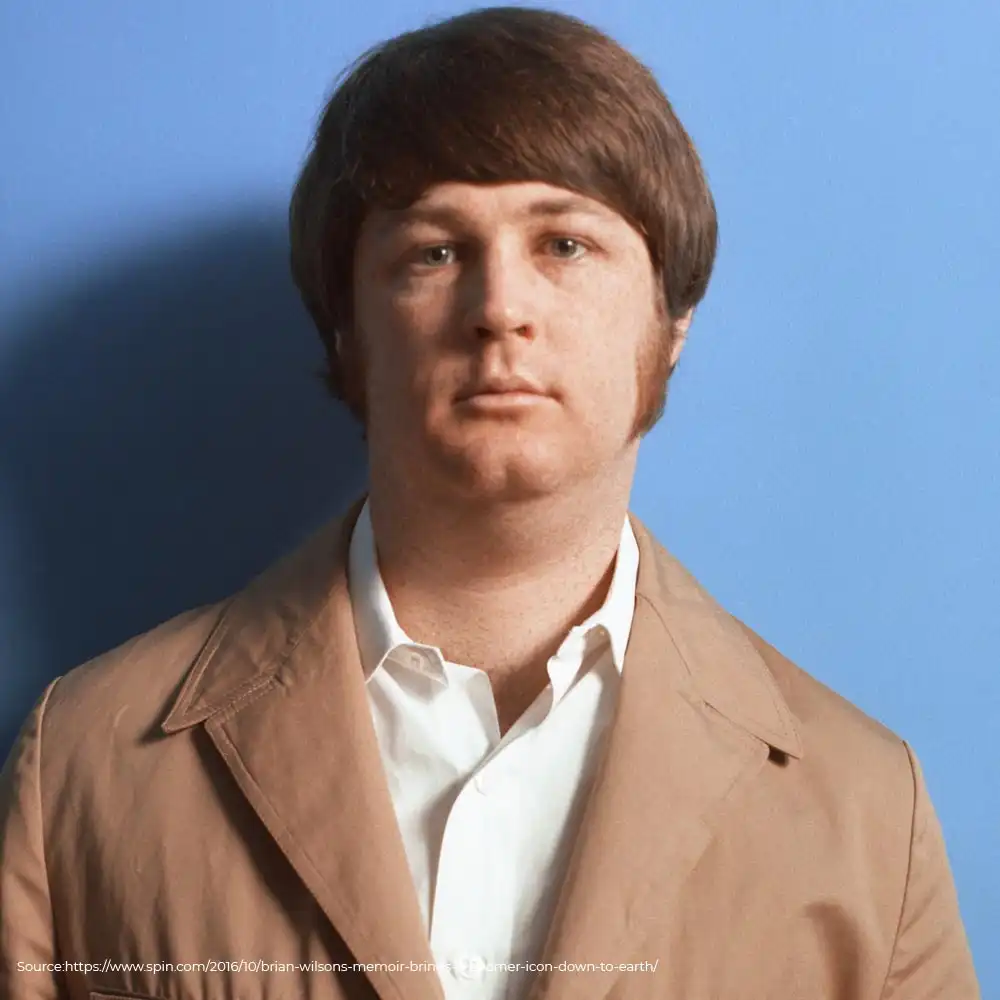
  1. Brian Wilson

Brian Wilson

Brian Wilson’s musical genius and turbulent personal struggles have made him an enduring figure in the annals of rock history. As a co-founder of the Beach Boys, Wilson helped shape the sound of an era with his innovative compositions and arrangements. Despite achieving immense success, Wilson’s life was marked by inner turmoil and mental health challenges.

Diagnosed with schizophrenia in his 30s, Wilson grappled with auditory hallucinations and battled addiction. Leading to periods of isolation and self-destructive behavior. His struggles took a toll on his voice and well-being. But Wilson persevered, eventually reclaiming his place in the spotlight with a series of solo albums in the 1990s.

Beyond his musical achievements, Wilson’s resilience in the face of adversity serves as a powerful testament to the human spirit. Inducted into the Rock and Roll Hall of Fame and honored by the Kennedy Center, Wilson’s legacy transcends his troubled past. Standing as a reminder of the transformative power of creativity and perseverance.

These individuals represent just a fraction of the famous faces who have confronted schizophrenia head-on, challenging stereotypes and fostering understanding.

Sleep Deprivation: A Silent Struggle among Celebrities:

In addition to Schizophrenia, another issue that often plagues celebrities is sleep deprivation. The relentless demands of fame, coupled with hectic schedules and constant scrutiny. It can take a toll on one’s mental and physical well-being. Many celebrities find themselves trapped in a cycle of sleepless nights. Struggling to maintain their public image while battling exhaustion behind the scenes.

From actors to musicians, the pressure to perform at the highest level can lead to chronic sleep deprivation. Exacerbating existing mental health issues and affecting the overall quality of life. Despite their outward success, these individuals grapple with the silent torment of sleepless nights, yearning for respite amidst the chaos of fame.

What are the dangers associated with disrupted sleep in individuals with schizophrenia?

Disturbed sleep is a significant concern for individuals with schizophrenia. As it can exacerbate both the symptoms of the disorder and its associated health risks.

Research indicates a strong connection between schizophrenia and sleep disturbances. Disruptions often manifest as an early symptom of the condition. These disturbances can include difficulty falling or staying asleep, irregular sleep patterns, and circadian rhythm disruptions.

The consequences of inadequate sleep can be profound. Not only does it intensify the symptoms of schizophrenia, such as disorganized thoughts, memory difficulties, and hallucinations. But it can also undermine the effectiveness of medications and treatment plans. This increases the risk of relapse and may necessitate adjustments to the individual’s treatment regimen.

Moreover, chronic sleep disturbances can take a toll on physical health. Contributing to issues such as weight gain, high blood pressure, a weakened immune system, and an elevated risk of diabetes. Thus, addressing sleep disruptions is crucial for managing schizophrenia comprehensively and promoting overall well-being.

Common sleep disruptions experienced by individuals with schizophrenia

People with schizophrenia often experience a variety of sleep disturbances, which can significantly impact their overall well-being. Here are some common sleep disturbances frequently observed in individuals with schizophrenia:

  • Insomnia: Difficulty falling asleep or staying asleep is a hallmark of insomnia. For individuals with schizophrenia, insomnia may be attributed to overactive dopamine receptors in the brain. A neurotransmitter implicated in both sleep regulation and schizophrenia pathology.
  • Obstructive Sleep Apnea (OSA): OSA occurs when airways become blocked during sleep. Leading to symptoms such as snoring, dry mouth, and poor sleep quality. Studies suggest that about 15% of people with schizophrenia may experience OSA potentially exacerbated by weight gain from antipsychotic medications.
  • Restless Leg Syndrome (RLS) and Periodic Limb Movement Disorder (PLMD): Restless Leg Syndrome (RLS) causes an uncontrollable urge to move the legs, disrupting sleep, while PLMD involves cramping or jerking the legs during sleep. Both are associated with high levels of dopamine, which are commonly observed in schizophrenia.
  • Circadian Rhythm Disorders: These disorders disrupt the body’s natural sleep-wake cycle, leading to irregular sleep patterns. Circadian rhythm disturbances are particularly prevalent among individuals with schizophrenia and may even serve as an early indicator of the condition.
  • Narcolepsy: Narcolepsy causes excessive daytime sleepiness and difficulty staying awake, often interfering with daily activities. While research on the association between schizophrenia and narcolepsy is limited. There is some evidence suggests a potential link between the two conditions.
  • Night-Eating Syndrome (NES): NES involves excessive nighttime eating, leading to reduced hunger during the day. Individuals with schizophrenia, especially those with insomnia or obesity, may be at an increased risk of developing NES.

Understanding and addressing these sleep disturbances is crucial for effectively managing schizophrenia. This improves the overall quality of life for affected individuals.

What impact does poor sleep have on schizophrenia?

Poor sleep can have profound effects on individuals with schizophrenia, exacerbating the challenges they already face due to their condition. Here’s how poor sleep affects schizophrenia:

  • Emotional Well-being: Individuals with schizophrenia and sleep problems often report feeling down, anxious, and restless. Poor sleep can contribute to mood swings, irritability, and apathy, making it difficult to cope with daily stressors.
  • Cognitive Functioning: Sleep disturbances impair concentration, memory, and overall cognitive performance. This can hinder the ability to focus, process information, and make decisions. It can further exacerbate difficulties in social interactions and daily tasks.
  • Motivation and Energy Levels: Poor sleep leads to a lack of motivation and low energy levels. Making it challenging to engage in activities or pursue goals. This can contribute to feelings of lethargy and disinterest in previously enjoyable activities.
  • Physical Health: Chronic sleep problems can have adverse effects on physical health. This includes weakened immune function, increased risk of obesity, and higher susceptibility to other medical conditions. It causes medical conditions such as diabetes and cardiovascular diseases.
  • Symptom Severity: Sleep difficulties can exacerbate symptoms of schizophrenia, leading to increased hallucinations, delusions, and other psychotic experiences. It can also contribute to heightened levels of rumination and intrusive thoughts, worsening overall symptomatology.
  • Quality of Life: Ultimately, poor sleep significantly impacts an individual’s quality of life. Limiting their ability to engage in social interactions, perform daily tasks, and experience restorative rest. The desire for restful sleep, both physically and mentally, becomes paramount for individuals with schizophrenia. This helps them cope with the challenges of their condition and lead fulfilling lives.

Take Away!

In a world obsessed with perfection, it’s essential to recognize the humanity behind the celebrity facade. The stories of these famous individuals serve as a reminder that mental illness knows no bounds. It can affect anyone, regardless of status or fame.

By speaking out about their struggles with schizophrenia and sleep deprivation, these celebrities have shattered stereotypes. They offered hope to those silently suffering in the shadows. Let’s continue to embrace empathy and understanding. Fostering a culture of acceptance and support for all those battling mental health challenges.

Let the stories of celebrities grappling with schizophrenia and sleep deprivation serve as a poignant reminder. As we pursue our goals, it’s crucial to prioritize our well-being, beginning with ensuring quality sleep. Let SmartMattressBuy.com serve as your trusted resource for embracing a healthier lifestyle and achieving better sleep.

FAQs on Schizophrenia

Q1. Can sleep deprivation trigger schizophrenia?

  • Similarly, individuals who remained awake for a continuous period of 24 hours began to exhibit symptoms resembling those of schizophrenia. The study postulated that the absence of sleep, (even for short durations) induces “brain chaos.” This impedes the brain’s ability to accurately filter information.

Q2. What is the best sleep aid for schizophrenia?

  • Studies indicate that melatonin therapy could yield beneficial results concerning sleep patterns, metabolic profile, and tardive dyskinesia (medication-induced movement disorder) among individuals diagnosed with schizophrenia.

Q3. How many hours of sleep deprivation cause hallucinations?

  • Perceptual distortions, anxiety, irritability, depersonalization, and temporal disorientation manifested within 24 to 48 hours of sleep deprivation. Subsequently, complex hallucinations and disordered thinking emerged after 48 to 90 hours, with delusions appearing after 72 hours. Beyond this point, the clinical presentation resembled acute psychosis or toxic delirium.

Other Articles!

  • Popular Celebs with Dysmorphia & Sleep Woes!
  • What Is Somniphobia (Fear Of Sleep)?
  • Popular but Tired Lifestyles Of Celebrities With Sleep Problems!
  • Confessions Of A Celebrity: 10 Secrets On Insomnia Revealed!

Reference:

  1. https://www.ncbi.nlm.nih.gov/pmc/articles/PMC6048360/#:~:text=Perceptual%20distortions%2C%20anxiety%2C%20irritability%2C,of%20acute%20psychosis%20or%20toxic
  2. https://www.webmd.com/schizophrenia/ss/slideshow-schizophrenia-famous-names
  3. https://www.healthyplace.com/thought-disorders/schizophrenia-movies-and-people/famous-people-and-celebrities-with-schizophrenia
  4. https://www.healthline.com/health/faces-of-schizophrenia
  5. https://psychcentral.com/schizophrenia/schizophrenia-and-sleep
Act of Confession: Popular Celebs with Dysmorphia & Sleep Woes!

Sleep Problems
Hey there, fellow celebrity enthusiasts and sleep health advocates!

Are you ready to dive into a topic that’s as important as it is often overlooked?

Today, we’re stepping into the world of body dysmorphia and sleep woes among some of your favorite celebrities. Yep, you heard it right!

These stars might seem to have it all – fame, fortune, and flawless appearances. These Celebs are plastered across magazine covers and social media feeds. But behind the glitz and glam, many are battling demons that are far from glamorous.

SmartMattressBuy.com is going to explore the stories of these celebrities who have bravely opened up about their struggles with body dysmorphia, shedding light on a condition that affects millions worldwide. From Hollywood heartthrobs to chart-topping musicians, no one is immune to the pressures of perfectionism and societal standards. And trust me, this is going to be a rollercoaster ride of emotions, empathy, and maybe even a sprinkle of inspiration.

But first, let’s break it down for those who might be unfamiliar with the term.

Body dysmorphia disorder (BDD) isn’t just your run-of-the-mill insecurity. It’s an obsessive anxiety disorder where individuals become fixated on perceived flaws in their appearance. Think of it as having a magnifying glass permanently glued to your self-image. Except the flaws you see are often blown way out of proportion. And the consequences?

Well, they can range from crippling self-doubt and depression to extreme measures like cosmetic surgery and eating disorders.

Now, I know what you’re thinking. How on earth can someone so beautiful, so talented, and so seemingly perfect struggle with something like this? Well, my friend, that’s exactly what we’re here to unravel. So buckle up, and grab your favorite snack! Let’s dive into the lives of these courageous souls who are breaking the silence surrounding body dysmorphia.

Female Celebrity with Dysphoria

First up on our list is none other than the stunning Megan Fox. Megan Fox, the stunning actress known for her roles in “Transformers” and “Jennifer’s Body.” Recently opened up about her battle with body dysmorphia. In a candid interview with Sports Illustrated, Fox revealed her ongoing struggle. She stated, “I don’t ever see myself the way other people see me… The journey of loving myself is going to be never-ending, I think.” Despite her undeniable beauty, Fox’s honesty sheds light on the pervasive nature of body image issues in the entertainment industry.

Megan Fox

Billie Eilish, the Grammy-winning pop sensation, has been transparent about her struggles with body dysmorphia. From her early experiences in dance class to the pressures of fame, Eilish has navigated a tumultuous relationship with her body. In an interview with Rolling Stone, she confessed, “That was the peak of my body dysmorphia. I couldn’t look in the mirror at all.” Despite her success, Eilish’s story reminds us that even the most celebrated artists are not immune to the effects of societal beauty standards.

Holly Madison is known for her time in the Playboy Mansion. She shared her battle with body dysmorphia in a revealing interview with People. Living under the scrutiny of Hugh Hefner’s gaze took a toll on Madison’s self-esteem. This led her to consider drastic measures to attain the “ideal” Playboy look. Madison’s story serves as a stark reminder of the damaging impact of unrealistic beauty standards perpetuated by the media.

Lili Reinhart, star of the hit series “Riverdale,” has been vocal about her struggle with body dysmorphia stemming from acne. In an interview with Glamour, Reinhart shared her experience of feeling self-conscious and anxious due to her skin condition. Despite her fame, Reinhart’s honesty about her insecurities highlights the importance of destigmatizing mental health struggles in the spotlight.

Lili Reinhart

Demi Lovato, the powerhouse vocalist and advocate, has been a vocal advocate for mental health awareness, particularly regarding eating disorders and body dysmorphia. In an interview on Pretty Big Deal with Ashley Graham, Lovato revealed her past struggles. Her experience with exercise and food obsession acknowledges the blurred lines between recovery and relapse. Lovato’s transparency serves as a beacon of hope for those battling similar demons.

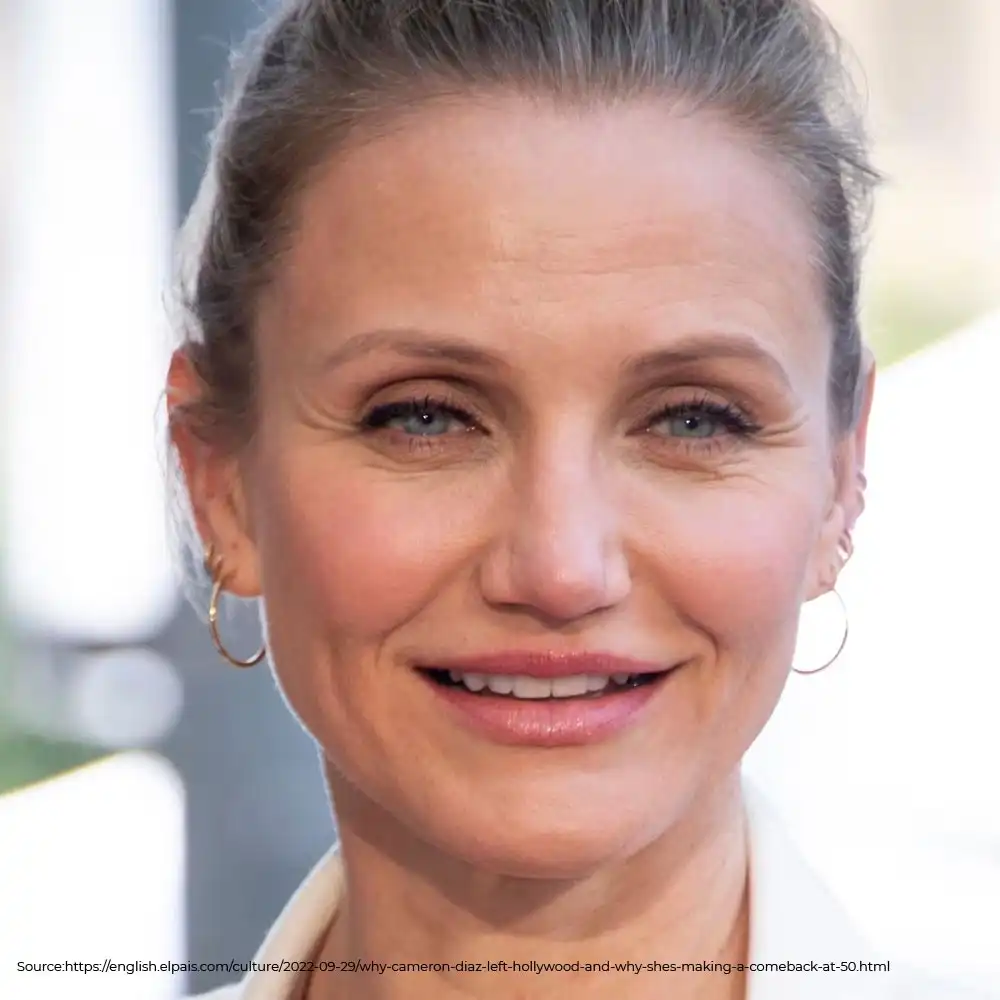
Cameron Diaz, the beloved actress and author, has spoken out about her struggles with societal beauty standards and body dysmorphia. In an interview on the podcast Rule Breakers, Diaz reflected on her journey toward self-acceptance. She acknowledges the harmful impact of societal objectification on women’s self-esteem. Diaz’s story serves as a testament to the importance of embracing authenticity in a world obsessed with perfection.

Cameron Diaz

Hayden Panettiere is known for her roles in various TV shows and movies. She has been candid about her struggles with body dysmorphia. Particularly during her teenage years when she was constantly scrutinized by the media. Despite facing criticism and ridicule for her appearance. Panettiere has emphasized the importance of self-acceptance and understanding that beauty is subjective. Her openness about overcoming body dysmorphia serves as an inspiration for others struggling with similar issues.

Tallulah Willis, the daughter of Demi Moore and Bruce Willis, has bravely shared her journey with body dysmorphia, recounting the pressure she felt to resemble her mother and the distress it caused her. Through her candid Instagram posts, Willis promotes self-love and acceptance at any size or stage of life. Her coping mechanisms, such as taking breaks from social media and finding solace in literature, offer valuable insights into managing BDD spirals and prioritizing mental well-being.

Reality star Chloe Ferry has opened up about her battle with body dysmorphia, which led her to undergo numerous cosmetic surgeries in pursuit of perfection. Despite spending a significant amount on plastic surgery, Ferry realized that true happiness comes from self-acceptance rather than external alterations. Her story highlights the dangers of equating physical appearance with self-worth and the importance of embracing one’s unique beauty.

Sarah Michelle Gellar, best known for her role in “Buffy the Vampire Slayer,” has acknowledged her struggle with body dysmorphic disorder, emphasizing that it’s a common issue among women. By speaking openly about her experiences, Gellar helps reduce the stigma surrounding BDD and encourages others to seek support and understanding.

Actress Brittany Snow has bravely shared her journey with multiple mental health challenges, including anorexia, exercise bulimia, depression, and body dysmorphia. Despite her successful career, Snow’s story underscores the prevalence of mental health issues in the entertainment industry and the importance of seeking help and support.

Miley Cyrus, known for her Disney Channel days as Hannah Montana, has spoken about the body image issues and identity crisis she experienced as a result of her early fame. Her candidness about the pressures of being in the spotlight sheds light on the detrimental effects of societal beauty standards on mental health.

Miley Cyrus

Taylor Swift’s documentary “Miss Americana” provides insight into her battle with body dysmorphia and eating disorders, triggered by the relentless scrutiny of her appearance in the media. Swift’s vulnerability in sharing her struggles encourages others to prioritize mental health and self-care.

Amandla Stenberg, known for her roles in films like “The Hate U Give,” has addressed the pressure to conform to unrealistic beauty standards in Hollywood. Stenberg’s advocacy for body positivity and self-acceptance challenges harmful societal norms and promotes inclusivity.

Reality star Lauren Goodger has been vocal about her battle with body dysmorphia, expressing her ongoing struggle with self-image despite external validation. Goodger’s honesty about her experiences encourages others to seek professional help and prioritize their mental well-being.

Reality star Marnie Simpson has shared her journey with body dysmorphia, acknowledging her tendency to criticize herself harshly in front of the mirror. Simpson’s decision to swear off cosmetic procedures highlights the importance of self-acceptance and embracing imperfection.

Lana Condor, known for her roles in “To All the Boys I’ve Loved Before,” has spoken about her experience with body dysmorphia and eating disorders. By advocating for body positivity and celebrating food, Condor promotes self-love and acceptance in the face of societal pressures.

Shirley Manson, the lead singer of Garbage, has openly discussed her struggles with body dysmorphic disorder, recounting the obsessive rituals she engaged in regarding her appearance. Despite her success in the music industry, Manson battled with feelings of inadequacy and self-doubt, emphasizing the toll that societal beauty standards can take on one’s mental health. Her journey toward self-acceptance is a powerful reminder of the importance of prioritizing inner well-being over external validation.

Male celebrity with Dysphoria

Robert Pattinson, known for his role as Edward Cullen in the “Twilight” saga, has spoken candidly about his experiences with body dysmorphia and anxiety. Despite his heartthrob status, Pattinson has admitted to feeling immense pressure to conform to Hollywood’s beauty standards, leading to debilitating anxiety. Pattinson’s vulnerability reminds us that even Hollywood heartthrobs face internal battles with self-image.

Robert Pattinson

Sam Smith, the Grammy-winning singer-songwriter, has been transparent about their struggles with body image and body dysmorphia. Smith’s journey towards self-acceptance and reclaiming their body serves as a source of inspiration for fans facing similar challenges.

Ed Sheeran has spoken openly about his body image struggles, highlighting the importance of breaking the stigma surrounding men’s mental health issues. By sharing his experiences, Sheeran encourages others to seek help and support without shame or judgment.

Reid Ewing, known for his role in “Modern Family,” has bravely shared his journey with body dysmorphic disorder (BDD) and the detrimental impact of cosmetic surgeries. Despite his initial belief that surgery would transform his appearance, Ewing faced disappointment and anguish after multiple procedures. His story sheds light on the ethical considerations surrounding cosmetic surgery and the importance of addressing underlying mental health issues.

Famous Celebrity with Dysmorphia

Michael Jackson, the legendary “King of Pop,” endured a lifelong struggle with body image issues, possibly stemming from childhood trauma and exacerbated by fame. His extensive cosmetic surgeries and efforts to conceal his appearance suggest underlying psychological distress, including body dysmorphic disorder. Jackson’s story highlights the complex relationship between celebrity, identity, and mental health in the public eye.

Michael Jackson

Andy Warhol, the iconic pop artist, grappled with body dysmorphia, as evidenced by his preoccupation with his physical appearance and attempts to alter it through cosmetic procedures. His artwork reflects themes of self-perception and societal beauty ideals, providing insight into his personal struggles with body image. Warhol’s story underscores the pervasive nature of body dysmorphia across diverse fields, including the arts.

Franz Kafka, the renowned author of “Metamorphosis,” documented his profound self-loathing and dissatisfaction with his appearance in his diaries, suggesting a struggle with body dysmorphic disorder. Despite his literary success, Kafka’s writings reveal a deep-seated insecurity regarding his physical appearance, highlighting the psychological impact of distorted self-perception. Kafka’s story serves as a poignant reminder of the internal battles faced by individuals with BDD, regardless of external achievements.

Sylvia Plath, the celebrated poet and novelist, expressed profound self-criticism and dissatisfaction with her appearance in her writings, indicating a potential struggle with body dysmorphic disorder. Despite her literary prowess, Plath’s introspective reflections reveal a persistent sense of ugliness and imperfection, underscoring the devastating effects of distorted self-image on mental health. Plath’s story illuminates the intersection of creativity, identity, and body image in the context of mental illness.

Dove Cameron Shares Her Journey through Dysphoria and Identity Challenges

Dove Cameron

Dove Cameron’s emotional post on Instagram, where she bravely opened up about her struggles with dysphoria and identity, sheds light on the deeply personal journey many individuals face in understanding and accepting themselves. As a beloved figure in the entertainment industry, Cameron’s candidness resonates with fans who may also grapple with similar feelings of uncertainty and self-doubt.

In her heartfelt message, Cameron reflects on the dichotomy between her inner sense of self and the external perceptions imposed upon her. She expresses a profound connection to her inner identity, likening it to a cherished part of herself that she deeply loves and protects. However, she also acknowledges the pervasive belief that who she is may be fundamentally wrong or inadequate, leading to a constant struggle to reconcile conflicting aspects of her identity.

One of the poignant themes in Cameron’s post is her exploration of gender and the complexities of navigating societal expectations and personal authenticity. She articulates feelings of disconnection from her perceived outward identity, describing moments of discomfort and alienation from the reflection she sees in the mirror. Despite grappling with these challenges, she maintains a sense of curiosity and openness to self-discovery, acknowledging that her journey towards understanding may be ongoing and non-linear.

Cameron’s vulnerability in sharing her experiences resonates with many, highlighting the importance of fostering empathy and understanding towards individuals navigating their gender identity and self-expression. Her courage in speaking openly about her struggles with dysphoria contributes to broader conversations surrounding mental health, self-acceptance, and the diverse experiences within the LGBTQ+ community.

Moreover, Cameron’s contributions to queer representation in the entertainment industry have been significant, amplifying voices and experiences that are often marginalized or overlooked. Through her artistry and advocacy, she continues to empower and uplift members of the LGBTQ+ community, inspiring others to embrace their identities authentically and unapologetically.

Diving into the World of Body Dysmorphic Disorder (BDD)

Imagine waking up every day feeling like there’s something fundamentally flawed about your appearance. Your mind becomes consumed by obsessive thoughts about perceived flaws, and you find yourself engaging in repetitive behaviors to try to alleviate the distress. This is the reality for individuals living with Body Dysmorphic Disorder (BDD), a condition that affects up to 3% of the adult population, according to estimates.

BDD, nestled under the umbrella of Obsessive-Compulsive and Related Disorders, isn’t just about not feeling confident in your skin. It’s a relentless battle with obsessive concerns about one’s appearance, often accompanied by compulsive rituals aimed at fixing perceived flaws. The impact goes far beyond the surface, infiltrating every aspect of life, from social interactions to work performance. And the toll it takes on mental health is staggering, with increased risks of suicidal thoughts and behaviors, along with a host of other psychiatric conditions

Enter cognitive behavioral therapy (CBT), heralded as the gold standard for treating BDD. Yet, despite its effectiveness, a significant number of individuals either don’t receive CBT or fail to respond adequately to treatment.

The question looms: what else could be standing in the way of finding relief for those battling BDD?

One potential culprit that’s flown under the radar is sleep disruption. We’re talking about those restless nights, tossing and turning as worries about appearance swirl in the mind. Sleep problems are notorious for wreaking havoc on mental health, exacerbating symptoms of depression, anxiety, and PTSD, and throwing a wrench in treatment efforts.

Understanding Dysphoria: A Deep Dive into Mental Discomfort

In the intricate landscape of mental health, dysphoria emerges as a poignant expression of unease and dissatisfaction. It’s a subtle yet profound state of mind that often accompanies various mental illnesses, offering a glimpse into the complex workings of the human psyche. In this comprehensive exploration, we delve into the depths of dysphoria, deciphering its nuances, manifestations, underlying causes, and coping strategies.

Unveiling Dysphoria: A State of Mental Discomfort

Dysphoria, often characterized by a pervasive sense of unease, is akin to walking through a fog of discontentment. It’s not a standalone diagnosis but rather a symptom intertwined with several mental health conditions such as anxiety, depression, and substance use disorders. In essence, dysphoria paints a canvas of emotional turbulence, contrasting sharply with the euphoria of extreme happiness.

Recognizing the Signs: Navigating the Landscape of Dysphoria

Identifying dysphoria amidst the cacophony of emotions is akin to deciphering a complex code. It manifests through various signs, serving as subtle indicators of inner turmoil. Apathy, fatigue, and low life satisfaction form the backdrop of this emotional landscape, overshadowed by the shadows of sadness, unease, and worry. Individuals grappling with dysphoria often find themselves adrift in a sea of negative thoughts, pondering implausible outcomes, and wrestling with an uncertain future.

Navigating the Maze of Dysphoria: Understanding Symptoms and Causes

In the intricate tapestry of human emotions, dysphoria emerges as a complex interplay of unhappiness and irritability, casting a shadow over the landscape of mental well-being. While fleeting moments of discontent may ebb and flow like tides, persistent dysphoria signals a deeper undercurrent of emotional turmoil, warranting closer examination. In this exploration, we unravel the symptoms and delve into the underlying causes of dysphoria, shedding light on the enigmatic nature of this pervasive mood state.

Decoding the Symptoms: Unveiling the Shades of Dysphoria

Dysphoria, like a chameleon, adopts various guises, manifesting through a spectrum of emotions that range from subtle dissatisfaction to profound distress. At its core, dysphoria encompasses both unhappiness and irritability, weaving a web of discomfort that ensnares the individual in a state of emotional unrest.

  • Unhappiness: The contours of unhappiness are as varied as the human experience itself. It may manifest as a lingering sense of discontent with one’s life circumstances or a pervasive feeling of unease that defies explanation. Dissatisfaction permeates the fabric of daily existence, casting a shadow over even the most mundane of activities.
  • Irritability: Like a smoldering ember, irritability simmers beneath the surface, erupting into flames at the slightest provocation. Minor inconveniences morph into major grievances, and frustrations mount with alarming speed. Restlessness pervades every aspect of life, making it difficult to find solace or stillness amidst the chaos.

Tracing the Origins: Exploring the Causes of Dysphoria

The genesis of dysphoria lies shrouded in mystery, its roots entwined with a myriad of factors that shape the landscape of human experience. From external stressors to internal conflicts, dysphoria finds fertile ground in the fertile soil of adversity and uncertainty.

  • Stress: The relentless onslaught of stress, whether from work, home, or the complexities of modern life, serves as a fertile breeding ground for dysphoria. While transient stressors may trigger temporary fluctuations in mood, chronic stressors can cultivate a pervasive sense of discontent that permeates every aspect of existence.
  • Grief: The specter of grief casts a long shadow over the human psyche, leaving in its wake a trail of emotional devastation. While mourning is a natural part of the human experience, unresolved grief can give rise to dysphoria, trapping individuals in a cycle of despair and anguish.
  • Medical Conditions: The body and mind are intricately intertwined, their fates inexorably linked by the delicate balance of biochemical processes. Medical conditions, ranging from hypoglycemia to chronic illnesses like cancer or diabetes, can wreak havoc on the delicate equilibrium of mental well-being, giving rise to dysphoric moods that defy conventional treatment.
  • Mental Illnesses: The tangled web of mental illness casts a wide net, ensnaring individuals in a maelstrom of emotional upheaval. Generalized anxiety disorder, major depression, borderline personality disorder, and bipolar disorder are just a few of the conditions associated with dysphoric moods, each leaving its indelible mark on the psyche.
  • Relationship Problems: The tapestry of human relationships is woven with threads of love, trust, and intimacy, but it is also fraught with pitfalls and challenges. Dysphoria often rears its head in the midst of relational strife, reflecting the underlying discord and dysfunction that permeate troubled partnerships.

Untangling the Web: Exploring the Causes of Dysphoria

The roots of dysphoria delve deep into the soil of human experience, intertwining with various factors to create a complex tapestry of emotional distress. From environmental stressors to underlying health conditions and the side effects of medications, dysphoria finds its origins in a myriad of sources. The loss of a loved one, a toxic work environment, or even a deficiency in essential nutrients can all contribute to the onset of dysphoria, underscoring its multifaceted nature.

Navigating the Nexus: Dysphoria and Other Mental Health Conditions

Dysphoria, like a chameleon, seamlessly blends into the spectrum of mental health disorders, making its presence felt across various diagnoses. Whether it’s adjustment disorder, bipolar disorder, depression, or personality disorders, dysphoria often serves as a silent companion, amplifying the symptoms and exacerbating the challenges faced by individuals battling these conditions. Substance use disorders further complicate the picture, with dysphoria acting as both a cause and consequence of heavy drinking or tobacco use.

The Gender Divide: Exploring Gender Dysphoria

Among the myriad forms of dysphoria, gender dysphoria stands out as a poignant expression of identity conflict. The distress stemming from the misalignment between one’s assigned sex at birth and their gender identity paints a stark picture of inner turmoil. While transitioning offers a glimmer of hope for some, others continue to grapple with dysphoria, navigating the complexities of self-discovery and societal acceptance.

Tardive Dysphoria: The Lingering Shadow of Chronic Depression

In the realm of mental health, some individuals find themselves ensnared in the grip of chronic depression, resistant to conventional treatments and impervious to fleeting moments of respite. Tardive dysphoria emerges as a somber reminder of this relentless battle, linked to the prolonged use of antidepressants. As hope flickers in the darkness, those afflicted by this condition grapple with the daunting prospect of finding solace amidst the shadows.

Embracing Hope: Coping Strategies for Dysphoria

Amidst the labyrinth of dysphoria, glimmers of hope illuminate the path towards healing and resilience. While professional interventions offer a lifeline for many, lifestyle modifications serve as pillars of support, bolstering individuals in their quest for emotional equilibrium. Adjusting routines, prioritizing nutrition, engaging in regular exercise, and fostering social connections offer rays of light amidst the darkness, empowering individuals to navigate the tumultuous seas of dysphoria with resilience and grace.

Dysphoria in Diagnosis: Understanding Specific Conditions

Within the realm of mental health diagnoses, the term “dysphoria” holds significance in delineating specific conditions that encompass a spectrum of emotional distress. These diagnoses go beyond transient mood fluctuations, embodying complex interplays of biology, psychology, and societal constructs. Let’s explore some of these conditions where “dysphoria” is a key descriptor and the implications they carry for individuals navigating their mental health journey.

  1. Gender Dysphoria: A Journey of Identity

Gender dysphoria stands as a poignant testament to the intricate dance between one’s assigned sex at birth and their deeply felt gender identity. For individuals grappling with this condition, the discrepancy between their innate sense of self and societal expectations manifests as profound emotional upheaval. The distress permeates every aspect of their existence, casting shadows over relationships, self-image, and societal acceptance.

Recognizing and addressing gender dysphoria requires a nuanced approach, one that prioritizes empathy, understanding, and affirming care. From exploring gender-affirming interventions to fostering safe spaces for self-expression, the journey toward authenticity is paved with both challenges and triumphs.

  1. What is Premenstrual Dysphoric Disorder?

Premenstrual Dysphoric Disorder (PMDD) is a severe form of premenstrual syndrome (PMS) characterized by significant emotional and physical symptoms that occur in the luteal phase of the menstrual cycle. Unlike PMS, which is relatively common and may cause mild discomfort, PMDD involves symptoms that are severe enough to interfere with daily functioning and quality of life.

PMDD typically manifests in the week or two before menstruation and subsides shortly after the onset of menstrual bleeding. The symptoms of PMDD can vary widely among individuals but commonly include:

  • Mood Symptoms: Severe mood swings, irritability, anger, depression, anxiety, and feelings of hopelessness are hallmark features of PMDD. These mood disturbances are often disproportionate to the circumstances and can significantly impact relationships and daily activities.
  • Physical Symptoms: Physical symptoms of PMDD may include breast tenderness, bloating, fatigue, headaches, joint or muscle pain, and changes in appetite or sleep patterns.
  • Cognitive Symptoms: Some individuals with PMDD may experience cognitive symptoms such as difficulty concentrating, confusion, forgetfulness, and decreased interest in usual activities.
  • Behavioral Symptoms: PMDD can also lead to changes in behavior, including increased sensitivity to rejection, social withdrawal, impulsivity, and heightened conflict with others.

PMDD is believed to be caused by the fluctuation of hormones, particularly estrogen and progesterone, during the menstrual cycle. These hormonal changes can affect neurotransmitters such as serotonin, which plays a role in regulating mood. Additionally, genetic factors, neurotransmitter abnormalities, and environmental factors may contribute to the development of PMDD.

Diagnosing PMDD involves a thorough evaluation by a healthcare provider, including a review of symptoms, medical history, and ruling out other underlying conditions that could mimic PMDD. Treatment options for PMDD may include:

  • Lifestyle Modifications: Adopting healthy lifestyle habits such as regular exercise, stress management techniques, balanced nutrition, and adequate sleep can help alleviate symptoms of PMDD.
  • Medications: Certain medications, such as selective serotonin reuptake inhibitors (SSRIs), antidepressants, hormonal contraceptives, and nonsteroidal anti-inflammatory drugs (NSAIDs), may be prescribed to help manage mood, physical, and cognitive symptoms of PMDD.
  • Psychotherapy: Cognitive-behavioral therapy (CBT), interpersonal therapy, and other forms of psychotherapy can be beneficial in helping individuals develop coping strategies, improve communication skills, and address underlying psychological factors contributing to PMDD.
  • Alternative Therapies: Some individuals may find relief from PMDD symptoms through alternative therapies such as acupuncture, yoga, herbal supplements, and dietary changes. However, it’s essential to consult with a healthcare provider before trying any alternative treatments.

Overall, PMDD can have a significant impact on an individual’s quality of life, but with appropriate diagnosis and treatment, many people can effectively manage their symptoms and lead fulfilling lives. If you or someone you know is experiencing severe premenstrual symptoms, it’s essential to seek support from a healthcare provider to explore available treatment options.

  1. Anxiety Disorder – Mental Disorder

Anxiety disorder, in its various forms, can indeed manifest with dysphoric symptoms. Dysphoria, as described earlier, involves a profound sense of unease or dissatisfaction, often accompanied by feelings of sadness, irritability, or tension. While anxiety disorders primarily involve excessive worry, fear, or apprehension, individuals experiencing these conditions may also present with dysphoric mood symptoms.

Dysphoria in Anxiety Disorders:

Generalized Anxiety Disorder (GAD): Individuals with GAD may experience persistent worry and anxiety about various aspects of life, accompanied by a dysphoric mood. They may feel tense, irritable, or restless, and have difficulty controlling their worrying thoughts. This dysphoria can contribute to feelings of dissatisfaction with life circumstances and a sense of inner tension.

  • Panic Disorder: While panic attacks primarily involve intense fear or discomfort, they can also lead to dysphoric symptoms. Following a panic attack, individuals may experience residual feelings of sadness, hopelessness, or irritability. Fear of experiencing another panic attack can also contribute to ongoing dysphoric mood symptoms.
  • Social Anxiety Disorder (Social Phobia): Social anxiety disorder often co-occurs with dysphoric mood symptoms, particularly in anticipation of social situations. Individuals may feel deeply unhappy or tense before social interactions, fearing judgment or embarrassment. These dysphoric feelings may persist during or after social encounters, contributing to social withdrawal or avoidance behaviors.
  • Obsessive-Compulsive Disorder (OCD): Dysphoric mood symptoms can accompany the distressing obsessions and compulsions characteristic of OCD. Individuals may feel overwhelmed by intrusive thoughts or distressed by their inability to control compulsive behaviors. This dysphoria can exacerbate feelings of frustration, guilt, or shame associated with the disorder.
  • Post-Traumatic Stress Disorder (PTSD): PTSD often involves dysphoric mood symptoms in addition to the hallmark features of the disorder, such as intrusive memories and hypervigilance. Individuals may experience profound sadness, irritability, or emotional numbness as they grapple with the aftermath of a traumatic event. Dysphoric mood symptoms may fluctuate in intensity over time, influenced by triggers or reminders of the trauma.

Treatment Approach:

Addressing dysphoric mood symptoms in the context of anxiety disorders requires a comprehensive treatment approach. Alongside interventions targeting anxiety symptoms, such as cognitive-behavioral therapy (CBT) and medication management, it’s essential to address underlying dysphoria and associated mood disturbances. This may involve techniques to enhance mood regulation, coping skills for managing negative emotions, and exploring underlying factors contributing to dysphoric mood symptoms.

Moreover, fostering a supportive therapeutic relationship and creating a safe space for individuals to express and process their emotions can be instrumental in addressing dysphoric symptoms within the context of anxiety disorders. By addressing both anxiety and dysphoria, individuals can experience holistic healing and improved overall well-being.

  1. Eating disorders – Mental disorder

Eating disorders, encompass conditions such as anorexia nervosa, bulimia nervosa, binge eating disorder, and others. This can indeed be associated with dysphoric symptoms. Dysphoria is characterized by a deep sense of unease or dissatisfaction. This can intertwine with the complex emotional landscape of individuals struggling with eating disorders. Exacerbating their challenges and influencing their behaviors.

Dysphoria in Eating Disorders:

  • Anorexia Nervosa: Individuals with anorexia nervosa often experience intense fear of gaining weight or becoming fat. This leads to restrictive eating behaviors and significant weight loss. This fear of weight gain can be accompanied by dysphoric mood symptoms such as sadness, anxiety, or irritability. Dysphoria may stem from distorted body image perceptions. It also includes feelings of inadequacy, or the relentless pursuit of thinness, which can overshadow other aspects of life satisfaction.
  • Bulimia Nervosa: Bulimia nervosa is characterized by recurrent episodes of binge eating. Followed by compensatory behaviors such as self-induced vomiting, excessive exercise, or fasting. Dysphoria may arise in the aftermath of binge episodes. Individuals grapple with feelings of guilt, shame, or disgust over their eating behaviors.

The cycle of bingeing and purging can perpetuate dysphoric mood symptoms. Contributing to a sense of despair or hopelessness.

  • Binge Eating Disorder (BED): Individuals with BED frequently engage in episodes of excessive food consumption. Often in response to emotional distress or negative mood states. Dysphoria may precede binge episodes, serving as a trigger for compulsive overeating as individuals seek temporary relief from unpleasant emotions. However, this coping mechanism can ultimately exacerbate dysphoric symptoms, leading to feelings of remorse, self-loathing, or loss of control.
  • Other Specified Feeding or Eating Disorders (OSFED): OSFED encompasses a range of eating disorders. This does not meet the full diagnostic criteria for anorexia nervosa, bulimia nervosa, or BED. Dysphoric mood symptoms may be prevalent in individuals with OSFED. Particularly those struggling with atypical eating patterns, body image disturbances, or weight fluctuations. The intersection of dysphoria with disordered eating behaviors can complicate treatment and recovery efforts.

Treatment Approach:

Addressing dysphoric symptoms within the context of eating disorders necessitates a multifaceted treatment approach. This targets both the psychological and behavioral aspects of the condition. Key components of treatment may include:

  • Psychotherapy: Various forms of psychotherapy. Such as cognitive-behavioral therapy (CBT), dialectical behavior therapy (DBT), or interpersonal therapy. This can help individuals explore underlying emotions, and challenge maladaptive thoughts and beliefs. Also helps develop healthier coping strategies for managing dysphoria and other emotional triggers.
  • Nutritional Counseling: Working with registered dietitians or nutritionists can provide individuals with practical guidance. Especially on establishing balanced eating patterns, and challenging food-related fears or restrictions.  Also, fostering a positive relationship with food and body image.
  • Medication Management: In some cases, psychiatric medications such as antidepressants or mood stabilizers may be prescribed to alleviate dysphoric symptoms. Particularly when co-occurring mood disorders or anxiety disorders are present alongside the eating disorder.
  • Support Groups: Participating in support groups or peer-led recovery communities. This can offer individuals validation, encouragement, and a sense of belonging. As they navigate the challenges of eating disorder recovery. Sharing experiences and coping strategies with others who have faced similar struggles can be empowering and reassuring.
  • Family-Based Treatment: For adolescents and young adults with eating disorders. Involving family members in treatment through family-based treatment (FBT) or similar approaches can facilitate communication. It also addresses familial dynamics, and provides essential support for the individual’s recovery journey.

By addressing dysphoric symptoms in conjunction with disordered eating behaviors. Individuals with eating disorders can work towards healing their relationship with food, body image, and emotional well-being. Treatment providers need to approach each individual. Holistically, recognizing the interconnectedness of physical, psychological, and emotional factors in the recovery process.

  1. Masculinity Dysphoria

Masculinity dysphoria refers to a condition in which individuals experience distress or dissatisfaction. With aspects of their masculinity or the societal expectations placed upon them based on their gender identity. This phenomenon can occur within the context of gender identity struggles, and societal pressures. Or conflicting perceptions of what it means to embody masculinity.

Understanding Masculinity Dysphoria:

  • Gender Identity Struggles: For some individuals, masculinity dysphoria may stem from a misalignment. Between their gender identity and societal expectations associated with masculinity. This can occur in transgender or non-binary individuals who may feel discomfort or distress with being perceived as masculine. Or adhering to traditional masculine norms. The dissonance between one’s internal sense of gender and external expectations can lead to dysphoria and emotional distress.
  • Societal Pressures: Society often imposes rigid and narrow definitions of masculinity. Emphasizing traits such as strength, stoicism, dominance, and emotional restraint. Individuals who do not conform to these expectations or who express traits that are perceived as “non-masculine”. They may experience social stigma, discrimination, or internalized shame. This societal pressure to conform to masculine norms can contribute to feelings of inadequacy, insecurity, or dysphoria.
  • Conflicting Perceptions: Masculinity dysphoria can also arise from internal conflicts or contradictions within an individual’s understanding of masculinity. For example, a person may feel conflicted about expressing vulnerability, and emotional sensitivity. Or nurturing behaviors due to societal expectations that equate masculinity with toughness or emotional stoicism. These conflicting perceptions of masculinity can create internal tension and distress.

Manifestations of Masculinity Dysphoria:

  • Emotional Distress: Individuals experiencing masculinity dysphoria may feel profound emotional distress, including feelings of sadness, anxiety, shame, or self-doubt. These emotions may stem from the perceived failure to meet societal expectations of masculinity. Or from internal struggles with gender identity.
  • Body Image Concerns: Masculinity dysphoria can also manifest in body image concerns related to physical appearance. Muscle mass, or other physical attributes associated with masculinity. Individuals may feel dissatisfaction with their bodies. Or may engage in behaviors such as excessive exercise, or steroid use. Also, restrictive eating patterns in an attempt to conform to masculine ideals.
  • Social Isolation: The fear of judgment or rejection based on perceived deviations from masculine norms. This may lead individuals to withdraw socially or avoid situations where their masculinity may be questioned. This social isolation can exacerbate feelings of loneliness, alienation, or dysphoria.
  • Identity Confusion: Masculinity dysphoria may contribute to confusion or ambivalence about one’s identity. Particularly for individuals who grapple with conflicting feelings about their gender expression or societal roles. This uncertainty about where one fits within the spectrum of masculinity. This can intensify feelings of dysphoria and psychological distress.

Addressing Masculinity Dysphoria:

  • Self-Exploration: Individuals experiencing masculinity dysphoria may benefit from self-exploration and reflection. On their gender identity, values, and personal beliefs about masculinity. This process can involve questioning societal norms, challenging internalized stereotypes, and embracing a more fluid and authentic expression of gender.
  • Therapy: Therapy or counseling with a knowledgeable mental health professional can provide a supportive space. Specially for individuals to explore their feelings, and address underlying issues contributing to dysphoria. This helps develop coping strategies for managing distress. Cognitive-behavioral therapy (CBT), acceptance and commitment therapy (ACT), or gender-affirming therapy may be particularly helpful for navigating masculinity dysphoria.
  • Community Support: Connecting with supportive communities or peer groups of individuals who share similar experiences. Can provide validation, solidarity, and a sense of belonging. Online forums, support groups, or LGBTQ+ organizations may offer resources, advocacy, and social support for individuals navigating masculinity dysphoria.
  • Education and Advocacy: Education about gender diversity, masculinity, and the harmful effects of rigid gender norms. Can help challenge stereotypes and promote acceptance and inclusivity. Advocacy efforts aimed at reducing stigma, discrimination, and gender-based expectations can create more affirming environments for individuals experiencing masculinity dysphoria.

Overall, addressing masculinity dysphoria requires a compassionate and understanding approach that acknowledges the complexity of gender identity and expression. By fostering self-acceptance, challenging societal norms, and seeking support from affirming communities. Individuals can navigate masculinity dysphoria with greater resilience and authenticity.

Take Away!

Dysphoria, a complex state of profound unease and dissatisfaction. This knows no boundaries – not even in the realm of the rich and famous. Even celebrities, with their glamorous lifestyles, are not immune to its grasp. The spotlight may shine brightly on them. But behind the scenes, they may grapple with dysphoric feelings that disrupt their sense of well-being.

Moreover, dysphoria’s impact extends beyond emotional turbulence, reaching into the realm of sleep. The intricate relationship between dysphoria and sleep disruption is a two-way street. On one hand, dysphoria can lead to difficulties falling asleep or staying asleep. Racing thoughts and emotional distress make it hard to find rest. On the other hand, poor sleep quality exacerbates dysphoric symptoms. It amplifies feelings of unease and contributes to a vicious cycle of distress.

Understanding the interplay between dysphoria and sleep is essential for effectively addressing both issues. Recognize the signs of dysphoria and implement strategies to improve sleep hygiene. Individuals – including celebrities – can take proactive steps toward reclaiming their mental and emotional well-being.

Therefore, allow the experiences of celebrities facing dysmorphia and sleep challenges to resonate as a reminder. While chasing our aspirations, let’s prioritize our well-being, starting with quality sleep. Let SmartMattressBuy.com be your guide to a healthier lifestyle and better sleep.

FAQs on Dysphoria!

Q1. What famous person has body dysmorphia?

  • Robert Pattinson, renowned for his role in the Twilight movies, candidly shared his struggle with BDD. He citing it as a source of “overall tremendous anxiety.”

Q2. Who is the actress with body dysmorphia?

  • Jane Fonda, the iconic actress who gained fame and later became a fitness icon. She has spoken openly about her struggles with body image during her younger years.

Q3. Does Billie Eilish have body dysmorphic disorder?

  • In an interview with Rolling Stone, Billie Eilish delved into her challenges with self-perception and body image. She revealed that at the height of her struggles with BDD. She couldn’t even bear to look at herself in a mirror.

Q4. Can you be attractive and have body dysmorphia?

  • Despite their objective attractiveness, individuals grappling with BDD may often be misunderstood as vain. Consequently, their condition may go undiagnosed or dismissed, exacerbating their struggles.

Q5. How a person with body dysmorphia see themselves?

  • Individuals with body dysmorphic disorder frequently engage in compulsive behaviors. Such as constant mirror-checking, driven by a belief in their perceived physical flaws. They may also seek reassurance from others about their appearance.

Celebrity Articles!

  1. Popular But Tired Lifestyles Of Celebrities With Sleep Problems!
  2. Tom Hiddleston Spills The Secrets On Better Sleep!
  3. Confessions Of A Celebrity On Insomnia Revealed!
  4. What This Movie Has To Talk About Sleep!

Reference:

  1. Albohy, Amgad. “https://www. sciencedirect. com/science/article/abs/pii/S0378874123004993? via% 3Dihub.” (2023).
    https://www.sciencedirect.com/science/article/abs/pii/S0165032723013964
  2.  https://www.cdc.gov/pcd/issues/2021/20_0573.htm
  3. https://www.verywellmind.com/what-is-dysphoria-4588634
  4. https://www.regain.us/advice/general/what-is-dysphoria-recognizing-signs-and-symptoms-and-identifying-a-dysphoric-mood/
  5.  Datta, Upasana. “How Do I Know If I Have Narcolepsy? Important Facts.” smartmattressbuy.com, 24 02 2024, https://www.smartmattressbuy.com/blog/how-do-i-know-if-i-have-narcolepsy-important-facts/
  6. https://www.sheknows.com/health-and-wellness/slideshow/2826677/celebrities-body-dysmorphia/23/
  7.  https://bddfoundation.org/information/more-about-bdd/famous-people-with-bdd/

How Do I Know If I Have Narcolepsy? Important Facts

Narcolepsy
Do you often feel sleepy during the day, even after a good night’s sleep? Are you falling asleep suddenly, without warning, in the middle of a conversation, a meal, or a task?

Or, do you experience vivid dreams, hallucinations, or paralysis when you are falling asleep or waking up? If you answered yes to any of these questions, you might actually have narcolepsy.

In this blog, I’ll guide you through the stages in which narcolepsy progresses. You will get to know everything about this sleep disorder – from symptoms, causes, triggers, risk factors to diagnosis, treatment, medicines and therapies. So, why wait further? Let’s start.

What Does Narcolepsy Mean?

Narcolepsy is a chronic sleep disorder that affects the brain’s ability to regulate the sleep-wake cycle. People with narcolepsy have excessive daytime sleepiness and uncontrollable episodes of falling asleep, called sleep attacks.

They may also have other symptoms, such as cataplexy, which is a sudden loss of muscle tone triggered by strong emotions; hypnagogic and hypnopompic hallucinations, which are realistic and often frightening sensory experiences that occur at the onset or end of sleep; and sleep paralysis, which is a temporary inability to move or speak when falling asleep or waking up.

Narcolepsy can have a significant impact on a person’s quality of life, affecting their physical, mental, and social well-being. It can interfere with their daily activities, work, school, and relationships. It can also increase the risk of accidents, injuries, and other health problems. Therefore, it is important to recognize the signs and symptoms of narcolepsy, and seek medical help if you suspect you have it.

In this blog, we will explore the causes, diagnosis, and treatment of narcolepsy, and offer some tips on how to cope with this condition. Let’s read on.

How Common Is The Disorder Worldwide? Prevalence

While narcolepsy is considered relatively rare, affecting approximately 25 to 50 individuals per 100,000 worldwide, it’s true prevalence remains challenging to determine due to prolonged diagnostic timelines. The condition often takes years to be accurately diagnosed, making it difficult to provide an exact estimate of the actual number of affected individuals.

Who Get’s The Most Affected?

Demographics, Gender and Age

Narcolepsy is commonly diagnosed in individuals between the ages of 5 and 50, with a higher likelihood of manifestation in young adults, particularly in their late teens and early 20s. Interestingly, there is an elevated risk observed among men and those ‘Assigned Male At Birth (AMAB)’ in developing narcolepsy.

What Are The Stages of Narcolepsy Progression?

Understanding the impact of narcolepsy involves examining the stages of the typical human sleep cycle.

In a normal sleep cycle, individuals transition through the following stages:

  1. Stage 1: Light sleep, accounting for about 5% of total sleep time.
  2. Stage 2: Deeper sleep, making up approximately 45% to 50% of sleep time.
  3. Stage 3: Slow wave sleep, constituting around 25% of sleep time, characterized by deep, difficult-to-awaken sleep.
  4. REM sleep: Rapid Eye Movement, the dreaming stage, occurring after cycles of stages 1-3.

For those without narcolepsy, the sleep cycle progresses sequentially, cycling through these stages and repeating approximately every 90 minutes throughout the night.

In contrast, individuals with narcolepsy experience a disrupted sleep cycle. They enter the REM stage shortly after falling asleep and often miss the typical progression through stages 1-3. Throughout the night, sleep occurs in brief intervals, deviating from the usual sleep cycle pattern.

Despite potential disruptions to nighttime sleep, individuals with narcolepsy frequently experience excessive daytime sleepiness. The irresistible urge to nap surfaces multiple times during the day, each episode lasting about 15 to 30 minutes. Upon waking, individuals with narcolepsy often feel refreshed, ready to resume activities. However, these intermittent sleep episodes throughout the day contribute to the disruptive nature of narcolepsy, impacting daily functioning.

Causes of Narcolepsy

Psychological Stress

Narcolepsy is primarily attributed to a deficiency in the brain chemical hypocretin, also known as orexin, which plays a crucial role in regulating wakefulness.

The lack of hypocretin is believed to result from an autoimmune response, wherein the immune system mistakenly targets the cells producing hypocretin or its receptors.The factors triggering narcolepsy vary, and while the autoimmune hypothesis explains a significant portion of cases, not all instances can be fully elucidated.

Some suggested triggers include:

  1. Hormonal Changes: Periods of hormonal fluctuations, such as those occurring during puberty or menopause, have been proposed as potential triggers for narcolepsy.
  2. Psychological Stress: Major psychological stress is another factor that has been linked to the onset of narcolepsy in some cases.
  3. Infections and Medications: Certain infections, like the H1N1 influenza virus, and medications used for vaccination against such infections have been associated with the development of narcolepsy. It is theorized that these factors may induce changes in the immune system, leading to narcoleptic symptoms.

Types of Narcolepsy and Their Causes

  1. Type 1 Narcolepsy: Characterized by low or undetectable levels of orexin in cerebrospinal fluid, type 1 narcolepsy is often linked to an autoimmune problem. Research indicates that the immune system attacks neurons responsible for orexin production or the orexin molecules themselves. A specific genetic mutation (HLA-DQB1*06:02) is found in about 90% to 95% of individuals with type 1 narcolepsy, but its exact role remains uncertain. Viral and bacterial infections, particularly strains of H1N1 influenza and bacteria causing strep throat, are also potential triggers.
  2. Type 2 Narcolepsy: The causes of type 2 narcolepsy are not fully understood, mirroring the uncertainty in type 1 narcolepsy. Suspected reasons include a less severe loss of orexin-producing neurons or abnormalities in orexin transmission within the brain.
  3. Secondary Narcolepsy: Occurring in rare instances, secondary narcolepsy can result from damage to the hypothalamus due to head injuries, strokes, brain tumors, or other conditions. Additionally, narcolepsy can manifest as a feature of inherited conditions like Autosomal Dominant Cerebellar Ataxia, Narcolepsy, And Deafness (ADCADN) or autosomal dominant narcolepsy, type 2 diabetes, and obesity.

While the understanding of narcolepsy’s causes continues to evolve, it remains a complex interplay of genetic, immunological, and environmental factors, with more research needed to uncover the intricacies of this sleep disorder.

Is The Disorder Hereditary or Contagious?

Contrary to misconceptions, narcolepsy is neither hereditary nor contagious.

The disorder cannot be transmitted from one individual to another, and it does not follow a contagious pattern. Narcolepsy is not caused by exposure to affected individuals, and there is no risk of acquiring the condition through contact with someone who has it.

Additionally, while there are genetic factors associated with narcolepsy, having a family member with the disorder does not necessarily mean it will be inherited. The complex interplay of genetic, immunological, and environmental factors contributes to the development of narcolepsy, but the disorder itself is not directly passed from one generation to the next.

Symptoms To ‘Look-Out’ For

Narcolepsy presents itself through a spectrum of symptoms. You may often experience a combination of symptoms rather than all four.

The primary symptoms include:

  1. Excessive Daytime Sleepiness (EDS)

Universally affecting individuals with narcolepsy, EDS is characterized by an overwhelming and persistent urge to sleep during waking hours. Described as ‘sleep attacks’ by those who live with the condition, this symptom significantly impacts daily functioning and can lead to sudden bouts of uncontrollable sleep.

  1. Sudden Muscle Weakness (Cataplexy)

Cataplexy is a distinctive symptom of narcolepsy, involving episodes of sudden muscle weakness or paralysis triggered by emotional reactions such as laughter, surprise, or anger. The severity varies, ranging from mild effects like slight muscle weakness to complete collapse. Not everyone with narcolepsy experiences cataplexy, but when present, it can significantly influence social interactions and daily activities.

  1. Sleep-Related Hallucinations

Occurring either upon falling asleep or waking up, sleep-related hallucinations are vivid and often frightening sensory experiences. These hallucinations can involve visual, auditory, or tactile sensations, adding to the complexity of narcolepsy’s impact on an individual’s perception of reality.

  1. Sleep Paralysis

This symptom involves waking up, sometimes fully conscious, but experiencing temporary paralysis and an inability to move or speak. Sleep paralysis episodes are unsettling and can be accompanied by a sense of pressure on the chest. While the duration varies, the experience can be distressing and contribute to the challenges of living with narcolepsy.

It’s important to note that not everyone with narcolepsy will experience all 4 symptoms. The unique combination and severity of these manifestations vary among individuals, making narcolepsy a complex and heterogeneous sleep disorder.

So, we suggest a timely diagnosis and tailored management to address the specific challenges posed by these symptoms. This will help improve overall quality of life in case you are living with narcolepsy.

Other Symptoms of Narcolepsy

Beyond the core symptoms, individuals with narcolepsy may also exhibit various other behaviors and experiences that are characteristic of the disorder.

These additional symptoms contribute to the multifaceted nature of narcolepsy and can further impact your daily functioning.

  1. Automatic Movements

People with narcolepsy may display automatic movements, wherein they continue to move parts of their body, such as their hands or fingers, even while falling asleep. These movements can occur involuntarily and persist during the transition from wakefulness to sleep.

  1. Amnesia or Forgetfulness

It is common for individuals with narcolepsy to experience amnesia or forgetfulness regarding the events leading up to their sleep episodes. They may have difficulty recalling activities or conversations that occurred immediately before falling asleep, reflecting the disruptive nature of narcolepsy on memory and cognitive functioning.

  1. Sudden Outbursts around Sleep Attacks

During episodes of excessive daytime sleepiness or sleep attacks, individuals with narcolepsy may exhibit sudden outbursts of speech or vocalizations. These outbursts often consist of nonsensical or unrelated words or phrases and can serve as a startling disruption that briefly jolts them back to full wakefulness. However, many individuals with narcolepsy do not retain memory of these episodes, adding to the enigmatic nature of the disorder.

These additional symptoms contribute to the complex clinical presentation of narcolepsy and underscore the need for comprehensive evaluation and management strategies tailored to address the diverse manifestations of the condition. Understanding and recognizing these symptoms are essential for healthcare professionals to provide effective support and care for individuals living with narcolepsy.

More About – Sleep Paralysis and Narcolepsy

Sleep paralysis, a phenomenon intertwined with narcolepsy, involves a disruption in the normal transition from sleep to wakefulness.

While the brain typically restricts muscle control during REM sleep to prevent physical actions related to dreams, this inhibition is supposed to cease upon waking.

However, individuals with sleep paralysis encounter a delay in regaining voluntary muscle control.

The 3 key aspects of sleep paralysis in the context of narcolepsy include:

  1. Muscle Control Impairment: During episodes of sleep paralysis, individuals may find themselves in a state where they are conscious and able to breathe, but they experience a temporary inability to move or speak. This limitation in muscle control extends beyond the typical sleep-to-wake transition, leading to a distinctive and often unsettling experience.
  2. Sensory Hallucinations: Sleep paralysis is frequently accompanied by vivid and intense hallucinations. These hallucinations can involve various sensory experiences, including visual, auditory, or tactile sensations. The content of these hallucinations can range from the surreal to the frightening, contributing to the overall distress associated with sleep paralysis.
  3. Short Duration: Fortunately, sleep paralysis is usually short-lived, lasting only a few minutes at most. Despite the brevity of the episodes, individuals who experience sleep paralysis often describe the sensation as feeling longer due to the intensity of the experience.

It’s important for you to recognize that while sleep paralysis can occur independently, it is a common feature in narcolepsy. This can further complicating the sleep architecture of individuals with this disorder.

Understanding this interplay between sleep paralysis and narcolepsy is crucial so that your healthcare provider can accurately diagnose and manage these complex sleep-related phenomena. This ultimately improves the overall well-being of individuals affected by narcolepsy.

More Information About ‘Cataplexy’ and Narcolepsy: The Association

Cataplexy is a distinctive symptom associated with narcolepsy, and its presence or absence categorizes the two main types of the disorder:

  1. Narcolepsy Type 1: This form of narcolepsy includes cataplexy, and it accounts for approximately 20% of narcolepsy cases. Cataplexy is a key distinguishing feature of type 1 narcolepsy.
  2. Narcolepsy Type 2: In contrast, type 2 narcolepsy does not involve cataplexy. This type constitutes the majority of narcolepsy cases, comprising about 80% of individuals diagnosed with narcolepsy.

Cataplexy is characterized by sudden episodes of muscle weakness, resembling the natural muscle paralysis that occurs during Rapid Eye Movement (REM) sleep.

The severity of cataplexy can vary, ranging from mild effects like involuntary jaw dropping or affecting one side of the body to more severe instances where individuals may collapse to the ground.

These events typically last for a few minutes, during which the affected individual may be unable to move or talk.

What Triggers Cataplexy?

Notably, cataplexy is distinctive because it is triggered by specific emotions, with positive emotions being the most common triggers. Laughing, joking, or engaging in humor-related activities are particularly likely to induce cataplexy. While surprise, fear, and anger can also trigger cataplexy, they are not as frequent as positive emotions in eliciting this symptom.

Cataplexy in Children

In children or individuals within the first six months of symptom onset, cataplexy may present with slightly different manifestations. It can include sudden, uncontrollable facial expressions such as grimacing or face-scrunching, sticking out the tongue, or a loss of muscle tone throughout the body, causing limbs to feel soft and ‘floppy,’ even in the absence of emotion-related triggers.

Understanding the nuanced features of cataplexy is crucial for accurate diagnosis and tailored management strategies in individuals with narcolepsy.

Diagnosis of Narcolepsy & Tests

Identifying narcolepsy involves a careful evaluation of symptoms, as they often overlap with other sleep and neurological conditions. While healthcare providers may initially suspect narcolepsy based on reported symptoms, conclusive diagnosis requires specialized tests to differentiate it from other disorders. Here’s an overview of the diagnostic process and the key tests involved:

Preliminary Sleep-Wake Pattern Assessment

Before proceeding with specific narcolepsy tests, healthcare providers ensure individuals are getting sufficient sleep.

Tracking methods, such as actigraphy, may be employed. This involves using a wrist-worn device to monitor movement patterns, distinguishing sleep from wakeful periods.

I. Diagnostic Tests for Narcolepsy

a. Sleep Study (Polysomnogram)

A comprehensive sleep study, or polysomnogram, involves sensors that monitor various aspects of sleep, including electroencephalogram (EEG) sensors to track brain waves.

Individuals with narcolepsy often exhibit rapid entry into REM (Rapid Eye Movement) sleep and interruptions in sleep continuity, both detectable through a sleep study.

Additionally, a sleep study can rule out sleep apnea, a condition sharing excessive daytime sleepiness as a symptom with narcolepsy.

b. Multiple Sleep Latency Test (MSLT)

Conducted following an overnight sleep study, MSLT assesses daytime sleep propensity by measuring the time it takes for individuals to fall asleep during scheduled naps.

Excessive daytime sleepiness, a hallmark of narcolepsy, is a key parameter evaluated through MSLT.

c. Maintenance of Wakefulness Test

This test gauges an individual’s ability to remain awake during daytime situations, providing insights into wakefulness.

While not as common in narcolepsy testing, it can help rule out alternative issues and assess the effectiveness of stimulant treatments.

d. Spinal Tap (Lumbar Puncture)

A lumbar puncture assesses cerebrospinal fluid (CSF) for orexin levels. Low orexin levels are indicative of type 1 narcolepsy.

This test is essential for diagnosing type 1 narcolepsy and predicting the potential development of cataplexy.

II. Additional Tests

Depending on symptoms and clinical presentation, healthcare providers may conduct other tests to rule out conditions with similar features. This may include testing for seizures and epilepsy, especially if cataplexy is present.

Narcolepsy Treatment

Medicine

Effectively managing narcolepsy primarily involves medication, with the goal of alleviating symptoms and improving overall quality of life. The diverse array of symptoms associated with narcolepsy necessitates a tailored approach to treatment.

Here are key medications and treatment strategies employed for narcolepsy.

  1. Wakefulness Medications

Modafinil and armodafinil are commonly prescribed as first-line treatments for narcolepsy. These medications stimulate the nervous system, mitigating the severity and frequency of excessive daytime sleepiness, a hallmark symptom of narcolepsy.

  1. Amphetamines and Amphetamine-Like Stimulants

Methylphenidate (e.g., Ritalin®, Concerta®, Qullivant®) and amphetamine/dextroamphetamine combinations (e.g., Adderall®) are medications that stimulate the central nervous system. They are effective in reducing daytime sleepiness and improving alertness.

  1. Antidepressants

Serotonin-norepinephrine reuptake inhibitors (SNRIs) such as venlafaxine (Effexor®), selective serotonin reuptake inhibitors (SSRIs) like fluoxetine (Prozac®), and tricyclic antidepressants like clomipramine or protriptyline may be prescribed. These antidepressants can help manage cataplexy and other symptoms associated with narcolepsy.

  1. Sodium Oxybate

Sodium oxybate is a medication that serves a dual purpose by improving sleep quality and reducing the frequency of cataplexy episodes. Due to its controlled nature and potential side effects, its use is closely monitored. It is particularly common in the treatment of type 1 narcolepsy.

  1. Histamine-Affecting Drugs

Pitolisant, a histamine receptor antagonist, is an example of a medication that influences histamine receptors. By blocking specific chemicals and affecting cell activity, this type of drug helps regulate sleep-wake cycles and manage narcolepsy symptoms.

Treatment for Children With Narcolepsy

It’s crucial to note that treatment options for narcolepsy in children are more limited compared to adults. Pediatricians or specialist providers play a key role in guiding treatment decisions for children with narcolepsy, taking into consideration the unique aspects of pediatric care.

Thus we suggest that individuals with narcolepsy should work closely with their healthcare providers to determine the most suitable treatment plan based on their specific symptoms, medical history, and lifestyle. Regular communication and adjustments to the treatment regimen are essential for optimal management of narcolepsy.

Is There a Cure?

Narcolepsy, while not curable, is a condition that responds well to various treatment approaches. The management of narcolepsy involves a combination of medications, lifestyle modifications, and adjustments to daily routines.

Here’s a closer look at the nature of narcolepsy treatment and the understanding that, currently, there is no cure for the disorder.

  1. Treatment Approach
  • Medications: The cornerstone of narcolepsy management often involves medications that target specific symptoms. These may include wakefulness-promoting drugs, stimulants, antidepressants, and medications like sodium oxybate that address both sleep quality and cataplexy.
  • Lifestyle Modifications: Implementing changes to daily routines and lifestyle habits can complement medication in the management of narcolepsy. Strategies may include optimizing sleep hygiene, incorporating regular exercise, and scheduling planned naps to mitigate excessive daytime sleepiness.
  1. No Cure, but Effective Management
  • Narcolepsy is considered a chronic condition with no current cure. However, the goal of treatment is to effectively manage symptoms and enhance overall quality of life for individuals living with narcolepsy.
  • While the disorder remains present, the right combination of medications and lifestyle adjustments can significantly reduce the disruptions caused by narcolepsy symptoms.
  1. Positive Response to Treatment
  • In general, narcolepsy responds well to treatment. The diverse array of medications available, coupled with personalized lifestyle modifications, allows individuals to regain control over their sleep-wake cycles and minimize the impact of symptoms.
  • Regular communication with healthcare providers, monitoring treatment effectiveness, and making necessary adjustments contribute to the ongoing management of narcolepsy.

Side Effects Of The Treatment If Any?

While medications play a crucial role in managing narcolepsy and its symptoms, it’s important to be aware of potential complications and side effects associated with these treatments.

The nature of narcolepsy medications, such as stimulants and sodium oxybate, brings about considerations related to drug interactions and adverse effects.

Here’s an overview of possible complications:

  1. Interactions with Other Drugs
  • Many medications used in the treatment of narcolepsy may interact with other drugs. Stimulant medications, commonly prescribed for narcolepsy, are particularly prone to interactions. These interactions can impact the effectiveness and safety of the medications.
  • Healthcare providers carefully consider potential drug interactions and may adjust treatment plans accordingly to minimize complications.
  1. Cardiovascular Complications
  • Stimulant medications, which are often employed to address excessive daytime sleepiness, may pose risks for individuals with underlying cardiovascular conditions. Complications such as high blood pressure (hypertension) and irregular heart rhythms are potential concerns.
  • Regular monitoring of cardiovascular health and collaborative discussions with healthcare providers are essential for individuals on stimulant medications.
  1. Specific Risks with Sodium Oxybate
  • Sodium oxybate, utilized for its dual benefits in improving sleep quality and reducing cataplexy episodes, carries specific risks. Combining sodium oxybate with drugs that suppress the central nervous system can be dangerous. Alcohol, in particular, should never be mixed with sodium oxybate.
  • Strict adherence to prescribed guidelines and open communication with healthcare providers are crucial to avoid complications associated with sodium oxybate.
  1. Individualized Risk Assessment
  • The complications and side effects of narcolepsy treatment can vary based on individual health history, existing conditions, and medication tolerance. Healthcare providers are well-equipped to conduct personalized risk assessments, tailoring information to each individual’s specific case.
  • Patients are encouraged to proactively communicate any concerns or changes in their health status to their healthcare providers, fostering a collaborative approach to managing narcolepsy and mitigating potential complications.

Narcolepsy Awareness – Topic of Concern

Narcolepsy awareness is an essential topic of concern, aiming to enhance understanding and recognition of this neurological disorder. With symptoms like excessive daytime sleepiness, cataplexy, and sleep paralysis, narcolepsy significantly impacts daily life.

Raising awareness is crucial to promote early detection, accurate diagnosis, and effective management. Education about narcolepsy fosters empathy, reduces stigma, and encourages support for individuals navigating the challenges posed by this chronic condition.

The emphasis on narcolepsy awareness contributes to a more informed and compassionate society, fostering improved quality of life for those affected.

Narcolepsy – Prognosis

For individuals diagnosed with narcolepsy, the prognosis revolves around effectively managing the condition to mitigate its disruptive impact on daily life.

While narcolepsy itself is not typically dangerous, the sudden and irresistible urge to sleeping poses challenges that extend to various aspects of life.

Here’s an overview of the prognosis associated with narcolepsy disorder.

  1. Disruptions in Daily Life

The hallmark symptom of narcolepsy, excessive daytime sleepiness, can be highly disruptive. Individuals with narcolepsy may find it challenging to maintain regular activities and may face limitations in driving, employment, and social engagements due to sudden sleep episodes.

  1. Driving Restrictions

Narcolepsy can result in temporary or permanent restrictions on driving, depending on the severity of symptoms and individual circumstances. The unpredictable nature of narcoleptic sleep attacks raises safety concerns, especially when operating vehicles or heavy machinery.

  1. Added Risks with Cataplexy

Type 1 narcolepsy, which includes cataplexy, introduces additional risks. Severe cataplexy episodes may lead to falls, increasing the risk of injuries. While narcolepsy itself is not inherently dangerous, precautions are necessary to address the specific challenges posed by cataplexy.

  1. Safety Concerns in Various Activities

Engaging in activities such as driving, using power tools, operating heavy equipment, or swimming can become potentially dangerous for individuals with narcolepsy. The unpredictable nature of narcoleptic symptoms necessitates heightened awareness and precautionary measures to ensure safety.

  1. Risk Management and Awareness

Proactively managing narcolepsy involves understanding individual symptoms, adhering to prescribed treatments, and implementing lifestyle adjustments. Education and awareness about potential risks associated with narcolepsy empower individuals to make informed choices and navigate daily activities safely.

Outlook for Working Adults

Working adults with narcolepsy navigate unique challenges in the professional realm, but legal protections and accommodations provide avenues for sustaining fulfilling careers.

Here’s an overview of the prognosis for working adults with narcolepsy.

  1. Legal Protections

Similar to the legal safeguards extended to children in educational settings, working adults with narcolepsy are often protected by laws such as the Americans with Disabilities Act (ADA) in the United States. This legislation prohibits discrimination based on medical conditions, including narcolepsy.

  1. Accommodations and Workplace Rights

Legal protections empower individuals with narcolepsy to engage in discussions with employers about accommodations that can enhance their work environment. Employers are obligated to make reasonable accommodations, ensuring that individuals with narcolepsy can fulfill their job responsibilities while effectively managing their condition.

  1. Americans with Disabilities Act (ADA)

This Act plays a pivotal role in ensuring workplace fairness for individuals with narcolepsy. It facilitates negotiations for accommodations, ranging from flexible work hours to designated spaces for brief naps, enabling working adults to balance career aspirations with effective narcolepsy management.

  1. Career Sustainability

The prognosis for working adults with narcolepsy is optimistic when legal protections are leveraged and proactive communication with employers takes place. With appropriate accommodations in the workplace, individuals with narcolepsy can sustain fulfilling and productive careers.

  1. Accommodations Agreements

Collaborative efforts between employees and employers often result in accommodations agreements that cater to the unique needs of individuals with narcolepsy. These agreements may include adjustments to work hours, the provision of a conducive workspace, or other measures that contribute to a supportive and inclusive work environment.

Understanding legal rights, advocating for accommodations, and fostering open communication in the workplace are essential components of the prognosis for working adults with narcolepsy. By navigating these considerations effectively, individuals can pursue and maintain successful careers while managing the challenges posed by narcolepsy.

Prognosis for Children

Navigating narcolepsy in childhood introduces unique considerations, and understanding the prognosis is crucial for parents, caregivers, and healthcare providers.

Here’s an overview of the prognosis for children with narcolepsy.

  1. Impact on Education

Narcolepsy can affect a child’s educational experience due to symptoms such as excessive daytime sleepiness, which may lead to difficulties in concentration and engagement. Proactive communication with school authorities and implementing accommodations can significantly mitigate the impact on a child’s academic performance.

  1. Legal Protections

Similar to adults, children with narcolepsy are often protected by legal provisions that safeguard their rights in educational settings. The Individuals with Disabilities Education Act (IDEA) in the United States ensures that children with narcolepsy receive appropriate educational accommodations.

  1. Supportive School Environments

Prognosis for children with narcolepsy is enhanced when schools provide a supportive environment. This may include accommodations such as allowing short naps, adjusting schedules, or providing additional resources to facilitate learning.

  1. Interplay with Social Activities

Narcolepsy can influence a child’s participation in social activities and extracurricular events. Understanding the social implications and fostering awareness among peers and educators contribute to a more inclusive and supportive social environment for children with narcolepsy.

  1. Holistic Healthcare Approach

The prognosis is positively influenced by a holistic healthcare approach that addresses both the medical and psychosocial aspects of narcolepsy in children. Collaborative efforts between healthcare providers, parents, and educators are essential for comprehensive care.

  1. Long-Term Outlook

While narcolepsy is a chronic condition, early intervention and effective management strategies can significantly improve the long-term outlook for children. Proactive measures, including adherence to prescribed treatments, lifestyle adjustments, and ongoing communication with healthcare providers, contribute to a more positive prognosis.

  1. Parental Advocacy

Parents play a crucial role in advocating for their child’s needs, collaborating with educators, and ensuring that necessary accommodations are in place. Open communication with school authorities fosters a supportive educational environment.

Understanding the prognosis for children with narcolepsy involves a multifaceted approach that considers educational, social, and healthcare dimensions. With appropriate support and accommodations, children with narcolepsy can navigate their developmental years with resilience and an improved quality of life.

Narcolepsy – Can You Drive Safe?

Ensuring safe driving practices is a paramount concern for individuals with narcolepsy, given the potential impact of symptoms on alertness and focus.

Here are key considerations for promoting safe driving with narcolepsy.

  1. Collaboration with Healthcare Provider

Work closely with your healthcare provider to establish a safe driving plan. Discuss your symptoms, medication regimen, and any specific challenges you may face while driving. This collaboration can help tailor strategies to enhance driving safety.

  1. Medication Management

Develop a medicine schedule in consultation with your healthcare provider that optimizes wakefulness during your drive. Adhering to prescribed medications and their recommended timings can contribute to better symptom management while on the road.

  1. Scheduled Stops and Breaks

Plan your journey with scheduled stops and breaks to combat drowsiness. Taking short naps or incorporating brief exercise breaks can help refresh your alertness levels. Listen to your body’s signals and prioritize rest when needed.

  1. Self-Monitoring for Drowsiness

Stay attuned to your own levels of drowsiness while driving. If you feel excessively sleepy or notice signs of impaired alertness, it’s crucial to take prompt action. Consider pulling over for a rest or finding a safe area to address any emerging fatigue.

  1. Avoid Driving in Extreme Fatigue

Recognize the importance of avoiding driving when experiencing extreme fatigue. If you find yourself too sleepy or unable to stay alert, it’s safer to refrain from driving until you are in a more rested and capable state.

  1. Long-Distance Trip Precautions

For long-distance drives, implement additional precautions. Plan your route strategically, incorporating breaks for rest and meals. Prioritize your well-being by balancing driving responsibilities with the need for adequate rest.

  1. Open Communication

Maintain open communication with your healthcare provider about your driving experiences and any challenges faced. Adjustments to your driving plan or medication regimen may be recommended to optimize safety.

By adopting a personalized and cautious approach, individuals with narcolepsy can enhance driving safety and contribute to their overall well-being on the road.

10 Tips to Take Care of Yourself in Narcolepsy

Living with narcolepsy involves adopting self-care strategies to manage symptoms effectively and enhance overall well-being.

Here are 10 tips to help individuals with narcolepsy take care of themselves.

Tip 1: Practice Stress Management Techniques

Incorporate stress-reduction techniques into your daily routine, such as meditation, deep breathing exercises, or yoga. Managing stress can positively impact sleep and overall well-being.

Tip 2: Prioritize Daytime Naps

Incorporate planned daytime naps into your routine to combat excessive daytime sleepiness. Short naps can help refresh your energy levels without disrupting nighttime sleep.

Tip 3: Stay Active and Exercise Regularly

Engage in regular physical activity, as exercise has been shown to improve sleep quality and overall health. Consult with healthcare providers to determine appropriate exercise routines.

Tip 4: Adhere to Medication Regimens

Follow prescribed medication regimens diligently. Discuss any concerns or side effects with your healthcare provider, and communicate openly about the effectiveness of the prescribed medications.

Tip 5: Strategically Plan Driving Activities

Plan driving activities with consideration for safety. Collaborate with healthcare providers to create a driving plan that includes medication schedules, rest stops, and adjustments based on symptom fluctuations.

Tip 6: Educate Yourself and Others

Stay informed about narcolepsy, its symptoms, and management strategies. Educate family members, friends, and colleagues to foster understanding and support.

Tip 7: Seek Professional Support

Build a healthcare team that specializes in narcolepsy care. Regularly communicate with healthcare providers, sleep specialists, and therapists to address evolving needs and tailor treatment plans.

Tip 8: Participate in Supportive Communities

Connect with individuals facing similar challenges by joining narcolepsy support groups or online communities. Sharing experiences and insights can provide valuable emotional support and practical tips.

Tip 9: Establish a Consistent Sleep Schedule

Maintain a regular sleep routine by going to bed and waking up at the same time every day. Consistency in sleep patterns can contribute to better sleep quality.

Tip 10: Create a Comfortable Sleep Environment

Optimize your sleep environment and invest in quality bedding to ensure a comfortable and relaxing atmosphere. Maintain a cozy room temperature, and minimize noise and light disturbances.

Cashback

When Must You Visit Your Doctor?

Experiencing sudden and unexplained episodes of falling asleep can be concerning and may indicate an underlying health condition, including narcolepsy. Knowing when to seek medical attention is crucial for timely diagnosis and effective management.

Here are signs that suggest it’s time to visit a healthcare provider:

  • Excessive Daytime Sleepiness: Sudden and unexplained episodes of falling asleep during daily activities.
  • Cataplexy Episodes: Sudden muscle weakness or loss of control.
  • Sleep-Related Hallucinations: Vivid and unusual hallucinations during sleep transitions.
  • Sleep Paralysis Episodes: Temporary inability to move or speak during wakefulness transitions.
  • Automatic Movements: Involuntary movements during drowsiness or sleep.
  • Memory Issues or Forgetfulness: Memory lapses related to activities before falling asleep.
  • Sudden Outbursts: Uncontrolled verbal or physical outbursts during drowsiness.
  • Concerns About Driving Safety: Worries about safe driving due to symptoms like sudden sleep attacks.

Remember, these symptoms warrant medical attention for a thorough evaluation and accurate diagnosis. Early intervention is key to effective management and minimizing potential complications.

How To Prepare For Your Doctor’s Appointment?

Preparing for your doctor’s appointment, especially when narcolepsy is suspected, is crucial for effective communication and a comprehensive evaluation.

Here are some steps to help you prepare:

Tips for Listing Questions

  1. Tip 1: Prioritize Importance

Arrange your questions based on their importance to you. This helps ensure that crucial concerns are addressed during the limited appointment time.

  1. Tip 2: Be Specific

Formulate specific questions about your symptoms, potential treatments, and any lifestyle adjustments you may need to make.

  1. Tip 3: Seek Clarifications

If there’s something you don’t understand about narcolepsy or its management, include questions seeking clarifications.

By following these steps, you can enhance the efficiency of your doctor’s appointment to help them make more accurate assessment of your condition. Further to add to your help, I have provided a list of curated questions targeting your need and the focus-points to address.

Why not give them a read.

Top 10 Questions To Ask Yourself Before You Visit a Doctor

Asking these questions before a doctor’s visit can help ensure effective communication and a clearer understanding of your health and treatment plan.

Q1. What is the specific reason for my visit, and what outcomes do I hope to achieve?

[Purpose of the Visit]

Q 2. Have I written down all the questions and concerns I want to discuss about my health?

[Self-made Questionnaire]

Q 3. Is there someone accompanying me to the appointment who can help ask questions and remember important information?

[Bring Support]

Q 4.  Am I equipped with a notepad to write down any new diagnosis, prescribed medications, treatments, or tests mentioned during the visit?

[Document Information]

Q 5.  Have I asked for clarification on any new diagnosis, prescribed medications, treatments, or tests, and do I understand their purposes and potential side effects?

[Understand New Information]

Q 6. Have I inquired about alternative ways to address my condition or if there are multiple treatment options available?

[Explore Treatment Options]

Q7. Do I understand the reasons behind recommended tests or procedures and the potential implications of their results?

[Clarify Tests and Procedures]

Q8. Have I learned about the potential outcomes if I choose not to take prescribed medication or undergo a recommended test or procedure?

[Consequences of Non-Compliance]

Q9. Do I know the date, time, and purpose of any follow-up appointments if they are necessary?

[Follow-Up Appointments]

Q10. Do I understand how to contact my healthcare provider for any post-visit questions or concerns?

[Post-visit Communication]

FAQs on Narcolepsy

Q1. What can I expect with narcolepsy?

  • Narcolepsy brings sudden sleep attacks, muscle weakness (cataplexy), hallucinations, and sleep paralysis. Its impact varies, but treatment helps manage symptoms for a more normal life.

Q2. How do I manage narcolepsy or take care of my symptoms?

  • Narcolepsy management involves medications, lifestyle adjustments, and maintaining a consistent sleep schedule. Addressing stress and avoiding triggers also play key roles in symptom care.

Q3. Is the treatment long-duration? How long will it take before I start to feel better?

  • The duration of narcolepsy treatment varies. Improvement timelines differ, but medications can offer relief, with noticeable effects in weeks to months for many individuals.

Q4. What is the outlook for narcolepsy?

  • Narcolepsy’s outlook involves lifelong management. With proper treatment and support, individuals can lead fulfilling lives, although symptoms may persist.

Q5. When should I go to the Emergency Room (ER) or contact a hospital nearby?

  • Emergency Room (ER) visits for narcolepsy are rare. Contact the ER if you experience severe cataplexy or injuries during sleep episodes.

Q6. What happens if you don’t treat narcolepsy?

  • Untreated narcolepsy can significantly impact daily life, leading to accidents, injuries, and impaired overall well-being. Treatment is essential for symptom control and improved quality of life.

Q7. Is narcolepsy considered a disability?

Q8. Do you have to stop driving if detected with narcolepsy?

  • Driving restrictions may apply if narcolepsy affects alertness. Consult with your healthcare provider and adhere to local regulations to ensure safety on the road.

Q9. Can anything worsen your symptoms?

  • Stress, irregular sleep patterns, and certain medications can worsen narcolepsy symptoms. Identifying and managing triggers is crucial for effective symptom control.

Q10. Is there anything that can improve your symptoms if you have narcolepsy?

  • Medications, lifestyle adjustments, and creating a conducive sleep environment can improve narcolepsy symptoms. Consistent treatment adherence is key to achieving symptom relief and enhancing daily functioning.

References

  1. https://www.ninds.nih.gov/health-information/disorders/narcolepsy
  2. https://medlineplus.gov/ency/article/000802.htm
  3. https://www.wakeupnarcolepsy.org/
  4. https://www.nhlbi.nih.gov/health/sleep-studies

Disclaimer: The provided guidance is general in nature and does not substitute professional advice. It is not intended for diagnosing sleep or health issues. Prior to making any alterations to your routine, it is crucial to seek personalized advice and assistance from a healthcare expert.

Insider to the Best Celebrity Mattresses on Valentine’s Day 2024!

Celebrity Mattresses on Valentine

What better way to say “I love you” than to invest in a new, comfy mattress?

Your significant other will be ecstatic to get a good night’s sleep – and they’ll appreciate that you were thinking of their well-being. Plus, it’s the gift that keeps on giving because you’ll get to enjoy it too!

8 reasons why you should buy a mattress for Valentine’s Day:

  1. Flowers and jewelry are so overplayed. Think out of the box.
  2. It’s a thoughtful gift that shows you’re thinking about your significant other’s well-being.
  3. New mattresses promote better health and better sleep!
  4. You’ll want to stay in rather than going out.
  5. It won’t go out of style! A mattress will last years and gets used every single day.
  6. You can buy new pillows and bedding to add to it and really make it luxurious.
  7. Sales around the holidays are better!
  8. A new mattress benefits you both!

VIP Celebrity Mattress: Want to Sleep Like George Clooney?

Are you ready to sleep like the stars?

Picture this: you’re nestled in the lap of luxury, sinking into a bed fit for a king or queen.

That’s the dream, isn’t it?

Well, for some lucky souls, this dream is a reality. Celebrities, those icons of style and opulence, spare no expense when it comes to their beauty rest.

And why should they? After all, a good night’s sleep is priceless, isn’t it?

But what exactly are these beds that celebrities swear by?

Well, hold on tight because we’re about to unveil the ultimate insider’s guide. Know the best celebrity mattresses just in time for Valentine’s Day 2024!

Join SmartMattressBuy as we delve into the world of A-list sleep mattress. Exploring the plush and cloud-like mattresses that make stars feel like royalty every night.

Get ready to upgrade your snooze game and sleep like a superstar!

Top 6 Luxury Mattresses That Celebrities Use:

  1. Puffy: If you’re longing for regal comfort, look no further than the Puffy. Designed with celebrities in mind, this mattress offers a plush yet supportive sleep experience fit for royalty. Imagine sinking into a cloud of opulence, enveloped by layers of heavenly softness. With the Puffy, you’ll wake up feeling refreshed and rejuvenated, ready to take on the day with the grace and poise of a true monarch.
  2. Casper Celebrity Edition: Elevate your sleep to star-studded heights with the Casper Celebrity Edition. Combining cutting-edge technology with luxurious materials, this mattress promises an exclusive and rejuvenating rest that will leave you feeling like a million bucks. Say goodbye to restless nights and hello to unparalleled comfort and support. With the Casper Celebrity Edition, you’ll sleep like a celebrity every night.
  3. Purple Mattress: Experience elite comfort with the Purple Mattress, engineered with innovative technology to provide celebrities with the perfect blend of support and opulence in their sleep sanctuary. Say goodbye to tossing and turning and hello to uninterrupted bliss. With its unique design and superior construction, the Purple Mattress will revolutionize the way you sleep, leaving you feeling refreshed and revitalized each morning.
  4. Tempurpedic Celebrity Edition: Unwind in luxury with the Tempurpedic Celebrity Edition Mattress, featuring NASA-inspired memory foam technology for A-list comfort and support. Say goodbye to aches and pains and hello to unparalleled relaxation. With its advanced design and state-of-the-art materials, the Tempurpedic Celebrity Edition Mattress will transform your bedroom into a sanctuary of serenity, ensuring that you wake up feeling like a true celebrity.
  5. Saatva Celebrity Mattress: Redefine your sleep experience with the Saatva Celebrity Mattress, offering adjustable comfort settings and an exquisite design tailored for discerning stars. Say goodbye to one-size-fits-all mattresses and hello to customized comfort. With its innovative features and luxurious construction, the Saatva Celebrity Mattress will make you feel like you’re sleeping on a cloud, enveloped in pure bliss.

So, there you have it – the top six luxury mattresses that celebrities swear by. From the regal comfort of the Puffy to the cutting-edge technology of the Casper, these mattresses are guaranteed to take your sleep to the next level.

So why wait?

Treat yourself to the ultimate in luxury and wake up feeling like a true star every single day. After all, when it comes to sleep, shouldn’t you be living like George Clooney?

Mattress Brands Recommended and Endorsed by Celebrities

1. Puffy Mattress – Celebrity comfort mattress:

Introducing the Puffy Mattress – where luxury meets celebrity comfort. Step into a world of lavish indulgence with this exclusive mattress, meticulously crafted to cater to the discerning tastes of the stars. Designed with precision and passion, the Puffy combines cutting-edge technology and premium materials to offer a sleep experience fit for royalty. Say goodbye to restless nights and hello to unparalleled opulence – it’s time to elevate your sleep game to celebrity status.

Getting a Good Night’s Sleep: The Celebrity Way

Getting a good night’s sleep is important to everyone, but it’s especially crucial for those living in the spotlight. Celebrities, often have hectic schedules and constant demands. They need to look and feel their best for public appearances. That’s why they spare no expense when it comes to their sleep sanctuary.

Join us as we delve into the world of celebrity-approved mattresses and discover the brands favored by the stars.

2. Casper: Where Star-Studded Heights Meet Comfort

Casper presents its Celebrity Edition mattress, tailored for A-list comfort by combining premium materials and innovative technology. Known for relieving pressure points and providing a perfect balance of firmness and softness. Casper mattresses are a favorite among celebrities. From singers to actors, many celebrities have endorsed Casper for its luxurious sleep experience, ensuring they wake up feeling refreshed and ready to conquer the day.

Casper Mattress – Celebrity Lifestyle Sleep

Casper isn’t just a mattress brand; it’s a lifestyle. Renowned for its innovative design and superior quality, Casper has become the go-to choice for many celebrities, including the likes of Kylie Jenner, Leonardo DiCaprio, and Ashton Kutcher. And it’s no wonder why – Casper mattresses are designed to provide ultimate comfort and support, ensuring that you wake up feeling refreshed and ready to conquer the day.

But don’t just take our word for it. Here are a few celebrities and influencers who have sung praises for Casper:

  • Katy Perry: The pop sensation took to Instagram to express her love for Casper mattresses, even mentioning that she got one for her furry friend.
  • Ashton Kutcher: Actor and early investor in Casper, Ashton Kutcher, has been a vocal supporter of the brand, endorsing its comfort and quality.
  • Gwyneth Paltrow: While not a direct endorsement, Gwyneth Paltrow’s lifestyle brand, Goop, included Casper mattresses in its recommendations for better sleep – a nod to their superior quality.
  • Whitney Port: Television personality Whitney Port collaborated with Casper on a video series focusing on sleep and wellness, highlighting the importance of a good mattress in achieving optimal rest.

So, if you’re ready to sleep like a celebrity, look no further than the Casper Celebrity Edition mattress. Elevate your sleep game and indulge in the luxury you deserve – because when it comes to sleep, shouldn’t you be living like a star?

3. Purple Mattress: Elite Comfort Engineered to Perfection

Engineered with cutting-edge Purple Grid technology, the Purple Mattress offers an exclusive blend of support and innovation. Crafted exclusively for celebrities, this mattress blends innovation with luxury, providing a sleep experience that’s as indulgent as it is unmatched in quality. With its durability and long lifespan, Purple mattresses are a worthwhile investment for those seeking elite comfort night after night.

Purple Mattress – Alluring Bedroom Furniture

Purple isn’t just a mattress brand; it’s a lifestyle. With its unique Purple Grid technology, this mattress offers a sleep surface that conforms to your body, providing the ultimate in comfort and support. It’s no wonder that celebrities like Khloé Kardashian, Kendall Jenner, and Gwyneth Paltrow have endorsed Purple mattresses. Plus, with their durability and long lifespan, investing in a Purple mattress is a smart choice for those seeking quality that lasts.

But that’s not all – here are a few more famous faces who’ve fallen in love with Purple:

  • Goldilocks (Fictional Character): Purple’s marketing campaign features the beloved character Goldilocks, who seeks out the perfect mattress – and finds it in Purple.
  • Devin “Supertramp” Graham: Known for his extreme sports and adventure videos, Devin Graham has collaborated with Purple to showcase the comfort of their mattresses in unconventional ways, proving that luxury can be adventurous too.

4. Tempurpedic: NASA-Inspired Luxury for the Elite

Step into a realm of unparalleled luxury with the Tempurpedic Celebrity Edition Mattress, a masterpiece meticulously crafted for the elite. With its NASA-inspired memory foam technology, Tempurpedic ensures that celebrities experience the epitome of comfort and support every time they lay down to rest.

Endorsed by celebrities, Tempur-Pedic mattresses are renowned for their ability to alleviate chronic pain and provide restorative sleep. With over 30 years of expertise, Tempur-Pedic continues to innovate, meeting the changing needs of consumers and celebrities alike.

Tempurpedic Mattress – Star-Quality Bedding

Tempur-Pedic has been a household name for over 30 years, renowned for its commitment to quality and innovation. The company’s mattresses, made from proprietary foam material, provide excellent support and conform to the body, making them ideal for those with chronic pain or other medical conditions. It’s no wonder celebrities like Jennifer Aniston, Halle Berry, and Tom Brady have endorsed Tempur-Pedic mattresses, emphasizing their benefits for recovery and restorative sleep.

But wait, there’s more – here are a few more famous faces who’ve sung praises for Tempur-Pedic:

  • Serena Williams: The tennis legend has appeared in Tempur-Pedic commercials, highlighting the importance of quality sleep for athletic performance.
  • Drew Brees: Former NFL quarterback Drew Brees has emphasized the benefits of Tempur-Pedic mattresses for recovery and restorative sleep in commercials.
  • Shaquille O’Neal: NBA star Shaquille O’Neal has endorsed Tempur-Pedic mattresses, even having a custom-made oversized bed to suit his larger-than-life stature.
  • Julia Roberts: Actress Julia Roberts has also been linked to Tempur-Pedic endorsements, sharing her experiences with their mattresses.

5. Saatva: Personalized Luxury Fit for Stars

Take your sleep to celebrity status with the Saatva Mattress – the epitome of personalized luxury. Crafted for discerning stars, this mattress offers adjustable comfort settings for a bespoke sleep experience. With its exquisite design and premium materials, Saatva delivers the utmost in opulence and support, making it the preferred choice for celebrities who demand excellence in their sleep. Praised by celebrities for its commitment to sustainability and ethical manufacturing practices, Saatva mattresses provide opulence without compromise.

Saatva Mattress – Luxury Sleep Furnishings

Saatva is synonymous with luxury, offering high-quality mattresses made with premium materials like organic cotton and eco-friendly foams. Known for their excellent support and comfort, Saatva mattresses have garnered praise from celebrities like Ellen DeGeneres and Portia de Rossi, who appreciate the company’s commitment to sustainability and ethical manufacturing practices.

But that’s not all – here are a few more notable individuals who’ve endorsed Saatva:

  • Ed Begley Jr.: The veteran actor has publicly endorsed Saatva mattresses, applauding their eco-friendly approach to product manufacturing.
  • Chris Bosh: Former NBA player Chris Bosh has spoken about the importance of quality sleep and has mentioned Saatva mattresses in that context.
  • Tia Mowry: Actress and TV personality Tia Mowry has shared her appreciation for Saatva mattresses on social media and in interviews, adding her voice to the chorus of celebrity praise.

What Mattress Do Celebrities Use: Discovering the Beds

From custom-made designs to ultra-luxurious brands, celebrities often spare no expense when it comes to their sleep. The mattresses gracing celebrity bedrooms are chosen for comfort, style, and often, their opulent price tags.

As you might expect, stars like to sleep on beds that are as extravagant as their lifestyles, and in this article, we’ll explore the types of mattresses that celebrities buy, how these high-end mattresses enhance their rest, and how you can sleep like a celebrity, perhaps with the aid of a Puffy mattress.

What Mattress Do Celebrities Buy?

Celebrities tend to opt for mattresses that offer the ultimate comfort, cutting-edge technology, and exclusive materials.

Features of Celebrity-Endorsed Mattresses:

  • Luxury Materials: Such as natural latex, organic cotton, and silk.
  • Advanced Technology: Mattresses that incorporate sleep science and innovation.
  • Exclusivity: Limited edition models or brands that signify prestige.

The Allure of Custom Mattresses among Celebrities

Customization is key for many stars, leading them to choose mattresses that are tailored to their specific preferences.

Custom Mattress Benefits:

  • Personalization: Created to suit individual sleep preferences and requirements.
  • Bespoke Sizes: Designed to fit unique bed frames or accommodate specific space dimensions.

How Celebrities’ Sleep Needs Influence Their Mattress Selection

Celebrities have demanding schedules that necessitate a restful sleep, guiding their choice in mattresses.

Sleep Needs Considerations:

  • Support: Mattresses that provide proper spinal alignment and pressure relief.
  • Comfort: Beds that promise a cloud-like feel, perfect for relaxation and recovery.

For those desiring celebrity-level comfort without the exorbitant price tag, a Puffy Lux Mattress can be an accessible yet luxurious choice.

Celebrity Trends In Eco-Friendly and Organic Mattresses

A growing number of celebrities are choosing eco-friendly and organic mattresses, aligning with their green lifestyles.

Popularity of Green Mattresses:

  • Sustainable Practices: Mattresses made with eco-friendly production methods.
  • Organic Materials: Beds constructed from materials like organic latex, wool, and cotton.

What Mattress Features Do A-List Athletes Prefer?

Athletes in the limelight often favor mattresses that aid in their physical recovery and enhance performance.

Athlete-Specific Mattress Features:

  • Cooling Technologies: To regulate body temperature for optimal muscle recovery.
  • Zoned Support: For targeted pressure relief in areas strained by athletic activity.

Inside Celebrity Guest Rooms: The Mattresses For Their VIP Guests

Celebrities also ensure their guests experience top-tier comfort by decking out guest rooms with luxury mattresses.

Guest Room Mattress Choices:

  • Uniform Luxury: Often choosing the same brand and comfort level for consistency.
  • Smart Beds: Beds with adjustable settings to cater to various guest preferences.

Interested in how Puffy stacks up against other brands?

Check out our mattress comparison Blogs: Puffy vs Purple, Puffy vs Casper, Purple vs Leesa, Casper vs Saatva, and Puffy vs DreamCloud.

The Connection between Sleep Accessories and Mattress Choices In Celebrity Homes

It’s not just the mattress – celebrities also invest in high-quality sleep accessories to complement their choice of bed.

Complementary Sleep Accessories:

  • High-Thread-Count Sheets: For a soft and smooth sleeping surface.
  • Premium Pillows: Memory foam or down pillows for the perfect head and neck support.

How Technology-Integrated Mattresses Are Gaining Popularity with the Stars

Tech-savvy stars are embracing beds that incorporate technology for sleep tracking and customization.

Technologically Advanced Mattresses:

  • Sleep Monitoring: Mattresses that can track sleep patterns and adjust for comfort.
  • App Integration: Beds that can be controlled with smart home systems for the ultimate convenience.

The Trend of Minimalist and Modern Mattresses In Celebrity Decor

Some celebrities opt for mattresses that complement their minimalist and modern décor aesthetics.

Minimalist Mattress Traits:

  • Sleek Designs: Mattresses with a contemporary look to match a modern bedroom.
  • Low Profiles: Beds that have a lower height for a streamlined appearance.

Celebrities and Their Brands

  1. Tom Brady: Tom Brady has endorsed and collaborated with the mattress brand, Beautyrest, to create a sleep collection tailored to athletes’ recovery needs.
  2. Lady Gaga: Lady Gaga has mentioned sleeping on a Tempur-Pedic mattress, known for its pressure-relieving properties and support.
  3. Oprah Winfrey: Oprah Winfrey has endorsed the brand, Sleep Number, which offers adjustable air mattresses that allow users to customize their firmness and support levels.
  4. Ellen DeGeneres: Ellen DeGeneres has mentioned using a Casper mattress, known for its combination of comfort and support.
  5. Leonardo DiCaprio: Leonardo DiCaprio has been reported to use an organic latex mattress.
  6. Gwyneth Paltrow: Gwyneth Paltrow has been associated with the brand, Avocado Green Mattress, which offers organic and eco-friendly mattresses.
  7. Tom Hanks: Tom Hanks has been reported to sleep on a mattress from the brand, Stearns & Foster, which offers luxury mattresses with advanced support systems.
  8. Kate Hudson: Kate Hudson has mentioned using a mattress from the brand, Casper, which offers mattresses designed for optimal comfort and support.
  9. LeBron James: LeBron James has been associated with the brand, Simmons Beautyrest Black, which offers luxurious and supportive mattresses.
  10. Serena Williams: Serena Williams has been reported to sleep on a mattress from the brand, Tempur-Pedic, known for its pressure-relieving properties and support.

Get the Perfect Valentine’s Gift: Find the Best Mattress for You & Your Partner!

Valentine’s Day is all about celebrating the relationship between you and your partner with gifts of flowers and candy. But what if you went bigger?

What if you got the gift that kept on giving?

We’re, of course, talking about the gift of better sleep! With the right mattress that supports both you and your partner equally, you’ll have a Valentine’s Day that neither of you will ever forget.

So, how do you find the perfect Celebrity mattress?

Let’s know the top five aspects to consider as you shop, and which mattress types will better suit your sleeping preferences.

  1. Loving Support

As with any mattress, you need adequate support that cradles you into a deeper, more restful sleep. But when you sleep with a partner, finding the mattress that supports both of you evenly is difficult.

So, when you shop for a mattress, you’ll need one that will keep your spine in neutral alignment throughout various sleep positions and has sturdy edge support. The edge support helps avoid that sloping feeling when one of you rolls to the center of the mattress, which can happen with couples with different weights.

Pro Tip: A sturdy foam and coil structure keeps the edge from sagging and your mattress in good condition.

  1. Do Not Disturb

One of the essential aspects to look for if you share a bed is motion isolation. Motion isolation is a feature where the mattress will absorb the impact of the motion from anywhere in the bed and keep the other side smooth and calm.

Whether you are constantly tossing and turning or one of you has a different schedule, all that motion will disturb your partner’s sleep. So, if you’re tired of waking up cranky or tired of being tired, you need a mattress with excellent motion isolation.

Pro Tip: Look for memory foam and latex mattresses for excellent motion isolating properties.

  1. Can You Feel the Love

No matter how long you’ve been with your significant other, you use your mattress for more than just sleep. Which means you also need the proper support during intimate activities.

So, when you shop for a new mattress, you need to consider the bounce-back properties, the response, and edge support. A mattress with a quick response will help make the bounce-back feel more natural as you enjoy each other’s company.

Pro Tip: Innerspring or pocket coil mattresses are ideal, but if the noise is an issue, newer foam and hybrid designs work well, too.

  1. Nice & Firm

The firmness level, or comfort level, is another crucial aspect of your mattress. Finding the right firmness level depends on how you sleep, either on your side, back, or stomach. But since it’s more likely the sleeping position of you and your partner will differ, this is the one time where a compromise is needed.

Side sleepers do best on super soft mattresses, but back and stomach sleepers need firmer levels to provide more support. But don’t worry; there’s a middle ground that’ll fit all types — medium firm. This comfort level offers equal support and pressure relief regardless of body type, weight difference, or sleeping position.

  1. Bigger the Better

Sleeping with another person next to you comes with its challenges, and if your bed is too narrow, no one is getting any sleep. But before you go and rush off to buy the biggest mattress, you need to consider the size of your room and your sleeping preferences as a couple or as a family (fur babies count too!).

  • Full: A full-size mattress is just big enough for two people to sleep cuddled up and cozy. These mattresses are beneficial if you have a compact space, such as sharing a small apartment.
  • Queen: A queen-size mattress provides more room to spread out than a full, so you don’t have to keep sleeping on top of each other. Queen mattresses are also ideal if you don’t have room enough for a king.
  • King: A king size mattress will comfortably fit you, your partner, and your kids if they like to crawl into bed with you. Make sure you have enough room around the bed to move around the room comfortably.
  • Split King: A split king mattress is the equivalent of two twin XL mattresses pushed together and is excellent for couples with vastly different sleep needs. You can keep your side customized to your needs instead!
  • California King: A Cal king mattress is a great solution for taller people around 6’5”, so you avoid having your feet hanging off the bed.

Pro Tip: Pair your split king mattress with an adjustable base for even more customized comfort!

  1. Which Mattress Type is the Best?

Since everyone’s sleep needs are different, no tried-and-true mattress type works for every sleeper. But if you’re trying to narrow down which will match how you and your partner sleep, we can help!

  • Memory Foam: Offer great motion isolation, deep comfort, body contouring, and pressure relief. However, it does trap in heat (double the sleepers, double the heat).
  • Innerspring: Provides a cooler sleep surface and plenty of responsive bounce for active couples, but there is very little motion isolation unless you choose a pocket coil mattress.
  • Hybrid: Delivers the sweet spot between great motion isolation and responsiveness and is more durable.
  • Latex: Has motion isolation equivalent to memory foam but with instant response, great bounce, balanced body contouring, and a cooler surface.

Why a Memory Foam Mattress Can Make the Perfect Valentine’s Day Gift?

While a lot of people choose gifts like pendants, perfumes, flowers, and chocolates as Valentine’s Day gifts, you can do something different!

Why not pick Valentine’s gifts for her that will be useful and cherished for a long time to come?

This Valentine’s Day, proclaim your love by gifting your beloved a mattress so they can sleep peacefully night after night. Sounds really out of the box, doesn’t it?

Trust us when we say your partner will thank you for your thoughtful gift.

So, what kind of mattress should you buy for your loved one this V-day?

We recommend a high-quality Memory Foam Mattress.

Why opt for a memory foam mattress?

Memory Foam Mattress – a thoughtful and practical present that will bring comfort and joy to your loved one’s life. Here’s why opting for a memory foam mattress is the ultimate expression of love:

  1. Tailored Comfort: Unlike traditional mattresses, memory foam mattresses adjust to the body’s contours, providing personalized support and spine alignment. This means your partner can say goodbye to restless nights and hello to uninterrupted sleep, waking up feeling refreshed and ready to take on the day – no more pesky aches or pains!
  2. Customizable Options: With memory foam mattresses, customization is key. You can tailor the mattress to suit your partner’s comfort preferences and sleep habits. Whether they’re petite or have a larger frame, there’s a memory foam mattress option that’s just right for them. Say goodbye to compromising on comfort – with memory foam, everyone sleeps soundly.
  3. Dust-Resistance: Let’s face it – mattresses can harbor dust and dirt over time, leading to pesky dust mites and allergens. But fear not! High-quality memory foam mattresses are designed to be dust-resistant, making them a healthier and cleaner option for your bedroom sanctuary. Plus, with the convenience of online shopping, you can easily find affordable memory foam mattresses with just a few clicks.

But before you dive into the world of memory foam mattresses, here are a few things to consider:

  • Research: Take your time to compare brands, prices, warranties, and trial periods. Don’t rush into a decision – thorough research ensures you find the perfect mattress that meets your needs and budget.
  • Bargains and Bundles: Keep an eye out for sales and promotions. Many sellers offer discounted prices and bundle freebies like pillows and mattress covers, adding even more value to your purchase.
  • Customer Reviews: Harness the power of the internet and read genuine customer reviews. Platforms like forums and social media are goldmines of information, helping you make an informed decision and ensuring your Valentine’s Day gift is a hit!

So, why wait?

Treat your beloved to the gift of sweet dreams this Valentine’s Day with a luxurious memory foam mattress. It’s the gift that keeps on giving – night after night of blissful sleep and endless comfort.

Tackling Bedtime Hurdles

Ah, the joys of sharing a bed with your partner – the snuggles, the whispered sweet nothings, and… the snoring. Yes, sleeping with a partner isn’t always a walk in the park, but fear not! We’ve got some tips to help you navigate the night time struggles and smooth out the kinks for a more harmonious sleep experience.

  • Snoring Solutions: If snoring is turning your nights into a symphony of snores, don’t despair! Start by getting the all-clear from a doctor, then explore different remedies like mouthpieces, nasal strips, or even white noise machines to drown out the sound. And hey, gently nudging your partner to sleep on their side might just do the trick. Oh, and don’t forget about the magic of adjustable bases – a little elevation can work wonders!
  • Space, Please!: We get it – you love being close to your partner, but sometimes you just need your own space to spread out and get comfortable. Don’t be afraid to speak up and ask for a little breathing room. Trust us, a well-rested you is a happier you – and that’s good for everyone involved.
  • Cool It Down: Sharing a bed often means sharing body heat, and let’s face it, things can get steamy – in all the wrong ways. Keep cool by turning down the thermostat at night and adding extra blankets for the perpetually chilly partner. It’s all about finding that perfect balance of warmth and coolness for a blissful night’s sleep.

Upgrade Your Sleep Game!

Now, onto the main event – finding the perfect mattress for you and your partner. Because let’s be real, when you both sleep better, life just seems a little bit brighter, doesn’t it? Luckily, we’ve got just the thing in our catalog – the mattress of your dreams, quite literally with a Cashback offer as add on.

Cashback

Still feeling overwhelmed? No worries!

Our team at SmartMattressBuy is here to help. Whether you need guidance on mattress reviews, types, firmness levels, or just want some choices, we’ve got you covered.

So let’s not wait?

Say goodbye to restless nights and hello to the sleep of your dreams. Get in touch with us today and let’s upgrade your sleep game together!

References

  1. https://puffy.com/blogs/best-sleep/what-mattress-do-celebrities-use
  2. https://www.hudsonappliance.com/blog/best-mattress-for-valentines-day
  3. https://www.wakefit.co/blog/memory-foam-mattress-makes-perfect-valentines-day-gift/

What Are The Most Toxic Mattresses? FAQs to Decode Sleep Secrets!

Most Toxic Mattress

Is your mattress affecting your health?

If you find yourself waking up tired, struggling to fall asleep, or experiencing unexplained aches and pains, your mattress might be the culprit.

Dive into our 86 Mattress and Health FAQs for essential insights. Learn how to identify if your mattress is making you sick and discover signs of toxicity. Learn to identify toxic mattress symptoms and their side effects, explore the impact of different materials on your health, and find out if memory foam can cause issues.

SmartMattressBuy will help you uncover the secrets to a healthier sleep as we provide lists of non toxic mattress brands. Know the tips of choosing the right mattress for your health. Your well-being starts with a good night’s rest!

FAQs on Best Mattress and Health

  1. How can I determine if my mattress is negatively impacting my health?

Signs of a problematic mattress include persistent fatigue upon waking up, difficulty falling asleep, nasal congestion, prolonged use of the same mattress for over a decade, discomfort and pain, as well as visible unevenness and audible creaks.

  1. How can I identify if my mattress is potentially harmful?

Indications of a toxic mattress involve unusual smells, both chemical and musty, accompanied by physical symptoms such as headaches, irritation of the eyes, nose, and throat, skin rashes, and respiratory problems. These symptoms should improve when leaving the bedroom.

  1. What should I avoid when choosing a mattress?

It’s important to note that the label “organic” does not guarantee safety. To avoid potential health risks, stay away from mattresses with synthetic materials like polyurethane foam, synthetic latex, and chemical compounds. Some products may only incorporate a single organic component while still being predominantly toxic.

  1. What are the adverse effects of using toxic mattresses?

Wondering what are the most toxic mattresses? Mattresses containing polyurethane foam may emit Volatile Organic Compounds (VOCs) for an extended period, leading to respiratory irritation, asthma symptoms, and an increased long-term risk of cancer. Exposure to these harmful compounds is a significant concern associated with certain mattress materials.

  1. In what ways does my mattress impact my overall health?

Over time, mattresses can accumulate dust, dust mites, and allergens, impacting sleep quality. Old mattresses with limited airflow are prone to collecting mold and mildew, exacerbating the presence of irritants. The age of the mattress correlates with a higher accumulation of these particles, contributing to potential health issues and compromised sleep.

  1. What mattress type is most beneficial for health?

Latex mattresses, being naturally hypoallergenic and resistant to dust mites and mold, provide a responsive and supportive surface that encourages proper spine alignment. Opting for a natural latex mattress is particularly popular among those seeking an environmentally friendly choice.

  1. Can a poor mattress impact kidney health?

VOCs emitted by some mattresses can lead to eye and throat irritation, nausea, kidney or liver damage, and even cancer, according to the U.S. Environmental Protection Agency. Choosing a better and safer mattress is crucial for overall health and wellbeing.

  1. Can peripheral neuropathy be caused by a poor mattress?

Peripheral neuropathy, characterized by numbness or tingling in extremities, can be influenced by sleeping in awkward positions. However, a mattress that is either too firm or too soft may contribute to this problem. An overly soft bed can cause the body to sink, exerting pressure on the nerves.

  1. What is Sick Bed Syndrome?

Sick Bed Syndrome is a condition where the bed becomes a breeding ground not only for dust mites but also for disease-causing bacteria and viruses.

FAQs on Best Mattress For Allergies and Asthma

  1. How can you determine if you are allergic to your mattress?

Dust mite allergens can become deeply embedded in your mattress or pillow, making it challenging to eliminate them. If you wake up with mattress allergy symptoms such as itchy skin, watery eyes, or a runny nose, there is likelihood that your allergies have been triggered by dust mites present in your mattress, pillow, or bed sheets.

  1. How does your bedding impact allergies?

Bedding, especially when harboring dust mites, can contribute significantly to allergens in the bedroom. Choosing appropriate bedding and maintaining regular cleanliness can help reduce exposure to allergens. While hypoallergenic bedding may not completely alleviate symptoms, it is a proactive step to enhance the overall bedroom environment.

  1. Can a moldy mattress lead to illness?

Mold growth in mattresses poses serious health risks, including respiratory problems, allergic reactions, mattress allergy rash, and in severe cases, potential neurological issues. Individuals with pre-existing respiratory conditions or compromised immune systems are particularly vulnerable. Preventive measures include ensuring proper ventilation, maintaining moderate room temperature, using a dehumidifier in damp conditions, and promptly addressing spills and moisture.

  1. What kind of bedding should be avoided for allergy sufferers?

Some bedding types can aggravate allergies, with down-filled bedding retaining moisture and potentially worsening symptoms. Bedding with loose fiberfill or loosely woven materials may foster dust mite growth. Additionally, synthetic materials containing harsh chemicals should be avoided, as they are often less breathable and can contribute to mold and mildew growth. Bedding requiring professional cleaning, unless done regularly, is also best avoided.

  1. What bedding is optimal for individuals with dust mite allergies?

Hypoallergenic bedding, are typically the best mattresses for dust mite allergy. Why? They are tightly woven to deter dust mites and allergens, can include natural materials like bamboo, cotton, silk, wool, and linen. These fabrics resist dust mites, mold, and mildew while being lightweight and breathable, aiding in moisture dissipation.

Carefully chosen pillows, such as latex and foam options, along with breathable pillowcases, contribute to a comfortable and allergen-resistant sleep environment. Regular washing, even for hypoallergenic bedding, is essential to prevent allergen buildup.

  1. What is the most hypoallergenic mattress in 2024?

The top hypoallergenic mattresses for 2024 include the Puffy Cloud as the overall best, DreamCloud for combination sleepers, Saatva Latex Hybrid for the best hybrid option, and WinkBeds Eco Cloud for those experiencing back pain.

FAQs on Best Mattress and Back Pain

  1. Can an unsuitable mattress lead to joint pain?

Mattresses that excessively sink can misalign the spine, potentially triggering arthritis pain.  Middle back pain caused by mattresses is typically due to improper support and firmness. The level of mattress support needed also varies with the sleeper’s weight, with heavier individuals requiring more substantial support.

  1. Which part of the back is affected by an uncomfortable mattress?

Sleeping on an inadequate mattress can cause or exacerbate lower back pain. Insufficient support from the mattress reinforces poor sleeping posture, strains muscles, and fails to maintain proper spinal alignment, all contributing factors to lower back discomfort.

  1. What mattress type is recommended for individuals with back and hip issues?

Foam mattresses, typically featuring a dense polyfoam base beneath layers of memory foam or other softer foam, contour to the body to relieve pressure and minimize impact around the hips. This makes them a suitable choice for individuals experiencing upper back pain from bed or hip pain.

FAQs on Best Mattress and Anterior Pelvic Tilt

  1. Is it possible for a mattress to contribute to Anterior Pelvic Tilt?

Lying on a firm mattress with legs straight while on your back can result in an anterior pelvic tilt and a lower back extension, resembling a mild McKenzie extension effect. This can lead to increased lordosis and discomfort.

  1. Can a chiropractor address Anterior Pelvic Tilt?

Anterior pelvic tilt, a common postural misalignment causing lower back pain, can be effectively treated with chiropractic adjustments, targeted exercises, and adopting proper sleeping positions. Addressing pelvic tilt is crucial to prevent long-term damage.

  1. What is the top mattress for coccyx pain?

Memory foam mattresses, specifically visco-elastic ones, are highly recommended. They eliminate pressure points on joints, providing relief for individuals with coccyx pain, spinal fusions, or those who have undergone coccyx removal. The supportive nature of these mattresses has proven to be beneficial for various conditions.

  1. Can a mattress assist in reducing Anterior Pelvic Tilt?

Selecting the right sleeping position and mattress firmness is crucial for individuals with anterior pelvic tilt. Back sleepers should avoid soft mattresses, stomach sleepers should steer clear of sinking cores, and side sleepers benefit from a soft yet supportive mattress. A high-quality mattress contributes to optimal spinal alignment, posture, and reduced pelvic tilt.

  1. Can a mattress topper alleviate Anterior Pelvic Tilt?

While a mattress topper may enhance support and comfort, it may not suffice if the underlying mattress lacks proper support or sags. In cases of inadequate mattress support, replacing the mattress itself may be necessary for addressing anterior pelvic tilt.

  1. Could my mattress be a factor in tailbone discomfort?

Insufficient cushioning depth and inappropriate mattress firmness can lead to the collapse of capillaries, causing soreness when blood rushes to restore circulation. For back sleepers, tailbone pressure is a common cause of discomfort related to back pain.

  1. Can a plush mattress contribute to tailbone pain?

When sitting, a significant portion of body weight is concentrated on the tailbone area. For individuals experiencing coccydynia, both hard and soft surfaces may induce discomfort and localized pain in the tailbone region during sitting.

  1. What type of mattress is recommended for alleviating tailbone pain?

Medium-firm mattresses are generally the most effective. Opt for a mattress that alleviates pressure on joints and bony areas that come into contact with the surface. The ideal mattress should assist in maintaining neutral alignment, regardless of whether you sleep on your back, stomach, or side.

  1. Is memory foam a suitable choice for relieving tailbone pain?

High-density memory foam provides ample support to the tailbone and spine, making it an excellent option for addressing issues like sciatica, Piriformis syndrome, a fractured tailbone, pregnancy, hemorrhoids, or fatigue after prolonged sitting. It effectively relieves pressure and offers comfort.

FAQs on Best Mattress For Leg Pain

  1. Can an unsuitable mattress impact your legs?

The mattress you sleep on can affect your legs by exerting pressure on joints and potentially worsening leg pain. A quality mattress with appropriate support aids in relieving pressure, allowing your body to rest, relax, and heal during sleep.

  1. What mattress type is most suitable for Restless Leg Syndrome?

For individuals with Restless Leg Syndrome, a mattress should offer body support while cradling pressure points and alleviating tension in muscles and nerves. Consider a memory foam or hybrid mattress that provides support without exerting pressure on the shoulders, hips, and spine. Additionally, the choice of pillows can also impact restless leg syndrome positively.

  1. Which mattress is recommended for alleviating leg pain?

The ideal mattress for relieving leg pain depends on factors such as sleeping position, body weight, and personal preference. Optimal choices for pain relief include medium to medium-firm latex, hybrid, or memory foam mattresses.

What Type of Mattress Is Best For Neck and Shoulder Pain?

  1. How can I determine if my mattress is the cause of my neck pain?

If you experience localized pain or discomfort throughout your body, particularly upon waking up, it’s a clear indication that your mattress may be the primary cause of your neck pain. Persistent and worsening pain over time further suggests a mattress-related issue.

  1. What is the top mattress for individuals with disabilities?

Selecting the best bed for someone with a disability involves considering their specific needs. Beds with side rails offer additional support and safety for disabled individuals, preventing them from rolling out of bed and helping maintain a secure position while in bed.

  1. What firmness level is optimal for neck pain?

Is a firm mattress causing neck pain? In general, a firm pillow is not suitable for individuals experiencing neck pain. The best pillow for neck pain is one that is responsive, supportive, and designed to be medium-firm. Firm pillows can create pressure points and muscle tension, exacerbating neck and shoulder pain.

  1. Is your new mattress causing neck pain?

Choosing the right mattress and pillow can significantly contribute to relieving back and neck pain. If you are already experiencing back or neck issues, selecting an appropriate mattress becomes crucial.

  1. What mattress type is most suitable for relieving neck pain?

Memory foam, latex, and hybrid mattresses are identified as highly effective in providing relief for neck pain. These mattress types offer varying levels of support, contouring, and durability, making them optimal choices for individuals seeking relief from persistent neck discomfort.

  1. Which mattress type is recommended for shoulder pain?

Latex mattresses excel in alleviating pressure on the shoulders, providing a medium-firm surface that combines buoyancy with quick responsiveness to pressure. This ensures both support and contouring for relief from shoulder and neck pain.

  1. Is Tempur-Pedic a good choice for alleviating neck pain?

The TEMPUR-Neck pillow, renowned for its ergonomic design, is considered one of the best pillows for neck pain. While an adjustment period may be necessary, overall comfort during sleep is achieved, making it effective in addressing neck pain.

  1. Is memory foam the optimal choice for neck pain relief?

Memory foam and latex cushions are frequently recommended for preventing stiff necks. These materials conform to the sleeper’s head and neck, reducing pressure points and promoting proper spine alignment.

How Does a Quality Mattress Benefit Heart Health?

  1. Can Tempur-Pedic mattresses provide relief for arm pain linked to heart conditions?

Yes, the memory foam technology in Tempur-Pedic mattresses has the potential to alleviate pressure points, offering relief for arm pain associated with heart conditions.

  1. Can a mattress help alleviate back pain related to heart conditions?

Absolutely, the right mattress, such as the Stearns & Foster, can provide targeted support and relieve pressure points, effectively contributing to the alleviation of back pain associated with heart conditions.

  1. How crucial is mattress firmness for individuals with heart conditions?

Optimal firmness is vital, striking a balance between adequate supports and avoiding excessive rigidity. This ensures proper posture and blood circulation during sleep, particularly for individuals with heart conditions.

  1. Can a mattress truly impact heart health?

Yes, a suitable mattress plays a crucial role in improving sleep quality, which is essential for individuals with heart conditions. It provides the necessary support and comfort, promoting a more restorative sleep.

  1. Are memory foam mattresses the preferred choice for individuals with heart conditions?

Memory foam mattresses, such as Tempur-Pedic, are often recommended for individuals with heart conditions due to their ability to conform to the body, offering personalized support and comfort.

  1. What advantages come with using an adjustable mattress for individuals with heart ailments?

An adjustable mattress can assist those with sleep apnea and heart conditions in finding a comfortable sleeping position. This has the potential to alleviate symptoms by enhancing air flow to the lungs, ultimately contributing to improved sleep quality.

  1. Why is the Beautyrest mattress suitable for side sleepers with heart conditions?

The Beautyrest mattress, offering a medium-firm feel with targeted support, is an ideal choice for side sleepers with heart conditions. It helps maintain proper spinal alignment while delivering comfort.

  1. Can a king-size mattress accommodate heavier individuals with heart ailments?

Yes, a king-size mattress provides ample space and support, making it well-suited for heavier individuals with heart conditions. Its ability to distribute weight evenly contributes to a more comfortable sleep experience.

  1. Can a bad mattress cause chest pain and impact blood circulation?

Pressure points where the body meets the mattress can constrict the circulatory system, leading to issues like pins and needles, numbness, and aches. Proper blood circulation is essential for minimizing restlessness and frequent position changes during the night.

  1. Which sleeping position is best for promoting blood circulation?

Sleeping on the left side is considered optimal as it relieves pressure on internal organs and promotes healthy blood flow, aiding in overall circulatory health.

FAQs on Best Mattress and Respiratory Health

  1. Can a mattress contribute to breathing problems?

For individuals with dust allergies or allergic asthma, sleeping on a dusty mattress can lead to nasal congestion and respiratory issues. Used mattresses may harbor millions of microscopic bugs, exacerbating breathing difficulties.

  1. Can memory foam contribute to respiratory problems?

The use of Toluene diisocyanate (TDI), a known carcinogen, in the production of memory foam can cause skin and breathing problems. Certain blowing agents, such as Chlorofluorocarbons (CFCs), can also be harmful to inhale and have negative environmental impacts.

  1. Can a mattress lead to coughing?

Surprisingly, certain mattresses can be ideal environments for dust mites, pet dander, mold, and mildew, triggering symptoms like nasal congestion, sneezing, watery eyes, runny nose, and coughing. These allergy symptoms can disrupt sleep.

  1. Why do I experience nasal congestion while in bed?

Lying down can exacerbate congestion, possibly due to changes in blood flow. Elevating the head using a wedge pillow or thick pillows may help alleviate nasal congestion while sleeping.

  1. Can my mattress contribute to sinus problems?

Mattresses, especially innerspring ones, accumulate dead skin cells that attract dust mites. For allergy sufferers, dust mites can lead to symptoms such as sneezing, watery eyes, sinus pressure, and runny noses. Latex and foam mattresses, with fewer open spaces, are less likely to harbor dust mites.

  1. How should you position yourself in bed if you’re dealing with persistent coughing?

To prevent mucus accumulation triggering a cough, elevate your head and neck. Avoid sleeping flat on your back or side by stacking pillows or using a wedge to lift your head and neck slightly. Be cautious not to elevate your head excessively, as it may lead to neck pain and discomfort.

FAQs on Best Mattress and Acid Reflux

  1. Can a mattress contribute to acid reflux issues?

A low-quality mattress can deteriorate quickly, causing sinking sensations and potentially exacerbating acid reflux symptoms.

  1. What adjustments can be made to the bed to alleviate acid reflux?

Elevate your head 6 to 8 inches off the bed, creating a 35-45º angle. This ensures sufficient incline to prevent gastric acid from reaching the throat. Merely raising your head an inch or two won’t provide the necessary relief.

  1. At what angle should the bed be for managing acid reflux?

A study in the Journal of Gastroenterology and Hepatology suggests that elevating the head of the bed by approximately eight inches (20 cm) reduces esophageal exposure to acid and enhances acid clearance from the esophagus.

  1. What can be placed under the mattress to address acid reflux?

Place a block of cement, bricks, or books under the bed’s feet near the head. Alternatively, invest in plastic or wooden bed risers that support bed posts or legs.

  1. Is memory foam beneficial for individuals dealing with acid reflux?

Foam beds, particularly memory foam, are a suitable option for those experiencing acid reflux. The flexible foam layers adapt well to an adjustable base, offering excellent pressure relief for the hips and shoulders.

  1. Are adjustable beds beneficial for individuals with acid reflux?

Adjustable beds allow users to elevate the backrest, lifting the head to utilize gravity in preventing acid reflux. This makes adjustable beds a practical solution for those dealing with acid reflux, as opposed to using pillows to elevate the head.

FAQs on Best Mattress and Sleep Apnea

  1. Can the mattress impact sleep apnea?

While a mattress cannot treat sleep apnea specifically, choosing one that supports the head, neck, and body for side sleeping may assist in breathing more easily.

  1. What mattress types are recommended for central sleep apnea?

Memory foam and latex foam mattresses with either a hybrid or sprung composition are considered the best choices for individuals with sleep apnea. Memory foam offers squishiness and slow rebound, while latex foam provides bounce and instant recovery.

  1. How can you adjust a bed to address sleep apnea?

Elevating the head of the bed is a simple yet often overlooked method to reduce sleep apnea symptoms, leading to a more restful night’s sleep.

  1. Can a firmer mattress be beneficial for sleep apnea?

For individuals with sleep apnea, sleeping on the back is not ideal. However, if you find yourself in this position, opting for a firmer mattress is recommended. Different firmness levels suit stomach and side sleeping better, with a firmer surface being preferable for those sleeping on their stomachs.

FAQs on Best Mattress and Insomnia

  1. Can a mattress impact sleep paralysis?

While a mattress alone may not directly cause sleep paralysis, choosing an appropriate mattress for heart patients can contribute to improved overall sleep patterns, potentially reducing the occurrence of sleep paralysis.

  1. Is insomnia linked to my mattress?

If you wake up feeling tired or experience multiple awakenings during the night, your mattress might be reaching the end of its lifespan, impacting your sleep. These signs suggest that your mattress could be a factor contributing to insomnia.

  1. What mattress is best for managing insomnia?

The optimal mattress for insomnia is a highly personalized choice that aligns with individual needs and preferences. Memory foam mattresses, with soft contouring and motion isolation, are a good option. However, they tend to trap heat, which can be a potential trigger for insomnia.

  1. Can a new mattress alleviate insomnia?

Certainly. Improving sleep is achievable by choosing different sleep surfaces, as sleep plays a crucial role in overall health. The subjective comfort of each person is vital in selecting a mattress that aids in addressing insomnia.

FAQs on Anxiety and Sleep

  1. Can a mattress contribute to stress and anxiety?

Lack of sleep is a major cause of anxiety and stress. An unsuitable mattress may hinder the establishment of a restful sleep cycle, causing the body to sag over time, retaining excess heat, and providing inadequate support. This can potentially lead to emotional and mental health issues.

  1. How does the mattress impact mental health?

A discomfort-inducing mattress can make it challenging to fall asleep and result in multiple nighttime awakenings. Poor sleep quality, in turn, has significant effects on mental health. The rejuvenating benefits of quality sleep are unparalleled.

  1. How does sleep quality influence mental health?

Studies indicate that sleep deficiency alters activity in certain brain areas, affecting decision-making, problem-solving, emotional control, and coping with change. Sleep deficiency has been linked to depression, suicide, and risky behavior.

  1. What mattress type is recommended for anxiety?

Improved sleep, provided by a soft and supportive mattress, can help alleviate tension and anxiety. A quality mattress offers the necessary support for proper spine alignment, contributing to relaxation and better sleep, with latex mattresses being a potential option.

FAQs on Best Mattress For Seniors With Arthritis

  1. What is the best mattress for old age?

The best mattresses for seniors, considering various factors, include options like WinkBed, Silk & Snow Hybrid, DreamCloud Mattress, Saatva Classic, Tuft & Needle Mint, and Plank Firm Luxe.

  1. What mattress type is suitable for seniors with arthritis?

A hybrid mattress, combining individually-wrapped springs with one or more layers of memory foam, is often considered the best for individuals with arthritis. Hybrid mattresses strike a balance between support and cushioning.

  1. Should the elderly opt for a firm or soft mattress?

Medium-soft mattresses, offering more cushioning and a pliable support layer, are often preferable for older individuals. This firmness level reduces pressure on the spine, tailbone, pelvis, muscles, and joints. However, medium firmness is recommended for those with a bad back requiring additional support.

  1. What mattress firmness is ideal for the elderly with back pain?

Mattresses with a medium-firm feel and zoned support are frequently recommended to address back pain in the elderly. However, individual factors may vary, and consultation with a healthcare professional is advised.

  1. Are Purple mattresses free from toxins?

Purple mattresses prioritize safety and comfort, being made with CertiPUR-US® certified materials. This certification ensures the absence of harmful chemicals such as formaldehyde, ozone depleters, heavy metals, and specific flame retardants.

  1. Is Casper mattress non-toxic?

Casper’s full-size mattresses are constructed with safe, non-toxic materials. All foams are CertiPUR-US® certified, indicating they are manufactured without ozone-depleting chemicals and are regulated by the Consumer Product Safety Commission, ensuring low VOC levels.

  1. Are Tempur-Pedic mattresses considered toxic?

No, Tempur-Pedic mattresses are not toxic. The company utilizes CertiPUR-US-certified foams that are free of harmful chemicals, heavy metals, formaldehyde, phthalates, ozone depleters, and “Tris” flame retardants.

  1. Is Tempurpedic a suitable choice for seniors?

Mattresses from Saatva, Cocoon, and Tempur-Pedic are recognized for providing excellent sleeping comfort options for seniors.

What Mattress Do Orthopedic Doctors Recommend?

  1. What type of mattress is recommended by chiropractors or orthopedics?

Chiropractors often recommend mattresses with a medium-firm feel and zoned support, as they are commonly considered the best option to address back pain, although individual preferences may vary.

  1. Which is preferable, memory foam, or an orthopedic mattress?

Memory foam provides conformity to the body, offering support and pressure relief, while orthopedic mattresses are firm, providing spine support. For joint pain, an orthopedic mattress may be preferable, whereas memory foam might be a better choice for those seeking a softer mattress and relief from back pain.

  1. What are the drawbacks of using an orthopedic mattress?

Side effects of orthopedic mattresses include back pain, increased pressure points, muscle tension, and compromised sleep quality. These mattresses are often heavy, expensive, and may not be suitable for individuals with various types of pain.

  1. Can an aging mattress lead to health issues?

An old mattress can indeed pose health risks over time, including the accumulation of allergens like dust mites and pet dander, leading to exacerbated allergies and asthma symptoms. Moreover, an aging mattress may lose support, causing back pain and potentially harboring bacteria and fungi.

  1. When is it time to replace your mattress?

Consider replacing your mattress if it shows signs of wear or if you experience increased allergies or discomfort. Most mattresses have a lifespan of 7-10 years, and monitoring for wear is crucial.

  1. Can you repair an old mattress?

While investing in a new mattress is ideal for improved sleep quality, there are measures to enhance the performance of your current one. Rotating the mattress head-to-foot every 3 to 6 months promotes even wear. Using a mattress topper or adjusting pillows may temporarily compensate for discomfort. However, an aging mattress will eventually need replacement. So, you should invest in a new, high-quality mattress for long-term well-being.

10 Pro Tips for a Healthier Mattress and Better Rest!

  1. Tip 1: Rotate Regularly: Extend the lifespan of your mattress by rotating it every 3-6 months. This helps distribute wear and tear evenly, preventing sagging.
  2. Tip 2: Use a Mattress Protector: Invest in a waterproof and breathable mattress protector to shield against spills, stains, and dust mites. It acts as a barrier, keeping your mattress fresh and clean.
  3. Tip 3: Adequate Support: Ensure your mattress has proper support with a sturdy and compatible bed frame or foundation. This prevents premature sagging and maintains the mattress’s structural integrity.
  4. Tip 4: Ventilation is Key: Allow your mattress to breathe by removing the bedding regularly. Fresh air helps prevent the buildup of moisture and reduces the risk of mold or mildew.
  5. Tip 5: Regular Cleaning: Vacuum your mattress periodically to remove dust, allergens, and debris. Spot-clean any stains promptly using a mild detergent and warm water.
  6. Tip 6: Sunshine Treatment: On a sunny day, expose your mattress to sunlight for a few hours. Sunlight has natural disinfectant properties and helps to eliminate moisture.
  7. Tip 7: Mattress Strain: Discourage jumping on the bed, as it can strain the mattress springs and lead to premature wear and tear.
  8. Tip 8: Proper Bedding Hygiene: Wash your sheets, pillowcases, and mattress protectors regularly. Clean bedding reduces the chances of allergens and bacteria accumulating on your mattress.
  9. Tip 9: Avoid Eating in Bed: Keep food and beverages away from your mattress to prevent spills and the attraction of pests. Crumbs and spills can also lead to bacterial growth.
  10. Tip 10: Temperature Control: Maintain a comfortable room temperature. Excessive heat and humidity can encourage the growth of mold and mildew. Use a dehumidifier if necessary, especially in damp climates.

However, buying a new mattress isn’t always feasible. If you’re unable to invest in a new mattress, there are steps you can take to improve the performance of your current one.

Smart-Take!

Choosing the right mattress isn’t just about comfort; it directly impacts your health. From allergies and respiratory issues to joint pain and mental health, your mattress plays a crucial role in how well you sleep and, consequently, how well you live. Understanding the signs of a mattress affecting your health, such as persistent discomfort or increased allergies, empowers you to make informed decisions about your sleep environment.

Investing in a mattress that aligns with your specific health needs, whether it be memory foam for joint pain relief or hypoallergenic options for allergy sufferers, can significantly improve your overall well-being. It’s not just about a good night’s sleep; it’s about prioritizing your health and longevity.

Your mattress is more than a place to sleep; it’s a foundation for your health. Regularly assessing your mattress for signs of wear, understanding the impact of different materials on your health, and knowing when it’s time for a replacement are essential aspects of self-care. A good mattress supports not only your body but also your overall quality of life.

Considering the profound effects of a mattress on your health, it’s worth viewing the purchase of a new mattress as an investment in your well-being. Prioritize your sleep, listen to your body, and choose a mattress that not only feels comfortable but also contributes positively to your health journey. After all, a good night’s sleep is the cornerstone of a healthy and fulfilling life.

Explore Smart Deals!

SmartMattressBuy takes the lead in the mattress industry by introducing the Cashback Rebate initiative. Our devoted team of mattress experts and analysts ensure continuous customer support 24/7.

We provide invaluable guidance, including sleep health advice, mattress shopping tips, unbiased reviews, and a distinctive price-tracking feature. Explore our platform to access exclusive coupons, discounts, and meticulously crafted deals, all aimed at enhancing your mattress shopping experience.

Cashback

10 ULTIMATE GAMING BEDS TO PICK THIS 2024!

Best-Mattress-For-Gamers-Remote-and-Chair-Bound-Workers

Unlock Your Gaming Potential with the Perfect Mattress!

Do you love gaming but hate waking up with a sore back, stiff neck, or achy joints?

Do you wish you could enjoy your favorite games without compromising your health and comfort?

If you answered yes to any of these questions, then you need to check out our list of 10 ultimate gaming beds to pick this 2024!

Gaming is not just a hobby, it’s a lifestyle. And as a gamer, you deserve the best of both worlds: a thrilling gaming experience and a restful sleep. But not all beds are created equal when it comes to gaming. Some beds are too soft, too hard, too noisy, or too uncomfortable for long hours of gaming.

That’s why you need a gaming bed that is specially designed to support your body, enhance your performance, and improve your quality of life.

A gaming bed is not just a regular bed with a fancy name. It’s a bed that has features that make it ideal for gaming, such as adjustable frames, orthopedic mattresses, built-in speakers, USB ports, LED lights, and more.

But how do you choose the best gaming bed for your needs?

There are so many options available in the market, and each one claims to be the best. How do you know which one is right for you? That’s where we come in. We have done the research for you and curated a list of 10 gaming beds. We will also provide you with tips on how to choose the best gaming bed for your budget, space, and preferences.

In this blog, we will review each of these gaming beds and highlight their pros and cons. Whether you are looking for a gaming bed that is cozy, cool, smart, or futuristic, we have something for everyone.

So, what are you waiting for? Read on and discover the 10 ultimate gaming beds to pick this 2024!

What Is A Gaming Bed?

A gaming bed can help you avoid common problems that gamers face, such as musculoskeletal disorders, poor posture, eye strain, insomnia, and fatigue. These mattresses are typically designed to help you relax, unwind, and sleep better after a long day of gaming. These beds are not only comfortable and durable, but also stylish and affordable. They are the perfect choice for gamers who want to unlock their gaming potential with the perfect mattress.

The gaming industry is estimated to reach $200 million in profitability by the end of 2024. When it comes to gaming, comfort is key. Whether you are battling game opponents or embarking on epic quests, having a proper setup can make all the difference in your performance. Further, research suggests that 58% of American children from a sample study of gamers reported Musculoskeletal (MSK) disorder. That is where the best mattress for gamers comes into play!

Perhaps your gaming sanctuary is limited in space, making it impossible to squeeze in a chair in front of your console. Or you find lying on a sleep mattress more immersive than sitting on a chair or the hard floor. Whatever your reason, finding a gaming bed that supports your gaming sessions and provides unparalleled comfort is essential.

Not all mattresses are supportive, especially when it comes to extensive use and prolonged gaming sessions. Some may sag over time, leaving you with a less-than-optimal gaming experience. Others might have bothersome bed springs that remind you of their presence during gaming sessions.

Our comprehensive guide and mattress review is here to help you discover the best mattress for gamers. Join us as we examine the key factors you need to consider when choosing a mattress tailored to your gaming needs.

Get ready to level up your gaming experience like never before!

Top 10 Mattresses for Gamers

Here is our list of the best gaming beds for remote workers and PCS gamers for optimal comfort and back pain relief.

  1. iSense Hybrid MattressBest Overall Gaming Bed
  2. Nolah Original Mattress – Best Mattress for Pressure Relief
  3. Saatva Classic – Best for Gamers With Back Pain
  4. Saatva Solaire Mattress – Best Mattress for Back Sleepers
  5. Casper Wave Hybrid – Best Gaming Bed for Side-Back Combo Sleepers
  6. Spindle Mattress – Best Latex Gaming Mattress
  7. Helix Midnight Luxe – Best Gaming Mattress for Side Sleepers
  8. Brooklyn Signature – Best Chiropractor-Approved Mattress
  9. Nolah Evolution 15 – Best in Cooling and Temperature-Control
  10. Tempur Pedic Tempur Cloud Mattress – Best in Value

Our Recommendation – Editor’s Pick!

Best Gaming Mattress for Pressure Relief – Nolah Original Mattress

Equip yourself with a memory foam or latex foam mattress if you’re a gamer or spend long hours sitting while working remotely. These beds provide you relief from tormenting back pain by flawlessly distributing your body weight. This ensures that your spine stays in perfect alignment, and boosts blood circulation.

Why so?

For those suffering from constant backaches, the Nolah Original 10 mattress emerges as the champion of lumbar pressure relief. It comprises of a layer of high-density foam that can keep your lower back from sinking too deeply into the bed. Nolah takes it a step even further by combining two layers of Talalay latex with a patented coil system to provide you with ideal support and alignment.

Wrapped in GOTS certified organic cotton, this mattress creates a wholesome sleep environment. Moreover, every material used in its creation is hypoallergenic, making it a haven for those with sensitivities. Further you can now rest easy knowing that OEKO-TEX certification shields this mattress from malicious chemicals. With its ingenious design Nolah Original 10 grants gamers and chair-bound workers the ultimate solace, promoting comfort, support, and blissful sleep.

Claim Best Deals on Nolah Mattresses!

Nolah Mattress

Shopping Guide – 10 Best Gaming Mattresses!

1. iSense Hybrid Mattress

Best Overall Gaming Bed

  • Mattress Type: Hybrid
  • Mattress Firmness: Adjustable
  • Trial Period: 180 nights
  • Size of Mattress: Queen, King, Cal King, Twin XL

Smart Mattress Buy’s Review

iSense Hybrid Premier Mattress is a good choice for gamers, featuring a 13.5-inch hybrid design with premium pocket coils and cooling ISense® open-cell foam. Paired with the ISense Elite Adjustable Base, it allows tailored support with synchronized adjustments or independent movement options. Choose from Standard, Flexhead, or Split variants for personalized comfort, ensuring an ideal sleep setup for gamers seeking customizable and ultimate comfort.

Features

  • Pressure Relief: The Comfort Control™ unit with 2.25-inch iSense open-cell foam cradles the body, relieving pressure points around hips and shoulders.
  • Responsive Coils: Engineered coils swiftly adjust to pressure, dynamically compressing or expanding to ensure necessary support for a customized and comfortable sleep experience.
  • Superior Cooling: Open-cell structured foam and gel-cooling treatment enhance airflow, breathability, and heat dissipation. Innovative air cylinders within foam layers contribute to a well-ventilated sleep environment.
  • Back Support Options: 20 distinct firmness and comfort configurations cater to individual preferences, empowering users to find optimal support based on body weight and specific concerns regarding back pain.
  • Comfort Control™ Technology: Allows individualized comfort adjustment on each side without disturbing your partner, ensuring a responsive and adaptive sleep surface.

Feel

  • Pressure-Relieving Comfort: Plush iSense open-cell foam cradles the body, particularly around hips and shoulders, offering a comforting and pressure-relieving feel.
  • Dynamic Support: Responsive coils adapt to movements, ensuring the mattress dynamically adjusts to changes in weight distribution for continual support.
  • Cooling Sensation: Open-cell foam with a gel-cooling treatment and strategically placed air cylinders create a temperature-regulating and highly responsive surface for a cool and comfortable sleep.
  • Customizable Back Support: With a wide range of firmness configurations, the mattress allows users to customize support levels, addressing diverse sleep needs and preferences.
  • Couple-Friendly Comfort: Comfort Control™ Technology enables personalized adjustments without disturbing your partner, ensuring a harmonious and individually tailored sleep experience.

Pros

  • Pressure Relief: Offers extra pressure relief with a Comfort Control™ unit and 2.25-inch iSense open-cell foam.
  • Dynamic Support: Responsive coils provide continuous support by adjusting to pressure points, ensuring a customized and comfortable sleep experience.
  • Cooling: Utilizes open-cell structured foam, gel-cooling treatment, and air cylinders for enhanced airflow and a temperature-regulating surface.
  • Customizable Comfort: 20 distinct firmness configurations cater to individual preferences, making it suitable for a diverse range of sleep needs.
  • Partner-Friendly: Comfort Control™ Technology allows personalized adjustments on each side without disturbing your partner, ensuring harmony in shared sleep spaces.
  • Sleep-Quality Tracking: Ideal for those who want to track sleep quality, offering a comprehensive solution for monitoring and enhancing rest.
  • Versatile Adjustability: Suitable for gamers, as the adjustable features provide an optimal setup for gaming and relaxation.

Overall, iSense Hybrid Premier Mattress is recommended for those needing extra pressure relief, hot sleepers, couples with different preferences, and those interested in tracking sleep quality. It is also an excellent choice for gamers seeking versatile adjustability.

Cons

  • Not Budget-Friendly: Not recommended for budget-conscious individuals due to its advanced features and technology.
  • Weight: May not be suitable for those seeking a lightweight mattress, given its construction and additional features.
  • Limited Size Options: Not ideal for individuals preferring standard twin or full-size mattresses, as it primarily comes in adjustable configurations.

Eager to Learn More? Read our Detailed Review!

2. Nolah Original

Best Gaming Mattress for Pressure Relief

  • Mattress Type:Foam
  • Mattress Firmness:Medium-Firm
  • Trial Period: 120 nights
  • Size of Mattress:Full size, King, California King, Queen, Twin XL, Twin Mattress

Smart Mattress Buy’s Review

Side sleepers and back sleepers regularly choose the Nolah 10-inch Original Mattress. It may be the finest deal for a memory foam mattress, which is not too hard and has a luxurious, cloud-like feel to it. This makes it ideal for PCS gamers and people working from home premises and is featured as one of the best mattresses 2024.

Features

It features the Nolah “AirFoam™,” which is technologically sophisticated memory foam with improved air flow for remarkable cooling capability. This mattress is created exclusively in the United States, and it comes with a 120-day no-questions-asked trial period. Nolah offers a lifetime warranty against manufacturer faults or failure.

Feel

  • The Nolah mattress boasts a cooling AirFoam™ comfort layer that contributes to its medium-firm sensation. Its response to pressure is slow, akin to traditional memory foam, yet with a touch of added bounce.
  • For individuals who seek a highly responsive and lively feel, especially combination sleepers, this mattress might not meet their preferences. However, combo sleepers who are comfortable with a slight sinkage may find the Nolah to their liking. Changing positions on this bed did not prove overly challenging.
  • Overall, the Nolah mattress presents itself as a suitable choice for a wide range of sleepers. Particularly, back and side sleepers may find solace in the enveloping embrace and body-contouring support it offers.

Pros

  • Back sleepers – Nolah Original is highly recommended for back sleepers seeking body-contouring support, particularly in the lower back. Its exceptional pressure relief in the lumbar region is a standout feature.
  • People sleeping hot– If you tend to sleep hot, the Nolah mattress is a great choice. Its cooling foams ensure a comfortable and cool sleep environment, ideal for individuals who easily overheat during the night.
  • Motion isolation– If you share your bed with a restless partner, the Nolah mattress is worth considering. Its design minimizes the transfer of motion, allowing you to sleep undisturbed even if your bedmate tosses and turns.
  • Side sleepers –People preferring the side sleeping position will find the Nolah mattress especially appealing. The mattress is thoughtfully crafted to cater to their needs, offering a high level of comfort and support for optimal sleep in the side position.

 Cons

  • Stomach sleepers are advised to explore mattresses specifically designed for their needs, as they require a firmer surface. Checking out our selection of the best mattresses for stomach sleepers would be a more suitable option.
  • Heavier sleepers, especially those weighing above 230 pounds, may find greater comfort and support on a mattress that incorporates innerspring technology. Our best mattress for heavy people page offers several options tailored to their requirements.
  • Sleepers who prefer an “on top” feel, rather than a sinking sensation, may not find satisfaction with the Nolah mattress. It is designed to provide pressure-relieving sinkage instead, which may not align with their desired experience.

If you are eager to read detailed review on Nolah Original mattress, we got you covered!

3. Saatva Classic Mattress

Best For Gamers with Back Pain

  • Mattress Type: Hybrid Innerspring
  • Mattress Firmness: Adjustable
  • Trial Period: 365 nights
  • Size of Mattress: California King, Twin, Full, Twin XL, King, Queen

Smart Mattress Buy’s Review

Saatva Classic, an innerspring mattress, stands out as a commendable choice for gamers seeking relief from back pain. Endorsed by the Congress of Chiropractic State Associations, this mattress combines opulence with effective support. The Lumbar Zone feature, specifically designed to address lower back discomfort, makes it an ideal solution for gamers experiencing back pain.

With tailored firmness options and a reputation for providing pressure relief, Saatva Classic offers a restful and supportive sleep environment, enhancing the well-being of gamers during and after long gaming sessions.

Features

  • Luxurious Innerspring Design: Saatva Classic redefines the traditional innerspring mattress with a luxurious touch, offering both opulence and support.
  • Chiropractor-Approved for Back Pain: Endorsed by the Congress of Chiropractic State Associations, Saatva Classic is recognized for its efficacy in alleviating backaches, ensuring undisturbed sleep.
  • Hybrid Innerspring with Coiled Support: A high-end hybrid innerspring mattress, combining coiled support and environmentally friendly foam for exceptional comfort and support.
  • Lumbar Zone Feature: Notably, the Lumbar Zone feature, consisting of active coils, provides an additional layer of support to prevent lower back discomfort—an especially common concern for gamers with back issues.
  • Three Firmness Levels: Offers three firmness levels—plush, firm, and luxury firm—catering to various sleeping positions and preferences, ensuring a personalized experience for every user.

Feel

  • Body-Conforming Comfort: The mattress contours to the body, thanks to its innerspring coils and memory foam cushioning, delivering outstanding support and comfort crucial for gamers spending extended periods in a seated position..
  • Lumbar Support for Back Relief: The Lumbar Zone actively addresses lower back discomfort, making it an optimal choice for those prone to back pain, especially relevant for gamers who often face such issues.
  • Chiropractor-Recommended Luxury Firm Option: Chiropractors specifically recommend the luxury firm choice for long-term pressure relief, aligning with the needs of gamers experiencing persistent back discomfort.

Pros

  • Tailored Firmness Options: Saatva Classic provides specific firmness options, allowing users to choose the level that suits their individual preferences.
  • Versatile for All Sleeping Positions: Suitable for any sleeping position, accommodating a wide range of sleepers and preferences.
  • Luxury Mattress for Back Pain: Recognized as a luxury mattress with chiropractic approval, offering targeted support for individuals dealing with back pain.
  • Pressure Relief: Ideal for those seeking pressure relief, catering to the needs of sleepers looking for enhanced comfort.
  • Cooling Properties: Appeals to sleepers who prefer a cooling mattress, ensuring a comfortable sleep environment.
  • Lucrative Warranty and Return Policy: Saatva Classic comes with a favorable warranty and return policy, providing customers with added peace of mind.

Cons

  • Motion Transfer: Light sleepers sensitive to motion transfer may need to consider Saatva Classic’s specific firmness, as it can lead to some degree of motion transfer.

Eager to Learn More? Read our Detailed Review!

4. Saatva Solaire Mattress

Best Gaming Bed for Back Sleepers

  • Mattress Type: Airbed
  • Mattress Firmness: Adjustable
  • Trial Period: 365 nights
  • Size of Mattress: King, Queen, Full, Twin, Split California King, Twin XL, Split King, California King

Smart Mattress Buy’s Review

This chiropractor-approved Saatva Solaire mattress is crafted with a blend of latex and memory foam, offering an optimal combination for alleviating back pain. The Solaire features adjustable vulcanized air chambers, allowing you to customize firmness levels according to your preferences. Ideal for gamers seeking a supportive and adaptable sleep surface, the Saatva Solaire mattress ensures a comfortable and personalized experience for rest and relaxation.

Features

  • Adjustable Firmness: Easily customize mattress firmness with a simple touch of a button.
  • Comfort Foam Combo: Combines natural latex and gel memory foam for excellent contouring and buoyancy.
  • Moisture Barrier: Features a moisture barrier for a hypoallergenic surface.

Feel

  • Bouncy and Buoyant: The mix of latex and gel memory foam ensures a mattress that’s both bouncy and buoyant, tailored to your firmness preference.
  • Vulcanized Air Chambers: Prepared without preset firmness levels; you choose the firmness that suits you.

Pros

  • Ideal for Hot Sleepers: Offers a cool sleep surface, perfect for those who tend to sleep hot.
  • Allergy-Friendly: Suitable for sleepers prone to dust and mite allergies, thanks to the moisture barrier.
  • Versatile for Sleeping Positions: Accommodates all sleeping positions, providing comfort for various preferences.

Cons

  • Maintenance: Requires routine maintenance due to mechanical parts in the mattress.

Looking For Other Chiropractor-Approved Saatva Mattress Options? Read Our Detailed Saatva Mattress Reviews Here!

5. Casper Wave Hybrid Mattress

Best Mattress for Side-Back Combo Sleepers

  • Mattress Type: Hybrid
  • Mattress Firmness: Medium-firm
  • Trial Period: 100 nights
  • Size of Mattress: Full size, King, California King, Queen, Twin XL, Twin

Smart Mattress Buy’s Review

Casper Wave Hybrid mattress is a blend of support and softness that forms a harmonious sleep surface, providing both pressure relief and lift. Tailored to benefit those with back pain and individuals seeking robust support, it especially caters to heavier individuals. Notably, it’s an ideal choice for side and back sleepers, ensuring a comfortable and supportive experience.

For gamers grappling with back pain, the Casper Wave Hybrid offers the perfect combination of features for a restful and pain-free night, enhancing your gaming experience.

Features

  • Balanced Support and Softness: Combines support and softness for a balanced sleeping surface, ideal for pressure relief and lift.
  • Foam and Coil Combination: Targets support to different body areas, ensuring proper spinal alignment and reducing pressure points. Foam contours, while coils provide responsive support and enhance air circulation.
  • Durability for Heavier Individuals: Withstands weight and pressure, making it suitable for heavier individuals who require robust and lasting support.

Feel

  • Medium-Firm: Strikes a balance between pressure relief and support, catering to a versatile range of sleep preferences.
  • Cuddly Feel: Contours well to the body, relieving pressure points and offering a comfortable, “cuddly” sensation. Ensures strong support for proper spinal alignment.
  • Versatile: Note that mattress feel can vary based on factors like body size, shape, and weight.

Pros

  • Back Pain Relief: Particularly beneficial for back pain sufferers, offering targeted support and comfort.
  • Versatile for Sleep Positions: Suitable for back sleepers, combination sleepers, and side sleepers with a heavier build.
  • Good Mobility: Appeals to those who prefer good mobility during sleep.

Cons

  • Feel: Might not suit those who prefer a cozy and deep sink feel.

6. Spindle Mattress

Best Latex Gaming Mattress

  • Mattress Type: Latex
  • Mattress Firmness: Adjustable
  • Trial Period: 365 nights
  • Size of Mattress: King, Queen, Twin, Full, Twin XL

Smart Mattress Buy’s Review

Spindle Mattress is a premium choice for gamers seeking an all-latex mattress. Crafted with natural organic latex, it delivers a comfortable and supportive sleep surface, catering to discerning preferences. Gamers, especially those inclined towards latex mattresses, find the Spindle Mattress ideal.

The incorporation of organic latex not only ensures quality but also aligns with the preferences of individuals who prioritize natural materials in their mattress choices. Elevate your gaming haven with the comfort and support offered by the Spindle Mattress.

Features

  • Swappable Firmness System: The Re-Arrangeable Mattress introduces a groundbreaking system with multiple layers of organic latex foam, enabling personalized firmness adjustments to suit your preference.
  • Customizable Comfort Levels: Effortlessly create your desired comfort level, be it plush, medium, or firm, by rearranging the layers. This adaptability accommodates diverse sleep preferences and body types.
  • Dunlop Latex Construction: Utilizes Dunlop latex foam, renowned for buoyancy and exceptional durability, providing excellent support and pressure relief. Crafted layers ensure optimal comfort and contouring for a restful sleep.
  • Natural Fire Protection: Prioritizing safety, the mattress incorporates organic textiles with inherent fire-resistant properties, reducing reliance on chemical flame retardants found in traditional mattresses.
  • Chemical-Free Sleeping Environment: The use of organic textiles guarantees a healthier sleep environment, free from harmful chemicals and additives.

Feel

  • All-Latex Construction: Described as an all-latex mattress, the Spindle mattress offers a bouncy and supportive feel, attributed to the natural buoyancy of latex material.
  • Breathability and Heat Dissipation: Latex’s open-cell structure allows better air circulation, promoting breathability and heat dissipation for a cool and comfortable sleeping experience.
  • Customizable Firmness: Notable for its customizable firmness, the mattress comprises multiple layers of Dunlop latex that can be rearranged to tailor the overall firmness level to individual preferences.

Pros

  • Organic Latex Support and Comfort: The mattress provides excellent support and comfort through the use of organic latex.
  • Swappable Firmness: Its innovative swappable firmness feature allows users to adapt the mattress to their specific comfort preferences.
  • Cool Sleeping Surface: Latex construction and breathability contribute to a cool surface, enhancing overall sleep quality.

Cons

  • Not Suitable for Latex Allergies: May not be suitable for sleepers allergic to latex due to its natural latex composition.

Eager to Learn More? Read our Detailed Review!

7. Helix Midnight Luxe

Best Mattress for Gamers (Side-Sleepers)

  • Mattress Type: Hybrid
  • Mattress Firmness: Medium
  • Trial Period: 100 nights
  • Size of Mattress: Full, King, Queen, Twin, California King, Twin XL

Smart Mattress Buy’s Review

Helix Midnight Luxe stands out as a sought-after hybrid mattress celebrated for its remarkable pressure relief and effectiveness in alleviating back pain. Meticulously designed to achieve a harmonious blend of support and comfort, it caters to individuals in pursuit of relief from diverse types of discomfort.

Specifically tailored for side sleepers, the Helix Midnight Luxe proves to be an ideal choice for gamers who prefer this sleeping position. Elevate your gaming experience with a mattress that not only prioritizes support and comfort but also addresses the unique needs of side sleepers.

Features

  • High-Density Memory Foam: Denser and more durable, this foam conforms to the body, offering pressure relief and support.
  • Cooling Cover: Engineered to regulate temperature, the cooling cover prevents heat buildup, ensuring a consistently cooler sleep surface.
  • Zoned Support Core: Featuring pocketed coils, the zoned support core targets the lumbar region, reinforcing support and maintaining proper spinal alignment.

Feel

  • Buoyancy and Adaptability: The high-density memory foam provides both buoyancy and adaptability, creating a comfortable and supportive sleeping surface.
  • Pressure Relief: Absorbing pressure, the mattress prevents uncomfortable points, alleviating pain and discomfort often associated with traditional mattresses.
  • Resistance to Sinkage: Fights sinkage, maintaining shape under weight, ensuring proper support throughout the night for a more restful sleep.
  • Ideal for Side Sleepers: Recognized as one of the best mattresses for side sleepers, it supports shoulders, pelvis, and knees, alleviating pressure in those areas.

Pros

  • Cooling Cover: Regulates temperature, ensuring a consistently cooler sleep surface.
  • Buoyancy and Support: High-density memory foam provides both buoyancy and robust support.
  • Gel-Infused for Pressure Relief: Gel-infused mattress enhances pressure relief for added comfort.
  • Ideal for Side Sleepers: Well-suited for side sleepers, particularly relieving pressure near the shoulders.
  • Suitable for Pregnancy: Prescribed for the side-sleeping position, making it suitable for pregnancy.

Cons

  • Natural Ingredients: The mattress is not made from natural ingredients, which may be a consideration for some users.

Eager to Learn More? Read our Detailed Review!

8. Brooklyn Bedding Signature

Best Chiropractor-approved Mattress

  • Mattress Type: Hybrid
  • Mattress Firmness: Adjustable
  • Trial Period: 120 nights
  • Size of Mattress: Twin, Twin XL, Full, Queen, King, California King, Split California King, Short Full, Short Queen, Olympic Queen, Short King, and RV King

Smart Mattress Buy’s Review

Brooklyn Bedding’s hybrid mattress, featuring their patented “Titan foam” comfort layers, emerges as a promising choice. Ingeniously blending the advantages of traditional innerspring mattresses with contemporary foam technologies, this chiropractor-approved mattress caters to diverse sleeping preferences and comfort needs when it comes to gamers.

The hybrid design not only offers the support of innerspring but also harnesses the comfort and adaptability of advanced foam. Elevate your sleep experience with a mattress designed to meet the approval of chiropractors, ensuring optimal support and comfort for a restful night’s sleep.

Features

  • Versatile Hybrid Design: The Brooklyn Signature Hybrid combines innerspring coils for support with foam layers for comfort, catering to a wide range of sleeping preferences.
  • Titan Foam Technology: Featuring proprietary “Titan foam,” a blend of latex and memory foam, offering a balanced feel suitable for various sleeping styles and comfort preferences.
  • Innerspring Coil Support: Incorporating innerspring coils for responsiveness, support, and enhanced airflow, promoting better temperature regulation during sleep.
  • Pressure Relief and Contouring: Foam comfort layers contribute to pressure relief and contouring, adapting to different body types and sleeping positions.
  • Great Value Option: Known for its affordability without compromising quality, Brooklyn Bedding’s in-house manufacturing ensures a balance between quality and cost.

Feel

  • High-Quality Pressure Relief: Designed to provide high-quality pressure relief while maintaining support and spinal alignment.
  • Body-Conforming Foam Layers: Foam layers contour to the body, alleviating pressure points, and promoting proper spinal alignment, beneficial for various sleepers, including those with back pain.
  • Versatile for Different Sleep Styles: The combination of pressure relief, support, and firmness options makes it a versatile choice for different sleep styles and preferences.

Pros

  • Back Pain Relief: Ideal for individuals suffering from back pain, offering targeted pressure relief in critical areas.
  • Suitable for All Sleeping Positions: Accommodates all sleeping positions, providing a versatile sleep surface.
  • Couple-Friendly: This mattress is designed to cater to the preferences of couples, ensuring a comfortable shared sleeping environment.
  • Cool Sleeping Environment: Hot sleepers benefit from a cool sleeping environment facilitated by the hybrid design.

Cons

  • Preference for Memory Foam: Sleepers who prefer only memory foam may need to consider their preferences.

Eager to Learn More? Read our Detailed Review!

9. Nolah Evolution 15 Mattress

Best Cooling Mattress for Gamers

  • Mattress Type: Hybrid
  • Mattress Firmness: Adjustable
  • Trial Period: 120 nights
  • Size of Mattress: California King, Split King, Twin, Full, Twin XL, King, Queen

Smart Mattress Buy’s Review

Nolah Evolution 15 is good for hot sleepers and dedicated gamers alike. Engineered with cutting-edge cooling technologies, this mattress ensures an optimal cooling experience, making it a must-have for those who prefer extended gaming sessions.

Say goodbye to discomfort and hello to a no-sweat sleep environment, allowing gamers to stay cool, focused, and comfortable throughout their gaming adventures. With its innovative cooling properties, Nolah Evolution 15 is the go-to choice for a refreshing and restful sleep experience.

Features

  • Advanced Cooling Technologies: Incorporates modern cooling technologies and surface design to ensure a consistently cool experience throughout the night.
  • Wrapped Coil-Support Core: Utilizes a wrapped coil-support core, providing responsiveness and adaptability for optimal support.
  • Buoyant Transition Foam: Features buoyant transition foam, offering added lift and preventing the sleeper from sinking into the sleep surface.

Feel

  • Cool Surface Sensation: Upon lying down, the mattress immediately provides a cool surface sensation that persists throughout the night. The combination of thermal conductivity and breathability maintains a consistently cool feel.

Pros

  • Versatile for All Sleep Positions: Suitable for back sleepers, stomach sleepers, and side sleepers, accommodating a diverse range of sleep preferences.

Eager to Learn More? Read our Detailed Review!

10. Tempur Pedic Cloud Mattress

Best in Value for Gamers and Remote Workers

  • Mattress Type:Foam
  • Mattress Firmness: Medium-Firm
  • Trial Period: 90 nights
  • Size of Mattress: King, California King, Full size, Queen, Twin XL, Split King, Twin Mattress

Smart Mattress Buy’s Review

The Tempur Cloud mattress is a great choice for PCS gamers and back sleepers who want Tempur Pedic’s supportive contouring at a more affordable price. It has a medium firmness rating of 5 out of 10, which makes it suitable for side sleepers weighing under 230 pounds. However, for back sleepers weighing over 130 pounds, the softer surface may cause their hips to sink too deeply, affecting their spinal alignment.

Features

The Tempur Cloud consists of three layers of foam. The comfort and transition layer, made of Tempur memory foam, allows the hips to sink in, while the polyfoam core prevents sagging and supports the natural alignment of the spine. It is catered to a range of bed sizes including, king size bed frame, queen bed frame and full size bed. This is a high-value mattress and one of the best mattresses for low price. The mattress also features a stretchy, moisture-wicking cover that adjusts to the body’s contours and helps keep the sleeper cool and dry.

Feel

Like other Tempur Pedic models, the Tempur Cloud excels in motion isolation and pressure relief, making it a popular choice for couples and individuals with pressure points. The mattress is shipped across US and arrives compressed in a box or canvas bag. Customers also get a 90-day trial period to try out the mattress and a 10-year limited warranty for added peace of mind.

Pros

  • Back and Side sleepers: The Tempur Cloud is designed to cater to the needs of back sleepers, gamers and side sleepers. It provides the right balance of support and comfort for a restful sleep experience.
  • Shoppers on a budget: The Tempur Cloud mattress is a suitable choice for shoppers looking for a quality mattress at an affordable price point.
  • Those who have aches and pains from pressure points: If you suffer from aches and pains caused by pressure points, the Tempur Cloud mattress offers excellent pressure relief, helping alleviate discomfort and promote better sleep.

Cons

The Tempur Pedic Cloud mattress may not be ideal if you:

  • Prefer a firmer bed: The Tempur Cloud mattress typically offers a medium to medium-soft firmness level. If you prefer a firmer sleeping surface, this mattress may not meet your preferences.
  • Desire the “sleeping on top” sensation: If you enjoy the feeling of sleeping on top of the mattress with more bounce and responsiveness, the Tempur Cloud mattress, with its contouring and sinking sensation, may not provide the level of surface firmness and immediate response you desire.

Eager to Know more? Read Our Detailed Review!

Tempur-pedicMattress

Tips to Protect Your Back and Health!

back pain

Did you know that sitting for long periods of time can put excessive stress on your back, and lead to discomfort?

Here are some effective tips that remote chair-bound worker and gamers can follow to relieve back pain and enhance spinal health.

  1. Tip 1: Avoid Prolonged Sitting
  • When you sit, your spinal column bears more pressure compared to when you stand. This postural stress is the main reason behind lower back pain that many of us experience.
  • Whether you’re at work, in the car, in the middle of a gaming session, or at home, sitting in positions that strain your back and neck is all too common. Unfortunately, sitting upright for extended periods doesn’t just harm your back in the short term, but it can also result in long-term issues like nerve compression, muscle tension, restricted blood flow, and joint pain.
  • Furthermore, sitting inhibits proper blood circulation, potentially causing blood clots and increasing the risk of stroke and heart attacks. This is especially for those who spend significant time sitting, such as gamers, office workers, or individuals in wheelchairs.
  1. Tip 2: Take Breaks Between Sessions
  • Making sure you receive enough rest in between working sessions is one of the most critical things you can do to avoid stress. In this way you can control chronic back pain and increasing damage to soft tissue, nerves, connective tissue, and muscles. Also, after 1.5 hours, set aside 15 minutes for stretching and/or resting down on a mattress intended to evenly distribute weight.
  • The following are some of the tell-tale indicators that your hamstring tendons have been injured for a long time: Deep pain in the buttocks, upper thighs, or the rear of the hips that develops over time. It’s also possible that sitting at a stretch will cause pain or discomfort. Over time, it becomes progressively worse.
  1. Tip 3: Engage in Regular Exercise
  • Regular exercise, such as walking, proves to be an effective antidote for back pain resulting from prolonged sitting, particularly for gamers or remote chair-bound workers. Engaging in daily walks strengthens the core muscles, improves posture, and increases flexibility, alleviating the strain caused by sedentary activities.
  • By incorporating this simple yet impactful routine into their daily lives, individuals can mitigate the risk of back pain and promote overall well-being, allowing them to enjoy their work and gaming experiences with enhanced comfort and productivity.
  1. Tip 4: Practice a Healthy Sleep Routine
  • Even if you engage in physical activity or try to counterbalance the effects of sitting, the risk remains. The key solution lies in incorporating regular intervals of restorative deep sleep to break up extended periods of sitting or gaming sessions. Your back and overall health will improve significantly with proper sleep hygiene.
  • Often times visiting a sleep retreat, can significantly enhance sleep and improve sleep hygiene through specialized programs and environments tailored to promote restful slumber. These retreats offer a break from the stressors of daily life, enabling individuals to relax and unwind fully. With expert guidance, guests learn healthy sleep habits, such as maintaining consistent sleep schedules and creating a calming bedtime routine.
  • Finally maintaining a good sleep posture, and a suitable sleep mattress helps to improve your sleep routine and balances out overall health. Try aligning your sleeping position with the mattress for optimum results. Resting on the stomach for chair-bound works is considered effective to relieve pressure, help tissues to decompress and other inflammatory compounds to be removed. A memory foam mattress is ideal for stomach sleepers since it is highly adaptable and yielding.

What Factors Should You Consider Before Buying a Gaming Mattress?

When it comes to finding the ideal mattress for your gaming sessions, there are a few key qualities you should prioritize. To ensure maximum comfort and support while you play, consider the following aspects when selecting your gaming bed.

  1. Material Matters

Since you’ll be spending extended periods lying down or sitting on your mattress, the material is crucial. Opt for a mattress that is designed to support your body and keep you comfortable, regardless of how long you plan to play. Popular options include memory foam, latex, and gel mattresses. Pay close attention to the material composition as it will significantly impact your overall gaming experience.

  1. Stay Cool and Comfortable

Nothing spoils a gaming session like feeling hot and sweaty in bed. While it may not be the first thing you think about, choosing a mattress with heat reduction properties can greatly enhance your gaming comfort. Look for a cooling-gel mattress that helps dissipate heat and keeps your body cool while you’re lying down or sitting up in bed.

  1. Stability and Longevity

The durability and motion control of your mattress are crucial factors that contribute to overall comfort and quality. A poorly constructed mattress with loose materials can result in excessive shifting and discomfort, especially if you prefer sitting against the wall. Seek out a mattress that maintains its firmness, withstands prolonged use, and minimizes unwanted motion that could disrupt your gaming focus.

Finding the perfect gaming mattress can be a challenge, as beds can easily shift, bend, and wear down. Ensure you choose a mattress that is specifically designed to withstand the demands of prolonged gaming sessions. Don’t compromise on your gaming comfort.

Level Up Your Gaming Experience and Invest In A Mattress with Proper Support and Durability!

What Is the Ideal Gaming Mattress?

Sleep Mattresses for Gamers, Remote and Chair-bound Professionals

For decreasing the impacts of pressure and gravity during intermittent horizontal resting and sleeping, you need the right mattress. A mattress designed to alleviate pressure points and transmit weight laterally rather than downwards is an ideal choice.

Memory foam is temperature sensitive, which means it melts around you as you warm it up with your body heat. However, a correctly calibrated memory foam mattress is not hot. It combines cooling fabric technology or gel foam technology that may reflect or transport heat away from the body. The body is tricked into relaxing and unbinding the knotted cords of muscle, connective tissue, and joints that come from long periods of screen time by the mild immersive effect of memory foam.

Memory foam is the best mattress for gamers who have leg pain, particularly in the hamstring or buttock area, especially when lying on their side. Additional layers of pressure-relieving memory foam are often needed in this situation. This will provide you with extra pain alleviation and pressure reduction in the key parts of your body that we are targeting: your hips, shoulders, legs, and, most importantly, your lower back.

Many PCS gamers don’t have back discomfort but do have painful hamstrings and stiff glut muscles, and they say their gaming seats or massage chairs don’t help. This is where a firm mattress comes in handy for extra support.

Upgrade your sleep! Invest in a supportive mattress for back pain and boost gaming/professional performance. Wake up refreshed and pain-free!

Smart-Take!

In conclusion, choosing the right mattress is a game-changer for gamers, remote workers, and those bound to their chairs for extended periods. Some ideal mattresses we explored are memory foam and hybrid mattresses. Our list includes some of the best mattresses for lowest price that offer unique benefits catered to your specific needs and preferences.

Memory foam mattresses provide unparalleled pressure relief and body contouring, ensuring a well-rested body and mind for optimal performance during intense gaming sessions or work tasks. Hybrid mattresses combine the best of both worlds, delivering a perfect blend of support and comfort, ideal for individuals seeking versatility and balanced sleep experiences.

By investing in quality sleep you invest in your health and well-being! By acknowledging the importance of restful sleep and prioritizing self-care, gamers, remote workers, and chair-bound professionals can unlock their full potential. A proper sleep routine makes you feel rejuvenated and ready to conquer any challenges that come your way!

Remember, an ideal mattress for gamers is more than just a purchase. It’s the first step to sleep hygiene. So, don’t wait any longer – take charge of your sleep, invest in a suitable sleep mattress and energize your mind and body!

FAQs About Best Gaming Mattresses 2024

Q1. What is a gaming bed, and how does it enhance the bedroom experience?

  • A gaming bed is a cutting-edge addition to bedrooms, elevating them to elite levels of functionality and style. These sleek beds are equipped with modern conveniences like built-in USB ports, ambient LED lighting, an LG TV, and ample storage for consoles and accessories, providing a comprehensive gaming and relaxation hub.

Q2. Which mattress type is recommended for optimal gaming comfort, and why?

  • For an ideal gaming and sleeping experience, consider memory foam or orthopedic mattresses. These mattress types are known for their ability to provide essential spinal support, minimizing back and neck pain. Specifically designed to prevent stiff joints in the morning, they contribute to a comfortable and rejuvenating sleep, complementing the immersive gaming environment created by a gaming bed.

Q3. Which bed is considered the top choice for gaming purposes?

  • The top choice for gaming purposes varies depending on personal preferences and needs. Some popular options include gaming beds with built-in features like speakers, adjustable positions, and integrated gaming consoles.

Q4. What are the reasons behind the intense back pain experienced after gaming sessions?

  • The primary reason for neck and back pain from gaming are related to poor posture, especially when frequently looking up or down at a TV or computer console. Prolonged sitting and inactivity during gaming sessions also contribute to the strain on the neck and back muscles.

Q5. Is there any impact of gaming on sleep patterns?

  • Gaming can have adverse impacts on sleep patterns, particularly if excessive gaming interferes with regular sleep schedules or leads to sleep deprivation. The stimulating nature of gaming, particularly close to bedtime, can make it harder to fall asleep and may disrupt the quality of sleep. It’s important to establish a healthy balance between gaming and sufficient rest for overall well-being.

Q6. How can a platform bed and supportive mattress aid in back health?

  • A supportive mattress on a platform bed is a winning combination for gamers with back pain. A platform bed offers optimal support for the mattress, promoting better spinal alignment and reduced discomfort. With closely-spaced slats, weight distribution becomes even, alleviating pressure points to ensure a restful and pain-free sleep.

Q7. What effective methods can alleviate back pain before a game/work session?

  • To alleviate back pain before a work/game session, you can either use a cold ice pack or a heating pad. These methods aid in reducing inflammation and increasing mobility. For ice packs, applying them to the lower back for at least 20 minutes several times a day can yield beneficial results.

Q8. What methods can be used to reduce back pain after a game/work session?

  • Maintaining a healthier posture, taking breaks to stretch and move can significantly reduce discomfort and promote a more enjoyable gaming experience. Finally sleeping on a mattress that supports your spine and lower back properly can alleviate pain and promote deep sleep.

Q9. Why do remote workers/gamers often experience bad posture?

  • Remote workers/gamers commonly experience bad posture due to prolonged seated positions, leading to tightness in the front muscles of the body, such as the hip flexors and pectoral muscles. These muscles tend to pull the body forward, causing it to adopt a flexed position that can negatively impact posture and overall musculoskeletal health.

Q10. Are gaming beds real? Where can you buy one?

  • Yes. Gaming beds are real and available for purchase from various manufacturers and retailers. They offer specific features and designs tailored to enhance the gaming experience.

Q11. What is the price range for a gaming bed for adults?

  • The price range for gaming beds can vary significantly based on factors such as brand, features, and materials. Generally, gaming beds can range anywhere from a few hundred US dollars to several thousand US dollars.

Q12. What are the steps involved in arranging a gaming bedroom?

  • To arrange a gaming-oriented bedroom, start by selecting a comfortable bed or gaming chair. Next, set up a gaming console or PC with an appropriate display, gaming accessories, and good lighting. Now, consider adding storage solutions for games and equipment, and finally optimize the room layout for an immersive gaming experience.

References

  1. Tholl, C., Bickmann, P., Wechsler, K., Froböse, I. and Grieben, C., 2022. Musculoskeletal disorders in video gamers–a systematic review. BMC musculoskeletal disorders23(1), pp.1-16.
    Link: https://bmcmusculoskeletdisord.biomedcentral.com/counter/pdf/10.1186/s12891-022-05614-0.pdf
  2. Restaino, R.M., Holwerda, S.W., Credeur, D.P., Fadel, P.J. and Padilla, J., 2015. Impact of prolonged sitting on lower and upper limb micro‐and macrovascular dilator function. Experimental physiology100(7), pp.829-838.
    Link: https://www.ncbi.nlm.nih.gov/pmc/articles/PMC4956484/
  3. Caggiari, G., Talesa, G.R., Toro, G., Jannelli, E., Monteleone, G. and Puddu, L., 2021. What type of mattress should be chosen to avoid back pain and improve sleep quality? Review of the literature. Journal of Orthopaedics and Traumatology22, pp.1-24.
    Link: https://www.ncbi.nlm.nih.gov/pmc/articles/PMC8655046/
  4. https://researchnow-admin.flinders.edu.au/ws/portalfiles/portal/43994200/Kristensen_Pronlematic_P2021.pdf
  5. https://journals.humankinetics.com/configurable/content/journals$002fjege$002f1$002f1$002farticle-jege.2022-0018.xml?t:ac=journals%24002fjege%24002f1%24002f1%24002farticle-jege.2022-0018.xml
  6.  https://newzoo.com/resources/blog/global-games-market-to-generate-175-8-billion-in-2021-despite-a-slight-decline-the-market-is-on-track-to-surpass-200-billion-in-2024

Why Is Coffee Making You Tired? Science Behind Better Sleep!

Coffee and Sleep
Do you love your morning cup of coffee, but feel like it’s making you more tired than energized?

You’re not alone. Many people experience a paradoxical effect of coffee, where instead of feeling alert and focused, they feel fatigued and sleepy.

Why does this happen, and how can you avoid it?

In this article, we’ll explore the science behind sleep & coffee, and offer you some tips on how to enjoy your coffee without compromising your sleep quality.

Does Coffee Lead to Sleep Deprivation?

Coffee is one of the most popular beverages in the world. An estimated 87% of Americans are coffee-obsessed with around 2.25 billion cups of coffee being consumed globally every day. Coffee contains caffeine, a stimulant that stops the action of adenosine. Adenosine is a hormone which makes you feel sleepy. By blocking adenosine, caffeine can temporarily boost your energy, mood, and cognitive performance.

However, caffeine can also interfere with your sleep in several ways.

  1. First, caffeine has a half-life of about 5 to 6 hours, which means that it takes that long for your body to eliminate half of the caffeine you consumed. This means that if you drink coffee in the afternoon or evening, you may still have caffeine in your system when you go to bed, which can make it harder for you to fall asleep and leave you always feeling tired and sleepy.
  2. Second, caffeine can disrupt your circadian rhythm, which is your natural 24-hour cycle of sleep and wakefulness. Several factors influence the circadian rhythm of your body. These are:
  • light
  • temperature, and
  • hormones

Now melatonin is a hormone that regulates your circadian rhythm and it is produced by your pineal gland in response to darkness. Melatonin helps you feel sleepy and prepares your body for sleep.

However, caffeine can suppress the production of melatonin, which can delay your sleep onset and leave you feeling sleepy all the time.

  1. Third, caffeine can affect the quality and quantity of your sleep stages, which are the different phases of sleep that your brain and body go through during the night.

Humans have 2 Sleep Stages: Rapid-Eye-Movement (REM) and Non-Rapid-Eye-Movement (NREM).

REM sleep is the stage where you have vivid dreams, and it is important for memory consolidation, learning, and emotional regulation.

NREM sleep has 3 stages: 1st stage, 2nd stage, and 3rd stage. During deep sleep or stage 3 your body goes through the most restorative sleep state. During this stage your body repairs itself, strengthens your immune system, and releases growth hormone.

Caffeine can reduce the amount and quality of both REM and deep sleep, which can lead to sleep deprivation and impair your physical and mental health.

Symptoms of Sleep Deprivation

Here’s the paradox.

Coffee, a common remedy for fatigue, can in turn contribute to sleep deprivation.

Caffeine’s stimulating effects may hinder the ability to fall asleep, exacerbating the cycle. Despite temporarily boosting alertness, reliance on coffee disrupts the natural sleep-wake rhythm, leading to chronic sleep deprivation.

Discussed below are a few symptoms of sleep deprivation.

  • Daytime Fatigue: Consistent lack of energy during waking hours.
  • Excessive Sleepiness: Persistent feeling of being overly tired.
  • Irritability: Increased sensitivity to stress and annoyance.
  • Dependency on Stimulants: Caffeine can exacerbate sleep deprivation.
  • Insomnia Cycle: Lost sleep at night followed by reliance on caffeine during the day, creating a harmful cycle.
  • Frequent Yawning: A classic sign of the body’s struggle for alertness.

These lack of sleep symptoms and prolonged sleep deprivation disrupts internal systems, triggering effects beyond initial symptoms mentioned earlier.

Sleep Deprivation – Effects

Let’s now discuss how sleep deprivation affects the different organ systems of your body.

  1. Central Nervous System
  • Memory and Learning: During sleep, neural pathways crucial for memory and learning are formed. Sleep deprivation impairs this process, leading to difficulties in remembering new information.
  • Concentration: Lack of sleep makes concentration challenging, hindering cognitive functions and increasing the likelihood of errors and accidents.
  • Mood and Emotions: Sleep deprivation contributes to irritability, mood swings, anxiety, and even hallucinations, impacting emotional well-being.
  1. Immune System
  • Infection-Fighting Substances: Adequate sleep supports the production of antibodies and cytokines, crucial for fighting infections. Sleep deprivation weakens this defense, making the body more susceptible to illnesses and slowing down recovery.
  1. Respiratory System
  • Obstructive Sleep Apnea (OSA): Sleep deprivation exacerbates OSA, a condition where breathing interruptions occur during sleep. This not only disrupts sleep but also increases vulnerability to respiratory infections and worsens pre-existing respiratory conditions.
  1. Digestive System
  • Hunger Hormones: Sleep loss disrupts hormones like leptin and ghrelin, leading to increased appetite and overeating. This hormonal imbalance, combined with reduced physical activity, contributes to weight gain and obesity.
  • Insulin Function: Sleep deprivation impairs insulin function. It disrupts your body’s blood sugar levels and further increases the risk of getting affected by diabetes and obesity.
  1. Cardiovascular System
  • Heart Health: Sleep influences blood pressure, inflammation levels, and overall cardiovascular health. Prolonged sleep deprivation heightens your risk of getting affected by cardiovascular diseases or heart strokes.
  1. Endocrine System
  • Hormone Production: Interruptions in sleep impact hormone production, particularly testosterone and growth hormone. This disruption can affect muscle mass, cell repair, and growth processes, especially in children and adolescents.
  1. Treatment
  • Sleep Duration: The primary treatment for sleep deprivation is ensuring sufficient sleep, typically 7-9 hours per night.
  • Professional Help: Consultation with a doctor or sleep specialist may be necessary to diagnose and treat any underlying causes related to your sleep disorder. These may be causes like sleep apnea, narcolepsy, or insomnia.
  • Sleep Study: Diagnosis often involves a sleep study, conducted at a sleep center or using at-home monitoring options.
  • Interventions: Treatment may include medications or devices (e.g., CPAP for sleep apnea) to address specific sleep disorders and improve overall sleep quality.

Tired All The Time? Is Coffee To Blame?

As you can see, coffee can have a negative impact on your sleep, which can leave you feeling tired the next day.

But why does coffee sometimes make you feel tired right after drinking it?

There are a few possible explanations for this phenomenon.

  1. Sugar Crash

If you add sugar or sweeteners to your coffee, you may experience a spike and a crash in your blood glucose levels, which can make you feel tired and sluggish. Sugar can also increase inflammation in your body, which can lead to feeling sleepy all day.

  1. Dehydration

Coffee is a diuretic, which means that it makes you urinate more frequently. This can cause your body to suffer from dehydration. Dehydration can lead to a series of other associated problems such as headache, dizziness, fatigue, and dry mouth. Further, a dehydrated body suffers irregularity in blood pressure and heart rate, which can leave you feeling tired.

  1. Tolerance and Withdrawal

If you have coffee routinely, you may develop a certain level of tolerance to its effects, which means that you need more caffeine to get the same boost of energy. However, if you don’t get enough caffeine, you may experience withdrawal symptoms. Some of these symptoms are anxiety, irritability, headache, and extreme fatigue.

  1. Adenosine Rebound

Like we mentioned earlier, caffeine blocks the action of adenosine, which makes you feel sleepy. However, caffeine doesn’t stop the production of adenosine, which continues to accumulate in your brain while you drink coffee. When the caffeine wears off, the adenosine receptors are suddenly flooded with adenosine, which can make you feel more sleepy than before you drank coffee. This is known as the adenosine rebound effect, and it can contribute to fatigue causes and feeling sleepy all the time.

Top 5 Tips: How Do You Enjoy Coffee Without Feeling Exhausted?

Coffee is not all bad.

It has many health benefits. Drinking quality coffee at the right time of the day and in the right amount reduces your risk of getting type-2 diabetes, Parkinson’s disease, Alzheimer’s disease, and some cancers. Further, coffee can uplift your mood, increase creativity, and heighten productivity, if consumed in moderation and at the right time.

Here are some tips on how to enjoy coffee without feeling tired.

  1. Top 1: Limit Your Intake

Adults are recommended a daily intake of 400 mg caffeine, which is equivalent to about 4 cups of brewed coffee. However, this may vary depending on your age, weight, health conditions, and individual sensitivity to caffeine. To avoid the negative effects of coffee on your sleep, try to limit your intake to 1 or 2 cups per day, and avoid drinking coffee after 2 pm.

  1. Tip 2: Drink Water

To prevent dehydration and its associated symptoms, make sure to drink plenty of water throughout the day, especially if you drink coffee. A good rule of thumb is to drink one glass of water for every cup of coffee you consume.

  1. Tip 3: Avoid Sugar and Additives

To avoid the sugar crash and the inflammation that can make you feel tired, opt for black coffee or coffee with low-fat milk or plant-based alternatives. Avoid adding sugar, syrups, whipped cream, or other sweeteners to your coffee, as they can increase your calorie intake and affect your blood glucose levels.

  1. Tip 4: Choose Quality Coffee

The quality of your coffee can also affect how you feel after drinking it. Choose organic, fair-trade, and freshly roasted coffee beans, and grind them yourself before brewing. This can ensure that your coffee is free of pesticides, mold, and other contaminants that can affect your health and taste.

In case you are looking for quality organic coffee or decaf coffee, check out the list on coffee varieties and types. It also explains how coffee makes its way from coffee plant to café!

  1. Tip 5: Get Enough Sleep

The best way to avoid feeling tired is to get enough sleep. The recommended amount of sleep for adults is 7 to 9 hours per night, but this may vary depending on your age, lifestyle, and individual needs. To improve your sleep quality, follow a regular sleep schedule, avoid caffeine, alcohol, and nicotine before bed, create a comfortable and dark sleeping environment, and avoid using electronic devices at least an hour before bed.

Getting enough sleep can help you prevent excessive sleepiness and daytime sleepiness, and improve your overall health and well-being.

Smart-Take!

Coffee is a wonderful drink that can offer many benefits, but it can also make you feel tired if you drink too much, too late, or with too much sugar. To enjoy your coffee without feeling tired, limit your intake, drink water, avoid sugar and additives, choose quality coffee, and get enough sleep. By following these tips, you can have the best of both worlds: a delicious cup of coffee and a refreshing night of sleep.

Disclaimer

The above content offers general guidance and is not a substitute for professional advice. It is not meant for the diagnosis of sleep or mental health issues. Before making any changes to your sleep routine, we highly advise consulting a healthcare professional for personalized guidance and support.

References

  1. Cappelletti, S., Daria, P., Sani, G. and Aromatario, M., 2015. Caffeine: cognitive and physical performance enhancer or psychoactive drug?. Current neuropharmacology13(1), pp.71-88.
    https://www.ncbi.nlm.nih.gov/pmc/articles/PMC4462044/
  2. O’callaghan, F., Muurlink, O. and Reid, N., 2018. Effects of caffeine on sleep quality and daytime functioning. Risk management and healthcare policy, pp.263-271.
    https://www.ncbi.nlm.nih.gov/pmc/articles/PMC6292246/
  3. Shi, D., Nikodijević, O., Jacobson, K.A. and Daly, J.W., 1993. Chronic caffeine alters the density of adenosine, adrenergic, cholinergic, GABA, and serotonin receptors and calcium channels in mouse brain. Cellular and molecular neurobiology13, pp.247-261.
    https://www.ncbi.nlm.nih.gov/pmc/articles/PMC3437321/
  4. Reichert, C.F., Deboer, T. and Landolt, H.P., 2022. Adenosine, caffeine, and sleep–wake regulation: state of the science and perspectives. Journal of Sleep Research31(4), p.e13597.
    https://www.ncbi.nlm.nih.gov/pmc/articles/PMC9541543/

How To Fix Anterior Pelvic Tilt? Can Mattresses Help?

6-BEST-MATTRESS-TO-FIX-ANTERIOR-PELVIC-TILT-WHILE-SLEEPING

Anterior Pelvic Tilt (APT) is a condition which causes your pelvis to tilt forward and your spine to curve unnaturally. As per studies, almost 85% males and 75% females in an asymptomatic population show symptoms of anterior pelvis tilt.

This tilting of your pelvis weakens glutes and tightens your hamstrings, leading to hamstring sprains and muscle tear. Thus, a balanced pelvic position is crucial to minimize hip pain, discomfort and stomach bulges.

In this comprehensive guide I have detailed the symptoms, tests and causes of anterior pelvic tilt. I have also zeroed-in on the solutions and suggested effective exercises, back braces and mattresses that can aid in the recovery.

Read on for some detailed mattress reviews and tips for better management of the condition.

What Is Anterior Pelvic Tilt?

Anterior Pelvic Tilt refers to a postural imbalance where the pelvis tilts excessively forward. This condition can lead to discomfort, pain, and potential long-term health problems if left unattended. It typically arises from muscle imbalances in the lower back, hips, and core muscles, contributing to the misalignment of the pelvis and a prominent stomach bulge.

What Causes Anterior Pelvic Tilt?

The pelvic girdle or pelvis is a complex structure of bones lying between your hips. It facilitates essential movements like walking, running, and lifting objects off the ground. Moreover, it significantly influences your overall posture.

Anterior pelvic tilt is caused when the front of the pelvis rotates forward and the back of the pelvis rises, resulting in a shift in posture. Prolonged durations of sitting, a lack of physical activity, and the resulting muscular imbalances induce anterior pelvic tilt.

Anterior pelvic tilt can also be caused by a lack of stretching or strengthening workouts. It has an impact on posture and the shape of the spine, as well as causing other symptoms. It causes the hip flexors to shorten and the hip extensors to lengthen, resulting in greater curvature of the lower spine and upper back. Anterior pelvic tilt can also be caused by weak stomach muscles.

The muscles that connect the thigh bone to the pelvis and lower back are known as hip flexors. They’re used for running, kicking, and bending at the hips. The gluteus maximus and three other muscles that make up the hip extensors are known collectively as the hamstring muscles. They aid in hip extension.

Additionally, your sleeping position can also affect anterior pelvic tilt.

How? Let’s discuss.

How to Fix Anterior Pelvic Tilt While Sleeping?

It can be difficult to sleep with an anterior pelvic tilt, since it causes severe lower back discomfort. If you wish to improve your anterior tilt when sleeping, concentrate on repositioning your pelvis to a more neutral position.

  1. Back Sleepers

If you sleep on your back, the most basic solution is to place a pillow or blanket between your knees. On doing this, the anteriorly-tilted pelvis returns to a neutral posture. Thus, it helps to relax the lower back muscles thereby alleviating pain.

  1. Side Sleepers

Simply pay attention to how you’ve positioned yourself if you sleep on your side. Most side sleepers will curl up into a fetal position with their knees tucked up against their chest. This is an ideal sleep position as the pelvis and spine remain rested in a neutral posture as a result of this.

  1. Stomach Sleepers

Sleeping on your stomach causes an anterior tilt since your stomach sinks deeply into the bed. Stomach sleeping, particularly on a soft bed, will eventually exacerbate your anterior tilt. Hence, it is advisable to sleep on a firmer sleep mattress if you are a routine stomach sleeper.

Let’s dig deeper into the type of mattress that is suitable for each type of sleeping position. Keep scrolling!

Can A Mattress Help Reduce Anterior Pelvic Tilt?

Saatva Classic Mattress
If you have anterior pelvic tilt, you need to first identify the best position for sleeping. Next you need to select the level of firmness you require in a mattress.

  •  Back Sleepers

If you sleep on your back, you should avoid a soft mattress. Because your shoulders and legs sink into it, you’ll have a bent spine, which will likely increase your Anterior Pelvic Tilt.

  •  Stomach Sleepers

On a soft mattress, you’ll have a similar problem if you sleep on your stomach. Your core will sink in relation to your arms, neck, and head in this situation, resulting in the same misalignment. 

  • Side Sleepers

If you are a side sleeper, however, you should avoid a firm mattress because it will put too much pressure on your hips and shoulders. A soft and supportive mattress is ideal as it relieves pressure from sections of your body.

By investing in a high-quality mattress, you can significantly enhance your sleep experience and promote optimal spinal alignment and posture. You need to identify a suitable position for sleeping before buying a comfort sleep mattress.

A well-designed mattress offers the essential support and comfort needed for maintaining a healthy sleeping posture. It effectively minimizes stress on your lower back and hips, contributing to the reduction of anterior pelvic tilt. As a result, you can enjoy improved overall posture, which has numerous benefits for your well-being.

Top 6 Mattresses to Relieve Anterior Pelvic Tilt

Given below is our list of the most suitable sleep mattresses for alleviating pelvis pain.

  1. Saatva Classic Best for Back Pain and Lumbar Support(Editor’s Pick!)
  2. Helix Midnight Luxe Best Mattress for Side Sleepers
  3. Nolah Evolution – Best for Back Sleepers
  4. Casper Original Best Mattress on Cooling
  5. Brooklyn Bedding Signature – Best for Pressure Relief
  6. Puffy Cloud – Best Mattress for Reducing Pain

Our Recommendation – Editor’s Pick!

Are you suffering from anterior pelvic tilt coupled with pelvis pain at night?

Then we strongly suggest the “Saatva Classic Mattress.”

Why So?

Saatva mattress has earned the Certification of Approval from the Congress of Chiropractic State Associations and offers a balance between plushness and firmness when you lie down on it. This hybrid mattress combines the features of innerspring mattresses and memory-foam mattresses to provide the ideal support to your lumbar region when you sleep.

With pressure relief features and 3 firmness options, Saatva Classic is considered suitable for individuals of all body types and sleep positions!

Claim Best Deals!

Saatva Classic Mattress

6 Best Mattresses for Anterior Pelvic Tilt

  1. Saatva Classic

Best for Back Pain and Lumbar Support

  • Type:Hybrid / Innerspring
  • Thickness:5 Inches and 14.5 Inches
  • Firmness:Multiple firmness options
  • Size:Full size, King, California King, Queen, Twin XL, Twin

Smart Mattress Buy’s Review

Saatva’s mattresses are designed with adjustable firmness options to cater to individual preferences. Their luxury firm range offers a medium level of firmness, which is often recommended for individuals with back pain and pelvis pain issues.

Saatva prioritizes pain relief in their mattress design, earning approval from the Congress of Chiropractic State Associations and endorsement from numerous chiropractors across the United States (US).

Features

  • The Saatva Classic mattress incorporates two sets of coils to provide ample support and align the spine and lower back correctly.
  • Additionally, a memory foam layer helps alleviate pressure along the shoulders and spine.
  • Saatva mattresses are made using eco-friendly and sustainable materials. They feature recycled steel coils, organic cotton, and a natural flame retardant.
  • Furthermore, the foam used in the mattresses does not contain formaldehyde, hazardous substances, or ozone-depleting materials.

Feel

Comfort is not compromised with Saatva mattresses. The Euro pillow top provides a plush cushioning effect, and if you opt for the plush soft mattress, specifically recommended for side sleepers, the pillow top includes extra padding to cradle your body and alleviate strain as you settle into bed.

Manufactured in the United States, Saatva mattresses come with complimentary delivery.

Pros

  • Saatva mattresses cater to individuals with specific preferences for firmness and bounce. It allows you to choose the level of firmness that suits you best.
  • Regardless of your preferred sleeping position—whether you sleep on your back, stomach, or side—Saatva mattresses are designed to accommodate all sleeping styles.
  • If you’re seeking pressure relief, Saatva mattresses are a great option.
  • Saatva mattresses are particularly suitable for sleepers who tend to sleep hot. The materials used in their construction allow for better airflow, helping to dissipate heat and maintain a cooler sleeping environment.

Cons

  • Saatva mattresses do not have a soft plush feel like memory foam.

Eager to Know More About Saatva Mattress? Check Detailed Review

Further, In Order To Learn More About Chiropractor Recommended Mattresses Check This Out!

  1. Helix Midnight Luxe

Best for Side Sleepers

  • Type: Hybrid / Innerspring
  • Thickness: 12 Inches
  • Firmness: Medium firm
  • Size of Mattress: Full size, King, California King, Queen, Twin XL, Twin

Smart Mattress Buy’s Review

The Helix Midnight Luxe is a great all-around mattress that has been awarded numerous times. The medium-firm feel is perfect for most sleep preferences and styles. The individually wrapped coil support system provides the support and bounce of a traditional innerspring mattress, but with the added benefit of zoned support. Given below are a few more mattress facts.

Features

  • This mattress is the perfect blend of support and comfort for side sleepers who prefer a medium firmness.
  • The pocketed coils provide the support you need to keep your spine aligned, while the memory foam pillow top relieves pressure points and provides a soft, comfortable feel. The zoned pocketed coil system even adds extra support under the hips and shoulders, where most side sleepers need it most.
  • If you’re looking for a mattress that will help you sleep soundly and wake up feeling refreshed, this is the one for you.

Feel

This means that the mattress is designed to perfectly support the natural curvature of the body, which helps to align the spine and relieve pressure points. Helix also offers a softer and firmer option in their Luxe lineup if you prefer something on one of the other ends of the firmness spectrum.

Overall, the Helix Midnight Luxe is a well-loved mattress among people suffering from back pain.

Pros

Helix Moonlight mattress is ideal for sleepers who:

  • Prefer sleeping on their sides.
  • Enjoy the comfort and contouring feel of memory foam.
  • Seek a medium firmness level for optimal support and pressure relief.
  • Desire a cooling bed that helps regulate body temperature for a refreshing sleep experience.

Cons

Helix Moonlight mattress may not be as suitable for sleepers who

  • Are heavyweight stomach sleepers
  • Prefer a firmer feel and extra support

 Get Detailed Review on Helix Midnight Luxe. Read on!

  1. Nolah Evolution

Best Mattress for Back Sleepers

  • Type: Hybrid/Innerspring
  • Thickness: 15 Inches
  • Firmness: Multiple firmness options
  • Size of Mattress: Full size, King, California King, Queen, Twin, Twin XL

Smart Mattress Buy’s Review

Nolah Evolution mattress is an ideal option if you suffer from APT. It offers impressive pressure relief and body contouring. While favored by side sleepers, it is also well-suited for back sleepers with pain in the lumbar region who appreciate a softer mattress. The inclusion of a soft pillow top adds extra comfort, making it particularly beneficial for alleviating shoulder or hip pain.

Features

  • Nolah Evolution 15 mattress is equipped with advanced cooling technology, ensuring a comfortable sleep experience by dissipating heat and regulating temperature throughout the night.
  • The mattress features a high-density support core that provides exceptional durability and long-lasting support, promoting proper spinal alignment.
  • Designed for optimal pressure relief, the mattress offers excellent body contouring to alleviate discomfort and ensure a restful sleep, making it suitable for various sleeping positions.
  • The inclusion of a soft pillow top enhances the overall comfort, making it an ideal choice for those who prefer a plush surface. This feature is particularly beneficial for addressing shoulder or hip pain.
  • Nolah Evolution 15 is good in motion isolation, minimizing disturbances caused by movement. This makes it an excellent choice for couples, ensuring an undisturbed night’s sleep.
  • Crafted with high-quality materials, the mattress is designed to withstand wear and tear, ensuring a durable and long-lasting investment in sleep comfort.
  • This mattress offers reliable edge support, providing a consistent sleep surface across the entire bed and preventing the feeling of rolling off the sides.
  • Nolah takes an eco-friendly approach, using CertiPUR-US® certified foams that are free from harmful chemicals, making the Evolution 15 a responsible choice for both comfort and sustainability.

Feel       

Nolah Evolution mattress boasts a construction using high-quality, luxurious materials that contribute to its overall comfort and durability. The mattress is designed with breathability in mind, ensuring a cool and comfortable sleeping environment throughout the night.

Users have experienced a significant reduction in back and neck discomfort, indicating the mattress’s ability to provide optimal support and alleviate common sleep-related issues. The balanced feel of the mattress is appreciated by couples, making it an ideal choice for individuals with varying sleep preferences.

Pros

  • Provides comfort and pressure relief for side sleepers, alleviating shoulder and hip pressure with a nice sinkage effect.
  • Well-suited for back sleepers, offering a hybrid construction that balances support and softness, promoting aligned spinal positioning.
  • Recommended for couples due to excellent edge support and decent performance on motion transfer tests, allowing for undisturbed sleep even with a partner.

Cons

 Luxury Firm model may be too soft for most stomach sleepers, except for lightweight individuals. Stomach sleepers are advised to opt for the firmer model for better support and alignment.

 Read the Comprehensive Review on Nolah Evolution 15 Mattress.

  1. Brooklyn Bedding Signature

Best for Pressure Relief

  • Type: Hybrid
  • Thickness: 25 Inches
  • Firmness:  Multiple firmness options
  • Size of Mattress: Full size, King, California King, Queen, Twin XL, Twin

Smart Mattress Buy’s Review

Brooklyn Bedding Signature hybrid mattress combines the benefits of a traditional innerspring mattress with Brooklyn Bedding’s patented Titan foam comfort layers to provide pressure relief. The Titan foam layers combine properties of latex and memory foam, creating a comfortable sleep environment for all sleeping style and comfort preferences.

Features

Here are some of the key features of the Brooklyn Bedding Signature Hybrid mattress:

  • The mattress combines innerspring coils with Titan foam comfort layers.
  • Titan foam layers combine the best properties of latex and memory foam, making them comfortable for all sleeping and comfort preferences.
  • The mattress is made at Brooklyn Bedding’s own factory in USA.
  • The mattress is priced very competitively, especially considering its quality and features.

If you are looking for a value-based hybrid mattress that is comfortable for all sleeping and comfort preferences, then the Brooklyn Bedding Signature mattress is a great option.

Feel

  • Back sleepersrequire more support, especially around the hips. The Brooklyn Signature mattress can provide the necessary support to prevent aches and pains. The mattress also has a zoned support system that provides additional support to the lumbar region.
  • Side sleeperswill appreciate the Brooklyn Signature Soft mattress. The mattress provides the necessary support in the mid-section and allows the shoulders to sink appropriately for optimal pressure relief. Side sleepers can also choose the firmness that best suits their needs.
  • Stomach sleepersneed a mattress that provides stability and support. The Brooklyn Signature Firm mattress is suitable for most stomach sleepers, especially for heavy sleepers. The medium-firm version is also comfortable for these sleepers.
  • Combination sleeperswill find the Brooklyn Signature Hybrid mattress to be the most comfortable. The mattress is versatile and can accommodate a variety of sleeping positions. The mattress also has a quick response, so it doesn’t hinder movement.

Pros

Brooklyn Signature mattress is ideal for people who:

  • The mattress is available in three firmness levels, so you can choose the one that best suits your needs.
  • Brooklyn Signature is made with breathable materials that help to keep you cool and comfortable.
  • This mattress is designed to provide good motion isolation, so you won’t be disturbed by your partner’s movements.
  • It is designed to be supportive for people of all weights, but it may be too firm for people who are very heavy.
  • Brooklyn Signature mattress provides good support for the spine, which can help to relieve back pain.

Cons

Brooklyn Signature mattress may not be ideal for people who:

  • The mattress is made with a combination of foam and coils, so it may not be as comfortable for people who prefer only memory foam.

Eager to learn more about Brooklyn Bedding Signature? Read our Comprehensive Mattress Review.

  1. Puffy Cloud Mattress

Best Mattress for Reducing Pain

  • Type:Foam
  • Thickness:10 Inches
  • Firmness:Medium firm
  • Size of Mattress:Full size, King, California King, Queen, Twin XL, Twin

Smart Mattress Buy’s Review

Puffy Cloud mattress is a bed-in-a-box featuring an all-foam construction with a medium firmness, catering to various types of sleepers. Notably, it excels in alleviating aches and pains due to its optimal combination of support and pressure relief. This makes it an excellent choice for those seeking a comfortable and supportive sleep surface that contributes to reducing back pains.

Features

  • All-Foam Construction: Puffy Cloud is an all-foam mattress with a medium-firm feel, endorsed by the American Chiropractic Association.
  • Certified Foams: Features CertiPUR-US approved foams, meeting rigorous standards for performance, emissions, and durability.
  • Cooling Cloud Foam: Gel-infused Cooling Cloud Foam layer offers amplified cooling and improved contouring for added comfort.
  • Firmness Rating: Approximately 7 out of 10 on the firmness scale, slightly firmer than the average mattress.
  • Prevents Sinking Feeling: The mattress prevents the feeling of sinking and lacks the upward bounce associated with innerspring mattresses featuring coils.
  • High-Density Foam: A 6-inch thick high-density foam layer contributes to mattress stability, encourages proper spinal alignment, and guarantees a rejuvenating sleep encounter.
  • Ideal for Side and Back Sleepers: Recommended for both side and back sleepers, with a weight limit of 230 lbs or less.

Feel

  • Puffy Cloud mattress offers a versatile and accommodating feel, making it suitable for a variety of sleeper types. It is particularly recommended for kids, providing a perfect sleep surface for young sleepers.
  • Additionally, individuals experiencing back pain can find relief with this mattress, as it is designed to cater to the specific needs of those dealing with back discomfort.
  • For back sleepers, especially those who are lightweight or of average weight, the Puffy Cloud mattress provides an ideal balance of support and comfort. It ensures a comfortable night’s sleep by accommodating the unique requirements of back sleeping positions.
  • Similarly, the mattress is well-suited for side sleepers, both lightweight and average weight. Its design focuses on providing the necessary support and pressure relief for side sleeping positions, promoting a restful and comfortable experience.

Overall, the Puffy Cloud mattress offers a versatile and supportive feel, catering to the diverse needs of different sleeper type

Pros

  • Ideal for Back Sleepers: Back sleepers can benefit from the balanced combination of pressure relief and support provided by the Puffy Cloud mattress.
  • Pressure Relief for Aches and Pains: Designed to alleviate pressure aches and pains, especially around pressure points, making it suitable for those who enjoy the feel of memory foam.
  • Conforming Feel: The mattress offers a conforming feel, which is particularly beneficial for back sleepers and side sleepers, providing a comfortable and supportive sleep surface.
  • Suitable for Kids: With a stain-resistant cover and the right amount of cushion and support, the Puffy Cloud mattress is well-suited for kids in any sleeping position.

Cons

Not Ideal for Strict Stomach Sleepers: Strict stomach sleepers may find the Puffy Cloud mattress too soft to adequately support their hips. It may not provide the level of firmness needed for this sleeping position.

Claim the Best Deals on Puffy Today!

Puffy Mattress

Want to Read About Other Puffy Mattress Options? Read on.

Ever wondered about the symptoms of Anterior Pelvic Tilt? Let’s explore in the underlying sections.

What Are the Symptoms of Anterior Pelvic Tilt?

Here are a few anterior pelvic tilt symptoms that will help you identify the condition.

  • Tight Muscles: Individuals with anterior pelvic tilt may experience tightness in the muscles around the pelvic and thigh areas.
  • Weak Gluteus Maximus and Stomach Muscles: A common symptom is the weakness of the gluteus maximus and stomach muscles, contributing to the imbalance associated with anterior pelvic tilt.
  • Poor Posture: Anterior pelvic tilt can lead to poor posture, characterized by the lower spine curving inward and a protruding stomach.
  • Lower Back, Hip, or Knee Discomfort: While lower back, hip, or knee pain is often reported as a symptom, it’s important to note that there is little evidence to suggest a direct causation between anterior pelvic tilt and this discomfort. The association between the two remains debated.

It’s worth mentioning that often, there are no noticeable symptoms of anterior pelvic tilt. Many individuals may have this condition without experiencing any specific issues or discomfort.

Anterior Pelvic Tilt Vs. Posterior Pelvic Tilt

APT occurs when the Anterior Superior Iliac Spine (ASIS) is either positioned lower than the Posterior Superior Iliac Spine (PSIS) in the sagittal plane or rotates inferiorly relative to the PSIS in terms of motion.

In this tilt, the front of the pelvis drops forward, causing the lower back to arch, and the abdomen to protrude. This can lead to an exaggerated curvature in the lumbar spine.

Posterior Pelvic Tilt

Posterior pelvic tilt occurs when the ASIS is positioned higher than the PSIS in the sagittal plane or rotates superiorly relative to the PSIS in terms of motion.

In this tilt, the pelvis rotates backward, flattening the lower back. It is characterized by a tucked-in appearance of the pelvis and a reduction in the natural curve of the lumbar spine.

Key Differences

  • Direction of Tilt: Anterior pelvic tilt involves a forward rotation of the pelvis, while posterior pelvic tilt involves a backward rotation.
  • ASIS-PSIS Relationship: In anterior pelvic tilt, the ASIS is lower or rotates downward relative to the PSIS, whereas in posterior pelvic tilt, the ASIS is higher or rotates upward relative to the PSIS.

Implications

  • Anterior Pelvic Tilt Effects: Can contribute to lower back pain, hip discomfort, and altered posture, often associated with a swayed lower back.
  • Posterior Pelvic Tilt Effects: May result in reduced lumbar curvature, potentially causing stiffness and discomfort in the lower back.

Understanding the distinction between posterior and anterior pelvic tilt is crucial for addressing associated issues and implementing appropriate corrective measures, whether through exercises, stretches, or other interventions.

Tests For Anterior Pelvic Tilt (APT)

In the underlying section I have discussed a few common tests for anterior pelvic tilt to diagnose the condition on time. Let’s read about it.

1. Thomas Test

a) Procedure:

  • Lie down on a table with the legs hanging off at the knee.
  • Pull one leg toward the chest, bending and holding at the knee.
  • Repeat the same process with the other leg.

b) Observations:

  • If the pelvis is incorrectly aligned, the back of the resting leg may raise off the table.
  • Any necessity to extend or rotate the resting leg to prevent it from lifting off the table indicates a pelvic tilt.

c) Purpose:

  • Thomas test helps identify anterior pelvic tilt by assessing the alignment and movement of the legs and pelvis. It is particularly useful in detecting issues related to pelvic posture.

Note: The test is named after the British surgeon Hugh Owen Thomas, who developed it as a diagnostic tool.

2. Posture and Spine Examination

a) Observations:

  • Examination of posture and spine shape can also provide signals of anterior pelvic tilt.
  • Characteristics such as a protruding stomach and inward curvature of the lower spine may be indicative.

b) Purpose:

By observing the overall posture and spine shape you can recognize visual cues that may suggest anterior pelvic tilt.

3. Professional Assessment

a) Procedure:

Seeking assessment from a healthcare professional, such as a physical therapist or orthopedic specialist, can provide a comprehensive diagnosis.

b) Observations:

Professionals may use a combination of visual assessments, patient history, and additional tests to accurately diagnose anterior pelvic tilt.

c) Purpose:

Professional assessment ensures a thorough evaluation, taking into account individual variations and nuances in the presentation of anterior pelvic tilt.

Anterior Pelvic Tilt: How to Fix?

How to correct anterior pelvic tilt?

In cases of anterior pelvic tilt, the pelvis can be gradually realigned to a neutral position through a combination of stretching and strengthening exercises.

Anterior Pelvic Tilt Fixing Exercises

Some key exercises include:

  1. Hip Flexor Stretches: Stretching the hip flexors helps alleviate tightness and imbalance.
  2. Hamstring Stretches: Stretching the hamstrings contributes to improved pelvic alignment.
  3. Core Strengthening: Strengthening the core muscles, including the abdominal and lower back muscles, aids in stabilizing the pelvis.
  4. Glutes Exercises: Targeted exercises for the gluteus maximus help in promoting pelvic stability.
  5. Pelvic Tilts: Performing pelvic tilting exercises assists in enhancing awareness and control of pelvic position.
  6. Posture Correction Exercises: Engaging in exercises that promote proper posture supports the correction of anterior pelvic tilt.

Consistency in incorporating these exercises, along with anterior pelvic tilt stretches throughout your daily activities, contributes to the gradual anterior pelvic tilt correction. Seeking guidance from a healthcare professional or physical therapist can provide personalized recommendations for effective rehabilitation.

If you are suffering from hip pain or anterior pelvic tilt then it is mandatory you incorporate these few exercises into your daily routine. By incorporating these easy movements like anterior pelvic tilt stretches you can significantly alleviate pelvis pain and discomfort over time.

Let’s learn more about these exercises.

Exercises for Anterior Pelvic Tilt

I have detailed some anterior pelvic tilt exercises that you can easily adopt and include in your daily schedule. Consistently practicing these exercises will aid in posture correction and reduce stomach bulges.

  • Squats

Squats are an effective exercise for addressing Anterior Pelvic Tilt due to their impact on various muscle groups. This compound movement engages multiple muscle groups, including the gluteus muscles, hamstrings, and quadriceps, among others.

By performing squats, these muscles are strengthened and developed, contributing to improved overall muscle balance and stability. Stronger gluteus muscles and hamstrings can help counteract the Anterior Pelvic Tilt by providing better support to the pelvis and promoting proper alignment of the hips and lower back.

  • Pelvic Tilts

Pelvic tilts are a helpful exercise for fixing Anterior Pelvic Tilt because they target specific muscles that keep your pelvis aligned properly. When you do pelvic tilts, you engage and strengthen your abdominal muscles, especially the deep core muscles.

These muscles are important for supporting your pelvis and keeping your lower back stable. Strengthening these muscles helps reduce the forward tilt of your pelvis, so it becomes more aligned.

Pelvic tilts also stretch the muscles in your lower back, which can relieve any tightness or tension contributing to the Anterior Pelvic Tilt. By regularly doing pelvic tilts, you can restore balance to your pelvis and improve your overall posture.

  • Bridges

Bridge Exercise

Bridges are an effective exercise for addressing Anterior Pelvic Tilt because they target and strengthen key muscle groups involved in maintaining pelvic alignment. By performing bridges, you engage and work your hamstrings and gluteus muscles. These muscles play a significant role in stabilizing the pelvis and promoting proper alignment.

Strengthening the hamstrings helps counteract the forward tilt of the pelvis, while strengthening the gluteus muscles provides support and stability to the pelvis and lower back. This can help restore a more neutral pelvic position and alleviate the effects of Anterior Pelvic Tilt.

Regularly incorporating bridge exercises into your routine can contribute to improved muscle balance, pelvic alignment, and overall posture.

  • Stretches

Prolonged sitting can lead to tight hip flexor muscles, and the kneeling hip flexor stretch is an effective way to alleviate this tightness.

Follow these steps for a beneficial stretch:

a) Step 1: Positioning

Kneel down on the left knee, ensuring the right knee is directly over the right ankle.

Place both hands on the right thigh for stability while keeping the spine tall and straight.

b) Step 2: Engage Muscles

Tighten the buttock and stomach muscles, maintaining a neutral pelvis position.

c) Step 3: Lean Forward

Lean forward into the right hip while ensuring stability in the pelvis and back. Feel the stretch in the hip flexor and inner thigh.

d) Step 4: Hold and Repeat

Maintain the stretch for 30 seconds, repeating the process five times.

Aim to stretch a little more with each repetition for increased flexibility and relief.

e) Step 5: Switch Sides

Repeat the entire process on the other side to ensure both hips benefit from the stretch.

This anterior pelvic tilt stretch is particularly effective in loosening and lengthening tight hip flexor muscles. This promotes flexibility and mitigates the impact of prolonged sitting during office/work hours. Practicing these exercises can show significant improvement in posture as can be visible in anterior pelvic tilt before and after results.

Can a Back Brace Help with Anterior Pelvic Tilt?

Back braces for anterior pelvic tilt, especially pelvic support belts, can offer significant relief and stability for individuals dealing with anterior pelvic tilt and associated posture issues. These braces provide crucial support to the pelvic region, addressing the imbalance caused by pelvic tilt.

Key benefits include:

  • Relief from Pelvic Tilt Discomfort: Anterior pelvic tilt braces help alleviate discomfort associated with anterior pelvic tilt by providing external support to the pelvic area.
  • Posture Correction: Pelvic support belts aid in correcting posture by promoting proper alignment of the pelvis. This is particularly beneficial for those with anterior pelvic tilt, as it helps maintain a neutral pelvis position.
  • Stability Enhancement: The braces contribute to increased stability in the pelvic region, reducing the strain on surrounding muscles and facilitating a more balanced posture.
  • Support during Activities: Wearing a pelvic support belt during various activities, including standing or sitting for extended periods, provides continuous support, helping individuals maintain a more neutral pelvic position.
  • Complementary to Exercises: Back braces can complement stretching and strengthening exercises by providing additional support during the rehabilitation process.

For individuals with anterior pelvic tilt, incorporating a pelvic support belt into their routine can be an effective tool in managing symptoms and promoting better pelvic alignment and overall posture.

However, it’s advisable to consult with a healthcare professional or a physiotherapist for personalized guidance on the use of back braces and other interventions.

It’s needless to mention that a proper supportive mattress suiting your individual health metrics and body type can reduce anterior pelvic tilt and the pain associated with it. Now that we have detailed upon the exercises, let’s help you figure out the best mattress for your needs.

What ‘Type’ of Mattress is the ‘Right Type’ for Anterior Pelvic Tilt?

 1. Hybrid Mattresses

Hybrid mattresses blend the supportive qualities of innerspring coils with the comfort and contouring abilities of memory foam or latex layers. This unique combination offers a balanced level of support, making it advantageous for individuals dealing with Anterior Pelvic Tilt. Many hybrid mattresses incorporate zoned support systems, providing extra support specifically in the lumbar and pelvis region.

However, it’s important to note that hybrid mattresses, similar to latex ones, tend to be pricier compared to other mattress types. Furthermore, certain hybrid models may not excel in motion isolation as effectively as memory foam or latex mattresses. This can result in disturbances for those who share a bed.

Pros

  • Combines the support of innerspring coils with the comfort and contouring of memory foam or latex layers.
  • Many hybrid mattresses incorporate zoned support systems, providing additional lumbar support.
  • Offers a balanced level of support and contouring for a comfortable sleep experience.

Cons

  • Can be relatively expensive compared to other mattress types.
  • Some hybrid models may have poor motion isolation, potentially leading to disturbances for co-sleepers.

Read all about Hybrid mattresses from our guide.

2. Memory Foam Mattresses

Memory foam mattresses offer numerous benefits, primarily due to their remarkable ability to conform to the body’s contours, delivering exceptional pressure relief and support. This contouring feature can effectively alleviate stress on the lower back and hips, thereby minimizing the effects of Anterior Pelvic Tilt (APT). Particularly, higher density foams excel in providing this much-needed support.

Additionally, memory foam mattresses excel in motion isolation, ensuring that disturbances occurring on one side of the bed are unlikely to disturb the other side. However, it’s worth noting that memory foam mattresses have a tendency to retain heat, which may cause discomfort for certain sleepers. Furthermore, they may not offer sufficient firmness for stomach sleepers who require adequate pelvic support.

Lastly, it is possible for some memory foam mattresses to emit initial off-gassing odors, although these odors typically dissipate over time.

Pros

  • It molds and conforms to the body shape, delivering exceptional pressure relief and support.
  • Mattresses with higher density foams offer enhanced support for the lower back.
  • Memory foam mattresses excel in isolating motion, minimizing disturbances.

Cons

  • Memory foam mattresses have the tendency to retain heat, which can lead to potential discomfort for some sleepers.
  • They may not provide sufficient firmness for individuals who prefer to sleep on their stomach, requiring more pelvic support.
  • Certain models of memory foam mattresses may emit off-gassing odors initially. However, these odors usually dissipate over time.

Here’s our detailed guide on Memory foam mattresses.

3. Latex Mattresses

Latex mattresses provide a harmonious blend of support and pressure relief, making them an ideal choice for individuals with Anterior Pelvic Tilt. These mattresses often offer specialized support in the lumbar region, ensuring proper spinal alignment. In addition to their supportive qualities, latex mattresses are known for their durability and natural hypoallergenic properties, promoting a healthy and long-lasting sleep environment. It’s important to note, however, that latex mattresses tend to be more expensive compared to other mattress types.

Pros

  • Provides a balanced combination of support and pressure relief.
  • Offers targeted support in the lumbar region for proper spinal alignment.
  • Known for its durability, ensuring a long-lasting mattress.
  • Naturally hypoallergenic, making it a healthy choice for allergy sufferers.

Cons

  • Can be relatively expensive compared to other mattress types.

Read your ultimate guide to Latex mattresses.

4. Innerspring Mattress

Traditional innerspring mattresses, especially those equipped with pocketed coils, offer commendable support for sleepers. They excel in maintaining good airflow, facilitating a cool and comfortable sleep environment. However, when compared to memory foam or latex mattresses, they may not provide an equivalent level of contouring support, which could be a drawback for individuals dealing with Anterior Pelvic Tilt.

Innerspring mattresses also have a tendency to be less durable over time, with the potential for sagging or coil breakdown. Additionally, these mattresses often lack efficient motion isolation, which can be a disadvantage for couples or those sharing a bed.

Pros

  • Offers a classic feel with bounce, appealing to sleepers who enjoy a traditional mattress experience.
  • Models with pocketed coils provide effective support for the lower back, promoting spinal alignment.
  • Facilitates good airflow and cooling, creating a pleasant sleeping environment.

Cons

  • Limited contouring support compared to other mattress types, which may not adequately meet the needs of individuals seeking more targeted support.
  • Potential for reduced durability over time due to sagging or coil breakdown, affecting the longevity of the mattress.
  • Poor motion isolation, which can result in disruptions for individuals sharing the bed.

Here’s everything you need to know about Innerspring mattresses.

6 Tips to Choose the Right Mattress For Your Pelvic Pain

Planning to Buy a Mattress for Anterior Pelvic Tilt? Here Are Some Factors That You Need to Consider.

If you plan to go ahead and buy a sleep mattress for Anterior Pelvic Tilt then you need to examine a few important factors. Given below are some factors that you need to pay heed to before choosing yourself an ideal mattress!

1. Tip 1: Firmness Level

  • Opt for a medium-firm mattress that offers balanced support and comfort, promoting proper spinal alignment.

When dealing with Anterior Pelvic Tilt, selecting a mattress with the appropriate firmness level becomes crucial. A medium-firm mattress is generally advised as it offers a well-rounded blend of support and comfort. It plays a vital role in maintaining proper spinal alignment, alleviating pressure on the lower back and hips, and preventing excessive tilting of the pelvis.

2. Tip 2: Lumbar Support

  • Look for a mattress that provides targeted lumbar support, ensuring adequate support for the lower back.

If you are suffering from Anterior Pelvic Tilt, then you need to select a mattress offering targeted lumbar support. This feature provides the right support for your lower back, which helps keep your spine aligned and reduces the chances of developing or worsening postural issues.

3. Tip 3: Mattress Type

  • Consider memory foam, latex, hybrid, or pocketed coil innerspring mattresses, as they can provide suitable support for Anterior Pelvic Tilt.

When searching for a mattress to help with Anterior Pelvic Tilt, it’s important to consider different types that offer varying levels of support and comfort.

Here are some options to consider:

  1. Hybrid:Hybrid mattresses blend innerspring support with layers of memory foam or latex. These mattresses can be suitable for individuals with Anterior Pelvic Tilt, especially if they feature zoned support systems that offer extra support in the lumbar area.
  2. Memory Foam: These mattresses shape themselves to your body, providing great pressure relief and support. Opt for one with higher density foam for better support in the lower back and hips.
  3. Latex: Latex mattresses combine support and pressure relief. They can be a good choice for addressing Anterior Pelvic Tilt as they often provide targeted support in the lumbar region.
  4. Innerspring:Traditional innerspring mattresses may not provide the same level of contouring support as other types, but they can still be effective for addressing Anterior Pelvic Tilt if they have a sufficient number of pocketed coils and a comfortable top layer.

4. Tip 4: Budget

  • Take your budget into account and search for a mattress that meets your needs without exceeding your financial limits.

When looking for the right mattress to address Anterior Pelvic Tilt, it’s essential to take your budget into consideration. While it’s important to prioritize a high-quality mattress that offers the required support and comfort, there are options available at different price ranges. Seek out a mattress that aligns with your needs without straining your finances.

5. Tip 5: Trial Period & Warranty

  • Choose a mattress that offers a risk-free trial period, allowing you to test its suitability.
  • Look for a mattress with a solid warranty to ensure long-term peace of mind.

6. Tip 6: Sleeping Position

  • For side sleepers, a medium to medium-firm mattress is recommended.
    This type of mattress can offer sufficient support for the hips and shoulders, promoting proper spinal alignment during sleep.
  • Back sleepersshould consider a medium-firm to firm mattress.
    The aforementioned level of firmness offers the required support to keep the spine properly aligned and prevents the pelvis from tilting forward during sleep, promoting a neutral posture.
  • Stomach sleepersusually benefit from a firmer mattress.
    This firmness level helps prevent excessive sinking of the pelvis into the mattress, which can potentially worsen Anterior Pelvic Tilt.
    Apart from practicing mindful sleep practices and sleep positions you also need to try out some exercises to reduce pelvic pain.

Hope you now have a comprehensive idea on how to fix Anterior Pelvic Tilt. Check our guidelines and tips to make a wise decision in finding an ideal sleep mattress!

SMART-Take!

In conclusion, selecting the right mattress to tackle Anterior Pelvic Tilt involves thoughtful consideration of factors such as firmness level, lumbar support, mattress type, sleeping position, budget, and warranty.

Sleep is crucial for overall health and well-being as it plays a vital role in various physiological processes. It allows the body to repair and rejuvenate, supports cognitive function, and promotes physical and mental recovery. N1, N2, N3 and REM are the stages of sleeping. Often sleeping 6 hours is enough for performing your daily life activities.

You can improve your sleep cycle by being mindful of your sleeping position, enjoying relaxed music for sleeping, or by taking a short break to any sleep retreat. In case you are suffering from Anterior Pelvic Tilt (APT), you can improve your sleep routine by investing in a comfortable sleep mattress that provides proper support to your lumbar and pelvis region.

Smart Mattress Buy offers a range of mattresses to combat pelvis pain and catered to your individual requirements! So, take time to assess your individual needs and preferences, before you make an informed decision! Choose a mattress which promotes optimal spinal alignment, minimizes lower back stress, and fulfills all your sleep requirements.

FAQs on Best Sleep Mattresses to Fix Anterior Pelvic Tilt

Q1. What is the recommended firmness level for addressing APT or Anterior Pelvic Tilt?

  • Typically, a medium-firm mattress is recommended for addressing anterior pelvic tilt. It offers a balanced combination of support and comfort, maintaining spinal alignment, reducing stress on the lower back and hips, and preventing excessive tilting of the pelvis.

Q2. Can a mattress topper help with Anterior Pelvic Tilt?

  • While a mattress topper may provide some relief by enhancing support and comfort, it may not be sufficient if the underlying mattress lacks support or sags. In such cases, replacing the mattress itself may be necessary.

Q3. How can I further address Anterior Pelvic Tilt during sleep?

  • Alongside choosing an appropriate mattress, strategic use of pillows can help maintain proper spinal alignment. Side sleepers can place a pillow between their knees, while back sleepers can use a small pillow under their knees or lower back for added support.

Q4. Can exercises assist with Anterior Pelvic Tilt?

  • Yes, targeted exercises focusing on the lower back, core, and hip muscles can help correct muscle imbalances associated with anterior pelvic tilt. Stretching tight muscles (e.g., hip flexors) and strengthening weak muscles (e.g., glutes and hamstrings) can improve posture and alleviate discomfort. It is advisable to seek guidance from a healthcare professional or physical therapist for personalized advice and assistance.

DISCLAIMER

The content presented in this article is meant solely for informational purposes and is not intended to substitute professional guidance. It is not formulated as a diagnostic tool for addressing health issues. Prior to making any alterations to your health care routine, it is strongly advised to seek personalized advice from a qualified healthcare professional.

References

  1. https://www.aitcnh.com/injury-prevention/anterior-pelvic-tilt/#:~:text=These%20hip%20extensors%20consist%20of,have%20an%20anterior%20pelvic%20tilt.
  2. https://www.healthcentral.com/condition/back-pain/how-to-fix-anterior-pelvic-tilt
  3. https://www.ncbi.nlm.nih.gov/pmc/articles/PMC8486407/#:~:text=Anterior%20pelvic%20tilt%20is%20when,to%20the%20PSIS%20(motion).
  4. https://www.ncbi.nlm.nih.gov/pmc/articles/PMC3820203/
  5. https://www.ncbi.nlm.nih.gov/pmc/articles/PMC10048650/

Bedtime Loki Tom Hiddleston Spills the Secrets On Better Sleep!

Secrets On Better Sleep

Do celebrities possess a secret formula for a good night’s sleep, or do they, too, grapple with the same challenges, just like the rest of us? 

Well, we’ve got a scoop straight from the glittering world of Hollywood: Tom Hiddleston, the charismatic actor renowned for his portrayal of Loki, recently spilled the beans on his sleep habits.

Hiddleston – the man who brought the mischievous Norse god to life in the Marvel Cinematic Universe (MCU) has shared a bedtime story with Winnie the Pooh as his latest sleep aid!

In a recent interview, Hiddleston dished out insights into his sleep rituals, especially after lending his voice to a new Sleep Story collaboration with Disney’s Winnie the Pooh.

But before we dive into the world of Loki’s bedtime tales, let’s explore the fascinating intersection of celebrities, sleep routines, and health.

Wondering how the 42-year-old actor manages to look so young? Read how sleep acts as an anti-aging weapon!

Tom Hiddleston’s Bedtime Confessions

Tom Hiddleston

In a delightful twist, Hiddleston revealed to the Stylist how the stories of ‘Winnie the Pooh’ captivated his childhood. Recently he had teamed-up with the Calm app to narrate soothing bed-time stories to children. “The stories of Pooh were a huge part of my childhood,” he reminisces. “We used to have an audio cassette tape of the stories, narrated by Alan Bennett, which we’d listen to on long car journeys, and everybody in my family loved it.”

Fast forward to today. The actor might not be dozing off to cassette tapes, but he places a premium on quality sleep. Even with a hectic filming schedule that occasionally keeps him up until 3 a.m., Hiddleston emphasizes the importance of prioritizing sleep for optimal energy levels during the day.

The Sleep Story Phenomenon 

Getting a restful night’s sleep can often seem like an unattainable dream. Surprisingly, the journey to better sleep health involves discovering personalized techniques and rituals. In recent years, bedtime stories have emerged as a popular trend, with celebrities like Harry Styles and Regé-Jean Page lending their voices to create soothing soundtracks.

Enter Tom Hiddleston, the award-winning actor who has teamed up with Disney. Hiddleston has joined the Calm app to narrate bedtime stories featuring Winnie the Pooh. Derived from Disney’s “Winnie The Pooh: Tales Of Friendship Treasury,” this bedtime tale is crafted to lull both adults and children into peaceful slumber.

Tom Hiddleston’s 3 Rules for a Good Night’s Sleep!

Curious to know how a Hollywood actor ensures a restful night’s sleep?

Hiddleston graciously shares three simple rules that help him maintain a healthy sleep routine amidst his busy schedule every day. The actor’s rules are refreshingly simple yet effective:

  1. Stick to a Routine

In a world where every day can be vastly different, maintaining a routine becomes crucial for Hiddleston. He believes in the power of routine. “Having a routine is the best way to restore yourself and have the most energy during the day,” he asserts. He acknowledges the challenges of a busy life and adheres to a loose schedule to prioritize his sleep.

  1. Read Before Bedtime

Hiddleston’s second rule unwinds by indulging in the timeless and delightful habit—reading before bed. “I love getting into bed and reading a book for however long I can keep my eyes open,” he shares. By immersing himself in a good book, he creates a transition from the day’s hustle to a restful night’s sleep.

  1. Reserve Space for Rest: 

Acknowledging the significance of the sleep environment, Hiddleston ensures that his bedroom is a sanctuary for relaxation. He ensures that his bedroom is solely dedicated to rest and recovery. “I try not to work or have a television in my bedroom, and I don’t bring my computer in either,” he reveals.

By keeping out any stimuli that could activate his brain, he transforms his bedroom into a sanctuary for rest. This separation of spaces within the home allows him to leave the energy-consuming activities outside the bedroom.

Learn more of these smart sleep tricks to engage in deep sleep. Read on.

Celebrity Sleep Investments: Leonardo DiCaprio’s Bedtime Routine

Leonardo Dicaprio

As we delve into the realm of celebrities and sleep, it’s worth noting that some stars go beyond bedtime stories to actively invest in sleep. Hollywood actor Leonardo DiCaprio, famous for his roles in blockbusters like “The Inception” or “The Wolf of Wall Street,” has taken a keen interest in promoting quality sleep.

Beyond his blockbuster roles, DiCaprio has invested in Casper Sleep Inc., a New York-based startup revolutionizing the mattress industry. Alongside Tobey Maguire and other celebrity investors, DiCaprio has extended his support to the company. Casper made a mark in the bedding industry by designing quality bedding & mattresses and delivering them directly to consumers. DiCaprio has acted as an epitome by converging Hollywood glamour with healthy sleep practices.

Casper Sleep, an online mattress retailer, gained attention for its innovative “bed in a box” concept, delivering memory foam and latex mattresses directly to consumers within hours of an order. The company raised a staggering $55 million in Series B venture funding, achieving a post-money valuation of $555 million.

DiCaprio’s involvement in this sleep-centric project reflects a growing awareness of the importance of sleep. You need to invest in a healthy sleep routine not only for your personal health but also for improving social relationships.

Celebrity Sleep Bytes!

Barack Obama treasures the limited hours of sleep he manages to catch. Waking up around 7 am, Obama usually enjoyed 5 to 7 hours of nightly sleep. His routine involved starting the day with a workout, seamlessly alternating between weight training and cardio exercises. Sleep helped him balance out his working hours and productivity.

The Takeaway: Your Sleep, Your Rules

In the glitzy world of Hollywood, celebrities remain sleep deprived and sleep is often considered a luxury. Tom Hiddleston emerges as a beacon of bedtime wisdom. His collaboration with Disney on the Winnie the Pooh Sleep Story adds a touch of bedtime magic to children and adults alike. It further highlights the universal need of restorative sleep for balanced health and overall wellbeing.

From sticking to a routine to creating a tranquil sleep space, Hiddleston’s simple rules can inspire anyone seeking better sleep. These celebrity sleep habits, makes it evident that achieving quality sleep is not reserved for the privileged few. Regardless of your profession or daily demands, you can adopt personalized bedtime rituals. These habits can be your key to unlock the rejuvenating and healing powers of sleep.

So, the next time you find yourself tossing and turning, consider taking a cue from Loki himself. Perhaps a bedtime story with Winnie the Pooh is just what you need for a night of sweet dreams. After all, in the words of Hiddleston himself, “Sleep is definitely one of the most important things to me.”

For a Hollywood-worthy sleep upgrade and a chance to dive into A-lister’ sleep tips, make sure to check out SmartMattressBuy.com. Don’t miss out on this opportunity to learn more about sleep health and bedding investments, and sleep like the stars. While you ponder about anti-aging & beauty sleep, seize this moment to enhance your sleep health this 2024!

Sweet dreams, indeed!

References

  1. https://www.stylist.co.uk/health/sleep/tom-hiddleston-sleep-story/673272
  2. https://www.entrepreneur.com/living/the-surprising-sleep-habits-of-the-rich-and-famous/243275
  3. https://www.hola.com/us/celebrities/20150622fjo7m57aoe/leonardo-dicaprio-invest-in-mattress-company-casper-swng/
  4. https://www.instagram.com/p/Chqrgd_gOon/?hl=en
  5. https://www.instagram.com/twhiddleston/?hl=en

Unveiling Celestial Realization On The Ultimate Weapon Against Aging: Sleep!

Aging

Ah, the elusive fountain of youth – the one quest that humanity has pursued for centuries.

Ever pondered about the ageless allure of your favorite celebrities?

What if I told you the secret to their eternal youth might not be in exclusive treatments or fancy cosmetics, but in something as ordinary as a good night’s sleep?

That’s Right! Sleep, the underrated hero in the fight against aging. Let’s discuss.

And here’s a little fact to before we start: Did you know your skin produces new collagen while you’re catching Zzzz’s? It delays skin sagging, improves blood circulation, skin healing and contributes to a youthful glow.

So, let’s unravel the fascinating connection between beauty sleep, celebrities, the tricks they swear by, and the undeniable effect sleep seems to cast on aging. Read on to unveil how A-listers like Jennifer Lopez, Gwyneth Paltrow, Dakota Johnson, and Bella Hadid manage to maintain that eternal glow.

Jennifer Lopez: Sleep as the Ultimate Weapon

Jennifer Lopez

Jennifer Lopez, the iconic singer and actress, the ageless wonder herself, spills the beans on her secret weapon: sleep. In an interview with OK! Magazine, she declared, “Sleep is my go-to anti aging treatment.”

Lopez revealed a few beauty tips to her massive Instagram following of 253 million, and at the top of her list was the importance of sleep for her career. She also touched on her experiences with hardships, stress, and anxiety in her career in the Netflix documentary “Halftime”.

She emphasized the importance of getting a good night’s rest for both health and beauty. Despite the demands of her career and being a mother to six-year-old twins Maximilian David and Emme Maribel, Lopez prioritizes sleep, aiming for a solid eight hours each night.

“I try to get eight hours a night. I think what works best for anti-aging is sleep, water, and a good cleanser,” Lopez confessed. She believes that taking care of herself through proper sleep is vital, not only for her career but also for her role as a mother.

Does sleep impact your career and job performance? Read these facts.

The Power of Beauty Sleep

Lopez’s belief in the power of beauty sleep is not just a celebrity endorsement. Scientifically, sleep plays a crucial role in anti-aging. It’s promotes restoration, improves skin cell health and prevents damage during the night. All these add a youthful glow and stall the formation of fine lines and wrinkles. Experts reveal that individuals who get 5 hours of sleep may have twice as many fine lines as compared to those who clock in a solid seven hours.

But it’s not just about beauty; sleep is crucial for the body to repair itself and recharge. Poor sleep quality can damage your skin. How? Disrupted sleep causes hanging eyelids, swollen eyes, darker under-eye circles, paler skin, more wrinkles and fine lines. The consequences extend beyond your appearance. Sleep deprivation eventually leads to high blood pressure, heart disease, diabetes, poor cognitive function, decreased ability to communicate, and poor concentration.

Celebrities and Their Sleep Secrets!

So, what can you do to harness the power of sleep for anti-aging?

Creating a healthy nighttime routine and ensuring a good night’s rest can work wonders for your skin. Hollywood A-listers like Dakota Johnson and Heidi Klum swear by their sleep habits.

Dakota Johnson

Dakota, the 50 Shades of Grey actress, admitted in a Wall Street Journal interview that she needs a solid 10 hours to function properly. She plans her sleep routine based on her daily schedule.

She can effortlessly sleep for a solid 14 hours without any trouble.

‘If I’m not working, if I have a day off on a Monday, then I will sleep as long as I can,’ she said.

Dakota Johnson

Heidi Klum

Meanwhile, Heidi Klum, a model and mother of four, follows a wholesome sleep routine. She ensures to get 10 hours of sleep every night by going to bed at the same time as her children.

Even the ‘Iron Man’ actress Gwyneth Paltrow and Bella Hadid have unanimously agreed on the potential benefits of sleep.

Gwyneth Paltrow

Paltrow emphasizes sleep as her “first priority.” Gwyneth humorously commented on how not getting enough sleep affects her looks. She jokingly added, “Sleep is a big deal for me.  I don’t always get it, and when I don’t, I end up looking like I’ve been hit by a truck.”

Gwyneth Paltrow

Bella Hadid

Hadid is a model known for her ethereal beauty. She credits meditation music and a social media detox before bedtime for a deeper sleep. She told Harper’s Bazaar: ‘Before bed, I love listening to meditation music. This makes me experience a deeper sleep, even if I just have four hours. I’m usually out by the fourth song.’

Bella Hadid

Ashley Graham

The model, host, and television personality Ashley Graham shared with Self her revelation on sleep. She communicated that she makes sure her phone stays in the bathroom, a significant change for her. She emphasized how avoiding social media before bedtime has made a real difference in restoring her sleep.

The Hollywood Connection to Sleep

It’s not just a Hollywood trend; sleep is a universal necessity. NIH recommends seven hours or more sleep per night for adults aged 18-64 years. The consequences of neglecting this advice can be severe. Poor sleep quality often leads to potential health issues like diabetes mellitus, high blood pressure, and coronary heart disease.

Top 10 Tips – Skin Health & Sleep Health

Quality sleep improves skin health and your overall health. Here are some effective Sleep Tips to improve your sleep for maintaining skin health:

  • Tip 1: Sleep Schedule

Sleep and wake up at a fixed time daily even on weekends. This keeps your body’s biological clock well maintained.

  • Tip 2: Bedtime Routine

Schedule a calming routine before bedtime for yourself. You can read a book, take a warm shower, meditate or practicing relaxation techniques. This signals to your body that it’s time to wind down.

  • Tip 3: Screen Time

Reduce exposure to screens (phones, tablets, computers, and TVs) at least an hour before bedtime. Blue light that is emitted from screens interfere with melatonin production and disrupt your sleeping cycle.

  • Tip 4: Sleep Environment

Make your bedroom cozy and a relaxing place to sleep. You can try keeping it dark, quiet, and cool. Invest in comfortable pillows and a mattress that is unique to your sleeping preferences.

  • Tip 5: Watch Your Diet

Avoid large meals, caffeine, and nicotine close to bedtime. These can disrupt sleep and affect skin health.

  • Tip 6: Stay Active During the Day

Regular physical activity can promote better sleep. Aim for at least 30 minutes of moderate exercise most days, but avoid vigorous workouts too close to bedtime.

  • Tip 7: Manage Stress

Practice stress-reducing activities, such as meditation, deep breathing, or yoga. Chronic stress can impact sleep quality and contribute to skin issues.

  • Tip 8: Limit Long Duration Naps

If you need to nap, keep it short (20-30 minutes) and avoid napping late in the day, as this can interfere with nighttime sleep.

  • Tip 9: Mind Your Mattress and Pillows

Ensure your mattress and pillows provide proper support. Replace them if they are worn out, as this can impact your sleep posture and quality.

  • Tip 10: Consult a Professional

If you consistently have trouble sleeping, or if sleep issues affect your skin health, consider consulting a healthcare professional or a sleep specialist.

Remember that everyone’s sleep needs are different, so it’s essential to find a routine that works for you. Improving sleep quality can have positive effects on various aspects of your health, including your skin.

Need to know more about healthy sleep habits? Read about it.

Upgrade Your Sleep Game!

It might be time for us to take inspiration from these celebrities to prioritize our sleep health. Gwyneth Paltrow cleverly wrote in her book, “Sleep plays such a powerful role in determining your energy levels. I believe it should be your first priority.”

Don’t miss out on the chance to rejuvenate your sleep health, and unlock the secrets to aging gracefully. If you’re looking to upgrade your sleep game and experience Hollywood-approved sleep quality, visit SmartMattressBuy.com.

We provide sleep information backed by scientific reasoning, transparent reviews and tips to save smart and shop wiser. Here’s an opportunity for you to explore cashback deals and coupons on all your bedding investments. Because in the quest against aging, a good night’s sleep might be just what you need!

References

  1. https://www.ajc.com/life/celebrities/j-lo-says-a-good-nights-rest-is-key-to-her-beauty-regimen/EHWING27PNCU7JODTIGS3GA3CI/
  2. https://www.elle.com/uk/life-and-culture/culture/a46115881/sleeping-habits/
  3. https://www.ncbi.nlm.nih.gov/pmc/articles/PMC8658028/
  4. https://www.ncbi.nlm.nih.gov/pmc/articles/PMC4434546/

Restless Leg Syndrome (RLS) and Its Interplay with Insomnia: Proven

Insomnia and Restless Leg Syndrome RLS

Do you often find yourself restless in bed with an urge to move your legs and unable to sleep?

Approximately 7 to 10 percent of the U.S. population is believed to experience Restless Leg Syndrome (RLS), a condition that can manifest at any stage of life. The intricate relationship between Restless Leg Syndrome (RLS) and insomnia might hold the key to understanding these struggles. RLS, a condition characterized by irresistible urges to move your legs, is interrelated with insomnia, significantly impacting your ability to sleep.

This sleep and health blog unravels the interplay between insomnia and RLS, exploring symptoms, causes, risk factors, treatments, and practical tips to manage this sleep disorder. Join us to solve all the questions on RLS as we discuss new treatment avenues for improved sleep health.

How Is Restless Leg Syndrome (RLS) Related to Insomnia?

Restless Leg Syndrome (RLS) is closely interconnected with insomnia, with RLS symptoms significantly impacting one’s ability to fall asleep and maintain restful sleep.

What does restless leg syndrome feel like?

The manifestation of RLS symptoms, often occurring shortly after lying down at night, prompts individuals to engage in leg movements such as kicking, stretching, or massaging to alleviate discomfort.

Both genders can be affected, with a slightly higher prevalence observed in females. The impact of RLS tends to be more pronounced in individuals who are in the middle-aged or older demographic. As age advances, the frequency and duration of symptoms often increase, leading to a more significant impact on those affected.

The sleep disturbances associated with RLS contribute to difficulty falling and staying asleep, leading to fatigue and daytime sleepiness. Sleep deficiency resulting from RLS is linked to other health problems like anxiety, depression, obesity, and heart disease. Individuals with RLS often seek medical care primarily due to concerns about their sleep.

Research on RLS and Sleep

Johns Hopkins University School of Medicine uncovered that 88% of individuals with RLS experienced sleep-related symptoms. This research explored the neurobiological aspects of RLS and its impact on sleep.

Traditionally, RLS is often associated with a dysfunction in dopamine, a neurotransmitter crucial for smooth muscle activity and movement. Although effective in addressing the urge to move the legs, medications targeting dopamine levels do not significantly improve sleep.

Magnetic Resonance Imaging (MRI) is a procedure which helps to examine the brains of individuals with RLS. Their brains showed high levels of glutamate, which is a neurotransmitter associated with arousal from sleep. The researchers discovered a correlation between elevated glutamate levels in the thalamus (the brain region regulating consciousness, sleep, and alertness) and decreased sleep duration in individuals with RLS. Individuals without RLS did not exhibit elevated levels of glutamate.

The study’s findings suggest a potential shift in the understanding and treatment of RLS. If confirmed, these results may lead to a reevaluation of treatment approaches, considering medications that reduce glutamate levels. The hyper-arousal induced by excess glutamate may explain the lack of daytime sleepiness in RLS patients, despite their insufficient nighttime sleep.

The implications of this research extend beyond RLS, suggesting that understanding the neurobiology of arousal and sleep may have relevance for some forms of insomnia and difficulty sleeping. This novel insight into the role of glutamate in sleep disturbances associated with RLS can open up new possibilities for more targeted and effective treatments for this RLS and other related sleep disorders.

Causes of Restless Leg Syndrome (RLS)

Several medical conditions like damaged nerves causes Restless Leg Syndrome (RLS) symptoms to develop. However, for a significant number of individuals with RLS, the precise cause remains unknown.

Here are some contributing factors and conditions to Restless Leg Syndrome (RLS).

I. Medical Conditions

  • Late-Stage Kidney Disease: Late-stage kidney disease holds a degree of association with RLS, and individuals undergoing dialysis may become more prone to experiencing RLS symptoms.
  • Iron Deficiency: Insufficient levels of iron in the body contribute to RLS. Iron is a mineral which plays a crucial role in the production process of neurotransmitter dopamine. Thus, medical practitioners often prescribe iron as a supplement for restless leg syndrome.
  • Neuropathy: RLS develops from certain neuropathic conditions and damages to the nervous system. Impairment in nerve functioning may contribute to the characteristic sensations experienced in RLS.
  • Multiple Sclerosis: Some individuals with multiple sclerosis, have experienced RLS symptoms. Multiple sclerosis is a condition which affects the central nervous system and is an autoimmune disorder.
  • Parkinson’s disease: There is an association between RLS and Parkinson’s disease, which involves disruptions in dopamine function similar to those seen in RLS.

II. Pregnancy & Restless Leg Syndrome

  • RLS can occur temporarily during pregnancy, particularly during the 3rd trimester. Approximately 10% to 34% of women may develop RLS symptoms during pregnancy. How to get rid of restless leg syndrome while pregnant? Taking warm baths, massages, cool packs, exercising and a proper sleep routine can alleviate RLS symptoms. It is noteworthy that symptoms often diminish after delivery.

III. Genetic Component

  • RLS may have a genetic basis, as evidenced by familial patterns. Between 40% and 90% of people with RLS at least one first-degree relative have the condition. Genetic studies have identified some specific genetic changes associated with an increased risk of RLS, suggesting a hereditary component.

In cases where RLS is secondary to another medical condition, addressing the underlying health issue may alleviate or improve RLS symptoms.

Symptoms of Restless Leg Syndrome (RLS)

Restless Leg Syndrome (RLS) exhibits a unique set of sensations that distinguish it from normal experiences. The symptoms associated with RLS can be challenging to articulate due to their distinct nature.

The American Academy of Sleep Medicine, outlines that individuals with RLS experience the underlying symptoms.

  • Need to stretch the legs: Individuals with RLS often report a persistent urge to stretch their legs as a way to alleviate the discomfort. This need to stretch is a common response to the sensations associated with RLS.
  • Discomfort:  Individuals with RLS experience a general feeling of discomfort in the legs. The uneasy sensation may be mild or it can be a more intense discomfort that people may find as irritating or bothersome.
  • Twitching:  Individuals with RLS often describe a sensation of twitchiness in their legs. This may manifest as involuntary, small, rapid movements or a sense of restlessness within the leg muscles.
  • Restlessness: The term “restless” aptly captures the overall feeling of unease and the compelling need to move the legs. This restlessness is particularly pronounced when one sits or lies down, hindering the ability to stay still.
  • Legs move on their own: Some individuals with RLS claim that their legs seem to have a mind of their own. That they move their legs without conscious control. This autonomous feeling contributes to the challenge of managing the symptoms.
  • Urge for movement: A key characteristic of RLS is a strong urge to move the legs. This urge is a compelling, involuntary need to engage in leg movements, which provides temporary relief from the discomfort.

All these symptoms collectively convey the subjective and varied nature of the sensations experienced by individuals with RLS. The symptoms not only make it difficult to articulate the exact nature of the discomfort but also underscore the disruptive impact of RLS on a person’s ability to find relief and attain peaceful sleep.

Risk Factors of Restless Leg Syndrome (RLS)

Certain risk factors act as triggers for developing or exacerbating the symptoms of RLS. Timely identification of these triggers and concrete understanding of these risk factors is crucial for both prevention and treatment.

Some triggers or risk factors associated with RLS are discussed below.

I. Sleep Disruption

  • Addiction causing substances can adversely affect sleep routine when taken in excess dosage or too close to bedtime. Sleep disruptions, in turn, can exacerbate RLS symptoms, creating a cyclical relationship between RLS and sleep disturbances.

II. Substances

  • Alcohol: Consumption of alcohol as a substance worsens RLS symptoms. It is advisable for individuals with RLS to moderate their alcohol intake, especially close to bedtime.
  • Caffeine: Stimulants like caffeine, found in coffee, tea, and certain sodas, triggers RLS symptoms. Limiting caffeine intake, particularly in the evening, may help manage symptoms.
  • Nicotine: Nicotine, present in tobacco products, causes an exacerbation of RLS symptoms. Smoking cessation efforts may be beneficial for individuals with RLS.
  • Medications: Certain medications, including those used in treatment of allergies, cold, nausea, or other mental health issues, can contribute to or worsen RLS symptoms. It is essential for individuals to discuss their medications with healthcare professionals to identify potential factors which may contribute to RLS.

III. Sedentary Behavior

  • Periods of inactivity or rest often trigger RLS symptoms in individuals. Prolonged sitting or lying down can provoke discomfort and the urge to move your legs.

It’s important to note that these factors may not be direct causes for RLS for everyone with the condition. Individuals with RLS may have varying sensitivities to these triggers, and the impact can differ from person to person.

Managing RLS often involves lifestyle modifications, including addressing these risk factors. Adopting a more active lifestyle, reducing the consumption of substances known to worsen symptoms, and maintaining good sleep hygiene are strategies that can contribute to symptom relief. Consulting with a healthcare professional is crucial for personalized advice and appropriate management of RLS symptoms. Let’s learn more about the effective measures for management of RLS.

Treatment For Restless Leg Syndrome (RLS)

The treatment of Restless Leg Syndrome (RLS) aims to achieve 2 primary goals: stabilizing symptoms and improving sleep consistency.

Both non-medicinal approaches and drug treatments are available to effectively manage RLS.

I. Restless Leg Syndrome – Non-Medicinal Approaches

  • Lifestyle Modifications: Adopting a more active lifestyle, like incorporating regular exercise can help alleviate RLS symptoms. Further, try to avoid prolonged periods of inactivity.
  • Sleep Hygiene: Establish healthy sleep habits and start with maintaining a consistent sleep routine. This and creating a peaceful sleep environment, can contribute to better sleep quality.
  • Dietary Adjustments: Managing substance intake can play a role in reducing RLS symptoms. This includes moderating the consumption of alcohol, caffeine, and nicotine,.
  • Iron Supplements: Restless Leg Syndrome and low iron levels in the body exist simultaneously. Therefore, medical practitioners recommend iron supplement in cases of individuals with iron deficiency. Addressing low iron levels can help improve RLS symptoms, as iron is essential for normal dopamine function.

II. Restless Leg Syndrome – Drug Treatments

  • Dopaminergic Medications: Medical practitioners prescribe drugs affecting dopamine levels in the brain to alleviate RLS symptoms. These medications regulate the neurotransmitter dopamine, which aids in the development of RLS.
  • Anticonvulsant Medications: Certain anticonvulsant drugs, such as gabapentin or pregabalin, have demonstrated effectiveness in managing RLS symptoms.

Medical practitioners choose a treatment plan that depends on the severity of symptoms, underlying causes, and individual response to interventions. A comprehensive approach to restless leg syndrome, the new cure plan combines lifestyle adjustments with targeted medications to achieve optimal results.

Individuals experiencing RLS symptoms should consult with healthcare professionals. This is to determine an ideal management plan targeting the condition and suiting specific needs or individual circumstances. A few home remedies for restless leg syndrome in females and males are all discussed below.

Home Remedies and Tips for Management – Restless Leg Syndrome & Sleep

Wondering how to stop Restless Leg Syndrome immediately when you are at home? Effective management of Restless Leg Syndrome (RLS) involves a combination of lifestyle adjustments and, medication for severe symptoms.

Here are some effective tips that can help promote Restless Leg Syndrome relief at home.

I. Tip 1: Maintain a Sleep Hygiene

  • Maintain a Bedroom Environment: Create a sleep-conducive environment in the bedroom, promoting comfort and relaxation.
  • Consistent Daily Routine: Establish a regular sleep schedule to support high-quality sleep and minimize disruptions to circadian rhythms.
  • Avoid Alcohol and Caffeine: Steer clear of alcohol and caffeine, particularly close to bedtime. This is because these substances can exacerbate RLS symptoms.

II. Tip 2: Massage and Hot Baths

  • Explore Relaxation Techniques: Massage and hot baths help to stimulate the legs and promote relaxation. Individuals may find these comforting in Restless Leg Syndrome as quick relief measures.

III. Tip 3: Pneumatic Pressure Therapy

  • Consider Compression Devices: Pneumatic compression devices enhance blood flow by applying pressure to the legs. These devices have shown promise in improving RLS symptoms, quality of life, and fatigue. Daily use of these devices demonstrated positive outcomes in a research study.

IV. Tip 4: Routine Exercise

  • Engage in Physical Activity: Regular exercise is beneficial for individuals with RLS. Physical activity helps counteract the effects of inactivity. A study found a significant reduction in symptom severity with a six-week exercise program.

In wrapping up our discussion on Insomnia and how its related to RLS, we’ve uncovered intriguing facts. Recent revelations, on the understanding of treating and managing RLS, mark a significant stride in future perspectives. Beyond individual struggles, this sleep disorder extends its influence with insomnia. With 7-10% of the U.S. population grappling with these challenges, our journey serves to unravel the secrets of RLS. This article acts as a professional guide to navigate the complexities on sleep health.

Disclaimer

The content presented is for informative purposes and should not be considered a replacement for professional guidance. It is not meant to diagnose any sleep or mental health conditions. Before making any alterations to your sleep habits, it is recommended to consult with a healthcare professional for personalized advice.

References

  1. https://www.ncbi.nlm.nih.gov/pmc/articles/PMC2671944/
  2. https://www.ninds.nih.gov/health-information/disorders/restless-legs-syndrome#:~:text=RLS%20is%20both%20a%20sleep,in%20order%20to%20relieve%20symptoms.
  3. https://www.ncbi.nlm.nih.gov/pmc/articles/PMC5562408/

Confessions of a Celebrity: 10 Secrets on Insomnia Revealed!

Insomnias Grip on Hollywood Stars
Ever wondered if celebrities, amidst the glitz and glamor, share the same sleepless nights as the rest of us?

Picture this: the red carpet fades away, the cameras stop flashing, and the world around them hushes into silence.

What happens when the stars retire to their beds?

Do they battle the same restlessness in their sleep patterns as we do?

A common struggle that many of them share – is the battle against insomnia. As we idolize these stars, it’s easy to forget that they, too, grapple with sleepless nights, a condition that’s more pervasive than you might think.

Are Celebrities Superhuman or Just Sleep-Deprived?

Sleep, the elixir of life, is a universal necessity, but what happens when it decides to skip you routine visits?

Insomnia becomes the silent antagonist, affecting everyone from A-list actors to your next-door neighbor. Before we delve even further, let’s demystify insomnia. It’s not just a fancy term tossed around by health professionals; it’s a real challenge that can impact anyone.

Insomnia: A Universal Equalizer

Insomnia has a straightforward definition: difficulty falling asleep or staying asleep. It can be a fleeting problem triggered by stress, trauma, or loss, or it can evolve into a persistent, chronic pain or respiratory issue haunting your nights for at least three nights a week over three months.

The American Academy of Sleep Medicine sheds light on factors contributing to insomnia, and the list reads like a page from everyone’s life – depression, anxiety, life-altering events, and even medical conditions.

The National Institutes of Health points out that menopause, hot flashes, and gastrointestinal problems like heartburn are also among the notorious contributors to insomnia.

Top 10 Celebrity Confessions 2023!

While insomnia is a shared struggle, it’s intriguing to peek into the lives of celebrities who have openly discussed their battles with sleeplessness. These stars not only share their tales of disrupted sleep patterns but also shed light on how fame and a hectic lifestyle can turn a good night’s sleep into a real challenge.

Now, let’s take a look into the lives of the Top 10 Hollywood celebrities who have confessed their bouts with insomnia.

1. George Clooney: Balancing Parenthood and Sleep

George Clooney

George Clooney, the charismatic actor, director, and producer, once confessed in an interview with The Hollywood Reporter in 2012 to routinely wrestling with sleepless nights, waking up as many as five times per night. Parenthood didn’t make it any easier, with twins in the equation. As Clooney candidly shared, the responsibilities of feeding and diaper changes took their toll on his coveted rest.

2. Mariah Carey: The Price of a Breakdown

The legendary Mariah Carey, known for her powerhouse vocals, has long been on a quest for quality sleep. A breakdown in 2002, attributed to her exhaustive work schedule, exposed the toll of insomnia on her well-being. Later, she revealed a diagnosis of bipolar disorder in 2001, underscoring the intricate link between mental health and sleep. With proper treatment she now claims to be in a “really good place.

3. Chuck Palahniuk: Insomnia as a Creative Muse

Chuck Palahniuk, the mind behind “Fight Club,” shared a unique perspective on insomnia. In an article for The Guardian, he theorized that insomnia serves as a muse for creative souls like himself. His novel, inspired by his own sleepless nights, explores the double life of a protagonist who adventures in dreams while the conscious self is asleep. However, he acknowledged the unhealthy toll this lifestyle takes and the role of sleep aids (medicines).

4. Renée Zellweger: The Toll of Jet-Setting

Renee Zellweger

Renée Zellweger, known for her transformative roles, highlighted the challenges of constant travel. Zellweger shared with W magazine that Jet-setting across time zones for film promotions disrupted her sleep, emphasizing how a glamorous exterior can conceal the toll on inner well-being.

5. Kim Cattrall: Insomnia as a Three-Ton Gorilla

Kim Cattrall, renowned for her roles in “Sex and the City,” openly discussed her battles with insomnia- BBC reported in 2016. In a poignant description, she likened it to being pinned down by a three-ton gorilla, emphasizing the mental and physical toll. The actress withdrew from a play in London in 2015 due to her battle with insomnia, emphasizing how sleep deprivation affected her clarity of thought.

The list doesn’t end here; celebrities from Jennifer Aniston to Rihanna and Jennifer Lopez share their struggles, proving that fame doesn’t shield them from the clutches of insomnia.

6. Jennifer Aniston: The Committee in Her Head

In a 2016 interview, Jennifer Aniston compared her insomnia to having a “committee in her head.” She shared how the struggle began in her thirties, affecting her work and daily life. Aniston offered insights into her coping mechanisms, emphasizing the importance of a phone-free bedtime routine.

7. Pete Wentz: From Sleep Issues to Substance Abuse

Fall Out Boy’s Pete Wentz confessed that his sleep problems led to substance abuse. The musician, grappling with insomnia and anxiety from frequent flying, found himself addicted to certain oral medications used to treat panic disorder. Since then, he has adopted healthier habits to manage his well-being.

8. Christina Applegate: 20 Years of Insomnia and Learning to Change

Actress Christina Applegate battled insomnia for two decades before realizing that simple changes in daytime and nighttime routines could make a significant difference. She advocates for practices like bedtime meditation and reducing screen time before sleep.

In a 2017 interview with Self magazine, she shared 20 years, of battle with insomnia: “I could sleep a couple hours and then be up for four hours and then fall asleep again right before my alarm goes off,” she said.

9. Rihanna: A Racing Mind and Sleep Struggles

Rihanna

Rihanna, known for her unstoppable energy, confessed in a Vogue Paris interview 2017 issue that her racing mind keeps her from sleeping off at night. Even with early returns home, she struggles to sleep more than three or four hours a night.

10. Jennifer Lopez: The High Price of Nonstop Living

Jennifer Lopez

Celebrated for her relentless work ethic, Jennifer Lopez discovered the serious consequences of her nonstop lifestyle. Severe exhaustion led to a panic attack on set, prompting a doctor’s advice to prioritize sleep. However, in the 2022 release of her newsletter, On the JLo, she unveiled the toll of her relentless lifestyle on her well-being, as reported by Vanity Fair in July. JLo’s journey to wellness began with acknowledging the importance of rest.

Top 6 Celeb-Approved Tips to Beat Insomnia!

  • Tip 1: Jennifer Aniston’s Zen Zone: Unwind with meditation and yoga before bed. Aniston’s 5-minute pre-sleep meditation and relaxing yoga poses create a tranquil prelude to rest.

    • Consistent Wind-Down Routine: Jennifer Aniston swears by a ritual before bed. Her calming routine involves a hot bath with magnesium salts, skincare, and meditation. Stick to a routine that works for you, starting an hour before bedtime, to signal your body that it’s time to wind down.
    • Mindset Matters: Facing a restless mind? Aniston tackles pre-sleep stress by reframing her thoughts.

    • Phone-Free Sleep Sanctuary: Follow Aniston’s lead and banish screens from your bedroom. Her ideal night begins with all devices turned off, ensuring a peaceful sleep haven. Consider relocating your phone outside the bedroom for a digital detox. Opt for a traditional or sunrise alarm clock if you rely on your phone for wake-up calls.

  • Tip 2: Chrissy Teigen’s Night Eggs Ritual: Satisfy midnight cravings without waking up hungry. Teigen’s night eggs, a protein-rich snack, ensure a more restful sleep by keeping hunger at bay.

  • Tip 3: Rob Lowe’s Sleep Divorce Insight: For couples with different bedtime habits, consider separate sleep environments. Lowe’s humorously honest approach sheds light on the potential benefits of sleep divorces.

  • Tip 4: Lady Gaga’s Passionate Sleepless Nights: Embrace the creative side of insomnia. Lady Gaga turns her sleepless nights into inspiration, highlighting how passion can keep the mind buzzing even during bedtime.
  • Tip 5: Dwayne ‘The Rock’ Johnson’s Early Bird Fitness: Prioritize morning workouts for ‘me time.’ Johnson sacrifices sleep to exercise, showcasing the importance of finding the right balance between fitness and rest.
  • Tip 6: Kelly Ripa & Mark Consuelos’s Snore Solutions:Does snoring affect your sleep? Ripa and Consuelos discuss how snoring impacts their nights, prompting couples to explore separate sleep spaces for better sleep quality.

Find Out More on Celebrity Sleep & Health

  • Justin Bieber’s Health-Centric Approach: Health conditions impacting sleep? Bieber’s openness about Lyme disease and mono highlights the importance of addressing health issues that disrupt sleep patterns.
  • Demi Lovato’s Mental Health Journey: Manage mental health for better sleep. Lovato’s journey underscores the connection between mental health and sleep, emphasizing the need for coping strategies.
  • Carrie Underwood’s Pregnancy Insomnia: Expecting? Underwood shares the common woe of pregnancy insomnia, offering solidarity to mothers-to-be and shedding light on the challenges of sleep during pregnancy.

The glittering world of celebrities may seem a world apart, but when it comes to insomnia, they share a common struggle with millions. Their stories not only humanize the stars but also remind us that sleep, the great equalizer, doesn’t distinguish between red carpets and regular bedrooms. After all, when the paparazzi can’t keep you up, insomnia can!

So, the next time you find yourself staring at the ceiling, unable to sleep, know that you’re not alone – even the brightest stars have been there too.

Interestingly, a good mattress aligned to your sleep preferences can bolster your sleep health. Upgrade your sleep game with celebrity-approved mattresses like Casper. Explore more on Casper mattress’s comfort and glory today!

Take SmartMattressBuy.com as your companion on the journey through sleepless nights. Let us guide you to unravel coping mechanisms for insomnia, tips, and the importance of seeking help for a rested night’s sleep.

References

  1. https://mediafeed.org/10-celebrities-talk-about-how-they-cope-with-their-sleep-problems/
  2. https://sleepopolis.com/news/jennifer-aniston-bedtime-routine-sleep-tips/
  3. https://www.huffpost.com/entry/my-q-and-a-with-jennifer-aniston-on-her-secrets-to-a-good-nights-sleep_b_9619276
  4. https://www.femalefirst.co.uk/lifestyle-fashion/stylebeauty/jennifer-lopez-sleep-weapon-against-anti-ageing-530215.html