Why Do Memory Foam Mattresses Make You Sweat?

Why Do Memory Foam Mattresses Make You Sweat?
As someone who enjoys sinking into the plushness of a memory foam mattress, I can vouch by its comfort. The way it contours to my body, gently providing pressure relief to my sore joints is delightful.

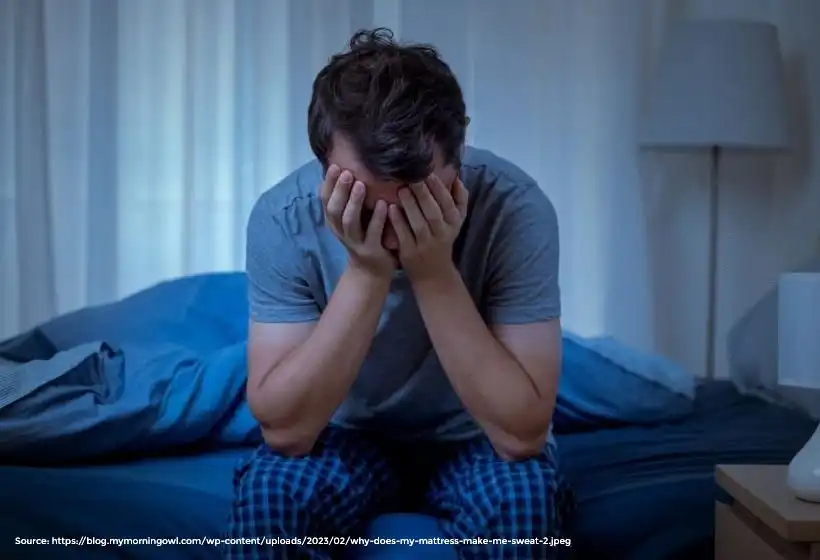
But there’s a catch— I am a hot sleeper, and my memory foam mattress often leaves me feeling like I’ve woken up to a sauna.

The Heat Trap: You see, memory foam mattresses retain heat that leads to sleep disruptions.

But why? Let me break it down for you.

Again, there are a number of memory foam mattresses in the market. I’ll be enlisting cooling gel memory foam mattresses here to give you a head start. In addition, you can buy a memory foam mattress of your choice by keeping an eye on our Best Time to Buy a Mattress page.

Why Do Memory Foam Mattresses Make You Sweat At Night?

Memory foam unlike traditional innerspring mattresses, it is said to reduce back pain and other aches by making sure no part of your body is under too much pressure.

Did You Know?

What you might not know is that this innovative material was originally developed by NASA in the 1960s. The space agency created memory foam to improve the safety of aircraft cushions, seeking a material that could absorb shock and enhance comfort for astronauts during takeoff and landing.

The viscoelastic properties of memory foam made it ideal for this purpose, as it could contour to the body, distribute weight evenly, and return to its original shape.

So, when you sleep on a memory foam mattress, you’re benefiting from a material that was literally designed for astronauts.

But after sleeping on my memory foam mattress for a few days, I started to suffer from night sweats. You guys may also be wondering: “Why do memory foam mattresses make you sweat while sleeping?”

Let me dive into why this happens and what you can do about it.

Do memory foam mattresses make you hot at night?

I’ll discuss on some questions here, and answer them.

1.    “Why do I find my memory foam mattress too hot at night?”

If you feel like your memory foam mattress is too hot to sleep on, this one’s for you. We’ve just explained that memory foam absorbs heat, but it’s what happens next that causes your problems.

  • Memory foam is made from a synthetic material known as viscoelastic polyurethane foam. This material is highly dense and non-breathable, which means it tends to trap heat.
  • When you lie down on a memory foam mattress, it absorbs your body heat and molds to your shape, providing excellent support.
  • However, this very characteristic also leads to the mattress reflecting your body heat back to you, causing you to gradually get hotter as the night progresses.

Even a slight increase in your body temperature can disrupt your sleep.

2.    “Why am I facing sleep disruptions, and waking up sweaty?”

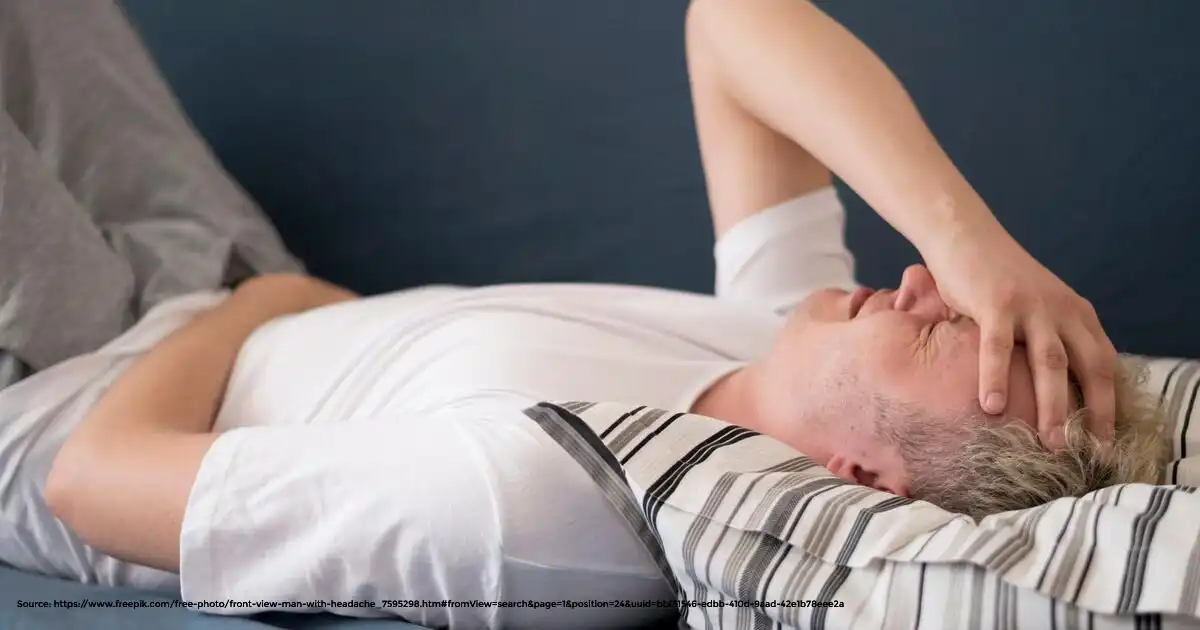
If you’ve been waking up drenched in sweat and dealing with disrupted sleep, you’re not alone. Night sweats can be quite bothersome and can have various causes. As your body heats up, your skin produces sweat in an attempt to cool it down. This is normal.

But for some people, the amount they sweat can be excessive. In fact, it is thought that 2-3% of the population suffers from night sweats, leaving them waking up with soaked bed clothes even on a cool night.

3.    “I sleep warm, and my memory foam mattress makes my night sweats worse”

I’ve always slept warm, but ever since switching to a memory foam mattress, my night sweats have become unbearable.

If you’re experiencing the same problem as me, you’re not alone. Night sweats can seriously disrupt your sleep, leaving you feeling exhausted in the morning. Memory foam mattresses may actually be contributing to your sleepless nights.

But why does this happen and what you can do about it?

First off, it’s normal to toss and turn at night. In fact, on average, we move about 70 times during sleep. Normally, these movements wouldn’t wake us.

However, when you’re sleeping on memory foam that has molded to the shape of your body, it requires a lot more energy to roll over. Your body will have created an indentation in the mattress, so you effectively have to roll up a small hill to get out of it and create a new one.

This extra effort can bring you out of deep sleep each time you move causing sleep disruptions and leaving you feeling tired in the morning.

4.    “What factors should I lookout for to avoid night sweats?”

Here are some factors to consider if you’re looking to avoid night sweats:

  • Mattress Material

Avoid Night Sweats

The type of mattress you sleep on plays a significant role in night sweats. Mattresses made from synthetic materials like polyurethane foam can trap heat, making it difficult for your body to regulate its temperature. Memory foam mattresses, in particular, are known to retain heat. They rely on body heat to mold to your shape and provide support, but this very characteristic can lead to excessive sweating. If you experience night sweats, it might be worth reconsidering your mattress. Opt for natural materials or mattresses designed to enhance airflow and dissipate heat.

  • Room Temperature and Humidity

The environment of your bedroom significantly impacts your likelihood of experiencing night sweats. A warm or hot bedroom can lead to excessive sweating while you sleep. Your body naturally goes through temperature changes during the night, and a warmer environment can exacerbate this. Make sure your bedroom is cool and well-ventilated. Use fans, air conditioning, or breathable bedding to help maintain a comfortable sleeping temperature. Avoid heavy blankets and opt for lighter, moisture-wicking materials.

  • Medications

Certain medications can lead to night sweats as a side effect. Antidepressants and other psychiatric medications are commonly associated with excessive sweating at night. Fever-reducing medications like aspirin can also trigger night sweats. If you suspect your medications might be causing night sweats, consult with your healthcare provider. They may be able to adjust your dosage or switch you to a different medication that doesn’t have this side effect.

  • Hormonal Changes

Hormonal imbalances can lead to excessive sweating during sleep. Conditions like diabetes and elevated blood sugar levels can affect your body’s ability to regulate temperature. The hypothalamus, the part of the brain that controls body temperature, can become dysregulated due to hormone issues, leading to night sweats. If you suspect hormonal changes are causing your night sweats, it’s important to speak with a healthcare professional to address the underlying issue.

  • Menopause

Menopause is a common cause of night sweats in women. During this time, significant changes in hormone levels, particularly estrogen and progesterone, can trigger hot flashes and night sweats. These hormonal shifts can make regulating body temperature more challenging, leading to excessive sweating. If you’re experiencing menopause-related night sweats, there are treatments and lifestyle changes that can help manage these symptoms.

  • Infections

Infections that cause a fever can also lead to night sweats. This includes common illnesses like the flu or more serious conditions like tuberculosis. The body’s response to infection often involves raising the temperature to fight off pathogens, which can result in night sweats. If you have persistent night sweats and other symptoms of infection, seek medical advice to address the underlying cause.

  • Stress and Anxiety

Stress and anxiety can trigger night sweats. Panic attacks, nightmares, and general anxiety can cause your body to sweat excessively while you sleep. If you suffer from frequent nightmares or have a condition like PTSD, this can increase your chances of experiencing night sweats. Managing stress through relaxation techniques, therapy, and lifestyle changes can help reduce the occurrence of night sweats.

How To Stop Sweating On Memory Foam Mattress?

How To Stop Sweating On Memory Foam Mattress?

So, you’ve identified that your memory foam mattress gets too hot and could be causing your interrupted sleep.

The good news? All is not lost – there’s no need to replace your mattress, and buy a new one just because your bed is too hot.

Although replacing your mattress is one option that could eliminate the problem, it’s not the only solution. If you do decide to replace your mattress, make sure to choose one made from natural or breathable fibers rather than synthetics to avoid overheating.

But if you’d rather not spend on a replacement at the moment, here are a few suggestions from my end.

1.    Use a Cooling Mattress Topper

One of the most effective ways to mitigate heat retention in a memory foam mattress is by using a mattress topper to stop sweating. These toppers are designed to enhance airflow and wick away moisture, helping to keep you cool throughout the night.

A cooling gel memory foam mattress topper, in particular, can provide the contouring support of memory foam while also dispersing heat more effectively than traditional memory foam.

2.    Enhance Room Ventilation

Keep your room as cool as possible by leaving a window open or running a fan. This simple step can significantly reduce your body heat and prevent your mattress from getting too hot.

Additionally, using an air conditioner or a dehumidifier can help control the temperature and humidity levels in your bedroom, creating a more comfortable sleep environment.

3.    Cool Down Before Bed

Take a cool shower before going to bed to lower your body temperature. This can help you start the night feeling cooler, which can reduce the likelihood of overheating as you sleep.  Again, using a cold pack or a damp, cool cloth on pulse points like your wrists or neck can provide quick relief from heat.

4.    Consider a Cool-Gel Memory Foam Mattress

If you decide that it’s time to replace your mattress, but don’t want to leave the comfort of memory foam, choose a cool-gel memory foam mattress. These mattresses incorporate gel particles or layers within the memory foam that help dissipate heat more effectively than traditional memory foam.

This can provide the contouring support you love without the excessive heat buildup, leading to a cooler, more comfortable sleep experience.

To learn more about cooling-gel memory foam mattresses, read our guide.

Best Mattresses For Night Sweats

To help you make an informed decision, I’ve compiled a list of the best mattresses for night sweats. These mattresses will surely keep you cool and comfortable throughout the night.

1. Tempur-Pedic TEMPUR-Adapt® + Cooling Topper

Tempur-Pedic TEMPUR-Adapt® + Cooling Topper is a fair choice for those who experience night sweats. This mattress topper is designed with a cooling cover that helps dissipate heat and keep you cool throughout the night. The TEMPUR material provides adaptive support and comfort, contouring to your body while preventing heat buildup. The cooling cover is removable and washable, making it easy to maintain a fresh and cool sleeping surface.

Key Features

  • Cooling cover for heat dissipation
  • TEMPUR material for adaptive support
  • Removable and washable cover

2. Casper Snow Mattress

Casper Snow Mattress is renowned for its exceptional cooling properties, making it an ideal choice for individuals who experience night sweats or sleep hot.

Key Features

  • Its Snow Technology is specifically designed to keep you cool throughout the night.
  • This mattress features a top layer of AirScape™ foam to promote airflow and dissipate heat effectively.
  • Casper Snow Mattress includes gel-infused memory foam to further enhance its cooling capabilities.
  • In addition to its cooling foam layers, Casper Snow comes with a breathable cover that promotes airflow.

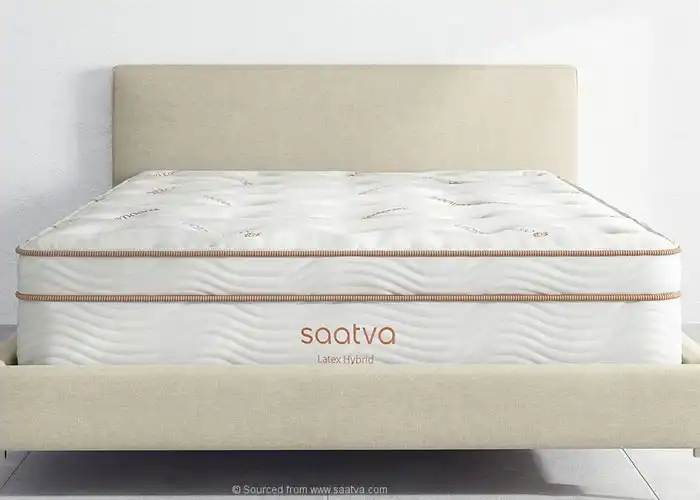
3. Saatva Loom & Leaf Mattress

The Saatva Loom & Leaf Mattress is another great option for those who suffer from night sweats. This mattress features a gel-infused memory foam layer that helps dissipate heat and keep you cool.

The breathable organic cotton cover enhances airflow, while the high-density foam base provides excellent support and durability. Loom & Leaf mattress is available in two firmness options, making it suitable for different sleep preferences.

Key Features

  • Gel-infused memory foam for heat dissipation
  • Breathable organic cotton cover
  • High-density foam base for support and durability
  • Available in two firmness options

What Else Can I Do?

6 Tips to Prevent Night Sweats While Sleeping

So, what can you do if you love the comfort of memory foam but don’t want to wake up in a pool of sweat?

Here are a few tips that have helped me.

1.    Tip 1: Look for Gel-Infused Memory Foam

Some memory foam mattresses are infused with gel beads designed to absorb and dissipate heat. Gel-infused memory foam can help keep the mattress cooler than traditional memory foam.

2.    Tip 2: Invest in a Cooling Mattress Topper

Adding a cooling mattress topper can provide a barrier between you and the heat-retaining memory foam. Look for toppers made from breathable materials like latex or those that have cooling gel infusions.

3.    Tip 3: Choose Breathable Bedding

Natural materials like cotton and linen are more breathable than synthetic materials, helping to wick away moisture and keep you cooler. Consider investing in moisture-wicking sheets and a breathable mattress protector.

4.    Tip 4: Use a Fan or Air Conditioning

Sometimes, simple solutions like using a fan or turning on the air conditioning can make a big difference in regulating your sleep temperature.

5.    Tip 5: Stay Hydrated

Drinking plenty of water throughout the day can help regulate your body temperature and reduce the likelihood of night sweats.

6.    Tip 6: Adjust Your Sleepwear

Opt for lightweight, breathable pajamas. Natural fabrics like cotton can help you stay cooler compared to synthetic materials.

If you ask me, I’d advice you take these proactive steps. This will help you enjoy the benefits of memory foam without the discomfort of night sweats.

Personally, I’ve found that making a few adjustments to my sleep environment has made the difference.

If you were wondering, why is my memory foam mattress too hot? Hopefully I’ve answered your questions and given you some useful tips.

In essence, you’ve learnt how memory foam mattresses make you sweat due to their heat-trapping synthetic materials. You need to consider some factors like room temperature and personal health before buying a new mattress.

To mitigate sweating, consider cooling mattress toppers, proper ventilation, hydration, breathable bedding, and alternative mattress materials if needed. This can create a cooler, more comfortable sleep environment for you to get some well-deserved sleep.

For more advice on sleeping better, visit our Mattress Guide.

[Disclaimer: No memory foam mattresses were harmed in the making of this blog.]

Dinosaur Hands Sleeping Position: All You Need To Know

Dinosaur Hands Sleeping Position
Dinosaur hands! Sounds a little ‘out-of-the-ordinary’?

Well, if you came here to inquire if you sleep in this sleeping position or straight out of curiosity you are in the right place.

I’ve been intrigued by this sleeping style going viral on TikTok and YouTube since April 2024, and I’ve completed detailed research on the sleeping position. So, in this informative article, I’m about to spill the beans about it—I mean every bean there is.

Here, I’ll dissect every single aspect of this viral sleeping position so you can find answers to all your burning questions.

How is it related to ADHD or Autism? What is its demographic data of occurrence? Do you sleep with Dinosaur hands, too (maybe unwittingly)? Are there any risks associated? Or, does it have possible benefits, if any? Stay tuned.

What Does Sleeping With Dinosaur Hands Mean?

“Sleeping with dinosaur hands” can be a fun way to describe a sleeping position where your arms are tucked close to your body, similar to how a T-Rex’s arms look. While the arms are tucked closer to the body, your hands and fingers may extend outwards.

This term often used humorously, can also be used in a nuanced way when talking about ‘neurodiversity,’ especially autism.

Viral TikTok’s T-Rex Arms & Neurodiversity

In the context of neurodiversity, “dinosaur hands” or “T-Rex arms” refer to certain hand positions and arm movements that are common when autistic individuals sleep.

This sleeping position is primarily focused on achieving greater comfort, as in the case of autistic individuals. Some may sleep by keeping their arms close to their body while sleeping, making small and precise movements with their hands, or others may have a unique way of handling objects.

These actions are not random; they are often related to how an individual may process sensory information. In the end it makes them feel comfortable and sleep snug.

TikTok’s latest trend is all about ‘sleep and dinosaur hands’. Since April 2024, I’ve been witnessing this trend circling social media. I’ve seen YouTube shorts of people sleeping with their arms tucked in close, like a T-Rex’s short arms. While it may appear intriguing to some in reality, it’s not simply a funny pose. For some it is a way to express comfort and feel relaxed while they sleep.

Now if we are centered on autistic individuals, it’s familiar with the fact that for them ‘comfort is especially important’. So, it can be pretty common for them sleep with their arms close to their body for warmth all night; giving off that ‘dinosaur arm’ vibe.

To sum things up, ‘dinosaur hands’ can be considered as a natural sleeping position for many, just so it keeps you feeling warm and cozy.  There is nothing worrisome about it. It’s just about finding what feels best for you when you rest after a hard day’s work.

Demographic Data – How Common Is It?

I’ll start with some insights and observational studies.

1.     Fact #1: Neurodiversity and Sleep Preferences

Research studies state that almost 15-20% of the population worldwide show signs of neurodivergence in some form or the other.

Additional studies and anecdotal evidence suggest that individuals within the neurodivergent community may display diverse sleep preferences. They have specific sleep patterns too because of their neurological differences and unique sensory processing.

2.     Fact #2: Comfort and Sleeping Positions

It’s commonly observed in people, regardless of neurodiversity, to adopt specific sleeping positions. This is driven by their comfort desire and is based on their needs. Some may sleep in positions like “dinosaur hands,” as it can provide a sense of security and relaxation for them.

3.     Fact #3: Individual Variability

Let’s talk about individual preferences. It’s important to note that sleep preferences vary widely among individuals. What can works comfortably for me may not be the same for you or another person.

We should highlight our individual need and opt for personalized approaches in order to sleep as comfortable as we can.

Because Matthew Walker (author of ‘Why We Sleep’) once opined:

“Sleep acts as a bridge between hope and despair.”

So, a good night’s sleep, whatsoever the sleeping position, can help you recover from despair and bring in hope to your life.

In the later sections, we will detail into another interesting fact – How sleep position is related autism and ADHD.

Why Do Some People With ADHD Sleep With Dinosaur Hands?

Why Do Some People With ADHD Sleep With Dinosaur Hands?

Attention Deficit Hyperactivity Disorder (ADHD) affects approx. 8.7 million U.S. adults.

How are these individuals different?

Now, they showcase differences in their activities due to neurological differences or changes in brain development. This causes the children to be highly active and they often face problems if asked to sit still, stay in attention or show focus and self-control. So, it’s not difficult to assume that they face difficulties in various aspects of life – in school, home, and even in their social circles.

Dinosaur Hands, Sleeping & ADHD

Sleep is crucial for everyone, but it holds particular significance for neurodivergent individuals due to their often heightened sensory experiences and frequently activated nervous systems.

When discussing sleeping positions like “dinosaur hands,” for conditions such as ADHD, it’s essential we understand the relationship between comfort and sensory processing.

Fact: Children/adults with ADHD challenges may seek deeper ‘proprioceptive input’.

This term refers to the body’s awareness of its position and movement.

Doctors opine that some people with ADHD crave deeper proprioceptive input.

This can explain their sleep comfort associated with T-Rex arms, fidgeting, or even how some find comfort in weighted blankets or in closed spaces.

Taking it forward, ‘dinosaur hands’ depicted by bent wrists fingers facing inward and bent elbows hugging the body with fingers curled up like dinosaur claws, can deliver a sense of comfort and security to people with ADHD.

We need to remember that these terms – ‘ADHD sleeping positions’ ‘dinosaur hands’ are unofficial and used primarily in social media.

But in reality, it goes beyond sleep trends and viral TikTok videos. It highlights an intriguing aspect of how neurodivergent individuals need to adapt their sleeping positions for their sensory comfort and needs.

Is Sleeping On Left Side With Dinosaur Hands For ADHD Comfortable?

I am about to throw some light in the matter.

The concept of deeper proprioceptive input, mentioned earlier, can play a role here. Sleeping on the left side can provide a certain level of pressure and support that some individuals find soothing and calming.

This pressure can be similar to the comfort provided by weighted blankets, which are known to benefit some individuals with ADHD or sensory issues.

Sleeping w/t Dinosaur Hands & Autism

Autistic Spectrum Disorders – Disorder

If you call dinosaur hands a phenomenon then let me remind you that it has its roots in the unique neurological and sensory receptions of autistic individuals. They usually have distinct sensory processing patterns. This is what makes certain textures, movements, or positions more comfortable to them.

The ‘T-Rex sleeping position’ is one such position.

Holding their arms in a T-Rex-like position during sleep offers a sense of security to autistic people. This posture is also a form of stimming (self-stimulatory behavior). These behaviors are common in autistic individuals to self-regulate their emotions.

While this sleeping position is not exclusive to autistic individuals, it can be prevalent among them. It may naturally result from seeking a cozy, enclosed feeling while sleeping.

Understanding the ‘What’ Behind Autistic Hand Gestures

Autistic hand gestures comprise of a range of hand and finger movements or changing positions of the hands such as flapping, twisting, or flicking their fingers.

What do these hand gestures signify?

These gestures signal as non-verbal communication methods. They aid autistic individuals in expressing themselves in a holistic manner. Through these gestures they find it easy to convey their emotions, manage their sensory responses, or find comfort.

Respecting Autistic Behavior

Understanding and respecting autistic behaviors, including T-Rex arms and specific hand gestures, is crucial for fostering an inclusive and supportive environment. These behaviors are not mere quirks but integral expressions of how autistic individuals interact with their surroundings. They serve as forms of communication, conveying emotions, needs, and comfort levels.

Supporting individuals with autistic T-Rex arms involves creating safe environments where they feel comfortable, respecting their personal space and natural behaviors, incorporating understanding and accommodations in educational settings, and encouraging self-expression in ways that suit their comfort and preferences.

By embracing and accommodating these behaviors, we can enhance interactions and relationships with autistic individuals and promote a more inclusive society.

‘Sleeping With T-Rex Hands’ – Is It Harmful?

‘Dinosaur hands’ sleeping position is generally not harmful.

As discussed in the above sections, it can offer comfort and security for many during sleep.

However, like any sleeping position, it’s essential to ensure that it doesn’t cause discomfort or restricted blood flow.

If you find it comfortable and it doesn’t lead to any physical issues, snoring or breathlessness there’s typically no harm in sleeping with dinosaur hands.

Dinosaur Hands While Sleeping – Benefits

Dinosaur Hands While Sleeping – Benefits

As crazy as it may sound, sleeping with dinosaur hands does offer certain benefits.

  1. Comfort and Security

For many individuals, sleeping with their arms tucked close to their bodies, resembling dinosaur hands, can provide a sense of comfort and security. This position may create a feeling of ‘being cocooned’ or hugged, which can promote relaxation and deeper sleep.

  1. Reduced Tossing and Turning

Adopting a sleeping position like “Dinosaur Hands” may help reduce tossing and turning during the night. By keeping the arms close to the body, there is less likelihood of limbs moving around excessively, leading to a more stable and restful sleep.

  1. Improved Spinal Alignment

Sleeping with the arms in a bent position close to the body can contribute to better spinal alignment. This alignment is essential for reducing pressure on the spine and supporting overall back health during sleep.

  1. Enhanced Breathability

Some individuals find that sleeping with their arms tucked in allows for better breathability, especially if they tend to sleep with their hands near their face. This can reduce the likelihood of breathing obstructions or discomfort during sleep.

  1. Relief for Joint Pain

For individuals with joint pain or discomfort, the “dinosaur hands” position can be beneficial. By keeping the arms in a supported and less extended position, pressure on joints like the shoulders and elbows may be reduced, leading to decreased pain and stiffness.

  1. Sensory Regulation

In neurodivergent individuals, such as those with autism or sensory processing challenges, the “dinosaur hands” position can contribute to sensory regulation. The feeling of pressure and containment from this position may help individuals manage sensory input and promote a sense of calmness.

  1. Promotes Relaxation

Overall, “dinosaur hands” sleeping position promotes relaxation and a sense of ease for many individuals. This can lead to improved sleep quality, reduced nighttime awakenings, and a refreshed feeling upon waking.

It’s important to note that the benefits of any sleeping position can vary from person to person based on individual preferences, comfort levels, and specific health considerations.

Instead of worrying if sleeping dinosaur hands can cause discomfort or body aches, prioritize on how comfortable your bedding is. You need a balance of plushness and support from your to sleep uninterrupted.

Choose the Right Mattress

Need help choosing a mattress that’s suitable for your child and you? We’ve some resources at our fingertips to help you make a wise decision.

Let’s dive into some key points to consider:

I. Mattress Type

  • Memory Foam: Provides excellent pressure relief and conforms to your body shape.
  • Innerspring: Offers good support and breathability.
  • Hybrid: Combines memory foam and innerspring for the best of both worlds.
  • Latex: Natural material with durability and responsiveness.

II. Firmness Level

  • Soft: Ideal for side sleepers and lightweight individuals.
  • Medium: Suitable for most sleepers.
  • Firm: Best for back and stomach sleepers.

III. Size

  • Twin: Single sleeper or kids.
  • Full/Double: Good for solo sleepers with more space.
  • Queen: Popular choice for couples.
  • King: Spacious for couples or those who like extra room.

IV. Memory Foam Density

  • Low Density: Softer feel, better for lightweight sleepers.
  • Medium Density: Balanced comfort and support.
  • High Density: Firm support, ideal for heavier individuals.

If you are short in time, head over to our Mattress Buying Guideor Best Time to Buy a Mattress for information on everything – mattress type, density, firmness, body type and sleeping position.

You can start browsing our collection of Memorial Day 2024 Sales to find the mattress that’s ideal for you!

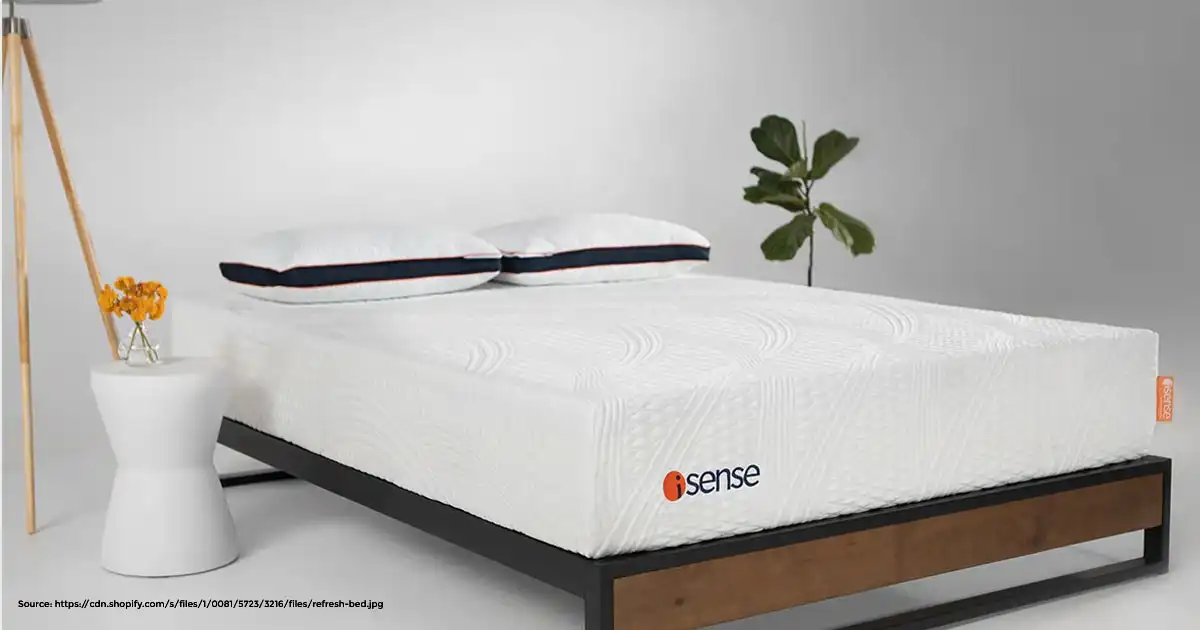
iSense Mattress

Smart-Take!

In the closing chapter, I’d like to draw your attention to a common fact i.e. autism or ADHD is closely related to sleeping with dinosaur hands or curled in fingers. We need to understand the ‘why’ and ‘how’ behind autism (as mentioned above) and respect the succinct requirements of every individual.

As interesting as the phenomenon is, it’s pretty clear that ‘comfort’ and a feeling of ‘security’ are the driving factors behind this sleep position.

The sleeping position is commonly seen not only in ADHD children or autistic individuals, but it is common in many who prefer to snug and sleep. So, there’s nothing to worry about it. As long as you don’t sprain your muscle, get a sore in the morning, suffer from breathlessness or snoring, sleep in any position you like. Comfort is the key here, to rinse away all the stress of a busy working day.

Sleep well, and like Matthew Walker said “Get building a strong bridge between despair and hope”.

Frequently Asked Questions

  1. What does it mean sleeping with dinosaur hands?

This term refers to a sleeping posture where people bend their wrists inward toward their bodies, curling their hands into a shape similar to a dinosaur’s claws. Some videos suggest that this posture may be associated with neurodivergence.

  1. Why do I hold my hands like a T-Rex?

Holding the arms in a T-Rex-like position can offer a feeling of security and aid in coping with sensory overload. It’s a type of stimming, a common self-regulatory behavior seen in autistic individuals to manage emotions and sensory input.

  1. Why do my wrists curl when I sleep?

Inflammation in the wrist or tendons can compress the median nerve. Initial symptoms often appear during sleep when we naturally flex our wrists, causing our hands to curl.

  1. Do sleeping positions matter?

For younger, healthy individuals, sleep position holds less significance, according to Salas. However, as one ages and encounters more health concerns, sleep position can either have beneficial or adverse effects.

  1. Why do people with ADHD sleep with T-Rex arms?

Some individuals, especially those with ADHD or sensory processing difficulties, may have a strong desire for deep proprioceptive input. This could account for behaviors like T-Rex arms, fidgeting, or the comfort some find in weighted blankets or enclosed spaces.

Disclaimer

The information discussed in this article is intended for general information only and should not be replaced as professional advice. It does not intend to diagnose, treat, or cure your sleep or mental health conditions. Before any adjustments to your sleep health routine, consult a qualified healthcare professional.

Which iSense mattress is the best? (Hybrid Premier vs. Classic vs. Select)

iSense Mattress

Selecting a suitable mattress can be difficult. This is particularly true when a variety of alternatives comes from iSense.

iSense is the first mattress brand globally to offer Comfort Control™ Technology. It allows users to customize their sleep experience on each side of the bed. As a long-standing American Company, iSense has been providing comfort for over 30 years.

Their mattresses include:

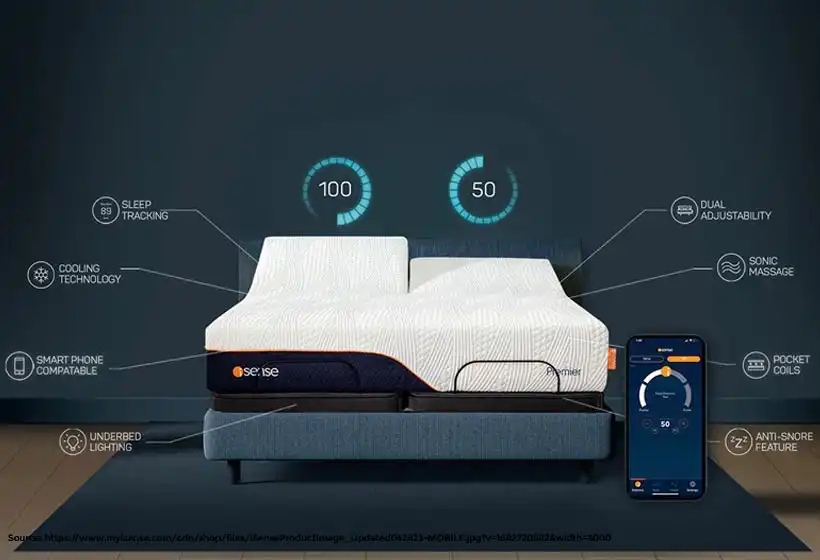
  • iSense Hybrid Premier
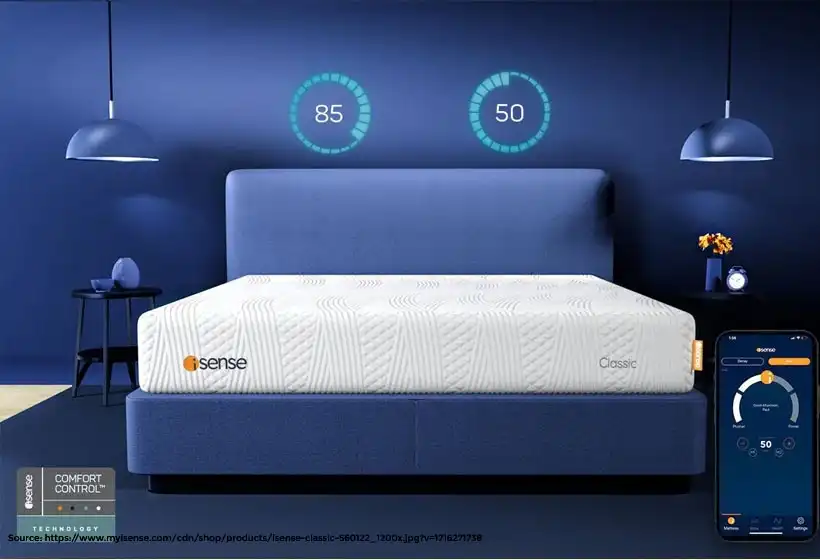
  • iSense Classic
  • iSense Select

I’ve explored a lot of mattresses, and iSense’s selection has really amazed me. It can be difficult to choose between Hybrid Premier, Classic, and iSense Select models. They each have distinctive features catered to different preferences.

Today I’m excited to share my knowledge with you in order to assist you in finding the suitable mattress match.

Want to know the key differences between iSense and Sleep Number? Read more!

Let us examine the unique features, firmness, pros, cons, and preferable sleeping styles of each of the models. You will be able to determine which one suits your individual needs.

You can also gain some fine deals with Best Time to Buy iSense Mattress; and save on your preferred iSense mattress!

Without further ado, let’s start the mattress comparison.

Keep reading!

1.    iSense Hybrid Premier Mattress

iSense Hybrid Premier Mattress

  • Mattress Type: Hybrid
  • Warranty Period: 10 Years
  • Trial Period: 180 Nights
  • Shipping: Free
  • Mattress Size: King FlexHead, King, Queen, Twin XL, Cal King, Split King, Cal King FlexHead

Firmness: Adjustable Firmness (Soft, Medium Soft, Medium, Medium Firm and Firm)

The mattress offers a wide range of firmness levels. It varies from soft to firm, adjustable via an integrated smart bed app and air chambers. This dual-sided adjustability ensures personalized comfort for each sleeper.

Thickness: 13.5 inches

Pros of iSense Hybrid Premier Mattress

  • Pressure Relief: The Comfort Control™ unit and open-cell foam are designed to cradle the body and relieve pressure points, especially around the hips and shoulders.
  • Cooling Technologies: The mattress incorporates cooling ISense® open-cell foam with a gel-cooling treatment to enhance airflow and heat dissipation.
  • Adjustable Firmness: With adjustable firmness on each side, couples can customize their sleep experience without disturbing each other.
  • Sleep Quality Trackers: The in-bed sleep sensor tracks essential sleep metrics, helping users monitor and improve their sleep quality.

Cons of iSense Hybrid Premier Mattress

  • Higher Price Point: This may not be suitable for budget-conscious individuals.
  • Weight: Heavier than some other mattresses. This might be a consideration for those needing to move it frequently.

Unique Features and Technology

  • Hybrid Construction: Combines premium pocket coils with cooling ISense® open-cell foam.
  • Comfort Control™ Technology: It does not have open-cell NextGen foam like iSense Select Mattress. Hybrid Premier features 14 small air cylinders within 5 inches of foam for precise comfort adjustments.
  • In-bed Sleep Sensor: Tracks sleep metrics such as duration, heart rate, respiration, and movement.
  • Edge Support: 5 inches of high-density polyfoam for enhanced edge stability.

How Does It Support Different Sleeping Styles?

  • The customizable firmness and targeted pressure relief are suitable for side sleepers. It provides additional support at the hips and shoulders.
  • The mattress offers good lumbar support and maintains spinal alignment. It is beneficial for back sleepers across various weight categories.
  • The mattress provides adequate firmness and support. It prevents excessive sinking, ensuring proper spinal alignment.

In essence, I can say iSense Hybrid Premier Mattress is a customizable, cool, and supportive sleep surface. It’s particularly suitable for couples with different preferences. Hot sleepers and those who require targeted pressure relief tends to prefer it.

However, it may not be a suitable fit for those on a tight budget or who prefer lighter or smaller mattresses.

For more information, head on to our detailed review of iSense Hybrid Premier mattress!

2. iSense Classic Mattress

iSense Classic Mattress

  • Mattress Type: Foam
  • Warranty Period: 10 Years
  • Trial Period: 180 Nights
  • Shipping: Free
  • Mattress Size: King FlexHead, King, Queen, Twin XL, Cal King, Split King, Cal King FlexHead

Firmness: Dual-side Adjustable

It is a dual-side adjustable mattress. Dual-sided adjustability allows each side of the bed to be personalized to individual firmness preferences.

Thickness: 13.5 inches thick

Pros of iSense Classic Mattress

  • Individualized Comfort: Dual-side adjustability allows personalized firmness on each side.
  • Cooling Technology: Open-cell foam structure and optional gel-cooling treatment enhance breathability and cooling.
  • Pressure Relief: Comfort Control™ Technology and multiple foam layers provide targeted support and alleviate pressure points.
  • Motion Isolation: All-foam construction minimizes motion transfer, ideal for couples. This feature is similar to iSense Select Mattress, the new addition in the mattress line up.
  • Edge Support: High-resilience foam and durable binding fabric provide stability and prevent sagging.
  • Customization Options: Available in Standard and FlexHead versions for personalized alignment and comfort with adjustable bases.

Cons of iSense Classic Mattress

  • High Price: This may not be suitable for budget-conscious individuals.
  • Not suitable for Heavy-weight Individuals: Less suitable for individuals weighing over 230 pounds.
  • Preference: Not recommended for those who do not prefer memory foam mattresses.

Unique Features and Technology

  1. Individualized Firmness: Each side of iSense Classic Mattress can be adjusted independently. It allows couples to personalize their side’s firmness without affecting their partner.
  2. Pressure Relief: Incorporates small air cylinders nestled within 5.5 inches of iSense® foam, offering customizable comfort adjustments.
  3. Open-Cell Foam Structure: iSense Classic Mattress uses open-cell foam to enhance breathability and facilitate airflow, preventing heat buildup.
  4. Individual Head Elevation: The FlexHead version features a 1/3rd split along the top center, allowing each partner to elevate their head independently without disturbing the other.
  5. Multiple Foam Layers: The mattress comprises five different foams, each selected for specific benefits like durability, cooling, and contouring.
  6. iSense App Integration: Allows for further customization and upgrades, such as in-bed sleep tracking and gel-cooling treatments, enhancing the overall sleep experience.

How Does It Support Different Sleeping Styles?

  • The adaptable firmness feature of iSense Classic Mattress makes it ideal for side sleepers.
  • Dual-zone adjustable firmness allows customization on each side, providing proper support for hips and
  • It is good for back sleepers due to its all-foam construction, which cradles the body’s weighty regions and relieves spinal pressure.
  • The mattress offers adjustable firmness, making it suitable for stomach sleepers who need a medium to medium-firm

I can say, iSense Classic Mattress is suitable for those seeking individualized comfort. It features dual-side adjustability. It offers minimal motion transfer and robust edge support. However, it may not suit individuals weighing over 230 pounds.

For more details, feel free to check out our Comprehensive iSense Classic review!

3. iSense Select Mattress

iSense Select Mattress

  • Mattress Type: Hybrid
  • Warranty Period: 10 Years
  • Trial Period: 180 Nights
  • Shipping: Free
  • Mattress Size: King FlexHead, King, Queen, Twin XL, Cal King, Split King, Full

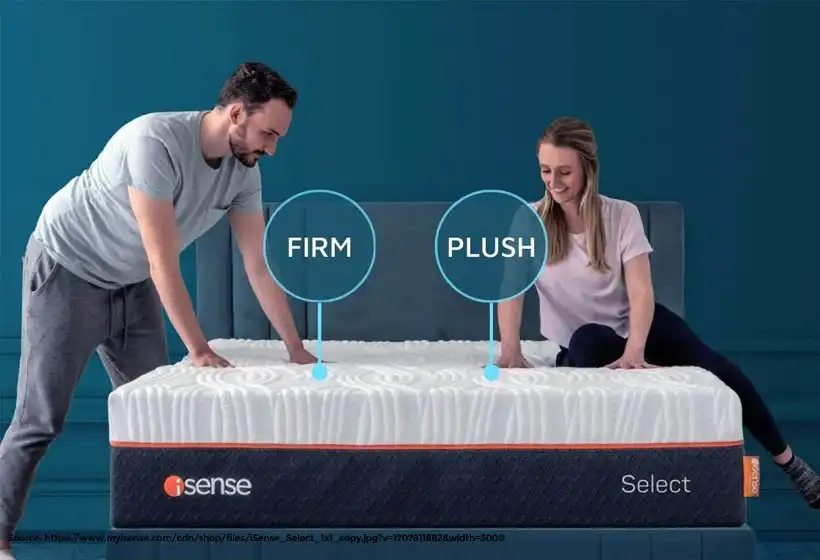
Firmness: Adjustable (Plush, Medium and Firm)

Thickness: 13.5 inches thick.

Pros of iSense Select Mattress

  • Ability to Switch Firmness Levels: The mattress offers Plush, Medium, and Firm options for personalized comfort. The easily adjust firmness suit individual preferences.
  • Breathable Organic Cotton Cover and Open-Cell Foam: The mattress promotes temperature regulation for a cool sleep environment. It ensures airflow and heat dissipation throughout the night.
  • Modular Design for Customized Sleep Experience: The mattress allows easy adjustment of firmness for each side of the bed.
  • Three-Zoned Lumbar Support: This helps to target key areas like shoulders, back, and hips for enhanced support.
  • Individually wrapped Pocket Coils: This minimizes motion transfer for undisturbed sleep.

Cons of iSense Select Mattress

  • Requires a 45-night adjustment period before returns are accepted.
  • Manual adjustments are needed to change firmness, unlike some other iSense models.

Unique Features and Technology:

  • Modular Design for Adjustable Firmness: The mattress allows easy adjustment of firmness for each side of the bed.
  • Superior Cooling Technology: Its breathable organic cotton cover promotes airflow. The mattress features a dual-coil design that enhances ventilation.
  • Exceptional Comfort Features: Interchangeable pocket coils provide customizable support.
  • Enhanced Back Support: Three-zoned lumbar support promotes proper spinal alignment.
  • Effective Pressure Relief: iSense Select Mattress feature NextGen response foam and individually wrapped pocket coils that distribute weight evenly.

How Does It Support Different Sleeping Styles?

  • The plush option offers cushiony support and pressure relief for side sleepers.
  • The medium option provides balanced support and comfort for back sleepers.
  • The firm option maintains proper spinal alignment and prevents sinkage for stomach sleepers.

In my opinion, iSense Select Mattress excels in repositioning, comfort, cooling, motion isolation, and edge support. It is a good choice for a wide range of sleepers.

Visit our Comprehensive iSense Select review for further insights!

Which iSense Mattress Is The Best Then?

Your sleeping habits and personal preferences hold the answer behind this question. Whatever iSense mattress you choose, you are going to experience quality sleep.

If you’re hustling, working shifts, balancing family and work or simply craving for luxury sleep, you deserve an iSense mattress.

Shop an iSense, and wake up refreshed to conquer the day!

iSense Mattress

What Is Sleepwalking? Explore It’s Causes & Risks Now

What Is Sleepwalking

What is Sleepwalking?

Sleepwalking, officially known as somnambulism or walking during sleep, is a behavior disorder that originates during sleep. An individual affected by this condition walks during sleep or performs other complex behaviors, mostly in sleep.

Have you ever found yourself waking up confused in the middle of the night; that too in a different place? Well, you might have been sleepwalking. This intriguing disorder, known as somnambulism, prompts people to perform various activities while asleep, from simple walking to complex behaviors.

While it’s more common in children, adults can also experience it. Factors like genetics, stress, and sleep deprivation often trigger it. This phenomenon has puzzled scientists and sleep specialists for years. It’s not just about walking during sleep; individuals may sit in bed, look around with a glassy-eyed expression, or even engage in unusual activities.

But what causes a person to sleepwalk, and how can it be managed or treated?

Though sleepwalking episodes are typically brief, they can sometimes lead to risky situations. The disorder is often linked to genetics, stress, sleep deprivation, and other sleep disorders like Obstructive Sleep Apnea (OSA).

Understanding this sleep disorder is crucial, not only for the safety of the individual but also for the well-being of those around them. In this health article, we’ll explore the enigmatic nature of sleepwalking, its symptoms, causes, and treatment options to shed light on this intriguing phenomenon. There are 10 myths busted about it.

Definition

Sleepwalking, or somnambulism, is a condition where a person moves around or does things while they are still asleep. It’s like your body being on auto-pilot: the body is active, but the brain is still in its sleep cycle. People who sleepwalk might walk around, tidy up, or even eat without waking up.

It’s a bit of a family affair, too—it tends to happen in families, suggesting that genes play a role.

In the world of sleep science, this disorder falls under parasomnia, which is a fancy term for a sleep disorder depicting unusual behaviors occurring during sleep.

It’s one of those quirks of the human body that shows how complex and fascinating our sleep can be!

How Common is Its Occurrence?

Sleepwalking is more common than many people think.

Around 6.9% of the population will experience sleepwalking at some point in their lives.

It’s most likely to start when you’re a kid, with a good number of children—about 1% to 15%—taking unexpected night-time strolls, especially between the ages of 4 years and 8 years.

Here’s why you shouldn’t worry as much; in most cases it is usually just a phase. By the time children reach adulthood, the numbers of such episodes tend to drop.

Only about 1% to 1.5% of grown-ups find themselves sleep walking while catching Zzz’s. So, in most cases it’s a bit like losing your baby teeth or outgrowing your favorite sweater—most people leave this phase behind as they grow up.

However, certain triggers like stress, sleep deprivation for prolonged periods, thyroid issues or alcoholism and substance/drug abuse can lead to sleepwalking occurrences in adults. Let’s learn why.

Causes of Sleepwalking
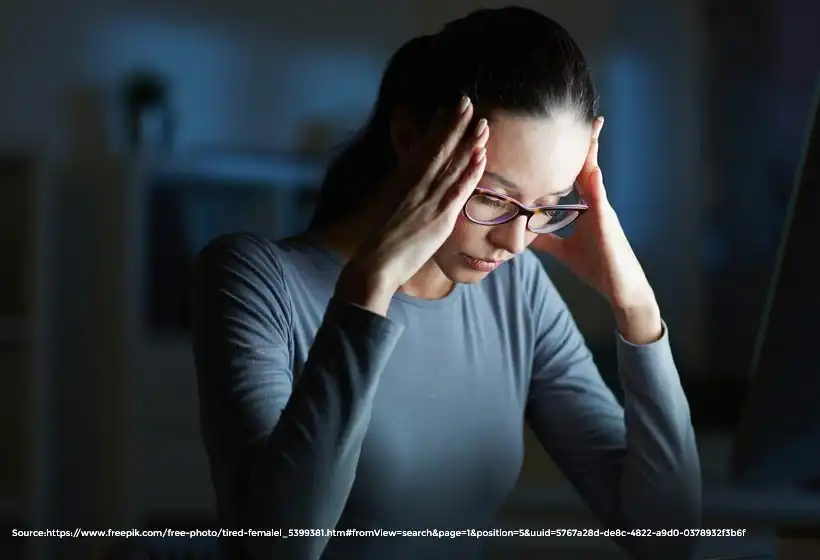
A person in stress

Sleepwalking is a perplexing sleep disorder characterized by complex behaviors during sleep. It has intrigued researchers for decades. The exact cause remains elusive, numerous factors have been identified as potential contributors to the occurrence of such episodes.

Let’s discuss.

  1. Sleep Deprivation: Prolonged periods of inadequate sleep can disrupt neurotransmitter balance and brain activity, potentially increasing susceptibility to this sleep disorder.
  2. Stress: Anxiety and stress can exacerbate sleep disturbances, heightening the likelihood of its episodes.
  3. Fever: Elevated body temperature during illness can disrupt normal sleep patterns, leading to fragmented sleep and an increased risk of parasomnias like sleepwalking.
  4. Sleep Schedule Disruptions: Travel-related jet lag or frequent sleep interruptions can disrupt the natural sleep-wake cycle, making individuals more prone to walking in their sleep.
  5. Specific Gene Mutation: A specific gene mutation, HLA-DQB1*05, has been linked to a higher risk of sleepwalking, particularly in individuals of white ethnicity.
  6. Environmental Factors: While genetics play a significant role, environmental factors such as living conditions and upbringing may also influence the development of such behavior.

Risk Factors of Sleepwalking – If Any?

Risk factors play a crucial role in understanding the prevalence and likelihood of experiencing sleepwalking episodes. While the exact triggers for it remain elusive, several factors have been identified as potential contributors to the disorder.

  • Genetics

This behavioral condition tends to run in families, suggesting a strong genetic component. If one parent has a history of sleepwalking, the likelihood of their offspring experiencing the disorder increases. Moreover, if both parents have a history of such a sleep disorder, the risk is significantly higher. This familial predisposition underscores the genetic influence on the development of this phenomena.

  • Age

Sleepwalking occurs more frequently in children compared to adults. Children between the ages of 4 and 8 are particularly susceptible to such episodes. The prevalence tends to decrease as children age, with most outgrowing the condition by adolescence. However, onset in adulthood is less common and often associated with other underlying medical or psychological conditions.

  • Medical Conditions

Certain medical conditions or factors may increase the risk of walking in sleep. These may include obstructive sleep apnea, restless legs syndrome, nighttime seizures, psychiatric disorders, and substance abuse. Additionally, individuals with a history of head injuries or neurological disorders may be more prone to sleepwalking.

  • Drugs and Alcoholism

Certain substances may heighten its chances. These may include sedatives, hypnotics, antidepressants, and stimulants. Alcohol consumption and recreational drug use can also disrupt sleep architecture and predispose individuals to behave in odd manner during sleep.

What Triggers Sleepwalking Disorder?

As discussed earlier, this is a complex sleep disorder characterized by engaging in activities while still asleep. It can be triggered by various underlying conditions that disrupt normal sleep patterns.

These triggers can exacerbate the likelihood and frequency of sleepwalking episodes:

  1. Sleep-Disordered Breathing: Disorders characterized by abnormal breathing patterns during sleep, such as obstructive sleep apnea, can trigger sleepwalking. Interruptions in breathing can lead to fragmented sleep and arousal from deep sleep stages, increasing the likelihood of parasomnias.
  2. Restless Legs Syndrome (RLS): Restless legs syndrome, characterized by an irresistible urge to move the legs, particularly during periods of rest or inactivity, can disrupt sleep and increase arousal during the night. Individuals with RLS may experience fragmented sleep, leading to an increased risk of this condition.
  3. Gastro-Esophageal Reflux Disease (GERD): GERD, a condition characterized by the backflow of stomach acid into the esophagus, can cause discomfort and arousal from sleep. Episodes of GERD-related discomfort may trigger its episodes in susceptible individuals, particularly during the night.
  4. Personality: Certain personality traits or characteristics may predispose individuals to sleepwalking. Individuals who are highly suggestible, anxious, or prone to stress may be more susceptible to experiencing walking in the sleep episodes.

Personality factors can influence sleep quality and arousal thresholds during sleep, potentially increasing the likelihood of parasomnias.

  1. Feelings/Emotions: Emotional states and feelings can influence sleep quality and arousal during sleep. Stress, anxiety, fear, or excitement experienced during the day or before bedtime may carry over into sleep and manifest as sleepwalking episodes. Emotional arousal during sleep can disrupt normal sleep patterns and lead to sleep disorders including the one in discussion.
  2. Sleep Health and Comfortable Bed/Mattress: Disruptions to a healthy sleep routine, such as irregular sleep schedules or inadequate sleep hygiene practices, can contribute to sleep disturbances and increase the risk of this condition.

Additionally, discomfort or discomfort caused by an uncomfortable bed or mattress may disrupt sleep and trigger sleepwalking episodes in susceptible individuals. So, invest in a quality mattress for ensuring comfortable sleep all through the night.

Curious to know about healthy sleeping tips? Why don’t you add on some healthy sleep habits and maintain a consistent sleep schedule. It can further support overall sleep health and minimize the risk of sleepwalking.

These triggering factors underscore the multifaceted nature of sleepwalking and the various influences that can contribute to its occurrence. Addressing these triggers through lifestyle modifications, stress management techniques, and optimizing sleep environments can help reduce the frequency and severity of sleepwalking episodes.

Can Medications Trigger Sleepwalking?

Yes, medications play a crucial role in managing various medical conditions, but certain drugs can also potentially trigger sleepwalking episodes.

Research identifies several types of medication that may increase the risk of sleepwalking, although the exact mechanisms underlying this association are not fully understood.

Some medications potentially trigger sleepwalking. They include:

  1. Zolpidem (Ambien®): Zolpidem is a commonly prescribed medication for the short-term treatment of insomnia. While it is generally considered safe and effective, some individuals may experience sleepwalking or other sleep-related behaviors as a side effect.
  2. Quetiapine (Seroquel®): Quetiapine is an antipsychotic medication used to treat conditions such as schizophrenia, bipolar disorder, and major depressive disorder. Although relatively rare, sleepwalking has been reported as a possible side effect of Quetiapine use.
  3. Metoprolol (Lopressor®): Metoprolol is a beta-blocker medication commonly prescribed to treat high blood pressure, angina, and other cardiovascular conditions. While sleepwalking is not a common side effect of metoprolol, some individuals may experience unusual sleep behaviors while taking this medication.

If you suspect that a medication may be contributing to sleepwalking episodes, it’s essential to discuss your concerns with a healthcare provider.

They can review your medication regimen, assess your symptoms, and determine if there is a potential link between the medication and the sleepwalking episodes.

What Are Complications of Sleepwalking?

While sleepwalking itself is not usually a cause for concern, it can lead to several complications. Let’s read.

  1. Physical Injury

Sleepwalkers are at risk of hurting themselves, especially if they walk near furniture, descend stairs, or even leave the house. In rare cases, they might attempt to drive a car or consume inappropriate items during an episode.

  1. Sleep Disruption

Frequent episodes can cause significant sleep disruption, leading to excessive daytime sleepiness. This can affect cognitive functions and lead to issues with school performance or behavior.

  1. Social and Emotional Impact

Individuals who sleepwalk may feel embarrassed or anxious about their condition, which can strain social relationships. The fear of sleepwalking can also lead to anxiety about sleeping in unfamiliar environments or around others.

  1. Disturbance to Others

Sleepwalking can also disrupt the sleep of others in the household, especially if episodes are frequent or involve noise and movement around the house.

  1. Rare Cases of Harm to Others

Although uncommon, there is a potential for sleepwalkers to inadvertently cause injury to someone else during an episode.

Symptoms of Sleepwalking Disorder

Sleepwalking is characterized by complex behaviors and actions performed while still asleep.

Understanding the symptoms associated with sleepwalking disorder is crucial for recognizing and addressing the condition effectively and on time.

  1. Timing of Episodes

Sleepwalking typically occurs early in the night, usually one to two hours after falling asleep. It is unlikely to occur during daytime naps. Episodes of sleepwalking can vary in frequency, ranging from rare occurrences to more frequent episodes.

  1. Duration of Episodes

A sleepwalking episode generally lasts several minutes, although it can persist for a longer duration in some cases.

  1. Common Behaviors During Episodes

Individuals who are sleepwalking may exhibit various behaviors, as discussed under.

  • Getting out of bed and walking around.
  • Sitting up in bed and opening their eyes, often with a glazed or glassy-eyed expression.
  • Failing to respond or communicate with others who attempt to interact with them.
  • Being difficult to wake up during an episode.
  • Experiencing disorientation or confusion for a short period after being awakened.
  • Having no memory of the episode upon waking in the morning.
  • Experiencing daytime impairment due to disturbed sleep patterns.
  1. Association with Sleep Terrors

Some individuals may experience sleep terrors in addition to sleepwalking. Sleep terrors are characterized by sudden arousal from sleep, often accompanied by intense fear or agitation.

  1. Complex Behaviors During Episodes

In some instances, individuals who are sleepwalking may engage in more complex behaviors, including:

  • Performing routine activities such as getting dressed, talking, or eating.
  • Leaving the house or wandering outside.
  • Driving a car, posing a significant risk to themselves and others.
  • Engaging in unusual behaviors, such as urinating in inappropriate places.
  • Participating in sexual activity without awareness or consent.
  1. Risk of Injury

Sleepwalking poses a risk of injury to the individual experiencing the episode. Common injuries may include falls down stairs, jumping out of windows, or engaging in violent behavior during episodes of confusion immediately upon waking.

Sleepwalking and REM Sleep – Interrelated?

While the exact mechanisms underlying sleepwalking remain elusive, researchers have made significant strides in understanding its association with the various stages of sleep, particularly with Non Rapid Eye Movement (NREM) sleep.

Sleepwalking manifests during the deepest stage of NREM sleep known as N3 or slow-wave sleep. During this stage, the brain exhibits synchronized delta wave activity, and individuals typically experience reduced muscle tone and diminished responsiveness to external stimuli. Despite this apparent deep slumber, some individuals engage in complex behaviors characteristic of sleepwalking.

Rapid Eye Movement (REM) Sleep

The interrelation between sleepwalking and Rapid Eye Movement (REM) sleep, another distinct stage of the sleep cycle, remains a subject of interest and debate among researchers. While sleepwalking primarily occurs during NREM sleep, some studies suggest potential connections between sleepwalking episodes and disruptions in REM sleep architecture.

Furthermore, there’s evidence to suggest that sleep terrors, another NREM disorder characterized by intense fear and arousal during sleep, may co-occur with sleepwalking.

One prevailing hypothesis regarding the relationship between sleepwalking and REM sleep revolves around the intricate balance between various neurotransmitters and brain regions involved in regulating sleep-wake cycles. Dysfunction or dysregulation within these neural circuits could potentially lead to aberrant behaviors associated with parasomnias like sleepwalking.

Additionally, disruptions in the transition between different sleep stages, including NREM and REM sleep, might contribute to the onset of sleepwalking episodes.

While the exact mechanisms linking sleepwalking to REM sleep remain speculative, advances in neuro-imaging techniques and sleep research methodologies continue to shed light on the intricate workings of the sleeping brain.

Diagnosis & Tests of Sleepwalking Disorder

Diagnosing sleepwalking disorder typically involves a combination of clinical evaluation, patient history, and, in some cases, diagnostic testing.

Here’s how healthcare providers diagnose sleepwalking disorder:

  1. Clinical Evaluation: A healthcare provider can usually diagnose sleepwalking based on descriptions of the individual’s behavior during sleepwalking episodes. Loved ones who witness the episodes can provide valuable insights and detailed accounts of the behaviors exhibited during sleepwalking episodes. These firsthand observations are crucial for making an accurate diagnosis.
  2. Video Recordings: Video recordings taken by loved ones or through security systems can be helpful in documenting sleepwalking episodes. Since sleepwalking doesn’t occur every night, capturing episodes on video provides tangible evidence for healthcare providers to assess and analyze.
  3. Sleep Study (Polysomnography): While not always necessary, a full sleep study, also known as polysomnography, is considered the gold standard medical test to confirm sleepwalking.

During a polysomnography session, various parameters such as brain activity, muscle activity, eye movements, heart rate, and breathing patterns are monitored while the individual sleeps.

This comprehensive evaluation can help confirm the presence of sleepwalking and assess its severity.

  1. Sleep Study: Healthcare providers may recommend a sleep study if:
  • They suspect that the sleepwalking symptoms may be due to another underlying condition, such as sleep-related seizures or rapid eye movement behavior disorder.
  • Sleepwalking episodes result in injury to the individual or disrupt the sleep of others in the household.
  1. Other Diagnostic Tests: In some cases, healthcare providers may recommend additional tests to rule out conditions that may be related to sleepwalking. These tests may include:
  • Electromyography (EMG): This test measures muscle activity and can help identify abnormal movements or behaviors during sleep.
  • Electroencephalography (EEG): EEG measures brain wave activity and can help detect abnormalities in brain function during sleep.

These diagnostic tests are used to differentiate sleepwalking from other sleep disorders and medical conditions that may mimic its symptoms. By accurately diagnosing sleepwalking disorder, healthcare providers can develop appropriate treatment plans and strategies to manage and mitigate its impact on individuals’ sleep quality and overall well-being.

Somnambulism: Management & Treatment

Cognitive Behavioral Therapy (CBT) Session

Managing and treating somnambulism, commonly known as sleepwalking, typically involves a combination of nonmedication approaches and, in some cases, pharmacological interventions. While there isn’t a definitive cure for sleepwalking, various strategies can help reduce the frequency and severity of episodes.

Here’s how sleepwalking can be managed and treated:

1. Mental Health Therapy (Psychotherapy)

Engaging in psychotherapy with a mental health provider can help address underlying psychological factors such as anxiety, stress, or other emotional issues that may contribute to sleepwalking episodes.

Cognitive-Behavioral Therapy (CBT) techniques may be particularly beneficial in managing stress and improving sleep quality.

2. Relaxation and Stress Management Techniques

Since stress and anxiety can trigger sleepwalking episodes, implementing relaxation techniques such as deep breathing exercises, meditation, or mindfulness practices may help reduce stress levels and lower the likelihood of triggering a sleepwalking episode.

3. Treating Underlying Disorders

Addressing underlying sleep disorders that contribute to arousal from sleep, such as obstructive sleep apnea, can help reduce disordered arousals and minimize the occurrence of sleepwalking episodes.

Effective management of these conditions may involve lifestyle modifications, Continuous Positive Airway Pressure (CPAP) therapy, or other treatments as recommended by healthcare providers.

4. Scheduled Waking

Sleepwalking episodes often occur with predictable timing, usually within the first few hours of falling asleep. Scheduled waking involves gently arousing the individual from sleep 15 to 30 minutes before the anticipated onset of a sleepwalking episode.

This intervention can disrupt the sleep cycle and prevent the occurrence of sleepwalking episodes.

5. Medications for Sleepwalking

While there are no FDA-approved medications specifically for sleepwalking, healthcare providers may prescribe certain medications that affect neurotransmitter levels to help manage symptoms. These medications may include:

   – Gabapentin: Although primarily used to treat epilepsy and neuropathic pain, gabapentin may be prescribed off-label to reduce the frequency and severity of sleepwalking episodes.

   – Antidepressants: Selective serotonin reuptake inhibitors (SSRIs) or tricyclic antidepressants (TCAs) may be prescribed to help regulate sleep patterns and manage underlying anxiety or depression contributing to sleepwalking.

   – Sedatives: In some cases, sedative medications may be prescribed to help individuals remain asleep and reduce the likelihood of arousal during sleep, thereby minimizing sleepwalking episodes.

We recommend that you work closely with a healthcare provider to determine the most appropriate treatment approach based on individual needs and circumstances.

How To Prevent Sleepwalking?

While sleepwalking may be unpredictable and its exact causes not fully understood, there are steps individuals can take to reduce the risk of experiencing sleepwalking episodes. While it may not be entirely preventable, implementing certain strategies can help minimize the frequency and severity of sleepwalking.

Here are some measures to consider for preventing sleepwalking.

1. Establish Good Sleep Hygiene

Good sleep hygiene refers to a set of practices and habits that promote healthy, restful sleep. These practices can significantly impact both mental and physical health. Here’s how:

Mental Health Benefits:

Improved Mood: Good sleep hygiene can help regulate emotions and improve mood stability. Adequate sleep is linked to lower rates of depression and anxiety.

Better Stress Management: Quality sleep can enhance coping with stress. It allows the brain to process emotions and experiences, reducing the impact of stressors.

Enhanced Cognitive Function: Sleep is crucial in memory consolidation, learning, and problem-solving. Good sleep hygiene can improve concentration and cognitive performance.

Reduced Risk of Mental Health Disorders: Consistent, quality sleep is associated with a lower risk of developing mental health disorders such as depression, anxiety, and bipolar disorder.

Physical Health Benefits:

Improved Immune Function: Sleep helps support a healthy immune system. Adequate rest can reduce the risk of infections and promote faster recovery from illness.

Healthy Weight Maintenance: Poor sleep is linked to weight gain and obesity. Good sleep hygiene can help regulate appetite hormones and support weight management efforts. Several studies confirm that improved sleep hygiene may lead to weight loss.

Reduced Risk of Chronic Diseases: Adequate sleep is associated with a lower risk of developing chronic conditions such as heart disease, diabetes, and stroke.

Enhanced Physical Performance: Quality sleep is crucial for athletic performance and recovery. It supports muscle repair, coordination, and overall physical endurance.

Tips for Good Sleep Hygiene:

Consistent Sleep Schedule: Maintain a fixed time of going to sleep and waking up at the same time. Do this even on weekends.

Create a Relaxing Bedtime Routine: Your sleep ambiance needs to be calm and tranquil. Indulge in reading a light story, listen to soothing music, or enjoy a warm bath. These activities will signal to your body that it’s time to sleep.

Prepare a Comfortable Sleep Environment: Your bedroom should have a comfortable mattress, pillows, and a cool, dark, quiet atmosphere.

Put a to Limit Screen Time: Avoid using devices like phones, tablets, and computers at least an hour before bed. This way you put a limit to screen time. The blue light can interfere with your body’s natural sleep-wake cycle – circadian rhythms.

Avoid Stimulants: Avoid caffeine and nicotine intake before you hit the bed.

Regular Physical Activity: Regular physical activity refreshes your body and mind. Avoid vigorous exercise close to bedtime.

Healthy Diet: Observe a balanced diet and do not eat heavy meals before bedtime.

Stress Management: Before bed, practice stress-reducing techniques such as meditation, yoga, or deep breathing exercises to promote relaxation.

Seek Professional Help: If you have persistent sleep issues, consult a healthcare professional to rule out any underlying sleep disorders and receive appropriate treatment.

These practices in your daily routine can improve your sleep quality and enhance mental and physical health.

2. Prioritize Sufficient Sleep

Ensure that you allocate enough time for sleep each night to meet your body’s sleep needs. Avoiding sleep deprivation can help stabilize sleep patterns and reduce the likelihood of sleepwalking episodes.

3. Address Underlying Sleep Disorders

Evaluate and address any underlying sleep disorders that may contribute to sleepwalking, such as obstructive sleep apnea or restless legs syndrome. Seeking medical evaluation and treatment for these conditions can help reduce the likelihood of sleepwalking episodes.

4. Create a Safe Sleep Environment

Minimize potential hazards in your sleep environment to prevent injury during sleepwalking episodes. Remove obstacles and sharp objects from pathways, lock doors and windows, and consider installing safety gates or alarms to alert caregivers of sleepwalking behavior.

5. Seek Professional Guidance

Consult a healthcare provider or sleep specialist for personalized recommendations and interventions to manage sleepwalking. They can provide further guidance on preventive measures tailored to your needs and circumstances.

While sleepwalking may not be entirely preventable, taking proactive steps to promote good sleep hygiene, prioritize sleep quality, and address underlying factors contributing to sleep disturbances can help reduce the frequency and severity of sleepwalking episodes.

Prognosis/Outlook

Understanding the prognosis or outlook for individuals who experience sleepwalking, also known as somnambulism, is essential for managing the condition and minimizing associated risks.

Here’s what to expect regarding the prognosis, duration, and potential complications of sleepwalking:

  1. What Are The Risks Of Injury?

Sleepwalking increases the risk of injury due to activities performed while not fully conscious. Individuals may inadvertently engage in hazardous behaviors such as slipping and falling, wandering outside, or even engaging in inappropriate or unsafe actions toward others, including sexsomnia. It’s crucial to take preventive measures and safety precautions to minimize the risk of injury during sleepwalking episodes.

  1. Tell Us Something About The Duration Of Sleepwalking Episodes.

Sleepwalking is more common in children and tends to decrease in frequency as individuals reach puberty. While most children outgrow sleepwalking, around 1% may continue to experience episodes into adulthood. However, even for those who continue to sleepwalk, episodes typically become less frequent as they age.

  1. What Are The Complications Involved?

While sleepwalking itself is usually not serious, it can lead to complications due to the potential for injury. Falls down stairs, jumping out of windows, sleepwalking while driving, and engaging in activities such as eating or cooking while asleep pose significant risks. Although instances of violent behavior during sleepwalking are rare, they can occur and may result in harm to oneself or others.

  1. Given The Potential Risks How Can We Manage And/Or Prevent Sleepwalking?

Given the potential risks associated with sleepwalking, it’s important to implement strategies to manage and prevent episodes. This may include optimizing sleep hygiene, addressing underlying sleep disorders, creating a safe sleep environment, and seeking professional guidance for personalized treatment and interventions.

How To Live With Sleepwalking? 5 Smart Tips Unveiled

Living with sleepwalking requires proactive measures to ensure safety and minimize the risk of injury or harm.

Here are some possible smart tips that you can practice to live with sleepwalking.

1. Tip 1: Lock Doors and Windows

People who sleepwalk often have difficulty with problem-solving and complex actions. Installing locks and latches on doors and windows can limit how far a sleepwalker can wander and prevent injuries. Ensure that all entrances and exits are secured before bedtime to reduce the risk of sleepwalking-related accidents.

2. Tip 2: Secure Dangerous Items

Take precautions to secure any items that could cause injury if accessed during a sleepwalking episode. Ensure that firearms, sharp objects such as knives, tools, and potentially harmful substances are safely stored and inaccessible to sleepwalkers. Even though the likelihood of accessing these items during sleepwalking may be low, it’s essential to prioritize safety and minimize risks.

3. Tip 3: Remove Breakable Objects

Minimize the risk of injury by removing breakable objects from the sleepwalking environment. Replace windows and sliding door glass with safer materials or break-resistant alternatives. Remove fragile items such as lamps, decorations, or glassware from areas accessible to sleepwalkers to prevent accidental breakage and injuries.

4. Tip 4: Modify Home Decorations and Layout

Assess the layout of your home and make necessary modifications to minimize fall hazards. Remove low furniture items, tables, rugs, and power cords that could pose a tripping hazard to sleepwalkers. Use gate-type barriers to block access to stairs and elevated areas to prevent falls. Consider sleeping in ground-floor bedrooms and avoiding bunk beds to reduce the risk of injury from falls.

5. Tip 5: Use Sound-Producing Devices

Install bells or other sound-producing, motion-sensitive devices in the sleepwalking area. These devices can potentially wake up the sleepwalker or alert caregivers to the occurrence of a sleepwalking episode, allowing for timely intervention and prevention of accidents.

When Should You Visit a Healthcare Professional?

While occasional episodes of sleepwalking are often harmless and resolve on their own, there are certain circumstances in which it’s important to seek guidance from a healthcare professional.

Here’s when you should visit your doctor.

  1. You Are Having Frequent Episodes

If sleepwalking occurs frequently, such as more than one to two times a week or multiple times during a single night, it may indicate an underlying issue that warrants medical attention. Persistent and frequent sleepwalking episodes may require further evaluation and management by a healthcare provider.

  1. Sleepwalking Is Leading To Dangerous Behavior or Injury

Seek medical advice if sleepwalking episodes result in dangerous behavior or injury to the individual who sleepwalks or to others. Activities such as wandering outside, driving a vehicle, or engaging in risky behaviors pose significant safety risks and should be addressed promptly by a healthcare professional.

  1. You Are Routinely Facing Sleep Disruptions

If sleepwalking episodes cause significant disruption to the sleep of household members or the individual who sleepwalks, it may impact overall well-being and quality of life. Persistent sleep disruption can lead to daytime symptoms of excessive sleepiness, fatigue, and impaired functioning, necessitating medical intervention.

  1. You Are Showing Daytime Symptoms

Pay attention to daytime symptoms that may indicate underlying sleep disturbances or other health concerns. Excessive sleepiness, difficulty concentrating, irritability, or problems functioning during the day may be indicative of sleepwalking-related sleep disruption and should be discussed with a doctor.

  1. You Did Not Sleepwalk As a Child

If sleepwalking starts for the first time in adulthood, it may signify an underlying medical or psychological condition that requires evaluation by a healthcare professional. Adult-onset sleepwalking warrants thorough assessment to rule out potential contributing factors and ensure appropriate management.

  1. Continuation into Teen Years

While sleepwalking is more common in children, it typically resolves as they reach puberty. If sleepwalking persists into the teenage years, it may indicate underlying issues that need to be addressed by a healthcare provider.

By seeking timely medical advice, you and your family can better understand and address sleepwalking-related concerns. This will eventually improv your sleep quality and overall health.

What Questions Should You Ask Your Doctor?

When discussing sleepwalking with your healthcare provider, it’s important to ask relevant questions to gain a better understanding of the condition and its management. Here are some questions you may consider asking:

1. Causes of Sleepwalking

Q1. What factors could be contributing to sleepwalking episodes in me (or my child)?

Q2. Are there any underlying medical conditions or sleep disorders that may be associated with sleepwalking?

2. Signs of Seriousness

Q 1. What symptoms or behaviors should I watch for that might indicate a more serious underlying issue related to sleepwalking?

Q 2. Are there any red flags that suggest the need for further medical evaluation or intervention?

3. Prevention Strategies

Q 1.  What steps can I take to prevent or reduce the frequency of sleepwalking episodes?

Q 2.  Are there lifestyle modifications or environmental changes that may help minimize the risk of sleepwalking?

4. When to Seek Medical Attention

Q 1. What are some signs or symptoms that indicate I should contact your office or seek medical attention regarding sleepwalking?

Q 2. When is it appropriate to consider scheduling a follow-up appointment or seeking a referral to a sleep specialist?

By asking these questions, you can self-introspect into the underlying factors contributing to your sleepwalking episodes. This will give you more clarity and build your confidence, keeping you well-prepared to visit your healthcare provider.

Open communication with your healthcare provider is effective to manage sleepwalking and ensure the safety and well-being of yourself or your family member.

Here are some intriguing myths about sleepwalking and the related facts:

1: Sleepwalkers Can Perform Complex Tasks

Fact: While some affected individuals might engage in simple actions like walking or sitting up, performing complex tasks like cooking or driving is extremely rare.

2: Sleepwalkers Always Return to Bed

Fact: Sleepwalkers can wander away from their bed or even outside the house, especially if safety measures aren’t in place.

3: Sleepwalkers Act Out Their Dreams

Fact: This condition occurs during non-REM sleep, so it’s not directly related to dreams. Dream enactment behavior is more characteristic of REM sleep behavior disorder.

4: Sleepwalkers Have Superhuman Strength

Fact: While some sleepwalkers might exhibit increased strength, it’s not superhuman. They can still be gently guided back to bed without much difficulty.

5: Sleepwalkers Can See in the Dark

Fact: Sleepwalkers typically have impaired vision and may not be able to see well in the dark. This can increase the risk of injury during episodes.

6: Sleepwalking is Always Dangerous

Fact: While this condition can pose risks, not all episodes result in harm. Implementing safety measures can reduce the risk of injury.

7: Sleepwalkers Are Unconscious

Fact: Sleepwalkers are in a state of altered consciousness. They may respond to simple commands and can sometimes even hold a conversation, albeit with difficulty.

8: It is a Sign of Mental Illness

Fact: This sleep disorder is usually a benign condition and not necessarily indicative of mental illness. It can be triggered by factors like stress, fever, or sleep deprivation.

9: Sleepwalkers Shouldn’t Be Disturbed

Fact: While it’s important to handle sleepwalkers gently, it’s safer to guide them back to bed to prevent accidents. Waking them won’t harm them.

10: Sleepwalkers Are Asleep the Whole Time

Fact: Sleepwalkers can appear awake and alert during episodes, but they are still in a sleep state. Their actions are often automatic and not under conscious control.

These myths and facts highlight the complexities of sleepwalking and aim to dispel misconceptions surrounding this intriguing sleep disorder.

FAQs on Sleepwalking Disorder

1. Is sleepwalking a mental disorder?

Sleepwalking typically doesn’t indicate a severe disorder but may hint at underlying issues. Although sleepwalkers seldom engage in hazardous activities, precautions against potential harm, like falling or climbing, are advisable.

2. How do you deal with someone who sleep walks?

When encountering a sleepwalker, ensuring their safety is paramount. Gently guiding them back to bed with reassurance is advisable. Avoid startling or restraining them unless there’s immediate danger to prevent potential harm.

3. Why did I start sleepwalking?

Sleepwalking, a disorder characterized by activities during sleep, can stem from various factors like genetics, stress, medication, and sleep deprivation. While it can affect both children and adults, it’s more prevalent in childhood.

4. What do Sleepwalkers do?

Sleepwalking, or somnambulism, entails walking or performing actions while asleep. More common in children, it often resolves with age and typically doesn’t necessitate treatment.

5. Is sleep walking part of ADHD?

Children with ADHD may exhibit increased nocturnal activity during sleep. This includes frequent and prolonged movement of limbs, but sleepwalking itself is not considered a direct symptom of ADHD.

6. What is sexomnia?

Sexomnia, categorized as a parasomnia, involves engaging in sexual behaviors during sleep. Like other parasomnias such as sleepwalking, it occurs during sleep stages and may require management.

7. Can Sleepwalkers recognize people?

While sleepwalkers may have their eyes open and recognize individuals, their judgment and behavioral responses are altered during sleep, leading to nonsensical actions.

8. Is it true you shouldn’t wake a sleepwalker?

Experts caution against waking sleepwalkers due to unpredictable reactions, which could leave them disoriented and confused. It’s generally safer to ensure their environment is hazard-free and guide them gently back to bed.

9. Does anxiety cause sleepwalking?

Research suggests a correlation between anxiety, stress, childhood trauma, and an increased risk of sleepwalking. Additionally, certain medical conditions like thyroid disorders can also play a role.

10. Is sleepwalking a narcolepsy?

Although narcolepsy and sleepwalking are distinct disorders, a significant percentage of narcoleptic patients may also experience non-REM parasomnias like sleepwalking. However, they are not inherently linked conditions.

References

  1. Stallman, H.M. and Kohler, M., 2016. Prevalence of sleepwalking: a systematic review and meta-analysis. PloS one11(11), p.e0164769.

https://www.ncbi.nlm.nih.gov/pmc/articles/PMC5104520/

  1. Lopez, R., Jaussent, I., Scholz, S., Bayard, S., Montplaisir, J. and Dauvilliers, Y., 2013. Functional impairment in adult sleepwalkers: a case-control study. Sleep36(3), pp.345-351.

https://aasm.org/adult-sleepwalking-is-serious-condition-that-impacts-health-related-quality-of-life/

  1. El Shakankiry, H.M., 2011. Sleep physiology and sleep disorders in childhood. Nature and Science of Sleep, pp.101-114.

https://www.ncbi.nlm.nih.gov/pmc/articles/PMC3630965/

  1. Hu, M.T., 2020. REM sleep behavior disorder (RBD). Neurobiology of Disease143, p.104996.

https://www.sciencedirect.com/science/article/pii/S0969996120302710

  1. Chopra, A., Patel, R.S., Baliga, N., Narahari, A. and Das, P., 2020. Sleepwalking and sleep-related eating associated with atypical antipsychotic medications: Case series and systematic review of literature. General Hospital Psychiatry65, pp.74-81.

https://www.sciencedirect.com/science/article/abs/pii/S016383432030075X

Disclaimer

The content provided here aims to deliver general guidance and should not replace professional advice. It is meant to enhance knowledge and not for diagnosing sleep or health concerns. So, before you make any changes to your sleep routine, it’s essential to consult your healthcare professional for personalized care and assistance.


Understanding Hypersomnia: More than Just Sleepiness

Melatonin Is Good For Sleep
Here is our comprehensive guide on hypersomnia, a sleep disorder that is more than just drowsiness after poor sleep. Imagine feeling an overwhelming desire to sleep, regardless of the circumstances or how much rest you’ve had. This is the reality for those living with hypersomnia, a condition that can turn everyday activities into a daunting challenge.

In this blog, we’ll explore the depths of hypersomnia, exploring its types, symptoms, and the latest treatments available. We’ll also examine the intricate connection between hypersomnia and depression and provide practical advice for those struggling with sleep problems.

So, grab a cup of coffee, and let’s awaken our understanding of this sleep disorder.

What Is Hypersomnia?

Hypersomnia is a condition characterized by an overwhelming propensity for sleepiness. It goes beyond the typical tiredness one might experience. Hypersomnia is not just about feeling drowsy after a short night. This is a persistent sensation attributed to a variety of factors.

The most prevalent cause of hypersomnia is simply not getting enough sleep because of several reasons, such as irregular shift work, the demands of caring for a newborn, academic pressures, or an active social calendar.

Beyond these lifestyle-related causes, hypersomnia may also signal the presence of sleep disorders, side effects from medications, or other medical and psychiatric conditions.

For those grappling with hypersomnia, modifying certain lifestyle habits can offer significant relief or even resolve the issue entirely.

However, if sleepiness persists, it’s crucial to consult with a healthcare provider or a specialized sleep disorder clinic for professional guidance.

Characteristics of Hypersomnia

The manifestation of hypersomnia can differ widely among individuals, influenced by factors such as age, lifestyle, and any underlying health issues.

Hypersomnia is an excessive daytime sleep or sleepiness disorder. An NCBI study confirms that it affects 4% to 6% population.

Excessive daytime sleepiness, or EDS, is an inability to remain awake and attentive during the day’s primary active periods. A person affected by it dozes off or falls asleep at regular hours.

In more severe instances, a person with hypersomnia may experience profound nocturnal sleep, sometimes exceeding 12 hours, yet still encounter an irresistible urge to nap throughout the day. These daytime naps often fail to alleviate the sleepiness, leaving the individual in a persistent state of mental haze. Additionally, some individuals with hypersomnia may experience highly disrupted sleep patterns at night without being consciously aware of it, further complicating their condition.

It’s important to recognize these characteristics as potential indicators of hypersomnia. This way, you seek appropriate medical evaluation and intervention when necessary.

Who is at the risk of hypersomnia?

Hypersomnia is more likely to affect individuals experiencing excessive daytime sleepiness. The risk factors for hypersomnia include:

  • Sleep Disorders: Sleep apnea disrupts breathing during sleep.
  • Medical Conditions: Kidney and heart diseases can affect sleep quality.
  • Neurological Issues: Conditions affecting the nervous system, like encephalitis and epilepsy, may contribute to hypersomnia.
  • Mental Health: There is a tentative link between depression and other mood disorders and changes in sleep patterns, including excessive sleepiness.
  • Hormonal Imbalances: Low thyroid function may impact sleep.
  • Lifestyle Choices: Regular smoking or drinking can interfere with sleep, as can certain medications known to cause drowsiness.

Typically, hypersomnia begins in the mid-teens to early twenties, but it can manifest at any age and may fluctuate in intensity.

For women, symptoms might intensify before menstruation. Interestingly, a small percentage of individuals may experience a spontaneous resolution of symptoms without any clear reason.

Consult a healthcare provider if you suspect you’re at risk for hypersomnia. This helps discuss potential diagnostic and treatment options.

Understanding Major Sleep Disorders

Hypersomnolence, or excessive sleepiness, can stem from various sources, including everyday habits and underlying health issues. It’s essential to recognize that each type of sleep disorder is unique, with its causes, symptoms, and treatment options.

Narcolepsy

Type 1 Narcolepsy is a long-term neurological condition. This results from a deficiency in the brain chemical orexin, leading to overwhelming sleepiness. Additional symptoms include cataplexy (sudden loss of muscle tone), vivid dreams, and sleep paralysis.

Type 2 Narcolepsy shares many symptoms with type 1 but is generally milder and does not involve cataplexy. It’s not linked to orexin levels.

Kleine-Levin Syndrome

This rare sleep disorder is marked by periodic bouts of intense sleepiness and cognitive, behavioral, or emotional changes, primarily affecting adolescent males. These episodes tend to lessen and eventually disappear over 8 to 12 years.

Hypersomnia from Medications or Substances

Certain tranquilizers, alcohol, and narcotics can induce sleepiness. It’s also a common sign of withdrawal from stimulants and some prescription drugs.

Hypersomnia and Mental Health

Excessive sleepiness is often a symptom of mood disorders such as bipolar disorder, depression, and seasonal affective disorder.

Insufficient Sleep Syndrome

This condition is exactly what it sounds like: not getting enough sleep, often due to poor sleep habits or working night shifts, leading to persistent sleepiness.

Idiopathic Hypersomnia

When sleepiness occurs without cataplexy and isn’t relieved by rest, it may be classified as idiopathic hypersomnia. This condition can also make waking up after long sleep periods particularly difficult.

Understanding these disorders is crucial for proper diagnosis and management. If you’re experiencing persistent sleepiness, it’s advisable to seek a healthcare professional for an accurate assessment and tailored treatment plan.

Major Symptoms and Causes of Hypersomnia

  • Excessive sleepiness
  • Oversleeping
  • Drowsiness
  • Problem waking up in the morning
  • Anxiety
  • Lethargy
  • Fatigue
  • Headache
  • Loss of appetite
  • Hallucinations
  • Restlessness
  • Irregular sleep schedule
  • Prolonged sleep timing

Recognizing the Symptoms

Symptoms of hypersomnia can include

  1. Prolonged nighttime sleep
  2. Difficulty waking up
  • Cognitive impairment, and
  1. A strong urge to nap repeatedly during the day (even in inappropriate situations).

The common symptoms of hypersomnia, also known as excessive daytime sleepiness, include:

Understanding Hypersomnia: Symptoms and Impact

  1. Extended Sleeping: Individuals with hypersomnia may sleep for more than 10 hours at a stretch but still not feel refreshed or energetic after waking up.
  2. Daytime Sleepiness: A persistent desire to sleep during the day, even during activities like work or social engagements.
  3. Difficulty Waking Up: Trouble waking from sleep, feeling groggy or confused upon awakening.
  4. Cognitive Impairment: Experiencing brain fog, lack of concentration, and memory problems.
  5. Emotional Disturbances: Irritability, anxiety, and a general lack of interest in daily activities.
  6. Physical Symptoms: Some individuals may experience headaches and back pain as part of their hypersomnia symptoms.

These symptoms can significantly impact a person’s professional, social, and personal life, making it challenging to maintain normal daily routines.

If you or someone you know is experiencing these symptoms, it’s important to consult a healthcare specialist for a thorough check-up and treatment plan.

Exploring the Causes of Hypersomnia

Hypersomnia, or excessive daytime sleepiness, can have various causes, ranging from lifestyle factors to underlying medical conditions. Here’s a detailed look at some of the potential causes:

Individuals experiencing hypersomnia symptoms must seek healthcare guidance. Medical intervention helps receive a proper diagnosis and develop an effective treatment plan. To identify the underlying causes of hypersomnia, healthcare providers can conduct thorough assessments. This assessment involves lifestyle factors, medical conditions, or other contributing factors.

Once the underlying cause is determined, healthcare providers can recommend appropriate interventions. These may include changing lifestyle routines, such as improving sleep hygiene, establishing a regular sleep schedule, and avoiding caffeine, alcohol, or drugs that can disrupt sleep. At times, medications are also prescribed to treat specific sleep disorders or symptoms of hypersomnia.

1.    Lifestyle and Environmental Factors

  • Insufficient Sleep: Not getting enough sleep at night can lead to hypersomnia during the day, as the body tries to compensate for the lack of rest.
  • Alcohol or Drug Use: Excessive consumption of alcohol or the use of certain drugs can disrupt sleep patterns and lead to excessive sleepiness. Substance impacts the body’s ability to regulate its sleep-wake cycle.

2.    Medical Conditions

  • Sleep Related Disorders: Conditions like sleep apnea and narcolepsy can cause hypersomnia. Narcolepsy is characterized by an overwhelming need to sleep. Narcolepsy is caused by a deficiency of the neurotransmitter orexin. Sleep apnea involves interruptions of breathing during sleep. Both these conditions lead to fragmented sleep and daytime sleepiness.
  • Neurological Disorders: Issues with the autonomic nervous system, head injuries, tumors, multiple sclerosis, encephalitis, and epilepsy. All these disorders contribute to hypersomnia. These conditions operate by affecting the brain’s ability to regulate sleep.
  • Mental Health Issues: Depression and anxiety can also lead to changes in sleep patterns, including hypersomnia. Emotional disturbances disrupt the body’s natural sleep-wake cycle.

3.    Other Factors

  • Medications Side Effects: Some medications have side effects that can cause drowsiness or hypersomnia. They alter the body’s ability to maintain a regular sleep schedule.
  • Genetics: There may be a genetic predisposition to hypersomnia, especially in idiopathic cases where the cause is unknown. Genetic factors could play a role in how the body regulates sleep.

It’s important to note that idiopathic hypersomnia is a type of hypersomnia where the cause is not clear. In these cases, individuals experience excessive sleepiness without an apparent reason or underlying condition. This factor highlights the complexity of hypersomnia and the need for individualized treatment approaches.

Additionally, therapy or counseling may be suggested for people with mental health issues. Depression or anxiety often contributes to changes in sleep patterns.

Overall, consulting with a healthcare provider is essential for receiving personalized care and support to manage hypersomnia effectively.

The Link Between Hypersomnia and Depression

Understanding the Connection

Many times, depression is linked with changes in sleep patterns. This link includes both insomnia and hypersomnia. Some individuals with depression may experience excessive sleepiness during the day despite getting a full night’s sleep. Such a connection can lead to irritability, anxiety, or restlessness. Other signs like feelings of helplessness or frustration worsen depressive symptoms.

The Bidirectional Nature

The link between hypersomnia and depression is bidirectional. This means that not only can depression lead to hypersomnia, but the presence of hypersomnia can also increase the risk of developing depression. The constant state of fatigue and lack of energy can diminish a person’s motivation and ability to indulge in activities that could improve their mood and mental health.

Shared Biological Mechanisms

Research suggests that there may be shared biological mechanisms underlying both conditions. For example, disruptions in neurotransmitter systems, particularly those involving serotonin, may play a role in both depression and hypersomnia. Additionally, genetic factors may predispose individuals to both conditions.

Treatment Implications

Understanding the link between hypersomnia and depression is crucial for treatment. In some cases, treating the sleep disorder can alleviate depressive symptoms and vice versa. However, it’s not always straightforward, as treatments that reduce drowsiness don’t always improve depressive symptoms. This indicates that the relationship between the two is not simply cause and effect.

In conclusion, while hypersomnia and depression are closely linked, they are distinct conditions that can influence each other. It’s important for individuals experiencing symptoms of either condition to seek professional medical advice for a proper diagnosis and treatment plan. Addressing one can often lead to improvements in the other, highlighting the importance of a comprehensive approach to treatment.

The link between Circadian Rhythm and Sleep

Our bodies follow natural cycles called circadian rhythms that help control sleep and other body functions. When these cycles are thrown off, it leads to excessive daytime sleepiness. For example, when a person’s body clock doesn’t match their daily schedule or demands, they naturally face sleep issues.

The problems with these natural cycles are key in the start and growth of some mental health issues and sleep disorders. In bipolar disorder, changes in these cycles are seen as a main issue, with many patients feeling overly sleepy.

A report from the University of Southampton found that knowing more about how sleep, these natural cycles, and mental health are connected could help find new ways to treat mental health problems where sleep issues are common.

In short, the way our circadian rhythm and hypersomnia are linked is through how they manage our sleep habits. And disruptions to these cycles can lead to or worsen sleep disorders, especially when dealing with mental health problems.

Diagnosis of Hypersomnia

Medical Evaluation: Your sleep specialist will inquire about your symptoms, medical history, sleep patterns, and current medications.

Sleep Diary: You may be asked to maintain a sleep diary to track your sleep and wake cycles.

Actigraphy Sensor: This small device on your wrist monitors your sleep-wake patterns over several weeks by tracking movements.

Diagnostic Tests:

Polysomnography: An overnight sleep study conducted in a hospital or sleep center to measure brain waves, breathing, heart rhythms, and muscle movements during sleep stages.

Multiple Sleep Latency Test: This is a daytime test that measures the tendency to fall asleep during scheduled naps, recording brain activity and REM sleep.

Sleep Questionnaires: Completing sleep questionnaires like the Epworth or Stanford Sleepiness Scale to assess sleepiness levels.

Diagnostic Criteria: According to the Diagnostic and Statistical Manual of Mental Disorders, hypersomnia is diagnosed if you:

  • Experience excessive sleepiness despite adequate sleep duration. You also manifest additional symptoms like frequent daytime lapses into sleep, non-refreshing long sleep, or not feeling fully awake after abrupt awakening.
  • Experience hypersomnia at least three times a week for three months.
  • Report significant distress or impairment in mental, social, work, or other areas of functioning due to hypersomnia.

Seeking Treatment

Treatment for hypersomnia often involves a combination of medication, lifestyle changes, and sometimes counseling to help manage the symptoms and improve wakefulness.

Addressing Sleep Problems

Addressing sleep problems holistically involves a comprehensive approach that considers an individual’s entire well-being. Here’s how you can tackle sleep issues by focusing on good sleep hygiene, regular sleep schedules, and avoiding substances that can affect sleep quality:

Good Sleep Hygiene

Create a Restful Environment: Ensure your bedroom is tranquil, dark, and cool. Consider using earplugs, eye masks, or white noise machines if needed.

Establish a Peaceful Sleep Routine: Before sleep, do relaxing activities. You can read, take a warm bath, listen to soothing music, or practice relaxation techniques.

Limit Screen Exposure: Avoid screen time for at least one hour before hitting the bed. This will reduce the impact of blue light on your sleep-wake cycle.

Consistent Sleep Schedules

Follow a Consistent Sleep Schedule: Make sure to sleep and wake up every day at the same time. Maintain the same routine on weekends as well. Good sleep hygiene regulates your body’s internal clock.

Strategic Napping: If you nap, keep it brief—around 20-30 minutes—and avoid napping late in the day.

Gradual Schedule Adjustments: When changing your sleep schedule. Gradually allow your body to adapt.

Avoiding Substances That Affect Sleep Quality

Caffeine and Nicotine: Avoid consuming caffeine and nicotine close to bedtime. Similar substances, like chocolate, certain medications, and e-cigarettes, also disrupt sleep.

Alcohol Consumption: While alcohol may initially induce sleep. However, it disrupts sleep quality in the long run, possibly leading to insomnia.

Moderate Meals: Avoid heavy meals and beverages before bedtime. If hungry, opt for a light snack instead.

Incorporating these strategies into your daily routine can improve your sleep quality and help address sleep problems more effectively. Remember, these tips are informational and should not replace professional medical advice. If sleep issues persist, consulting a healthcare provider is recommended.

When Trouble Sleeping Becomes a Disorder

Occasional trouble sleeping is common, but when it becomes a persistent issue that affects your ability to function during the day, it may be a sign of hypersomnia or another sleep disorder.

How Do I Cope with Hypersomnia

Managing hypersomnia involves practical steps to enhance sleep quality. Check these coping mechanism steps against hypersomnia:

  • Establish a Sleep Schedule: Commit to a consistent sleep schedule. Sleep on a comfortable bed. Ensure proper ventilation, a cool temperature, and minimal noise. Opt for comfortable bedding that suits your preferences.
  • Monitor Stimulant Intake: Steer clear of caffeine-laden products like coffee, soda, and certain medications in the hours leading up to bedtime. These things hinder your ability to fall asleep.
  • Limit Alcohol Consumption: While it might seem like alcohol could aid in falling asleep. But its metabolism interrupts your sleep cycle, leading to sleep disturbances and discomfort.
  • Refrain from Tobacco Use: Products containing nicotine should be avoided as bedtime approaches owing to their stimulating effects.
  • Consult a Sleep Specialist: Discuss dietary choices and medication use with a professional to identify potential sleep disruptors.
  • Exercise Caution with Activities: Be vigilant when engaging in activities like driving or operating machinery, especially if they pose a risk. Collaborate with your colleagues, family, and friends to make necessary accommodations.
  • Seek Professional Support: Engaging with a psychologist or counselor and participating in support groups can provide valuable coping strategies and emotional support. Educating your close ones about hypersomnia can foster understanding and strengthen relationships.

What to expect if you have hypersomnia?

If you’re dealing with hypersomnia, the road ahead can look quite different depending on what’s causing the disorder. While hypersomnia itself isn’t usually life-threatening, it can put a roadblock in your day-to-day life. The condition messes with your family life, social circle, work schedule, etc. All in all, this hinders everything vital to you.

This is not all; it has a serious risk—imagine dozing off at the wheel. Yep, hypersomnia can increase your chances of being in a car accident if you fall asleep while driving.

Too many students suffer bad grades and become subjected to classroom jeering and humiliation because of sleeping in the class.

As for treatment, it’s a mixed bag. Some find relief with medications and lifestyle changes, at least to some extent. But for others, these fixes don’t quite do the trick. The key is to team up with healthcare professionals to manage the condition and tweak your lifestyle to stay safe and live your best life.

Frequently Asked Questions About Hypersomnia

What are the signs of hypersomnia?

  • Sleepiness: Feeling excessively sleepy despite adequate or prolonged nighttime sleep.
  • Agitation: Experiencing restlessness or irritability.
  • Low Energy: Having a constant sense of fatigue.
  • Cognitive Impairment: Slowed thinking, speech difficulties, and memory issues.
  • Unrefreshing Naps: Frequent napping that does not relieve sleepiness.

How serious is hypersomnia?

Safety Risks: Increases the likelihood of accidents, particularly when operating vehicles or machinery.

Daily Impact: Can severely affect one’s work, studies, and overall quality of life.

Medical Consultation: It’s crucial to discuss safety in daily activities with a healthcare provider.

How many hours of sleep is hypersomnia?

Extended Sleep: Typically involves sleeping for more than 11 hours out of 24 hours.

How can I stop hypersomnia?

Medical Treatment: Address underlying health conditions like multiple sclerosis (MS).

Lifestyle Adjustments: Implement strategies like avoiding alcohol and setting a consistent sleep schedule.

Prescribed Medications: Consult a doctor for medications to help manage the symptoms.

Remember, these responses are informational and should not replace professional medical advice. If you suspect you have hypersomnia, please consult a medical professional for the correct diagnosis and treatment.

Disclaimer: This blog’s content is for educational and informational purposes. It is not a substitute for professional healthcare diagnosis, advice, or cure. You must always consult your physician or qualified healthcare professional with any queries or questions regarding a medical condition.

Sleep Divorce: Insider to the Bedrooms of Celebrity Couples!

Sleep Divorce

Have you ever heard of the term “sleep divorce”?

It sounds a bit dramatic, doesn’t it? But what if I told you it’s a common practice among many couples, including some of your favorite celebrities?

Amidst the glitz and glamour, do they share the same bed like any other couple, or is there more to their sleeping arrangements than meets the eye?

SmartMattressBuy.com is going to delve into the intriguing phenomenon known as “sleep divorce” and peek into the bedrooms of some of the most famous pairs in the spotlight.

Sleep Divorce. What it means?

Sleep divorce? What’s that, you ask?

Well, it’s not about ending a relationship but rather about sleeping in separate beds.

Yes, you read that right! Sleeping in separate beds, known as being ‘sleep divorced,’ isn’t necessarily a sign of relationship trouble. It’s often a strategic move to address sleep issues or conflicting schedules.

And guess what? It’s more common than you might think! But who are these celebrity couples opting for sleep divorce, and what are their reasons behind it?

Sleep Divorce Celebrities Unveiled

From power couples like David and Victoria Beckham to Hollywood stars like Cameron Diaz and Benji Madden, sleep divorce seems to be a trend even among the A-listers. Let’s take a closer look at some of these celebrity couples and their intriguing sleeping arrangements.

  1. Victoria and David Beckham: Redefining Togetherness in Separate Beds

Did you know that Victoria and David Beckham have designated “his” and “her” wings in their lavish mansion? Reports suggest that their differing lifestyles led them to opt for separate beds on some nights. While it might raise eyebrows, it’s simply a way for the couple to ensure they get proper rest amidst their busy schedules.

Victoria and David Beckham

  1. Angelina Jolie and Brad Pitt: Separate Beds and the Unraveling of a Hollywood Romance

Even Hollywood’s golden couple, Angelina Jolie and Brad Pitt, reportedly slept in separate beds at times. While rumors swirled about their relationship, it’s essential to note that sleep divorce doesn’t always indicate trouble in paradise. Sometimes, it’s just about accommodating individual preferences and schedules.

Angelina Jolie and Brad Pitt

  1. Gwyneth Paltrow and Brad Falchuk: The Evolution of Intimacy

Gwyneth Paltrow and Brad Falchuk opted for separate beds early in their relationship, following the advice of an intimacy coach. However, as their relationship evolved, they eventually moved in together. Their story highlights how sleep divorce isn’t necessarily a permanent arrangement but can evolve over time.

  1. Donald and Melania Trump: Navigating Separate Beds in the Spotlight

Even in the realm of politics, sleep divorce isn’t uncommon. According to reports, Donald and Melania Trump have separate sleeping arrangements. Given their demanding schedules, it’s a practical choice that allows each of them to get the rest they need.

Donald and Melania Trump

  1. Kevin and Danielle Jonas: Love, Laughter, and Snoring

In the world of celebrity marriages, Kevin and Danielle Jonas stand out not just for their musical talents but also for their candid approach to one of the most common issues faced by couples—snoring. While their love story may have all the trappings of a fairy tale romance, it also includes a humorous twist that sheds light on the realities of married life.

Kevin, one-third of the beloved Jonas Brothers, found himself facing an unexpected challenge in his marriage to Danielle—the dreaded snore. According to reports in In Touch Weekly, Kevin’s snoring was so disruptive that Danielle quickly decided to opt out of sharing a bed with her new husband.

Despite this seemingly mundane obstacle, Kevin and Danielle’s love for each other remained unwavering. Far from allowing the snoring to drive a wedge between them, the couple approached the situation with humor and affection. Their friends even joked about Kevin’s snoring, turning it into a lighthearted source of laughter and camaraderie.

  1. Cameron Diaz: Redefining Love with Sleep Divorce

Cameron Diaz’s openness about her and her husband’s decision to sleep separately has sparked conversations about the concept of “sleep divorce” and its potential benefits. Diaz’s perspective on normalizing separate bedrooms aligns with the growing trend of couples choosing to sleep in different rooms to address various sleep-related issues.

The idea of sleep divorce, or sleeping separately from one’s partner, has gained traction as more people recognize the importance of quality sleep for overall well-being. Issues such as snoring, differing sleep schedules, and personal preferences for sleep conditions can often disrupt sleep when partners share a bed.

When one partner has a sleep disorder or significantly different sleep preferences, it can negatively impact the quality of sleep for both individuals. In such cases, sleeping separately can alleviate these disturbances and improve overall sleep quality.

According to the American Academy of Sleep Medicine, more than a third of Americans report sleeping in another room from their partner occasionally or consistently. However, sharing a bed can have its benefits, such as promoting feelings of intimacy and closeness through physical contact and the release of hormones like oxytocin.

Ultimately, whether to sleep separately or together depends on the individual needs and dynamics of each couple. Honest communication and an understanding of each other’s sleep patterns and preferences are crucial in determining what arrangement works best for maintaining a healthy relationship and quality sleep.

Cameron Diaz

  1. Queen Elizabeth II and Prince Philip: A Royal Tradition of Separate Beds

While it may seem disrespectful to refer to Queen Elizabeth II and Prince Philip as mere celebrities, their relationship offers a fascinating glimpse into a tradition that extends far beyond the realm of fame—the practice of sleeping in separate beds.

Throughout their illustrious marriage of 73 years, Queen Elizabeth II and Prince Philip maintained separate sleeping quarters, a choice that might raise eyebrows among modern couples but was perfectly normal for their generation, particularly among the upper class and royalty.

Despite their status as one of the most famous couples in the world, the Queen and Prince Philip adhered to a long-standing tradition of separate bedrooms, a practice deeply rooted in aristocratic culture. In an interview with Prince Philip’s cousin, Lady Pamela Hicks, she shed light on this tradition, explaining that having one’s own bedroom was customary among the upper echelons of the society.

Lady Hicks told royal biographer Sally Bedell Smith. “You don’t want to be bothered with snoring or someone flinging a leg around. Then when you are feeling cozy, you share your room sometimes. It is lovely to be able to choose.”

Their adherence to this tradition wasn’t a reflection of any discord in their relationship; rather, it was a practical arrangement that allowed each of them to have their own space and maintain their sleep independence. It was a nod to the importance of individual needs within the confines of a partnership—a concept that transcends societal status.

Queen Elizabeth II and Prince Philip

Sleep Divorce: More Than Just Celebrity Gossip

While the sleeping habits of celebrities might pique our curiosity, sleep divorce goes beyond mere gossip. It sheds light on the importance of prioritizing quality sleep for overall well-being. After all, sleep issues can significantly impact relationships, and finding a solution that works for both partners is crucial.

Sleep Divorce Statistics:

Surprisingly, a survey conducted by the American Academy of Sleep Medicine revealed that more than a third of Americans occasionally or consistently sleep in separate rooms from their partners. These statistics highlight the prevalence of sleep issues within relationships and the need for effective solutions.

Top Mattresses for Couples Considering a Sleep Divorce

While these mattresses may offer features that cater to specific sleep preferences or needs, it’s important to note that no single mattress is universally suitable for all individuals. When considering a mattress to accommodate shared sleeping arrangements or to alleviate issues associated with a sleep divorce, factors such as comfort, support, durability, and personal preference should be taken into account.

Here’s a brief overview of each mattress listed:

  1. Brooklyn Bedding – Best Hybrid Mattress: Hybrid mattresses typically combine the support of innerspring coils with the comfort of foam layers, offering a balance of support and cushioning.
  2. Helix Sleep Best Mattress for Side Sleepers: Designed to provide targeted support for side sleepers, Helix mattresses often feature zoned support systems to relieve pressure points and promote proper spinal alignment.
  3. Isense – Best Mattress for Side Sleepers with Back Pain: Tailored to address the needs of side sleepers experiencing back pain, Isense mattresses may offer targeted support and pressure relief to alleviate discomfort.
  4. Molecule – Best Supportive Mattress: Molecule mattresses are engineered to provide optimal support and alignment, often incorporating advanced materials such as memory foam or latex for enhanced comfort.
  5. Nolah Mattress – Best Firm Mattress: Firm mattresses from Nolah may appeal to individuals who prefer a more supportive sleep surface, offering stability and spinal alignment.
  6. Plushbeds – Best Supportive Mattress: Plushbeds mattresses are designed to offer superior support and comfort, with options available for various sleep preferences and needs.
  7. Saatva – Best Value Mattress: Saatva mattresses are known for their high-quality construction and affordability, providing a balance of comfort and support at a competitive price point.
  8. Tempur-Pedic – Best Mattress for Heavy People: Tempur-Pedic mattresses often feature advanced materials like memory foam, providing contouring support and pressure relief for heavier individuals.

While these mattresses may be suitable for couples navigating a sleep divorce or looking for solutions to improve shared sleeping arrangements, it’s essential to consider individual preferences and consult with a healthcare professional if specific sleep-related issues persist. Additionally, many mattress brands offer trial periods or return policies, allowing couples to test the mattress and ensure it meets their needs before making a final decision.

Navigating Sleep Divorce:

For couples considering sleep divorce, it’s essential to rule out underlying sleep disorders and seek professional guidance if needed. Additionally, practical coping strategies such as adjusting sleep environments, addressing snoring, and maintaining emotional connection can help navigate this transition.

Navigating Sleep Issues in Relationships

Sleeping arrangements can deeply impact the quality of a relationship, and it’s crucial to address any underlying sleep issues to ensure the well-being of both partners. Here’s a comprehensive guide to navigating sleep problems in relationships:

  1. Rule Out Underlying Sleep Disorders:

  • Partners should be vigilant in identifying signs of sleep disorders and encourage seeking medical advice if necessary.
  • Common disorders like sleep apnea, restless legs syndrome, and insomnia can have serious health consequences if left untreated.
  • Consultation with a sleep specialist can help diagnose and treat underlying conditions, ensuring both partners’ future health.
  1. Coping Strategies:

  • Once serious health issues are ruled out, couples can explore practical coping strategies to improve sleep quality.
  • Lifestyle adjustments, such as cutting out alcohol before bed and maintaining a consistent sleep schedule, can significantly impact sleep patterns.
  • Elevating the head during sleep, using humidifiers, and employing earplugs or white noise machines can mitigate disruptive factors like snoring.
  • Experimenting with sleep positions, such as sleeping on one’s side to alleviate snoring, can also be effective.
  1. Social Support:

  • Partners play a vital role in supporting each other’s sleep habits and encouraging healthy behaviors.
  • Social control, where partners mutually reinforce positive habits, can motivate individuals to make beneficial lifestyle changes.
  1. Consider Separate Sleeping Arrangements:

  • If sleep troubles persist despite efforts to address them, couples may consider sleeping separately to prioritize individual sleep needs.
  • Separate sleeping quarters can alleviate disruptions caused by snoring, differing schedules, or other sleep disturbances.
  • Couples can maintain intimacy and connection by establishing pre-bedtime rituals and spending quality time together before retiring to separate rooms.
  1. Nurturing the Relationship:

  • Regardless of sleeping arrangements, couples can strengthen their relationship by prioritizing communication and connection.
  • Sharing details of the day, expressing affection, and engaging in meaningful conversations before bed can foster intimacy and emotional closeness.
  • Couples should view the bedroom as a sacred space for bonding and relaxation, even if they choose not to share a bed.

Addressing sleep issues in relationships requires open communication, mutual support, and a willingness to prioritize individual well-being. By working together to identify and address sleep disturbances, couples can foster a healthier and more fulfilling relationship, both inside and outside the bedroom.

Tips to Customizing Your Sleep Arrangements for a Better Relationship

Finding the right sleep arrangement for you and your partner can significantly impact the quality of your relationship and your individual well-being. Here are some key points to consider:

Tip1. Communication is Key:

  • Open communication about your sleep needs and preferences is essential for maintaining a healthy relationship.
  • Expressing gratitude and appreciation for your partner can deepen your connection and contribute to better sleep quality.

Tip 2. Flexibility in Sleep Arrangements:

  • A “sleep divorce” doesn’t necessarily mean permanent separation. Couples can customize their sleep schedule to fit their unique needs.
  • Experiment with different arrangements, such as sleeping separately during the workweek and sharing a bed on weekends, to find what works best for both partners.

Tip 3. Tailoring Your Approach:

  • There is no one-size-fits-all solution when it comes to sleep arrangements. Couples should explore various options and adapt them to suit their individual preferences.
  • Be open to trying different strategies, such as alternating nights in separate beds or establishing designated sleep spaces within the same room.

Tip 4. Prioritizing Relationship Health:

  • Ultimately, the goal of adjusting sleep arrangements is to strengthen the relationship and promote overall well-being.
  • Focus on nurturing emotional intimacy and connection outside of the bedroom, regardless of sleeping arrangements.

Tip 5. Seeking Professional Guidance:

  • If sleep issues persist or become a source of tension in the relationship, consider seeking advice from a sleep specialist or couples therapist.
  • Professional guidance can help identify underlying issues and develop effective strategies for improving sleep and relationship satisfaction.

Benefits of Sleep Divorce:

Celebs suggest that sleep divorce can have several benefits, especially when one partner’s sleep issues affect the other. Whether it’s snoring, differing sleep schedules, or other disturbances, sleeping separately can alleviate these issues and promote better rest for both individuals. Here’s a brief Benefits mentioned:

Benefits:

  • Reduced sleep interruptions: Sleeping separately can help minimize disturbances caused by differing sleep schedules, snoring, movements, or other sleep-related behaviors.
  • Improved sleep quality: Many individuals report better sleep quality when sleeping alone, as they avoid disruptions from their bed partner.
  • Increased time asleep: Those who opt for a sleep divorce often sleep longer, with an average increase of 37 minutes per night.
  • Improved relationship: Better sleep can lead to improved relationship dynamics, as sleep deprivation is associated with increased hostility and lower relationship quality.
  • Safety: Sleeping alone may be safer in cases where one partner experiences dream-enactment behaviors that could result in injury.

Let’s delve into the comprehensive cons of a sleep divorce.

Cons:

  • Increased cost: Maintaining separate sleeping spaces requires additional resources, such as an extra bedroom and bed.
  • Reduced intimacy: Sleeping apart may lead to feelings of loneliness and a decline in physical intimacy, impacting the couple’s sex life.
  • Worsened sleep quality: While some experience better sleep alone, others find that sleeping together improves sleep quality. Additionally, reuniting after a sleep divorce may lead to improved sleep for some individuals.
  • Security: Some people may feel less secure sleeping alone, leading to heightened vigilance and potentially exacerbating insomnia.

Ultimately, whether a sleep divorce is beneficial depends on the unique circumstances and preferences of each couple. Partners need to communicate openly and consider both the advantages and disadvantages before making a decision.

Alternative Arrangement to a Sleep Divorce 

When considering a sleep divorce, it’s important to weigh the potential benefits against the risks associated with sleep deprivation. If you find that sleeping with your partner is significantly impacting your sleep quality, it may be time to discuss alternative arrangements. However, before jumping into a sleep divorce, there are several alternatives worth exploring:

  • Screening for sleep apnea: If snoring is a primary concern, it’s essential to consider whether sleep apnea might be the underlying issue. Symptoms such as loud snoring, gasping for air during sleep, daytime fatigue, and irritability could indicate sleep apnea. Seeking medical evaluation and treatment for sleep apnea may alleviate the need for a sleep divorce.
  • Changing sleep schedules: If differing sleep schedules are causing disturbances, attempting to synchronize sleep patterns may be beneficial. Adjusting bedtime routines or making compromises to accommodate each other’s sleep preferences could help maintain shared sleeping arrangements.
  • Using sleep-promoting tools: Utilizing tools such as eye masks or earplugs can help minimize disruptions caused by a sleep partner. These accessories can block out light and sound, creating a more conducive sleep environment without the need for separate sleeping spaces.
  • Sleep Scandinavian style: Adopting the Scandinavian approach to sleeping involves sharing a bed while using separate bedding. This allows each partner to customize their sleeping environment according to personal preferences, such as bedding thickness and warmth, while still sharing the same bed.

Exploring these alternatives before resorting to a sleep divorce allows couples to address sleep-related issues while maintaining shared sleeping arrangements. However, if these strategies prove ineffective or if sleep disturbances persist, discussing the possibility of a sleep divorce may be necessary for improving overall sleep quality and relationship dynamics.

Final Takeaway!

In the intriguing world of celebrity relationships, even the sanctity of the bedroom isn’t immune to unique arrangements. As we’ve delved into the concept of “sleep divorce” among celebrity couples, it’s clear that they, too, grapple.  With the same age-old dilemma of balancing intimacy with the pursuit of quality sleep. From Cameron Diaz and Benji Madden’s separate sleeping quarters to other famous pairs who’ve navigated similar paths. It’s evident that individualized sleep solutions are as diverse as the stars themselves.

If you’re curious about enhancing your own sleep setup or exploring mattress options tailored to your specific needs, head over to SmartMattressBuy.com. With a wide range of top-notch mattresses catering to various preferences and budgets, you’re sure to find the perfect fit for your bedroom oasis. Say goodbye to sleepless nights and hello to restful slumber with Smart Mattress Buy – because a good night’s sleep knows no celebrity status. Visit SmartMattressBuy.com. now and transform your bedroom into a haven of comfort and tranquility!

FAQs on Sleep Divorce!

Q1. Is it common for couples to sleep in different beds?

  • It’s quite normal for couples to occasionally sleep apart, such as when one partner is away, feeling unwell, or prefers a different sleeping spot like the couch.

Q2. What percentage of married couples sleep separately?

  • Estimates suggest that anywhere from 25 to 40 percent of married couples have separate sleeping arrangements. However, due to the stigma surrounding this practice, the true number might remain uncertain.

Q3. Is it beneficial for married couples to sleep in separate beds?

  • Despite the stigma, experts highlight numerous advantages to improved sleep when individuals sleep alone. A 2017 study from The Ohio State University even found that quality sleep enhanced communication and reduced irritability between couples.

Other Celebrity Articles!

Reference:

  1. https://www.cbsnews.com/news/cameron-diaz-separate-bedrooms-sleep-divorce/
  2. https://www.cnn.com/2023/12/20/health/sleep-divorce-separate-bedrooms-wellness/index.html
  3. https://www.vogue.com/article/sleep-divorce

NEED TO IMPROVE RELATIONSHIP? SCIENCE TELLS YOU TO SLEEP BETTER!

How Does Sleep Deprivation Affect Our Relationship

Ever experienced those sleepless nights when everything just feels off?

If such is the scenario, as a co-sleeper, remember to prioritize your relationships!

In the United States, 39% of people said they have suffered from a sleep disorder. Not getting enough sleep can make us feel off and affect our relationships.

At SmartMattressBuy.com, we’ve got some useful insights about how sleep can make your relationships even better! Let’s talk about how sleep can impact relationships and why getting good sleep can make your connections stronger.

I’ll also share some tips on how to improve your sleep for a happier relationship!

Keep reading!

Bad Sleep Is a Sign of a Bad Relationship

  • How Does Science Explain It?

Effects of Sleep Deprivation on Emotional Reactions

Have you ever felt impatient after a sleepless night? You might just be a bit tired.

When you’re short on sleep, your brain struggles to connect emotions with memories like it normally does.

study published in the journal of Psychosomatic Medicine has discussed how the part of our brain called amygdala, which deals with emotions, gets affected when we have trouble sleeping. This really affects relationships in a big way.

  • Poor Sleep Can Make You Feel Sick and Tired

Centers for Disease Control and Prevention (CDC) states that insufficient sleep can increase your chances of health problems like depression, obesity, diabetes, and heart disease. Lack of sleep can wear you down, especially when you deal with shoulder pain from sleeping.

When you are sick, you may feel pain and numbness in arms and hands while sleeping. At that time, it’s tough to feel happy, and you probably just want to stay in bed. This can affect how you connect with others and your relationships.

  • Disrupted Sleep Patterns Can Lead to Relationship Issues

To make sure both of you get enough sleep is crucial in a relationship. Sometimes, couples might feel like they need to sacrifice sleep to spend more time together. If you have an unusual work schedule and you’re in a relationship, finding time to hang out with your loved ones can be tough.

  • Poor Sleep Makes You Feel More Alone

Poor sleep can make you feel alone, even if things are good in your relationships. You might feel the same if you sleep next to a co-sleeper.

When we’re tired, it’s tough to connect with others and handle social stuff well. This strain can affect your relationships and make it harder to approach people.

Can Couple Mattresses Help?

Curious if couple mattresses can enhance your sleep?

Selecting the right mattress for both partners is crucial for optimal rest. Sleep on separate beds or invest in bigger King mattresses. Further, factors like firmness options, sleeping positions, and material preferences (foam, innerspring, latex) play vital roles.

Our expert-curated selection caters to your diverse needs, ensuring you and your partner have it all; from motion isolation, responsiveness, to cooling properties, and budget considerations.

No more dilly-dallies! Let’s get to the point!

10 Best Mattresses for Couples!

Here is our list of 10 sleep mattresses for you both to enhance your sleep.

  1. iSense Hybrid Premier – Best Adjustable Mattress for Couples
  2. Stearns and Foster Lux Estate – Best Luxury Mattress for Couples
  3. Casper Snow – Best Cooling Mattress
  4. Nestbedding Sparrow – Best in Motion Isolation for Couples (Dual-Split option)
  5. Purple Restore – Best Couples Mattress for Back Sleepers
  6. Brooklyn Bedding Signature Hybrid – Best Couple Mattress for Combination Sleepers
  7. Helix Midnight – Best Couple Mattress for Side Sleepers
  8. Avocado Green – Best Organic Mattress for Couples
  9. DreamCloud Premier – Best in Value for Couples
  10. Saatva Latex Hybrid – Best Latex Mattress for Couples (Hypoallergenic)

What Questions Should You Ask Yourself Before Buying a New Mattress?

When a couple is considering purchasing a new mattress, it’s essential to approach the decision-making process thoughtfully.

Q 1. What are my individual sleep preferences and needs?

Consider factors like your preferred sleeping position, firmness level, and any specific requirements based on your body weight or comfort preferences.

Q2. How important is motion isolation and ease of movement for both of us?

Evaluate whether you or your partner tend to move around during sleep and if you prioritize minimal disturbance during nighttime movements or intimate moments.

Q3. What additional attributes are essential for our comfort and satisfaction?

Think about factors like price range, temperature regulation, noise level, and edge support to ensure the chosen mattress meets both partners’ needs.

Q4. Have we discussed our preferences openly and reached a compromise?

Communication is key in selecting a mattress as a couple. Ensure both partners have expressed their preferences and concerns and worked together to find common ground.

Q5. Have we researched and educated ourselves about different mattress types and options available?

Before making a decision, it’s essential to explore various mattress types, read reviews, and understand the features and benefits of each option to make an informed choice tailored to your unique sleep needs.

5 Simple Steps to Buy a Mattress!

Here’s a detailed breakdown of steps to take:

  1. STEP 1: Discuss with Your Partner

Comfort is subjective, so it’s crucial to have open discussions and involve both partners in the decision-making process. Take advantage of trial periods offered by mattress retailers to ensure the chosen mattress meets both partners’ comfort preferences.

  1. STEP 2: Understand Key Factors for Couples

Certain factors are particularly crucial for couples when selecting a mattress.

These include:

  • Firmness: Finding a mattress with the right level of firmness that satisfies both partners may require compromise. Memory foam, latex, and hybrid mattresses offer varying degrees of firmness and support.
  • Ease of Movement/Intimacy: Couples may prioritize a mattress that allows for easy movement during intimate moments.
  • Motion Isolation: The ability of the mattress to absorb movement, preventing disturbances when one partner moves.
  1. STEP 3: Grow Your Knowledge

Lastly, couples can enhance their understanding of mattresses by reading mattress guides and reviews. These resources provide valuable insights into different types of mattresses, sleep preferences, and considerations for couples. By gaining knowledge and exploring various options, couples can make an informed decision that meets their unique sleep needs.

  1. STEP 4: Identify Individual Needs

Each partner should communicate their specific sleep preferences and requirements. Factors like body weight, sleeping position (side, back, stomach), and desired firmness level vary from person to person. By openly discussing these preferences, couples can better understand each other’s needs and find common ground.

  1. STEP 5: Additional Attributes to Consider

Beyond the basic preferences, there are several other important factors to take into account:

  • Price: Set a budget and explore options within that range, considering discounts and promotions.
  • Sleeping Position: Ensure the mattress provides adequate support for each partner’s preferred sleeping position.
  • Contouring: Look for a mattress that contours to the body, balancing pressure relief and airflow.
  • Quality Materials: Choose mattresses made from durable, high-quality materials to ensure longevity.
  • Edge Support: Consider mattresses with strong edge support, especially if one or both partners tend to sleep near the edge.
  • Temperature Neutrality: Materials like latex and innerspring coils can help regulate temperature, ensuring a comfortable sleep environment.
  • Noise Level: Some mattresses may produce noise when bearing weight or shifting positions. Opt for quieter options, such as latex or all-foam mattresses.

Overall, approaching the mattress-buying process as a couple requires communication, compromise, and thorough research to ensure both partners enjoy restful and comfortable sleep.

Top 5 Reasons: Does Sleep Help Your Relationships?

Educational Benefits of Sleep

Adequate sleep is not just a personal rejuvenation tool; it plays a key role in shaping the dynamics of our relationships. As a self-proclaimed sleep lover, give me a cozy bed, a co-sleeper next to me, and the gentle hum of sleep to music, and I’m in my personal sleep realm.

Our sleep habits can significantly impact our relationships, as sleep is vital for our physical health and productivity. It can also influence the social fabric of our lives.

  1. Avoid Loneliness:Loneliness and poor sleep share a bidirectional relationship. A study in Nature Communications reveals that after a night of abnormal sleep, individuals not only kept greater social distance but also reported feeling lonelier. The brain’s circuits associated with social repulsion activated strongly, while those linked to understanding others’ intentions diminished.
  2. Empathy Boosts with Better Sleep:Emotional empathy, crucial for understanding and connecting with others, thrives on quality sleep. Participants who reported better sleep in a study displayed increased empathy toward distressed individuals. Brain scans showed heightened activity in areas associated with emotional empathy, suggesting that good sleep enhances our ability to resonate with others’ emotions.
  3. Anger Management through Sleep:Sleep plays a pivotal role in anger management. Studies indicate that sleep-restricted individuals become significantly angrier and less adaptable to aversive stimuli. While it’s not confirmed that lack of sleep directly causes aggression, those reporting sleep disturbance tend to exhibit higher levels of aggression.
    Improved sleep empowers individuals with better self-control, reducing the likelihood of lashing out even in provoking situations.
  4. Reducing Prejudice: Surprisingly, sleep influences our predisposition towards prejudice. Enhanced willingness to approach others, increased empathy, and better anger control, all associated with quality sleep, contribute to reduced prejudice. Research indicates that a good night’s sleep makes us less likely to stereotype others, fostering more open-minded and accepting social interactions.
  5. Breaking the Cycle of Sleep and Social Problems:It’s not a one-way street – social issues can disturb our sleep, creating a cyclical relationship. However, consistently prioritizing quality sleep can break this cycle. Establishing healthy sleep habits can positively impact our social interactions, leading to more compassionate connections.
    In sleep realm, factors such as co-sleeping or listening to soothing music or using sleep devices like earplugs are additional elements to explore for optimizing rest. Additionally, incorporating meditation to sleep can create a calming atmosphere, enhancing the overall sleep experience.
    While questions like “Is it bad to sleep on your stomach?” may vary individually, the overarching message remains clear – prioritizing and maintaining healthy sleep habits contributes not only to personal well-being but also to the richness of our social connections. After all, a well-rested individual is better equipped to navigate the intricacies of relationships.

Insomnia and Relationships

Insomnia and Relationships

Have you ever considered how a restless night might affect your relationship with your partner?

Insomnia is a typical sleep disorder that makes it difficult for you to fall asleep or remain asleep. It can thereby have a ripple effect on various aspects of life, including our relationships. When we’re tired, we may become irritable, less patient, and more prone to conflict, which can strain the bond with our significant other.

Recent research has shown that sleep deprivation can cause increased anger and decreased relationship satisfaction. This is because a lack of sleep can heighten emotions and reduce our ability to resolve conflicts effectively. In fact, studies suggest that when one partner experiences insomnia, it’s not just their own well-being that suffers – the quality of the relationship can take a hit too.

So, what can be done? Communication is key.

Discussing sleep issues openly with your partner can help both of you understand the challenges and work together towards a solution. This might include establishing a regular sleep routine, creating a comfortable sleep environment, or seeking help from a professional if needed.

Ultimately, tackling insomnia together can not only improve sleep quality but also strengthen the relationship, fostering a deeper understanding and connection between partners. Remember, a good night’s sleep is not just about individual health; it’s about the health of your relationship too.

7 Tips to Combat Insomnia and Improve Relationship

Here’s how you can address insomnia and nurture your relationship:

  1. Tip 1: Open Communication

Share sleep struggles with your partner for mutual understanding and joint solutions.

  1. Tip 2: Optimize Sleep Environment

Ensure comfort in your bedroom by upgrading to a larger bed or separate bedding.

  1. Tip 3: Consistent Sleep Schedule

Maintain regular sleep-wake times to regulate your body clock effectively.

  1. Tip 4: Limit Screen Exposure

Minimize screen time before bed to enhance sleep quality and relaxation.

  1. Tip 5: Stress Management

Practice calming techniques like deep breathing or meditation to ease into sleep.

  1. Tip 6: Regular Exercise

Engage in physical activity for improved sleep onset and depth.

  1. Tip 7: Professional Support

Consult healthcare experts if insomnia persists for tailored guidance and solutions.

Remember to prioritize quality sleep as in the long term it will benefit both you and your relationship immensely.

What Is ‘Sleep Divorce’?

Have you ever wondered if sleeping separately from your partner could actually improve your relationship?

This concept, known as a ‘sleep divorce’, is gaining traction among couples worldwide. But what exactly does it entail?

Bed Share vs. Sleep Divorce: Why Make the Change?

Sharing a bed is a hallmark of intimacy, but what happens when it starts affecting the quality of your sleep?

We explore the reasons why some couples are choosing to say goodnight from across the hall instead of across the pillow. The notion of a sleep divorce has gained traction, with a significant portion of couples opting to sleep apart.

Celebrities like Cameron Diaz and Carson Daly have shed light on the trend. Reasons vary, from personal preferences to addressing sleep disturbances.

Understanding the individual benefits and drawbacks is key in navigating this shift in sleeping arrangements.

For more insights into sleep and how mattresses play an important role in sleep quality you can check out the experiences of celebrities on mattresses.

Pros and Cons of a Sleep Divorce

While a sleep divorce may sound daunting, many find that the benefits outweigh the drawbacks. From reduced sleep interruptions to improved personal space, we weigh the advantages against potential concerns like decreased intimacy.

Pros of Sleep Divorce

  1. Improved Sleep Quality: Separating allows each partner to sleep without disturbances, leading to better overall rest.
  2. Reduced Sleep Disruptions: Eliminates issues like snoring, tossing, turning, or different sleep schedules that disturb sleep.
  3. Enhanced Relationship: Eliminates potential resentment or frustration from sleep disturbances, fostering a more harmonious relationship during waking hours.
  4. Personal Space: Provides individual space and freedom to sleep in a way that best suits each partner’s comfort and preferences.
  5. Health Benefits: Better sleep can lead to improved physical and mental health, reducing the risk of sleep-related health issues.

Cons of Sleep Divorce

  1. Potential Emotional Distance: Sleeping separately may lead to feelings of emotional distance or loneliness, affecting the intimacy and connection between partners.
  2. Social Stigma: Society may view sleeping apart as a sign of marital problems, leading to judgment or misunderstanding from others.
  3. Less Intimacy: Reduced physical closeness can impact intimacy and bonding between partners, both emotionally and physically.
  4. Communication Issues: Lack of shared bedtime routines and experiences may result in decreased communication and bonding time for couples.

When Is the Right Time to Bring Up a Sleep Divorce?

Timing is everything, especially when it comes to sensitive topics.

We discuss the signs that it might be time to broach the subject of sleeping apart for the sake of better rest.

Signs and Symptoms to Step-up for Sleep Separation

  1. Persistent Sleep Disturbances: If sharing a bed consistently disrupts your sleep, leading to ongoing exhaustion and fatigue.
  2. Decreased Quality of Life: When insufficient sleep begins affecting your daily functioning, mood, and overall well-being.
  3. Increased Risk of Accidents: Frequent sleep interruptions can raise the likelihood of accidents, both on the road and at work.
  4. Heart Health Concerns: Chronic sleep deprivation is linked to a higher risk of heart problems and cardiovascular issues.
  5. Weakened Immune System: Poor sleep can compromise your body’s ability to fight off illnesses and infections.
  6. Weight Gain and Metabolic Issues: Sleep disturbances may contribute to weight gain and a slower metabolism over time.

If these signs persist despite trying other solutions, it may be time to consider a sleep divorce for the sake of your health and well-being.

Before deciding on a sleep divorce, explore alternative solutions.

Alternatives to a Sleep Divorce

Not ready to sleep in separate rooms? Try out these alternative strategies.

There are other ways to address conflicting sleep needs without a full sleep divorce. Discover strategies that can help both partners get a good night’s rest while maintaining closeness.

Before committing to a sleep divorce, consider alternative solutions:

  1. Screening for Sleep Apnea: If snoring is an issue, screening for sleep apnea may be necessary. Common symptoms include snoring, daytime fatigue, and pauses in breathing during sleep.
  2. Adjusting Sleep Schedules: Adjust your sleep schedule as per individual chronotype. If conflicting schedules are the problem, try making adjustments to accommodate each other’s preferences. This may involve training oneself to sleep earlier or later.
  3. Utilizing Sleep Tools: Instead of separate rooms, consider using sleep-promoting tools like earplugs or eye masks to block out disturbances.
  4. Embracing Scandinavian Style: Opt for Scandinavian-style sleeping, where partners share a bed but use separate bedding. Opt for a dual-split mattress with different firmness level on each side like Nestbedding Sparrow Mattress. Or choose an adjustable bed with smart features like iSense Hybrid Premier with pocketed coiled core and 20 firmness levels. This allows for individual temperature preferences and less disturbance during sleep.

Care to learn about features of Nestbedding Sparrow? Read Review.

Does iSense Mattress capture your interest? Read our detailed Mattress Review for a holistic view.

  1. Invest in a Suitable Mattress: Investing in a suitable mattress is a key alternative to a sleep divorce. Choosing a mattress tailored to individual preferences like firmness and motion isolation minimizes disturbances, promoting restful sleep without the need for separate beds. This can improve your physical closeness and intimacy while addressing sleep-related issues effectively.

Cashback

So, as Dr. Brandon Peters, a sleep physician, puts it:

“Prioritizing sleep is really critical for couples. So, whether you choose to share a bed or sleep separately, the goal is to ensure both partners wake up feeling rested and ready to face the day together.”

Social Relationships and Sleep Quality

How Do Our Connections Influence Our Rest?

Can the quality of our social interactions affect how well we sleep at night? It’s a question that has intrigued scientists and people alike.

Research suggests a nuanced connection between relationship dynamics and nightly rest.

Impact of Supportive and Aversive Ties

A study examining the nature of different social relationships found that supportive ties—those filled with understanding, care, and assistance—were positively related to better sleep quality.

  • Study findings reveal that supportive relationships, characterized by understanding and care, correlate with better sleep quality.
  • Conversely, negative ties marked by conflict predict poorer sleep outcomes, particularly evident in close relationships.

Role of Depression

  • Depression acts as a mediator between social interactions and sleep quality.
  • Emotional state influences how social interactions impact sleep, underlining the significance of mental health in sleep patterns.

Ambivalence and Indifference: Less Impactful Than Assumed?

  • Surprisingly, ambivalent or indifferent relationships have minimal impact on sleep quality.
  • Emotional intensity, whether positive or negative, appears pivotal in determining a relationship’s influence on sleep.

Attention on Relationship Quality

  • The study highlights the need for a nuanced understanding of relationship types affecting sleep.
  • Fostering supportive relationships and managing negative ones could positively impact both waking hours and sleep quality.

Thus scientific evidence underscores the importance of nurturing positive social ties and addressing mental health concerns to promote better sleep and overall well-being.

It emphasizes the intricate interplay between social interactions and sleep, advocating for a holistic approach to health maintenance.

How Might We React When We Are Deprived Of Sleep?

I’ve shared some common symptoms that you will start to face when you are sleep deprived.

Symptoms of Sleep Deprivation

  1. Cognitive Impairment
  • Difficulty concentrating, making decisions, or solving problems.
  • Impaired memory and reduced cognitive performance.
  1. Emotional Instability
  • Increased irritability, mood swings, and emotional sensitivity.
  • Heightened stress levels and feelings of anxiety or depression.
  1. Physical Symptoms
  • Fatigue, lethargy, and overall weakness.
  • Headaches, muscle aches, and general discomfort.
  1. Impaired Social Functioning
  • Difficulty engaging in social interactions and maintaining relationships.
  • Feeling withdrawn, self-conscious, or anxious in social situations.
  1. Decreased Performance
  • Reduced productivity and efficiency at work or school.
  • Increased risk of accidents and errors due to slowed reaction times.
  1. Health Risks
  • Weakened immune system, making one more susceptible to illnesses.
  • Elevated risk of chronic health conditions like obesity, diabetes, and cardiovascular diseases.
  1. Compensatory Behaviors
  • Increased consumption of caffeine or other stimulants to combat fatigue.
  • Excessive napping or reliance on sleep aids to catch up on lost sleep.

These reactions to sleep deprivation highlight the profound impact of inadequate sleep on various aspects of physical, emotional, cognitive, and social functioning.

How Can Sleep Affect Your Health?

Here’s how sleep can create a positive impact on your health.

  1. Overall Well-being
  • Sleep impacts nearly every tissue and system in the body, contributing to overall health and functioning.
  • Adequate sleep promotes physical, mental, and emotional well-being.
  1. Physical Health
  • Lack of sleep is linked to various health conditions, including obesity, heart disease, diabetes, and infections.
  • Quality sleep supports immune function, aids in tissue repair, and regulates hormones related to appetite and metabolism.
  1. Mental Health
  • Sleep plays a crucial role in mood regulation and cognitive function.
  • Chronic sleep deprivation is associated with an increased risk of depression, anxiety, and other mental health disorders.
  1. Cognitive Function
  • Sleep is essential for learning, memory consolidation, and problem-solving.
  • Inadequate sleep can impair attention, concentration, and decision-making abilities.
  1. Emotional Regulation
  • Quality sleep helps regulate emotions and stress levels, promoting resilience and coping abilities.
  • Sleep deprivation can lead to increased irritability, mood swings, and emotional instability.
  1. Cardiovascular Health
  • Poor sleep is linked to an increased risk of hypertension, stroke, and heart disease.
  • Adequate sleep supports cardiovascular health by regulating blood pressure and reducing inflammation.
  1. Immune Function
  • Sleep is vital for a healthy immune system, helping the body fight off infections and illnesses.
  • Chronic sleep deprivation can weaken immune function, making individuals more susceptible to infections.
  1. Longevity
  • Quality sleep is associated with a longer lifespan and improved overall quality of life.
  • Prioritizing sleep hygiene and establishing healthy sleep habits can contribute to longevity and well-being.

How to Improve Your Sleep for a Better Relationship?  

How to Improve Your Sleep for a Better Relationship?

In the dance of love and companionship, the choreography of sleep plays a crucial role. After all, who wouldn’t want a happier, healthier, and safer relationship with just a little extra sleep each night?

5 Tips for Better Sleep and Stronger Relationships

  1. Tip 1: Maintain a Sleep Schedule

The synergy of sleep and love thrives when partners share a sleep schedule. If sleep troubles plague one person, syncing bedtime can make a significant difference. It eliminates disturbances from late-night activities and ensures a peaceful morning routine without waking each other up.

  1. Tip 2: Increase Light Exposure During The Day

Embrace the sun’s natural glow to optimize your circadian rhythm—the body’s internal clock. Spending time outdoors boosts sunlight exposure, enhancing mood and mental health. Strengthening this connection with nature can contribute to a more harmonious relationship.

  1. Tip 3: Reduce Blue Light Exposure at Night

Beware the glow of screens in the evening. Blue light disrupts the circadian rhythm, tricking the body into daytime mode. Minimize phone and TV use before bedtime to create a technology-free sanctuary. This intentional screen break also offers quality time for partners to unwind together.

  1. Tip 4: Consider Sleep-Enhancing Supplements

When sleep eludes you, explore sleep-enhancing supplements like melatonin. Consult your doctor before introducing any new aid, emphasizing a holistic approach to address underlying sleep issues. Rather than relying solely on supplements, focus on understanding and addressing the root causes of sleep challenges.

  1. Tip 5: Improve Your Sleeping Environment

Your sleep sanctuary deserves attention. Create a comfortable bed, banish distractions, and tailor your environment to suit your preferences. Combat noise with a white noise machine or embrace a sleep mask if light disrupts your rest. Investing in quality bedding or even upgrading to a co-sleeper bed can transform your sleep haven.

As you embark on this journey toward better sleep, remember that the link between sleep and relationships is not just about the sleep hours spent but the quality of those hours. By prioritizing rest, you’re not just investing in your well-being but nurturing the foundation of a strong and vibrant connection with your partner on a co-sleeper bed.

Here’s to nights of blissful rest and days filled with love!

FAQs on Sleep and Relationships

Q1. Should I go to the ER if I haven’t slept in 3 days?

  • While sleep deprivation isn’t immediately life-threatening, it heightens risks like heart attack and stroke, necessitating urgent medical attention.

Q2. Is sleeping in the same bed important in a relationship?

  • Sharing a bed is a vital health behavior for couples, fostering intimacy and improving sleep quality, especially with customized couple mattresses like iSense Hybrid Premier or Purple Restore.

Q3. What are the 5 stages of sleep deprivation?

  • In Stage 1, after 24 hours, symptoms start to appear. During Stage 2 after 36 hours, symptoms intensify. As one progresses to Stage 3, after 48 hours, cognitive impairment worsens. During Stage 4 one stays wake for 72 hours. To make matters worse, in Stage 5 one may remain awake for 96 hours or more.

Q4. What your sleep patterns say about your relationship?

  • Sleeping closer indicates a stronger bond, while distant sleeping suggests less intimacy. Spooning signifies relationship closeness, especially during warmer months.

Q5. Do you sleep more when you’re in love?

Oxytocin, released during intimacy, aids quicker sleep onset and longer duration, explaining the drowsiness felt around loved ones.

Q6. How common is it for married couples to sleep in separate bedrooms?

  • As per New York Times approximately one in five couples sleep separately, with the practice being more prevalent than commonly assumed.

References

  1. Ann, A.R. and Natalie, S., 2015. Electrophysiological Assessment of Attention Bias in Good vs. Poor Sleepers.

Link: https://philpapers.org/rec/RUTEAO

  1. Hale, L., 2010. Sleep as a mechanism through which social relationships affect health. Sleep33(7), pp.862-863.

Link: https://academic.oup.com/sleep/article/33/7/862/2454501?login=false

  1. Ailshire, J.A. and Burgard, S.A., 2012. Family relationships and troubled sleep among US adults: examining the influences of contact frequency and relationship quality. Journal of health and social behavior53(2), pp.248-262.

Link: https://www.ncbi.nlm.nih.gov/pmc/articles/PMC3674886/

  1. Vandekerckhove, M. and Wang, Y.L., 2018. Emotion, emotion regulation and sleep: An intimate relationship. AIMS neuroscience5(1), p.1.

Link: https://www.ncbi.nlm.nih.gov/pmc/articles/PMC7181893/

Disclaimer

The details I’ve mentioned are just for general information and shouldn’t replace professional advice. They’re not meant to diagnose sleep or mental health issues. Before any adjustment in your sleep routine, consult a healthcare professional.

What Is Somniphobia (Fear of Sleep)? Is There A Better Cure?

Fear of Sleep

Do you dread the thought of going to bed? Are you feeling anxious or panicked when you try to fall asleep?

Or you try and avoid sleeping?

If you answered yes to any of these questions, you might have somniphobia, or the fear of sleep.

Somniphobia is a type of phobia. It relates to an irrational fear of sleep which may be interrelated to certain objects or situations. People with somniphobia experience intense anxiety and distress when they think about sleeping or when they attempt to sleep. This can interfere with their daily functioning, health, and well-being.

Here in this article I will discuss every little pointer that you need to look up for somniphobia. We will detail upon – symptoms, causes, trigger-points, diagnosis and treatment.

By the end, you will gain clarity on somniphobia and understand how to overcome it. You will also learn how to sleep better and enjoy the benefits of a good night’s rest. So, why wait further; let’s start!

Why Am I So Scared of Sleeping?

Somnophobia means being scared of falling asleep. Even though some people may try to avoid this fear, sleep is crucial for our health. Insufficient sleep and irregularity in sleeping patterns on a prolonged basis can lead to problems like obesity, diabetes, and heart disease. Feeling extremely scared or anxious about sleep can harm your overall health.

Here we arrive at a potentially important question…as discussed below.

“Is Somniphobia Dangerous?”

Being afraid of sleep (somniphobia) can be dangerous. Sleep is super important for our health – it helps our immune system, mood, and learning. Not getting enough sleep regularly can cause health problems like obesity and diabetes. Somniphobia may also make us anxious or sad, affect our work and relationships, and even lead to accidents. So, it’s important to take somniphobia seriously and seek help if needed.

Are Children Affected by Somniphobia?

Are Children Affected by Somniphobia?

Somniphobia, or fear of sleep, can impact children similarly to adults. Various factors can contribute to the development of somniphobia in children, such as experiencing other sleep disorders, anxiety issues, PTSD, or having a family history of anxiety and sleep disorders.

It’s also worth noting that somniphobia tends to be more prevalent among girls and children.

Signs that a child may be struggling with somniphobia include strong resistance to bedtime, frequent crying or tantrums around bedtime, difficulty sleeping alone, and frequent awakenings during the night.

If you notice these signs in your child, it’s essential to consult with a pediatrician. They can provide guidance on managing somniphobia and address any underlying issues contributing to the fear of sleep. Early intervention and appropriate support can help alleviate the child’s anxiety and improve their overall sleep quality.

Does your child experience a fear of sleeping because of nightmares? Read more.

What Are The Symptoms of Somniphobia?

How do you identify whether you or your near ones are affected by somniphobia? For early identification and immediate diagnosis, we have researched on common symptoms of the phobia. Have a look at it:

10 Most Common Symptoms of Somniphobia

  1. Profuse Sweating:Experiencing excessive sweating, especially when thinking about or attempting to sleep, is a common symptom of somniphobia.
  2. Rapid Heartbeat:Individuals with somniphobia may have a fast heartbeat, particularly during situations related to sleep, like bedtime.
  3. Shortness of Breath:Feeling breathless or having difficulty breathing is another symptom, especially when the thought of sleep arises.
  4. Panic or Fear:A sense of intense panic or fear is common when contemplating sleep or actually trying to sleep. Some may even experience this reaction in situations representing sleep, like being around mattresses.
  5. Trembling:Physical trembling or shaking may occur as a response to the fear associated with sleep or bedtime.
  6. Desire to Avoid Sleep:People with somniphobia may strongly wish to avoid sleeping altogether, leading to disrupted sleep patterns and a reluctance to engage in bedtime routines.
  7. Constantly Thinking About Sleep: Persistent thoughts about sleep dominate the mind, making it challenging to focus on other activities.
  8. Difficulty Concentrating:Worrying about sleep can make it difficult to concentrate on daily tasks, affecting overall productivity and focus.
  9. Mood Changes:Somniphobia may contribute to mood swings, as the fear of sleep influences emotional well-being.
  10. Physical Symptoms of Panic: Physical manifestations of panic, such as sweating, labored breathing, a racing heartbeat, and nausea, are associated with somniphobia.

Long-Term Effects of Somniphobia

  • Anxiety and Depression: Somniphobia may contribute to the development or exacerbation of anxiety and depression over time.
  • Psychological Distress: Persistent fear of sleep can lead to ongoing psychological distress, impacting mental well-being.
  • Substance Abuse: Coping mechanisms, such as substance use, may develop as individuals attempt to manage the anxiety associated with somniphobia.
  • Stress: Chronic stress is a potential long-term effect, as the fear of sleep continues to influence daily life.
  • Social Isolation: Avoidance of sleep-related situations may contribute to social isolation, affecting relationships and interactions with others.
  • Relationship Issues: The fear of sleep can strain relationships, particularly when it interferes with shared bedtime routines or causes disruptions.
  • Reduced Quality of Life: Untreated somniphobia can significantly reduce overall quality of life, affecting various aspects of daily functioning.
  • Predictive of Other Mental Health Conditions: Somniphobia may predict the development of other mental health conditions, emphasizing the importance of seeking timely intervention and treatment.

Causes of the Phobia

Well, take a look at the causes of somniphobia.

  • Genetic Reasons & Environmental Factors

The exact causes of somniphobia are unclear, but like other phobias, it is believed to result from a combination of genetic predisposition and environmental influences.

  • Development in Childhood

Phobias, including somniphobia, often develop during childhood. The early years may play a crucial role in shaping these fears.

  • Family History or Heredity

Aside from your genetic or DNA architecture if you have a close family member having phobias then it may make you more susceptible to somniphobia. This could be due to inherited traits or shared life experiences within the family.

  • Gender Differences

Phobias, including somniphobia, are generally more common in females. Gender can influence the likelihood of developing specific fears and anxieties.

  • Association with Anxiety Disorders

Somniphobia may coexist with other anxiety disorders. Bedtime anxiety and fear of falling asleep are common symptoms in nightmare disorder and Post-Traumatic Stress Disorder (PTSD), particularly after traumatic experiences.

  • Nightmares and Traumatic Experiences

Individuals with PTSD may develop a fear of sleep to avoid traumatic nightmares or due to a sense of vulnerability during sleep. Fear of sleep is more prevalent among those who experience bedtime anxiety.

  • Sleep Disorders

Somniphobia may be linked to sleep disorders like insomnia and recurrent isolated sleep paralysis. Sleep avoidance due to fear can contribute to sleep deprivation, increasing the risk of developing insomnia.

  • Recurrent Isolated Sleep Paralysis

This sleep disorder, where individuals briefly cannot move when falling asleep or waking up, is associated with somniphobia. Such experiences can be stressful and contribute to anxiety about falling asleep, often running in families.

Understanding these causes can help tailor interventions and work towards faster treatments for somniphobia. Your medical practitioner will delve into both the psychological and physiological aspects of this fear.

By now, you may start to ponder about this question “Do I run the risk of getting identified with somniphobia?”… Allow me to explain.

Are You Vulnerable to Somniphobia?

Risk Factors/Triggers Explained

Fear of Sleep

Somniphobia, or the fear of sleep, can impact anyone, transcending age, gender, or background. However, certain factors may make some more susceptible to this fear.

Let me help explain these risk factors in relatable terms.

  1. History of Mental Health Conditions
  • Relatable Scenario – If you’ve experienced anxiety disorders, and OCD fear of not sleeping, you know the struggle of winding down. You experience bouts of irrational fears that can come during your bedtime hours. Anxiety can make sleep seem elusive and unsettling.
  1. Major Depressive Disorder
  • Relatable Scenario– Let’s suppose that you have faced major depressive episodes, then you will understand how it can affect not just your mood but also disrupt your energy levels and motivation, potentially impacting your sleep quality.
  1. Trauma, Especially Involving Partners
  • Relatable Scenario– Traumatic experiences, especially those involving close relationships, can lead to post-traumatic stress disorder (PTSD). This might bring nightmares, flashbacks, and insomnia, creating an environment of discomfort and fear during sleep.
  1. Chronic Diseases
  • Relatable Scenario– Living with chronic illnesses introduces pain, stress, and discomfort, all cumulatively affect your sleep cycle. Conditions impacting breathing, heart rate, or blood pressure can instill a fear of potential health risks during sleep.
  1. Substance Use Disorder
  • Relatable Scenario –Substance use can alter your brain chemistry and sleep cycles. Withdrawal symptoms, cravings, and impaired decision-making can create a pattern of risky behaviors that disrupt healthy sleep.
  1. Past Traumatic Sleep Experiences
  • Relatable Scenario –Like if you’ve grappled with sleep disturbances like insomnia, snoring, or sleep apnea, you know how they can leave you feeling tired, frustrated, and insecure about your sleep. Experiencing sleep paralysis, night terrors, or hallucinations can heighten anxiety around sleep.

While these factors might increase the risk of somniphobia, it’s crucial to understand that not everyone facing these challenges will develop this fear, and vice versa. Somniphobia is unique to each individual, influenced by various factors that shape their relationship with sleep.

Are There Any Complications of Somniphobia?

Indeed, somniphobia poses significant risks to both your physical and mental well-being.

When fear causes you to postpone or avoid sleep, the resulting sleep deprivation can harm your immune system, metabolism, mood, memory, and learning abilities.

  1. Physical Complications

Chronic sleep deprivation from somniphobia can impair:

  • Immune system function
  • Metabolism
  • Mood
  • Memory
  • Learning abilities
  1. Increased Health Risks

Somniphobia raises the risk of various health problems, including:

  • Heart disease
  • Kidney disease
  • High blood pressure
  • Diabetes
  • Stroke
  • Obesity
  1. Psychological Impact

The phobia worsens psychological well-being by:

  • Triggering or exacerbating anxiety, depression, and other mental disorders
  1. Social and Occupational Consequences

It affects daily functioning by:

  • Reducing productivity
  • Heightening irritability
  • Increasing the likelihood of errors and accidents
  1. Overall Warning

Somniphobia should not be ignored or dismissed due to its potential negative consequences for both physical health and overall happiness. Addressing this fear is crucial for well-being.

Can Somniphobia Affect Your Focus & Work?

Yes. There is definitely an interrelation between somniphobia, the fear of sleep, and a lack of focus and work productivity.

It is significant and can have notable impacts on an individual’s daily life. People grappling with somniphobia often experience persistent worries about their ability to fall asleep or the potential occurrence of nightmares and sleep paralysis. These concerns can extend into the daytime, leading to heightened levels of anxiety and difficulty concentrating on tasks.

The fear of sleep can create a vicious cycle where individuals become preoccupied with thoughts of insomnia or negative sleep experiences, such as nightmares or sleep paralysis. This constant worry can significantly impair their ability to focus and concentrate during the day, affecting their work performance and productivity.

According to sleep experts, sleep quality is closely linked to job performance. Sleep disturbances, including those stemming from somniphobia, can lead to decreased cognitive function, impaired decision-making, reduced creativity, and diminished productivity in the workplace.

Furthermore, individuals struggling with somniphobia may experience daytime fatigue and drowsiness due to disrupted or insufficient sleep, further exacerbating difficulties with focus and productivity.

How Can Your Manage This?

To address these challenges, individuals affected by somniphobia should seek appropriate support and treatment to manage their fears and improve their sleep quality. Techniques such as Cognitive-Behavioral Therapy (CBT) or relaxation exercises may help alleviate anxiety surrounding sleep and promote healthier sleep habits.

Employers can also play a role in supporting employees by fostering a work environment that prioritizes sleep hygiene and encourages open communication about sleep-related issues. By addressing somniphobia and promoting good sleep practices, individuals can enhance their focus, work productivity, and overall well-being.

Diagnosis & Somniphobia Tests

  1. DSM Criteria for Specific Phobias

Mental health professionals use the Diagnostic and Statistical Manual (DSM) criteria, which include:

  • Significant fear or anxiety related to a specific object or situation.
  • Fear or anxiety consistently triggered by the specific situation or object.
  • Active avoidance of the object or situation, causing distress when avoidance is impossible.
  • Impairment of functioning in daily life, such as at work or school.
  • Duration of fear and anxiety lasting for more than 6 months.
  • The fear is considered excessive compared to the actual threat posed.
  • Symptoms cannot be better explained by another mental disorder.
  1. DSM-5-TR Criteria for Somniphobia Diagnosis

Based on the DSM-5-TR, somniphobia diagnosis includes:

  • Marked and persistent fear associated with sleep
  • Disproportionate fear or anxiety related to sleep
  • Immediate anxiety response when confronted with sleep-related situations
  • Demonstrable avoidant behavior concerning sleep
  • Impact on daily life, affecting relationships, work, or responsibilities
  • Fear and avoidance persisting for at least 6 months
  • Symptoms not attributable to another mental health issue
  1. Seeking Professional Assessment

Individuals suspecting somniphobia should seek evaluation from a qualified mental health professional for a formal diagnosis.

Healthcare providers may inquire about:

  • Impact on sleep quality
  • Distraction from daily tasks
  • Duration of symptoms (lasting six months or longer)
  • Interference with relationships, work, school, or responsibilities
  • Persistent stress or anxiety
  • Negative effects on emotional or physical health
  1. Open Communication with Your Healthcare Provider

If you suspect somniphobia, communicate openly with your healthcare provider.

  • Expect questions to assess the impact of the fear of sleeping on various aspects of your life.
  • Providing honest answers will aid in a comprehensive evaluation and appropriate diagnosis.

Somniphobia Treatment & Management

Treatment for somniphobia typically mirrors interventions for other specific phobias, and healthcare providers may recommend the following professional approaches:

I. Therapeutic Treatment

  1. Cognitive Behavioral Therapy (CBT)

Cognitive Behavioral Therapy

  • Description:In-depth discussions with a therapist to address and manage fear-related thoughts.
  • Application:Identifying and challenging sleep-related fears, working through distressing thoughts, and reducing anxiety symptoms by altering cognitive patterns.
  • Effectiveness:A structured therapeutic approach proven to alleviate anxiety and modify thought processes related to somniphobia.
  1. Exposure Therapy

  • Description:Gradual exposure to the fear with therapist guidance.
  • Application:Imagining and progressively confronting sleep-related scenarios, such as visualizing a restful night’s sleep or gradually incorporating short naps.
  • Effectiveness:Proven to be highly effective in desensitizing individuals to their fear.
  1. Eye Movement Desensitization and Reprocessing (EMDR)

  • Description:Particularly effective for somniphobia stemming from trauma.
  • Application:Recalling traumatic events while undergoing rhythmic movement stimulation to process trauma without overwhelming memories.
  • Effectiveness:Targeted for trauma-induced somniphobia, providing a specialized therapeutic avenue.
  1. Sleep Relaxation and Meditation Therapy

  • Description: Sleep relaxation and meditation therapy aim to teach individuals techniques to relax their minds and bodies, facilitating faster and more restful sleep. These therapies often involve various relaxation exercises, mindfulness practices, and deep breathing techniques to reduce stress and promote a state of calmness conducive to sleep.
  • Application: Individuals can practice sleep relaxation and meditation techniques either independently or with the guidance of a therapist or sleep specialist. They can be incorporated into a bedtime routine to signal to the body that it’s time to unwind and prepare for sleep.
  • Effectiveness: Sleep relaxation and meditation therapy have shown promise in improving sleep quality and reducing somniphobia symptoms.

II. Medication Approaches

  1. Beta Blockers

  • Some Common Examples:Propranolol (Inderal®), Atenolol (Tenormin®).
  • Mechanism/Action:Reducing physical anxiety symptoms like rapid heartbeat.
  • Application:Often prescribed alongside therapy to manage physiological aspects of anxiety.
  1. Benzodiazepines

  • Examples of Benzodiazepines for Somniphobia: Alprazolam (Xanax®), Lorazepam (Ativan®).
  • Action: Sedative effects to alleviate anxiety symptoms.
  • Application:Short-term use to help decrease symptoms, typically complementing therapeutic interventions.

III. Holistic and Comprehensive Care

  1. Combined Therapy and Medication

  • Approach: Providers may integrate both therapeutic interventions and medication for a comprehensive treatment plan.
  • Rationale:Addresses both cognitive and physiological aspects of somniphobia, ensuring a well-rounded approach to symptom management.

[Note: It’s essential to undergo a thorough assessment by a qualified mental health professional to determine the most suitable treatment approach for individual needs and circumstances. We encourage you to have an open communication with your healthcare providers so that they can tailor your interventions effectively.]

How Long Can Somniphobia Last?

The duration of somniphobia, or the fear of sleep, varies among individuals and is influenced by multiple factors.

After consulting recent research, I have detailed down some insights:

  1. Individual Variability
  • The duration is highly individualized, and there is no fixed timeline for its resolution.
  • Factors such as the severity of the fear, underlying causes, and the effectiveness of treatment contribute to the varied duration.
  1. Persistent Nature
  • Somniphobia tends to be persistent, often lasting for an extended period if left untreated.
  • Chronic nature of the phobia is associated with the potential exacerbation of anxiety and avoidance behaviors related to sleep.
  1. Impact of Treatment
  • Timely intervention and appropriate treatment significantly influence the duration of somniphobia.
  • Behavioral therapies, exposure techniques, and medications can contribute to symptom alleviation, potentially reducing the duration.
  1. Coping Strategies
  • Individuals employing effective coping strategies, as suggested by sources like Medical News Today, may experience improved management of somniphobia.
  • Techniques such as relaxation exercises, maintaining a consistent sleep schedule, and creating a calming bedtime routine can positively impact the fear’s duration.
  1. Professional Guidance
  • Seeking professional help, as recommended by the Sleep Foundation, allows for a comprehensive evaluation and tailored treatment plan.
  • Therapeutic interventions, including cognitive-behavioral therapy (CBT) and exposure therapy, aim to address the root causes and may contribute to a more favorable prognosis.
  1. Patient Engagement
  • Active engagement in the treatment process, consistent with guidance from healthcare providers, can influence the duration of somniphobia.
  • Patients should openly communicate their experiences and progress to ensure adjustments to treatment plans if necessary.

So overall, the duration of somniphobia is variable and influenced by individual factors, treatment efficacy, and the adoption of coping strategies. Timely recognition, professional intervention, and patient engagement are pivotal in managing and potentially reducing the duration of somniphobia.

Can Somniphobia Kill You?

Being afraid to fall asleep, known as somniphobia, can seriously impact your health, but can it lead to death? It’s a bit complex.

Somniphobia indirectly raises risks by affecting sleep, potentially weakening your immune system and making you more prone to illnesses. It might also elevate blood pressure and heart rate, contributing to heart issues. Sleep deprivation can also harm thinking abilities, increasing the chance of accidents.

While somniphobia itself isn’t likely to directly cause death, it can intensify panic attacks. These attacks, though not lethal, mimic life-threatening symptoms like chest pain and shortness of breath. They can make somniphobia worse.

So, while somniphobia may indirectly affect health, it won’t directly lead to death. Yet, it’s crucial not to ignore it. Seek professional help for effective treatments, like the aforementioned therapies or medication. Conquer your fear of sleep and relax to enjoy peaceful nights.

When Must You See a Doctor?

If you find yourself increasingly avoiding sleep or encountering intense panic and anxiety at the thought of falling asleep, it’s crucial to consult your doctor.

Consider the following scenarios as indicators that it’s time to seek professional guidance:

  1. Persistent Sleep Avoidance
  • Signs/Symptoms:Avoiding sleep or unable to sleep on a routine basis.
  • Reason to Consult:If sleep avoidance becomes a consistent pattern, it will eventually impact your daily life and well-being.
  1. Extreme Panic or Anxiety
  • Sighs to Look-out For:Experiencing severe panic or anxiety specifically related to the idea of falling asleep.
  • Reason Why:When these emotions become overwhelming and challenging to manage on your own.
  1. Lack of Improvement with Lifestyle Changes
  • Symptoms:If efforts to address somniphobia through lifestyle changes yield little improvement.
  • Reasoning:When self-directed strategies don’t show significant positive effects.
  1. Limited Response to Medical Intervention
  • Symptoms to Look-out For:Medical interventions provide minimal relief from somniphobia.
  • Reason to Consult: If prescribed treatments or medications don’t lead to substantial improvements.
  1. Referral to Mental Health Provider
  • Action Plan:Request a referral to a mental health provider from your doctor.
  • Reasoning:Mental health providers specialize in addressing phobias and can offer targeted interventions for somniphobia.
  1. Appointment Setup with Mental Health Provider
  • Your Action Plan:Schedule an appointment with the referred mental health provider.
  • Reason Why:Professional evaluation and personalized interventions from a mental health specialist can be instrumental in managing somniphobia.
  1. Your Symptoms Persist Despite Intervention
  • Signs:Symptoms persist despite attempts at lifestyle changes, medical interventions, or mental health support.
  • Reason to Consult: Ongoing symptoms may require further assessment and adjustments to the treatment plan.

It’s essential to prioritize your mental health, and if somniphobia is disrupting your life, don’t hesitate to reach out to your doctor. Early intervention and collaboration with mental health professionals can pave the way for effective strategies and improved overall well-being.

Prevention of Somniphobia

While there is no foolproof method to prevent somniphobia, adopting healthy lifestyle habits, often referred to as good sleep hygiene, can help reduce the risk and promote better sleep.

Consider these practices.

  1. Screen-Free Wind Down
  • Recommendation:Avoid using tablets, smartphones, or televisions at least an hour before bedtime.
  • Rationale:Minimizing screen time allows the mind to unwind and prepares the body for a restful sleep.
  1. Nutrient-Rich Diet
  • Recommendation: Embrace a nutritious diet, limiting processed foods.
  • Rationale:A well-balanced diet contributes to overall health, potentially supporting better sleep patterns.
  1. Regular Exercise
  • Recommendation: Incorporate regular physical activity into your routine.
  • Rationale:Exercise promotes physical well-being and can positively impact sleep quality.
  1. Caffeine and Alcohol Moderation
  • Recommendation:Limit consumption of caffeine and alcohol, especially close to bedtime.
  • Rationale: Both substances can interfere with sleep cycles, and moderation supports healthier sleep patterns.
  1. Optimal Sleeping Environment
  • Recommendation:Create a cool, dark sleeping environment.
  • Rationale: A comfortable sleep environment enhances the likelihood of restful and uninterrupted sleep.

By integrating these practices into your routine, you contribute to good sleep hygiene, potentially reducing the risk of somniphobia. While prevention strategies may not guarantee immunity, they create a foundation for healthier sleep habits, fostering overall well-being. If concerns about sleep or fears of falling asleep persist, seeking guidance from a healthcare provider can help tailor interventions to your specific needs.

Can a Mattress Help?

For individuals dealing with somniphobia, the fear of sleep can exacerbate anxiety and make it challenging to relax enough to fall asleep.

In this context, a comfortable and quality mattress becomes even more crucial for promoting relaxation and aiding in sleep. Here’s how:

  1. Support and Comfort: A quality mattress from reputed brands like Tempur Pedic, Avocado, offer proper support to the body, alleviating physical discomfort and tension that can be heightened by somniphobia. Again Casper and Saatva mattresses help support and relax the body more effectively, making it easier to drift off to sleep.
  2. Reducing Anxiety: A comfortable mattress can help alleviate anxiety associated with sleep by providing a sense of security and comfort. When the body feels supported and relaxed, it can help calm the mind and reduce the worries and fears that accompany somniphobia.
  3. Creating a Safe Haven: A quality mattress, combined with a soothing bedroom environment, can create a safe and comforting space for individuals struggling with somniphobia. This promotes a sense of relaxation and security, making it easier to overcome the fear of sleep and enter a restful state.
  4. Enhanced Sleep Quality: By addressing physical discomfort and anxiety, a comfortable mattress can contribute to improved sleep quality for individuals with somniphobia. Quality sleep is essential for overall well-being and can help alleviate symptoms of anxiety and fear associated with sleep.

So, yes! A comfortable and quality mattress does play a significant role in promoting relaxation, and reducing anxiety for restful sleep. Creating a supportive and comforting sleep environment is essential for overcoming the fear of sleep and improving overall sleep quality.

Avocado Green Mattress

Is There a Cure?

Somniphobia doesn’t have a one-size-fits-all cure. But effective treatments can lead to symptom-based relief or long-term management.

The outcomes of this phobia often varies from person to person, with some experiencing a complete resolution of symptoms and others developing effective coping strategies.

But remember, to address somniphobia and alleviate symptoms, it’s crucial to engage with a healthcare provider.

Together, you can explore tailored treatment options that may include therapy, medication, or a combination of approaches. Seeking professional guidance is an essential step towards understanding and managing somniphobia for improved sleep and overall well-being.

Top 10 Tips For Coping With Somniphobia

Living with somniphobia, or the fear of sleep, can be challenging, but adopting effective coping strategies can significantly improve your experience.

Consider these tips, including a focus on enhancing your bedroom environment.

  1. Tip 1Establish a Relaxing Bedtime Routine

Create a calming pre-sleep routine to signal to your body that it’s time to wind down.

Benefit: Consistent routines help ease anxiety and prepare the mind for a restful night.

  1. Tip 2: Practice Relaxation Techniques

Incorporate relaxation methods like deep breathing or meditation before bedtime.

Benefit: Calming techniques alleviate stress, promoting a more peaceful mindset for sleep.

  1. Tip 3: Gradual Exposure to Sleep-Related Thoughts

Work with a therapist to gradually confront and manage fears associated with sleep.

Benefit: Gradual exposure helps desensitize the mind to sleep-related anxieties.

  1. Tip 4: Limit Stimulants Before Bed

Minimize caffeine and screen time at least an hour before bedtime.

Benefit: Reducing stimulants aids in a smoother transition to sleep.

  1. Tip 5: Regular Exercise

Engage in regular physical activity.

Benefit: Exercise promotes overall well-being and can positively impact sleep quality.

  1. Tip 6: Consult Your Healthcare Practitioner

Consult a healthcare provider for tailored advice and treatment options if symptoms of sleeplessness persist for prolonged periods.

Benefit: Professional guidance helps identify the root cause, leading to effective interventions.

  1. Tip 7: Open Communication

Discuss concerns with your healthcare provider, including questions about the cause, symptoms, and treatment outlook.

Benefit: A transparent line of thought and openness ensures a comprehensive understanding and informed decision-making.

  1. Tip 8: Journaling Before Bed

Keep a bedside journal to jot down any anxious thoughts or worries before bedtime.

Benefit: Expressive writing can help release pent-up emotions and clear the mind, creating a more serene mental space for sleep.

  1. Tip 9: Mindfulness and Grounding Techniques

Practice mindfulness exercises or grounding techniques, such as focusing on your senses or using guided imagery.

Benefit: These techniques help shift attention away from anxious thoughts, promoting relaxation and present-moment awareness.

Remember, managing somniphobia is a gradual process, and finding a combination of strategies that work for you is key.

  1. Tip 10: Improvise Your Bedding and Bedroom Environment

Invest in quality bedding and create a comfortable sleep environment.

Benefit: A cozy and inviting bedroom contributes to a positive sleep atmosphere, reducing anxiety.

Cashback

Experiment with various strategies to discover what works best for you.

Consistency and patience are key as you develop a personalized approach to manage somniphobia and improve your overall sleep experience.

FAQs About Somniphobia and Sleep

Q1. Why am I suddenly afraid of falling asleep?

  • Explore symptoms, treatments, and coping strategies in our guide on overcoming somniphobia. Establish a consistent bedtime, prioritize regular exercise for deep sleep, and minimize or avoid naps to promote healthy sleep hygiene.

Q2. How do I get rid of my fear of sleeping?

  •  Try to incorporate relaxing pre-sleep activities like meditation or soothing music. Avoid late-day caffeine intake, go to bed only when genuinely sleepy, and maintain a consistent sleep schedule—going to bed and waking up at the same time daily promotes a healthier sleep routine.

Q3. Why do I get scared while sleeping?

  • At times improper sleeping positions signal danger to the brain, hindering deep sleep and potentially causing seizures. Stress from overwork or intense studying leads to anxiety, contributing to sleep disturbances.

 Q4. How rare is somniphobia?

  • Exact occurrence is unclear, but it is estimated over 40 million U.S. adults suffer from chronic sleep disorders. Additionally, more than 12% of adults in the U.S. are affected by specific phobias, though specific statistics on somniphobia remain elusive.

Q5. What triggers somniphobia?

  • Somniphobia can develop when anxiety about sleep transforms into an extreme fear or phobia. Triggers include situations like night terrors or sleep disturbances, emphasizing the importance of regular sleep for overall health.

Q6. What is parasomnia?

  • Parasomnias are disruptive sleep-related disorders involving abnormal movements, talk, emotions, and actions during sleep. Examples include sleep terrors, sleepwalking, nightmare disorder, sleep-related eating disorder, and sleep paralysis, impacting both individuals and their bed partners.

Q7. How rare is somniphobia?

  • The prevalence of somniphobia though unclear, but research indicates over 50-70 million U.S. adults have chronic sleep disorders. Specific phobia affects over 12% of adults, highlighting the need for understanding and addressing sleep-related fears.

Q8. What is a waking nightmare?

  • Waking nightmares, often considered hallucinations, may result from lying on your back during sleep. Accompanied by temporary immobility, these experiences challenge the conventional understanding of nightmares, shedding light on unique sleep phenomena. Nightmares affect adults; can they affect children too? Read about it.

Q9. Is somniphobia genetic?

  • Researchers believe genes, brain function, and learned responses contribute to intense fears like somniphobia. Distressing experiences in the bedroom or darkness can also shape a fear of sleeping, emphasizing the role of both genetics and environment.

Q10. How do you fall asleep with intrusive thoughts?

  • Combat over-thinking and intrusive thoughts by employing techniques like repeating a word, engaging in mental puzzles, or practicing distraction methods, such as articulatory suppression. These strategies help clear the mind and facilitate better sleep despite intrusive thoughts.

Disclaimer

The details provided in this article are for general understanding and must not replace personalized advice from medical experts. They are not meant to diagnose sleep or health conditions. Prior to altering your sleep routine, consulting with your healthcare professional is recommended.

Ultimate Relaxation in a Celebrity Bedroom with Natural Latex Mattress!

Ultimate Relaxation in a Celebrity Bedroom
Are you tired of restless nights and waking up feeling groggy instead of refreshed?

Do you find yourself daydreaming about the serene and luxurious bedrooms of your favorite celebrities?

Do you wish to experience the same level of relaxation?

Well, what if we told you that you can achieve the ultimate relaxation right in your bedroom, just like your favorite stars, with a natural latex mattress?

Celebrities seem to have it all figured out when it comes to creating the perfect sanctuary for rest and rejuvenation. From Jon Bon Jovi’s breathtaking view of New York City to Lady Gaga’s elegant Malibu retreat overlooking the Pacific Ocean, each celebrity bedroom exudes a unique blend of style, comfort, and luxury. But what if we told you that the secret to their ultimate relaxation lies not only in the lavish decor but also in the mattress they choose to sleep on?

Enter the world of natural latex mattresses – the latest trend revolutionizing celebrity bedrooms and promising a sleep experience fit for a star. SmartMattressBuy.com is going to explore the inside stories of 14 Celebrity Bedroom.

Let’s delve into why these mattresses have become the go-to choice for celebrities seeking the ultimate in comfort and luxury.

  • Eco-friendly Material: Celebrities are not just trendsetters in fashion and lifestyle; they are also at the forefront of environmental consciousness. Natural latex mattresses are made from 100% natural materials, derived from the sap of rubber trees. This eco-friendly choice not only ensures a healthier sleep environment, free from harmful chemicals and synthetic materials but also aligns with celebrities’ commitment to sustainability.
  • Durability: Celebrities understand the value of investing in quality, long-lasting products. Natural latex mattresses are renowned for their exceptional durability, lasting up to 20 years or more with proper care. This longevity makes them a smart investment, sparing celebrities the hassle of frequent mattress replacements and ensuring years of luxurious sleep.
  • Comfort and Freshness: In the fast-paced world of celebrities, quality sleep is essential for maintaining peak performance and overall well-being. Natural latex mattresses offer unparalleled comfort and breathability, thanks to their unique properties. They help regulate body temperature, ensuring a comfortable sleep environment regardless of the season. With a natural latex mattress, celebrities wake up feeling refreshed and ready to conquer the day.
  • Style and Modernity: Celebrity bedrooms are not just about comfort; they are also showcases of style and sophistication. Natural latex mattresses seamlessly blend comfort with elegance, adding a touch of luxury to any bedroom decor. Whether it’s Justin Timberlake’s sleek bachelor pad or Anne Hathaway’s chic New York loft, a natural latex mattress complements the aesthetic while providing the perfect retreat for relaxation.

But what about the price, you may wonder? Despite being a favorite among celebrities, natural latex mattresses are surprisingly affordable, making star-like sleep accessible to everyone. So, why wait? Treat yourself to the ultimate relaxation experience with a Latex For Less mattress and transform your bedroom into a celebrity-worthy sanctuary. After all, you deserve to sleep like a star every night!

Unlocking the Secrets of Celebrity Bedrooms

Have you ever wondered what it’s like to sleep like a star? To bask in the lap of luxury and wake up feeling refreshed, just like your favorite celebrities? Well, join me on a journey through the bedrooms of the rich and famous, where opulence meets comfort in the most spectacular ways imaginable.

  1. Let’s start our tour with none other than Jon Bon Jovi. Though he may have bid farewell to his SoHo penthouse, the memory of its modern master bedroom lingers on. With its simple color palette and minimalistic design, the room serves as the perfect backdrop for the breathtaking view of New York City. But what mattress brand does Jon Bon Jovi trust for his nightly slumber? Sources reveal that the rockstar indulges in the unparalleled comfort of a Tempur-Pedic mattress, ensuring he wakes up feeling like a rock god every morning.

Jon Bon Jovi

  1. Next up, we have Serena Williams, whose Florida home boasts a guest room painted in Benjamin Moore’s serene River Blue. Furnished with pieces from West Elm, this bedroom offers visitors a tranquil retreat reminiscent of the property’s vast pool. And nestled within this haven of relaxation? A luxurious Saatva mattress, providing guests with the ultimate in comfort and support throughout the night.
  2. Now, let’s venture into the former bachelor pad of Justin Timberlake, nestled in the heart of SoHo, New York. With its elegant black and white color scheme and towering ceilings flooded with natural light, the master bedroom exudes a sense of sophistication and warmth. And as for the mattress brand favored by the pop icon? Insider sources reveal that Justin Timberlake opts for the unmatched comfort of a Stearns & Foster mattress, ensuring he gets the restful sleep he deserves after a long day in the spotlight.

Justin Timberlake

  1. Turning our attention to the world of sports, we find NBA star D’Angelo Russell devoted to the timeless elegance of black-and-white decor in his Tiffany Thompson-designed home. And while the primary bedroom may boast rich textures like leather and lacquer, it’s the simplicity of a Casper mattress that ensures D’Angelo Russell enjoys a restful night’s sleep, night after night.
  2. As we explore further, we discover the former Beverly Hills bedroom of Jennifer Aniston, characterized by its low wooden bed frame and floor-to-ceiling windows that invite the outside in. And nestled within this serene sanctuary? None other than a plush Leesa mattress, providing Jennifer Aniston with the perfect blend of comfort and support as she drifts off into dreamland.

Jennifer Aniston

  1. But what about the queen of pop herself, Lady Gaga? Surrounded by billowing drapes and overlooking the Pacific Ocean, her Malibu master bedroom exudes an air of elegance and tranquility. And ensuring she gets the rest she needs to fuel her creative endeavors. A luxurious Purple mattress, renowned for its innovative design and unrivaled comfort.

Lady Gaga

  1. Nestled in his Flack Studio-designed Melbourne abode, Troye Sivan’s guest room exudes warmth and personality. With cork ceilings, carpet, and earthy tones, it’s a haven of coziness. And ensuring his guests get a restful night’s sleep? Sources reveal that Troye Sivan trusts the comfort and quality of a Sealy mattress, providing the perfect balance of support and comfort.
  2. In her New Mexico ranch house, Jane Fonda’s sunny bedroom is a celebration of eclectic influences and rustic charm. From the sculptural headboard to the multi-colored tiles, it’s a space that invites relaxation. And nestled within this cozy retreat? None other than a luxurious Beautyrest mattress, ensuring Jane Fonda gets the rest she deserves amidst the tranquility of her ranch.

Jane Fonda

  1. At his Hamptons home, Hugh Jackman’s primary bedroom exudes a sense of serenity with its stark white decor. Designed by his wife Deborra-lee Furness in collaboration with Stelle Lomont Rouhani Architects, it’s a space that exudes modern elegance. And ensuring Hugh Jackman gets a restful night’s sleep? Sources reveal that the actor relies on the unparalleled comfort of a Serta Perfect Sleeper mattress, providing the perfect blend of support and luxury.
  2. In his masculine master bedroom, Nick Jonas has created a space that’s both spacious and cozy. With its large canopy bed and elegant fireplace, it’s a sanctuary for relaxation. And ensuring Nick Jonas gets the rest he needs to fuel his creative endeavors? Insider sources reveal that the musician relies on the superior comfort of a Simmons Beautyrest mattress, providing the perfect foundation for restful sleep.

Nick Jonas

  1. Recently remodeling her New York loft, Anne Hathaway has created a space that’s as stylish as it is inviting. With its contrast between black and gold, it’s a room that captivates the eye. And ensuring Anne Hathaway gets the rest she needs amidst the hustle and bustle of the city? Sources reveal that the actress trusts the innovative design and superior comfort of a Casper mattress, providing the perfect blend of support and luxury.

Anne Hathaway

  1. Known for her dramatic style, Miley Cyrus has created a glitzy bedroom that’s as bold as it is glamorous. With its stainless-steel-and-brass bed and moody ambiance, it’s a space fit for a pop star. And ensuring Miley Cyrus gets the rest she needs to fuel her creative endeavors? Insider sources reveal that the singer relies on the unparalleled comfort of a Purple mattress, providing the perfect foundation for a restful night’s sleep.
  2. In his new Palm Springs home, Leonardo DiCaprio has created a modern oasis that’s both stylish and serene. With its clean lines and contrasting textures, it’s a space that invites relaxation. And ensuring Leonardo DiCaprio gets the rest he needs to recharge? Sources reveal that the actor trusts the superior comfort and support of a Tempur-Pedic mattress, providing the perfect foundation for restful sleep.

Leonardo DiCaprio

  1. Step into the refined bohemian-leaning wonderland that is Nina Dobrev’s Hollywood home. Where every corner tells a story of elegance and comfort. Among the gems of her abode, the primary bedroom stands out as the crown jewel. Offering a serene sanctuary that seamlessly blends sophistication with bohemian charm.

Nina Dobrev’s primary bedroom is a testament to her impeccable taste and eye for detail. Adorned with a green-lacquered longhorn skull mounted above a black Chesterfield bed. The room exudes a subtle Western aesthetic that adds a touch of uniqueness and character. Complementing the bed are antique-style quilts and pillows from Nickey Kehoe, adding an extra layer of coziness and charm.

The artwork adorning the right-hand wall, “The Embrace” by Rebeca Cygnus, serves as a captivating focal point, infusing the space with a sense of romance and allure. But what truly sets Nina Dobrev’s bedroom apart is its ability to remain simple yet sophisticated, inviting yet refined.

Designed by Charlie Barstein Interiors. Nina Dobrev’s Hollywood home exudes an effortless elegance that extends into every room. With the primary bedroom serving as its crown flower. Despite its refined aesthetic, the space never feels detached from the property’s outdoor surroundings. Creating a seamless transition between indoor comfort and outdoor beauty.

Now, you might be wondering, what mattress brand does Nina Dobrev trust to ensure she gets the restful sleep she deserves in her luxurious haven? Sources close to the actress reveal that Nina Dobrev relies on the superior comfort and support of a DreamCloud mattress. Renowned for its luxurious design and innovative features, the DreamCloud mattress provides Nina Dobrev with the perfect foundation for a night of blissful sleep. Allowing her to wake up feeling refreshed and rejuvenated each morning.

Discovering the Mattress Features Celebrities Prefer!

Have you ever wondered what type of mattress celebrities sleep on?

From custom-made designs to ultra-luxurious brands, celebrities spare no expense when it comes to their sleep, often opting for beds as extravagant as their lifestyles.

  1. Materials and Advanced Technology

Celebrities gravitate towards mattresses that offer the ultimate in comfort and luxury. These beds often feature luxury materials such as natural latex, organic cotton, and silk, providing a sumptuous sleeping experience fit for a star. Additionally, celebrity-endorsed mattresses incorporate advanced sleep technology, utilizing innovations in sleep science to enhance rest and recovery. Some popular choices among celebrities include:

  • Tempur-Pedic: Tempur-Pedic mattresses are famous for their memory foam technology, which conforms to the body’s shape and provides excellent support. Many celebrities appreciate the comfort and therapeutic benefits of Tempur-Pedic mattresses.
  • Saatva: Saatva mattresses offer luxury features like organic cotton, Euro pillow tops, and advanced coil technology. Celebrities appreciate Saatva mattresses for their eco-friendly materials and exceptional comfort.
  • Beautyrest Black: Beautyrest Black mattresses combine luxury materials with advanced technology to provide superior comfort and support. Celebrities often choose Beautyrest Black mattresses for their plush feel and innovative features.
  1. Customization and Personalization

Customization is key for many celebrities, leading them to choose mattresses tailored to their specific preferences. Custom mattresses offer benefits such as personalized support and bespoke sizing, ensuring a perfect fit for unique sleep needs and bed frames.

  • Personalization: Celebrities often have unique sleep preferences and requirements based on factors like body type, sleeping position, and any specific health considerations. Custom mattresses allow them to tailor the firmness, materials, and other features to suit their individual needs, ensuring optimal comfort and support.
  • Bespoke Sizes: Many celebrities may have custom bed frames or unique space dimensions in their homes, requiring mattresses that fit precisely. Custom mattress manufacturers can create beds in non-standard sizes or shapes to accommodate these requirements, ensuring a perfect fit and maximizing the aesthetic appeal of the bedroom.
  • Exclusive Designs: Custom mattresses can be designed with exclusive features or materials, adding a touch of luxury and exclusivity to the sleeping experience. Celebrities often seek out bespoke designs that reflect their style and status, making custom mattresses a desirable choice.
  • Enhanced Comfort and Performance: By allowing celebrities to choose specific materials and construction methods, custom mattresses can deliver enhanced comfort and performance compared to off-the-shelf options. Whether it’s incorporating high-end materials like organic latex or adjusting the mattress’s firmness levels, customization enables stars to create a sleep surface tailored to their exact preferences.
  • Attention to Detail: Custom mattress manufacturers often provide a high level of personalized service, working closely with clients to understand their needs and preferences. Celebrities appreciate this attention to detail and the opportunity to collaborate with experts to create a truly bespoke sleeping solution.
  1. Consideration of Sleep Needs

Celebrities have demanding schedules that require a restful night’s sleep. When selecting mattresses, they prioritize features that provide proper spinal alignment, pressure relief, and cloud-like comfort, catering to their specific sleep needs and recovery requirements.

  • Support: With hectic schedules and physical demands, celebrities require mattresses that offer proper support to ensure proper spinal alignment and pressure relief. A supportive mattress helps prevent aches and pains, allowing them to wake up feeling refreshed and ready to tackle their busy days.
  • Comfort: Comfort is paramount for celebrities seeking a restful night’s sleep. They often look for mattresses that offer a plush, cloud-like feel, providing a luxurious and relaxing sleep surface. A comfortable mattress promotes relaxation and helps improve sleep quality, essential for celebrities facing stress and constant public scrutiny.

Considering these factors, the Puffy Lux Mattress offers an appealing option for those desiring celebrity-level comfort without the exorbitant price tag. The Puffy Lux Mattress is designed to provide both support and comfort, with features like:

  • Pressure-Relieving Foam: The mattress incorporates layers of memory foam and polyfoam that contour to the body’s curves, relieving pressure points and promoting relaxation.
  • Cooling Technology: The Puffy Lux Mattress includes cooling gel-infused foam and breathable materials to regulate temperature and prevent overheating, ensuring a comfortable sleep environment throughout the night.
  • Durable Construction: Despite its accessible price point, the Puffy Lux Mattress is engineered for long-lasting durability, making it a practical investment for celebrities seeking both comfort and value.

Celebrities prioritize mattresses that offer optimal support and comfort to help them achieve restful sleep amidst their demanding lifestyles. The Puffy Lux Mattress aligns with these needs, providing a luxurious sleep experience without the extravagant cost typically associated with celebrity-endorsed products.

  1. Eco-Friendly and Organic Choices

A growing number of celebrities are embracing eco-friendly and organic mattresses, aligning with their green lifestyles. These mattresses are made with sustainable practices and organic materials such as latex, wool, and cotton, offering a healthier and more environmentally conscious sleep option.

  • Sustainable Practices: Celebrities are increasingly concerned about the environmental impact of their purchases. Eco-friendly mattresses are made with sustainable production methods that minimize harm to the environment, such as using renewable energy sources, reducing water consumption, and minimizing waste generation during manufacturing. Celebrities appreciate supporting companies that prioritize eco-conscious practices in their production processes.
  • Organic Materials: Organic mattresses are crafted from natural materials that are free from harmful chemicals and pesticides, making them a healthier choice for both consumers and the environment. These mattresses often feature materials like organic latex, wool, cotton, and bamboo, which are grown without synthetic fertilizers or pesticides. Celebrities value the use of organic materials in their mattresses, as they seek to minimize their exposure to toxins and support sustainable agriculture practices.
  • Health Benefits: Organic mattresses are hypoallergenic and free from harmful chemicals, making them an ideal choice for celebrities with sensitivities or allergies. These mattresses promote better indoor air quality and reduce the risk of exposure to toxins, providing a healthier sleeping environment for both celebrities and their families.
  • Luxurious Comfort: Eco-friendly and organic mattresses offer luxurious comfort and support, ensuring a restful night’s sleep for celebrities with demanding schedules. These mattresses often feature high-quality materials and innovative designs that provide superior pressure relief and spinal alignment, helping celebrities wake up feeling refreshed and rejuvenated.
  1. Athlete-Specific Features

Athletes in the limelight often favor mattresses designed to aid physical recovery and enhance performance. These mattresses may feature cooling technologies for optimal muscle recovery and zoned support for targeted pressure relief.

  • Cooling Technologies: Athletes often generate a lot of heat during intense training sessions or competitions. Leading to increased perspiration and discomfort during sleep. Cooling technologies, such as gel-infused memory foam or breathable materials, help regulate body temperature and promote better airflow. This allows athletes to sleep more comfortably and facilitating optimal muscle recovery.
  • Zoned Support: Athletes frequently experience muscle soreness and fatigue. Particularly in areas like the shoulders, hips, and lower back that are commonly strained by their athletic activities. Mattresses with zoned support systems provide targeted pressure relief and alignment in these specific areas. Helping to alleviate discomfort and promote faster recovery.
    By offering varying levels of firmness or contouring in different zones of the mattress, athletes can enjoy customized support.  Addressing their unique needs and preferences.
  • Responsive Materials: Athletes require mattresses that quickly adapt to changes in position and movement. Providing immediate support and minimizing disturbances during sleep. Responsive materials, such as latex or high-density foam, offer the necessary bounce. It also offers resilience to accommodate athletes’ dynamic sleep patterns and ensure consistent support throughout the night.
  • Durability and Longevity: Given their rigorous training regimens and active lifestyles, athletes need mattresses that are durable and built to withstand frequent use. High-quality materials and construction methods contribute to the longevity of the mattress. Ensuring that it maintains its supportive properties and comfort over time, even with prolonged wear and tear.
  • Motion Isolation: For athletes who share their bed with a partner or experience disruptions from movement during sleep, motion isolation is crucial. Mattresses with motion-absorbing features, such as individually wrapped coils or memory foam layers, help minimize disturbances caused by tossing and turning, allowing athletes to enjoy uninterrupted rest and recovery.
  1. VIP Guest Comfort

Celebrities spare no expense when it comes to ensuring their guests experience top-tier comfort. Guest room mattresses are often chosen for their uniform luxury and may include smart bed features for customizable comfort settings.

  • Uniform Luxury: Celebrities often opt for consistency and reliability when choosing mattresses for their guest rooms. They may select a specific brand or model known for its luxurious comfort and quality craftsmanship. They outfit all guest rooms with the same type of mattress. This ensures that each guest enjoys a consistently high level of comfort and support regardless of which room they stay in. Celebrities prioritize guest satisfaction and understand that providing a uniform luxury experience enhances the overall reputation of their hospitality.
  • Smart Beds: Some celebrities go the extra mile by outfitting their guest rooms with smart beds that offer adjustable settings. Smart beds are equipped with advanced features such as adjustable firmness levels, personalized sleep tracking, and built-in massage functions. Allowing guests to customize their sleep experience according to their individual needs and preferences.
    Celebrities appreciate the versatility and convenience of smart beds. Which provides an added touch of luxury and sophistication to their guest accommodations.
  • Luxurious Materials: Regardless of the specific brand or model chosen, celebrities prioritize mattresses made from high-quality materials. These are known for their comfort, durability, and longevity. Luxury mattresses often feature premium materials such as memory foam, latex, or hybrid constructions. Providing guests with a plush and supportive sleep surface that promotes deep relaxation and restful sleep. Celebrities understand that investing in luxurious mattresses enhances the overall guest experience and leaves a lasting impression on their visitors.
  • Attention to Detail: Celebrities pay attention to every detail when designing their guest rooms. Including the choice of mattresses and bedding. They may select mattresses with elegant designs, intricate stitching, and luxurious finishes that reflect their personal style and aesthetic preferences. Additionally, celebrities often complement their choice of mattresses with high-quality bedding sets. Including soft and silky sheets, plush duvets, and fluffy pillows, to create a welcoming and inviting sleep environment for their VIP guests.
  1. Complementary Sleep Accessories

In addition to mattresses, celebrities invest in high-quality sleep accessories such as high-thread-count sheets and premium pillows for the perfect sleeping surface and head and neck support.

  • High-Thread-Count Sheets: Celebrities often opt for high-thread-count sheets made from premium materials like Egyptian cotton or bamboo for a soft and smooth sleeping surface. These sheets offer superior comfort and durability, providing a luxurious feel that enhances the overall sleep experience. Celebrities appreciate the indulgent sensation of slipping into bed with luxurious sheets. Contributing to a sense of relaxation and tranquility conducive to restful sleep.
  • Premium Pillows: Pillows play a crucial role in supporting the head and neck alignment during sleep. Celebrities prioritize pillows made from high-quality materials for optimal comfort and support. Memory foam pillows conform to the contours of the head and neck, providing customized support and pressure relief. Down pillows offer a plush and luxurious feel, while still providing excellent support and comfort.
    Celebrities often invest in premium pillows to ensure a restful and rejuvenating sleep experience. Complementing their choice of mattress and enhancing overall sleep quality.
  • Mattress Toppers: Mattress toppers can further enhance the comfort and support provided by the mattress. Celebrities may opt for high-quality toppers made from materials like memory foam or latex. These toppers add an extra layer of cushioning and support, helping to alleviate pressure points and improve overall sleep quality.
    Celebrities appreciate the added luxury and comfort provided by mattress toppers. Allowing them to customize their sleep surface to suit their individual preferences and needs.
  • Luxurious Bedding Sets: Celebrities often select luxurious bedding sets. These include coordinated duvet covers, shams, and decorative pillows to create a stylish and inviting bedroom aesthetic. These bedding sets are made from premium materials and feature elegant designs. Adding a touch of sophistication to the bedroom decor.
    Celebrities appreciate the attention to detail and quality craftsmanship of luxurious bedding sets. Elevating the overall ambiance of their sleep space and contributing to a sense of luxury and comfort.
  1. Technology-Integrated Beds

Tech-savvy stars embrace mattresses with integrated technology for sleep tracking and customization. These mattresses can monitor sleep patterns and adjust for comfort, offering the ultimate in convenience and control.

  • Sleep Monitoring: Celebrities lead busy lives and understand the importance of quality sleep for overall well-being and performance. Technology-integrated mattresses offer features like sleep tracking. Which allows users to monitor their sleep patterns, including duration, quality, and stages of sleep.
    By gaining insights into their sleep habits, celebrities can make informed decisions to optimize their sleep environment and improve their sleep quality. Ultimately enhancing their physical and mental health.
  • Customization and Adjustment: Many technology-integrated mattresses come with advanced features that allow for customization and adjustment based on individual preferences. Celebrities can personalize their sleep experience by fine-tuning mattress settings. Such as firmness, support, and temperature control to suit their unique needs and preferences.
    This level of customization ensures that celebrities can achieve optimal comfort and restorative sleep each night. Regardless of their hectic schedules or varying sleep requirements.
  • App Integration: Technology-integrated mattresses often come with companion mobile apps. This enable seamless integration with smart home systems and other connected devices. Celebrities appreciate the convenience of controlling their mattress settings remotely via smartphone or tablet. Allowing them to adjust settings, track sleep data, and receive personalized insights from anywhere, anytime.
    This level of connectivity aligns with the tech-forward lifestyles of many celebrities. It enhances the overall sleep experience by offering greater control and convenience.
  • Smart Home Compatibility: Many celebrities have invested in smart home systems. Smart homes integrate various household devices for enhanced convenience and automation. Technology-integrated mattresses that are compatible with smart home platforms like Amazon Alexa, Google Assistant, or Apple HomeKit seamlessly integrate into these ecosystems. Allowing celebrities to incorporate their mattress into their existing smart home setups and control them using voice commands or automation routines.
  1. Minimalist and Modern Aesthetics

Some celebrities opt for mattresses that complement their minimalist and modern décor aesthetics. Featuring sleek designs and low profiles for a streamlined appearance.

  • Sleek Designs: Minimalist mattresses often feature clean lines, simple patterns, and understated detailing that complement modern bedroom décor. Celebrities appreciate mattresses with contemporary aesthetics that contribute to the overall sleek and sophisticated look of their bedrooms. These mattresses typically have a minimalist appearance without excessive ornamentation or embellishments. Creating a sense of tranquility and simplicity in the space.
  • Low Profiles: Beds with low-profile mattresses contribute to a streamlined appearance in the bedroom. Enhancing the minimalist aesthetic favored by many celebrities. These mattresses have a lower height compared to traditional models. Resulting in a sleek and modern silhouette that complements minimalist furniture and décor.
    Celebrities often prefer low-profile mattresses for their ability to create a sense of openness and spaciousness in the bedroom. Promoting a clean and uncluttered environment conducive to relaxation and restful sleep.
  • Neutral Colors: Minimalist mattresses often come in neutral colors such as white, gray, or black. Which seamlessly integrates with a variety of modern bedroom color schemes. Celebrities appreciate the versatility of neutral-colored mattresses. As they can easily coordinate with existing décor elements and allow other design elements to take center stage. These mattresses provide a blank canvas for celebrities to personalize their bedroom space with accents, textiles, and accessories. This reflects their unique style and preferences.
  • High-Quality Materials: While minimalist mattresses prioritize simplicity in design, they do not compromise on quality or comfort. Celebrities often seek out mattresses made from high-quality materials such as memory foam, latex, or hybrid constructions. Mattresses that provide optimal support and pressure relief for a restful night’s sleep.
    These mattresses offer the perfect balance of minimalist aesthetics and luxurious comfort. Meeting the discerning standards of celebrities who value both style and substance in their home furnishings.

Take Away!

The allure of ultimate relaxation in a celebrity bedroom with a natural latex mattress is undeniable. As we’ve explored the world of celebrity mattresses, we’ve witnessed the importance of comfort, luxury, and innovation in the pursuit of restful sleep. From eco-friendly materials to advanced sleep technology, celebrities spare no expense in creating the perfect sleep environment.

But you don’t have to be a celebrity to experience the bliss of a natural latex mattress. With its unparalleled comfort, durability, and eco-friendly properties, a natural latex mattress can transform any bedroom into a haven of relaxation and rejuvenation.

If you’re ready to experience the luxury of a natural latex mattress for yourself, visit SmartMattressBuy.com. With a wide selection of premium mattresses and expert guidance, SmartMattressBuy.com is your destination for finding the perfect mattress to elevate your sleep experience. Don’t wait any longer to invest in your well-being and discover the ultimate relaxation of a natural latex mattress today.

Other Celebrity Articles!

Reference:

  1. https://www.architecturaldigest.com/story/14-dazzling-celebrity-bedrooms-for-the-ultimate-inspiration
  2. https://mattressdealzz.com/blogs/news/celebrity-bedrooms
  3. https://www.zerogbeds.com/blog/sleeping-like-a-star-how-natural-latex-mattresses-are-revolutionizing-celebrity-bedrooms/

Allergies Disrupting Sleep? New Hypoallergenic Mattresses (2024)

Best-Hypoallergenic-Beds-for-Allergy-Sufferers

Ever woken up with a runny nose and wondered if your mattress might be the culprit?

This question sets the stage for discussing the importance of hypoallergenic mattresses in providing both comfort and protection from allergens. It’s the right time for you to ponder about your bedding choices in the context of your health and well-being.

In 2024, our experts have researched on sneeze-free sleep and have thus curated a list of hypoallergenic beds.

These beds promise you of not just comfort, but also act as a barrier against allergens. They are designed to ward off dust mites, pet dander, and other common allergens.

Today we’ll explore the top 10 contenders that have made waves this year. From Latex for Less mattresses, known for natural materials and durability, to Helix and Avocado mattresses, which offer a balance of support and comfort. All these mattresses are more like a wellness investment.

So, cozy up and analyze comprehensive mattress reviews as a guide. It’ll surely help you choose the right mattresses for uninterrupted allergy-free sleep Zzz’s.

Morning Allergies? Can Your Mattress Be The Reason Behind It?

If you’re an allergy sufferer, pay close attention to your bedroom environment. This is crucial, especially if you’re experiencing worsening allergic symptoms at home. As per National Library of Medicine, allergy sufferers are generally more prone to experiencing disordered sleep, affecting their overall sleep quality. While the bedroom should be a haven for relaxation, it can unknowingly harbor allergens contributing to your discomfort.

  • Surprisingly, your sleep mattress might be an unsuspecting culprit, as certain mattresses can become a breeding ground for dust mites, pet dander, mold, and mildew.
  • It becomes challenging to get some sleep when you have allergy symptoms.
  • Snoring can be caused by congestion and blocked airflow.
  • Allergies can cause general discomfort, leading to insomnia and sleep problems.

In this article, we will highlight features of the industry’s best hypoallergenic beds. Further, we will equip you with individual mattress reviews and tips to aid you in shopping for an ideal allergy mattress.

10 Best Hypoallergenic Mattress Brands

Some of the best beds for allergies have been enlisted below for your help.

  1. Helix Midnight Mattress Best Mattress Overall
  2. Saatva Classic Mattress Best Latex Mattress for Back Sleepers
  3. Nectar Mattress Best For All Sleeping Positions
  4. Zenhaven Mattress – Best Hypoallergenic Mattress For Luxury
  5. Saatva Latex Hybrid Mattress – Eco-friendly Hybrid Mattress
  6. Avocado Green Mattress – Best in Natural Latex
  7. WinkBed EcoCloud Mattress – Best for Combination Sleepers Having Allergies
  8. PlushBeds Botanical Bliss –Best Medium-Firm with Allergic Reactions
  9. Nolah Natural 11 Mattress – Best for Side Sleepers Having Allergies
  10. Latex For Less Mattress – Most Affordable Hypoallergenic Mattress

Our Recommendation – Editor’s Pick!

Best Overall Sleep Mattress – Helix Midnight Mattress

The Helix Midnight is the ultimate choice of our Editor for personalized sleep solutions. Explore our extensive range of hybrid mattresses, expertly crafted to cater to various body types and sleep preferences. Among our highly sought-after models, the Helix Midnight stands out as a customer favorite.

Designed with precision, the Helix Midnight combines a dense foam transitional layer and reinforced coils to provide optimal support and comfort for back sleepers. Say goodbye to the worry of sinking in too deep when you sleep. With the Midnight, you’ll experience a restful sleep without compromising on proper alignment or support.

Why so?

Not only does the Helix Midnight deliver unparalleled comfort, but it also offers exceptional value. We believe that everyone deserves a great night’s sleep, which is why we focus on the Midnight’s affordability. What’s more, the Midnight is shipped to all 50 states, ensuring that you can enjoy the benefits of the mattresses no matter where you are.

Further, we understand that choosing the right mattress is a big decision. Considering that Helix offers a risk-free 100-day sleep trial with every order. So, take your sweet time to experience Midnight’s luxurious comfort in the comfort of your own home. If you’re not completely satisfied, you can easily opt for a hassle-free return.

Claim the Best Deal!

Helix Midnight

Our Shopping Guide – 10 Best Mattresses for Allergy

1. Helix Midnight Mattress

Best Overall Mattress for Allergies

  • Type: Hybrid
  • Firmness: Medium-Firm
  • Trial Period: 100 days
  • Size of Mattress: Full size, King, California King, Queen, Twin XL, Twin

Smart Mattress Buy’s Review

Helix Sleep revolutionizes the hybrid mattress market with its meticulously designed good beds to cater to specific body types and sleep positions. A standout among their offerings is the immensely popular Helix Midnight. The Queen hypoallergenic mattress owes its success to a winning combination of thick foam layers atop individually pocketed coils.

Features

This unique construction creates a perfect medium-firmness level that strikes an ideal balance between contouring comfort and robust support for sleepers. With the added benefits of breathability and allergen resistance, the Helix Midnight ensures restful slumber even during bouts of allergy symptoms.

The top layer boasts memory foam that conforms flawlessly to the body, effectively distributing weight and alleviating pressure points. This plush foam layer excels at cushioning the shoulders and hips, which are common areas of discomfort for side sleepers. Simultaneously, a dense foam transitional layer and reinforced coils provide exceptional support for back sleepers, preventing excessive sinkage around the midsection. Further, the Midnight is suitable for side sleepers and back sleepers weighing up to 230 pounds.

Feel

One of the mattress’s notable strengths lies in its above-average temperature control. While the foam layers minimize heat retention, the coils ensure excellent airflow, facilitating a cool and comfortable sleep environment. Additionally, the mattress cover promotes breathability. All these features ensures a sleeping surface where germs cannot breed, making it free from allergens.

Furthermore, the Midnight boasts thicker coils along the perimeter, enhancing stability and edge support, making it ideal for those who often sleep near the edges or frequently get in and out of bed.

For those seeking a luxurious upgrade, Helix Sleep offers the Midnight Luxe, a premium version of the standard model. The Midnight Luxe features a pillow-top surface and three-zone coils that provide consistent support from head to toe.

Affordably priced, the Midnight comes with free shipping to all 50 states. Helix sleep mattress goes the extra mile by offering a generous 100-day sleep trial, allowing customers to experience the mattress’s comfort firsthand. Moreover, those who decide to keep the Midnight receive a 10-year warranty against any structural defects, providing long-lasting peace of mind.

Highlights

  • Ideal for side and back sleepers weighing up to 230 pounds
  • Offers excellent comfort and support for those who tend to sleep on their sides or backs
  • Specifically designed for hot sleepers with above-average temperature control
  • One of the best mattress for a low price

Eager to Learn More? Read Comprehensive Review

2. Saatva Classic Mattress

Saatva Classic Mattress

Best For Back Sleepers

  • Type: Innerspring
  • Firmness: Plush-Soft, Medium-Firm and Firm
  • Trial Period: 365 days
  • Size of Mattress: Full size, King, Split King, California King, Split California King, Queen, Twin XL, Twin

Smart Mattress Buy’s Review

This mattress offers a latex-free option that combines the reliable support of steel innersprings with a plush layer of nontoxic memory foam and an organic cotton cover. The brand goes the extra mile by incorporating a botanical antimicrobial treatment to protect against bacteria, mold, and mildew.

To suit individual preferences, the Saatva bed is customizable with a choice between 11.5” and 14.5” height options. Further, it has three firmness levels: Plush Soft, Luxury Firm, and Firm. It’s worth noting that this mattress leans towards being firmer, so it is recommended for smaller-bodied side sleepers to consider the Plush Soft model for a more comfortable experience.

Features

The Queen hypoallergenic mattresses feature a durable support core of 13-gauge hourglass coils, promoting airflow and enhancing longevity. With two height options, 11.5 inches and 14.5 inches, the mattresses incorporate a 4-inch and 7-inch layer, respectively. The coil system is supported by a 0.5-inch loft pad and 0.875 inches of fiber pad in the base.

Saatva mattresses are designed with excellent edge support, thanks to foam encasement around the perimeters, ensuring a safe and secure experience when sitting or lying near the border.

Feel

For individuals experiencing allergies or inflammatory conditions that can be aggravated by chemicals, the mattress’s design, along with the absence of chemical fire retardants in both the bed and bedding, has led to a transformative experience. Mornings will now begin without allergies or back pain, making this mattress a highly-recommended choice.

Highlights

  • Utilizes natural and organic materials
  • Features a nontoxic, antimicrobial-treated surface to prevent mold and mildew
  • Offers multiple firmness options

Eager to Know More? Read Detailed Review

3. Nectar Mattress

Best For All Sleeping Positions

  • Type:Foam
  • Firmness:Medium-Firm
  • Trial Period: 365 days
  • Size of Mattress:Full size, King, California King, Queen, Twin XL, Twin

Smart Mattress Buy’s Review

This inexpensive memory foam bed from Nectar is an amazing bargain with high-quality fabrics, and an extended sleep trial. Further, the bed’s hypoallergenic features may make it a suitable choice for allergy and asthma patients. It has a breathable cover made of a poly-blend fabric with specific cooling technologies. Because of the brand’s online sales strategy and delivery approach, they are able to offer a high level of quality at a significantly cheaper price.

Nectar is so convinced that you’ll love their mattress that they offer 365 risk-free trial nights, and if you’re not completely satisfied, they’ll refund your money. While standard memory foam mattresses might sleep hot, this mattress has heat-resistance features. Temperature management is aided by permeable materials in the Tencel cover and gels within the foams.

Features

Nectar is a superior cooling mattress that strikes a perfect balance between plush comfort and firm support, making it an excellent choice for back and side sleepers. Additionally, the Queen hypoallergenic mattress includes features that cater to individuals with allergies and asthma.

The cover of the mattress is crafted from a poly-blend material that not only offers exceptional comfort but also possesses cooling properties due to its moisture-wicking Tencel microfibers. The foams used in the mattress are CertiPUR-US® certified, ensuring they meet stringent safety standards in terms of composition and emissions.

Feel

Nectar provides the classic memory foam bed experience with a deep, embracing hug, while incorporating advanced cooling features. Additionally, it comes with the assurance of a Forever warranty, ensuring long-lasting satisfaction. Furthermore, its certified foams naturally resist dust mites, providing an added benefit for allergy sufferers.

Highlights

  • Suitable for all sleeping positions
  • Helps regulate body temperature
  • Good mattress for preventing spread of allergies

Eager to learn more about Nectar mattress? Read Review

4. Zenhaven Mattress

Best Hypoallergenic Mattress For Luxury

  • Type:Latex – Organic
  • Firmness:Medium-Firm
  • Trial Period: 365 days
  • Size of Mattress:Full size, King, California King, Queen, Split King, Twin XL, Twin

Smart Mattress Buy’s Review

A dual-sided alternative, such as Saatva’s all-natural latex Zenhaven, provides you two options, allowing you to explore and find which one works best for you. Medium soft and firm are the two alternatives.

Dual-sided firmness extends your sleeping options, and the zoning in the Talalay latex bed’s top layer should help you sleep even better. By adjusting the hardness in the comfort layer over five distinct zones, this mattress encourages optimal spine alignment, which can also help with effortless breathing.

Zenhaven’s Queen hypoallergenic mattress has a structure that should help keep undesired allergies and pollutants out of your sleeping place, in addition to dual-comfort. The natural breathability of latex is augmented by aeration, which should also maintain a neutral surface temperature. Mold and other possible allergenic agents are non-responsive to certified organic cotton cover. It comes with a 120-day money-back guarantee and a 20-year warranty.

Features

If you have allergies, finding the right sleeping position can enhance your comfort and sleep. Saatva’s Zenhaven is an all-natural latex mattress with dual-sided flippable design. It also offers two firmness options, allowing you to discover the surface that provides you superior comfort.

Furthermore, this mattress prioritizes proper spine alignment, which can contribute to easier breathing, achieved through varying firmness levels across five different zones in its comfort layer.

Feel

The natural breathability of the latex in Zenhaven mattresses is further enhanced by its aeration, ensuring a surface temperature that remains neutral and comfortable throughout the night. Additionally, the certified organic cotton cover of the mattress possesses inherent resistance to molds and other potential allergy triggers, providing an added layer of protection for individuals with allergies or sensitivities.

Highlights

  • Ideal for individuals allergic to mold and dust mites
  • Suitable for sleepers who desire two firmness options and are uncertain of their preference
  • Eco-conscious shoppers seeking a durable mattress crafted from natural materials
  • Flippable design with different firmness levels on each side
  • Constructed with sustainable and hypoallergenic materials
  • Features a five-zone design for targeted support and pressure relief

Eager to Know More? Read Detailed Review

Claim the very best of deals on Zenhaven mattress!

5. Saatva Latex Hybrid

Saatva Latex Hybrid Mattress

Best Eco-friendly Hybrid Mattress

  • Type:Hybrid/Innerspring
  • Firmness: Medium-Firm
  • Trial Period:365 days
  • Size of Mattress:Full size, King, California King, Queen, Twin XL, Twin

Smart Mattress Buy’s Review

The Saatva Latex Hybrid is a medium firm mattress with a firmness rating of 6 out of 10. Breathability and comfort are provided by layers of organic cotton, wool, and natural Talalay latex. Allergens such as dust mites, mold, and mildew are also resistant to these materials. People who are allergic to latex might consider switching to a mattress with a different comfort layer material.

Customers in the United States may get complimentary White Glove delivery, which includes in-home installation and removal of their old mattress. The Latex Hybrid is also covered by a 15-year warranty and comes with a 365-night sleep trial.

Features

It’s Queen hypoallergenic mattress’s uppermost layer is constructed of GOTS-certified organic wool imported from New Zealand. Wool is very breathable and functions as a natural fire barrier, so the mattress may be made without the harsh or irritating chemicals found in certain fire retardants.

A 3-inch layer of Talalay latex sits beneath the wool, retaining minimal body heat, which may appeal to overheated sleepers. The latex layer is divided into five separate zones to give extra support for the body’s heavier parts. This layer has also been tested for known dangerous compounds and is OEKO-TEX certified.

Feel

The Latex Hybrid’s firmness and bounce come from a zoned coil support core. The coils are composed of recyclable steel and individually wrapped to decrease noise and motion transmission. To enhance ventilation and prevent sleepers from overheating, air can readily move between the coils. The last layer is a loft pad made of organic wool and cotton, which adds stability and prevents the higher layers from slipping.

Highlights

  • Incorporates a botanical antimicrobial treatment
  • Includes hypoallergenic layers

Eager to Know More? Read Detailed Review

6. Avocado Green Mattress

Best Natural Latex Mattress

  • Type:Hybrid
  • Firmness:Medium-Firm
  • Trial Period:365 days
  • Size of Mattress:Full size, King, Queen, Twin XL, Twin

Smart Mattress Buy’s Review

The Avocado Green Mattress is a natural latex and pocketed coil mattress constructed with organic cotton. This long-lasting mattress is quite bouncy, making it ideal for combination sleepers who move around a lot during the night. Dunlop latex in a biodegradable form is employed. It’s devoid of harmful chemicals and hypoallergenic.

Avocado mattresses are Greenguard Gold certified, which means they’re free of harmful ingredients and safe for kids and the elderly. The eco-INSTITUT in Cologne, Germany, has confirmed that the latex used is devoid of harmful chemicals. VOCs (volatile organic compounds), heavy metals, ozone depleters, formaldehyde, phthalates, and pesticides are among these chemicals. It has a 365-night trial period as well as a 25-year warranty.

Features

The Full hypoallergenic mattress has an organic cotton top with a soft, breathable organic wool layer below. This is Joma Wool from New Zealand, which is 100% natural. This material absorbs moisture and wicks it away while also assisting in temperature management. This material is also antibacterial and dust mite resistant. All Avocado Green mattresses have a cover attached to the top.

The Standard Avocado mattress is made up of two inches of Dunlop latex foam on top of an eight-inch layer of up to 1,414 recycled steel springs. A one-inch layer of latex foam supports the coils beneath the innerspring layer. The firmness of the Standard Avocado Green mattress is a 7 on a scale of 1 to 10, with 10 being the firmest.

Feel

It’s great for people who sleep on their backs or stomachs. The spring coils are divided into three zones to give optimal support for your neck, shoulders, back, and hips as you sleep. The coils are arranged in such a manner that the support conforms to your body’s shape. This ensures that your weight is distributed evenly throughout the mattress.

The edge support has been enhanced so you can sleep right up to the edge of the mattress without feeling like you’re slipping off.

The Avocado Green mattress is an excellent choice for eco-conscious shoppers who prioritize sustainability and have allergies. The mattress holds several environmental certifications, reflecting its commitment to eco-friendly practices. It is constructed using up-cycled steel, organic wool and cotton, and sustainable natural latex, which possesses inherent antimicrobial properties.

The first layer of the mattress consists of 2 inches of Dunlop latex, a natural material known for its heat resistance. This latex is responsibly sourced from sustainable Hevea brasiliensis trees in Asia. The second layer features up-cycled steel coils arranged in zones, providing targeted pressure relief to the shoulders, spine, hips, and knees. Additionally, the mattress offers notable edge support due to its reinforced perimeter, ensuring stability and durability throughout the entire sleep surface.

Highlights

  • Provides a softer feel at the head and foot, while maintaining firm support in the middle
  • Offers firm support specifically for the hips
  • Helps keep the spine aligned in all sleeping positions

Read on for detailed mattress reviews on mattresses of Avocado mattress collection!

Avocado Green Mattress

7. WinkBed EcoCloud Mattress

Best for Combination Sleepers Having Allergies 

  • Type:Hybrid
  • Firmness:Medium
  • Trial Period: 120 days
  • Size of Mattress: Full size, King, Queen, California King, Twin XL, Twin

Smart Mattress Buy’s Review

WinkBed EcoCloud does not include any synthetic foam. Natural materials, some of which are hypoallergenic, are used to construct the mattress. As a result, it’s one of the greatest beds for persons with mildew, mold, or dust mite allergies. Heat and moisture are driven away by the organic cotton and wool cover.

The EcoCloud mattress from WinkBed comes with a 120-night sleep trial. Before a return may be started, there is a 30-night break-in period. A lifetime guarantee is included with the mattress.

Features

It’s full hypoallergenic mattress features a 4-inch layer of aerated Talalay latex which improves airflow. Because this comfort layer is sensitive and fitting, it helps to relieve stress all throughout the body. It also makes the mattress’s surface antimicrobial. The latex is zoned, stiffer in the lower back and lumbar area and softer in the shoulders and hips. The pocketed coil support base is additionally targeted for pressure relief and ergonomic support. The coils are reinforced by a polyfoam foundation.

Feel

The EcoCloud mattress’s hybrid structure keeps you from overheating while you sleep. Cotton, wool, and latex are all naturally breathable fabrics, and the coils help the mattress breathe. This design also provides for plenty of bounce and mobility.

The firmness of the EcoCloud mattress is medium, which is suitable for most sleeping positions and body types. It’s perfect for people who sleep on their sides or backs. For stomach sleepers who weigh more than 230 pounds, it may not be firm enough.

Highlights

  • Ideal for individuals allergic to dust mites, mold, and mildew
  • Suitable for hot sleepers
  • Well-suited for side and back sleepers, and those in need of extra pressure relief
  • Incorporates hypoallergenic materials
  • Offers excellent temperature and moisture regulation
  • Features zoned support for promoting healthy spinal alignment

Eager to know More? Read Detailed Review

8. PlushBeds Botanical Bliss

Best Mattress For Dust Mite Allergy

  • Type:Latex
  • Firmness:Medium, Medium-Firm
  • Trial Period: 100 days
  • Size of Mattress: Full size, King, Queen, California King, Twin XL, Twin

Smart Mattress Buy’s Review

An all-natural sleep experience may be beneficial for sleepers with respiratory sensitivity. With their highly customized Botanical Bliss model, PlushBeds has made progress in providing one of the most organic sleep experiences available in the eco-friendly industry. Smart Mattress Buy steps in to guide you about hypoallergenic mattresses. Certified organic and natural materials aim to keep pests, dust mites, and mildew at bay. This provides a more natural approach in avoiding many unneeded chemicals in the mattress manufacturing process.

Features

Its full hypoallergenic mattress is made with circular knit-organic cotton and numerous layers of Dunlop latex for comfort and support. Each layer has a different density to provide a sensation that both cushions and supports the sleeper.

The mattress holds prestigious certifications such as GREENGUARD Gold and eco-INSTITUT, assuring customers of its freedom from toxic chemicals, pollutants, and emissions.

With a height of 12 inches, it is available in various sizes ranging from twin to California king. Customers can enjoy a generous 100-day trial period to ensure satisfaction with their purchase.

Feel

It is crafted using eco-friendly materials sourced from nature, such as organic cotton and a flame-retardant barrier made from certified organic New Zealand wool. The top layer of cotton is hypoallergenic, and the cover is treated with the Guardin nontoxic “botanical antimicrobial treatment” for added protection.

Designed to offer a responsive feel and pressure-free support, the mattress incorporates recycled steel coils.

Highlights

  • Features a botanical antimicrobial treatment
  • Incorporates hypoallergenic layers

9. Nolah Natural 11

Best for Side Sleepers Having Allergies

  • Type:Hybrid
  • Firmness:Medium-Firm
  • Trial Period: 120 days
  • Size of Mattress: Full size, King, Queen, Split King, California King, Twin XL, Twin

Smart Mattress Buy’s Review

With a mid-range medium firm feel and a very supportive construction, the Nolah Natural 11 is appropriate for a variety of sleeper types. For side sleepers, a Talalay latex comfort layer provides mild cushioning and contouring. This helps straighten the spine and relieve strain in the shoulders and hips.

The Natural 11 is a good value for a latex hybrid, especially when compared to other models of same quality. Nolah also offers free delivery throughout the United States. The company’s sleep trial lasts 120 nights, but clients can skip it to save money on their purchase. All purchases come with a lifetime structural fault guarantee.

Features

The Natural 11’s sturdy coils are additionally zoned to give extra support across the lower back and hips. Due to its permeable construction, the mattress also excels in temperature management. The latex does not absorb as much body heat as foam, and the coils ensure that ventilation is uniform throughout the mattress surface. The organic cotton cover, and the moisture-wicking wool layer, just beneath the surface further add to the cooling effect.

Feel

For side sleepers weighing at least 130 pounds, a comfort layer of Talalay latex delivers gentle cushioning and contouring. This unique feature helps promote proper spinal alignment and alleviate pressure in the shoulders and hips. The mattress’s coiled support allows back and stomach sleepers up to 230 pounds to relax comfortably without sinking too far.

Highlights

  • Appropriate for side sleepers who suffer from allergies
  • Ideal for hot sleepers
  • Suitable for individuals weighing between 130 to 230 pounds
  • Preferred choice for those who desire a springy sleep surface
  • Talalay latex comfort layer offers durability and responsiveness
  • Zoned coils provide targeted reinforcement to the midsection without compromising comfort in other areas
  • Constructed with breathable and moisture-wicking materials

Eager to Learn More? Read Review

Nolah Natural 11 Mattress

10. Latex For Less 2-Sided Natural Mattress

Most Affordable Hypoallergenic Mattress

  • Type:Latex
  • Firmness: Firm
  • Trial Period: 120 days
  • Size of Mattress: Twin, Twin XL, Full, Queen, King, Split King, Cal King, Split Cal King, and Split Queen

Smart Mattress Buy’s Review

Latex for Less 2-sided Natural Latex mattress offers a unique flippable design, providing two different sleeping experiences in one mattress. Crafted from natural materials like latex, cotton, and wool, it promotes a healthier sleep environment. Available in two thickness options, 9 inches and 7 inches, each with distinct firmness levels.

The 9-inch version features a combination of medium and firm organic latex layers, while the 7-inch variant consists of a single firm latex layer. Both versions include a safe inch Organic Wool Fire Barrier, meeting safety standards without harmful chemicals. Experience customizable comfort and natural support with Latex for Less.

Features

Latex for Less mattress boasts a distinctive flippable design, offering versatility and customization. Crafted with natural materials including organic latex, cotton, and wool, it ensures a healthier sleep environment.

This mattress comes in two thickness options: 9 inches and 7 inches, each with specific firmness levels to cater to individual preferences. The 9-inch version features a dual-layer construction with a medium latex layer atop a firm latex layer, while the 7-inch version comprises a single layer of firm latex.

Additionally, both variants include an inch Organic Wool Fire Barrier, prioritizing safety without compromising on comfort. With its thoughtful construction and eco-friendly materials, Latex for Less mattress stands out as a sustainable and supportive bedding option.

Feel

Experience both comfort and support with the Latex for Less mattress. The medium-firm side offers a blend of cushioning and responsiveness, providing contouring support without sacrificing buoyancy. This side is suitable for those who prefer a balanced feel with a touch of plushness.

On the other hand, the firm side delivers exceptional support and stability, promoting proper spinal alignment and minimizing motion transfer. With its solid construction and natural latex composition, this side ensures a firmer feel, ideal for individuals seeking robust support and a more traditional sleep surface.

Whether you prefer a medium-firm or firm feel, the Latex for Less mattress can provide a rejuvenating sleep experience every night.

Highlights

  • Responsive yet conforming feel of latex without sacrificing contouring.
  • It is ideal for hot sleepers. Natural latex, cotton, and wool materials promote breathability and temperature regulation, ensuring a cool and comfortable sleep surface even for hot sleepers.
  • Relief for back or joint pain
  • Pressure-relieving surface designed to cradle the body and distribute weight evenly.
  • It is hygienic and constructed with natural, hypoallergenic materials such as organic latex and wool. This ensures a hygienic and healthy sleep environment free from harmful chemicals and allergens.
  • Eco-conscious design made with sustainable materials and manufacturing processes.

Eager to learn more? Read Comprehensive Review.

Now, let’s move on to some important factors that you need to know before buying yourself the ‘right’ hypoallergenic sleep mattress.

What Causes Allergy in Mattresses?

You may not consider your mattress as the source of allergic reactions. However, dust mites, pet dander, mold, bugs and mildew thrive in some mattresses. Nasal congestion, sneezes, watery eyes, runny nose, mild fever and coughs are common symptoms of mattress allergies.

Most people believe their bed to be a safe sanctuary, but research reveals that your body heat may cause your mattress to produce potentially dangerous substances. VOCs (Volatile Organic Compounds) are known to leak from mattresses in minute proportions. These VOCs come from a variety of sources, like polyurethane, flame retardants and plastics in mattresses. Most VOCs, however, have estimated dosages that are much below those that might cause health problems. However, several chemicals were shown to be dangerous to newborns and children.

Let us enlist the four main causes of mattress allergies:

  1. Dust Mite Feces: Although this sounds repulsive, it is a common problem with many innerspring mattresses.
  2. Chemical Constituents: Industrial mattress regulations require the use of fire retardant. It is common practice of some manufacturers to cut corners by utilizing low-cost, synthetic materials. You’ll need to keep an eye out for a mattress constructed with the right raw materials.
  3. Mildew and Mold: If you live in a humid climate or sweat while you sleep, it’s possible that mold and mildew, may develop in plenty. Both of these pests cause allergies and asthma.
  4. Dander from Pets: We all adore our pets, but if you have allergies, allowing them to sleep on your bed may exacerbate the problem. If your pets like spending time outside and pick up allergens from the environment, this problem may worsen. In such a case, it is suggested to keep your pets out of the bedroom.

These allergens often trigger nasal congestion, sneezing, watery eyes, a runny nose, and persistent coughing. To alleviate allergy symptoms and achieve better quality sleep, it’s important to find the best mattress specifically designed to minimize allergens in the bedroom.

Let’s explore some of the best mattress brands bedding that are most suitable for allergy sufferers. By investing in the right mattress, you can create a sleep environment that promotes relief from allergies and provides optimal sleep conditions!

What Mattress ‘Type’ is the ‘Best Type’ for Allergies?

There are a wide range of mattress types available in the market today. In order to select the “right” mattress type suiting your individual needs, you need to first zero-in on the “right type” of mattress.

Listed below are some common mattress types and their benefits for allergy sufferers.

  1. Hybrid:Combines innerspring support with foam or latex comfort systems. Thick comfort systems resist allergens like dust mites, mold, and mildew.
  2. Innerspring:Traditional style with coil support core. Updated versions with pocket coils and hypoallergenic comfort layers are more suitable. Affordable option but be cautious of designs that support dust mite growth.
  3. Latex:Made entirely of latex, which resists allergens. Breathable material prevents mold, mildew, and dust mite infestation. Consider latex allergies when choosing.
  4. Airbed:Support core filled with adjustable air chambers. Sealed air chambers resist dust mites. Many airbeds also use hypoallergenic materials in comfort layers.
  5. Foam:Constructed with foam layers, including memory foam. Foam mattresses, in general, resist allergen buildup and are not favorable for dust mites. Memory foam is known for allergen resistance.

Finally, remember to consider material quality and construction when you go mattress shopping!

Children and Sleep: Are Hypoallergenic Mattress Recommended?

Children and Sleep

Hypoallergenic mattresses play a pivotal role in enhancing children’s sleep quality and overall health. With approximately 40% of children affected by allergies, it becomes imperative to mitigate allergen exposure in their sleeping environment.

  • These specialized mattresses are engineered to repel common allergens like dust mites, mold, and pet dander, known triggers for allergic symptoms such as itching, nasal congestion, and skin irritation.

For children, who require ample sleep ranging from 8 to 15 hours depending on their age, the bedroom serves as a crucial space to minimize allergen exposure.

  • Hypoallergenic mattresses, typically crafted from synthetic materials or adorned with tightly woven fabrics, act as a protective shield against these potential irritants.
  • Additionally, they promote proper posture, influence bone density, and facilitate deep sleep cycles essential for children’s growth and development.

Investing in the right hypoallergenic mattress holds significant importance for your child’s well-being, ensuring they rest in a secure, healthy, and comfortable environment devoid of allergens that could disrupt their sleep and overall wellness.

10 Tips to Shop the Best Hypoallergenic Mattresses!

When shopping for a mattress, it’s crucial to consider various factors. Allergy sufferers losing on daily sleep should prioritize relief and a mattress that supports rest and recovery. Better sleep enhances your health and overall wellbeing.

The next section outlines essential considerations, highlighting what to seek in a mattress. Remember to focus on your individual needs and preferences, as allergies impact people differently.

Factors to Consider When Choosing a Mattress

  1. Tip 1: Price
  • Investing in a high-quality mattress is important, considering factors like materials, construction, and workmanship. While it may require a higher upfront cost, it eliminates the need for frequent replacements. Allergy-friendly materials like natural latex and plant-based foams tend to be pricier.
  1. Tip 2: Quality Materials
  • The materials used in a mattress impact its durability, support, and comfort. Look for high-quality materials such as organic cotton, wool, and latex, which can resist allergens and provide relief to allergy sufferers. Further cooling mattress with cooling-gel memory foamcan provide a cool sleep environment for rejuvenated sleep.
  1. Tip 3: Firmness Level
  • Mattress firmness, rated on a scale from 1 to 10, affects personal comfort based on factors like sleeping position and weight. Choose a firmness level that suits your preferences, balancing support and conformity.
  1. Tip 4: Pressure Relief
  • Opt for a mattress that offers pressure relief by contouring to your body shape, particularly in areas prone to pressure buildup like the shoulders, back, and hips. This alleviates discomfort, reduces aches, and improves sleep quality.
  1. Tip 5: Edge Support
  • A mattress with good edge support maintains its shape, prevents sagging, and provides consistent support near the edges. It enhances the usable surface area and makes getting in and out of bed easier, benefiting couples and individuals alike.
  1. Tip 6: Contouring
  • Consider how well a mattress conforms to your body shape. A mattress that contours closely offers effective pressure relief and better temperature regulation. Memory foam and latex are known for their contouring properties.
  1. Tip 7: Temperature Regulation
  • Look for a mattress that regulates temperature to prevent overheating during sleep. Natural materials like wool and cotton help wick away heat and moisture, reducing the risk of mold and mildew growth.
  1. Tip 8: Ease of Movement
  • Resilient mattress layers that quickly regain their shape after pressure is removed facilitate easy movement. This is crucial for couples and combination sleepers who shift positions frequently. However, be mindful of potential motion transfer if sharing the bed.
  1. Tip 9: Mattress Type
  • Consider different mattress types such as hybrid, innerspring, foam, latex, and airbeds. Each type has its own benefits and suitability for allergy sufferers. Latex, memory foam, and hybrid mattresses are often preferred for their allergen resistance and relief properties.
  1. Tip 10: Self Analyze and Prioritize Individual Needs
  • Searching for a good mattress can be overwhelming with many options available in the market today. So, beware of misleading marketing terms used by mattress companies. Try to ignore the advertising and focus on important mattress features instead.

If you are searching for hypoallergenic mattresses then prioritize on features like breathability, anti-allergenic cover, temperature regulation, and the use of organic materials. Knowing what to look for will help you find a mattress that suits your needs.

Once You Have Identified an Ideal Mattress, Go Ahead And Shop the Hypoallergenic Mattress To Suit Your Sleep Requirements!

Can Bedding Impact Allergies?

Allergens, particularly dust mites, can often be found in bedding and contribute to allergies in the bedroom. To address this, it is important to select appropriate bedding and maintain regular cleaning routines.

While hypoallergenic bedding may not provide complete relief from symptoms, it is a proactive step towards creating a healthier sleeping environment. By opting for hypoallergenic materials and regularly washing bedding, you can help minimize allergen exposure and enhance the overall quality of your bedroom environment.

Here are some tips to consider for minimizing allergies in your bedding:

What To Do?

  • Choose hypoallergenic bedding made with tightly woven fabrics to prevent dust mites and allergens.
  • Opt for natural materials like bamboo, cotton, silk, wool, and linen, as they resist dust mites, mold, and mildew.
  • Consider latex or foam pillows, known for their resistance to dust mites and allergens.
  • Use breathable pillowcases that wick away heat and moisture for added comfort.
  • Wash all bedding, hypoallergenic or not, at least once a week to prevent allergen buildup.
  • Use hot water and high heat when laundering bedding, but check care instructions.

What To Avoid?

  • Avoid down-filled bedding as it retains moisture and can worsen allergy symptoms.
  • Steer clear of loosely woven bedding and those with loose fiberfill that can harbor dust mites.
  • If you are sensitive to chemical allergens, avoid synthetic materials with harsh chemicals that are less breathable.
  • Sleep mattresses requiring professional cleaning should be avoided unless you have convenient access to dry cleaning services

7 Best Steps to Reduce Indoor Allergens

To reduce allergens in the bedroom, consider these steps.

  1. Step 1: Wash bedding weekly in hot water (above 130°F/54.4°C) and dry on high heat.
  2. Step 2: Use a dehumidifier or air conditioner to lower humidity.
  3. Step 3: Remove wall-to-wall carpeting.
  4. Step 4: Use hypoallergenic pillows.
  5. Step 5: Use allergen-resistant pillow protectors.
  6. Step 6: Vacuum regularly.
  7. Step 7: Install an air purifier with a HEPA filter to trap allergens.

Choose the Best Mattress for Low Price: Mattress for Allergies

To find the best mattress for lowest price you need to set a budget and understand the investment required. Additionally, consider allergen-reducing items within your budget. When shopping online, read the fine print for policies and warranty coverage to safeguard your purchase.

5 Tips to Shop Hypoallergenic Mattresses on a Budget

  1. Tip 1: Consider using a mattress protector that encases the entire mattress.
  2. Tip 2: Hypoallergenic protectors are suitable for mattresses prone to dust mite infestations.
  3. Tip 3: Waterproof protectors’ help prevent moisture, mold, and mildew.
  4. Tip 4: These measures reduce allergen buildup but may have limited impact on symptoms.
  5. Tip 5:A mattress protector is a cost-effective option when buying a new mattress or looking for additional relief without overspending.

How Much Should You Invest?

When considering your investment for allergy relief, follow these crucial guidelines.

  • Assess the severity of your symptoms and their impact on your bedroom.
  • Determine if small changes or a complete revamp is necessary.
  • Small changes may involve switching to hypoallergenic bedding, while big changes may include replacing carpet with hardwood floors and purchasing a new mattress.
  • On average, a high-quality hypoallergenic mattress may cost around $1,500.
  • Additional investments include new bedding, a mattress protector, and optional items like air purifiers or dehumidifiers.
  • Consider budget-friendly and luxury options, setting a comfortable budget.

How Allergies Affect Sleep?

Sleep Apnea and Allergies

Allergies, also known as allergic rhinitis, are associated with a specific type of sleep apnea called Obstructive Sleep Apnea (OSA). OSA occurs when the muscles in the throat relax and obstruct the airway, leading to interrupted breathing during sleep.

As a result, individuals may experience abrupt awakenings as the body prompts them to resume breathing. Some people may be aware of these awakenings, while others may not realize they were momentarily roused from sleep. Sleep apnea can cause individuals to wake up multiple times during the night depriving the body of sleep.

Allergy sufferers are more susceptible to sleep apnea because nasal congestion narrows the airways, increasing the likelihood of experiencing breathing difficulties and disruptions during sleep.

Insomnia and Allergies

Allergy symptoms like congestion, sneezing, and itchy, watery eyes can significantly disrupt sleep and cause insomnia. Congestion makes it difficult to find a comfortable sleeping position, as sinuses continuously drain. Itchy sensations, whether in the eyes or roof of the mouth, further contribute to sleep discomfort.

While some people experience seasonal and temporary allergies, others with allergen-triggering mattresses may suffer year-round, leading to chronic sleep deprivation.

Morning Drowsiness and Allergies

Suffering from allergies at night can result in daytime fatigue. Adding to the challenge, many people resort to taking allergy medication, which can potentially induce drowsiness unless opting for a non-drowsy formula. This further contributes to feelings of sleepiness and can affect daily functioning.

When to Contact a Doctor?

To determine the specific allergens causing a reaction, individuals with allergies should seek medical testing and diagnosis from a doctor.

First, you need to identify the common symptoms of allergy, in order to understand the gravity of the issue, and proceed with effective treatment.

Symptoms of Sleep Allergies

Common allergy symptoms include:

  • Itchy or runny eyes
  • Nasal congestion
  • Rashes

When the symptoms aggravate then you need to consult a physician without further delay.

Symptoms of Severe Allergic Reaction

In severe cases, allergies can lead to anaphylaxis, a life-threatening condition requiring immediate medical attention.

Common symptoms of anaphylaxis include:

  • Hives on skin
  • Swollen skin, lips and tongue
  • Difficulty breathing
  • Low blood pressure
  • Cramping
  • Vomiting
  • Excesssalivation

Healthcare professionals may prescribe epinephrine to alleviate allergy symptoms. It is important for individuals to avoid exposure to allergens that trigger these reactions.

Hope we have been able to answer all your questions on allergies and sleep mattresses. We have provided detailed mattress reviews and tips to choose the best mattresses for low price. So, Make a Smart Decision to Choose the Right Mattress! Happy Shopping!

Cashback

Smart-Take!

We consider our homes as sacred places to rest and rejuvenate after a hard day’s work! Yet, our bedrooms can unknowingly become breeding grounds for allergens. Thankfully, with the right mattress and diligent bedroom cleaning, we can significantly reduce and prevent allergies and asthma. These hypoallergenic mattresses for allergy sufferers assist in reducing allergens in your bedroom, resulting in better sleep quality and proper rest.

Ultimately, investing in a hypoallergenic bed and ensuring its regular upkeep helps create a healthier sleep environment. The choice of a suitable mattress, designed to resist common allergens, minimizes exposure and provides relief to allergy sufferers. Regular cleaning, including washing bedding and vacuuming, eliminates accumulated allergens and promotes a cleaner, fresher atmosphere. By prioritizing these measures, we can transform our bedrooms into safe havens, free from allergens and conducive to restful sleep.

Smart Mattress Buy offers a plethora of hypoallergenic beds and brands to choose from! As your trusted sleep company, mattresses are reviewed here by our expert team of Sleep Editors, Doctorates and Analysts and updated on a routine basis. So, choose the mattress suitable to your individual sleeping positions, cooling preferences, and firmness levels.

Take Control Of Your Health And Sleep Environment With Enjoyable DealsReap the Benefits of a Hypoallergenic Bed, and Experience Healthier Sleep Every Day Starting Today.

FAQs on Best Hypoallergenic Sleep Mattresses

Q1. Which mattress is recommended for individuals with skin allergies?

  • The best mattress for skin allergies is one made of hypoallergenic materials like natural latex or organic cotton. These materials are less likely to trigger skin reactions and provide a healthier sleep environment.

Q2. Which is better for allergies – latex or memory foam mattresses?

  • Both latex and memory foam mattresses can be suitable for allergy sufferers, depending on their specific sensitivities. Latex is naturally hypoallergenic and resistant to allergens, while memory foam is known for its ability to resist allergen buildup. Ultimately, the best choice depends on individual allergies and preferences.

Q3. Which mattress is the most effective for addressing dust mite allergies?

  • Mattresses with tightly woven fabrics and materials like natural latex or memory foam are best for dust mite allergies. These mattresses create a barrier against dust mites and are resistant to their growth, reducing the risk of allergic reactions

 Q4. What is the ideal mattress for someone who has a latex allergy?

  • For individuals allergic to latex, it is best to opt for a mattress made of alternative materials like memory foam or hybrid mattresses with pocketed coils and non-latex comfort layers. These mattresses provide similar benefits without the risk of triggering latex allergies.

Q5. If I have a latex allergy, is it still safe to sleep on a latex mattress?

  • It is not recommended to sleep on a latex mattress if you are allergic to latex. Latex allergies can cause severe reactions, and exposure to latex may lead to uncomfortable symptoms. Choosing a different mattress material, such as memory foam or hybrid options, would be a safer choice.

Top Research on Allergies (Updated 2024)

  1. https://pubmed.ncbi.nlm.nih.gov/21038785/
  2. https://pubmed.ncbi.nlm.nih.gov/12532114/
  3. https://pubmed.ncbi.nlm.nih.gov/10436396/
  4. https://www.ncbi.nlm.nih.gov/pmc/articles/PMC2805592/

The above research stories do not correspond to SmartMattressBuy.com. They have been presented for your information development and knowledge enhancement purposes.

References

  1. https://www.ncbi.nlm.nih.gov/books/NBK560718/
  2. https://pubmed.ncbi.nlm.nih.gov/32053609/
  3. https://pubmed.ncbi.nlm.nih.gov/34276116/
  4. https://www.healthychildren.org/English/health-issues/conditions/allergies-asthma/Pages/Dust-Mite-Control.aspx
  5. https://www.ncbi.nlm.nih.gov/pmc/articles/PMC3576835/
  6. https://pubmed.ncbi.nlm.nih.gov/19646501/

Sleep And Lucid Dreaming: How Is Your Sleep Quality Affected?

Sleep And Lucid Dreaming

Have you ever felt like you were fully awake in a dream?

If so, you’ve had a lucid dream. Lucid dreams are fascinating because you know that you’re dreaming and can even control what happens in the dream.

Lucid dreams can affect your sleep in significant ways. It plays a crucial role in optimizing your rest. It can influence various aspects of your sleep, including the quality and duration of your rest, as well as your overall well-being during waking hours.

At SmartMattressBuy, we’ll cover everything you need to know about lucid dreams. We will explore what they are, look into the science behind them, discuss their impacts on your sleep patterns, and give you practical tips on how to experience lucid dreams yourself.

Keep reading!

What’s A Lucid Dream?

Lucid Dream

Lucid dreams occur when you are aware that you are dreaming while you are in the midst of a dream. This usually happens during a phase of sleep known as rapid eye movement (REM) sleep.

Research suggests that approximately 55 percent of individuals have experienced at least one lucid dream in their lifetime.

In a lucid dream, you are conscious of your awareness. It’s like having a higher level of thinking about your thoughts or experiences. Moreover, lucid dreams often allow you to have some level of control over what happens within the dream.

People’s experiences with lucid dreaming can vary widely. Some describe their lucid dreams as vivid and lifelike, while others may find them slightly unclear or foggy. Additionally, some individuals note that their lucid dreams feel unique each time they occur.

Let’s explore the origins of lucid dreams!

History

Dr. Stephen LaBerge is a leading expert in the study of lucid dreaming, a state where one is aware of dreaming while still asleep. Over the past two decades, he has pioneered research in this field, developing popular techniques and conducting numerous scientific studies.

His work has been instrumental in uncovering the therapeutic advantages of lucid dreaming. It has shown promise in treating conditions like PTSD, recurring nightmares, and anxiety. While lucid dreaming often occurs spontaneously, it’s possible to learn techniques to induce this state.

In lucid dreams, individuals can actively influence and alter the content of their dreams, offering a sense of control and coherence that is lacking in ordinary dreams. This control often results in more enjoyable and interesting dream experiences, particularly appealing to those troubled by nightmares.

Beyond its therapeutic applications, lucid dreams also offer opportunities for personal growth and exploration. The potential benefits of mastering lucid dreaming techniques are vast. As these techniques become more widely known and accessible, the field is expected to gain even more traction.

Now, let’s discuss how lucid dreaming affects the quality of your sleep!

Does Lucid Dreaming Affect Sleep Quality?

The relationship between lucid dreams and sleep quality is a topic where scientific findings are not entirely conclusive. Let us talk about a few of such studies:

  • One study conducted in 2020 suggested that there might be a connection between inducing lucid dreams and experiencing fragmented sleep. This means your sleep might shift towards lighter stages or even wakefulness. However, this study relied on self-reported data, so more research is needed to draw firm conclusions.
  • Another study from the same year didn’t find a direct link between how often someone experiences lucid dreams and disturbances in their sleep. However, it did indicate that certain methods used to induce lucid dreams and specific sleep conditions could potentially disrupt your sleep.
  • Researchers from the International Lucid Dream Induction Study (ILDIS) mentioned that the effectiveness of one technique called mnemonic induction of lucid dreams (MILD) relies on participants being able to fall back asleep quickly after using it.

Interestingly, this study found that participants reported better sleep quality on nights when they successfully induced lucid dreams compared to nights when they couldn’t.

When you’re able to control your dreams and stay fully aware while you’re asleep, it’s natural to wonder if it affects the quality of your sleep. Very vivid dreams or intense nightmares can disrupt your sleep, waking you up or making it difficult to fall back asleep.

If you can control your dreams, does it still mess with your sleep? Let’s find out!

Sleeping With Dreams

While lucid dreams can be exciting and allow you to have adventures while you’re asleep, they might not be the best for getting restful sleep. When you’re busy directing your dreams, it can make it harder to relax and truly rest.

So, even though it’s fun to take charge of your dreams, lucid dreams mean you don’t feel as rested when you wake up. So, while lucid dreams can be thrilling, they might not be the best for getting the most out of your time in bed.

If you’re struggling to fall asleep easily or find yourself waking frequently during the night, it might be a good idea to discuss this with a doctor. They can guide how to achieve better sleep habits and overall sleep quality.

Let’s delve into the science behind lucid dreaming to gain a clearer understanding!

What Is The Science Behind Lucid Dreaming?

To answer your question, let’s first delve into what lucid dreams entail!

For centuries, philosophers have discussed lucid dreams, but it wasn’t until a study in 1981 that scientists confirmed its reality. This study relied on participants’ descriptions of their dreams.

The definition of lucid dreams can be considered as a combination of being asleep and awake, occurring mainly during the final stage of a typical sleep cycle known as rapid eye movement (REM) sleep.

However, not everyone experiences lucid dreams naturally. A study has suggested that younger individuals are more likely to spontaneously lucid dream compared to adults. Around 20% of people experience lucid dreams monthly, with a smaller percentage having them several times per week.

In a study, researchers found that frequent lucid dreamers exhibit increased communication between specific brain regions during rest. These regions, known as the frontopolar cortex (FPC) and temporoparietal junction (TPJ), typically become less active during sleep.

This heightened connectivity during lucid dreams enables individuals to access memories from waking life and sometimes even control their actions within the dream world.

Are you feeling fearful about lucid dreams? Let’s explore that together!

Is Lucid Dreaming Dangerous?

In recent years, more and more people have become interested in self-induced lucid dreams. This means becoming aware and in control of your dreams while you’re still asleep.

People often try lucid dreams for various reasons, such as fulfilling wishes, confronting fears, or seeking healing. However, there’s a lot of discussion about whether lucid dreams’ danger outweighs the good effect on mental health.

Let us discuss the positive and negative impact of lucid dreams on mental health!

Positive Mental Health Effect Of Lucid Dreaming

Lucid dreaming is a state where you become aware that you’re dreaming and can sometimes control the dream’s course. It can indeed offer several potential benefits for mental health. Here’s a breakdown of how lucid dreams and mental health are positively related:

  • Problem Solving: Lucid dream provides a unique platform for problem-solving scenarios. Within the dream, individuals may confront challenges they face in real life and explore various solutions without the limitations of reality.
    This can lead to creative problem-solving skills and innovative thinking upon waking.
  • Overcoming Fears and Nightmares: For those plagued by recurring nightmares or fears, lucid dreaming offers an opportunity to confront and overcome these anxieties in a controlled environment.
    By realizing they’re dreaming, individuals can actively change the dream narrative, transform frightening elements, and gradually diminish the intensity of their fears.
    Would you like to learn about whether newborns experience nightmares? Keep reading!
  • Spiritual Growth and Inner Work: Lucid dreaming can serve as a tool for spiritual exploration and personal growth. Within the dream state, individuals may delve into their subconscious, confront unresolved emotions or conflicts, and engage in introspective reflection.
    This can foster a deeper understanding of oneself and promote emotional healing and spiritual development.
  • Cosmic Adventuring: Some individuals use lucid dreaming as a means of exploring imaginative and fantastical realms beyond the constraints of reality. This can provide a sense of adventure, wonder, and escapism, offering a break from the monotony of daily life and stimulating creativity and imagination.
  • Emotional, Mental, and Physical Healing: Lucid dreams and healing processes work on multiple levels. By accessing the subconscious mind, individuals may address underlying emotional traumas, alleviate psychological distress, and even experience relief from physical ailments.
  • Wish Fulfillment: Many participants, especially men and young people, utilize lucid dreaming to fulfill desires and fantasies that may be unattainable in waking life. This can lead to feelings of empowerment, satisfaction, and joy upon awakening.
  • Inner Work and Healing: Women tend to use lucid dreaming more for inner work and healing purposes. This involves exploring deeper layers of the subconscious, processing emotions, and promoting psychological well-being.

In terms of the emotional impact upon waking up, lucid dreams typically result in neutral or positive moods. Particularly in instances of wish fulfillment, individuals often experience feelings of contentment, fulfillment, and happiness upon returning to wakefulness.

Lucid dreams, while fascinating, can sometimes bring about certain challenges that might affect your well-being. Let’s have a look!

Negative Mental Health Effects Of Lucid Dreaming

  • Poor Sleep Quality: Lucid dreaming danger is that it might disrupt your normal sleep patterns, leading to feeling tired and cranky during the day. This happens because your brain is active during the dream state, which can prevent you from getting deep, restorative sleep.
  • Confusion: Engaging in lucid dreaming might sometimes make it difficult to distinguish between what’s real and what’s not once you wake up. This confusion can impact your ability to focus and make decisions.
  • Dissociation: Lucid dreaming could create a feeling of detachment from reality, where you might feel disconnected from your surroundings or even from your own emotions. This sense of dissociation can be unsettling.
  • Subclinical Psychosis: In some cases, lucid dreaming might trigger experiences that mimic symptoms of psychosis, such as hallucinations or delusions. While these experiences are not as severe as clinical psychosis, they can still be distressing.

Want to know the connection between hallucination and sleep? Read on!

  • Blurred Lines between Dreaming and Reality: Lucid dreaming danger might make you find it challenging to separate your dream experiences from real-life events. This blurring of boundaries can lead to confusion and affect your overall sense of reality.

Moreover, when lucid dreamers use techniques like reality testing to become aware of their dreams, they might experience feelings of drowsiness when awake. Also, during lucid dreaming, some level of alertness or wakefulness might persist, which can affect the quality of your dream experience.

Would you like to learn about how to lucid dream? Here’s a simplified explanation of it:

How To Lucid Dream?

  1. Wake-initiated lucid dreaming (WILD)

WILD occurs when you enter a dream directly from being awake. You need to relax and wait for a hypnagogic hallucination, a sign you’re about to fall asleep. It’s not easy to learn, but practicing other techniques can help.

  1. Reality testing

This involves checking if you’re dreaming or awake several times a day. You ask yourself if you’re dreaming, check your surroundings, and notice your consciousness. Doing this testing regularly helps your mind realize when you’re dreaming, increasing the chances of lucid dreaming.

  1. Wake back to bed (WBTB)

Set an alarm for 5 hours after bedtime, stay awake for 30 minutes when it goes off, then go back to sleep. This technique increases the likelihood of lucid dreams and makes you enter REM sleep while you’re still conscious.

Read on to know more!

  1. Mnemonic induction of lucid dreams (MILD)

Think about a recent dream as you fall asleep, identify something unusual in it (a dreamsign), and tell yourself you’ll remember you’re dreaming next time. This technique relies on setting the intention to remember you’re dreaming.

  1. Keeping a dream journal

Write down your dreams as soon as you wake up to remember them better. Reading your dream journal helps you recognize patterns and cues in your dreams, making lucid dreaming more likely.

Sometimes, you may wish to end a lucid dream. Lucid dreamers employ various techniques to do so. Let’s have a look!

How To Stop Lucid Dream?

  • Call out for help:

If you find yourself in a dream that you want to end, try calling out for help. Some believe that shouting or speaking in your dream can signal to your brain that it’s time to wake up. By vocalizing, you might actually wake yourself up from the dream state.

When you yell or speak in your dream, it can sometimes create enough cognitive activity to prompt your brain to transition from the dream state to waking consciousness. This technique relies on the idea that engaging in speech can disrupt lucid dreams and bring awareness to the fact that you’re dreaming, leading to waking up.

  • Blink:

Another method to try is repeatedly blinking in your dream. This action may help stimulate your mind and prepare it for waking up. Rapid blinking can sometimes create a sensation of shifting between states of consciousness. By blinking repeatedly in your dream, you may be able to induce a transition from the dream world to waking reality.

  • Fall asleep in your dream:

If you realize that you’re dreaming, consider deliberately falling asleep within the dream. This paradoxical action can sometimes lead to waking up in real life.

Falling asleep within a dream can create a cognitive dissonance that disrupts the state of lucid dreams and prompts the brain to transition to wakefulness. It’s akin to tricking your mind into waking up by simulating the process of falling asleep within the dream itself.

  • Read:

Attempt to read something within your dream, such as a sign or book. Engaging in this activity could activate different parts of your brain that aren’t typically utilized during rapid eye movement (REM) sleep.

Reading in a dream can be challenging because the brain processes text differently during REM sleep compared to wakefulness. By attempting to read within the dream, you may stimulate regions of your brain responsible for language and cognition, potentially facilitating the transition to waking up.

Here are some potential sleep challenges that can arise with lucid dreaming:

What Causes Lucid Nightmares? Sleep Problems Due To Lucid Dream!

Women Sleeping on a Mattress Dreaming

  1. Disrupted Sleep Cycles:

Certain techniques used to induce lucid dreams, such as the Wake Back To Bed (WBTB) method, may disrupt your natural sleep patterns. This interruption can make it more challenging to both initially fall asleep and maintain uninterrupted sleep throughout the night.

The fragmented sleep caused by these methods can result in feeling groggy or unrested during the day.

  1. Reduced Sleep Quality:

Lucid dreams meaning is what can pull you out of the important Rapid Eye Movement (REM) sleep stage. REM sleep is vital for tasks like memory consolidation and emotional regulation.

When your sleep is repeatedly disturbed by lucid dreaming, it can lead to decreased sleep quality and leave you feeling tired and unrefreshed during waking hours.

  1. Difficulty Falling Back Asleep:

The excitement and mental activity associated with lucid dreaming can make it challenging to calm your mind and return to sleep after waking up during a lucid dream. This difficulty in falling back asleep can further disrupt your sleep cycle and lead to increased daytime fatigue.

  1. Nightmares and Anxiety:

While lucid dreaming can be an exciting experience for many, for others, it can turn into nightmares. These unsettling dreams may provoke feelings of anxiety and make it difficult to relax and fall back asleep. Over time, this can lead to a fear of falling asleep or increased anxiety surrounding bedtime.

What is the link between sleep, anxiety, and depression? Read on!

It’s important to be aware of these potential challenges associated with lucid dreams and to find a balance that works for you to ensure restful and rejuvenating sleep. If you find that lucid dreaming is negatively impacting your sleep quality or overall well-being, it may be helpful to adjust your lucid dreaming techniques or seek guidance from a healthcare professional.

Certainly, if you’re interested in exploring lucid dreaming, it’s important to consider a few factors to ensure a safe and positive experience. Here are some steps you can take:

How To Lucid Dream Safely? Important Tips!

1. Reflect on Your Motivation

Understanding why you want lucid dreams can help you assess whether it’s the right practice for you. Some people are drawn to it for reasons like seeking altered consciousness without substances or overcoming fears.

However, if you find that lucid dreaming isn’t helping you achieve your goals, it might not be worth the potential risks.

2. Be Mindful of Your Health

While more research is needed on the relationship between lucid dreams and mental health, individuals with certain conditions, such as dissociation or psychosis, may want to avoid intentional lucid dreaming as it could exacerbate symptoms.

Similarly, if you already struggle with sleep disorders, disrupting your sleep with lucid dreaming techniques might not be advisable without consulting a mental health professional or sleep specialist.

3. Prioritize Adequate Sleep

If you’re experimenting with techniques that might affect your sleep, ensure you’re still getting enough rest overall. Adults typically need at least seven hours of sleep per night, and if your sleep is disrupted due to lucid dreaming, you might find you need even more.

4. Explore Gentle Techniques

Not all methods of inducing lucid dreams involve disrupting your sleep. You can start with approaches that are less likely to wake you up during the night.

Some options include using lucid dreaming induction devices, keeping a dream diary, practicing reality testing, or even spending more time playing interactive video games, which research suggests might increase lucid dreaming experiences.

Remember, if you have any doubts or concerns about whether lucid dreaming is suitable for you, it’s always a good idea to seek advice from your doctor or a mental health professional.

Here are some tips to improve your sleep habits!

How To Ensure Quality Sleep?

  • Establish a Regular Sleep Schedule: Aim to wake up and go to bed at the same time every day, even on weekends. This helps regulate your body’s internal clock.
  • Limit Evening Caffeine and Sugary Snacks: Avoid consuming caffeine and sugary snacks in the evening, as they can interfere with your ability to fall asleep.
  • Engage in Regular Exercise: Incorporate physical activity into your daily routine, such as yoga, gym workouts, or taking walks with your pet. Exercise helps reduce stress and promotes better sleep.
  • Maintain a Cool Sleep Environment: Keep your bedroom at a comfortable, cool temperature to facilitate restful sleep. Installing darkening blinds on windows can help block out light, promoting deeper sleep.
  • Adjust Evening Habits: Minimize screen time before bedtime by avoiding TV, computer, and smartphone usage at least an hour before you plan to sleep. Blue light emitted by screens can disrupt your sleep cycle and enhance the likelihood of vivid dreams.

Improve your sleep with 21 effective sleep tips for better sleep habits!

By incorporating these practices into your nightly routine, you can optimize your sleep environment and potentially reduce the occurrence of disruptive dreams.

It’s good to consult a doctor if you’re unable to address issues related to lucid dreaming on your own. Know when to see a doctor!

When To See A Doctor?

If you’re having frequent nightmares, nightmares that often disturb your sleep, fear of sleeping, traumatic flashbacks, emotional changes, memory problems, or trouble sleeping, it’s important to seek help from a healthcare professional.

These symptoms might suggest you’re experiencing PTSD (Post-Traumatic Stress Disorder), a mental health concern, or a sleep disorder. Your clinician can assess your situation and recommend whether therapy involving lucid dreaming could be beneficial for you.

FAQs on Lucid Dreams and Sleep

Q1. Are you actually sleeping while lucid dreaming?

  • The definition of lucid dreams is to represent a sort of “in-between state” where you’re not entirely awake but not fully asleep either. Some sleep scientists propose that lucid dreams might occur just before or after REM sleep. It is a phase traditionally associated with dreaming, challenging the previous belief that dreams only occur during REM sleep.

Q2. What triggers lucid dreams?

  • Lucid dreaming commonly happens during periods of heightened arousal or when there’s a significant change in brain wave activity in the outer layer of the brain. The realization that you’re dreaming can specifically happen in the dorsolateral prefrontal cortex, which is responsible for functions like working memory, planning, and abstract reasoning.

Q3. Why am I suddenly having lucid dreams?

  • There might be several reasons behind the uptick in lucid dreams. Alterations in sleep patterns, like staying up later or getting more sleep, can impact dream patterns and make it more probable to experience lucid dreams.
  • For more information on lucid dreaming, read on!

Q4. Can you unintentionally lucid dream?

  • Occasionally, you might experience a lucid dream, where you’re aware that you’re dreaming. While some individuals may have these experiences spontaneously from time to time, deliberately learning how to have lucid dreams can be quite challenging.

Q5. How rare is it to lucid dream every night?

  • Although some people may achieve the skill of lucid dreaming every night, this is quite rare within the general population. For most individuals, lucid dreaming happens irregularly, occurring only a few times a year, if at all.

References:

  1. Soffer-Dudek, Nirit. “Are lucid dreams good for us? Are we asking the right question? A call for caution in lucid dream research.” Frontiers in neuroscience 13 (2020): 516657.

Link: https://www.frontiersin.org/journals/neuroscience/articles/10.3389/fnins.2019.01423

  1. Ribeiro, Nicolas, Yannick Gounden, and Véronique Quaglino. “Is there a link between frequency of dreams, lucid dreams, and subjective sleep quality?.” Frontiers in Psychology 11 (2020): 539393.

Link: https://www.frontiersin.org/journals/psychology/articles/10.3389/fpsyg.2020.01290/full

  1. Gott, Jarrod, et al. “Sleep fragmentation and lucid dreaming.” Consciousness and cognition 84 (2020): 102988.

Link: https://www.sciencedirect.com/science/article/pii/S1053810019305227

Sleep & Paresthesia: The Truth about Numbness While Sleeping

Sleep & Paresthesia

Ever woken at night to discover your hand feeling numb or asleep?

You might have paresthesia. It’s a feeling you’ve experienced when your arm or leg “falls asleep” after sitting in an awkward position for too long. This common occurrence happens because of pressure on a nerve and typically goes away once you change position.

People may experience occasional, brief episodes of paresthesia during sleep without realizing it. However, if paresthesia persists, it could indicate an underlying medical issue that needs attention.

At SmartMattressBuy, we will let you know more about paresthesia and its connection to sleep!

Here are some important points to know about paresthesia:

  • Paresthesia can be caused by various conditions like stroke, diabetes, or multiple sclerosis.
  • If it’s caused by a pinched nerve, the symptoms can come and go or be constant, and they might be reversible.
  • Treatment options for paresthesia depend on its underlying cause.
  • It’s crucial to see a doctor if you experience ongoing paresthesia, especially if it’s new, constant, or not linked to any other known cause.

Before we dive into detail, let’s understand what paresthesia is!

What Is Paresthesia, A Sign Of a Serious Health Problem?

Paresthesia

Paresthesia is when you feel a burning or prickling sensation, often in your limbs, hands, or feet. Some people describe it as pins and needles or like their skin is crawling or numb. It can happen suddenly and without warning, but it’s usually not painful.

Paresthesia can affect different parts of your body and can occur without any obvious cause. It’s a common experience that everyone goes through at some point. Usually, it’s nothing to worry about and just part of how our bodies function. However, sometimes, it could be a sign of a medical problem.

Let’s have a look at the 2 main forms of paresthesia!

Temporary Paresthesia

This type is quite common and, as the name suggests, doesn’t stick around for long. For instance, if consider paresthesia in leg, you might experience a fleeting tingling or pins-and-needles sensation in your leg after sitting in a certain position for too long.

Once you change positions and stretch your leg, the feeling should return to normal.

Transient paresthesia can occur when you accidentally bump certain parts of your body against hard objects. For instance, hitting your elbow against something can cause a sudden tingling or sharp pain along your ulnar nerve, commonly referred to as “hitting your funny bone.” This nerve runs along the lower part of your upper arm bone, known as the humerus.

Other transient paresthesia causes include:

  1. Dehydration.
  2. Formication, which is a sensation resembling bugs crawling on your skin.
  3. Hyperventilation.
  4. Migraines.
  5. Nerve compression syndromes, like carpal tunnel syndrome or cubital tunnel syndrome, can become ongoing if they are moderate or severe.
  6. Panic attacks.
  7. Renaud’s syndrome.
  8. Seizures.
  9. Whiplash.

Persistent Paresthesia

This occurs when the tingling or numbness persists and doesn’t go away on its own. It’s typically a sign of underlying issues that may require medical attention. Conditions like carpal tunnel syndrome or cubital tunnel syndrome are examples of relatively minor causes of persistent paresthesia.

However, it can also be caused by more serious problems like poor circulation or nerve damage.

Persistent paresthesia causes generally fall into specific categories:

  1. Circulatory Causes: This category involves issues with blood circulation that affect nerve function, leading to paresthesia. For instance, conditions like thoracic outlet syndrome or chronic Reynaud’s syndrome can cause this type of paresthesia.
  2. Nervous System Causes: Neurological issues involving the brain, spinal cord, or nerves throughout the body can lead to paresthesia. Examples include brain tumors, nerve damage from injuries, herniated disks, or diseases like peripheral neuropathy.
    Are you dealing with a herniated disc? Check out the best mattresses for herniated disc!
  3. Metabolic and Endocrine Causes: Certain metabolic or hormonal imbalances can result in paresthesia. Examples include diabetes-related nerve damage, electrolyte imbalances, or deficiencies in vitamins like B1, B5, B6, and B12.
  4. Infectious Diseases: Diseases that affect the nerves or brain can also cause paresthesia. These include conditions like encephalitis, meningitis, Lyme disease, or infections caused by viruses such as herpes simplex or HIV.
  5. Autoimmune and Inflammatory Diseases: Conditions where the immune system attacks the body’s own tissues can lead to paresthesia. Examples include lupus, multiple sclerosis, or rheumatoid arthritis, which can cause nerve-related symptoms.
  6. Toxic Effects: Exposure to toxins or poisons can harm the nervous system, resulting in paresthesia. Examples include arsenic or lead poisoning, chemotherapy, alcohol-related neuropathy, or venomous bites from animals.
  7. Other Causes: Various other conditions unrelated to the above categories can be paresthesia causes, such as organ-related issues or rare disorders like amyloidosis or porphyria. Uremia, a condition related to kidney failure, is another potential cause.

If you’re experiencing persistent paresthesia, it’s important to consult with a healthcare professional to determine the underlying cause and appropriate treatment.

Your sleep habits could also be responsible for paresthesia! Let’s examine it together!

Link Between Sleep and Paresthesia

Paresthesia during sleep, commonly known as a tingling or numbness sensation, can often be attributed to one’s sleeping posture. It can cause pain and numbness in the arms and hands while sleeping. Factors such as extended elbows, arms positioned away from the sides, or wrists flexed while sleeping can put pressure on nerves in the limbs, leading to temporary paresthesia.

This sensation typically subsides once the sleeping position is adjusted. Thus, understanding how sleeping positions can impact nerve pressure is crucial for promoting better sleep quality and avoiding discomfort during the night.

We will address this topic in more detail later on. Let’s first delve into the potential symptoms of paresthesia!

What are the Symptoms of Paresthesia?

Paresthesia causes a sensation of numbness, tingling, or burning, can affect various parts of your body. Commonly, it impacts the hands, arms, legs, and feet. Whether temporary or long-lasting, paresthesia may lead to discomfort and difficulty in movement.

When paresthesia strikes, you might experience symptoms such as weakness or feeling cold. In chronic cases, it may even cause stabbing pains and affect your coordination.

If you’re experiencing paresthesia or suspect a pinched nerve, you might notice:

  • Tingling or a “pins and needles” sensation.
  • Aching or burning pain.
  • Numbness or reduced sensation in the affected area.
  • The feeling that the area has “fallen asleep.”
  • Prickling or itching sensations.
  • Hot or cold skin.
  • A crawling or itching feeling on the skin.

These symptoms can be constant or come and go intermittently. While they typically occur in the affected area, they may also spread or radiate outward. If you’re experiencing any of these symptoms, it’s important to understand what paresthesia causes them so you can address them effectively.

Paresthesia Causes You Must Know!

1. Nerve Damage

Nerve damage in the arm can cause feelings of numbness, tingling, or burning in a specific area. When nerves outside the brain and spinal cord are damaged, it’s called peripheral neuropathy.

Various factors can lead to nerve damage, including:

  • Injuries
  • Alcohol abuse
  • Autoimmune disorders
  • Certain medications like chemotherapy drugs
  • Bone marrow disorders
  • Infections such as Lyme disease and HIV
  • Tumors pressing on nerves

2. Carpal Tunnel Syndrome

Carpal tunnel syndrome is a common nerve disorder caused by pressure on the median nerve and tendons in the wrist. This paresthesia causes more likely to occur in females, people with diabetes or obesity, and certain occupations.

This condition can cause pain and numbness in the arms and hands, especially at night.

For more information, read on!

3. Diabetic Neuropathy

Diabetes can lead to nerve damage, known as diabetic neuropathy. High blood sugar levels and fats can injure nerve endings over time, causing numbness and tingling in the feet and legs and sometimes in the arms and hands.

4. Multiple Sclerosis (MS)

Numbness and tingling are common symptoms of multiple sclerosis (MS). Depending on where spinal lesions occur, these sensations can affect various body parts including the arms, legs, hands, feet, and face.

5. Stroke

Strokes and transient ischemic attacks (mini-strokes) can cause numbness and tingling in the arms. These paresthesia causes can affect nerve function and lead to changes in sensation, including tingling or numbness in the arms or legs.

6. Risk Factors

Certain lifestyle factors can increase the risk of nerve compression and numbness in the extremities, such as:

  • Jobs involving repetitive hand or arm motions
  • Sleeping on one side
  • Diabetes

7. Vitamin Deficiency

Lack of certain vitamins, like Vitamin B, can cause issues such as anemia and tingling in the extremities. People at higher risk for Vitamin B deficiencies include vegetarians, vegans, adults over 50, and those with certain digestive disorders.

8. Radiculopathy:

Radiculopathy happens when nerves in your spine get squeezed, irritated, or inflamed. This can occur due to:

  • A bulging disk pressing on a nerve.
  • Narrowing of the canal that carries the nerve from your spine to your extremity.
  • Anything that puts pressure on the nerve as it leaves the spine.

When it affects your lower back, it’s called lumbar radiculopathy. This can make tingling or weakness in your leg or foot, and in severe cases, it can lead to weakness in your legs due to pressure on the sciatic nerve, a large nerve starting from your lower spine.

Cervical radiculopathy affects the nerves controlling sensation and strength in your arms. Symptoms may include:

  • Chronic neck pain
  • Tingling in the arms
  • Weakness in the arms or hands.

Down with Neck Pain Every Morning? Know about some of the best pillows!

Now that you understand your symptoms and the possible causes that can lead to paresthesia, let’s talk about the risks so you can be more aware!

Is Paresthesia Dangerous? Know the Risk!

Temporary tingling or numbness can happen to anyone. As you get older, you might be more likely to develop radiculopathy, a condition where nerves in your spine are compressed. Certain factors can increase your risk, including:

  • Doing repetitive movements that squeeze your nerves, like typing or playing sports such as tennis.
  • Having poor eating habits and heavy alcohol consumption leads to low levels of essential vitamins like B-12 and folate.
  • Living with type 1 or type 2 diabetes.
  • Having an autoimmune disorder.
  • Having a neurological condition such as multiple sclerosis (MS).

If you’re experiencing persistent tingling or numbness, it’s important to seek advice from your doctor. These symptoms might indicate an underlying medical issue that requires attention. Your doctor can provide the necessary guidance and treatment to address any concerns you may have.

Now, let’s focus on treating paresthesia to provide you with additional assistance!

Paresthesia Treatment and Care

How is paresthesia diagnosed?

During the diagnosis of paresthesia, be ready to discuss your medical history, including any repetitive activities you engage in and the medications you are taking, whether they are over-the-counter or prescribed.

Your doctor will take into account any existing health conditions you have to aid in their diagnosis. For instance, if you have diabetes, they will assess whether nerve damage, known as neuropathy, could be a factor.

Expect your doctor to conduct a thorough physical examination, which may include a neurological assessment. They may also order blood tests and other lab work as a part of paresthesia treatment, like a spinal tap, to rule out certain conditions.

If there’s suspicion of a neck or spine issue, your doctor might suggest imaging tests such as X-rays, CT scans, or MRI scans.

Depending on the findings, they may refer you to a specialist like a neurologist, orthopedist, or endocrinologist for further evaluation and treatment.

To know more about paresthesia and neuropathy, read on!

Now, let us discuss the treatment of paresthesia!

How is paresthesia treated?

Some tingling sensations, like when your limb falls asleep, usually don’t require treatment. However, other types of tingling may need attention. Paresthesia treatment options vary based on the cause of the tingling, so it’s best to consult your healthcare provider. They can advise you on possible treatments and recommend the most suitable ones for your situation.

Let’s have a look at some possible treatments!

Paresthesia treatment options vary depending on what’s causing it. If there’s an underlying medical condition behind the symptoms, addressing that condition typically helps alleviate the paresthesia.

  • Rest and Bracing:

Sometimes, resting the affected area and using a brace to support it can help. This gives the tissues a chance to heal properly. Your healthcare provider can recommend the best approach for your situation. For instance, if you have a pinched nerve, rest is often advised.

It’s important to avoid activities that compress the nerve to allow for proper healing. This might involve resting or using a brace or splint to limit movement in the area. For example, wearing a wrist brace can help if you have carpal tunnel syndrome. However, prolonged use of a brace can lead to other issues, so it’s crucial to follow your doctor’s recommendations.

  • Physical Therapy:

Physical therapy aims to strengthen the muscles around the affected nerve, which can help relieve compression and prevent future issues. Strong muscles can also enhance flexibility, range of motion, and mobility.

  • Medications:

Certain medications like ibuprofen (Advil, Motrin), naproxen sodium (Aleve), or steroid injections can be prescribed as a part of paresthesia treatment to alleviate pain, swelling, and inflammation. For long-term paresthesia associated with conditions like fibromyalgia, drugs such as pregabalin (Lyrica) or duloxetine (Cymbalta) may be helpful.

  • Surgery:

If other treatments don’t provide relief, surgery might be necessary to alleviate pressure on a pinched nerve. This could involve procedures like releasing the carpal ligament, removing bone spurs, or addressing a herniated disk in the back. The specific type of surgery depends on your symptoms and their underlying cause.

It’s essential to emphasize the importance of proper paresthesia treatment, especially in severe cases. Understanding the risks associated with not treating the condition is crucial. Let’s find out!

What are the possible complications or risks of not treating it?

Most causes of paresthesia need treatment. Many of these conditions, especially several circulation-related and neurological causes, are dangerous or life-threatening without treatment. Other conditions that cause it, while not dangerous, are disruptive and can negatively affect your quality of life without treatment.

You should talk to a healthcare provider if you have paresthesia that affects the same body part on both sides, such as your hands or feet. You should avoid paresthesia treatment at home and talk to a provider if you frequently have paresthesia that isn’t posture/body position-related. They can tell you what’s causing your paresthesia and whether or not it needs treatment.

Let’s explore ways to prevent paresthesia together!

Prevention

Preventing and treating arm numbness during sleep depends on what’s causing it.

For instance, adjusting your sleeping position to be less restrictive might help. If you’re concerned about carpal tunnel syndrome, wearing a brace or doing specific exercises could be beneficial.

Regular exercise can lower the chances of experiencing numbness during sleep, especially for people with MS.

If a lack of vitamin B is causing your arms to feel numb, a healthcare professional can suggest supplements or dietary changes to address the deficiency.

Ensuring proper sleeping posture is another important aspect of preventing paresthesia. Let’s take a look!

Sleeping Posture and Paresthesia

Sleeping Posture and Paresthesia

Individuals may sometimes experience brief tingling sensations during sleep without even realizing it. This can happen because of how they’re positioned while sleeping. For instance, if you sleep with your arm under your head or body, it might cause your arm to “fall asleep” due to pressure on a nerve.

Some sleeping positions that can lead to this tingling sensation, known as paresthesia, include:

  • Sleeping with your elbows stretched out.
  • Lifting your arms away from your body while sleeping.
  • Positioning your forearms with your hands facing upwards.
  • Keeping your wrists bent.
  • Sleeping on your stomach with your hands above your head.

Are you a stomach sleeper? Know the best mattress!

Thus the position of the hand while sleeping meaning whether it is outstretched or under the pillow is important to consider. These cases of tingling are usually harmless and go away when you change your sleeping position, relieving the pressure on the nerve.

Let’s have a look at some tips to improve your sleep and alleviate numbness!

Tips for Better Sleep

  • Alongside a balanced diet and regular exercise, consider adding a B complex vitamin with B1, B6, and B12 to help ease neuropathy symptoms and support nerve health.
  • Stick to a consistent bedtime and wake-up routine—it’ll help regulate your body’s internal clock!
  • Incorporate calming bedtime habits, like reading for 20 minutes or listening to soothing music, to relax your mind before sleep.
  • Cut back on caffeine intake—avoid coffee, tea, and energy drinks after noon to prevent disrupting your sleep patterns.
  • Skip alcohol and heavy meals before bedtime, as they can interfere with your sleep quality and digestion. Opt for light snacks like plain biscuits, toast, or fruit if you need a bite before bed, leaving at least 2-3 hours for digestion.
  • Sip on herbal teas known for their calming effects, such as chamomile, lavender, or valerian root, to promote better sleep. You can even find teas specifically formulated to aid sleep!
  • Give your eyes a break from screens—blue light emitted by devices can interfere with your body’s natural sleep hormone production. Turn off TVs and smartphones a couple of hours before bedtime to help your body unwind and prepare for sleep.

Learn more sleep tips for better sleep habits!

If following treatment and improving your sleep doesn’t ease your symptoms, it’s crucial to consult with a doctor.

When Should I Be Worried about Numbness? When to Call the Doctor?

The outlook for people with paresthesia

Temporary tingling or numbness usually goes away within a few minutes. However, if you’re experiencing these sensations frequently or they persist, you might have chronic tingling or numbness.

Chronic tingling or numbness can disrupt your daily life, especially if the symptoms are severe. It’s important to identify the cause. Don’t hesitate to seek another opinion or consult a specialist if needed.

The severity and duration of chronic tingling or numbness depend on its cause. Treating the underlying condition can often alleviate the problem.

If your current treatment isn’t effective, inform your doctor so they can adjust your treatment plan accordingly.

When should I worry about paresthesia or get it treated by a healthcare provider?

It’s important to seek medical help, especially if you also have:

  • Problems with your vision
  • Numbness or tingling in your face
  • Trouble speaking
  • Difficulty coordinating movements, like walking
  • Unexplained weakness or pain

Suffering from pain? Have a look at these 5 best chiropractor-recommended mattresses!

If you think your tingling might be due to a medical issue, medication, or alcohol use disorder, it’s best to talk to a healthcare provider.

Paresthesia might signal underlying medical issues, some of which could be serious or even life-threatening. It’s vital to seek advice from a healthcare provider if you experience paresthesia in the same part of your body on both sides.

Seek advice if it occurs alongside other symptoms like weakness, loss of function, or balance problems that interfere with your daily life, even if you don’t think the symptoms are related.

By talking to a healthcare provider, they can assess your paresthesia and any associated symptoms. Once they’ve done that, they can offer insights into what might be causing your paresthesia and provide guidance on how to manage it.

FAQs on Sleep and Paresthesia

Q1. What is the main cause of paresthesia?

  • Paresthesia can result from conditions that affect the central nervous system, such as stroke, transient ischemic attacks (mini-strokes), multiple sclerosis, transverse myelitis, and encephalitis. Additionally, pressure from a tumor or vascular lesion against the brain or spinal cord can lead to paresthesia.

Q2. How do you confirm paresthesia?

  • Doctors diagnose paresthesia by reviewing the patient’s medical history, conducting a physical exam, and running different tests. These tests may include blood tests to check thyroid and liver function, measure electrolyte and vitamin levels, screen for toxins, and look for signs of inflammation.

Q3. What is paresthesia vs neuropathy?

  • Unusual feelings like tingling, itching, burning, or cold, as well as sensations like skin crawling or reduced feeling, are known as paresthesia. These symptoms typically stem from nerve damage, a condition called neuropathy. If nerve damage persists, it can cause numbness (loss of sensation) or paralysis (loss of movement and sensation).
  • Learn to know more about neuropathic pain!

Q4. How do you treat paresthesia?

  • The treatment for your paresthesia will vary depending on its cause. It’s possible that you might need to boost your vitamin B levels. Your healthcare provider might also adjust or discontinue any medications that are contributing to your symptoms. In cases of persistent paresthesia, nerve medication could be beneficial in providing relief.

Q5. What are the red flags for paresthesia?

  • Tingling sensations, known as paraesthesia, are frequently experienced and are usually temporary and harmless. People often seek medical attention if they suddenly feel tingling over a broad area, like an entire limb or their face, fearing it might be a stroke.